Series review

Louie

2010 · Created by Louis C.K. · Series · MPA TV-MA

In a sentenceA man tells jokes about his life for two minutes and then the life turns up and is not funny

ComedyDrama

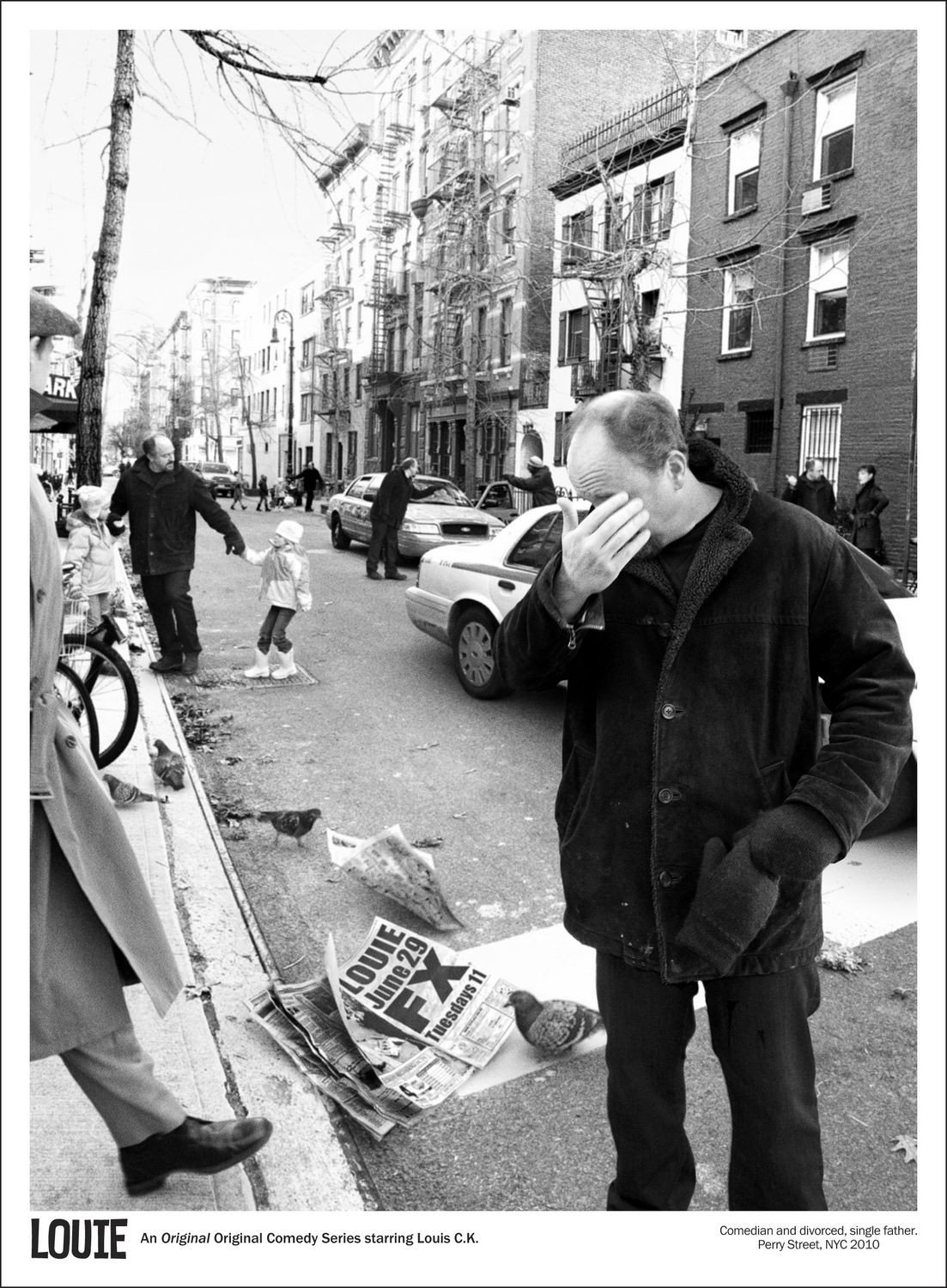
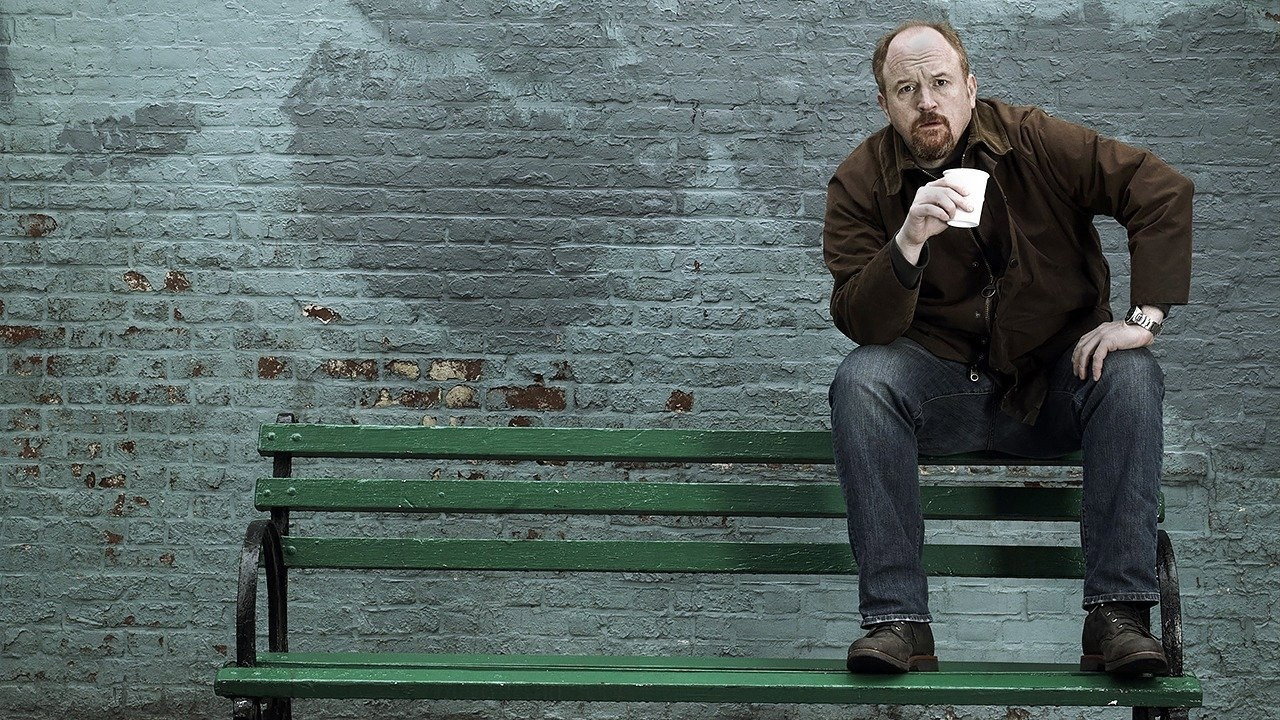
Louie (Louis C.K.) is a divorced stand-up comedian raising two daughters, Lilly (Hadley Delany) and Jane (Ursula Parker), in a small New York flat, and working the city’s comedy clubs at night. Each episode opens with him on stage and then follows him off it: a meeting with a teacher (Ashlie Atkinson), a taxi ride across town, a date (Chelsea Peretti) that is over before the evening is. His friend Pamela (Pamela Adlon), another single parent, is the woman he wants and the woman who keeps saying no. He would like to be a decent father and to be liked by a woman, and neither is going to plan.

Fi1m review

Louis C.K.’s series did something American comedy had not tried: a stand-up set, then whatever short film he felt like making. When it works it is remarkable; when it does not you are watching a man indulge himself, often in the same episode.

Louis C.K. was handed a half-hour of American television and no instructions. What he made with it is not a sitcom. Each episode of Louie opens on a stand-up set in a small New York club and then turns into one or two short films about a man called Louie: divorced, a comedian, raising two daughters in a flat that looks like the half of the furniture he was allowed to keep. Jane is played by two different girls across the run, Ursula Parker and Ashley Gerasimovich, and the show does not mind whether you notice. It is original, often careless, and worth your time if you can stand being made uncomfortable on purpose.

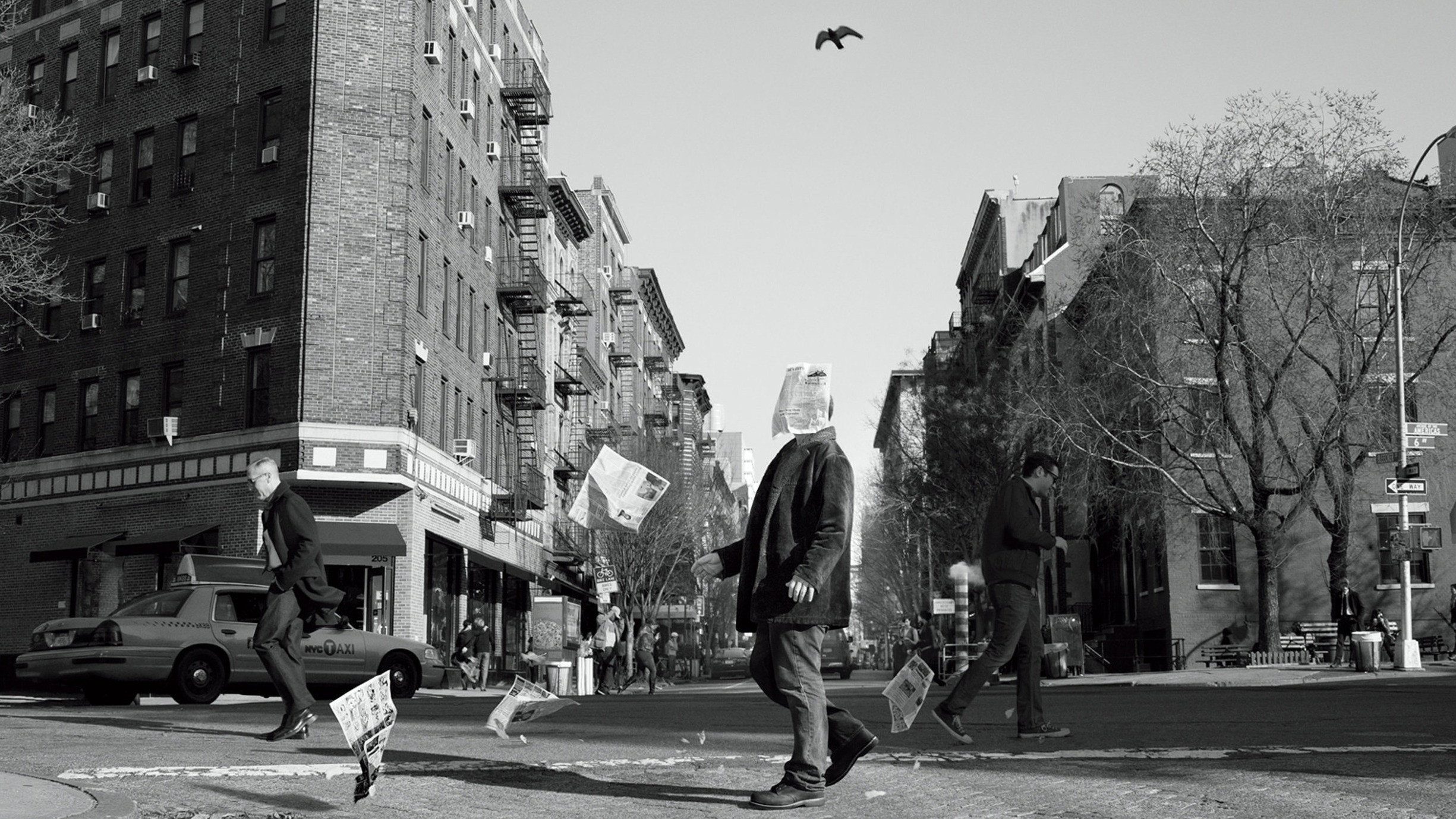
The look is plain and meant to be. Louie walks real pavements in grey daylight, and Amy Beth Silver’s production design gives him a flat with more books than chairs and nothing on the walls anyone chose. Gina Sansom’s editing is where the show’s rules are written. Scenes stop when the scene is over rather than when the laugh arrives, and a punchline is as likely to be followed by a long silent shot of a man on a subway platform as by a cut to the next joke.

Pamela Adlon is the second author of the thing. She produces, writes and shares story credit, and she plays Pamela, a single mother Louie wants and who tells him, at length and with some pleasure, why not. Pamela is funnier than Louie and knows it, and every scene they share is a small argument she wins. The daughters, Lilly (Hadley Delany) and Jane, are written as actual children: they ask why, they are bored by the answer, and they are never used as a set-up for him.

The guests are chosen for what they do to the tone. Parker Posey, as Liz, takes Louie on a night across the city and gives the series its best stretch; she is quick and bright and slightly frightening. David Lynch plays Jack Dall, an old television hand, entirely straight. Chris Rock turns up as Chris and plays a version of himself with the volume down. We laughed hard at the sets. More than once we found ourselves not laughing at all, watching Louie alone in the flat after the girls had gone to their mother’s, and the shot went on long enough that we checked how much of the episode was left.

A show made by one man with nobody to answer to has that man’s faults. Louie loses every argument on screen and wins every argument in the writing, because he has written the other side. The series ran to five seasons between 2010 and 2015, and the fourth is where it shows: fourteen episodes, more of them stretched across several weeks, the jokes thinner, subjects that had been watched now being explained. So Did the Fat Lady, in which a woman gives Louie a long speech about how men like him treat women like her, is well acted and carefully shot, and it is also a man writing himself a telling-off he can be seen to accept gracefully. We noticed we were meant to admire him for taking it.

In 2017 Louis C.K. admitted to sexual misconduct, and because the show was built out of his life, the admission changed what the show is. Some critics went back and marked it down hard. We do not think the episodes became worse made. We do think the material about men, sex and being forgiven now reads as a man asking to be excused, and anyone coming to it fresh should know that before the first set begins.

Set beside the half-hour comedies that came before it, it barely looks like the same kind of programme; several that came after were made by people who watched it closely, and they are tidier. Most critics have it a little higher than we do, for the form, which earns it. Watch two or three episodes from the first three seasons, with the sound up and nothing planned afterwards. If you want a comedy to leave on while you cook, this is not it.

Critical consensus AI synthesised

78
Positive
6
Mixed
1
Negative
1

Most critics like Louie a good deal, and the praise gathers around its form. The reviews describe a half-hour that does not behave like a sitcom: stand-up clips cut against short, scripted vignettes that can drop the jokes altogether for something sad, surreal or plainly uncomfortable. Several critics credit Louis C.K.’s direction as much as his writing, finding the filmmaking assured and the New York setting closer to an independent film than to network comedy. The later reviews argue the show grows more experimental and more serious across its seasons.

The spread is wide, and the dissent comes from two directions. Variety’s early notice finds the structure loose and the laughs intermittent, while allowing there is plenty to like once the pilot is past. Paste, writing in 2017 after C.K. admitted to sexual misconduct, rereads the series in that light and argues that episodes once praised for honesty now play as self-justification. No other review yet returns to the show with that question.

Empire
5 April 2013 · William Thomas
90*

The semi-autobiographical sitcom charts the misadventures of a middle-aged divorcé. It is a sublime distillation of C.K.’s blend of jovial fatalism and brutal honesty.

Read the full review →
The AV Club
29 June 2010 · A- · Nathan Rabin
90

The critic praises the pilot as a bold, fearless reinvention of TV comedy, blending stand-up with short-film-like vignettes that are daring, uncomfortable, and original rather than pandering.

Read the full review →
The Guardian
24 July 2014
90*

Louis CK's series expands the US sitcom form with its free-flowing, messy narratives about a divorced stand-up dad's everyday moral struggles and surreal mishaps in New York. The critic praises its humane yet surreal worldview, experimental maturity across seasons, and willingness to venture into philosophical and emotional territory beyond straight laughs.

Read the full review →
The Hollywood Reporter
1 May 2014 · Tim Goodman
90*

After a hiatus the FX comedy remains more than a comedy, redefining the genre with originality as it enters season four. No show quite behaves like Louie, which exists in a 30-minute dimension given to creator Louis C.K. to do with as he pleases.

Read the full review →
Vulture
23 August 2012 · Matt Zoller Seitz
90*

The series stands out for its revolutionary form rather than content, translating the imaginative impact of stand-up comedy into a visual medium with assured filmmaking by Louis C.K. It is consistently fascinating and aesthetically groundbreaking for American television.

Read the full review →
Variety
26 June 2010 · Brian Lowry
50*

The series offers a loose, Seinfeld-like structure mixing stand-up clips with scripted vignettes, proving uneven overall but with plenty to like after the pilot. The format allows for possibilities and an independent-film feel in its New York setting, though laughs come only intermittently.

Read the full review →

Cast

Awards

Primetime Emmy Awards, 2015

Nominated
Outstanding Casting for a Comedy Series
Nominated
Outstanding Guest Actress in a Comedy Series

Primetime Emmy Awards, 2014

Nominated
Outstanding Lead Actor in a Comedy Series

Primetime Emmy Awards, 2013

Nominated
Outstanding Comedy Series
Nominated
Outstanding Directing for a Comedy Series
Nominated
Outstanding Single-Camera Picture Editing for a Comedy Series

Primetime Emmy Awards, 2011

Nominated
Outstanding Writing for a Comedy Series

If you liked this, try…

Better Things poster

Better Things

2016 · Pamela Adlon’s own series about a single parent, made with the same honesty and more discipline

Curb Your Enthusiasm poster84

Curb Your Enthusiasm

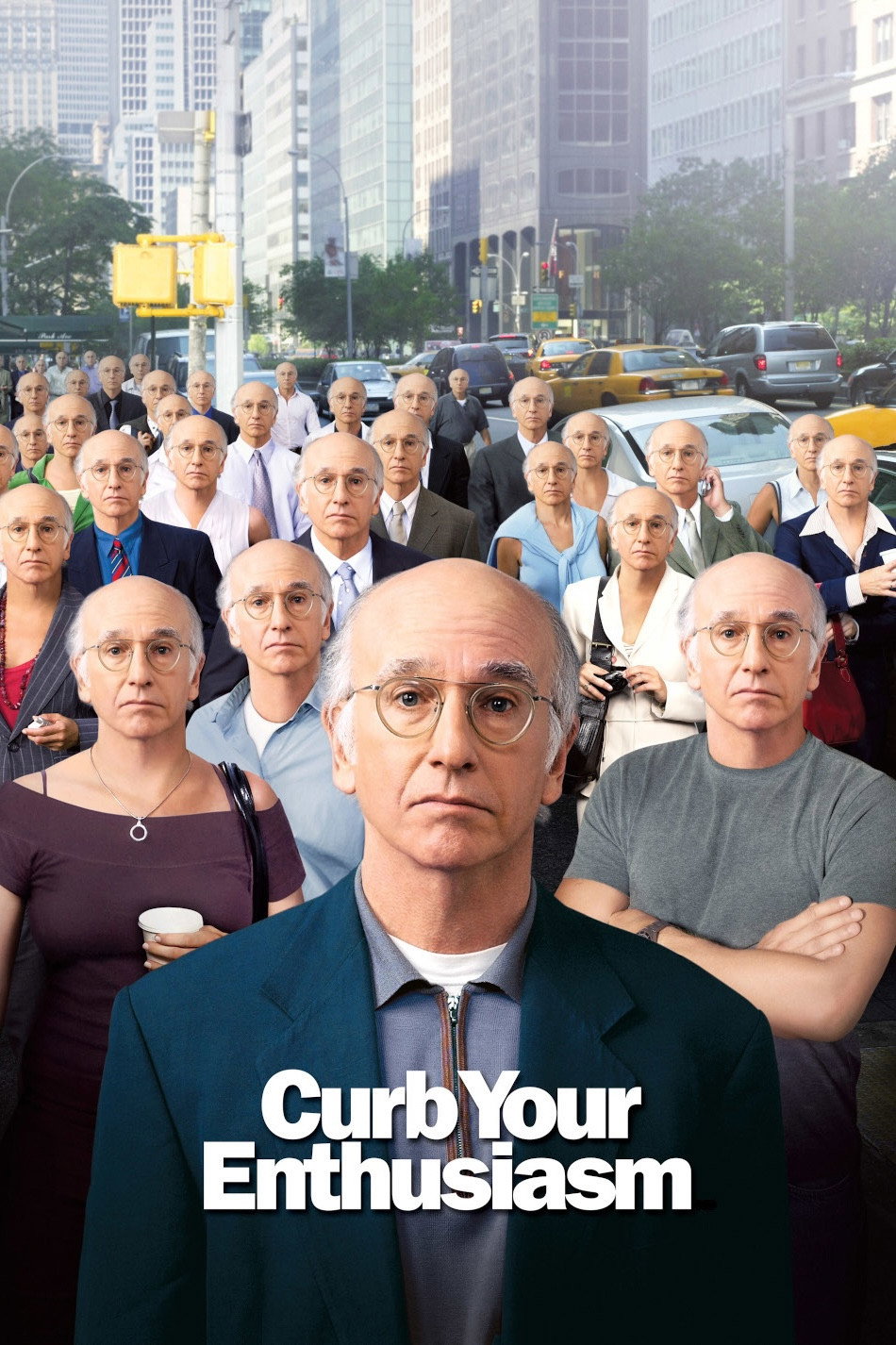
2000 · The other comedian playing himself badly; more jokes, fewer silences, and a longer run

Atlanta poster

Atlanta

2016 · Donald Glover took the anything-goes half-hour and made it stranger and more political

Fleabag poster90

Fleabag

2016 · Waller-Bridge talks to the camera the way Louie talks to the club, and it hurts more

Peep Show poster88

Peep Show

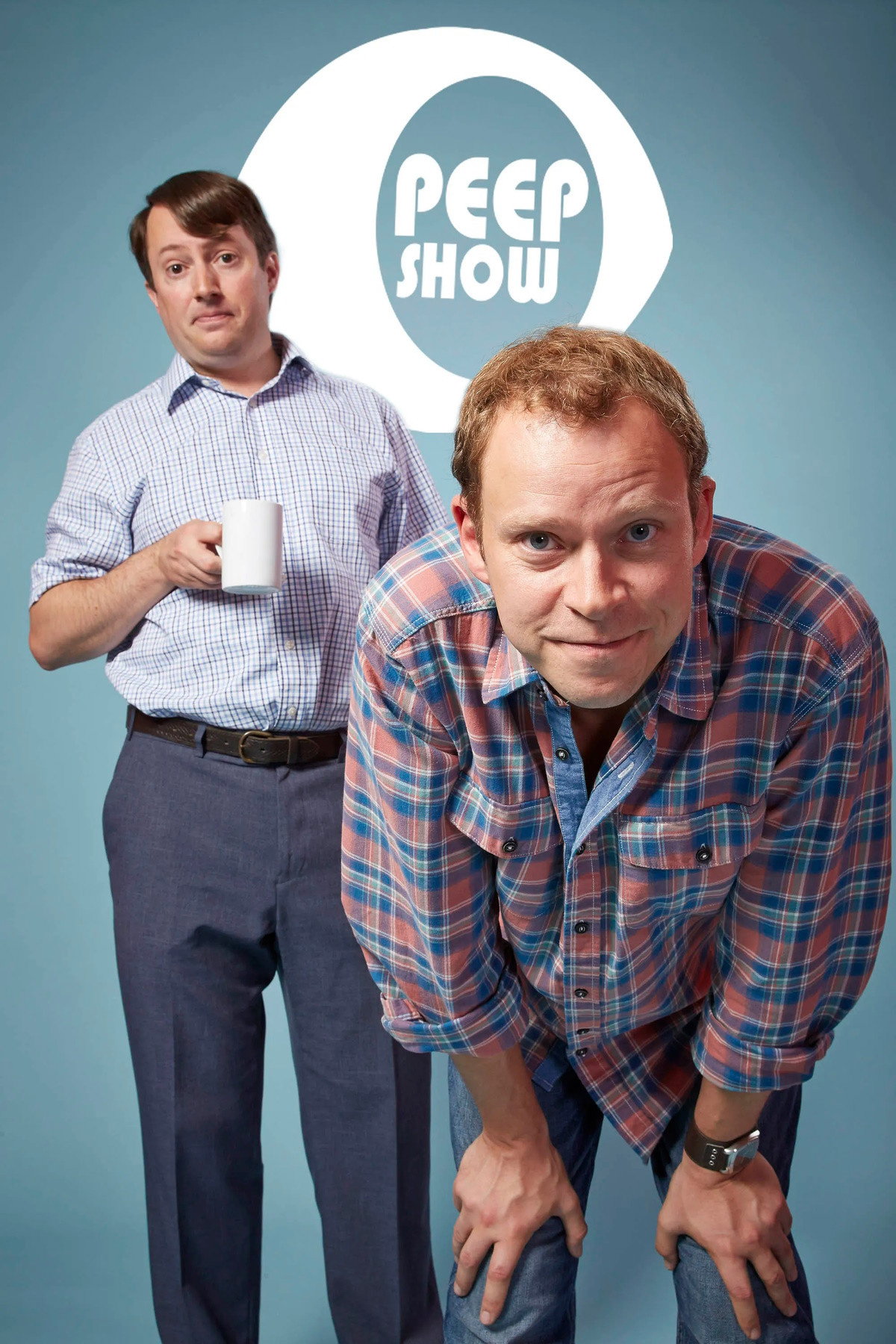
2003 · Two men in Croydon who lose every argument and narrate it; British, meaner, funnier