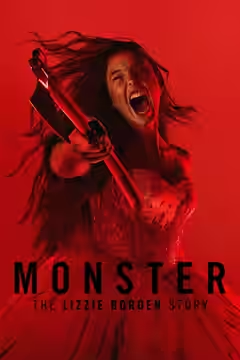
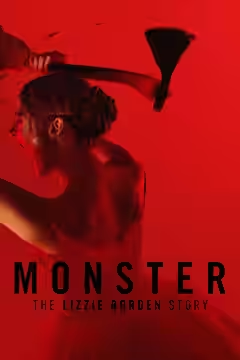
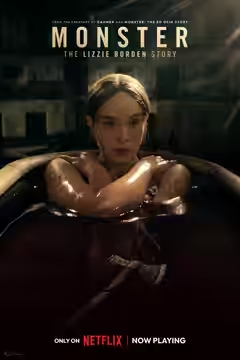
Rebecca Hall and Vicky Krieps are worth the first two hours, and Ian Brennan’s eight-part retelling of the Borden murders has one idea about its heroine, which it states in the first episode and then repeats for seven more.
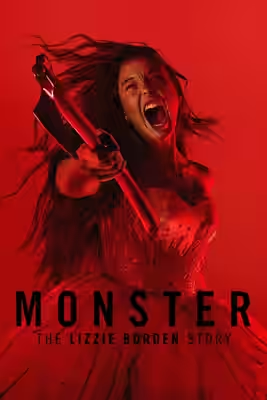
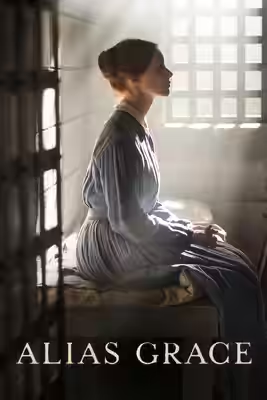
Ian Brennan’s eight-part account of the Borden murders begins with the facts and then runs from them. Fall River, Massachusetts, 1892: a rich man who would not part with a dollar, a second wife the daughters treated as a lodger, an Irish maid, and on 4 August two bodies and a hatchet. It is one of the best-known unsolved cases in American history, and the series has decided what happened and why. The decision is that Lizzie Borden was a good woman who was pushed. Eight hours is a long time to hold a single thought, and the series does not manage it.
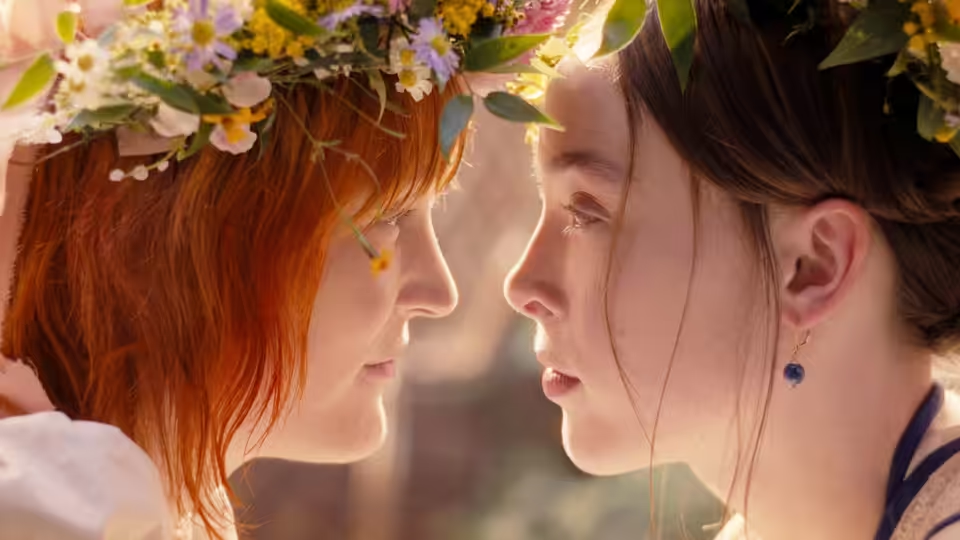
The cast are better than what they are given. Rebecca Hall plays Abby Borden as a frightened, watchful woman inside a part the script has drawn as a villain, and she is the only performer who seems to be working against the writing rather than with it. Vicky Krieps, as Bridget Sullivan, does something similar from the kitchen: she watches the family the way a servant learns to, and every scene she is in is quieter and more truthful than the scene before it. Ella Beatty holds the centre with a stillness that is often striking, but Brennan has written Lizzie as a list of grievances and not a person, and there is only so much Beatty can do with a list. Charlie Hunnam is asked to play Andrew as a tyrant and nothing else, and does what is asked.
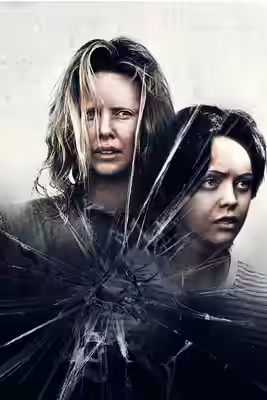
Then there is the Florida strand. Sarah Paulson plays Aileen Wuornos in a series of cutaways that arrive whenever Fall River threatens to get interesting, and they are the weakest thing here. Paulson plays her big, all teeth and shoulders, and the whole strand sits in the shadow of Monster, the 2003 film in which Charlize Theron played the same woman with far more care. We were bored during these stretches, and then we were annoyed at being bored, because we could see the better series being interrupted to make room for them. The parallel Brennan wants to draw between the two women is stated in dialogue more than once, in case we missed it.
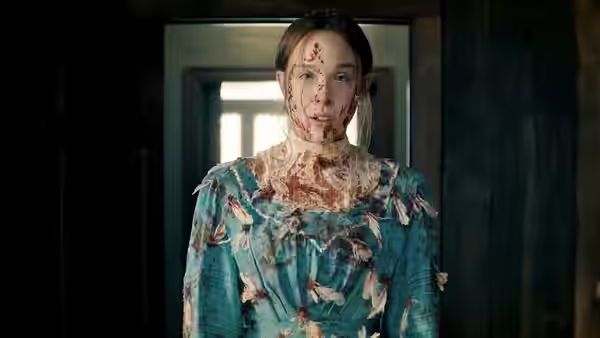
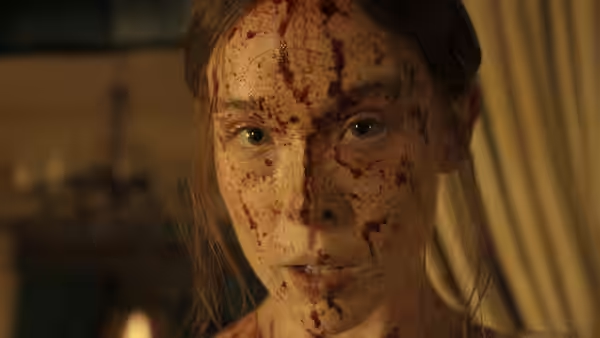
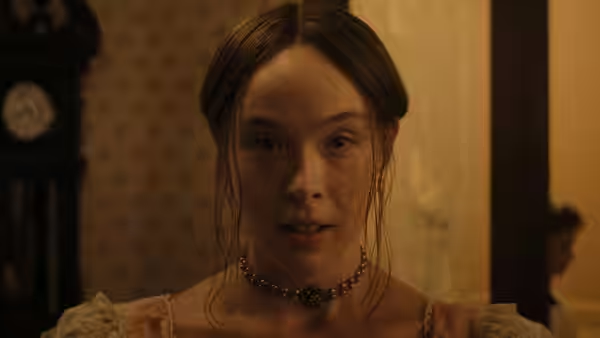
Max Winkler and Sarah Adina Smith direct with energy, and the energy is not nothing. Matthew Flood Ferguson’s Borden house is all narrow stairs and closed doors, and the directors move through it fast. Paula Bradley keeps the women in dark, heavy cloth that makes the heat of the summer legible. Bryce Dessner’s score is spare and does its job, and the songs dropped over the period scenes are the liveliest choices anyone makes, though they are borrowed. When the hatchet comes out the blood is plentiful and the camera does not flinch. We laughed at the first of these scenes, and then felt slightly ashamed, because the series plainly wanted us to feel something else and had not done the work to earn it.
The work it has not done is the middle. Between the murders and the courtroom there is a great deal of waiting, filled with flashbacks, dreams and speeches about what men have done to women, all of which are true and none of which is drama. Jessica Barden’s Nance O’Neil, an actress who enters Lizzie’s life late, gets a handful of good scenes and then the series moves on. The series believes that a woman with a hatchet needs a reason, and that supplying one is the same as understanding her. It is not.
The first Monster season, on Jeffrey Dahmer, had plenty wrong with it, but it stayed in one city and one decade and let its subject be unpleasant. This one keeps leaving Fall River. Brennan has written a case for the defence, which is a legitimate thing to make about Lizzie Borden, but a defence needs a prosecution to argue with, and the series never lets anyone make one.
Watch the first two episodes for Hall and Krieps, who are doing real work in a house that does not deserve them. If by the third you are counting how many remain, the answer is five, and they do not get shorter.