Peter Jackson’s fantasy drama is unsettling and well worth seeing, with Melanie Lynskey and Kate Winslet making teenage friendship feel consuming. The restless camera sometimes overdoes what the performances have already achieved.
Heavenly Creatures is an unsettling, absorbing film about two teenagers whose friendship makes everyone else seem unnecessary. Peter Jackson takes their attachment seriously enough to let us feel its appeal before asking us to fear its intensity. His screenplay with Fran Walsh gives their fantasies considerable room, trusting the relationship to hold our attention through its excursions from reality. It is worth seeing, with a reservation about Jackson’s tendency to keep the camera moving when the actors need no assistance.
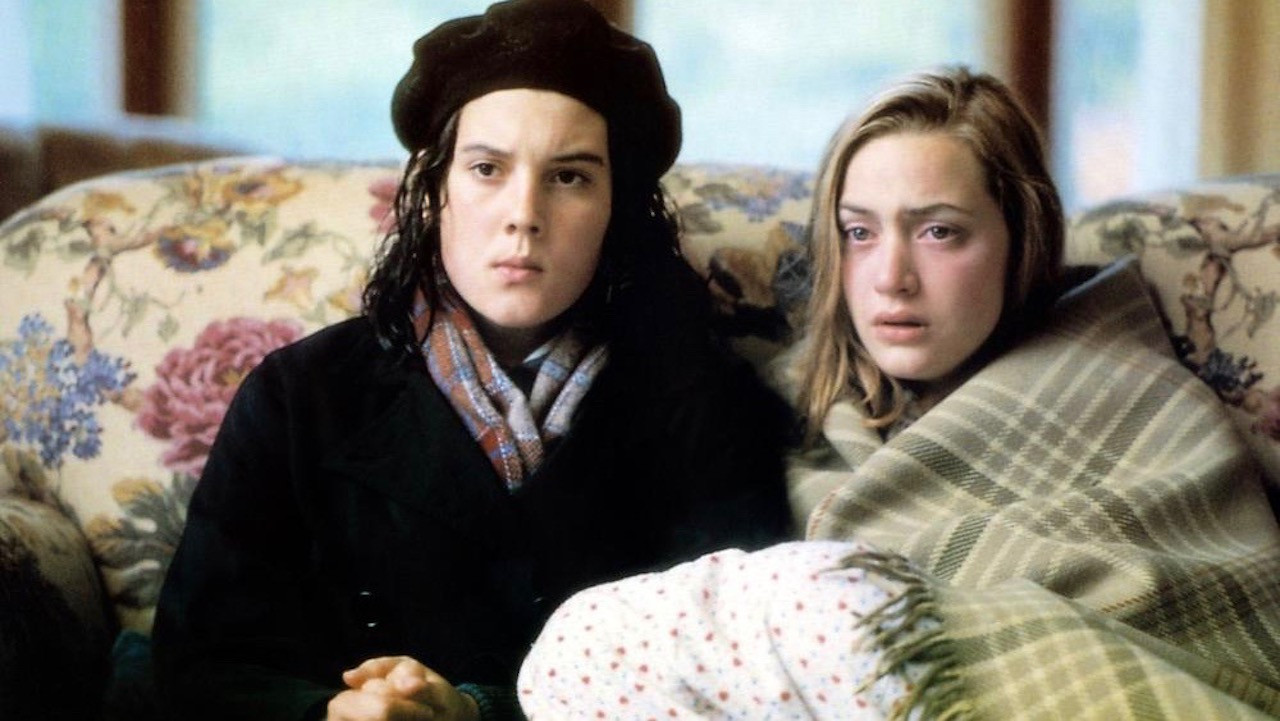
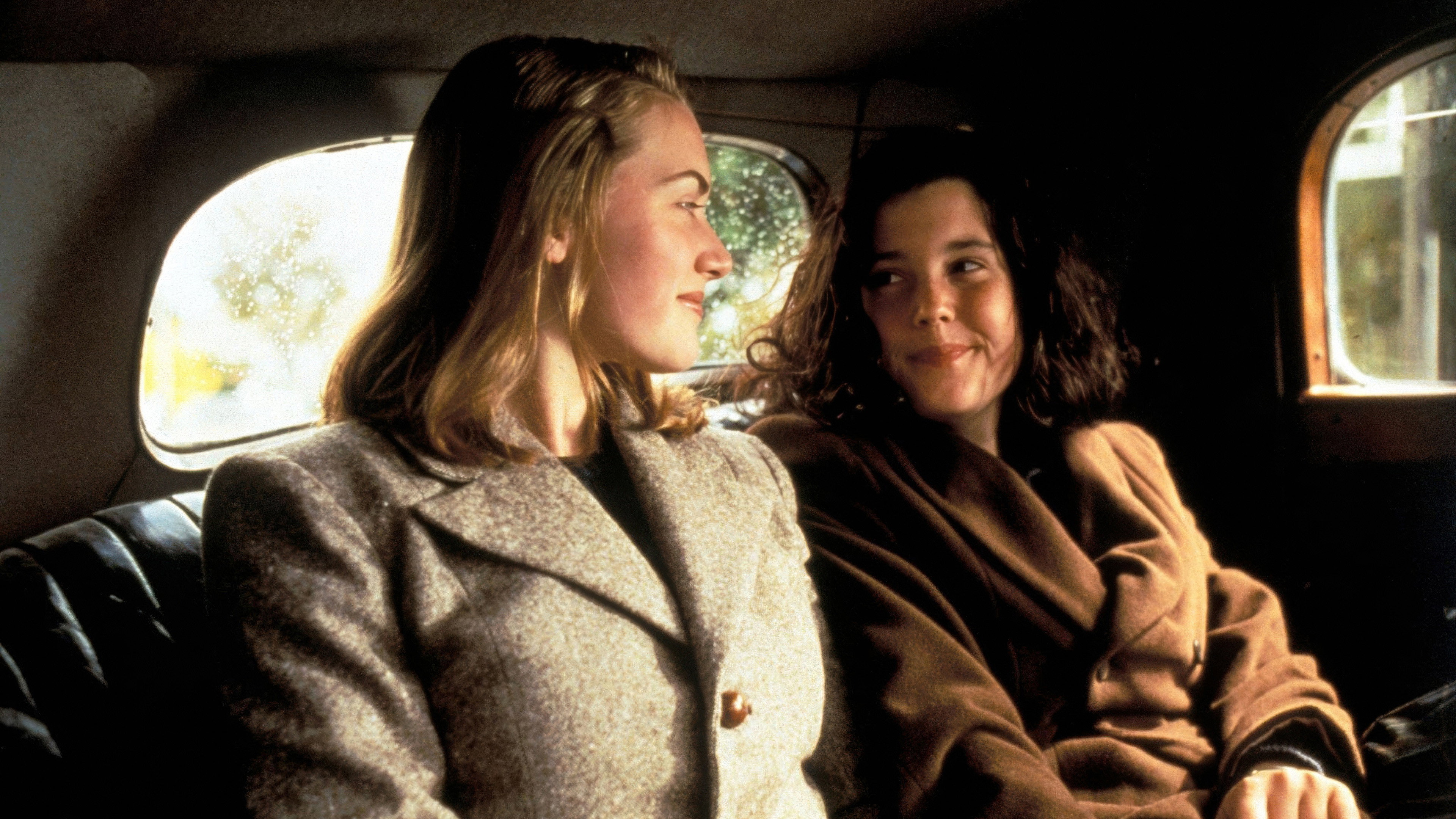
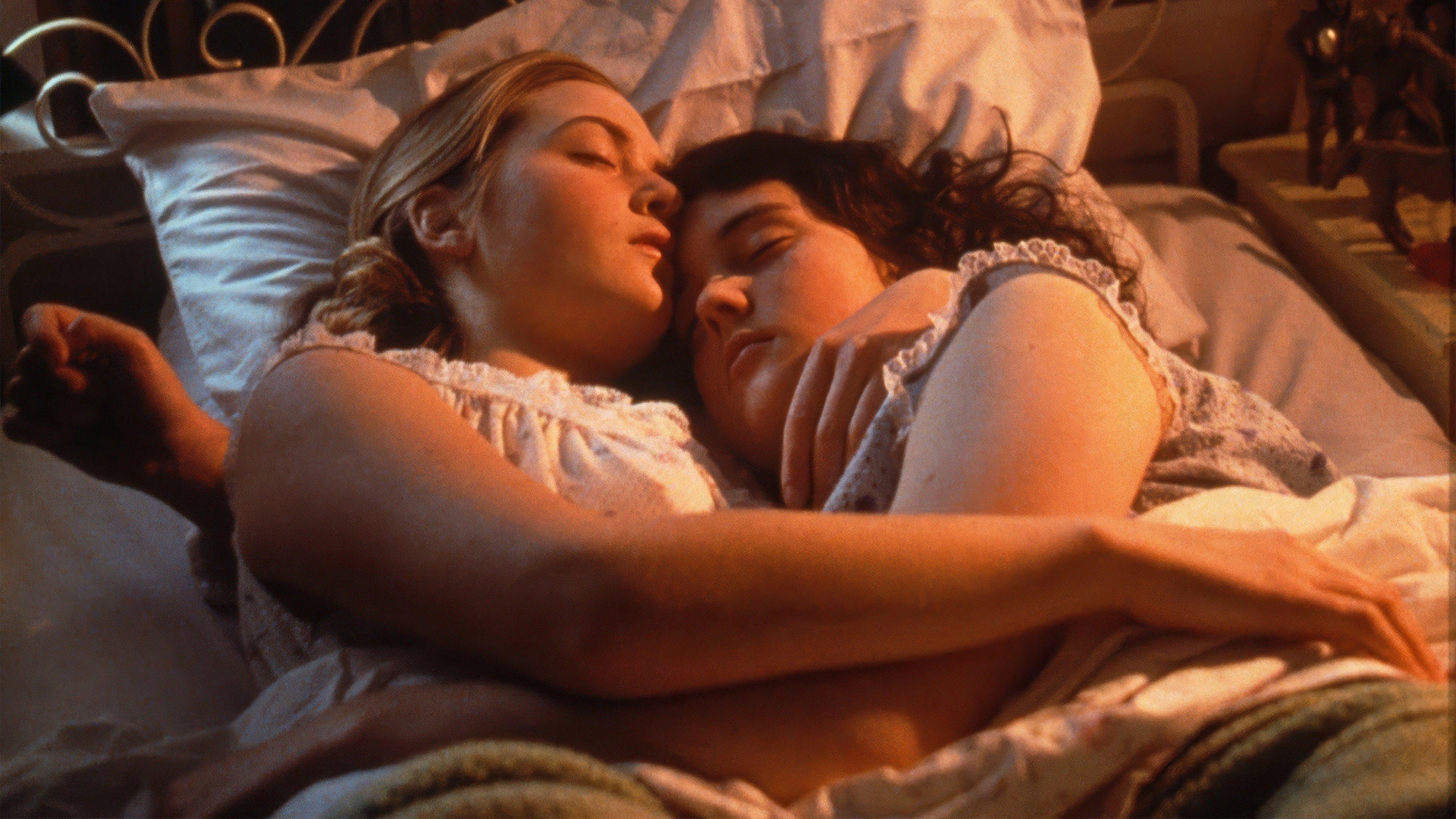
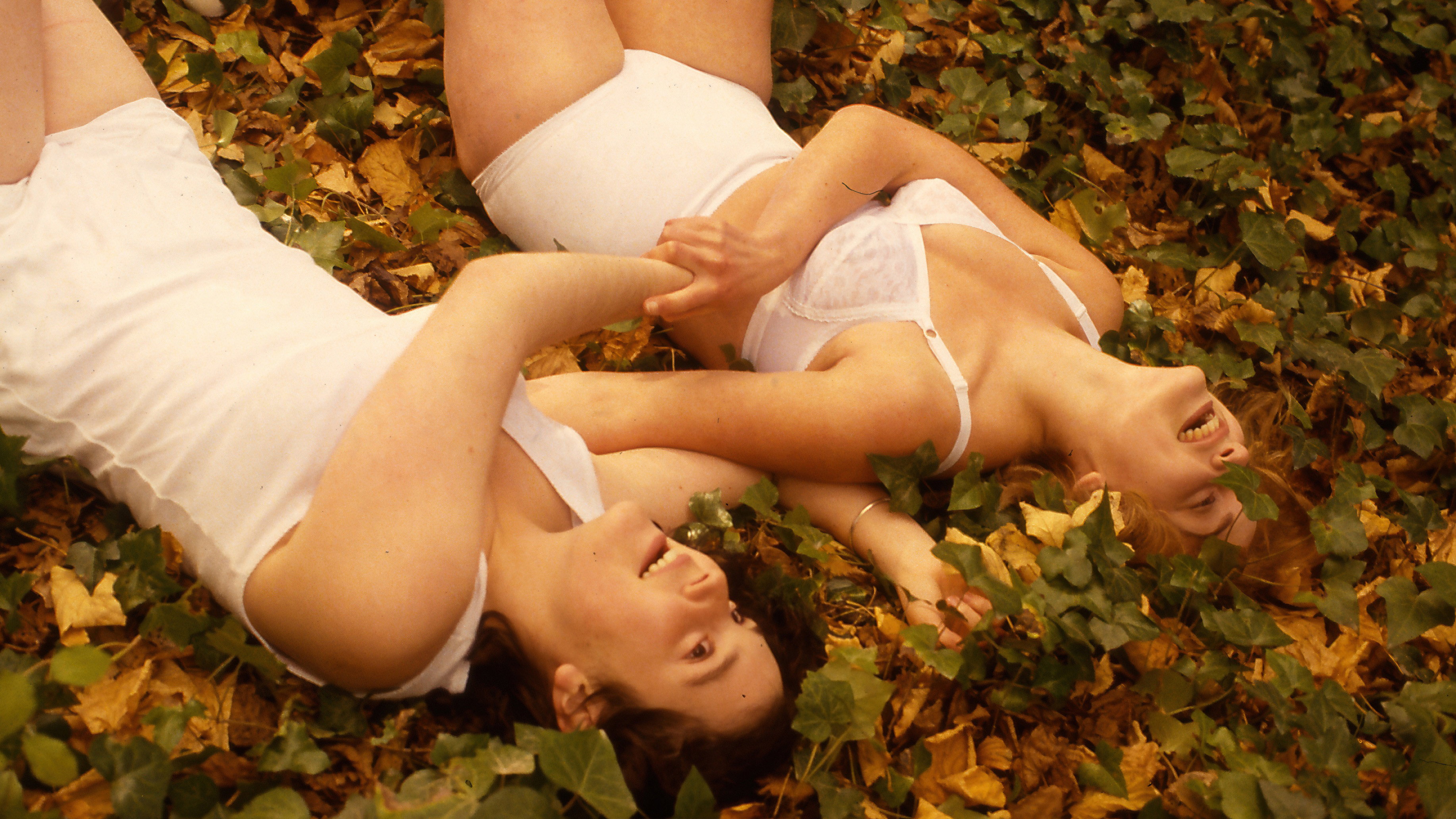
Melanie Lynskey’s Pauline Parker and Kate Winslet’s Juliet Hulme make that trust worthwhile. Their attachment feels important to them in ways that do not require the audience to remember its own adolescence fondly. We were moved by their pleasure in sharing an imagined world, and unsettled by how readily we wanted them to be left alone in it. The performances make that response possible: both girls remain people whose companionship we can understand, even as their distance from everyone else becomes troubling.
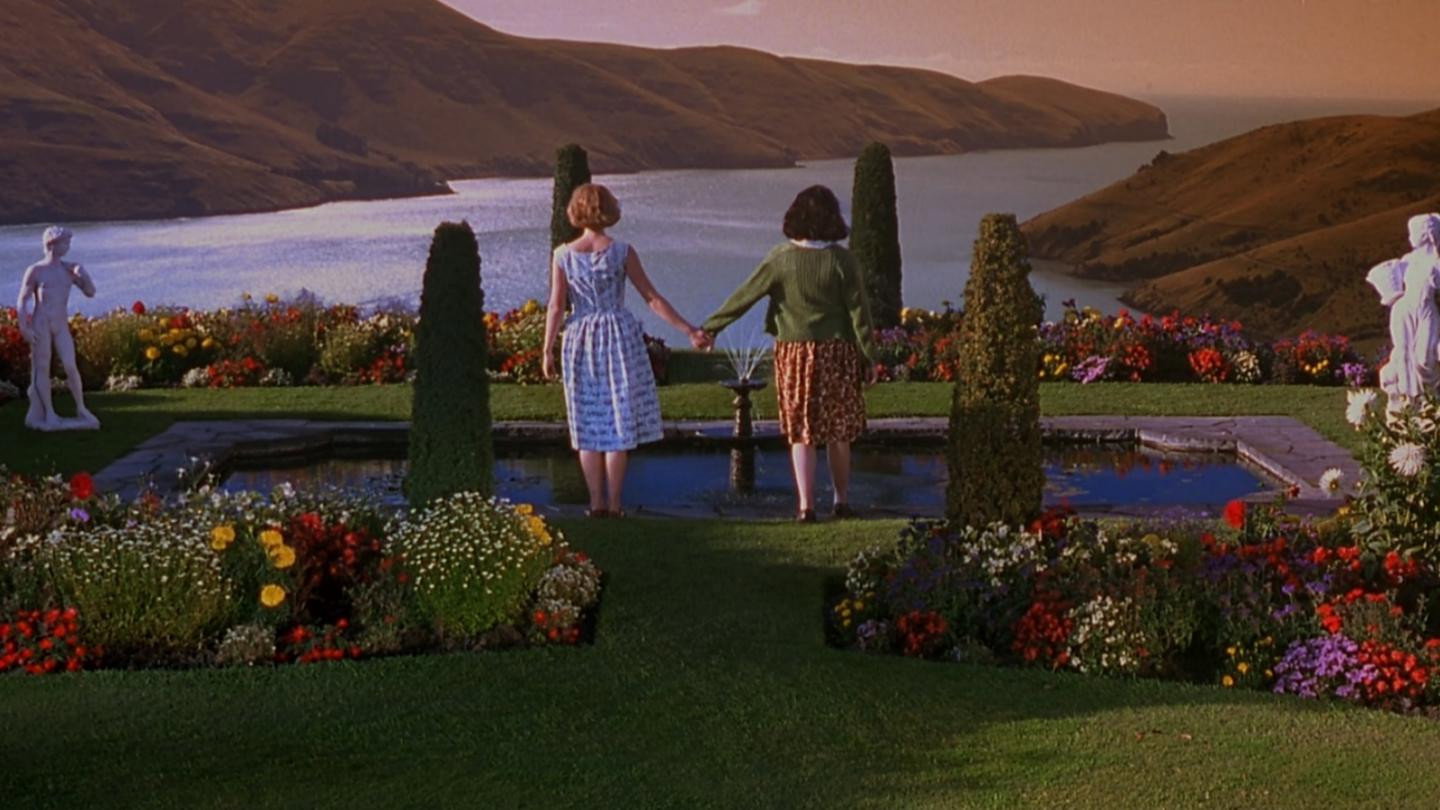
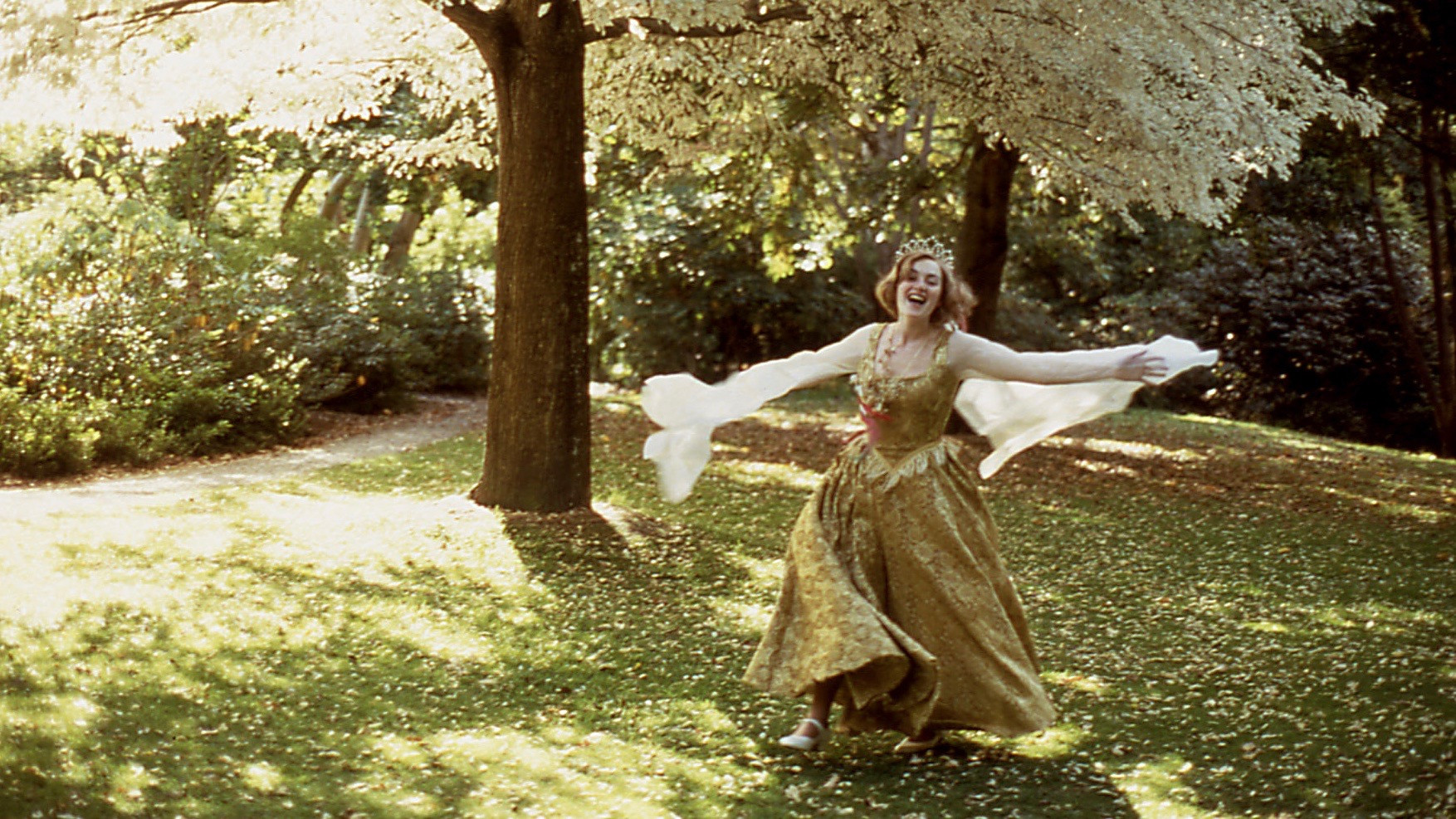
Alun Bollinger’s restless photography gives their excitement a physical force, carrying us along when a stiller approach might let us judge them too easily. Grant Major’s production design makes the fantasy feel substantial enough to be somewhere they would want to stay. Those imagined spaces matter because we need to understand what the girls find there. The film’s willingness to spend time inside their fantasies makes their dependence on each other convincing without requiring lengthy explanations of what it means.
Jamie Selkirk’s editing sustains the dreamlike mood, keeping the fantasy close enough to ordinary experience that the transitions do not release us from the girls’ company. That continuity is important in a film which asks us to spend so much time following their private thinking. Peter Dasent’s score helps make their imagined world inviting and keeps the emotions close to the surface. The music works within Jackson’s excitable approach, though the performances do most of the work of making us care.
Jackson’s weakness is his reluctance to leave that heightened pitch alone. Some camera movements insist on excitement after the performances have already supplied it, and the effect can be wearing. The concentration on the pair also makes it harder for anyone else to register with comparable force. We wanted a little more room to feel the pressure of ordinary life, because without it the flights into fantasy lose some of their urgency.
The consensus is less enthusiastic than we are, and the objection to Jackson’s closeness to the girls deserves an answer. We disagree that sharing their view makes the film too forgiving: their retreat into fantasy becomes alarming precisely because the friendship has been made so appealing. Jackson and Walsh allow us to understand the attachment without making us comfortable about it. A crime drama that kept the girls safely at a distance would give us much less to think about, however much easier it might be to watch.
This is a strong choice for anyone willing to spend an evening with a friendship that becomes increasingly difficult to watch. Expect the fantasy to demand as much attention as the drama, and allow for some directorial overstatement. Choose it when there is time to talk afterwards.