Rising Damp is sharply funny, with Leonard Rossiter setting a pace the ensemble can match. A few lines need the actors’ help, but the characters’ unhappiness gives us a reason to care after the laughter stops.
Rising Damp is sharply funny, and its disappointments hurt enough to keep the comedy from becoming merely busy. Created by Eric Chappell, it gives Leonard Rossiter the chance to dominate an exchange without reducing everyone else to an audience. The acting is the reason to recommend it, with a small reservation about lines that need more help than they should. We would happily spend another half-hour with this cast.
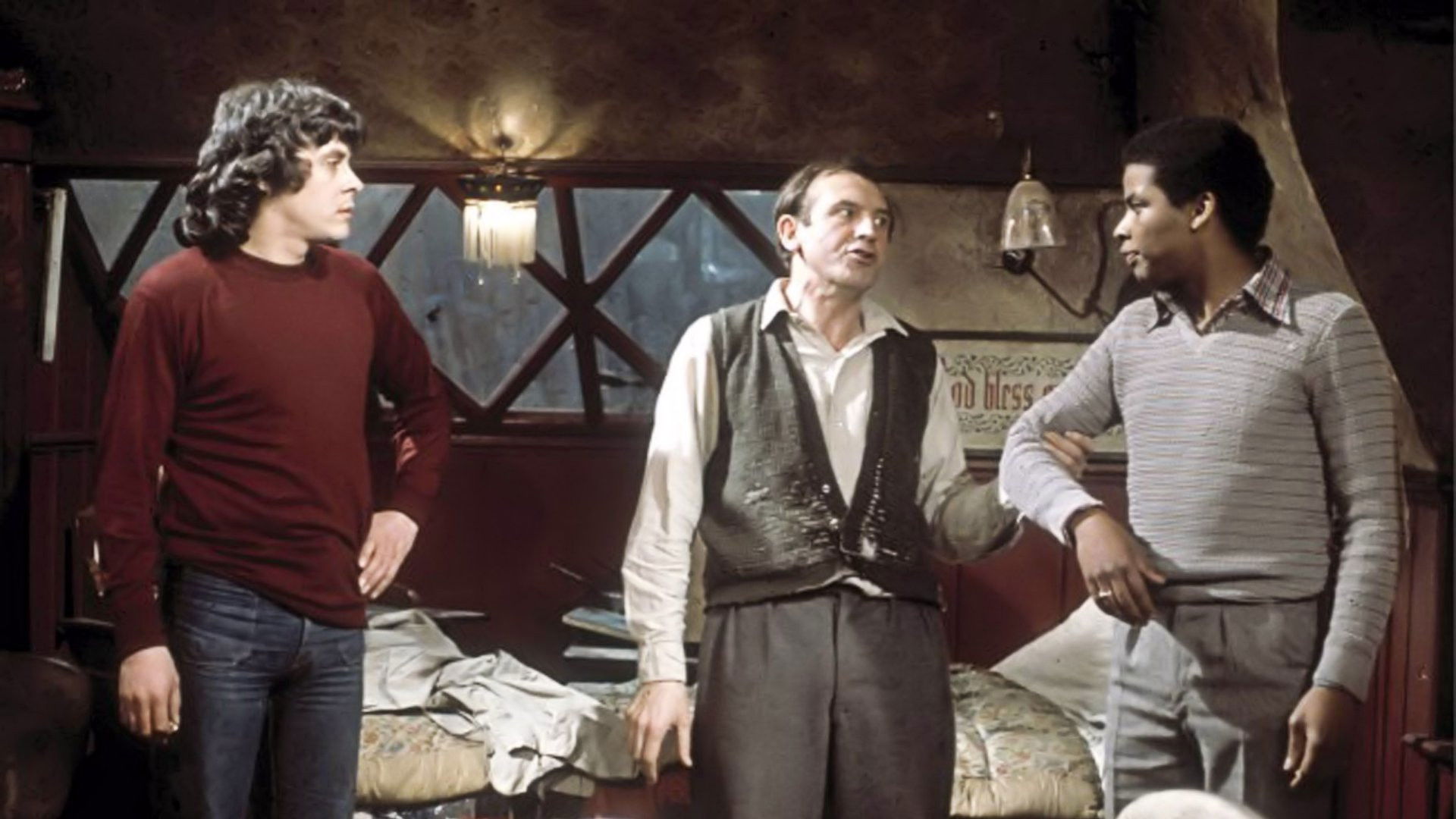
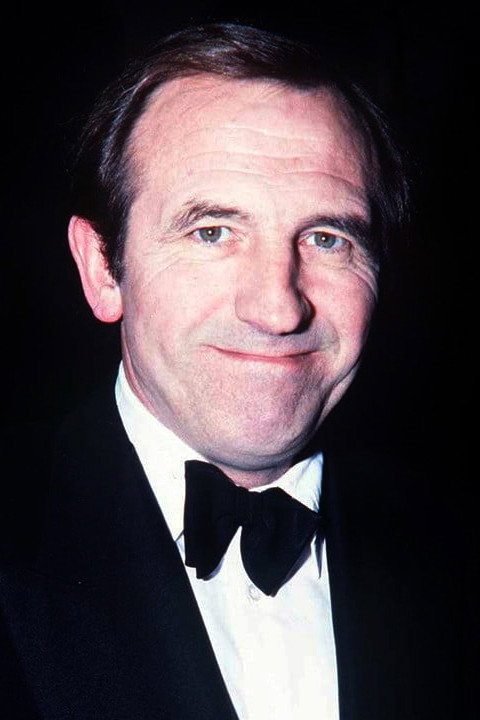
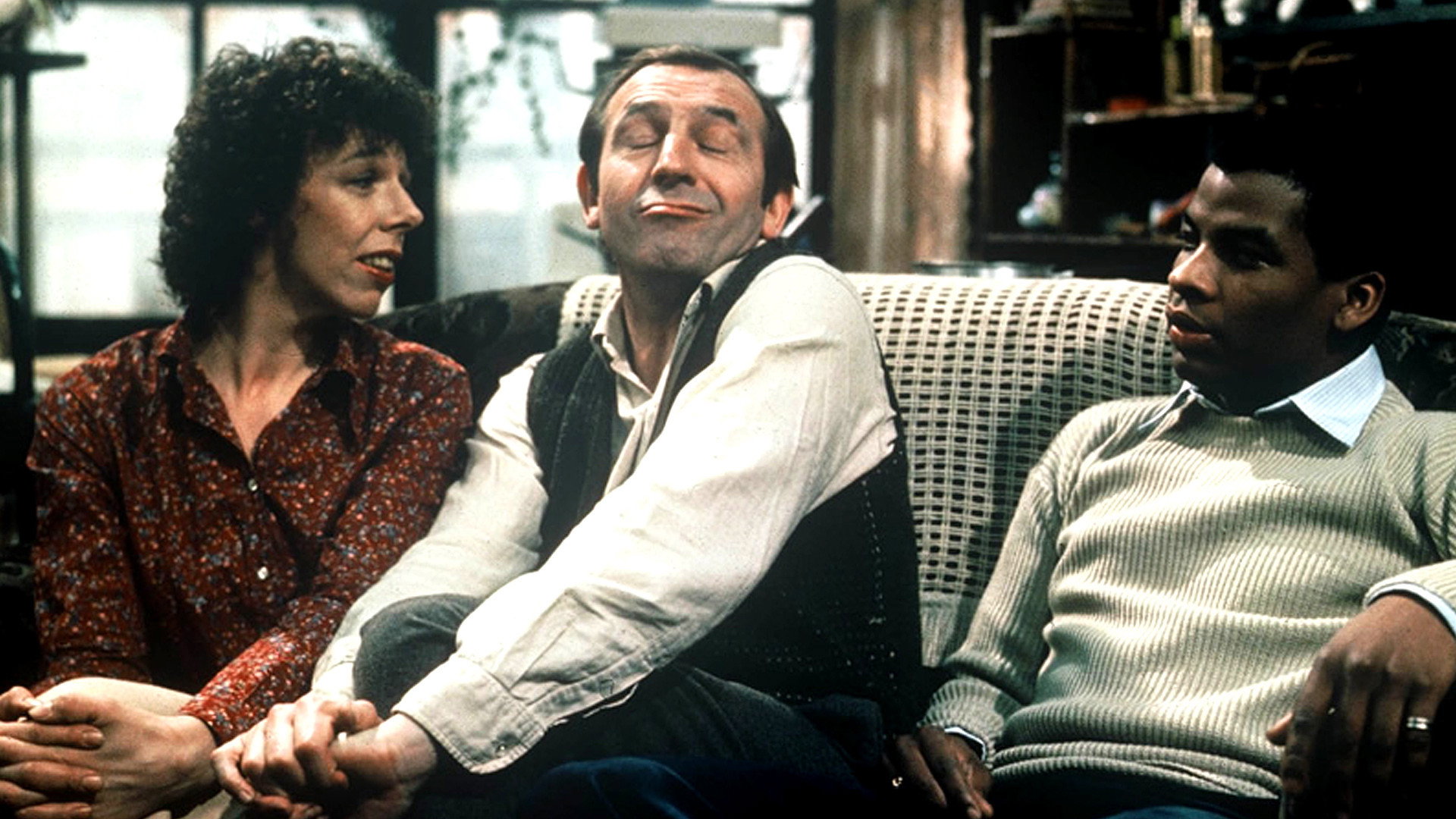
As Rigsby, Leonard Rossiter speaks at a speed that seems to leave no time for reconsideration. The words arrive quickly, and the physical comedy keeps the agitation visible even when the dialogue might be enough on its own. We laughed at that restless combination of voice and movement. The performance keeps Rigsby’s unhappiness in view, too, so that the laughter comes with an uncomfortable awareness of how much effort he is expending.
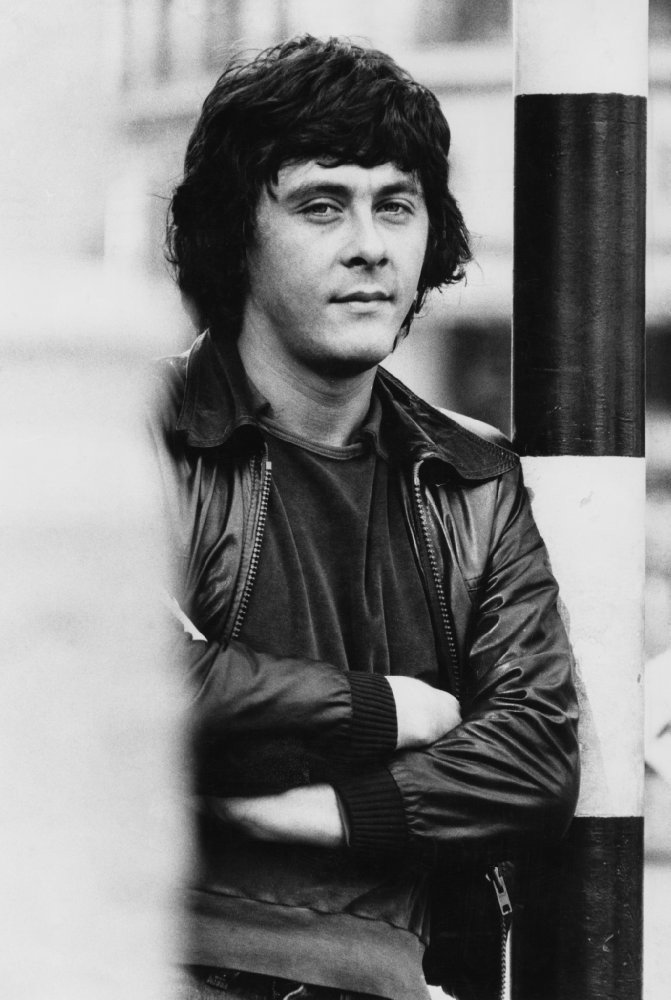
That performance needs people who can share a scene without competing for the same effect. Frances de la Tour as Ruth, Richard Beckinsale as Alan and Don Warrington as Philip give the exchanges the variety they need. Their contribution is easy to undervalue if we remember only the busiest performance; the comedy depends on what happens between the actors and how they answer one another. The ensemble feels properly matched, and the programme benefits whenever it allows us to appreciate someone besides Rigsby.
The weakness is easier to hear when a line attracts attention chiefly because of the way it has been delivered. Some of the dialogue feels thinner than the actors make it sound, and the brisk pace can hurry us past that rather than repair it. Eric Chappell’s comedy has enough feeling to survive the unevenness, but that dependence on performance is noticeable. A quieter delivery would leave a few jokes exposed, particularly when the pleasure comes almost entirely from the timing.
Produced by Ronnie Baxter, the half-hour programme gives the actors enough room to establish a rhythm without making every exchange feel laborious. The speed is useful, but so is the sense that these performers are listening to one another. Against the ordinary demands of a character sitcom, that is a substantial achievement, and it explains why the comedy sustains our attention. Rigsby is strongly drawn, the other performers remain distinct, and the writing gives them feelings to play as well as jokes.
The uneven lines are worth acknowledging, though they are a modest reservation about a series with this much comic skill. Across four series, the attraction is the ensemble and the complicated feelings it can bring into a short exchange, including the possibility that these people might find some accommodation with one another. Give it an episode rather than treating it as familiar background noise. Come for Leonard Rossiter, but keep an ear on the people answering him.