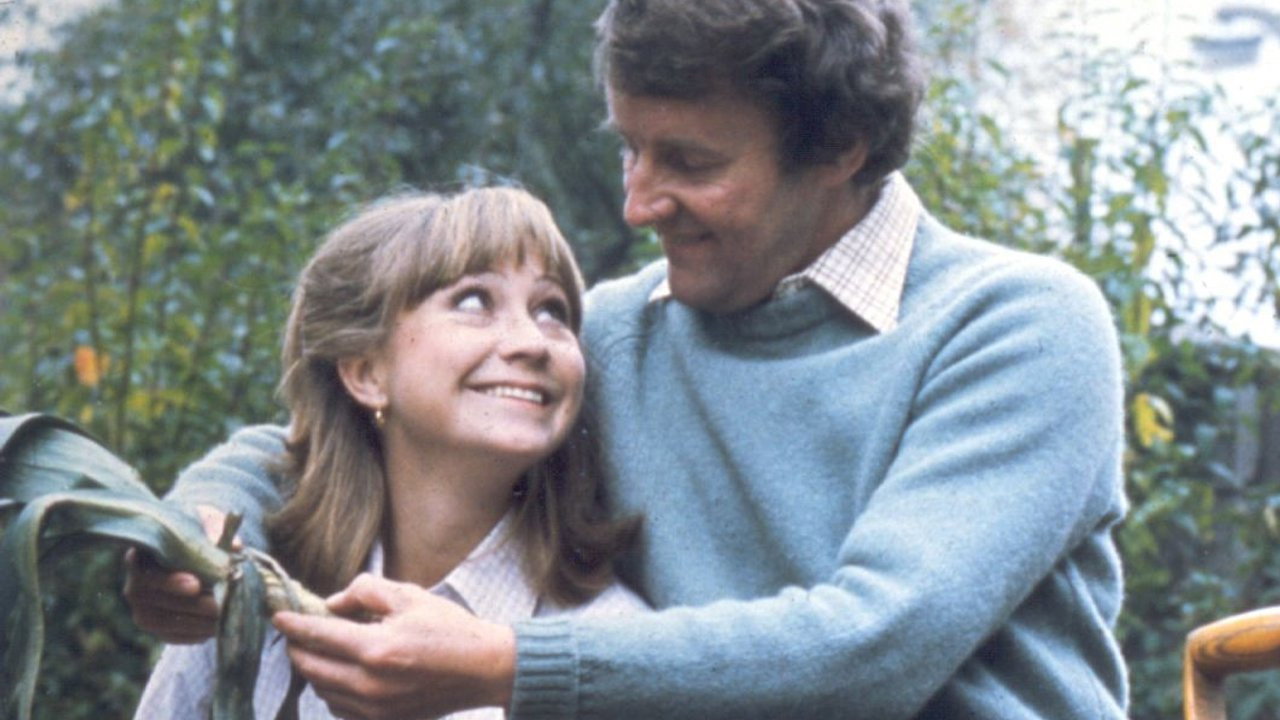
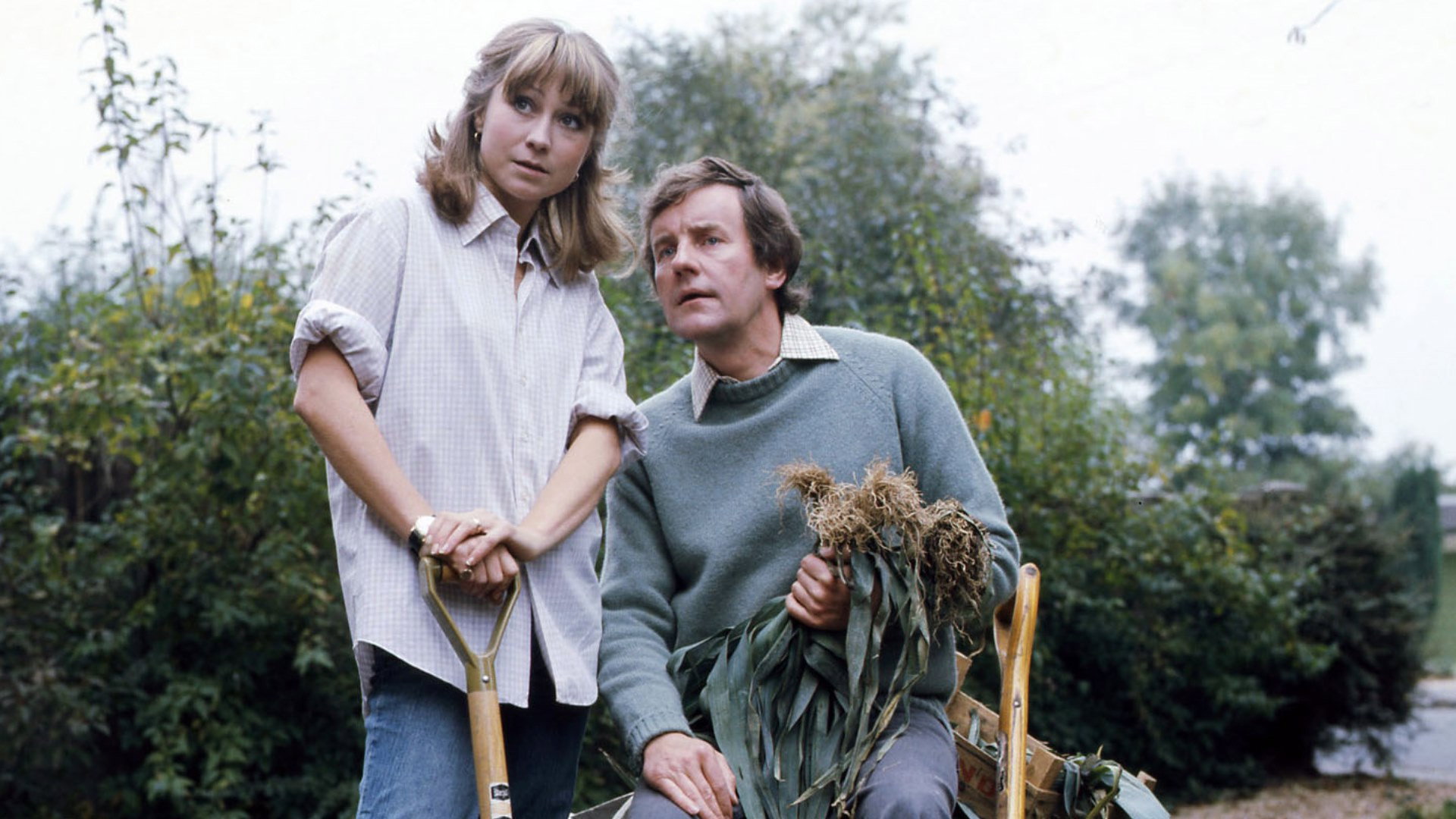
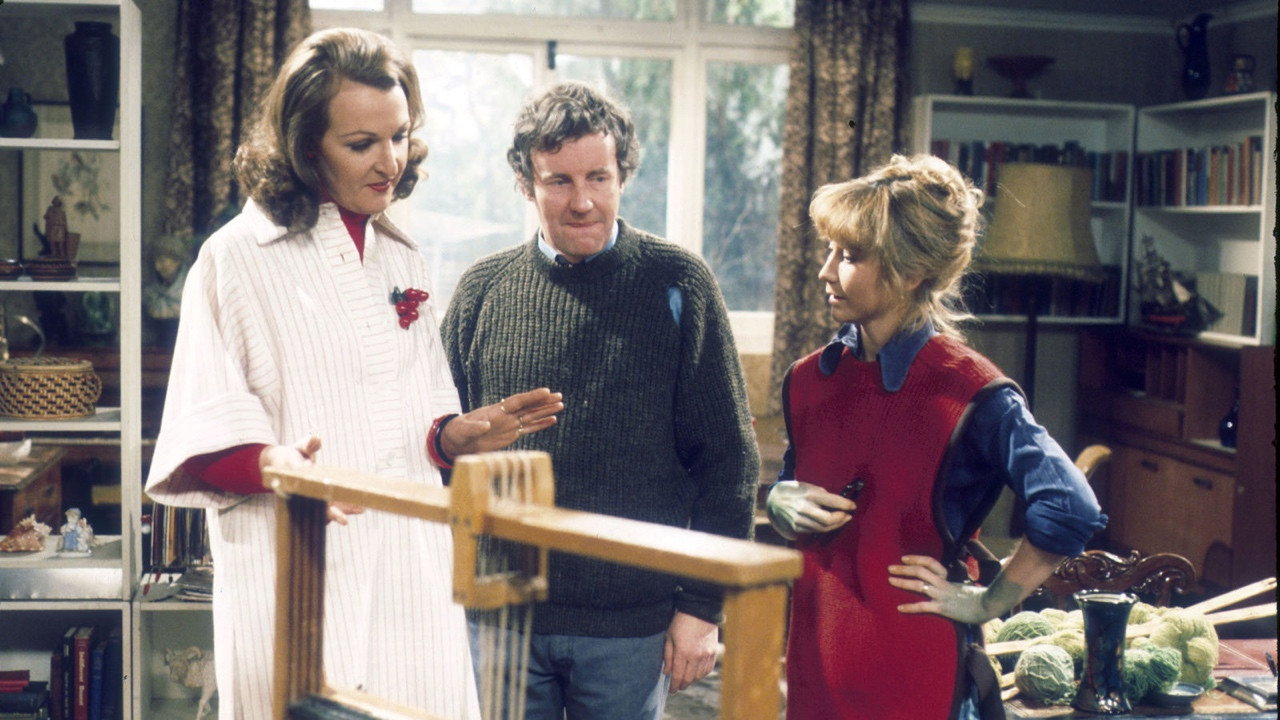
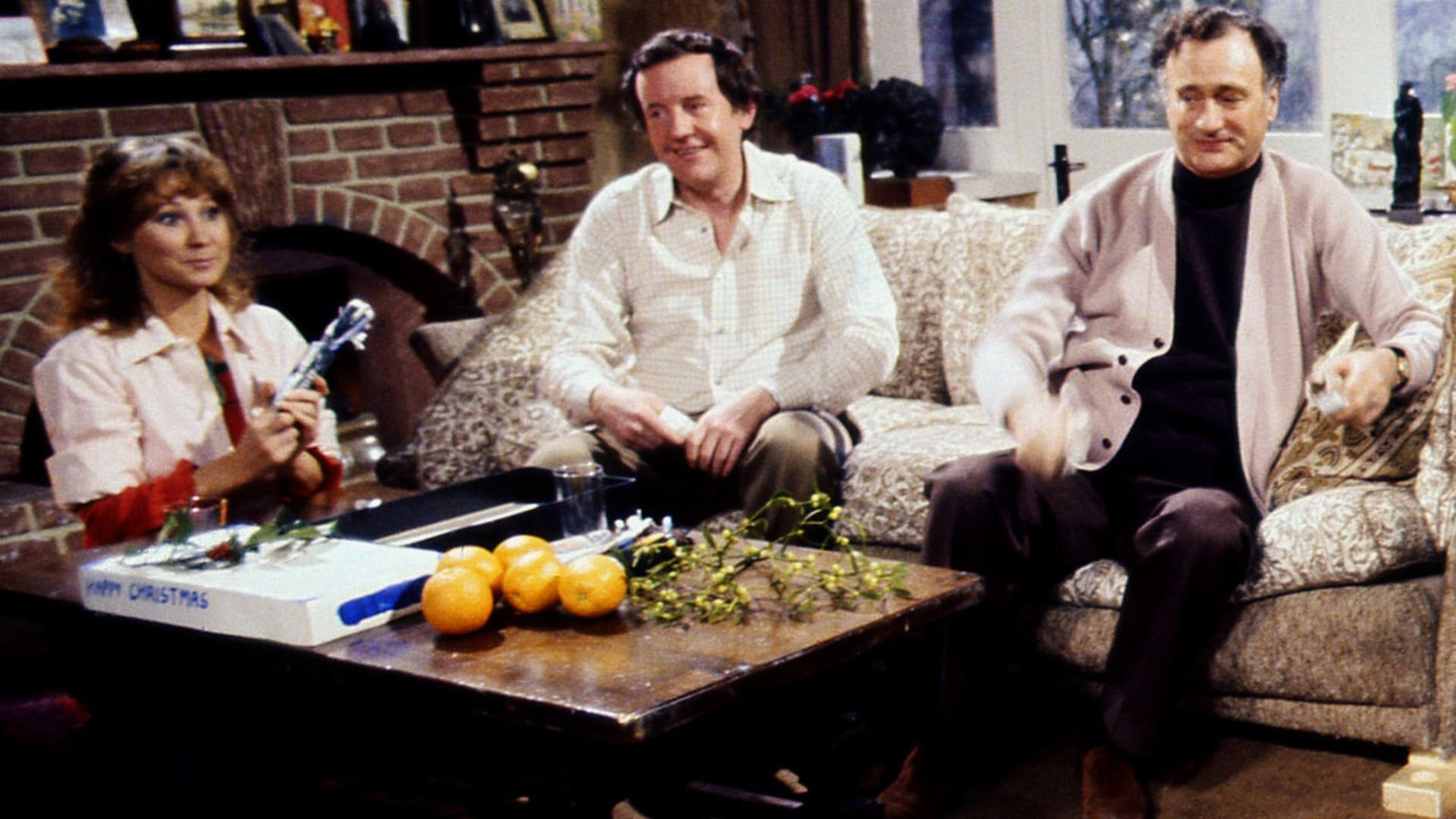
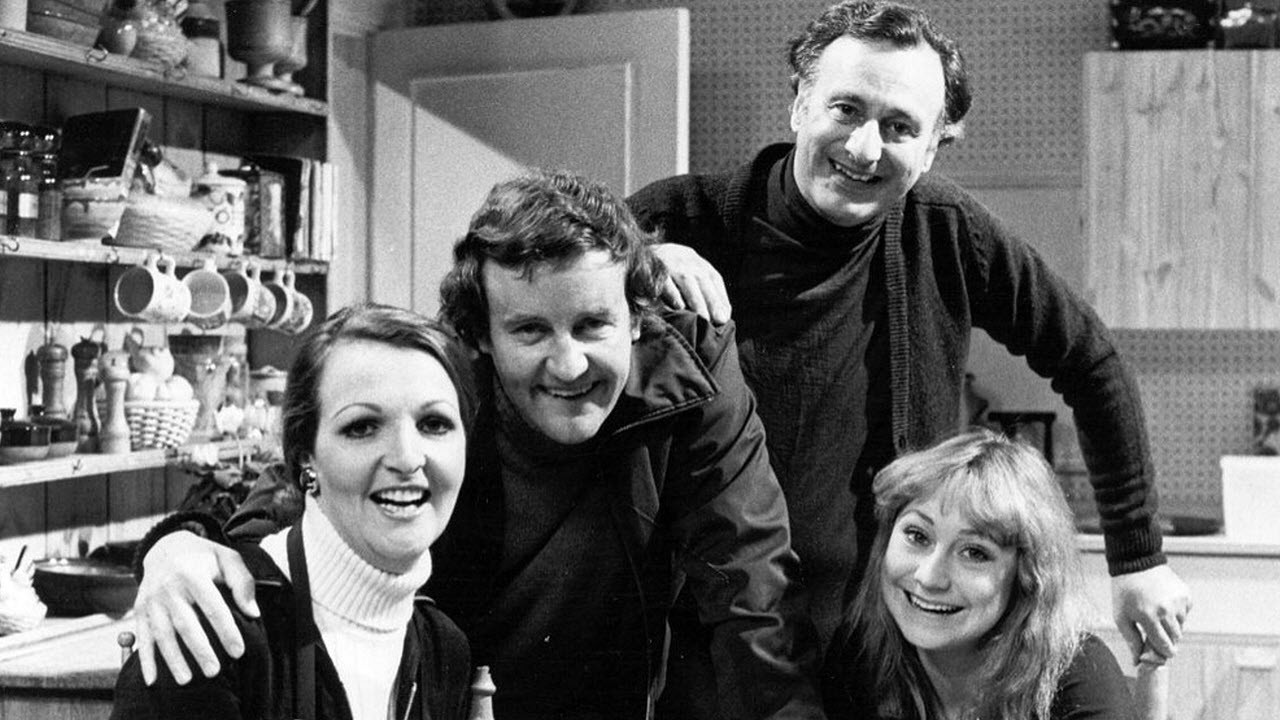
The four leads make The Good Life funny without making its disagreements trivial. This is warm, precise comedy, with one persistent irritation: the writing is rather too willing to forgive Tom Good.
We recommend The Good Life for its four leads and for the seriousness beneath its domestic disagreements. The suburban self-sufficiency premise gives creators John Esmonde and Bob Larbey something worth arguing about: how much comfort we need, and what we will give up for independence. Their characters can make a fuss without making the question seem foolish. The limitation is that the programme sometimes seems more willing to forgive Tom Good than we are.
As writers, John Esmonde and Bob Larbey understand that an attractive idea can belong to an exasperating person. The comedy leaves us room to sympathise with the wish for independence and still object to the way it is pursued. There is space for affection even when the characters are being difficult. That keeps the four central characters interesting when the practical business of self-sufficiency threatens to become another lesson in perseverance.
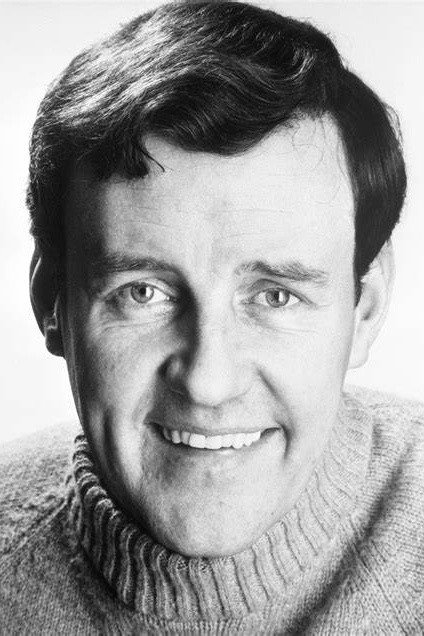
Richard Briers plays Tom Good with an enthusiasm we enjoy more when somebody resists it. There is enough obstinacy in the performance to make us question the charm, although the writing does not always follow through. Felicity Kendal gives Barbara Good a comic weight of her own; her responses matter as much as whatever has prompted them. Their warmth together is persuasive because neither actor makes affection look like a permanent good mood.
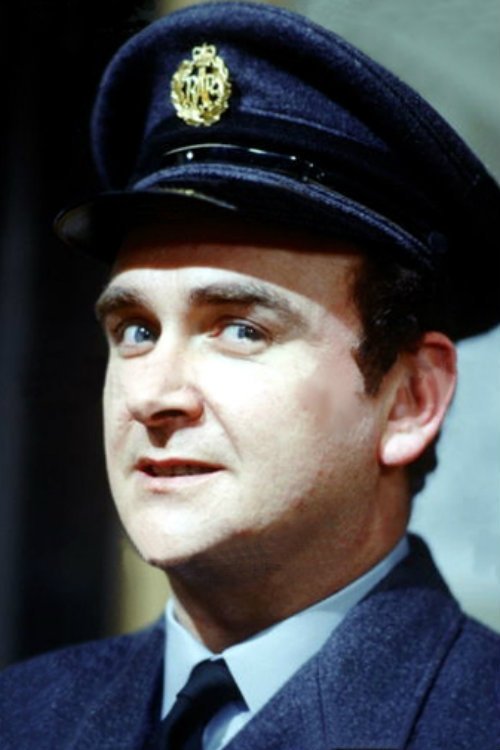
Paul Eddington makes Jerry Leadbetter’s reserve funny without draining him of personality. Penelope Keith gives Margo Leadbetter the force to contest an entire way of life without becoming merely an obstacle to the other characters’ enjoyment. We laughed most at the interplay between these two: their timing makes a disagreement sound like something both have been preparing for. Each has the patience to let the other’s joke work.
Director John Howard Davies deserves credit for allowing this to remain an ensemble comedy. The performances have room to differ in pace and emphasis, so the four people do not seem to be competing to deliver the same sort of joke. That is especially useful when the exchanges become familiar. A half-hour episode needs some briskness, but hurrying these actors through an argument would lose much of the reason to watch.
The repetition does impose a limit. Once the principal differences are established, we can sometimes anticipate the positions before anyone has finished taking them, and Tom Good’s determination can receive more indulgence than it earns. We would welcome a little more resistance from the writing, especially when enthusiasm begins to look like self-importance. The half-hour length helps contain that irritation, though it cannot remove it.
As a domestic sitcom, it trusts us to care about an argument without requiring a villain. That is a considerable virtue when the subject is how other people ought to live. The pleasure depends on finding each character worth listening to, including whichever one we currently think is wrong. Try an episode for the four actors; wanting to take sides in the next argument is a fair reason to continue.