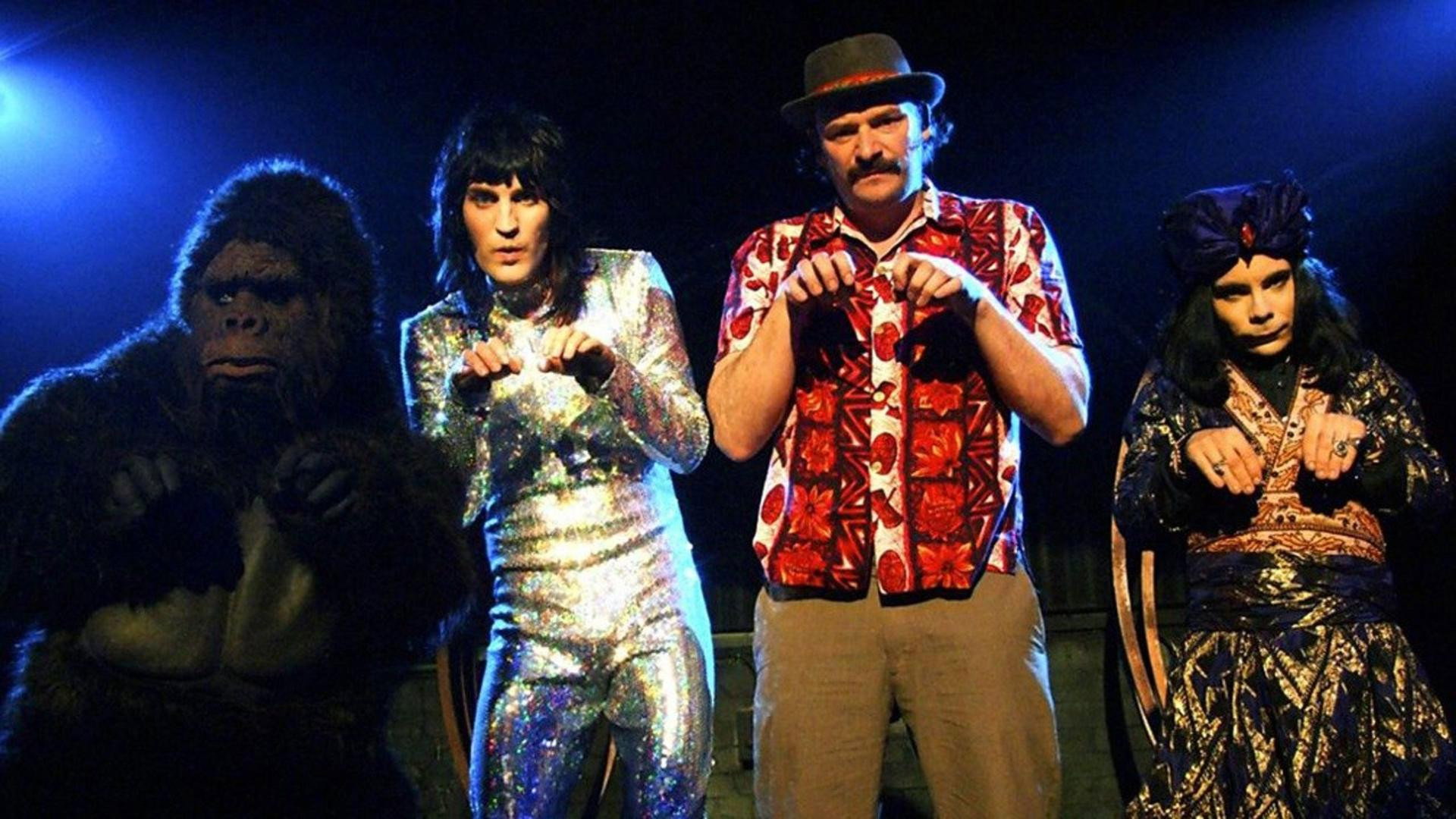
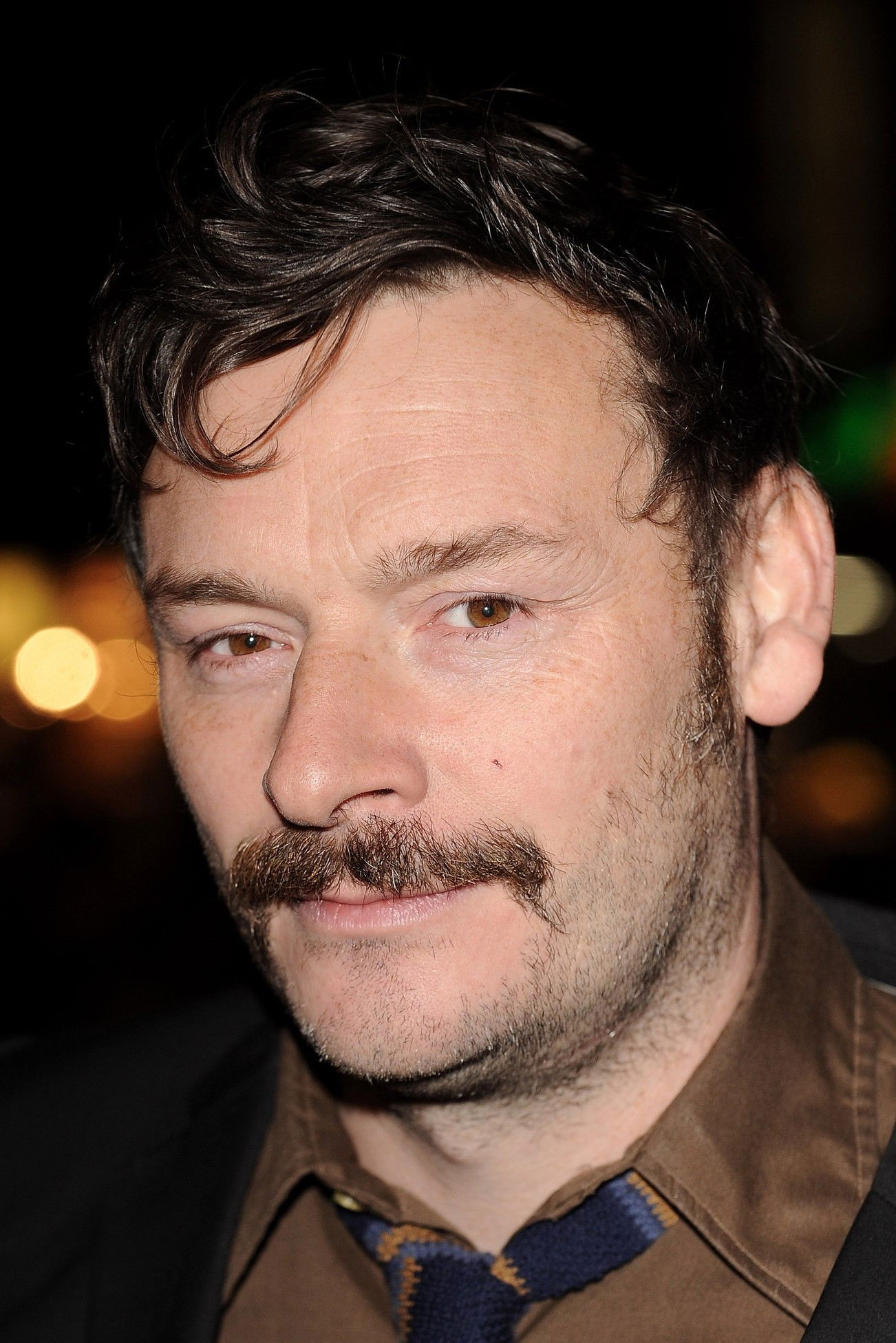
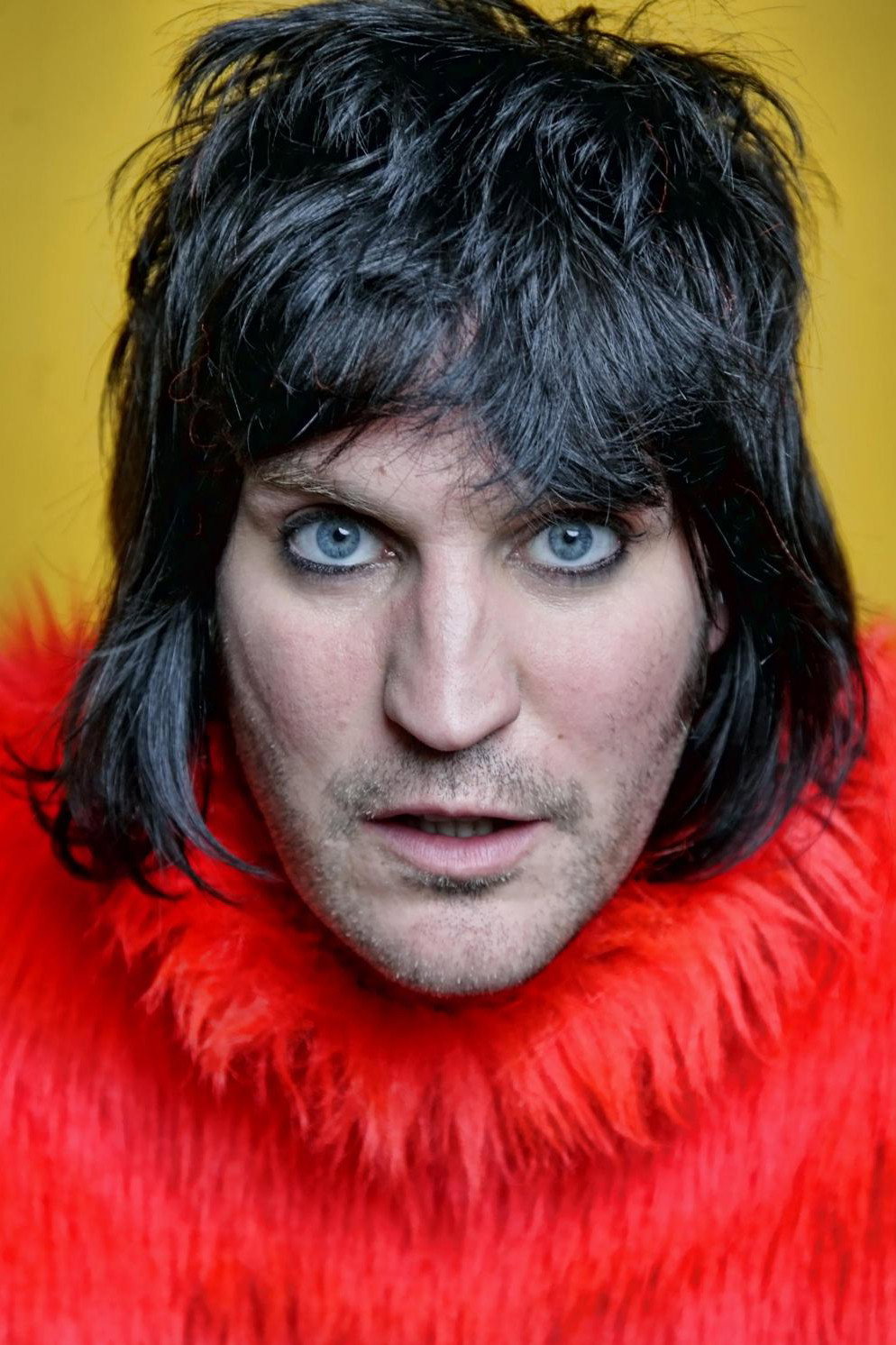
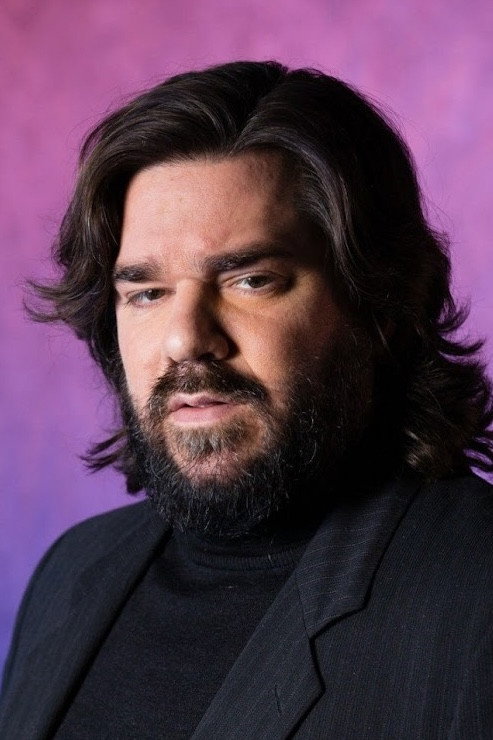
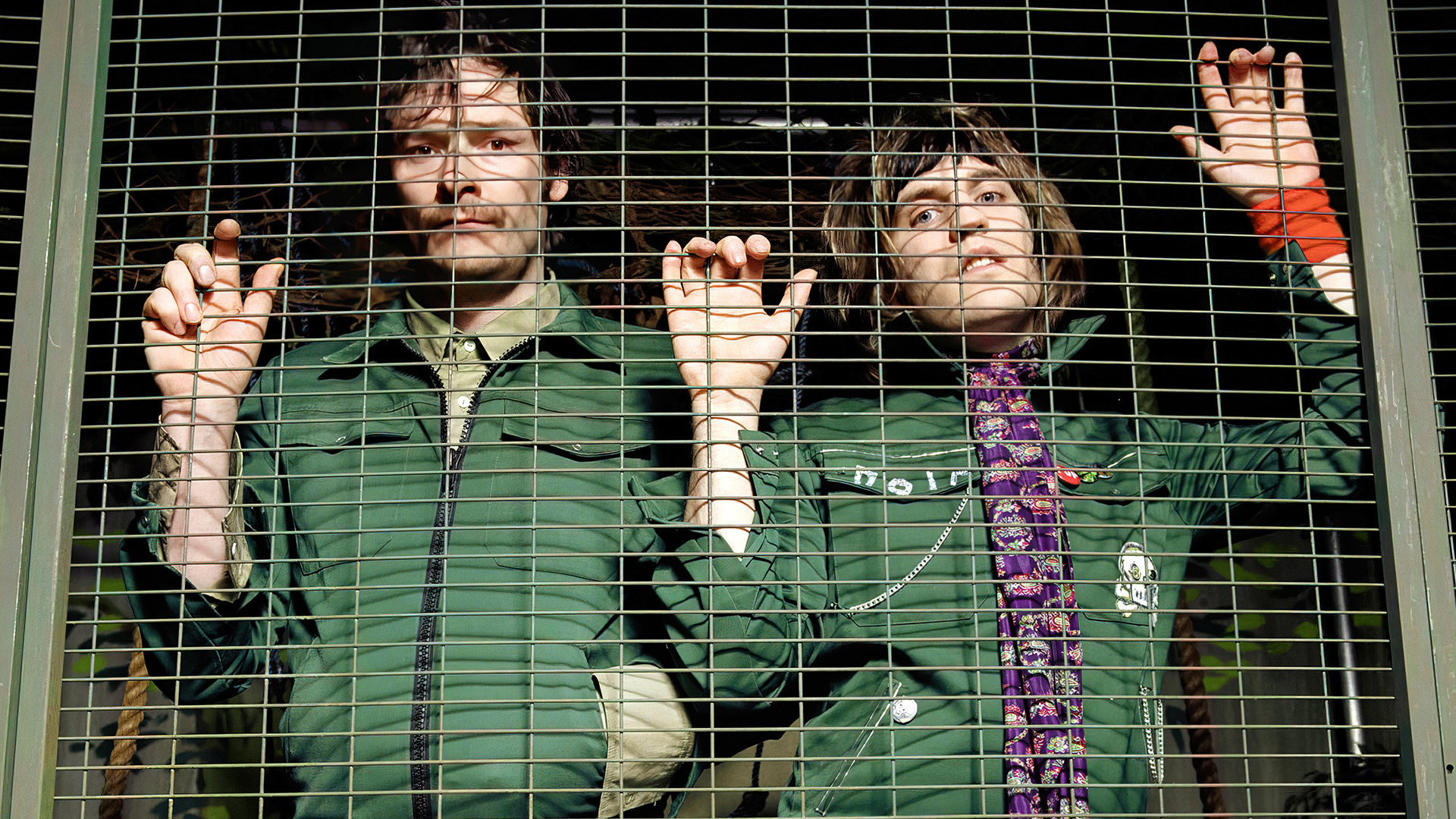
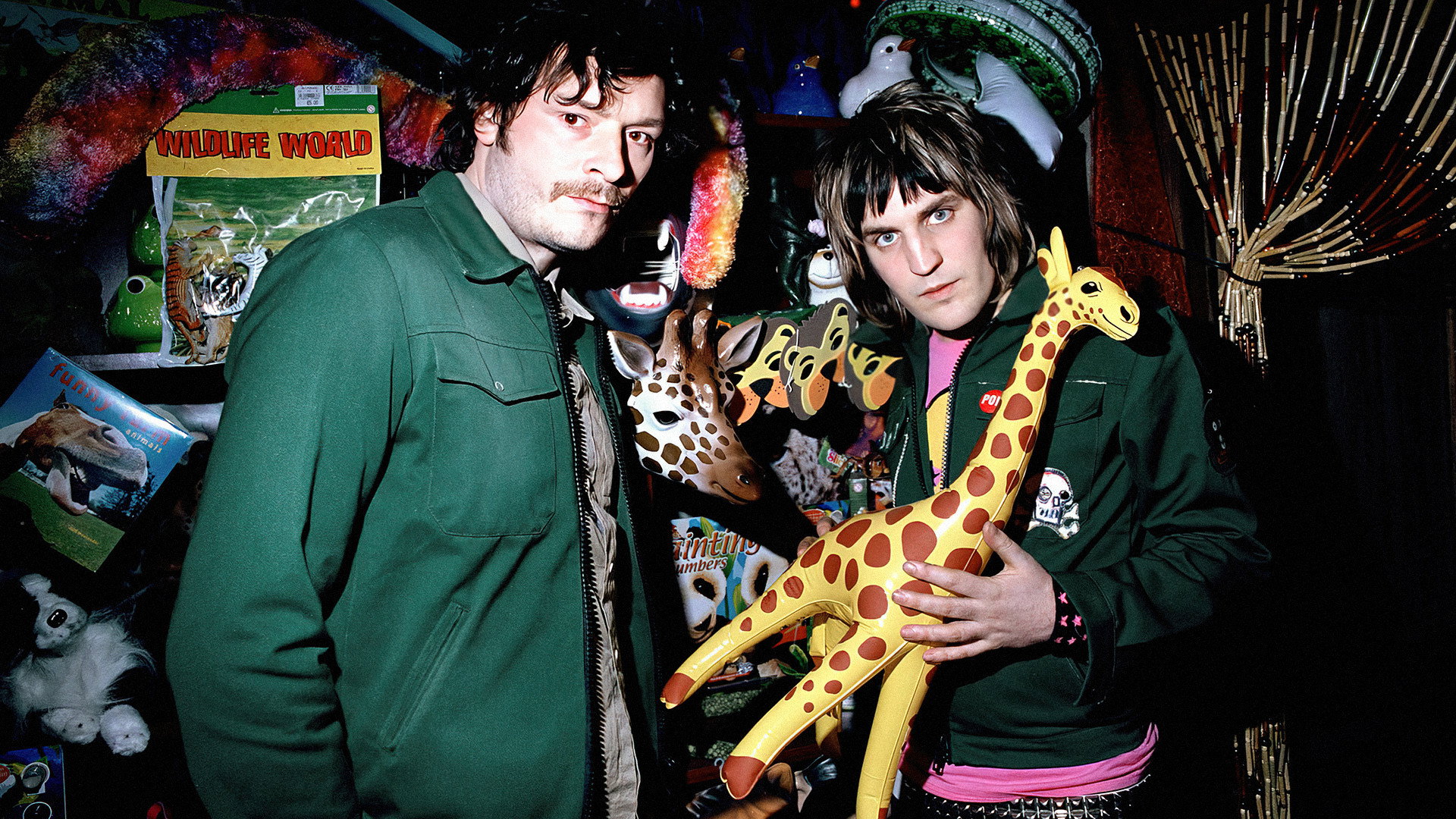
The Mighty Boosh is a warm, funny fantasy comedy, with Julian Barratt and Noel Fielding excellent together. We recommend it for their partnership, with a warning that some jokes go on after the laughter has stopped.
The Mighty Boosh is good company, provided we accept that some of the jokes will stay longer than they should. Creators Julian Barratt and Noel Fielding take silliness seriously, and their commitment makes this peculiar comedy worth the evening. The science fiction and fantasy give them plenty of freedom, but the warmth matters more than the licence to be odd. There is something generous about comedy that wants to be strange without making its audience feel unwelcome.
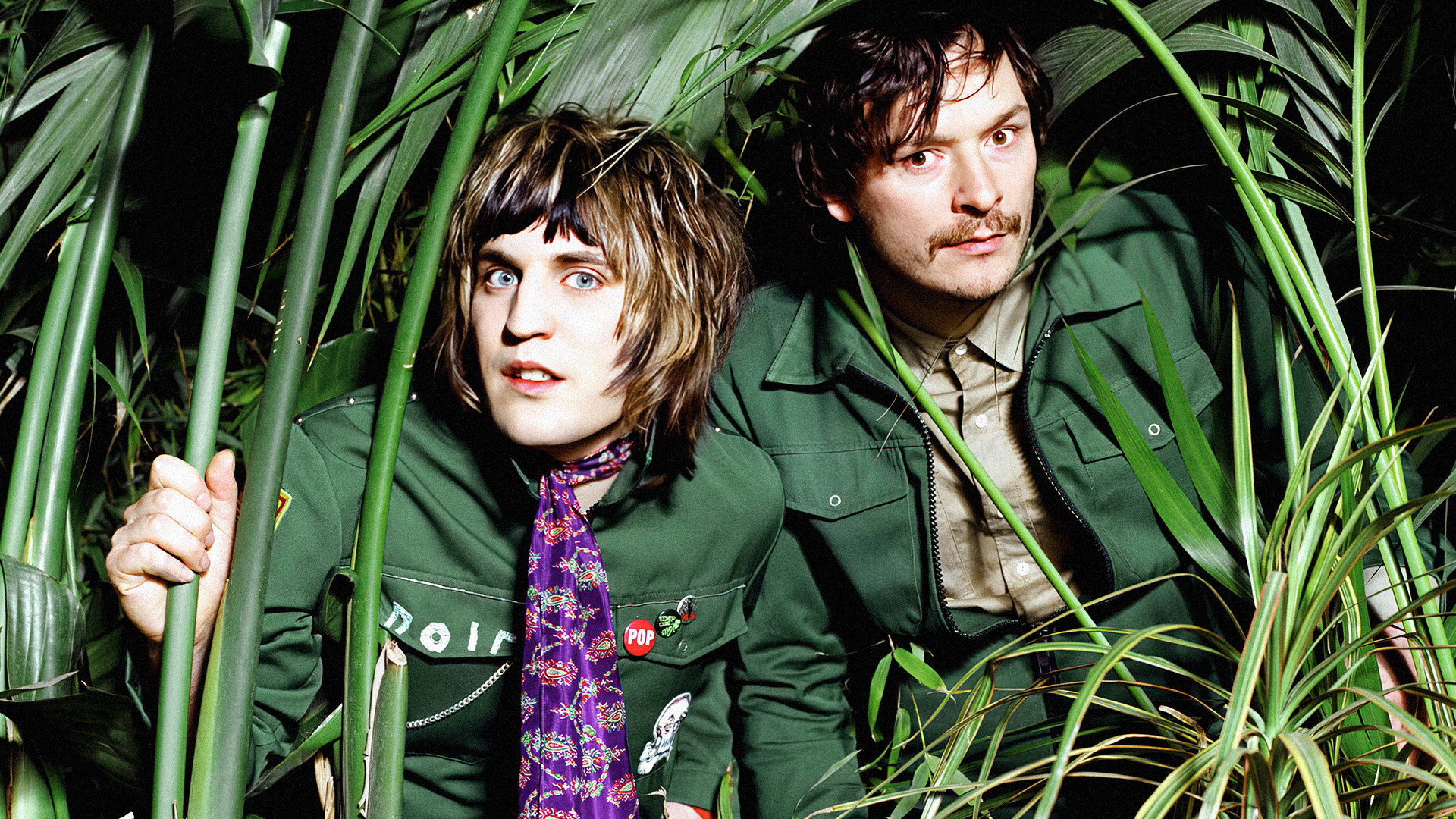
Barratt’s Howard Moon is the main reason it works for us. His solemnity gives the nonsense something to push against, while Fielding’s Vince Noir brings a lighter, more casual confidence. We laughed at Barratt’s seriousness; he makes the effort of maintaining it funny in itself. The pairing is strong enough to hold our attention even when the writing seems pleased with how peculiar it can be, and neither performer needs to win every exchange.
Michael Fielding is economical as Naboo the Enigma, and his restraint is welcome among these more emphatic performances. Matt Berry’s Dixon Bainbridge is emphatic but never tiring; the precision of his delivery makes a difference. Rich Fulcher’s Bob Fossil is the more testing contribution: his performance can feel like extra noise where there is already plenty. Still, this is a cast whose differences are useful, and the comedy would be poorer if everyone approached it with the same degree of enthusiasm.
Directors Paul King and Steve Bendelack give the visual comedy attention without letting it make the performers incidental. James Dillon and Dennis De Groot’s production design has a pleasing sense of play, and its artificiality suits material that would gain little from looking convincing. The cinematography by Dave Brown and John Simmons is most effective when it keeps the actors clear amid that visual busyness. Their work gives us enough to look at without making faces and reactions difficult to follow.
Barratt’s music is funny partly because it sounds so confidently played. It helps the comedy feel considered even when the material is cheerfully refusing to make sense, and deserves attention beyond its usefulness as accompaniment. Editor Gary Dollner has the less grateful job of deciding how long to let all this continue. The cutting is often responsive to the performers, although there are stretches where the joke has spent itself and the scene carries on for another beat.
The writing, credited to Barratt, Fielding and Richard Ayoade, shares responsibility for that slackness. A weak idea can receive the same patient attention as a good one, and affection for the cast does not make those minutes quicker. Half an hour is hardly a great demand, but the programme can still feel overextended within it. We would prefer a little less indulgence in those passages, especially when a performance is already making the point clearly.
Surreal comedy can become exhausting when every oddity has to outdo the last, and this has enough interest in its performers to avoid that much of the time. Barratt and Fielding give us a reason to return even after an episode that has wandered. There is no reason to pretend that its humour will suit everyone. Try one episode before planning an evening of them.