Nida Manzoor’s sitcom about an all-female Muslim punk band is quick, rude and warm, with songs that stick and a lead performance from Anjana Vasan that carries six episodes without strain. The men are thin and the plot predictable, and it barely matters.
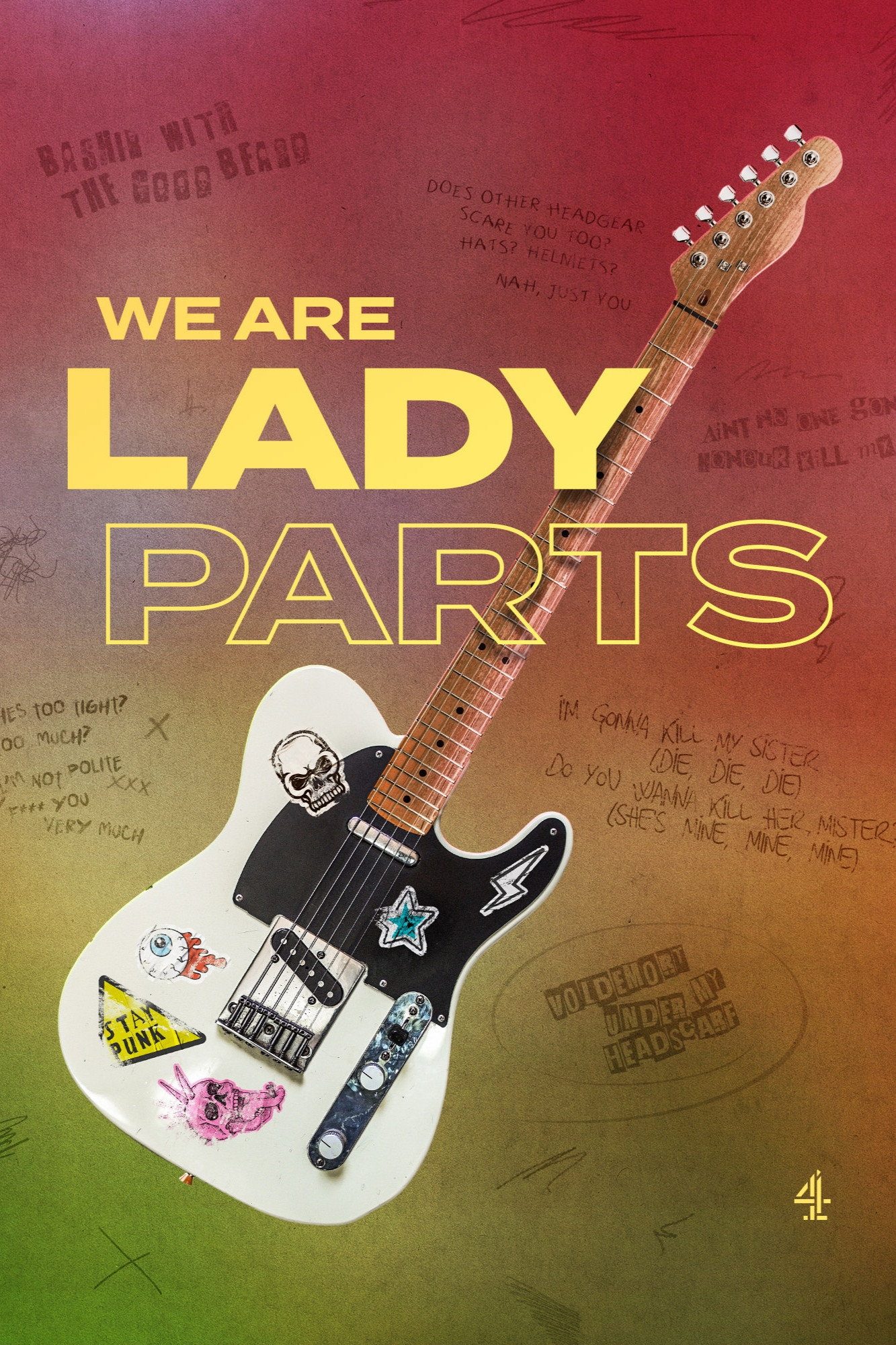
Nida Manzoor created We Are Lady Parts, wrote it and directed it, and it arrived on 20 May 2021 as six episodes about an all-female Muslim punk band who cannot find a lead guitarist. The one they find is Amina Hussain (Anjana Vasan), a young woman who plays beautifully in her bedroom and vomits when anyone watches. That is the sitcom: a band that needs a shy woman, and a shy woman who needs, though she would deny it, a band. It is quick, rude, warm and better made than most British comedy of its size, and we recommend it to almost anyone. Its real weakness is that the men in it are barely there.
The songs are the reason it works. Shez Manzoor is credited with the music, and the band’s numbers are proper three-minute punk songs with jokes in them, and they get ruder as the series goes on. We laughed out loud, alone, at the first chorus, then caught ourselves checking whether we were allowed to, which we suspect is exactly what Manzoor wanted. The songs are played loud and slightly ragged, the way a real band in a small room sounds, and the show never pretends the band is better than it is.
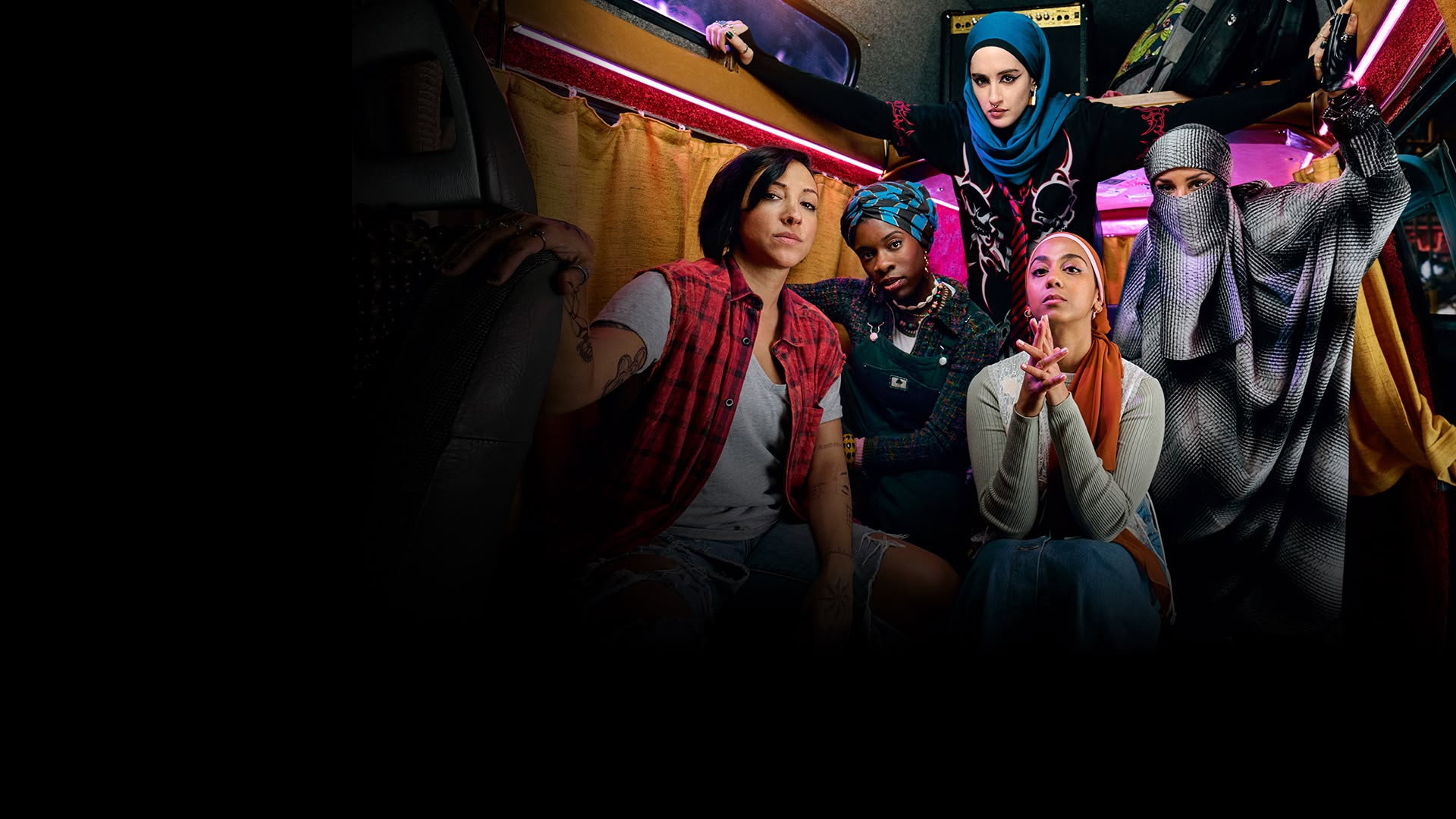
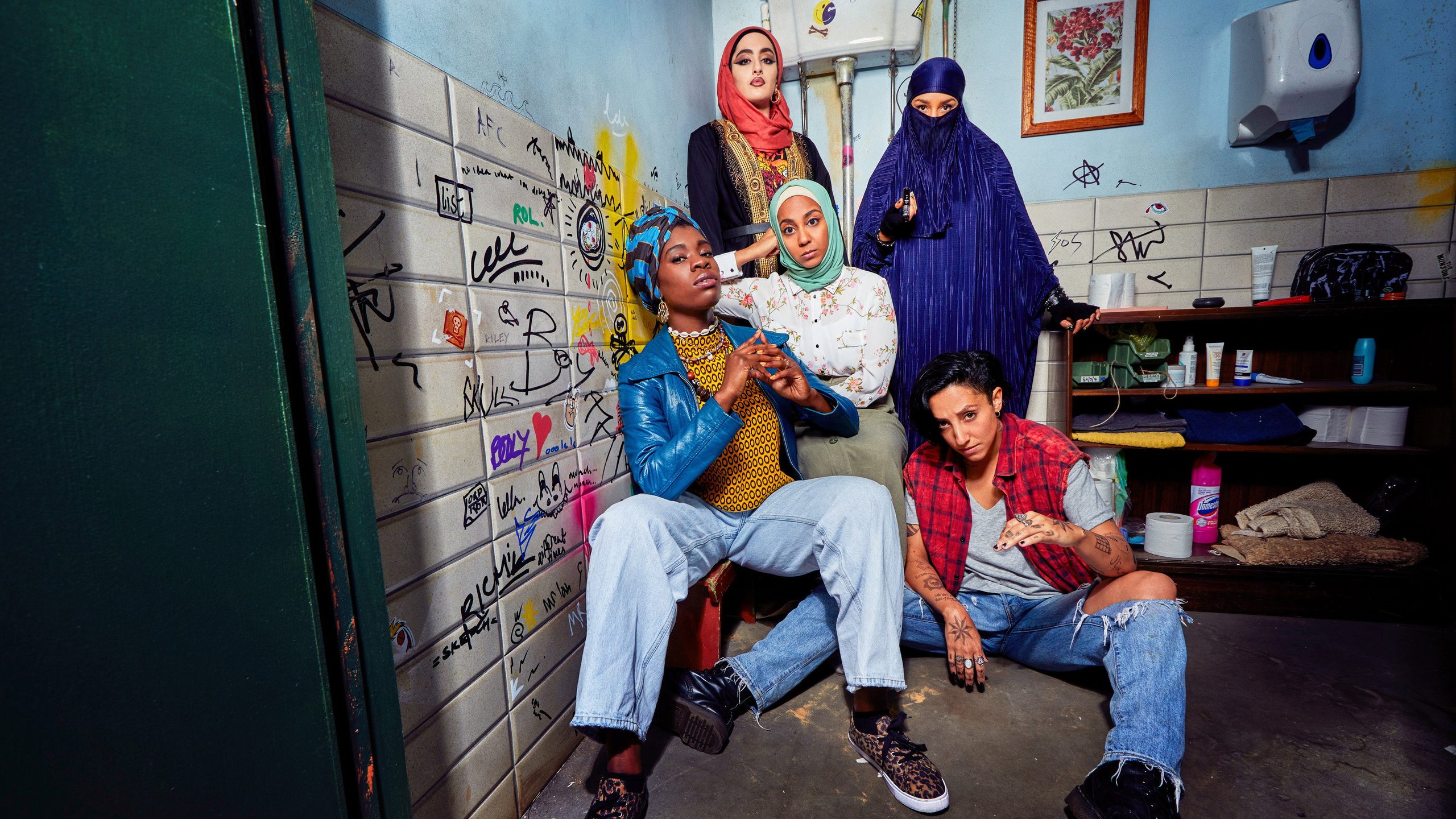
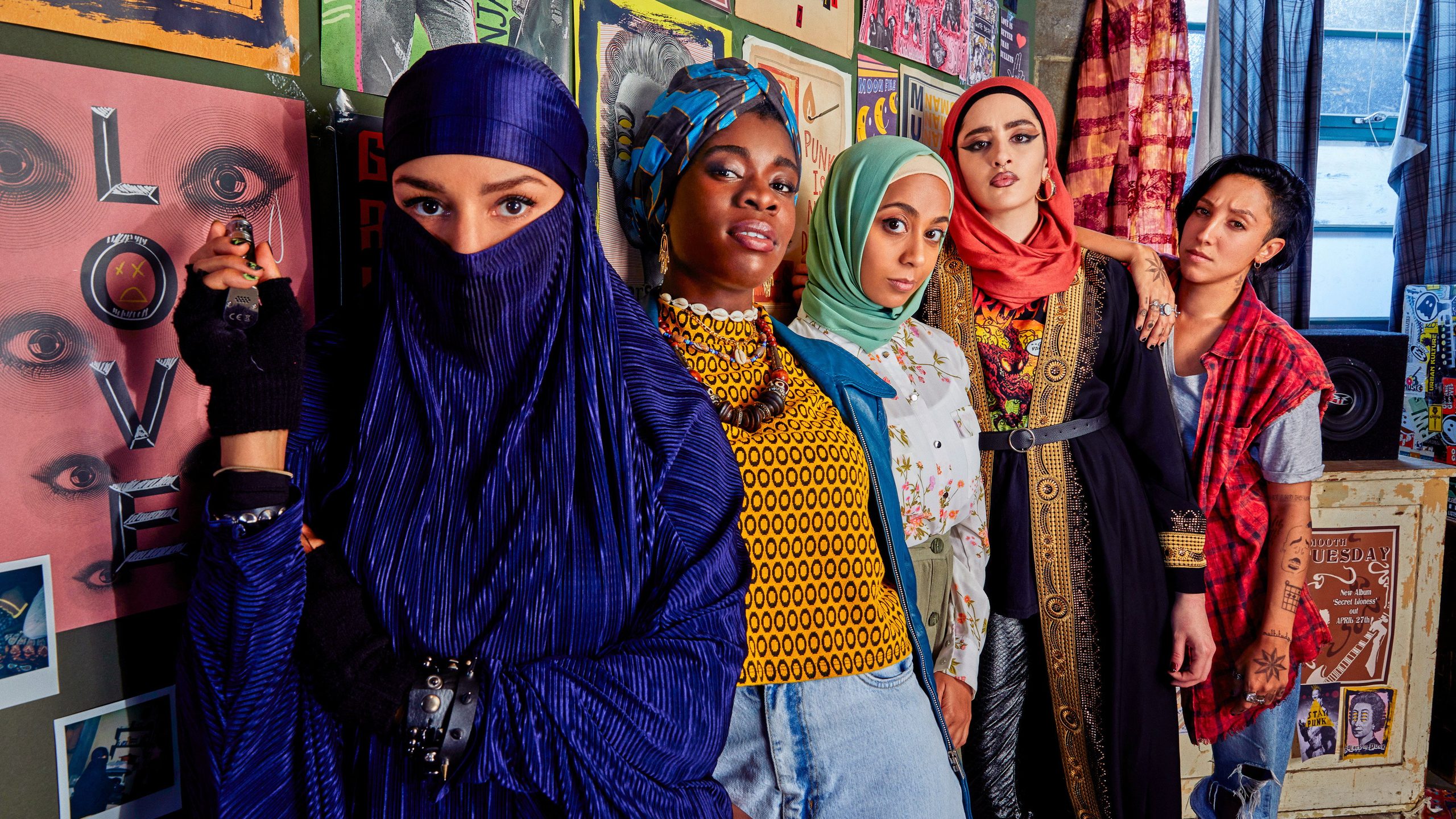
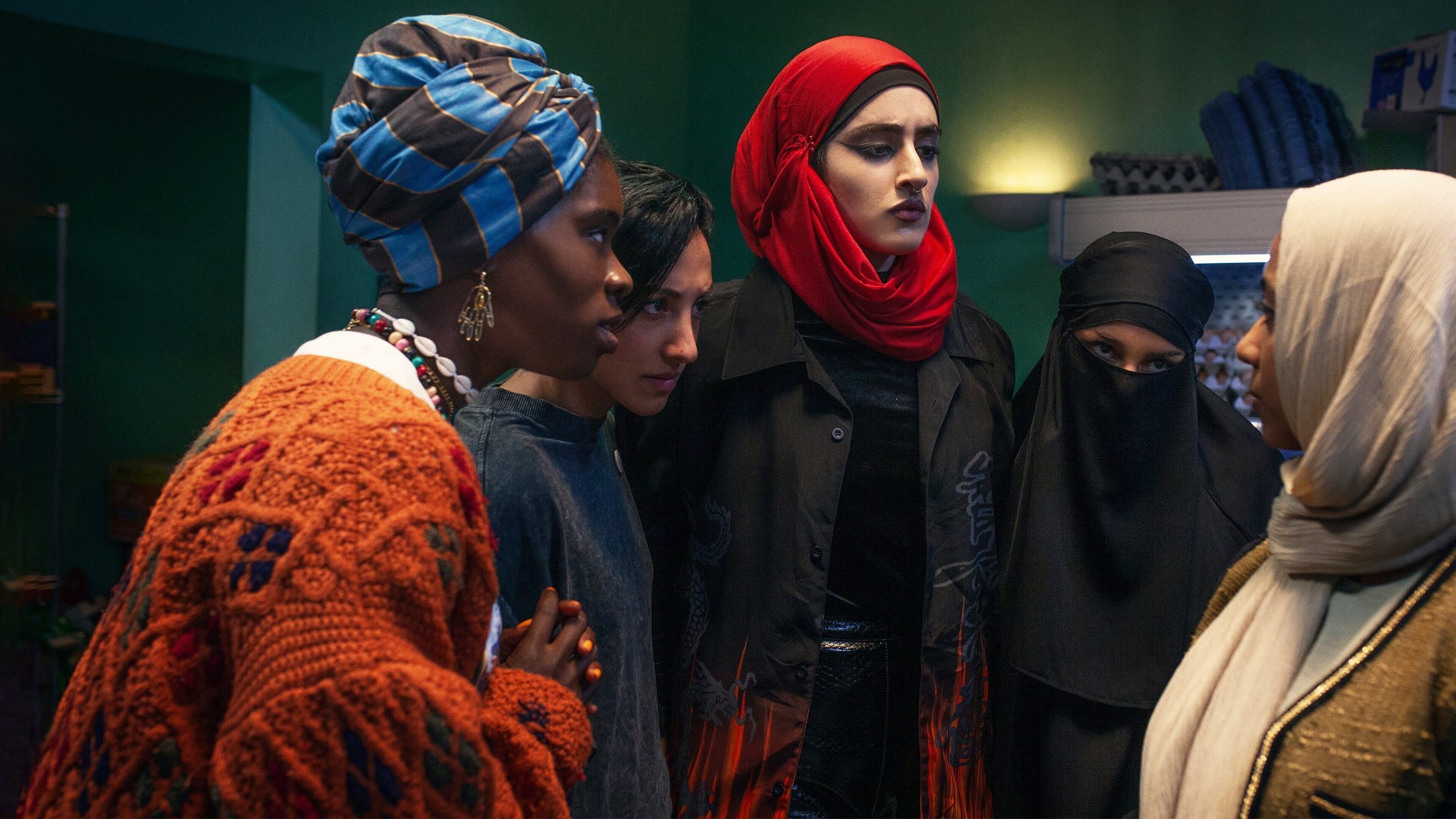
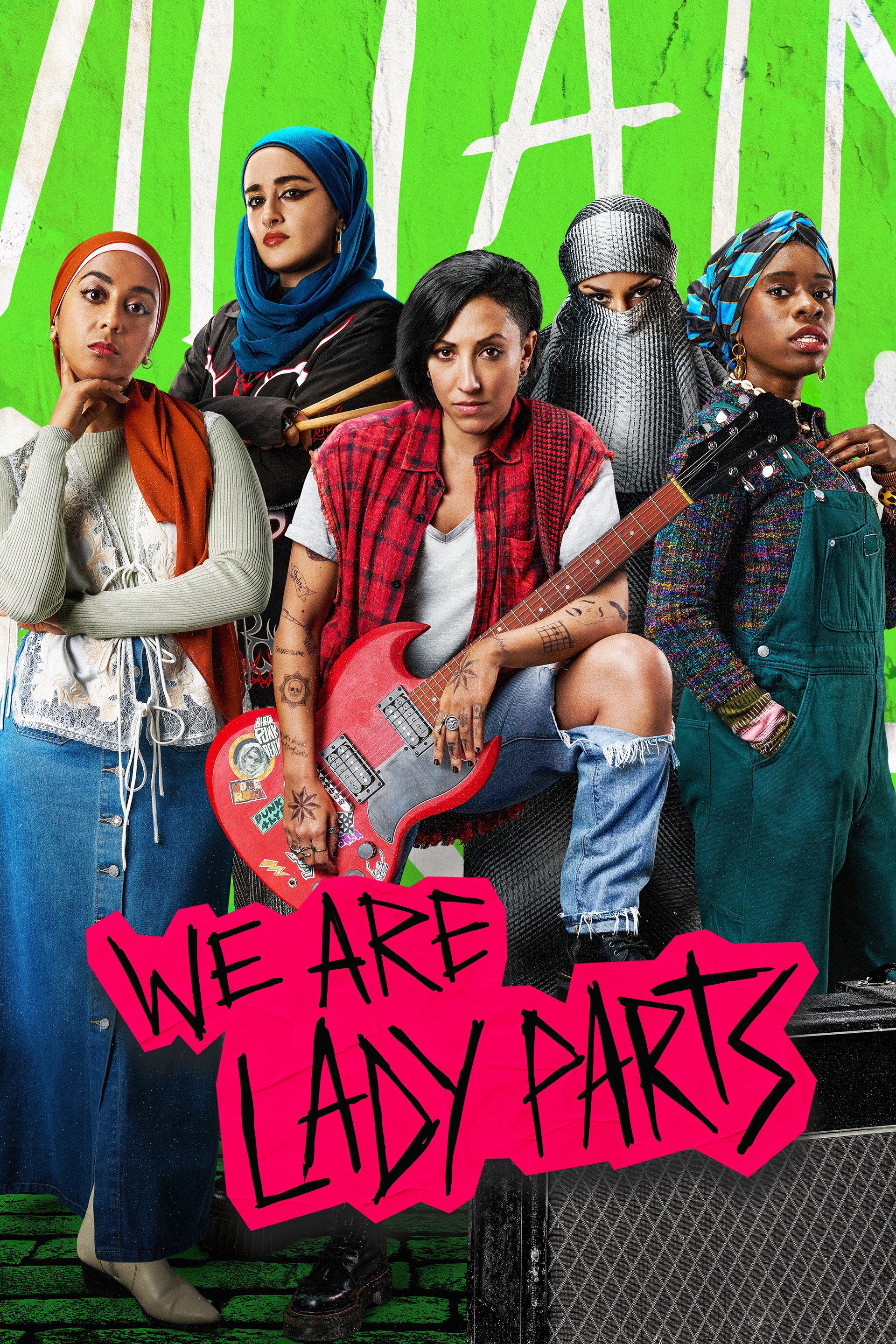
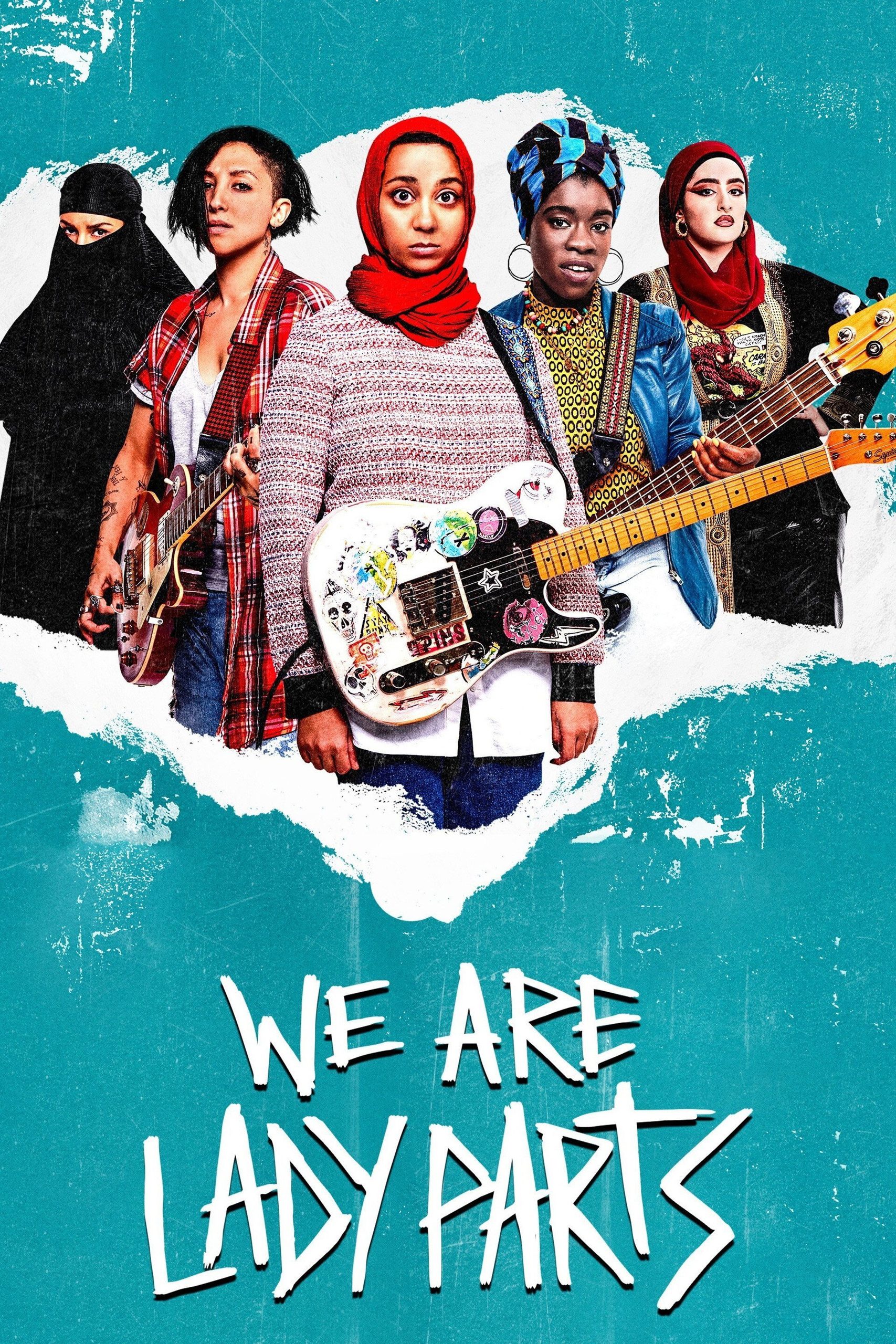
Diana Olifirova shoots Amina’s life in bright, flat, sweet colours, pastel cardigans against pale walls, and the band’s rehearsal room in reds and shadow, so that the cut from one to the other feels like a door slamming. Simon Walker and Amy Maguire’s production design gives the rehearsal room the clutter of somewhere people spend their evenings rather than a set somebody dressed that morning. PC Williams dresses the five women so you could pick each out at fifty yards: Saira in a vest and leather, Momtaz in a niqab with a vape never far from her hand, Amina in floral prints that look chosen by a kind aunt. Robbie Morrison cuts fast and lets Manzoor’s fantasy interludes, black-and-white confessions to camera and the odd daydream, land as gags and get out.
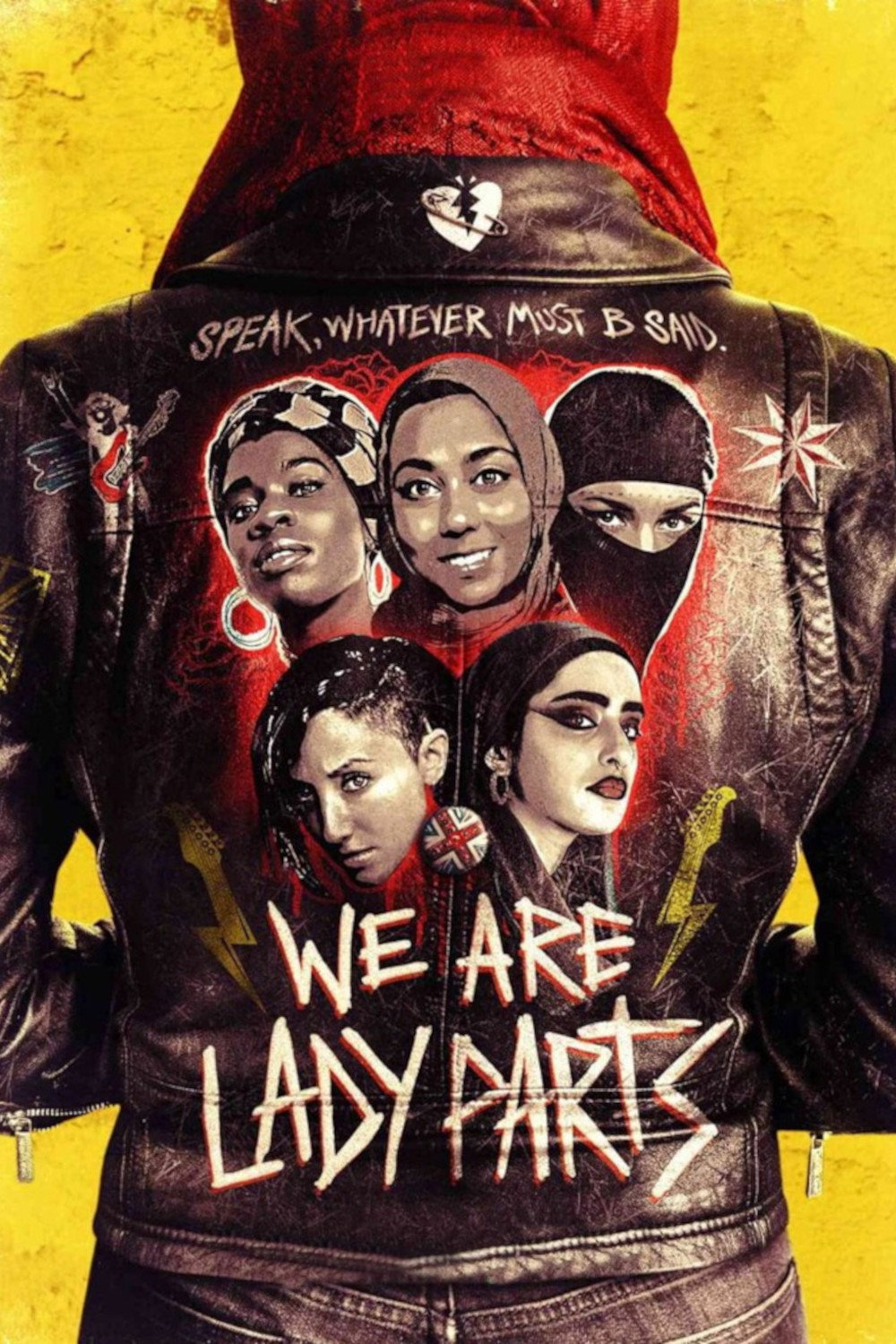
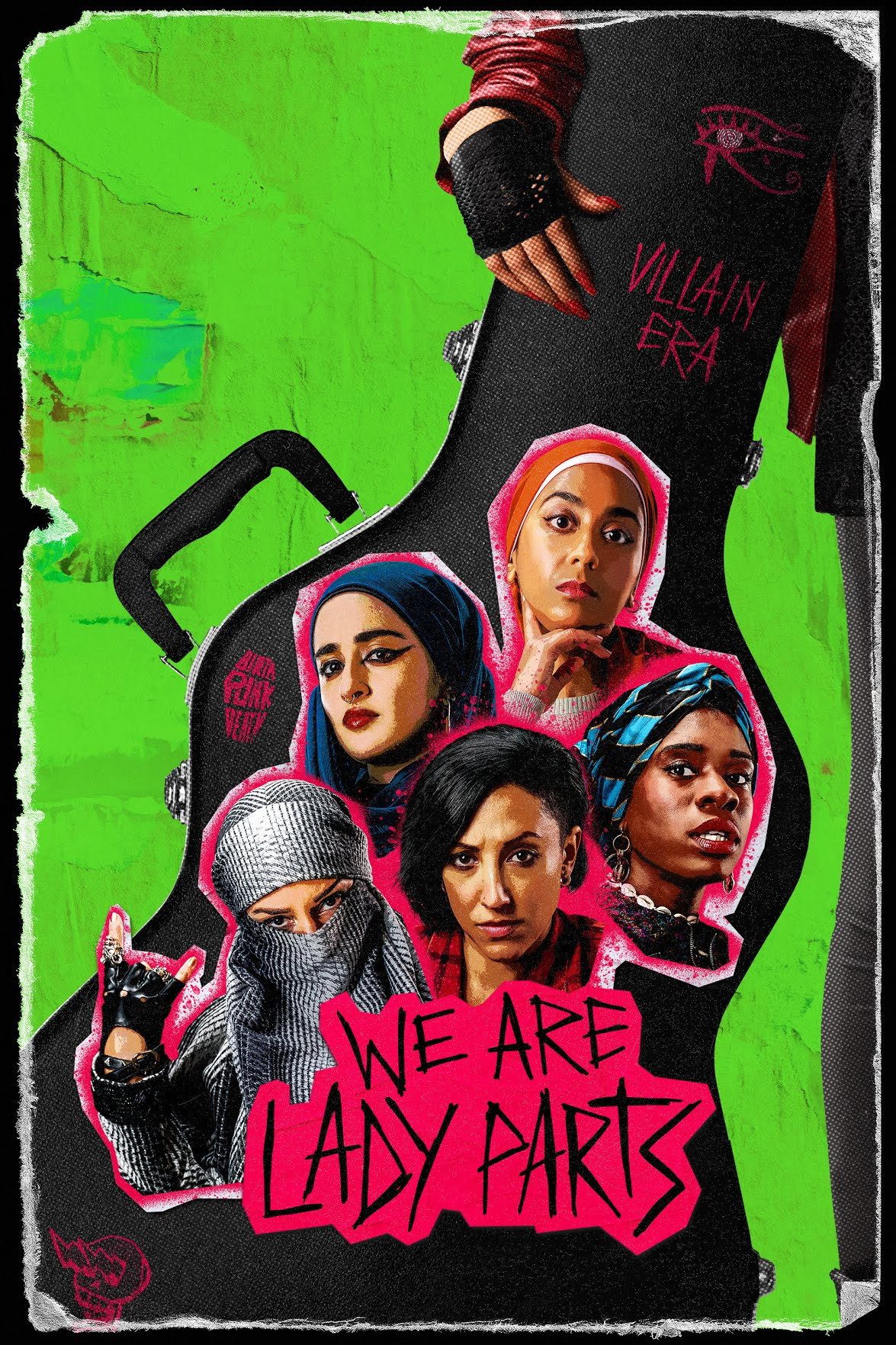
Vasan holds it together. Amina is a mass of tics, apologies and sudden competence, and Vasan plays the competence as the surprise, so that when she finally plays a solo the band sits up, and so did we. Sarah Kameela Impey’s Saira is the one who wants the band most and has not yet worked out what she would say if anyone listened; Impey gives her a stillness the others lack. Lucie Shorthouse gets the best lines as Momtaz, who negotiates gig fees from behind a veil with the manner of a nightclub bouncer. Juliette Motamed’s Ayesha and Faith Omole’s Bisma are drawn with less detail, but they are never merely the drummer and the bassist.
The men are the weak part. Ahsan (Zaqi Ismail) exists to be looked at, which is fair given how much Amina looks at him, but he never becomes anyone. Aiysha Hart’s Noor, the friend steering Amina towards marriage, is written broadly enough that her scenes feel like a different, cheaper show. Amina’s stage fright is resolved roughly the way you will predict from the first episode, and one or two of the fantasy sequences run a beat past the joke. Six episodes is not many, and a strand in the second half about how the band is seen from outside is hurried where it needed room.
British sitcoms about young women in bands are not a crowded field, and British sitcoms about Muslim women who are allowed to be rude, randy and wrong are rarer still. Manzoor makes full use of the space that gives her. Amina’s parents Seema (Shobu Kapoor) and Tariq (Madhav Sharma) are the gentlest joke in it, liberal, loving and faintly disappointed that their daughter is not more of a rebel. Most critics have placed the first series a little higher than we do, and we see why; the songs alone would carry a weaker show.
A second series of six episodes followed on 30 May 2024. Start with the first, and if the first song makes you laugh, you are in for the lot.