Some films are bad. Some films are unlucky. Howard the Duck (1986) was the second kind and has spent forty years being treated as the first, and the difference matters, because the case against it was never really about what is on the screen.
The facts of the flop are well known and mostly beside the point. It cost Universal some thirty-seven million dollars and made back sixteen. It was the first live-action feature from Lucasfilm since the Star Wars trilogy ended, produced by George Lucas himself, and the trade press had spent a year waiting to see whether the man could be wrong. Two studio executives lost their jobs in the week after it opened. Gene Siskel called it a duck that laid an egg, and every reviewer in America made the same joke that weekend, apparently independently. The film became a synonym, a way of saying “expensive disaster” without having to say anything about the film.
What the film actually is
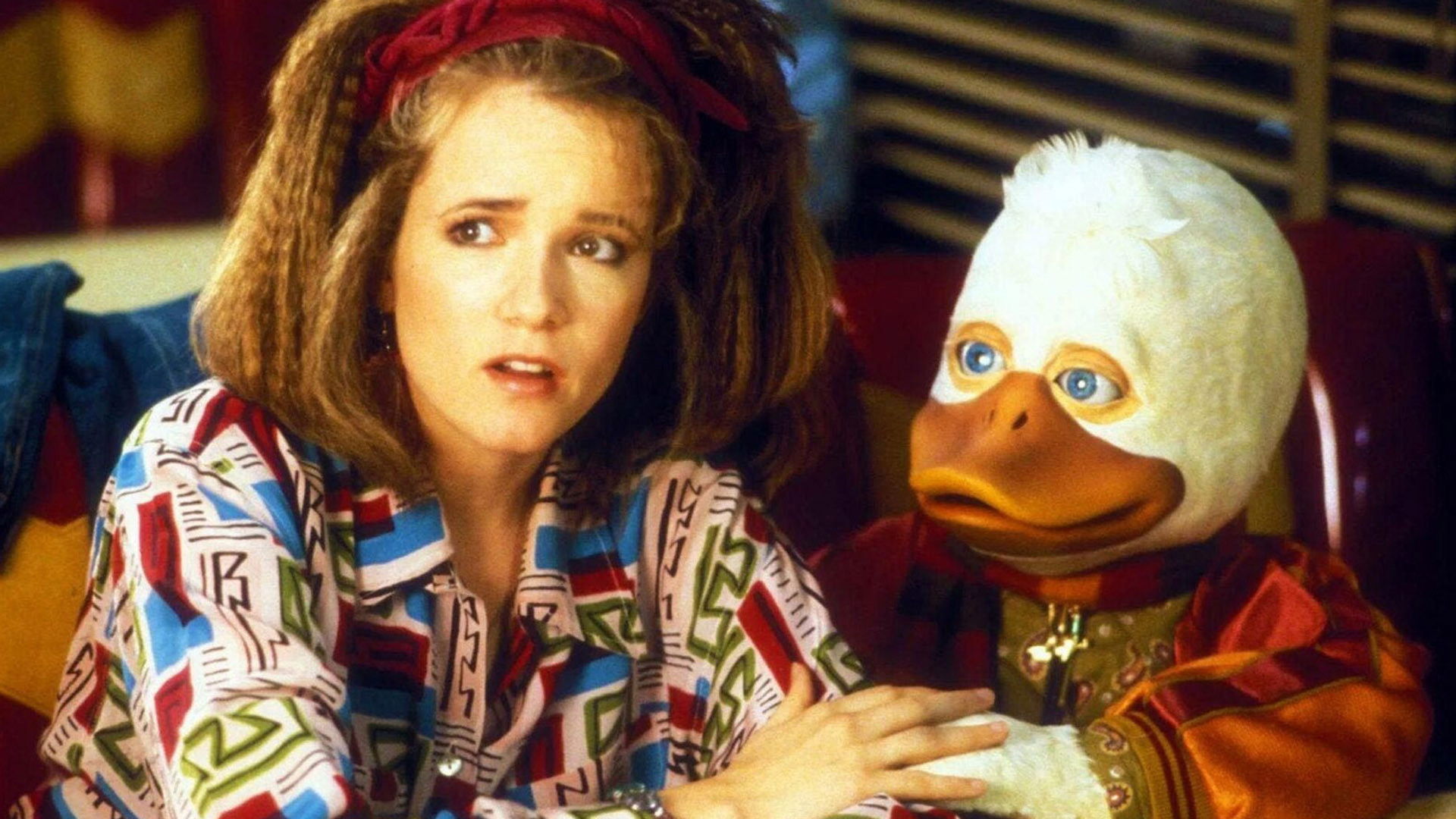
Watch it now, without the ledger open, and what you find is a screwball comedy about a displaced person. Howard is a duck from a planet of ducks, pulled through space by a laser experiment gone wrong and dropped in Cleveland, where he is small, feathered, articulate and furious. Lea Thompson, fresh from Back to the Future, is Beverly, a singer in a band called Cherry Bomb who finds him in an alley and takes him home because he has nowhere else to go. Tim Robbins, in his first big part, is the lab assistant who wants to send him back and cannot. Jeffrey Jones is the scientist who gets possessed by a Dark Overlord of the Universe and spends the second half of the film turning into a lobster with a bad attitude.
That is the plot. The tone is the point. Willard Huyck and Gloria Katz, who directed and wrote it, had written American Graffiti and the good half of Temple of Doom for Lucas, and what they made here is a comedy that never once winks. Nobody in the film finds a talking duck funny. Beverly finds him rude, then brave, then something more, and the film plays her feelings straight, which is why the scene where she gets him into her bed is discussed to this day, and why it is funnier and stranger than any parody of it. Thompson is very good. She is playing a woman who has fallen for a duck and she has decided that the only way through is to mean it.
The duck himself is a person in a suit, and the suit was the problem in 1986 and is the pleasure now. Ed Gale, who was inside it, gives Howard a walk, a slump, a way of holding a cigar, and the head's eight puppeteered expressions are a lost craft. The film's opening sequence, a tour of Duckworld with its duck Mona Lisa and duck Playduck magazine, is dense, cheap and very funny in the way that only practical gags can be, and it tells you in three minutes that the people who made this were enjoying themselves. That was, in 1986, held against them.
Why the notices got it wrong
Read the reviews and the same three complaints come round. The film is not for children, because Howard smokes and swears and Beverly wants to sleep with him. The film is not for adults, because it is about a duck. And the film is not Star Wars, which was the only thing anyone wanted from Lucas that year. All three are true and none of them is a criticism. A comedy that is too odd for children and too silly for grown-ups has found the exact audience a cult film needs, and it found it, slowly, on video and on late-night television, where most of the people who love the film first saw it, unwarned.
There is a real weakness. The last third, once the Dark Overlord arrives and the film turns into a chase with a laser cannon and a stop-motion monster, is a different and worse picture, and it goes on. Phil Tippett's creature is a fine piece of work but it belongs in another film. Everything up to that point, though, is a genuinely unusual studio comedy with a lead performance nobody else was giving, and it has aged far better than the safer hits of the same summer. Nobody is writing essays about Cobra.
The company it keeps
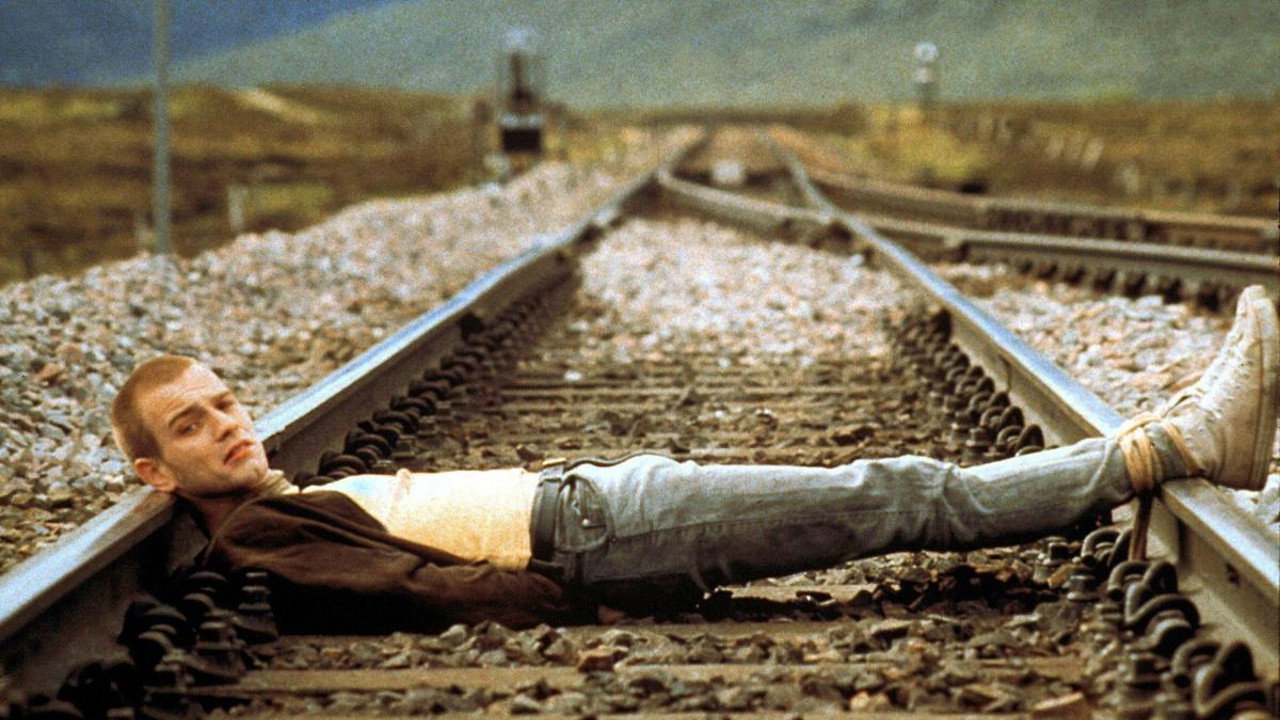
It is not alone. Blade Runner (1982) was a flop that critics found cold and slow, and is now taught. The Thing (1982) was called repulsive by nearly everyone and is the best horror film of its decade. Heathers (1988) died in cinemas. The Shawshank Redemption (1994) lost money and became, on the evidence of every poll since, the most loved film in the English language. The critics were not stupid in any of these cases. They were reviewing the film they expected, or the budget, or the man who made it, and the film underneath had to wait for an audience with no expectations at all.
Howard the Duck has had that audience for a generation now. The Marvel films have given him cameos, the comic has been reprinted, and the film is on a streaming service somewhere you live most months of the year. Our own review, when it lands, will give it a number, and the number will not be high, because a Fi1m score is one number for the whole film and the whole film includes the lobster. But a score is a verdict, and this piece is a plea: watch the first hour, without the ledger, and see whether you laugh. We did.
Don’t listen to the critics
This is the first in an occasional series about films whose reputation was fixed on opening weekend by people who were not really looking at them. We are the critics, so we will try to be honest about how that happens. Nominations to the contact page.
Features are written by AI in Fi1m’s voice, checked against our reviews before publication, and corrected in the open. How we use AI