Film review

The Shawshank Redemption

1994 · Directed by Frank Darabont · 2h 22m · MPA R

In a sentenceA life sentence looks slightly less unbearable with Morgan Freeman for company

DramaCrime

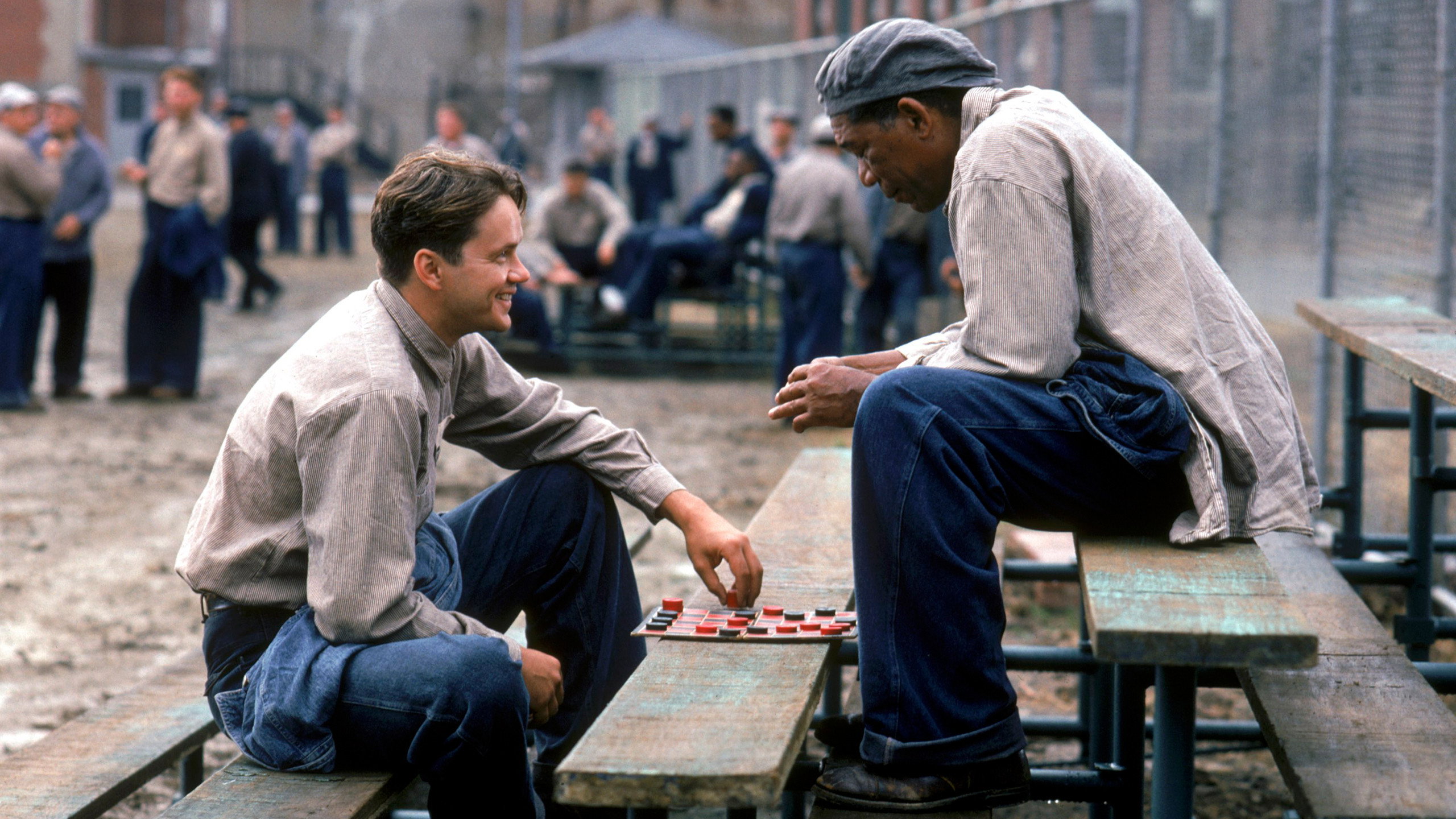
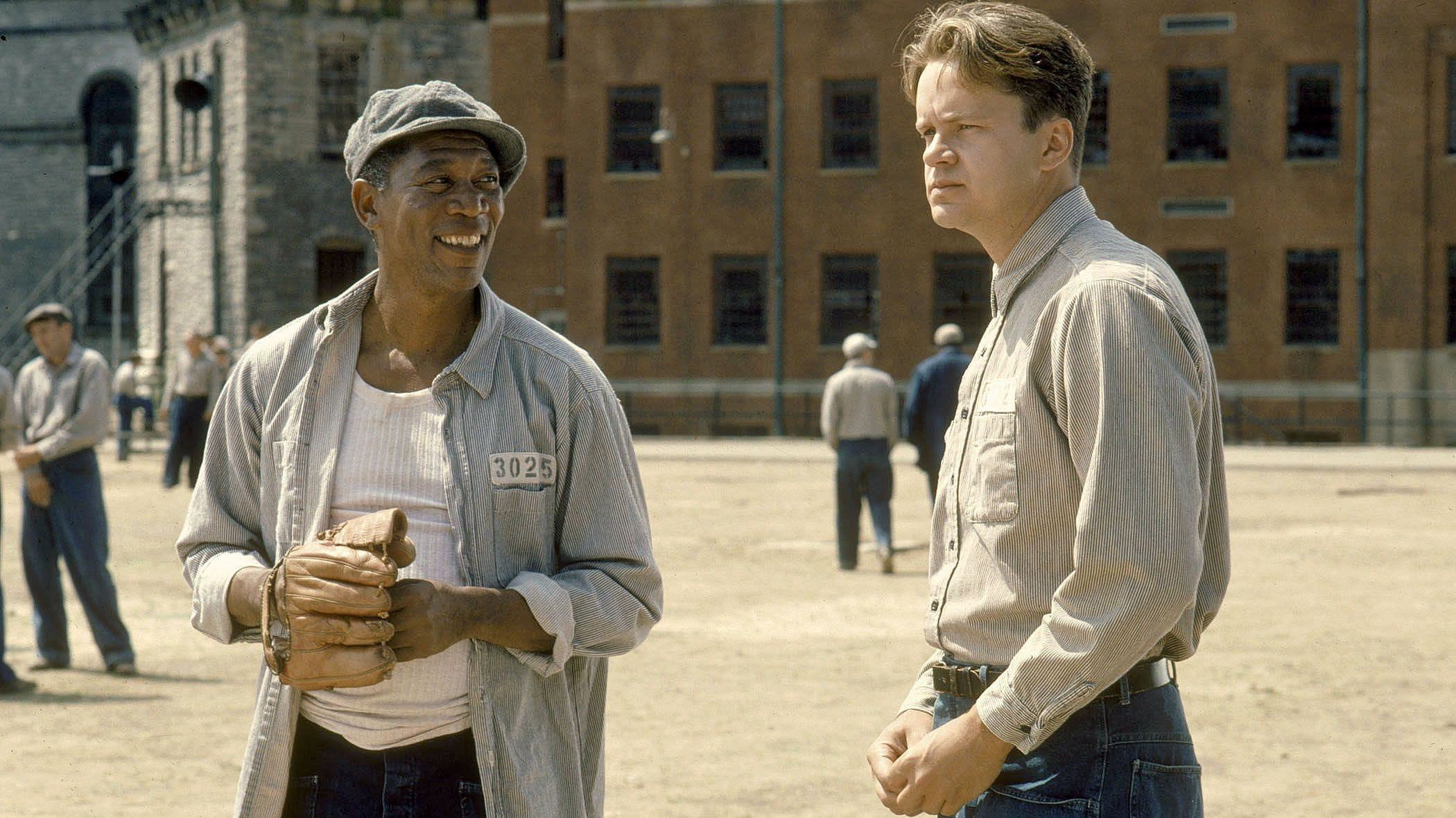
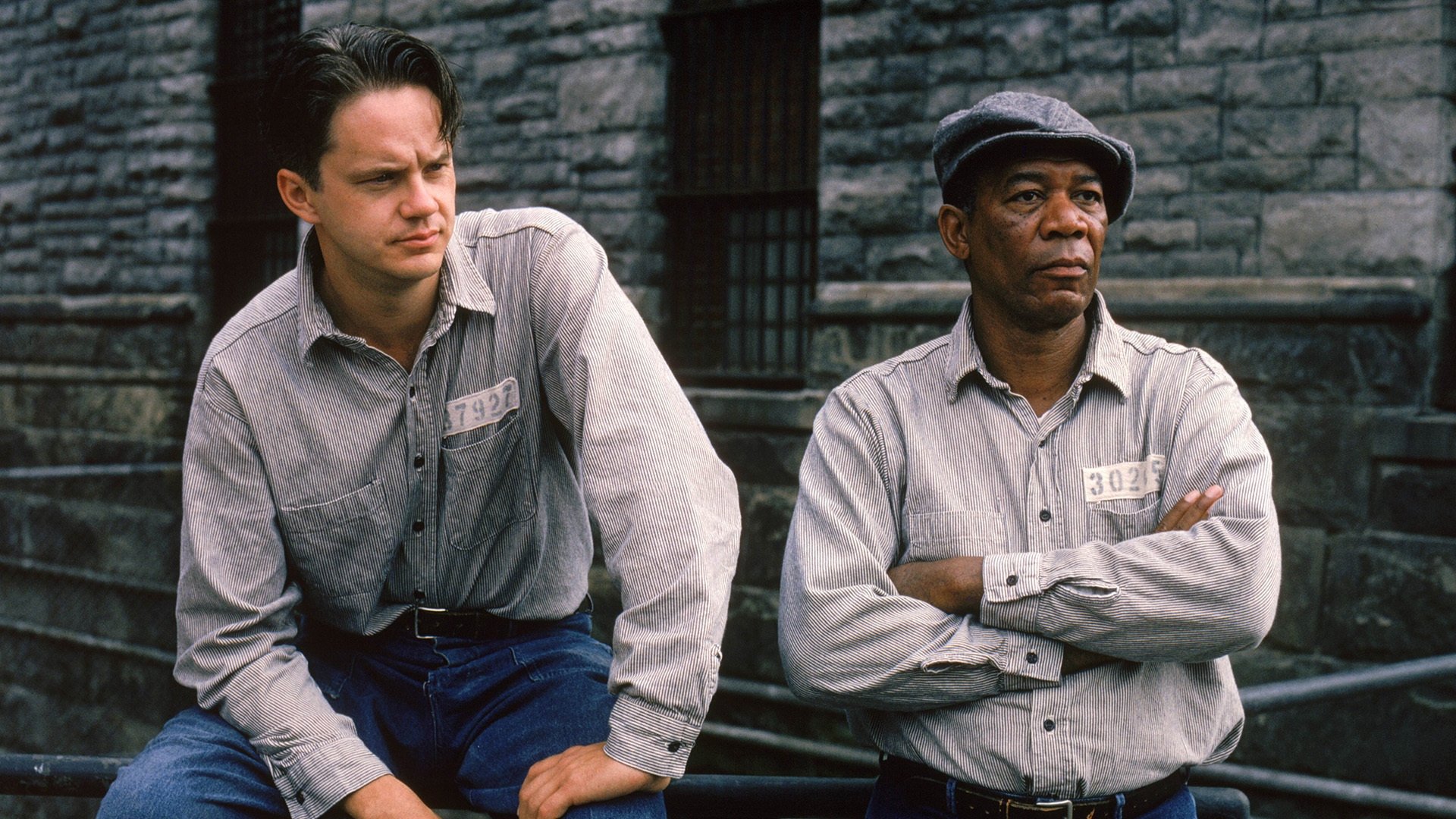
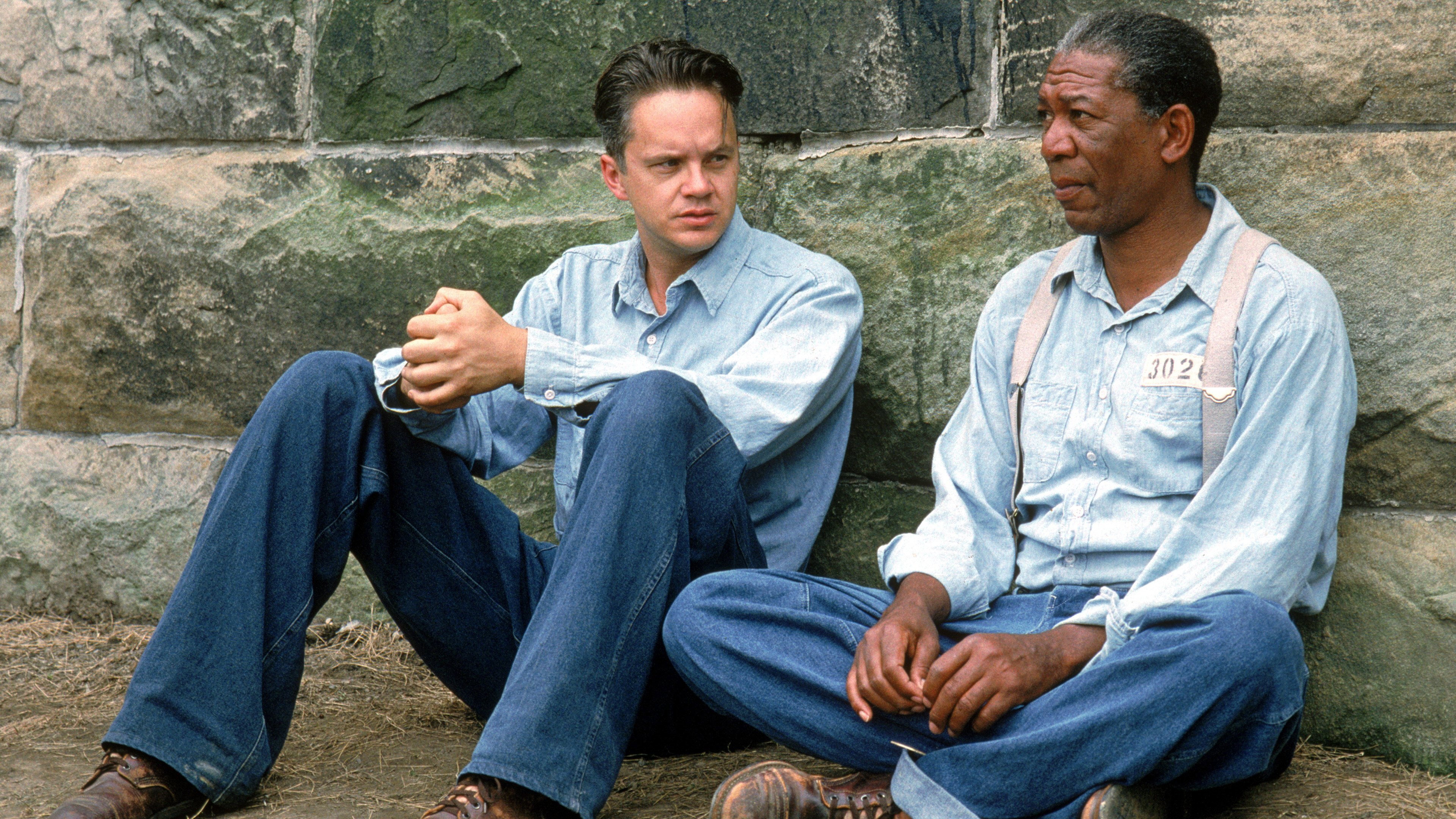
Andy Dufresne (Tim Robbins) is serving a life sentence in prison, where he forms a friendship with Ellis Boyd ‘Red’ Redding (Morgan Freeman). As the two men contend with confinement, their relationship becomes part of how they endure the passing years and resist despair. Around them are fellow prisoners and the staff who control their lives, including Warden Norton (Bob Gunton) and Captain Byron T. Hadley (Clancy Brown). Written and directed by Frank Darabont from a work by Stephen King, the drama follows men trying to preserve hope while living under someone else’s authority.

Plays from YouTube when you press play; nothing loads from them until then.

Fi1m review

Frank Darabont’s prison drama earns its warmth through Tim Robbins and Morgan Freeman, though its faith in human decency sometimes makes life inside look too tidy. We recommend it for the friendship, with reservations about the insistent moral lessons.

Frank Darabont’s The Shawshank Redemption is a warm, absorbing prison drama, even when it insists on explaining why hope is good for us. Andy Dufresne and Red are serving life sentences; Darabont gives their companionship the attention another film might give an elaborate criminal scheme. The hope here depends on having someone else to talk to, and on believing that the conversation matters. That is enough to sustain much of the film’s 142 minutes.

Tim Robbins plays Andy with a reserve that asks us to wait for him. His dignity can seem a little too perfect, but Robbins makes the effort of holding himself together feel continuous. Darabont’s screenplay, adapted from Stephen King, gives Andy plenty of opportunities to be admirable, and Robbins carries them off without looking pleased with himself. The trouble comes when the writing appears so certain of what we should admire that it leaves us little to discover.

Morgan Freeman is the stronger reason to stay. His Red has a weariness that makes the friendship feel necessary, and his dignity never quite conceals what it costs him to keep going. We were moved by Freeman’s tired composure: he lets us see the effort involved in remaining decent. We believe in the friendship because his performance makes companionship seem necessary to getting through the day, without asking us to find either man remarkable for needing it.

Roger Deakins’s cinematography and Terence Marsh’s production design make the prison imposing enough to withstand the screenplay’s more comforting suggestions. The setting has a scale and severity that help us believe in confinement even when the characters begin to seem idealised. Deakins’s drab images refuse to make imprisonment attractive, and Marsh’s prison remains formidable when the writing turns reassuring. We do not forget that Andy and Red cannot choose to leave, which is essential to making their friendship matter as much as it does.

Richard Francis-Bruce’s editing gives the two leads time to make that friendship credible, and the length is largely earned. The unhurried pace lets us accept patience as part of their lives instead of merely hearing that it matters. Thomas Newman’s score helps the emotion arrive without making the performances feel small beside it. Its warmth is welcome, although there are points when Darabont has already made certain we know what to feel and could afford to leave us alone.

Darabont is making a story about surviving despair, and we would not demand a survey of prison life in its place. We do, however, feel the simplification when decency becomes so easy to recognise and cruelty so easy to separate from it. The idealisation of the inmates limits how much we learn about confinement, even as it strengthens our attachment to them. Darabont seems reluctant to let us doubt the men he wants us to love.

That reservation need not spoil the evening. Robbins and Freeman make the central relationship worth the time, and Darabont’s patience pays off in our willingness to stay with them. We recommend it to anyone willing to accept an old-fashioned drama that believes quite openly in human goodness. Just allow for the moments when it checks, unnecessarily, that we have noticed.


Critical consensus AI synthesised

74
Positive
5
Mixed
1
Negative
1

Most critics respond warmly to The Shawshank Redemption as an old-fashioned prison drama built around friendship, patience and hope. Praise centres on Tim Robbins and Morgan Freeman, whose performances give the central relationship dignity and make the inmates’ struggle against despair affecting. The reviews also value the careful adaptation and imposing prison setting, with several finding that the film’s deliberate pace allows its humanity to emerge without forcing the emotion.

The spread is wide, however, and sentimentality is the main dividing line. The New Yorker finds that the film avoids cheap sentiment, while Slant Magazine sees contrived emotion and a romanticised account of prison life. The Independent likewise objects to the idealised characterisation and handling of sex in prison. Length is a broader reservation, appearing even in favourable reviews: the painstaking detail earns respect, but the slow pace can become exhausting.

Radio Times
★★★★★ · Alan Jones
100

This deeply moving adaptation of Stephen King's novella is one of the best of the author's work. Tim Robbins and Morgan Freeman deliver world-weary dignity against the odds in a prison drama underlined by strong supporting performances.

Read the full review →
RogerEbert.com
23 September 1994 · ★★★★/4 · Roger Ebert
100

The critic praises the film as a story about time, patience, loyalty and friendship between two lifers who find a way to fight despair. He singles out the performances of Robbins and Freeman and the direction that paints prison life with drab realism while building to redemption.

Read the full review →
Time Out
10 September 2012 · TCh
80*

Darabont's adaptation of a Stephen King novella is a throwback to the kind of serious, literate drama Hollywood used to make, though some elements like the spiritual resolution may be hard to swallow. It is an engrossing, superbly acted yarn with a formidable prison setting.

Read the full review →
The New Yorker
19 September 1994 · Anthony Lane
75*

The critic calls it a fine movie with strong performances and a focus on the prison as the true star, noting its careful stoicism and old-fashioned decency that grows on the viewer. He singles out the dignified performance by Freeman and the way the film avoids cheap sentiment while delivering uplift.

Read the full review →
Variety
9 September 1994 · Leonard Klady
70*

The critic finds a painstaking exactness that is laudable yet exhausting, praising the humanity of the inmate principals and Robbins' riveting performance while noting it is a long haul that will need critical support. He singles out the clever adaptation and strong tech credits as making it an estimable, haunting entertainment.

Read the full review →
Slant Magazine
16 October 2004 · ★★/4 · Ed Gonzalez
50

The critic dismisses the film as overly sentimental melodrama that romanticizes prison life and panders to contrived emotions, criticizing its nostalgic tone and failure to confront serious issues like violence and manhood.

Read the full review →

Cast

Stills

Awards

Academy Awards, 1995

Nominated
Best Actor
Nominated
Best Cinematography
Nominated
Best Film Editing
Nominated
Best Original Score
Nominated
Best Picture
Nominated
Best Sound
Nominated
Best Writing, Adapted Screenplay

American Society of Cinematographers Award for Outstanding Achievement in Cinematography in Theatrical Releases, 1994

Won
American Society of Cinematographers Award for Outstanding Achievement in Cinematography in Theatrical Releases

If you liked this, try…

A Man Escaped poster

A Man Escaped

1956 · A sterner prison drama, where patience and practical work keep hope alive.

Ikiru poster

Ikiru

1952 · Another patient account of finding purpose when the future has narrowed.

The Station Agent poster

The Station Agent

2003 · For the hesitant friendship, quiet performances and welcome lack of moral lectures.

The Lives of Others poster

The Lives of Others

2006 · Human decency under institutional pressure, with more doubt about what goodness costs.

Cool Hand Luke poster

Cool Hand Luke

1967 · Prison companionship and stubborn individuality, with a less reassuring view of authority.