Lea Thompson gives Howard the Duck a warmth its jokes rarely earn. The awkward costume and relentless changes of tone make this a poor comedy, though the friendship at its centre suggests a better one.
Howard the Duck is a poor comedy with a likeable friendship trapped inside it. Willard Huyck seems to hope that putting a talking duck among human actors will become funnier once enough other kinds of entertainment have been added. The screenplay by Willard Huyck and Gloria Katz tries risqué jokes, slapstick and science-fiction adventure, without giving any of them enough attention. The opening, with its awkward business of a duck trying to fit into human society, offers the most promising material.
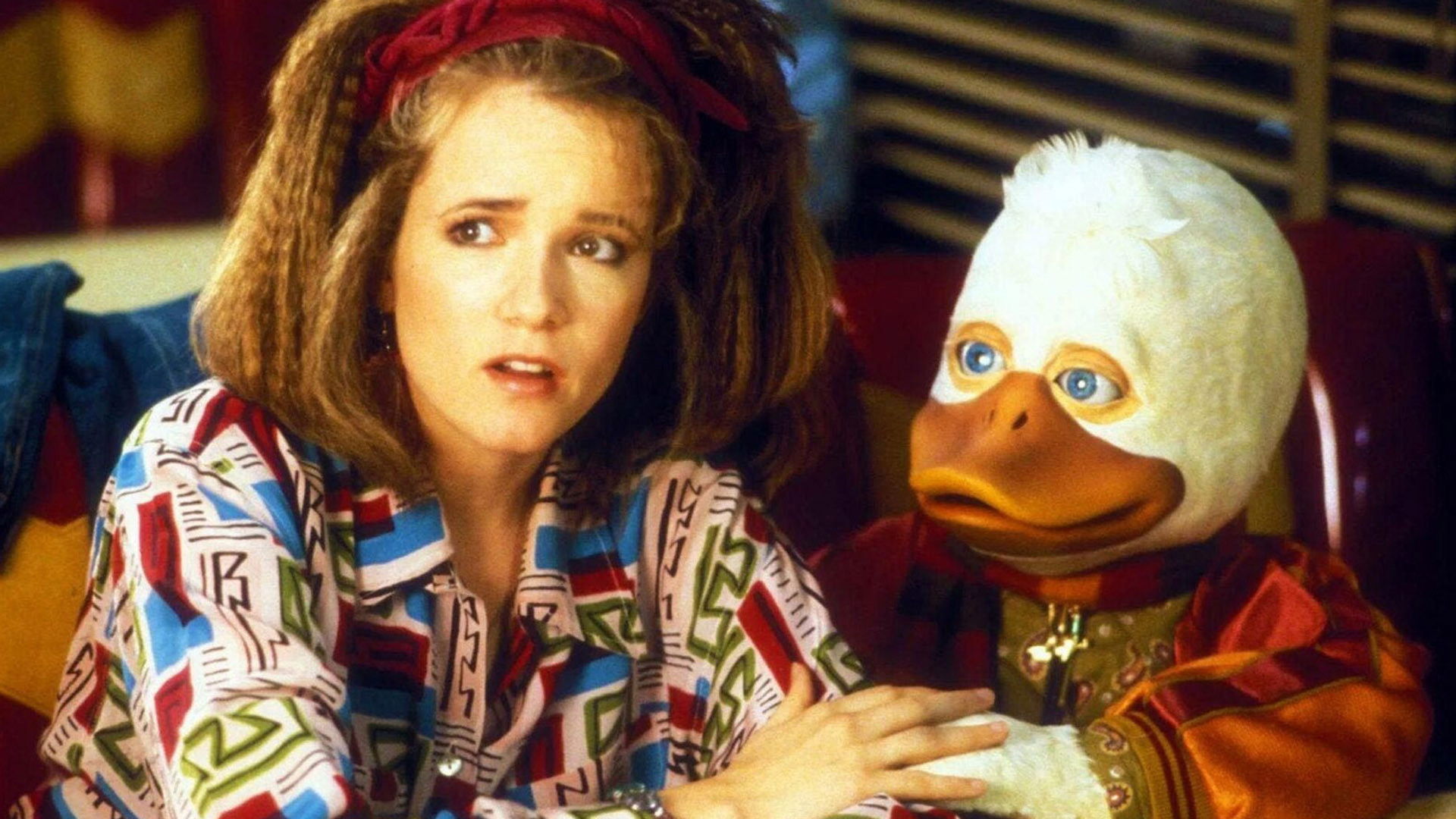
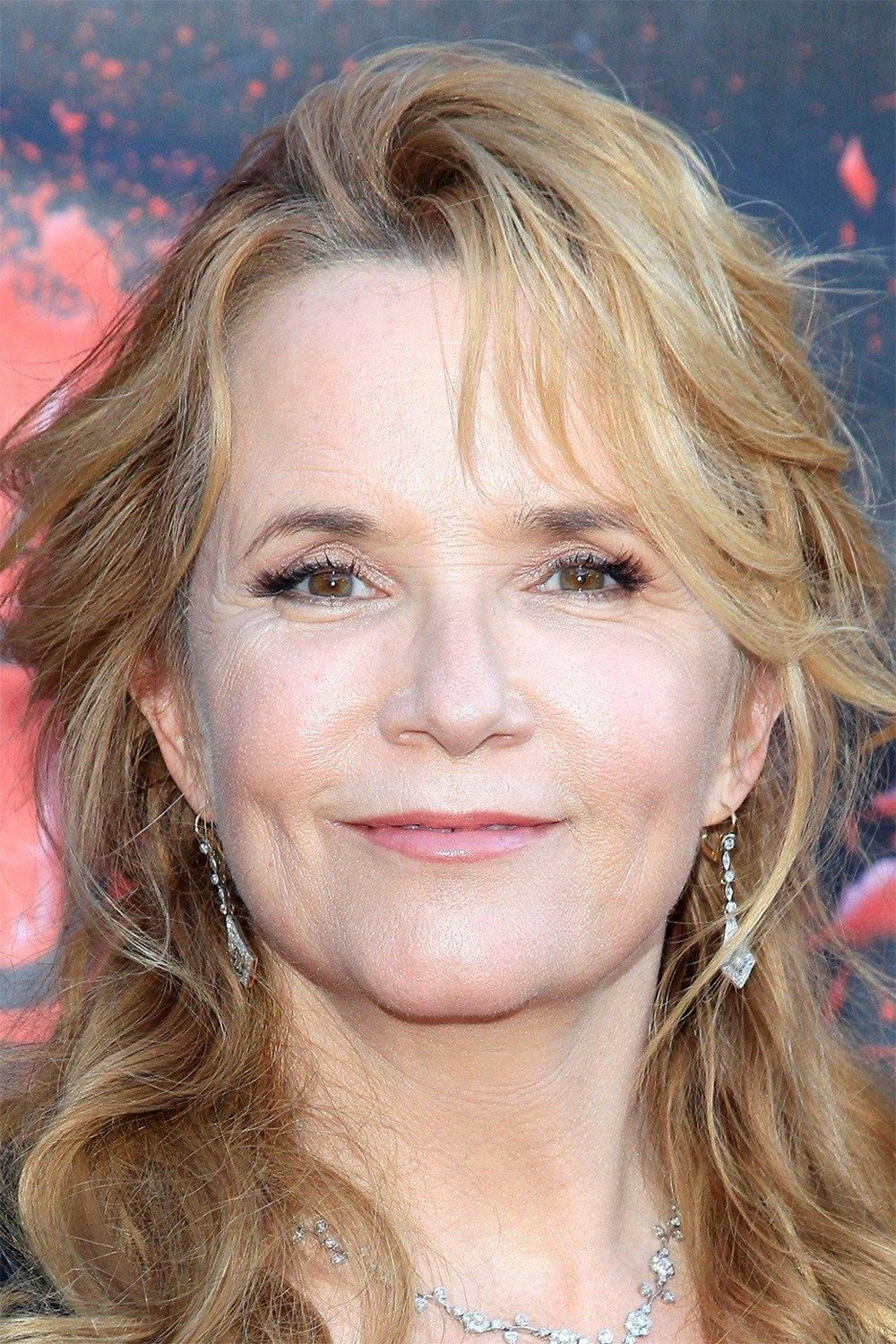
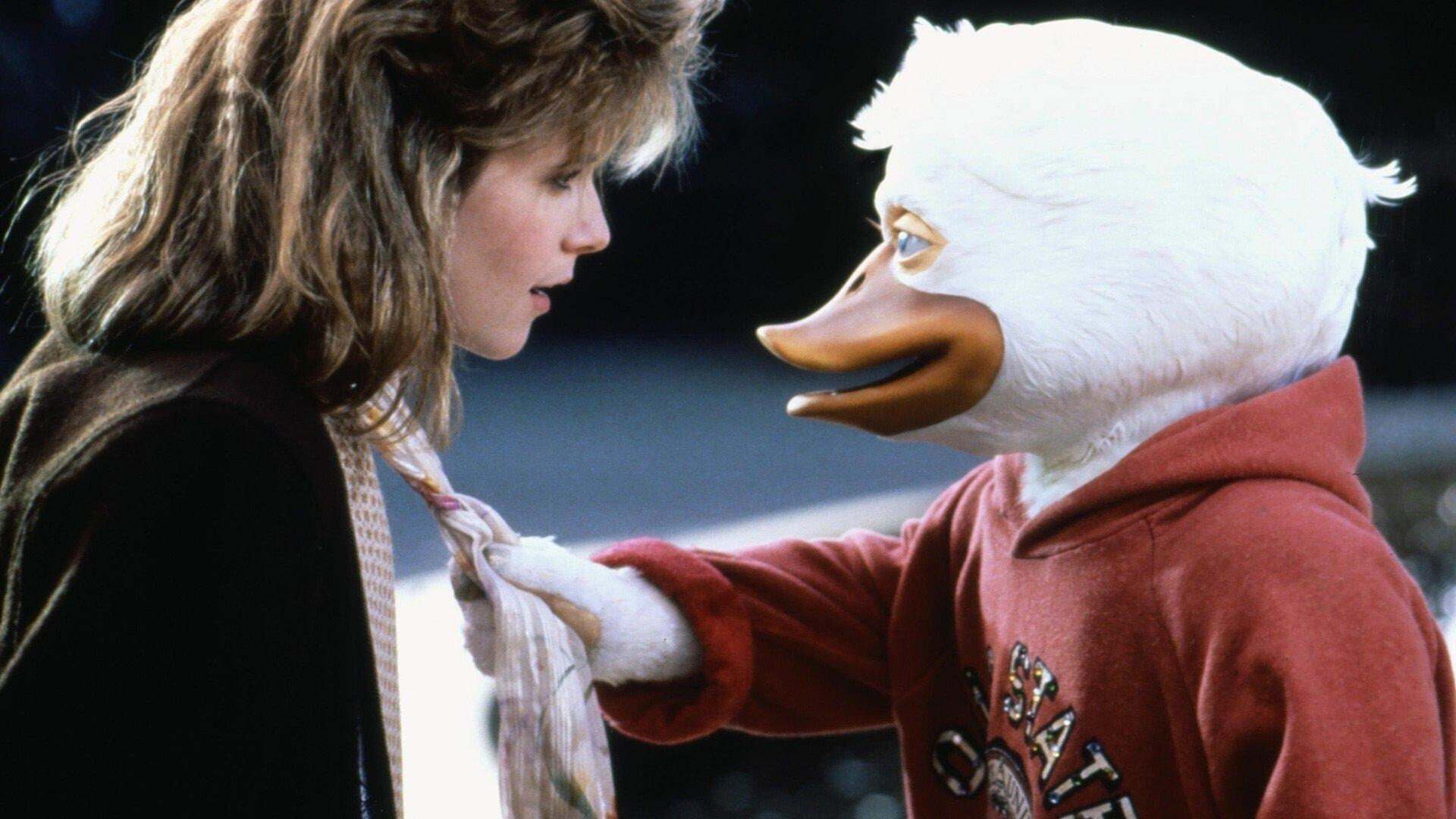
Lea Thompson gives Beverly Switzler enough warmth to make that unlikely friendship matter. She does not need to make the situation seem ordinary; her willingness to take her companion seriously gives us a reason to try. We warmed to them together because her affection makes the duck briefly seem like someone whose company might be welcome. That is a considerable service to a comedy whose jokes too often depend on our finding his mere presence funny.
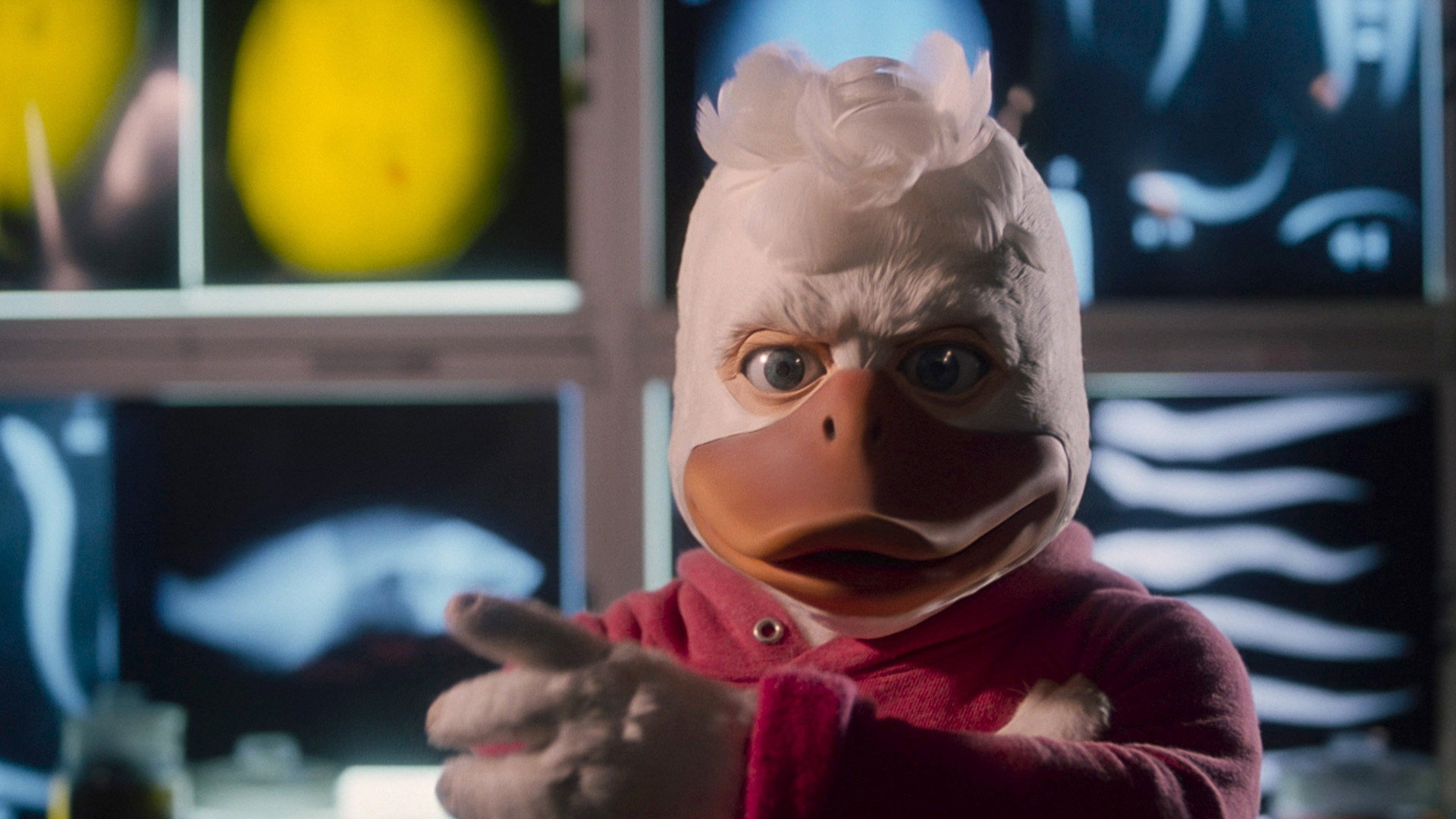
The costume makes her work harder than it should. Ed Gale is among the performers credited as Howard T. Duck, with Chip Zien supplying the voice, and their efforts deserve to be distinguished from the limitations of the suit. The voice can suggest an attitude that the face struggles to express, so even simple exchanges seem to require extra patience. There is pleasure in watching a physical creature occupy the space beside the actors, but we spend too much of that time noticing the creature’s construction.
Richard H. Kline’s cinematography leaves the central problem exposed whenever a human face and the duck share the screen. Peter Jamison’s production design provides surroundings for the social comedy and the science-fiction action, but neither setting makes the costume more persuasive. The ordinary encounters work better because there is at least a human response to watch. Once the effects become the attraction, the duck has less to contribute.
John Barry’s score supplies a generosity the writing often lacks, taking the adventure seriously enough to give it some feeling. It is a good choice for a film that would become unbearable if the music kept reminding us how silly everything was. Editors Michael Chandler and Sidney Wolinsky have less success making the changes of tone feel like parts of the same story. The trouble is not simply pace: a risqué joke, a slapstick routine and a chase ask for different responses, and the film keeps moving on before one has properly registered.
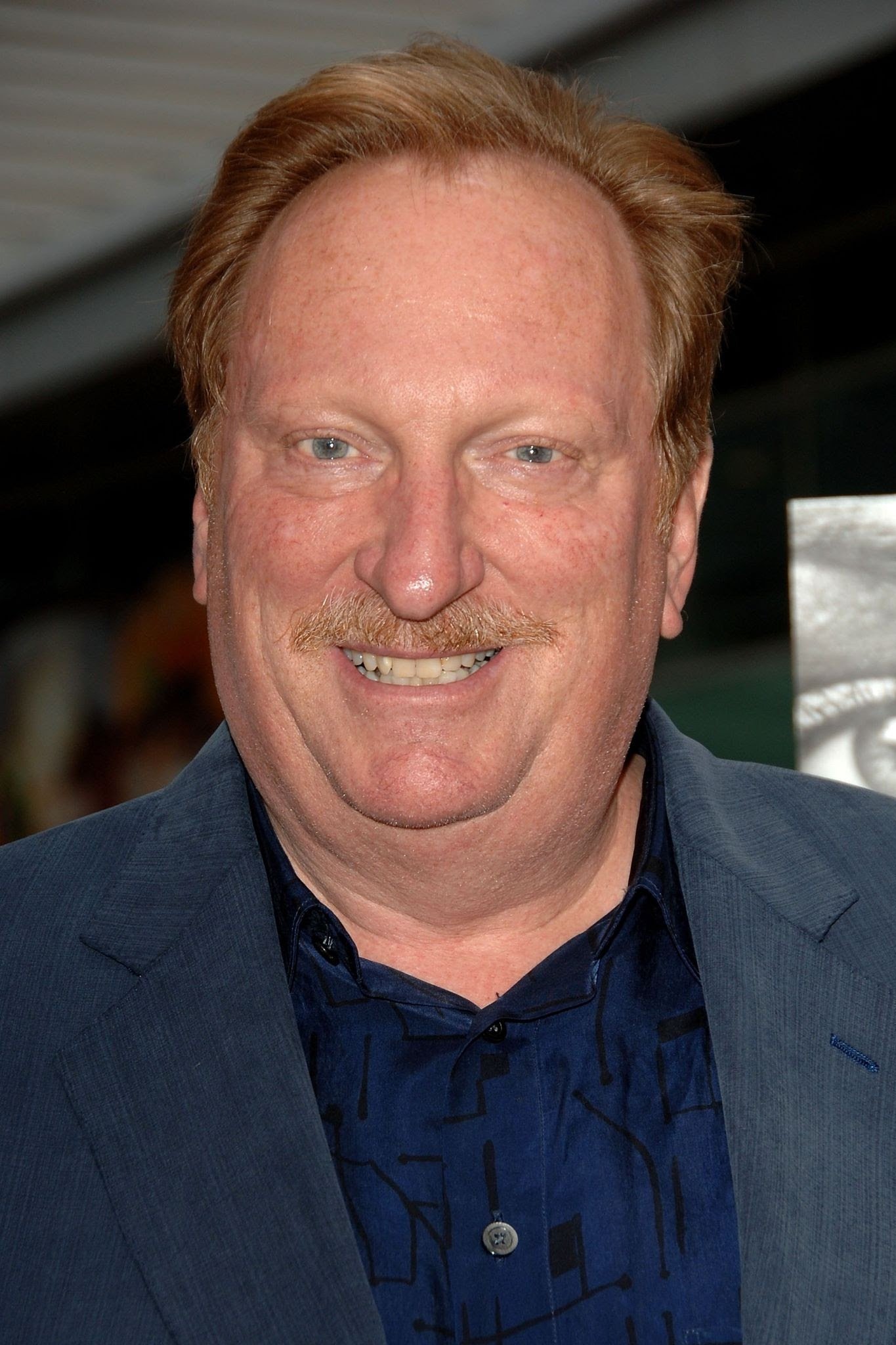
Jeffrey Jones provides some welcome energy, and the effects contain enough invention to make the enthusiasm for this film understandable. We can see why viewers who enjoy its sheer oddness are willing to forgive the lumbering stretches. But the accumulating chases make the central character less interesting rather than giving him more to do that matters. By then, the film has largely abandoned the small social embarrassments and tentative friendship that gave us something to care about.
A comedy about an outsider needs curiosity about the people he meets, and this one keeps becoming distracted by the next piece of action. At 110 minutes, it also asks for more goodwill than its scattered pleasures can sustain. The affection between Beverly Switzler and her feathered companion suggests that Willard Huyck and Gloria Katz had a workable starting point. If the duck costume already looks like a joke that will wear thin, there is little reason to give it the full evening.