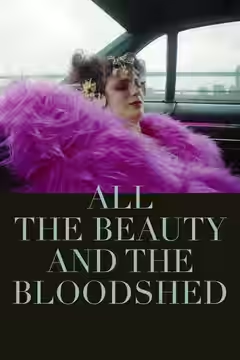
Laura Poitras makes Nan Goldin’s photographs and campaigning equally gripping, with the artist’s own voice doing the hardest work. The crowded structure occasionally makes us wish she would stay put, but this is an angry, moving film worth the attention.
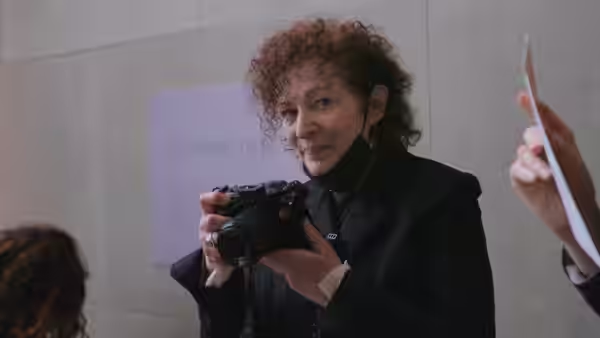
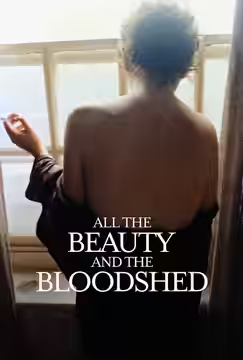
All the Beauty and the Bloodshed is an absorbing, often painful documentary about Nan Goldin, and it is strongest when it lets her speak. Laura Poitras places the photographer’s campaign against the Sackler family beside her account of her own life, without treating the photographs as decoration. The connection takes some work, and the film occasionally tries to hold too many subjects at once. For much of its 122 minutes, though, the attention it asks for is well repaid.
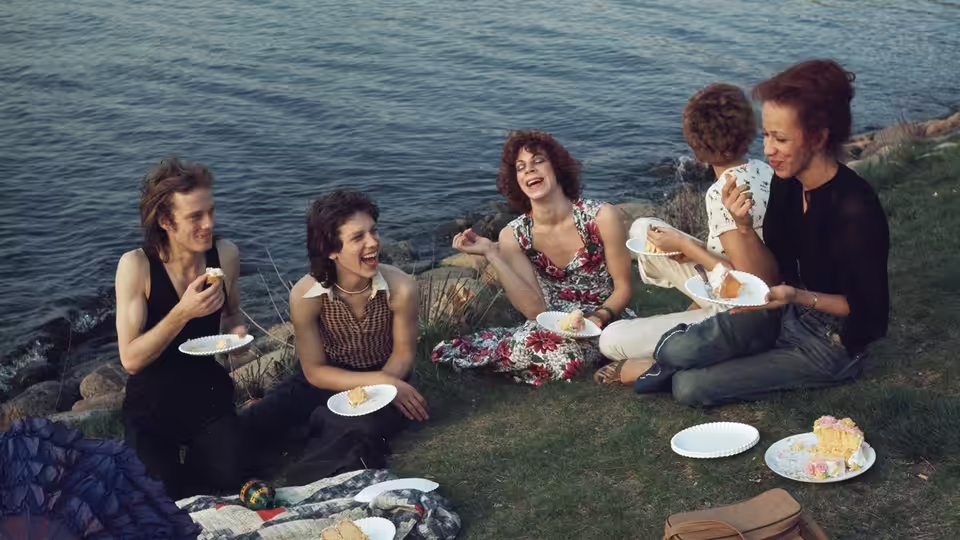
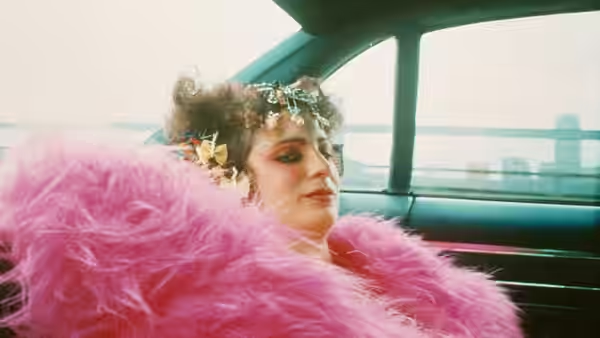
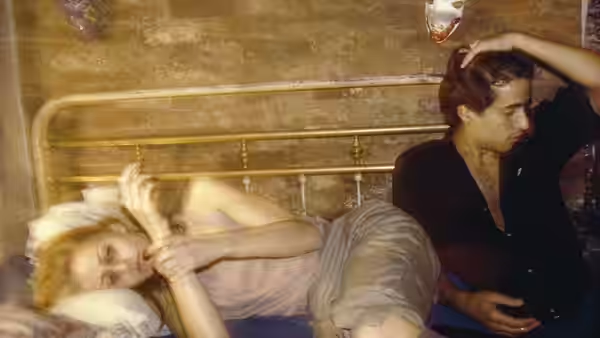
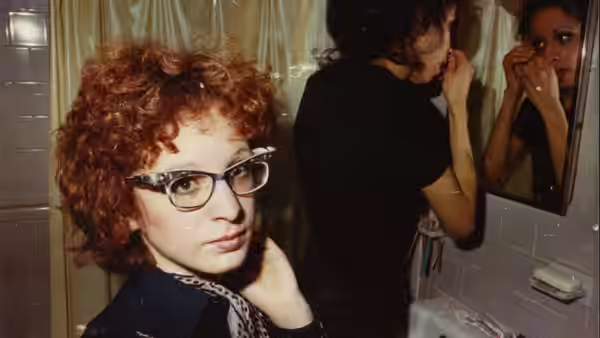
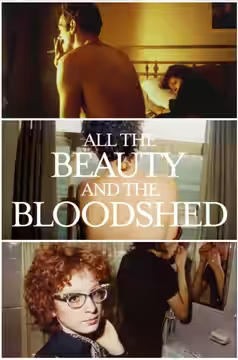
The photographs deserve the attention Poitras gives them, and the slideshows let us look closely while listening to Goldin’s recollections. We were moved by the combination. Her frank talk about intimacy and loss makes the people in the pictures matter before the film asks us to think about campaigning. That matters in a documentary with so much to cover, because a photograph can otherwise become something to put on screen while the speaker gets through another difficult memory.
The protests and covert meetings supply a different kind of concentration. Poitras finds suspense in the practical business of resistance, and Goldin’s campaign against the Sackler family gives the film something pressing to follow alongside the recollections. The risk is that the opioid crisis might make everything else seem like background material, however valuable in itself. Poitras mostly avoids that: the time spent with the photographs helps explain why this particular person is prepared to challenge public respectability.
Editors Brian A. Kates, Joe Bini and Amy Foote handle the shifts between slideshows, personal testimony and campaign footage with considerable care. A return to Goldin’s voice can draw us back in after the more urgent activity of the protests, without feeling like a pause for instruction. There are stretches, though, when another shift of subject feels premature, as if the film is impatient with a story we have only just settled into. We wanted longer with some of the recollections before being returned to the campaign.
The music by Stephan Crasneanscki and Simone Merli helps those changes of mood without becoming the thing we attend to. That is the right proportion for a film in which speech and photographs already ask so much of us. The dark landscapes offer another welcome pause from the pressure of testimony and campaigning. Poitras is good at allowing an image to carry feeling without requiring a fresh explanation.
A campaigning documentary often hurries past a person’s earlier life to get to the urgent matter at hand. Here the earlier life keeps claiming our attention, and that is a virtue even when it makes the film less tidy. Goldin’s account of family and community gives her resistance to authority a history, rather than presenting it as a position she has adopted for the camera. We come to understand something about why she persists, without being asked to find her exemplary at every moment.
We recommend it with that reservation about the crowded structure, and with some warning about the weight of Goldin’s recollections. The photographs and the campaigning both demand concentration; this is a poor choice for an evening spent half-watching and doing something else. Give the slideshows the same attention as the protests.