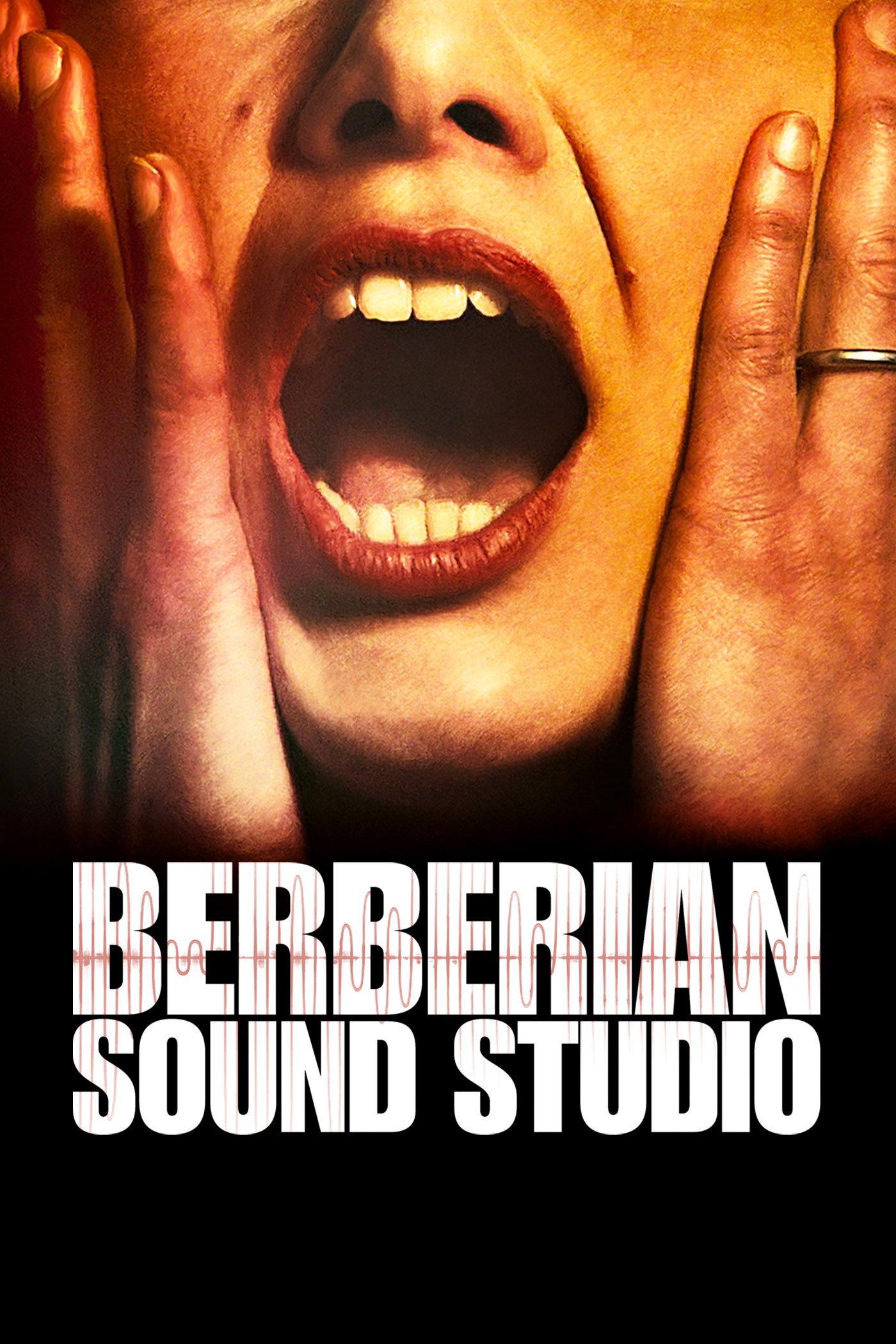
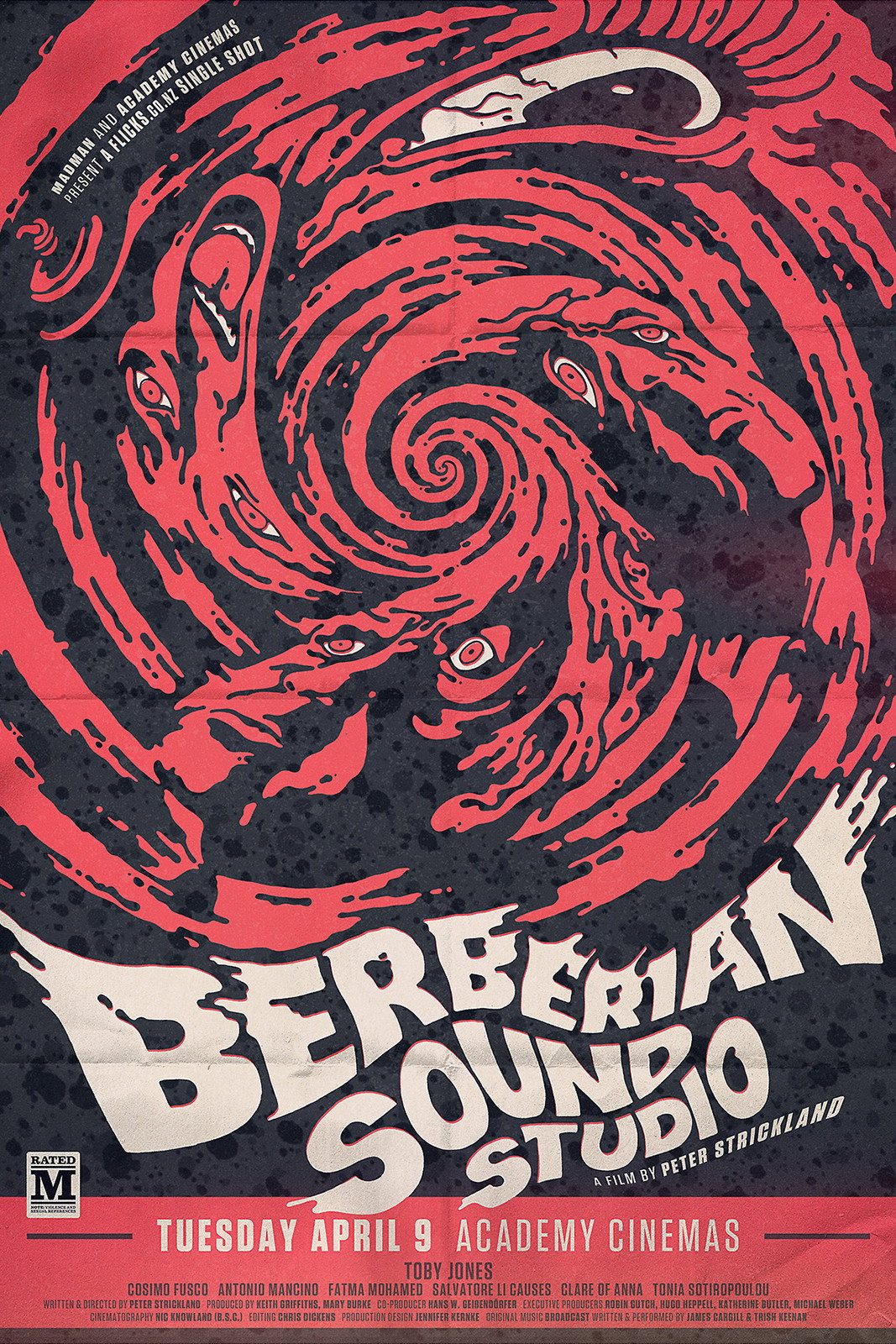
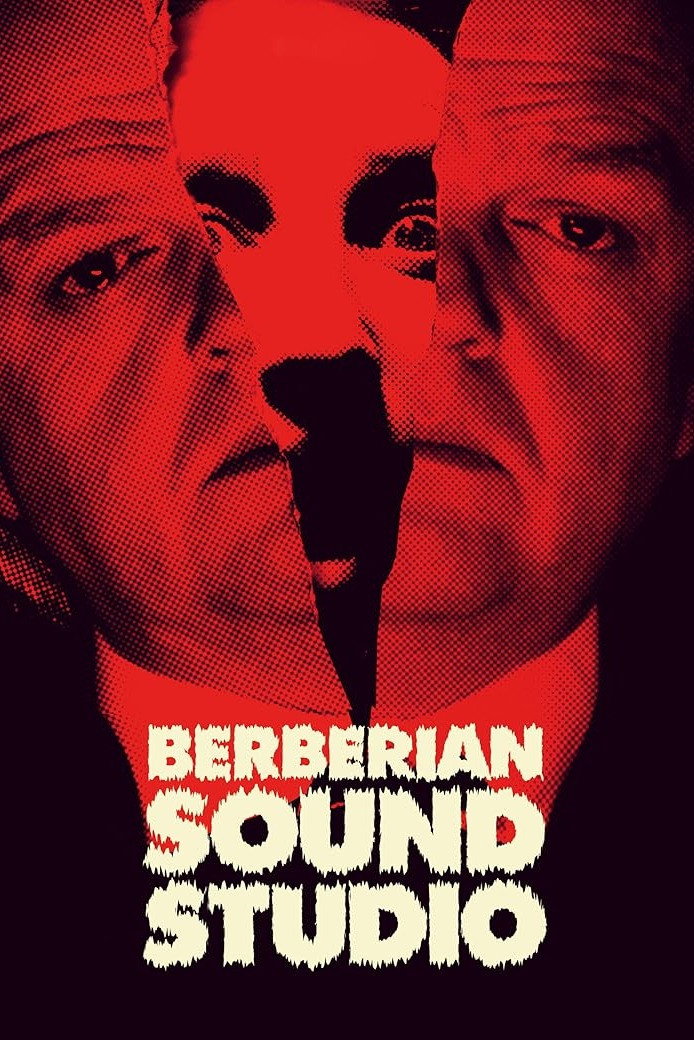
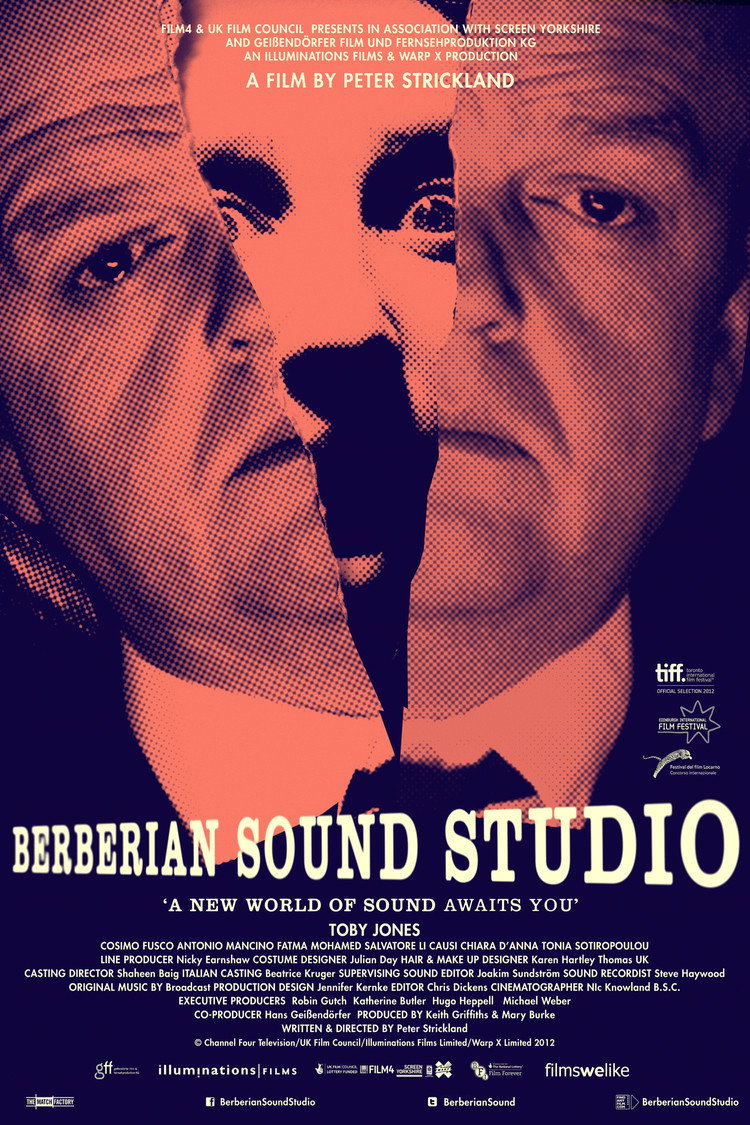
Peter Strickland makes the manufacture of horror effects funny, absorbing and unsettling, with Toby Jones as a nervous sound engineer. The plotting grows thin, but we recommend it to anyone who likes horror that makes them listen.
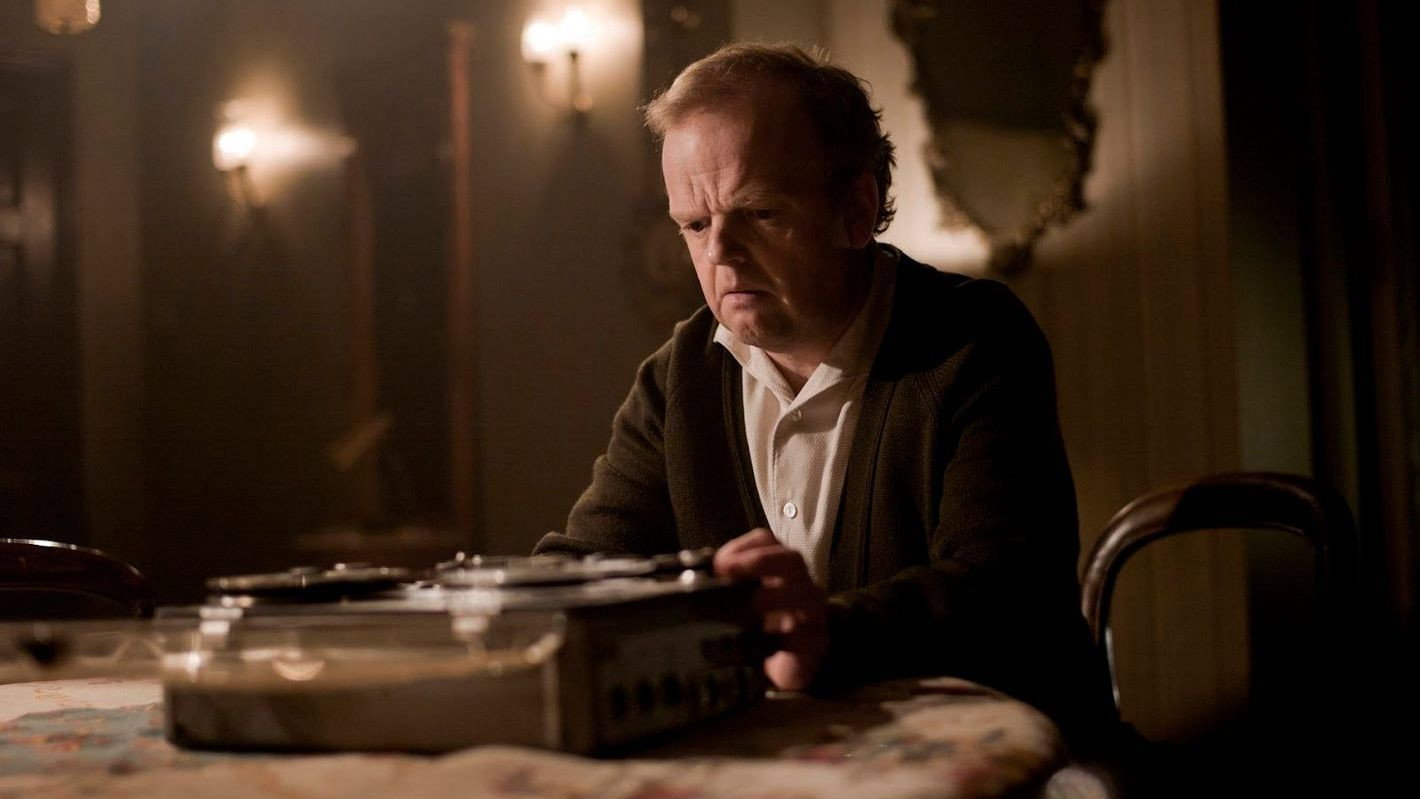
Peter Strickland’s Berberian Sound Studio makes the manufacture of horror effects absorbing, funny and disturbing. We recommend it, provided a thin story will not spoil the pleasure of watching people do peculiar work with great concentration. Gilderoy, a timid British sound engineer played by Toby Jones, has come to an Italian studio to work on a horror film. The director keeps its violence largely out of sight and makes us attend to the people providing its sounds.
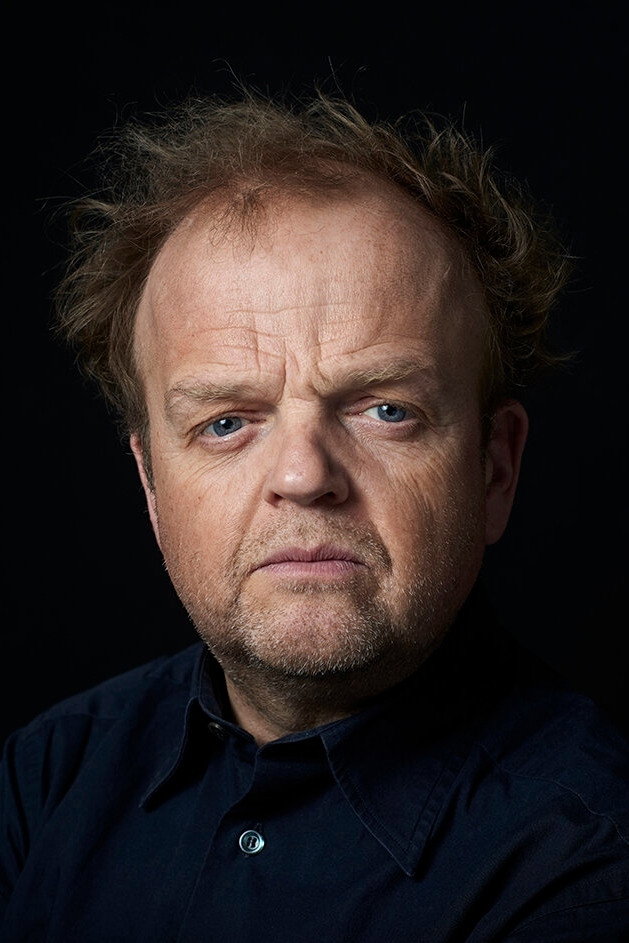
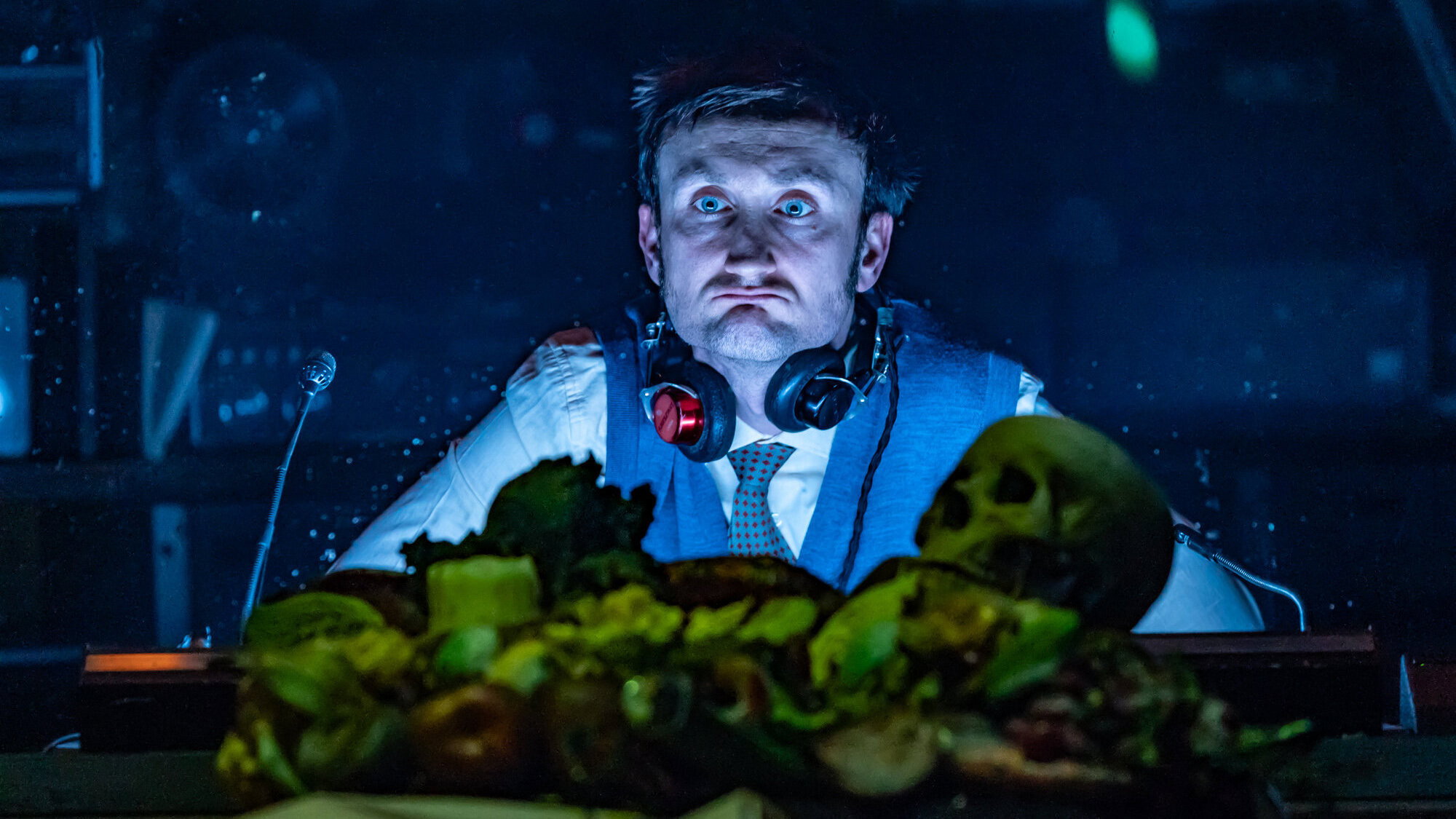
Toby Jones gives Gilderoy enough reserve to make his discomfort interesting before it becomes alarming. He suggests a man who would prefer the job to take care of the conversation, and whose skill cannot quite protect him from feeling out of place. The comedy of cultural misunderstanding works because we recognise the embarrassment, rather than simply enjoying an awkward man’s difficulties. Even when the film becomes harder to follow, his uncertainty remains easy to understand.
The vegetable destruction is the clearest demonstration of what the film can do. We flinched at the noises of bodily injury made from ingredients we could see were harmless. Showing the process does not stop the sounds from suggesting wounded flesh, and the sheer effort involved has its own awkward comedy. By leaving the violence to our imagination, the film also makes us notice how readily we supply it.
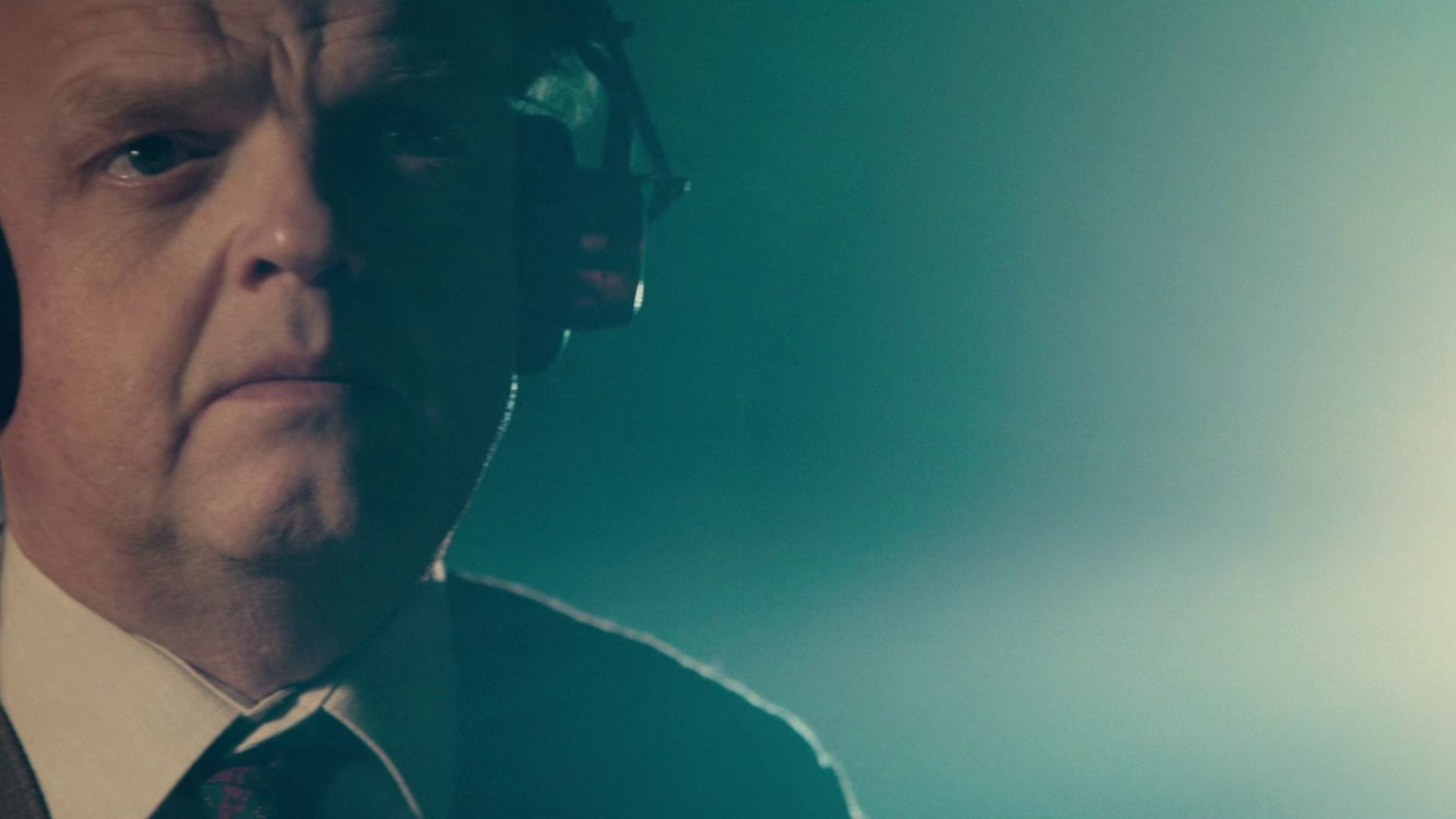
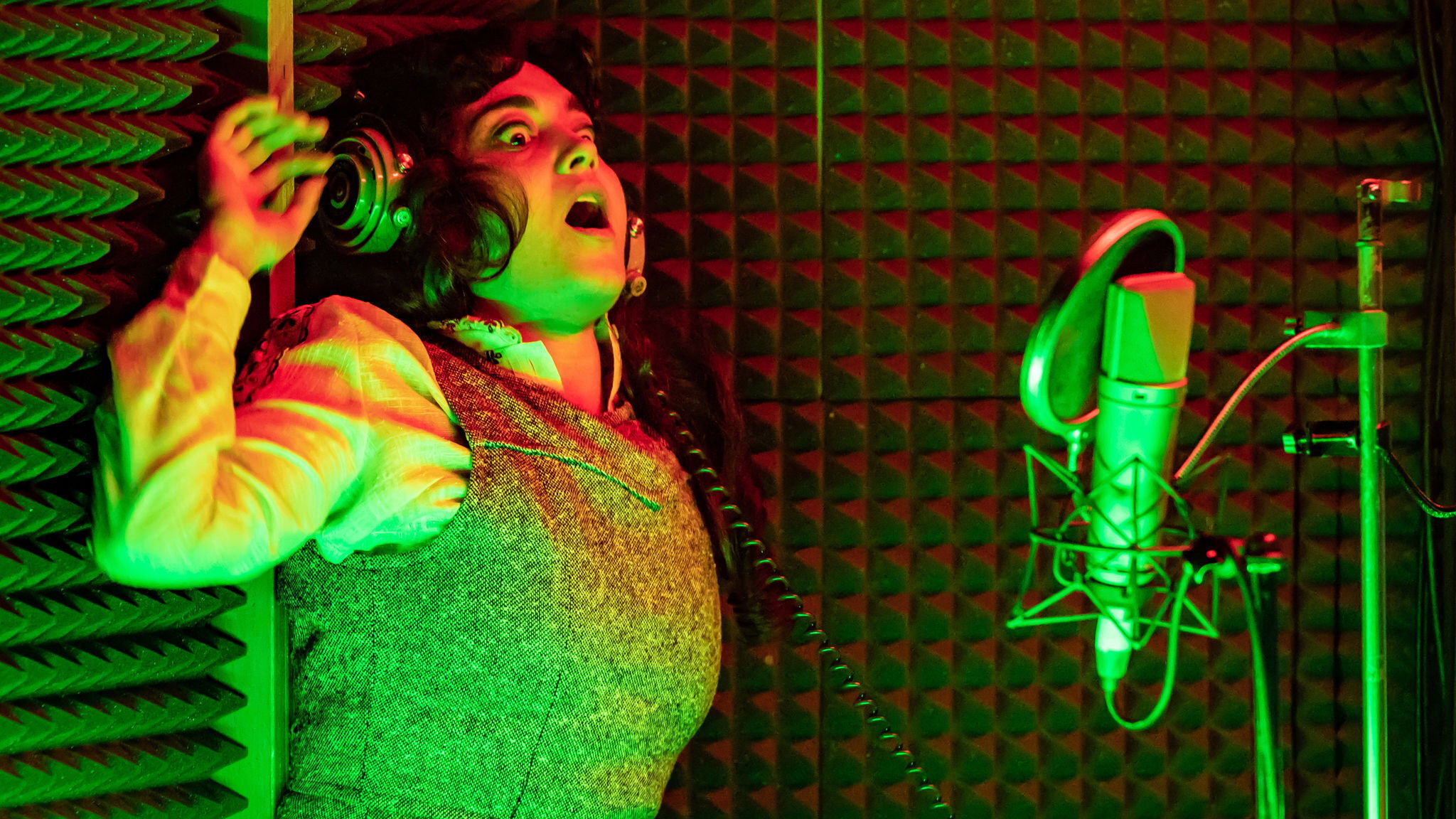
Nic Knowland’s cinematography makes those damaged vegetables unpleasantly compelling to look at. We study the ingredients because the finished sound is so much worse than anything we are being shown. Jennifer Kernke’s production design makes the analogue studio credible as a place of work, which matters when the work itself is so peculiar. The setting remains somewhere a conscientious engineer might want to be, long enough for us to understand Gilderoy’s involvement.
Chris Dickens’s editing makes the sound-making procedures worth following even when we would rather not hear the results. It gives the specialised work a rhythm we can settle into, an important part of the film’s appeal for anyone who enjoys watching people practise a craft. James Cargill and Trish Keenan’s music contributes to the anxiety without displacing the effects. The score keeps the listening uncomfortable, even when the practical business of producing these noises has become familiar.
The weakness is what happens once we understand how uncomfortable Gilderoy is. Peter Strickland keeps finding ways to sustain that feeling, but some stretches repeat what Toby Jones has already conveyed with less fuss. At 92 minutes, it is hardly overlong, yet there are passages where we wait for another reason to care about this particular man. The uncertainty stops being interesting when it becomes difficult to tell what he wants beyond getting through the next ordeal.
The decision to build a horror film around skilled labour gives this a welcome strangeness. The fear grows from listening closely to a job being done, which is enough to distinguish it without any knowledge of Italian genre cinema. Choose it for a patient evening, and give the sound your full attention.