Film review

Beyond the Hills

2012 · Directed by Cristian Mungiu · 2h 30m

In a sentenceEveryone at the monastery knows what love means, which is part of the trouble

DramaRomance

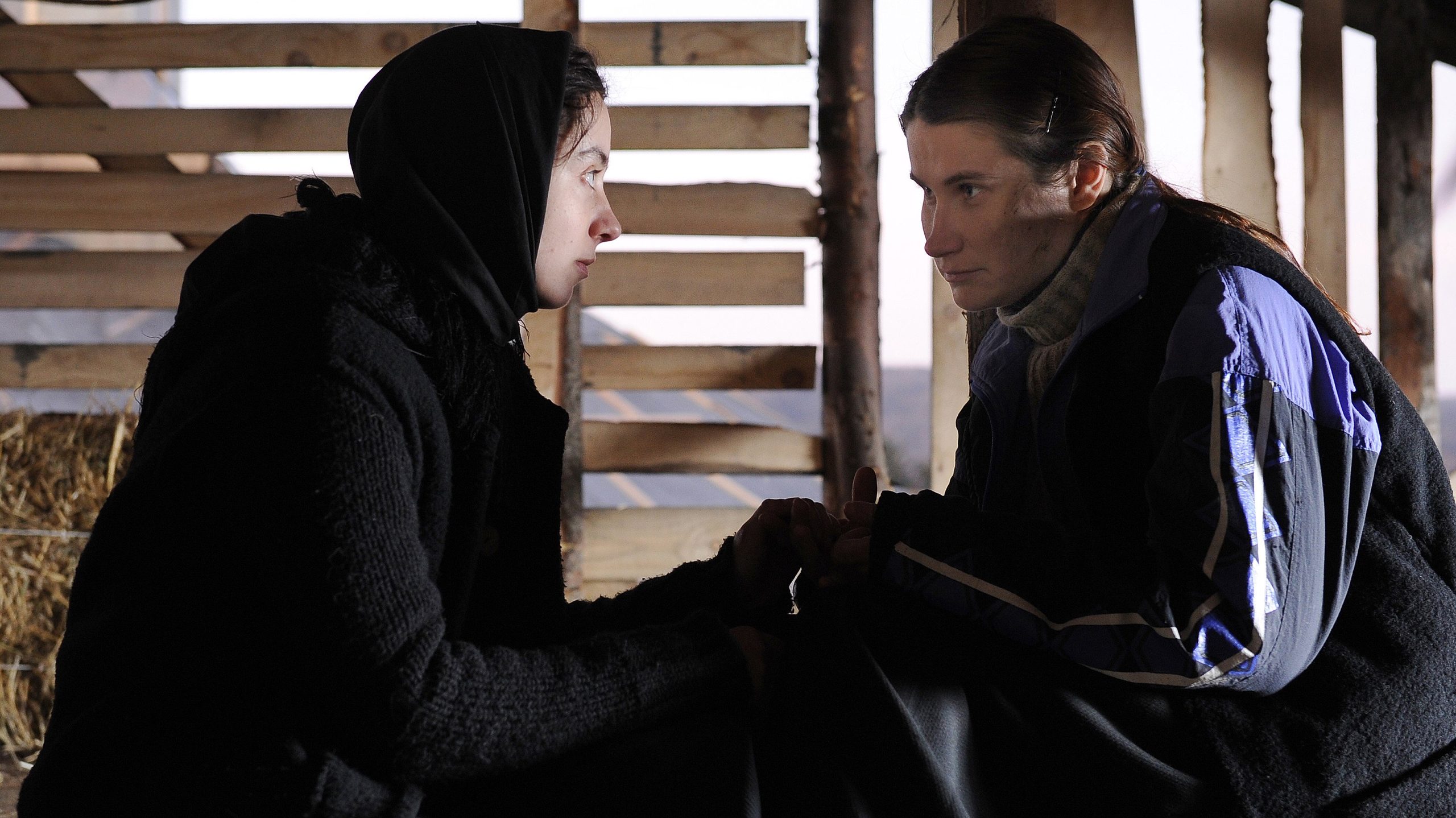
In present-day Romania, Alina (Cristina Flutur) and Voichita (Cosmina Stratan) struggle to find room for their attachment within a monastery. Alina wants a life in which that love can thrive, but the community’s religious convictions complicate the women’s relationship. The Priest (Valeriu Andriuță) and Mother superior (Dana Tapalagă) have their own understanding of what care requires. As Alina’s demands become harder to accommodate, the women must contend with people who believe they are helping, and who are certain that their beliefs give them the answers.

Plays from YouTube when you press play; nothing loads from them until then.

Fi1m review

Cristian Mungiu’s monastery drama is patient, painful and worth the time, with two performances that keep its questions about faith personal. The middle section repeats itself, but the women remain difficult to forget.

Beyond the Hills is a demanding, deeply affecting drama that takes too long to get where it is going. Cristian Mungiu places two women’s attachment within a Romanian monastery and asks what happens when the people around them think they know how love should be expressed. Nobody needs to think of themselves as cruel for another person to suffer. The film gives those people time to explain themselves, and makes us attend to Alina even when her demands are difficult to like.

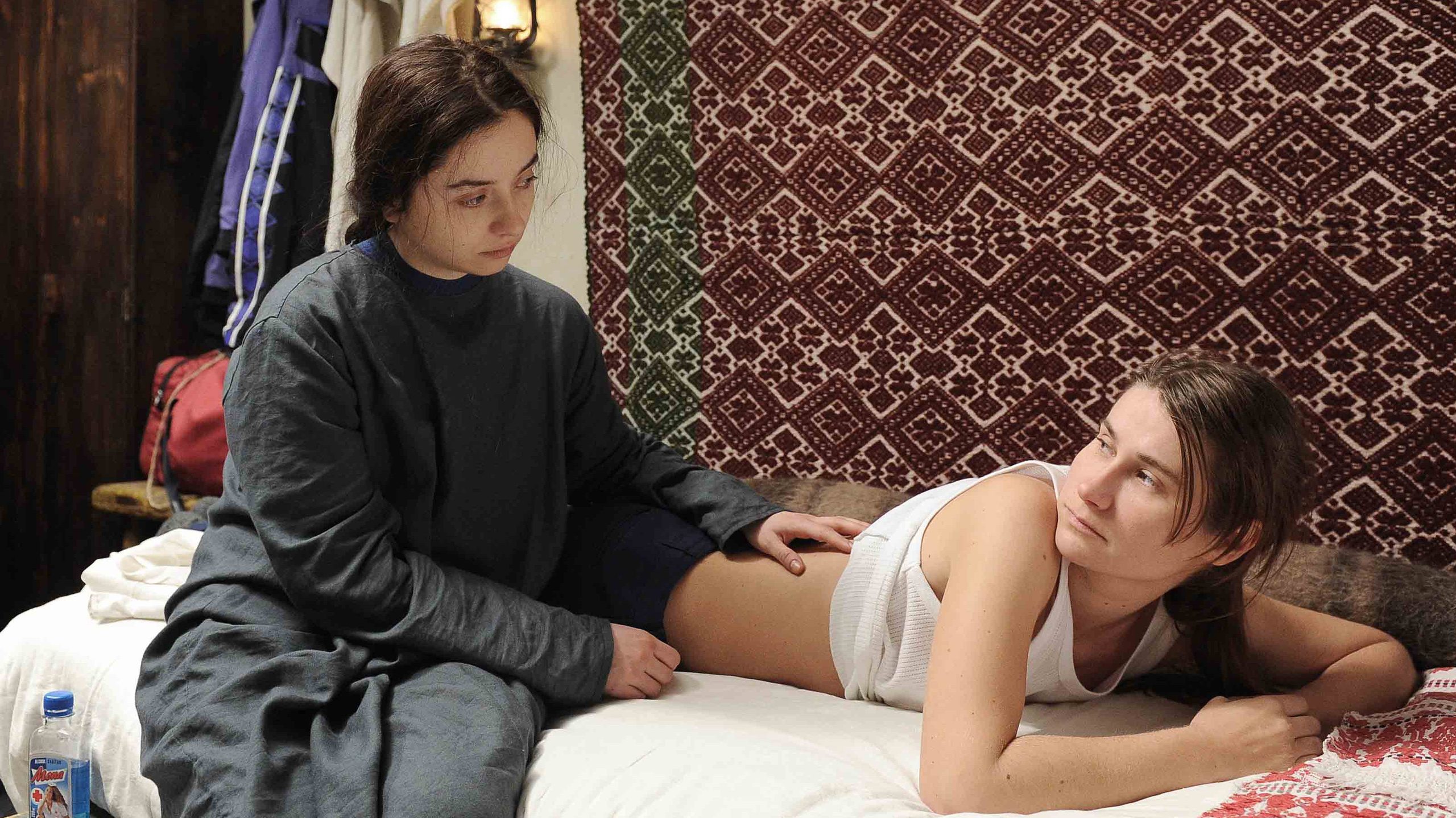
Cristina Flutur makes Alina’s need for affection difficult to dismiss, even when her demands become hard to bear. We found her longing painful to watch, because her insistence on being loved leaves so little room for Voichita’s own wishes. Cosmina Stratan gives Voichita enough feeling to prevent the relationship becoming a demonstration of opposing beliefs. Their performances keep bringing us back to two particular women whenever the discussion of faith threatens to turn them into examples.

Valeriu Andriuță’s Priest and Dana Tapalagă’s Mother superior give the monastery people whose convictions we have to consider. Neither performance encourages us to settle comfortably into contempt. Cristian Mungiu’s screenplay allows the community to take its own beliefs seriously, so that a decision can be comprehensible and still cause alarm. He is especially good at showing how certainty can survive contact with another person’s distress, when we might expect that distress to prompt a question.

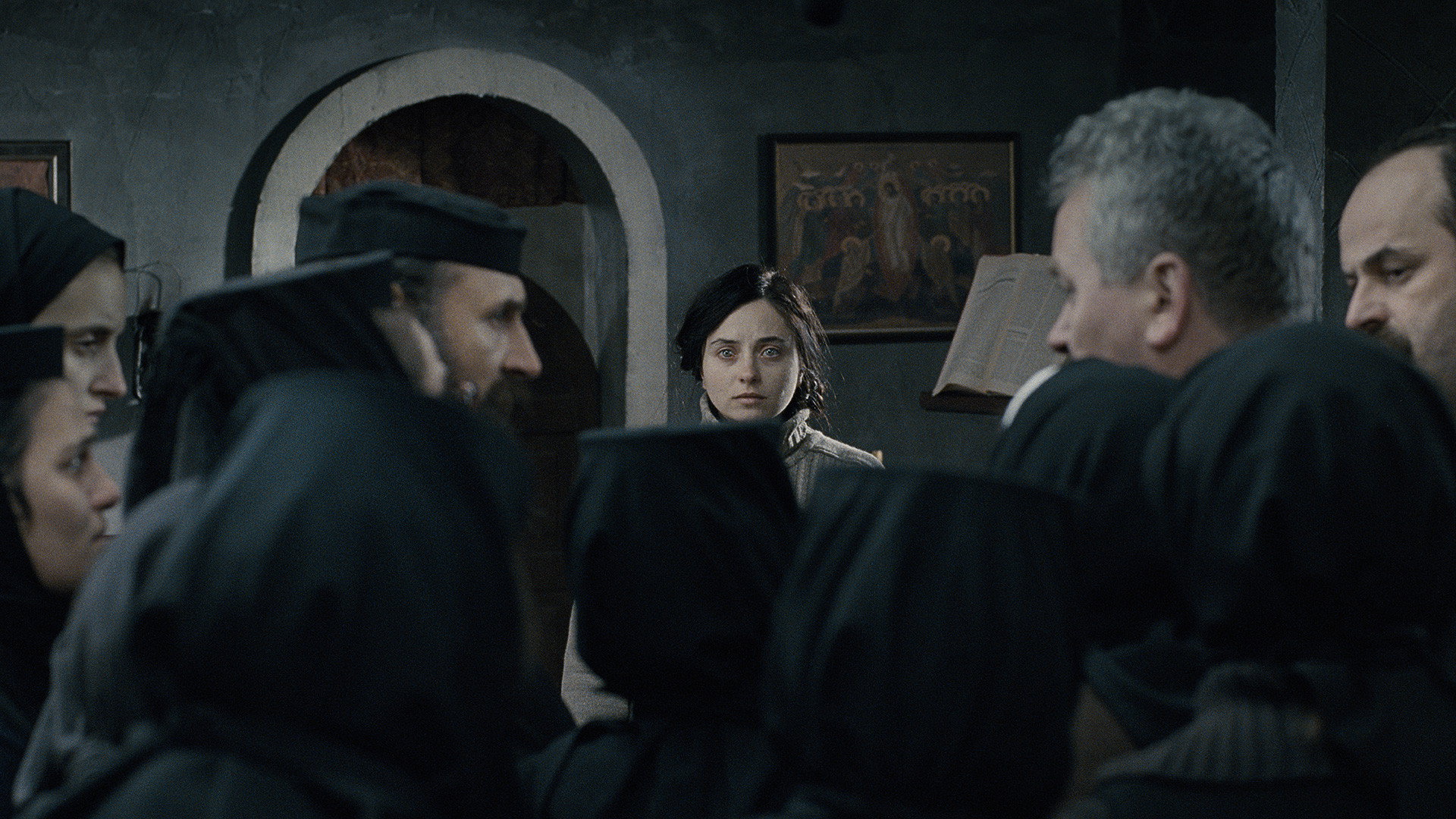
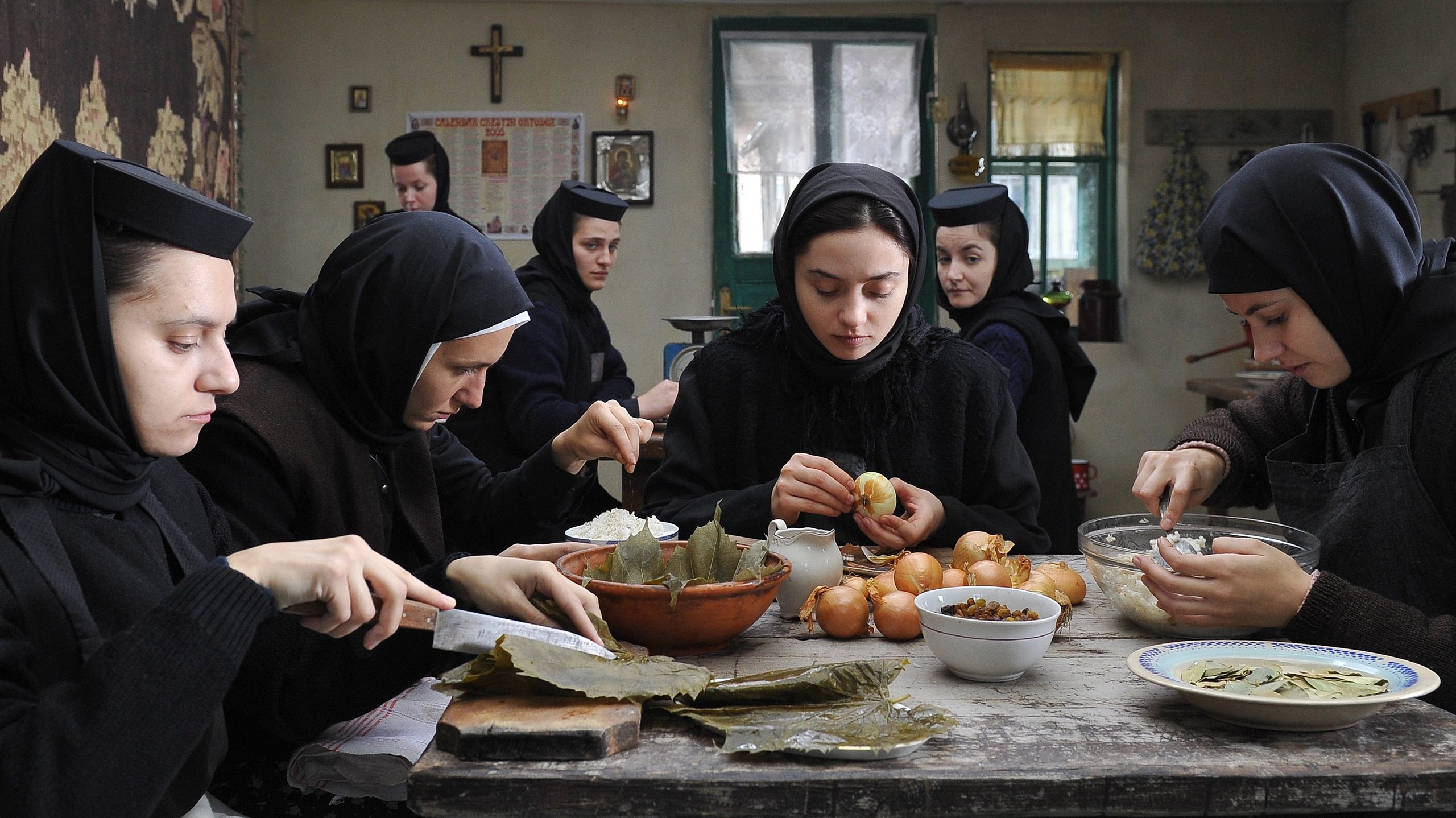
Oleg Mutu’s cinematography supplies the time this requires. The long takes let discomfort gather around the women, and we are left to decide which claims on their loyalty deserve our sympathy. Production designers Călin Papură and Mihaela Poenaru make the monastery convincing as a place people might choose to belong to, which is essential to the film’s fairness. The setting needs to make sense as a home for its inhabitants before we can understand why they would accept its authority.

Mircea Olteanu’s editing is patient with the performances, but the same patience becomes a problem in the middle section. At 150 minutes, the film returns to disagreements whose terms we have already grasped, and several exchanges add duration without deepening our understanding. We began to anticipate another round of the same dispute, which dulled the anxiety the earlier scenes had built. A tighter cut could have kept the difficulty of the choices without making us feel that the discussion had begun again.

Religious dramas can make disbelief a comfortable position for the audience, and this one denies us that comfort. Cristian Mungiu lets the women’s relationship remain awkward enough to resist being made into a simple case against the monastery. There is much here to be angry about, but the film makes us examine whom we are angry with and why. Save it for an evening when a difficult film will be welcome, and allow more patience than some of those middle scenes deserve.
Critical consensus AI synthesised

76
Positive
14
Mixed
0
Negative
1

Most critics respond warmly to Beyond the Hills, praising Mungiu’s patient direction and the emotional force of the bond between its two central women. The long takes earn repeated praise for drawing attention to behaviour and building tension without forcing a judgement. The performances are another point of agreement, as is the film’s refusal to reduce its conflicts over faith, love and secular responsibility to a simple case against religion. Its restraint makes the suffering more affecting for many critics.

Reservations centre on the length, deliberate pace and repetition in the middle section, including among otherwise favourable reviews. The spread is largely positive, though enthusiasm ranges from admiration for a demanding drama to a stronger emotional response. Paste supplies the clearest dissent: it finds the pacing tedious and the ambiguity frustrating, where other reviews see moral complexity and a welcome reluctance to preach.

Sight and Sound
15 March 2013 · Nick Roddick
90*

The critic praises Mungiu's measured and powerful monastery drama as a complex work championing love while questioning religion's appropriation of it. The film's restraint and final shot are singled out for their eloquence and skill.

Read the full review →
The New York Times
8 March 2013 · A.O. Scott
90*

The critic calls the film a tough and engrossing work of realism with the shadowy magic of an ancient folk tale. He singles out the intense longing of the two central women for a situation in which their love might thrive as giving the story its suspense and devastating power.

Read the full review →
The Guardian
17 March 2013 · Philip French
85*

Philip French praises Mungiu's film as a powerful and sombre meditation on faith and friendship in present-day Romania. He singles out the morally adroit portrayal of the difficult protagonist Alina as particularly compelling.

Read the full review →
Evening Standard
15 March 2013 · Derek Malcolm
80*

The film has power and intensity, is beautifully acted and directed with precision, and is engrossing despite its length and slow pace. It presents a true story of tragedy in a convent without preaching, focusing on trapped emotions and circumstances.

Read the full review →
Little White Lies
14 March 2013 · 4/4/4 · Anton Bitel
80

The film unfolds its moral dilemmas with disquieting evenhandedness in an understated passion play. It is praised for its searing love story and even-handed portrayal of conflicts between sacred and secular values.

Read the full review →
Time Out
12 March 2013 · ★★★★ · Dave Calhoun
80

Mungiu's cerebral melodrama is steely and brutal in its portrait of religion's lethal potential in the wrong hands. The film's elongated style and exploration of freedom and Romanian society's lingering sorrow are highlighted.

Read the full review →

Cast

Stills

Awards

International Submission to the Academy Awards, 2013

Nominated
International Submission to the Academy Awards

European Film Award for Best Screenwriter, 2012

Nominated
European Film Award for Best Screenwriter

If you liked this, try…

The Nun poster

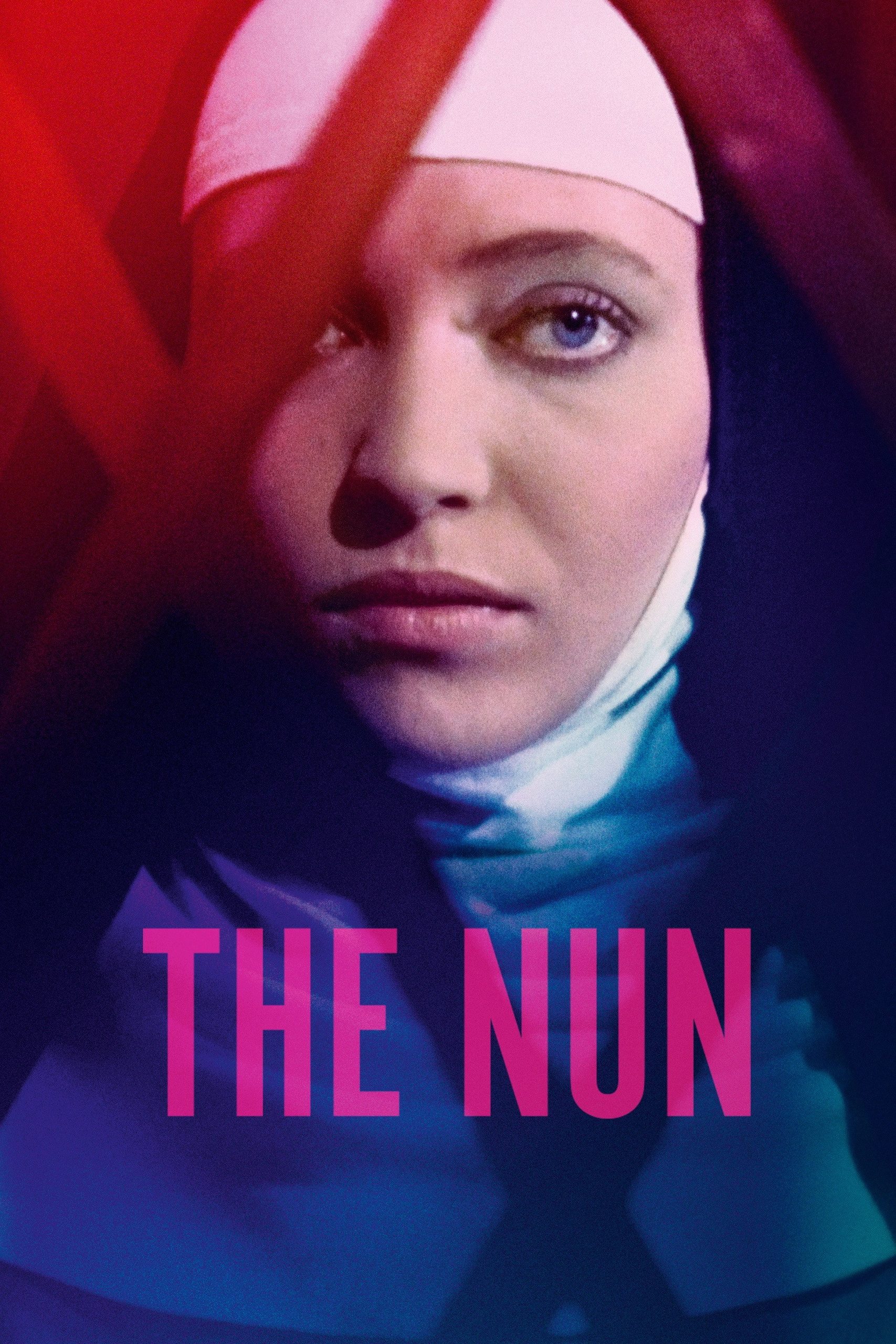
The Nun

1966 · A young woman’s resistance exposes the coercion beneath a religious community’s care.

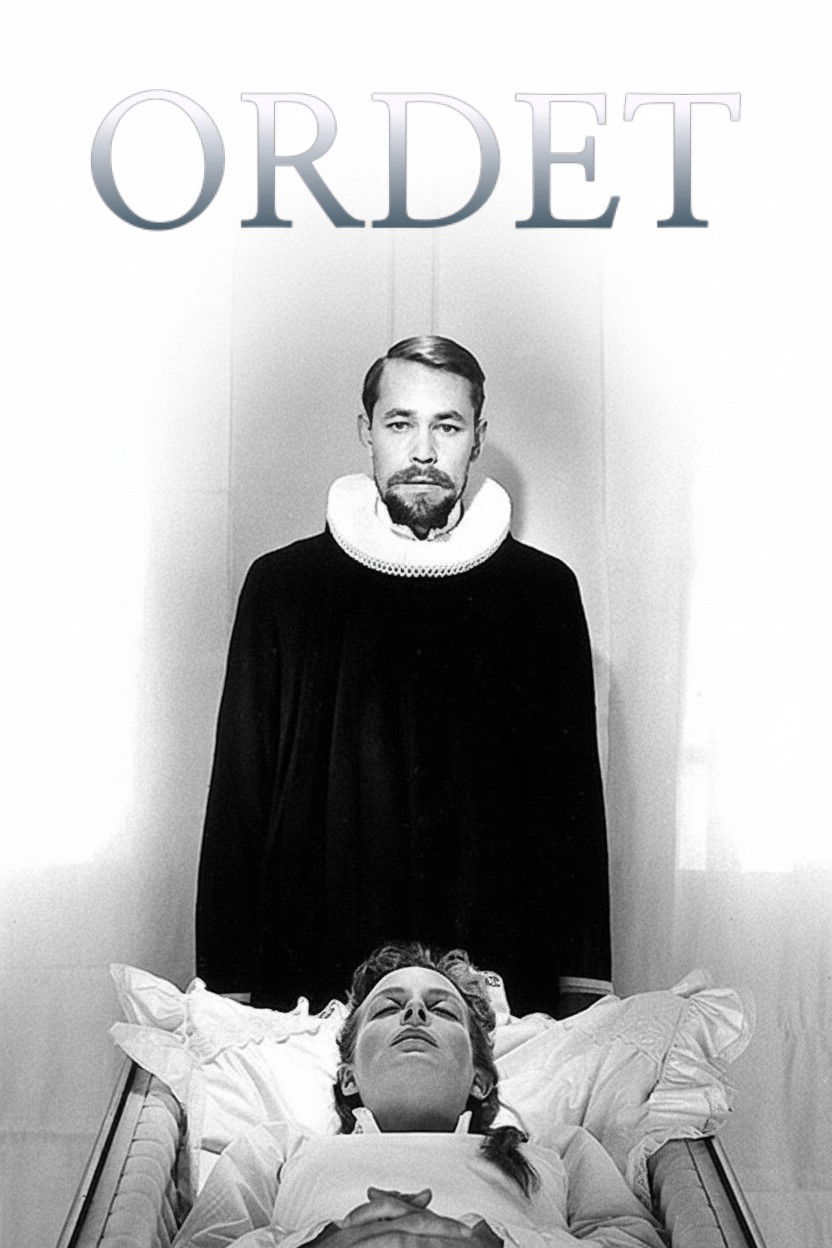
Ordet poster86

Ordet

1955 · Faith and family obligations turn intimate disagreements into matters of frightening consequence.

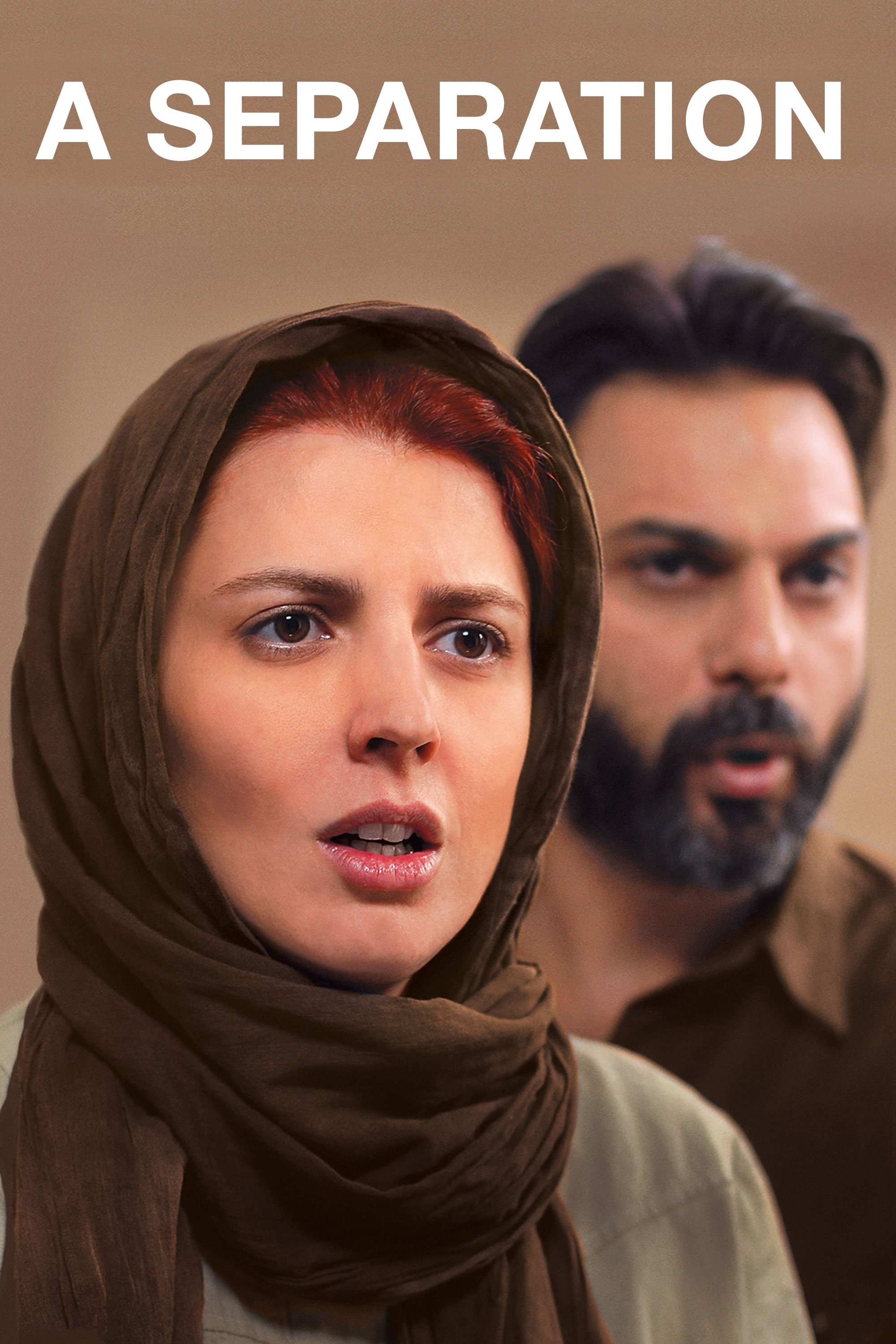
A Separation poster93

A Separation

2011 · Competing duties and sincere convictions make helping another person a complicated business.

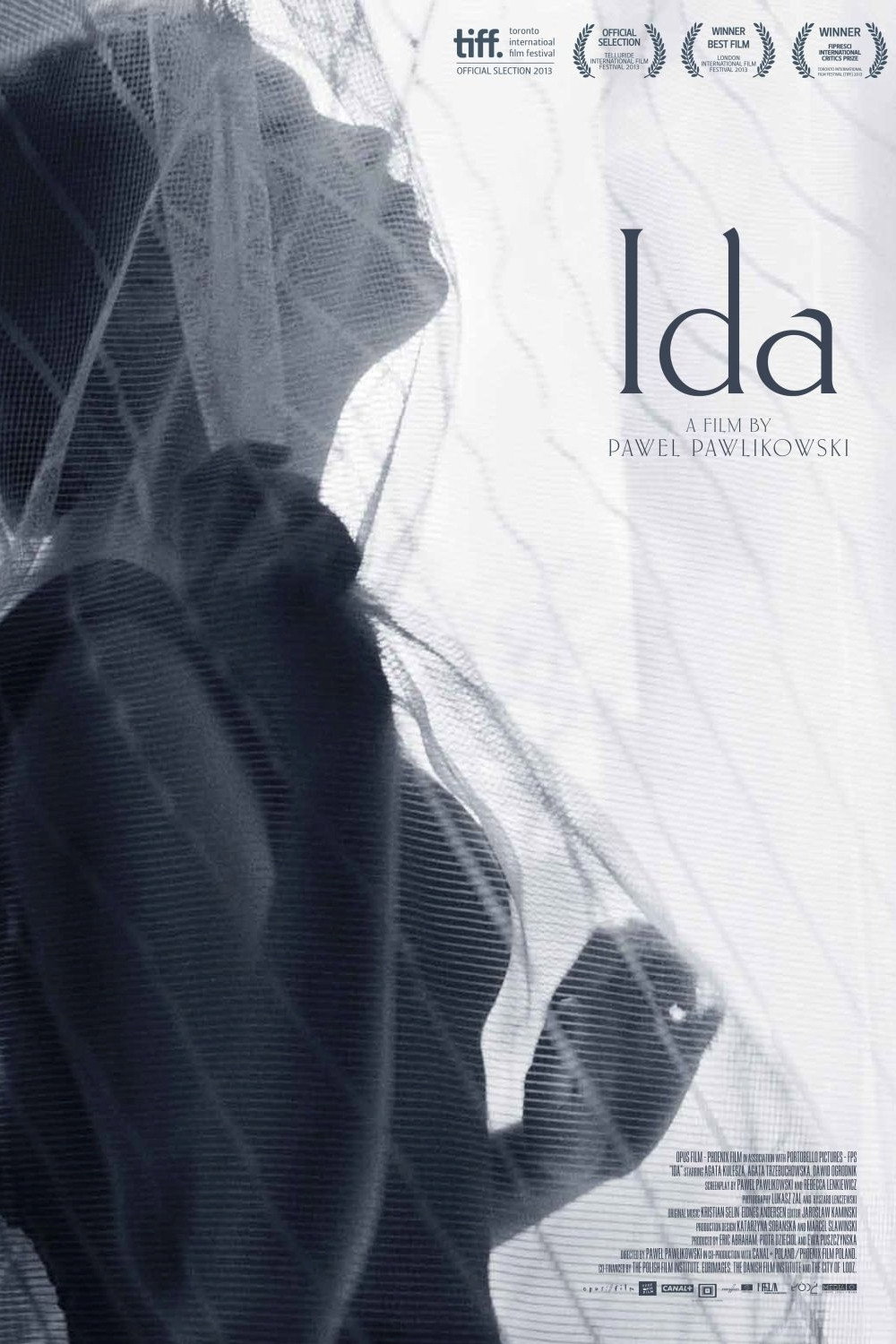
Ida poster

Ida

2013 · Another patient drama in which religious belonging complicates a young woman’s private loyalties.

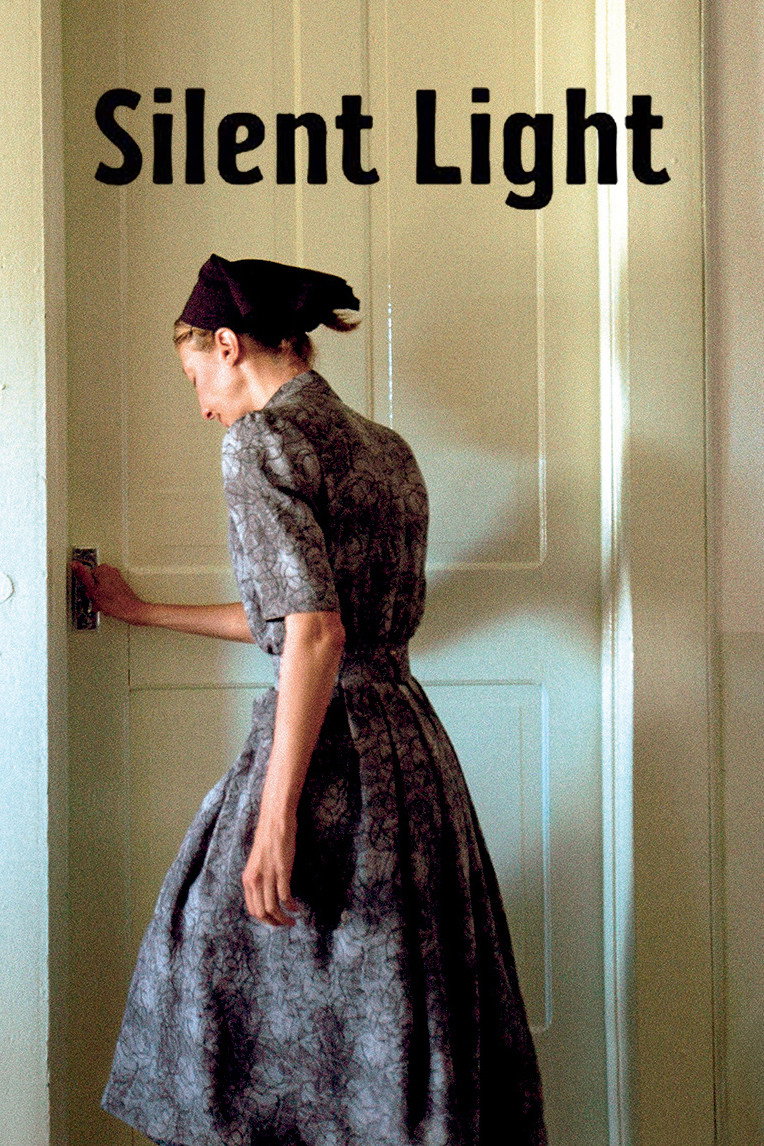
Silent Light poster

Silent Light

2007 · Love and religious duty pull a small community towards decisions nobody can make cleanly.