Brad Pitt in a bucket hat, Brian Tyree Henry quoting Thomas the Tank Engine and a fistfight conducted in whispers make for a likeable first hour. Then the flashbacks pile up, the villain is explained a third time, and the effects department takes the train.
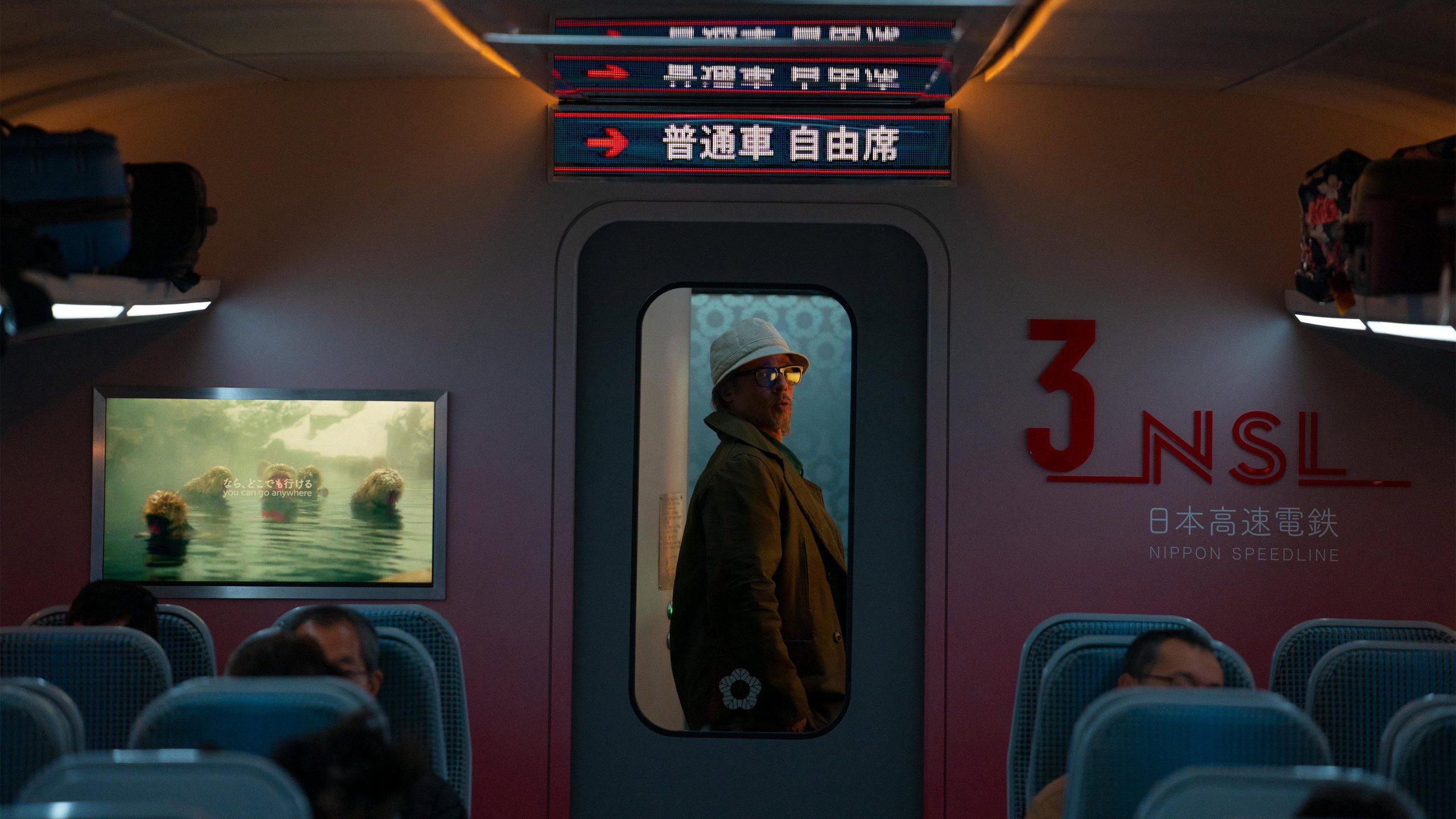
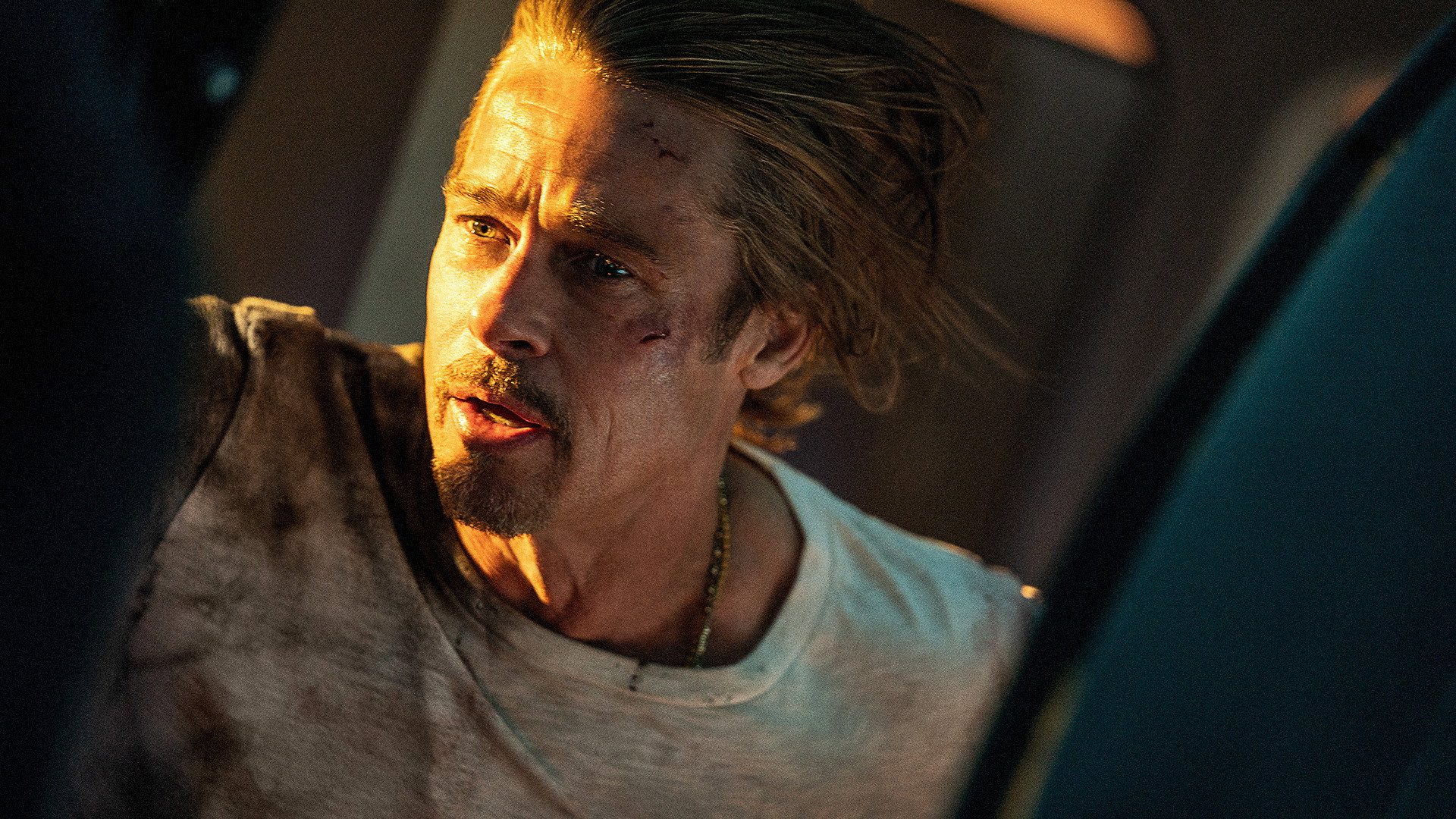
Ladybug (Brad Pitt) has been off work having therapy and comes back to the trade of hired violence with a bucket hat, some affirmations and no wish to hurt anyone. His handler Maria (Sandra Bullock), a voice in his ear, has a job so small she calls it a snatch and grab: board the bullet train out of Tokyo, take a briefcase, get off at the next station. He does not get off at the next station, or the one after that. David Leitch’s film runs 126 minutes, and its joke is that a timetable is a plot and every carriage holds someone paid to kill someone else.
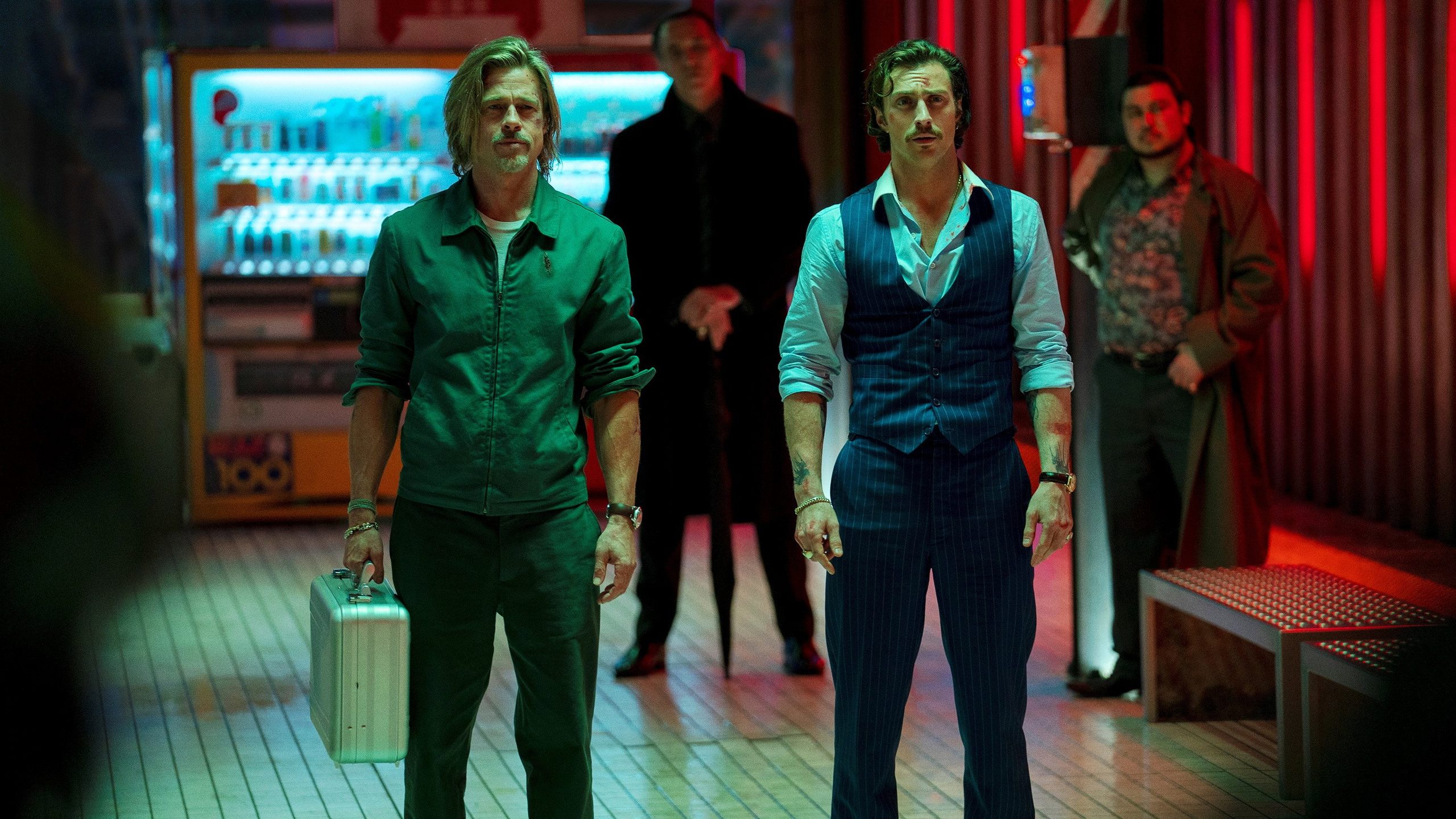
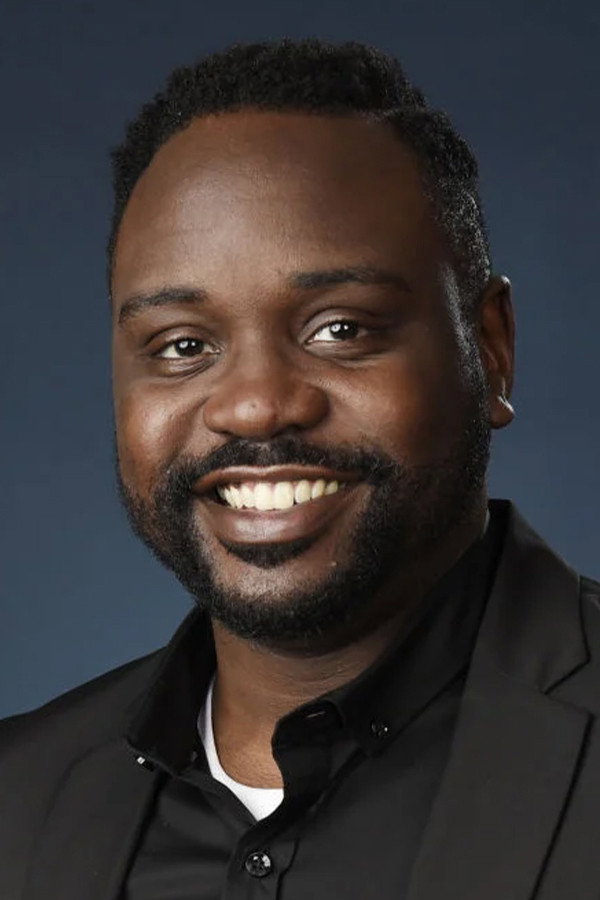
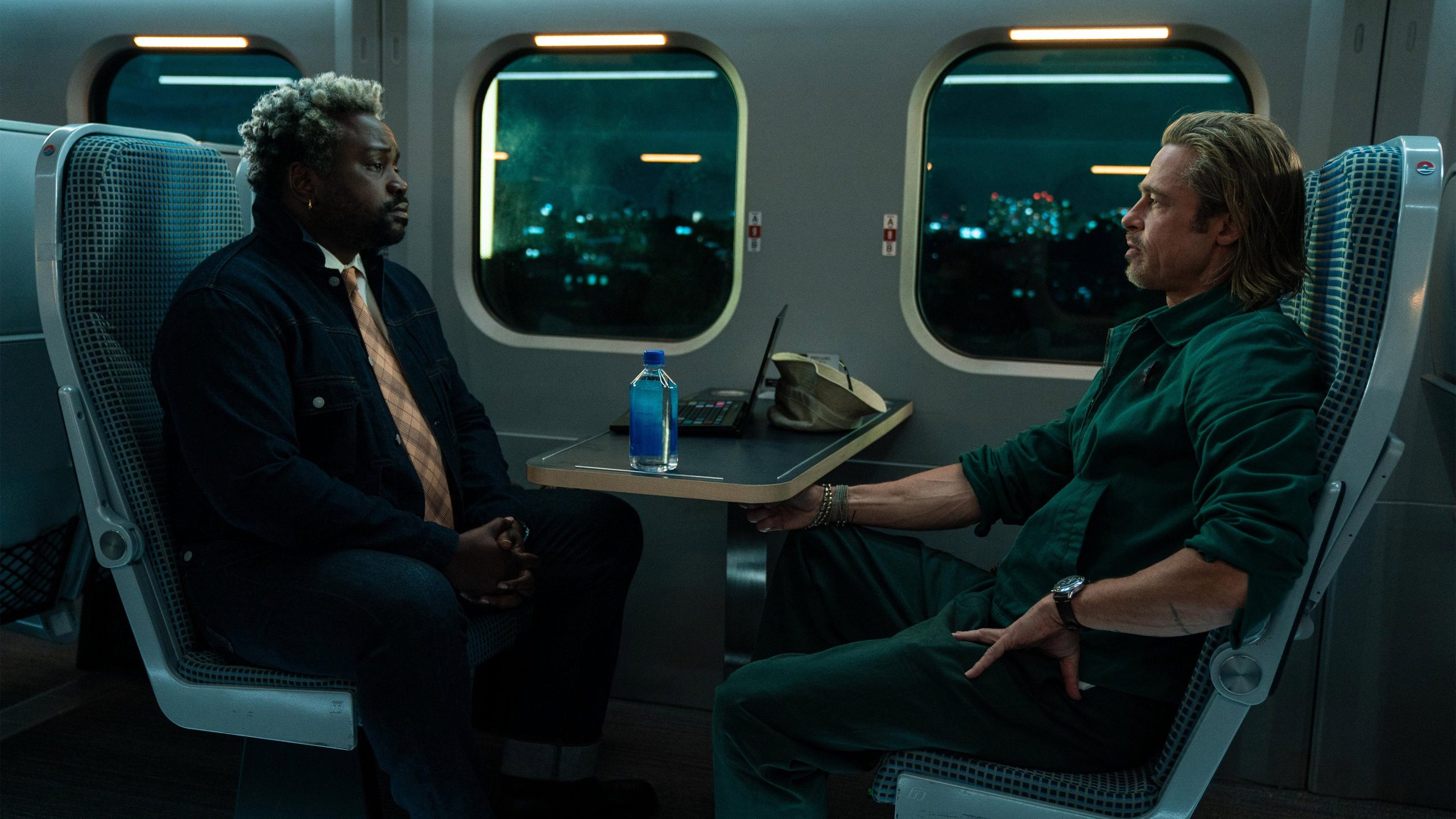
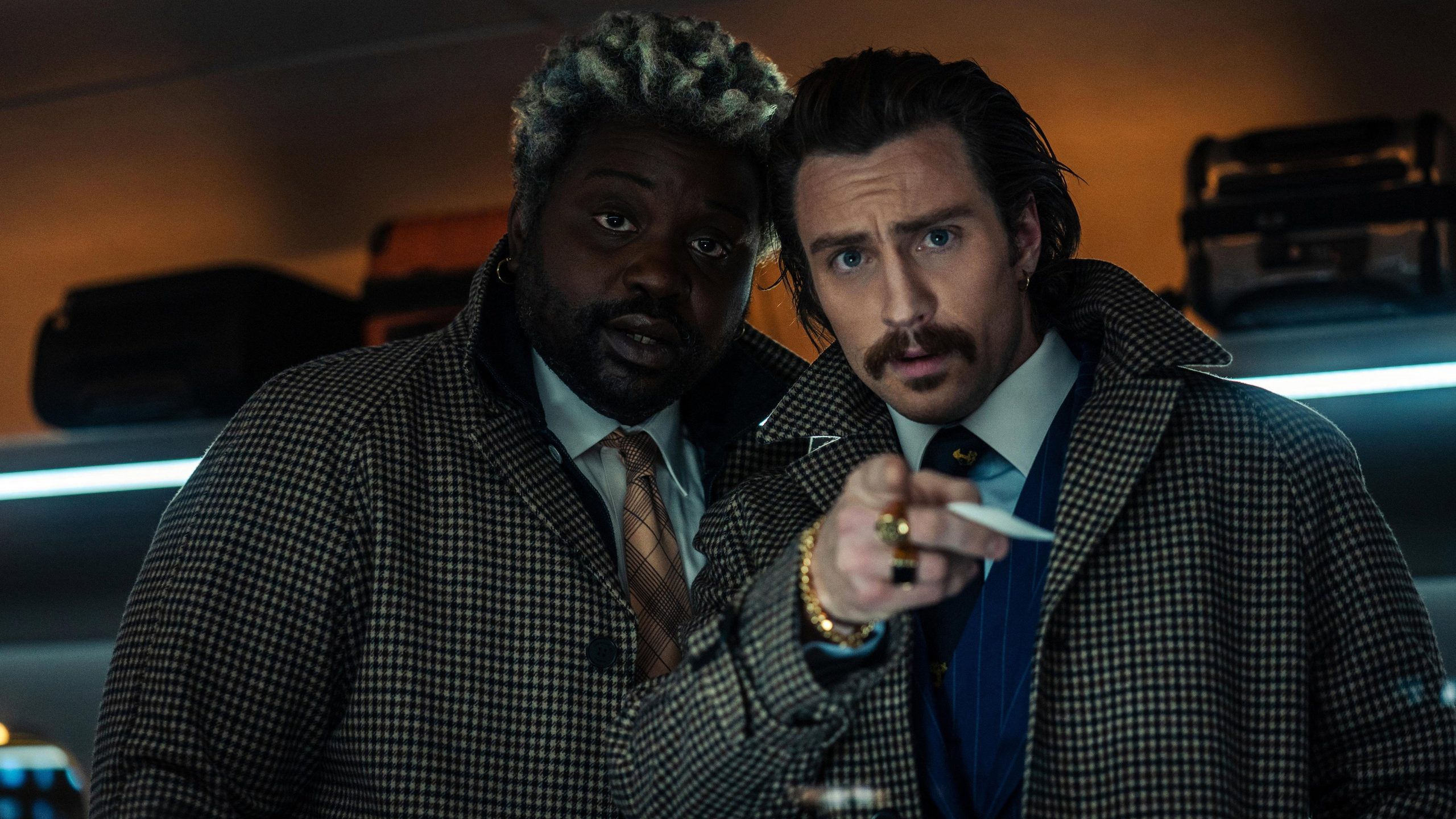
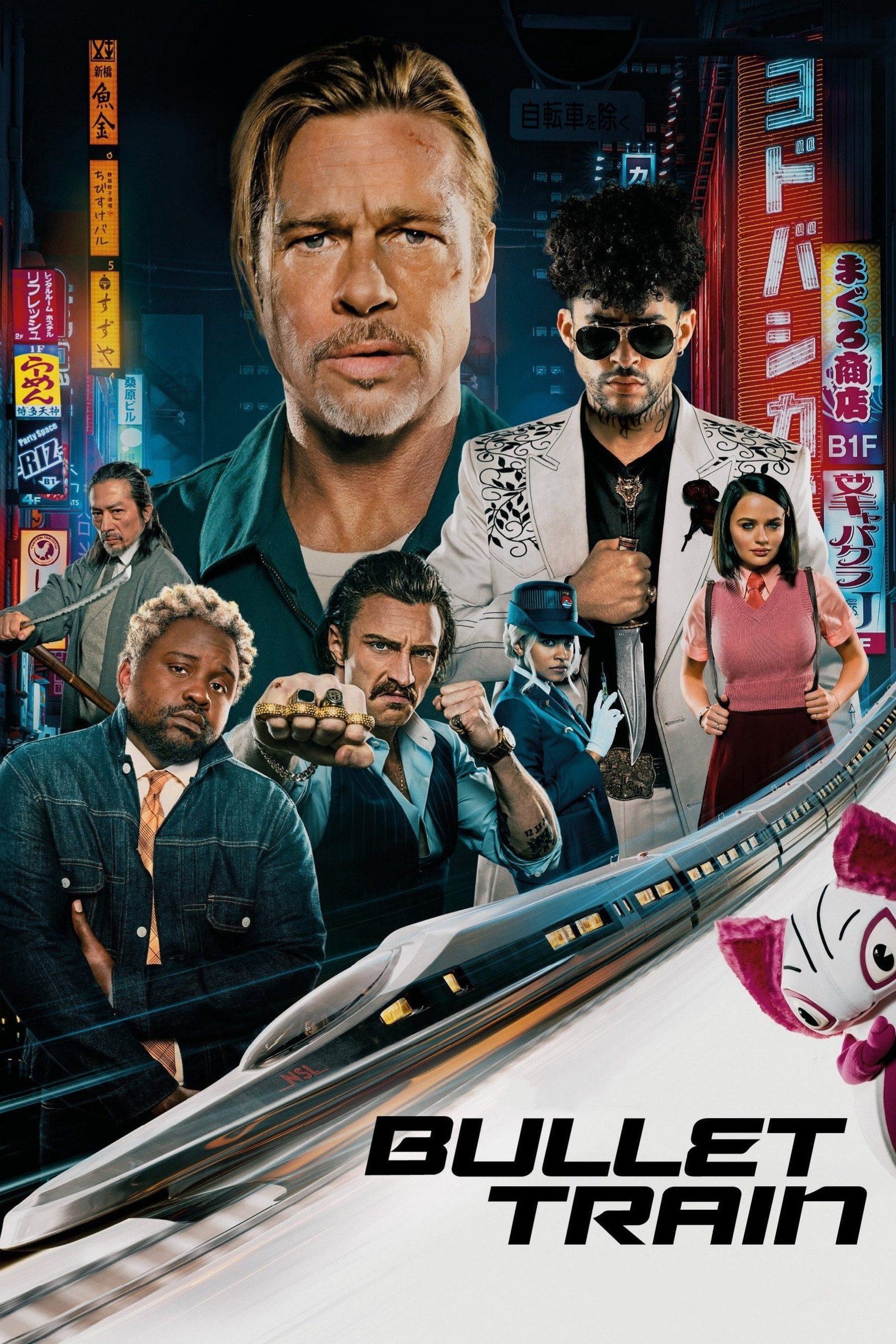
Zak Olkewicz’s screenplay gives each killer a codename, a freeze-frame and a backstory, in the loud, chaptered manner of the British crime comedies of twenty years ago. What lifts it above imitation for an hour is Tangerine (Aaron Taylor-Johnson) and Lemon (Brian Tyree Henry), two English hitmen who call themselves twins and bicker like a married couple. Taylor-Johnson wears a brown three-piece suit and a moustache he is plainly proud of. Henry plays Lemon as a gentle man who sorts the whole of humanity into characters from Thomas the Tank Engine, and his timing is the best thing in the film.
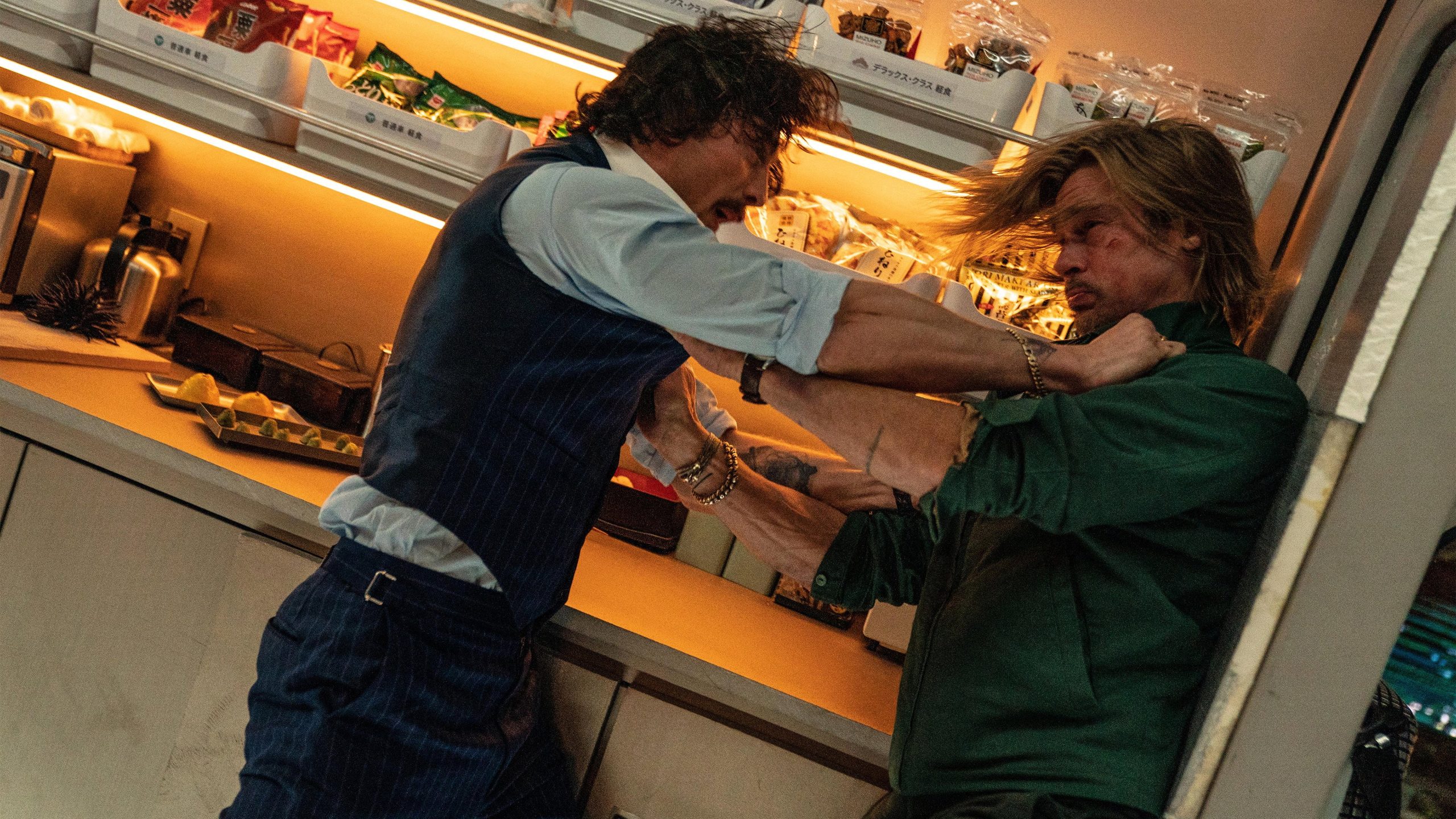
The best scene is a fight. Ladybug and Lemon go at each other in the quiet carriage and have to do it in whispers, because a passenger keeps looking up to shush them. We laughed properly, out loud, and the reason is simple: Leitch came up through stunt work and knows a fight is funnier when the fighters have to stay quiet. Elísabet Ronaldsdóttir cuts it to the shushes rather than the punches. It lasts two minutes and the film never tops it.
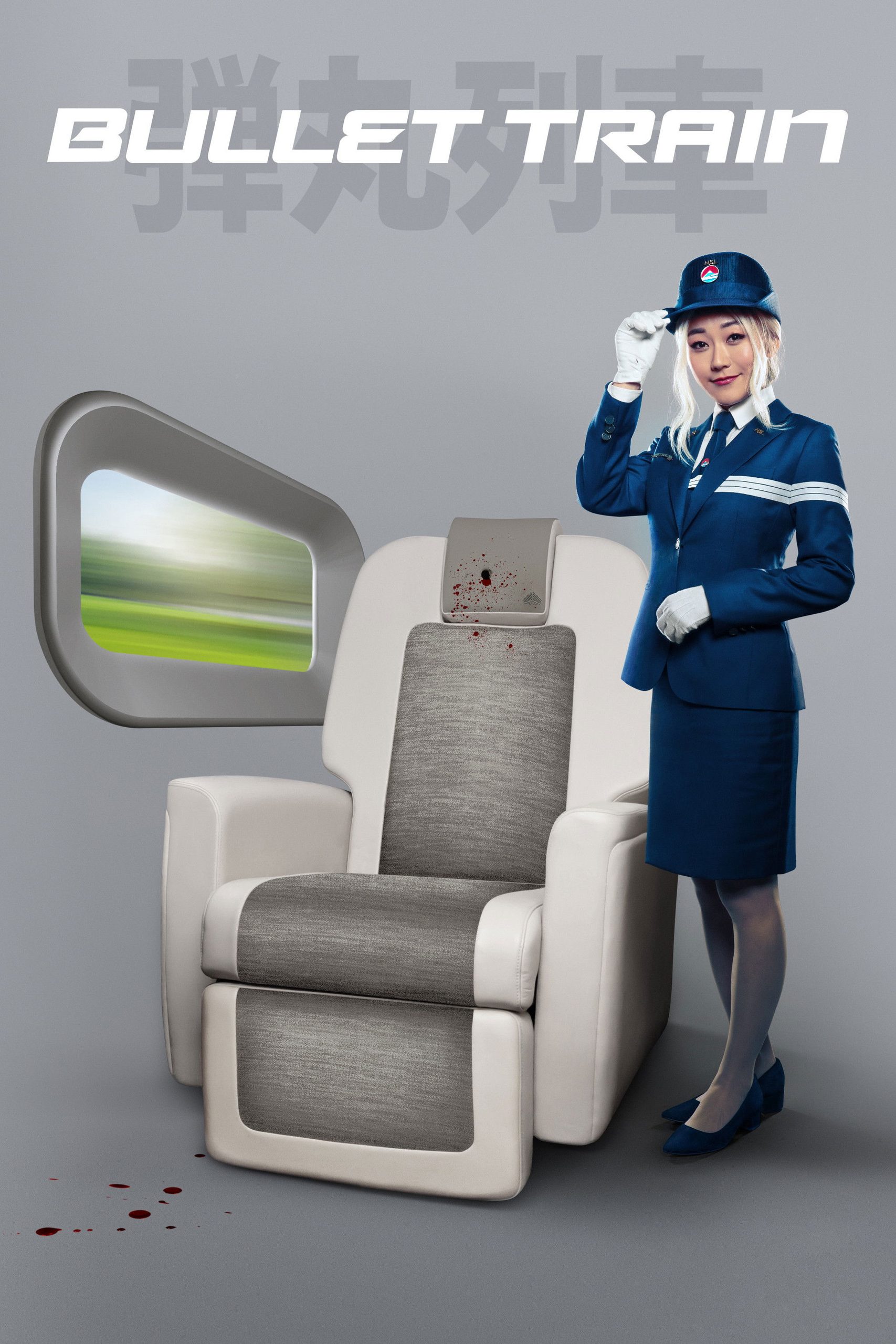
Pitt is agreeable company, playing Ladybug as a man who apologises to people he has just hit. Sarah Evelyn dresses him like a tourist who has given up on the itinerary: glasses, hat and a jacket he could sleep in. Jonathan Sela lights each carriage differently, gold in the bar, hospital white in the quiet car, a family carriage in pink with a cartoon mascot the size of a bouncer. David Scheunemann has built the interiors wider than any real Shinkansen, which is the point: there is room to throw a man. Dominic Lewis’s score keeps pace, and the Japanese-language covers of Western pop laid over it are a good running gag.
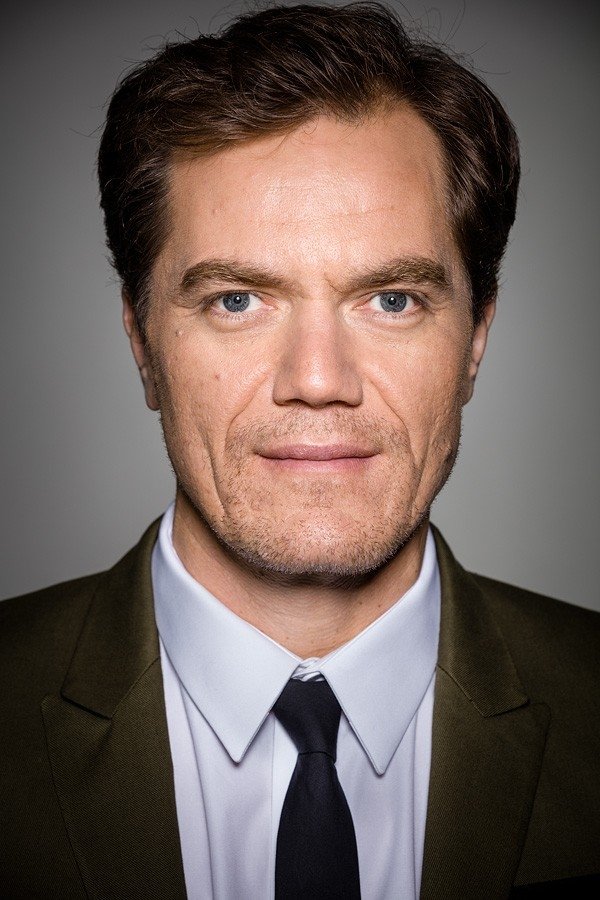
The trouble is explaining. Every character gets a flashback and several get two, and the film stops dead each time to run one. Ronaldsdóttir’s cutting, so quick in the fights, turns into a rewind button; by the fourth backstory we had stopped laughing, and when a water bottle got a flashback of its own we were checking the time. Michael Shannon’s White Death is discussed for an hour and a half before he is seen. Joey King’s Prince gives the same speech about being underestimated three times. And the last half hour hands the train to the effects department, where things happen to it that we will not describe and did not believe. The people-in-a-corridor film we had been enjoying turns into a computer animation.
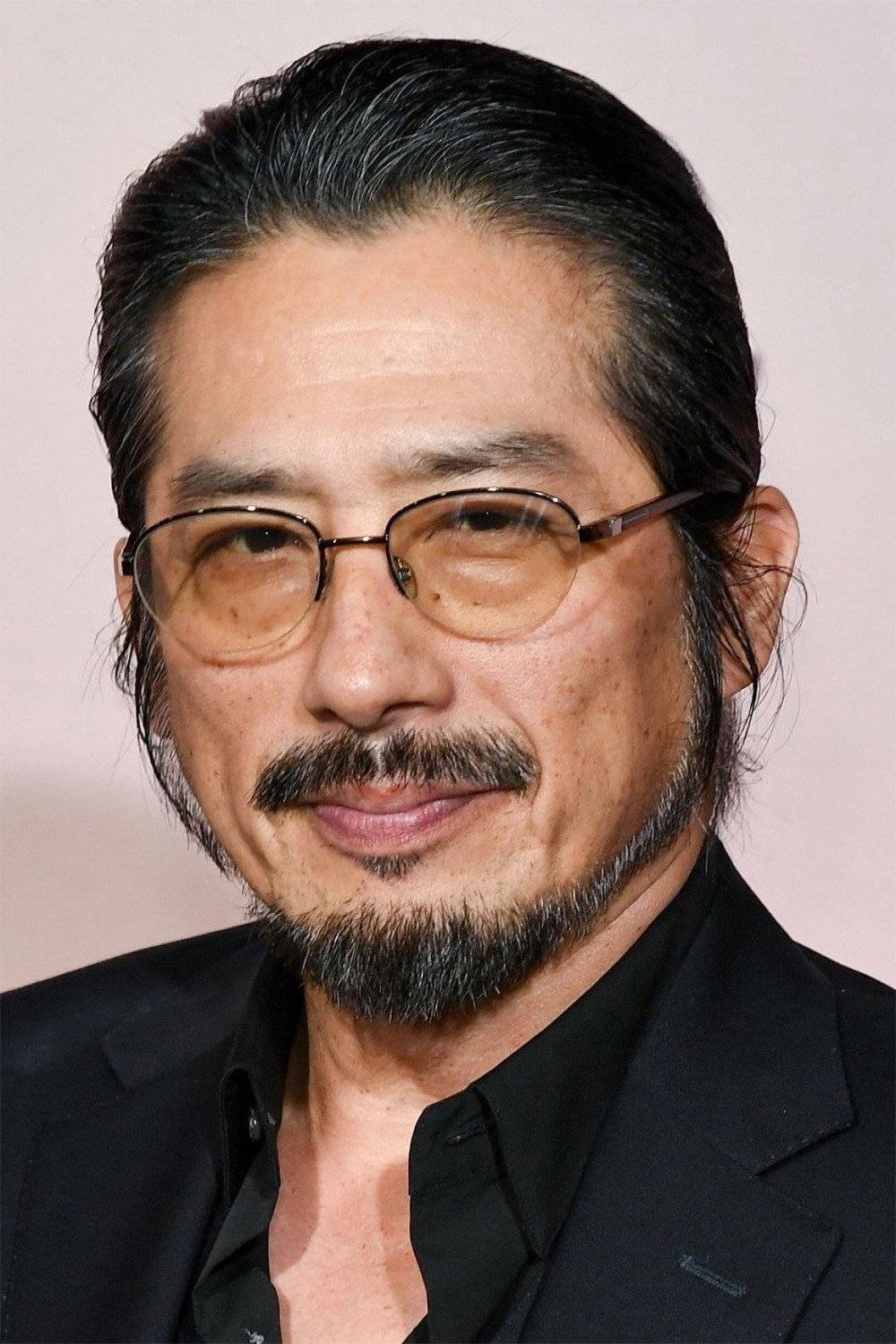
The waste is Andrew Koji and Hiroyuki Sanada. Koji’s Kimura, a father with a grievance, is the one person on board with a plain reason to be there, and Sanada, when he arrives as the Elder, gives the film its only still minutes. Both are pushed to the edges. Several critics have complained that a Japanese story has gone to a largely Western cast, and we would put it more simply: the film uses Japan as neon and a window of plastic food, and gives the two actors who could have carried it the least to carry.
Leitch’s Atomic Blonde had a stairwell fight, shot to look like one take, that is still the best thing he has done. Nothing here is allowed to run a minute without a gag or a cut. Most critics came out bored or cross; we were amused, then tired. Watch it at home with someone who will enjoy two hitmen named after fruit arguing about children’s television. When the third flashback starts, you will know whether to stay for the fourth.