Woody Allen’s backstage crime comedy is brisk, funny and satisfyingly unkind to artistic vanity. Dianne Wiest and Chazz Palminteri give it bite, though the theatrical clichés and occasional stiff staging keep it from feeling quite as fresh as its best jokes.
Woody Allen’s Bullets Over Broadway is a sharp, funny backstage comedy with a useful shortage of respect for people who announce their own talent. Written by Allen and Douglas McGrath, it puts the theatre beside the gangster business and finds plenty of bullying in both. The actors’ vanity supplies plenty of jokes, though that alone would barely sustain a sketch. Allen and McGrath get further by questioning how much these people understand about the art they claim to serve.
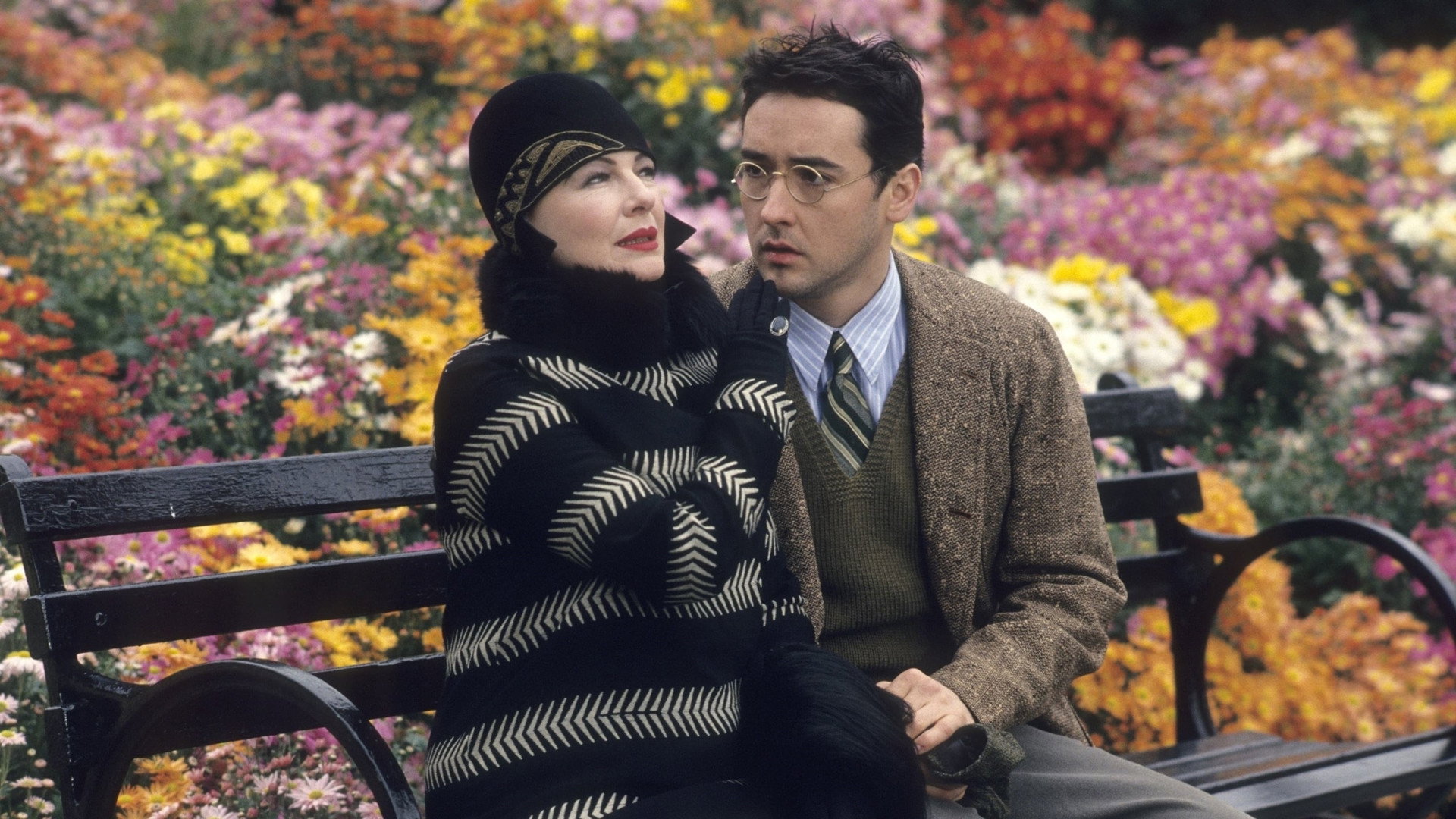
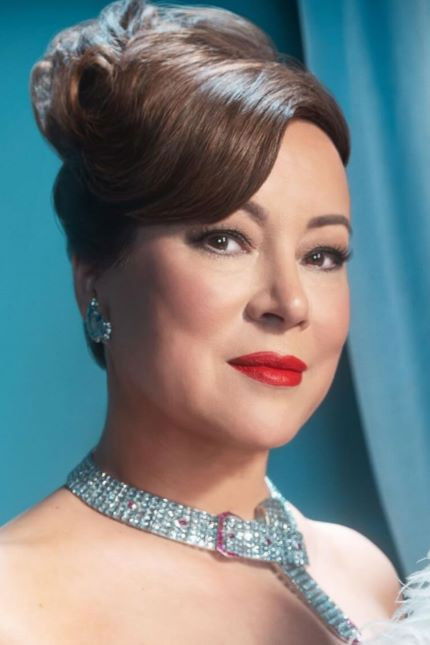
Dianne Wiest’s Helen Sinclair is the main pleasure, a leading lady whose grand manner makes even vanity seem like demanding work. We laughed at the sheer insistence of her performance: Helen expects her importance to be accepted before anyone gets on with anything else. Jennifer Tilly’s Olive Neal supplies a competing, less polished kind of self-regard, and Tilly keeps the caricature forceful without apologising for it. Both performances are broad, but neither actress lets the exaggeration obscure how determined her character is to command attention.
Chazz Palminteri’s Cheech gives the comedy its less comfortable edge. A gangster’s bodyguard among theatre people is an easy excuse for jokes about manners, but Allen and McGrath give him enough importance to challenge the actors’ assumptions about talent. Palminteri is funny without making Cheech seem harmless, which matters whenever criminal behaviour enters the jokes about art. His performance keeps the gangster side of the story from becoming merely a convenient supply of interruptions.
Carlo Di Palma’s cinematography and Santo Loquasto’s production design make the 1920s setting a pleasure to spend time in. The period atmosphere helps the theatre and gangster scenes belong to the same comedy, even when the performances threaten to pull it in several directions. The staging is less reliable, and Allen sometimes leaves an exchange looking awkwardly arranged rather than spontaneous. That stiffness is noticeable in a film whose dialogue moves so quickly.
Susan E. Morse’s editing helps maintain that pace, and the 98-minute running time is a sensible fit for the material. There is little opportunity for the comedy to sag, although speed cannot disguise every familiar type. Allen and McGrath sometimes rely on recognisable theatrical foolishness when a more particular observation would have been funnier. Once a character’s vanity has been established, repeating it gives the actor something to do but does not always give us another joke.
As a backstage comedy, it benefits from letting criminal behaviour intrude on the usual rivalries and wounded pride. Farce needs characters who regard their own wishes as urgent, and the actors and gangsters are equally well suited to that requirement. Allen and McGrath find something uncomfortable in the ease with which talk of artistic achievement can push ordinary decency out of consideration. The film gives that question enough weight to sharpen the laughter without stopping for a lengthy discussion of it.
There is no need to bring much reverence for the theatre to this one. A tolerance for actors being extravagant will help, particularly when the writing falls back on familiar types. Choose it for Wiest and Palminteri, and watch it with someone who has endured a long explanation of another person’s creative process.