Lee Unkrich’s Coco is a warm, funny family musical that takes the fear of being forgotten seriously. Its busy, familiar plotting gets in the way, but the voices and the detailed Land of the Dead earn our recommendation.
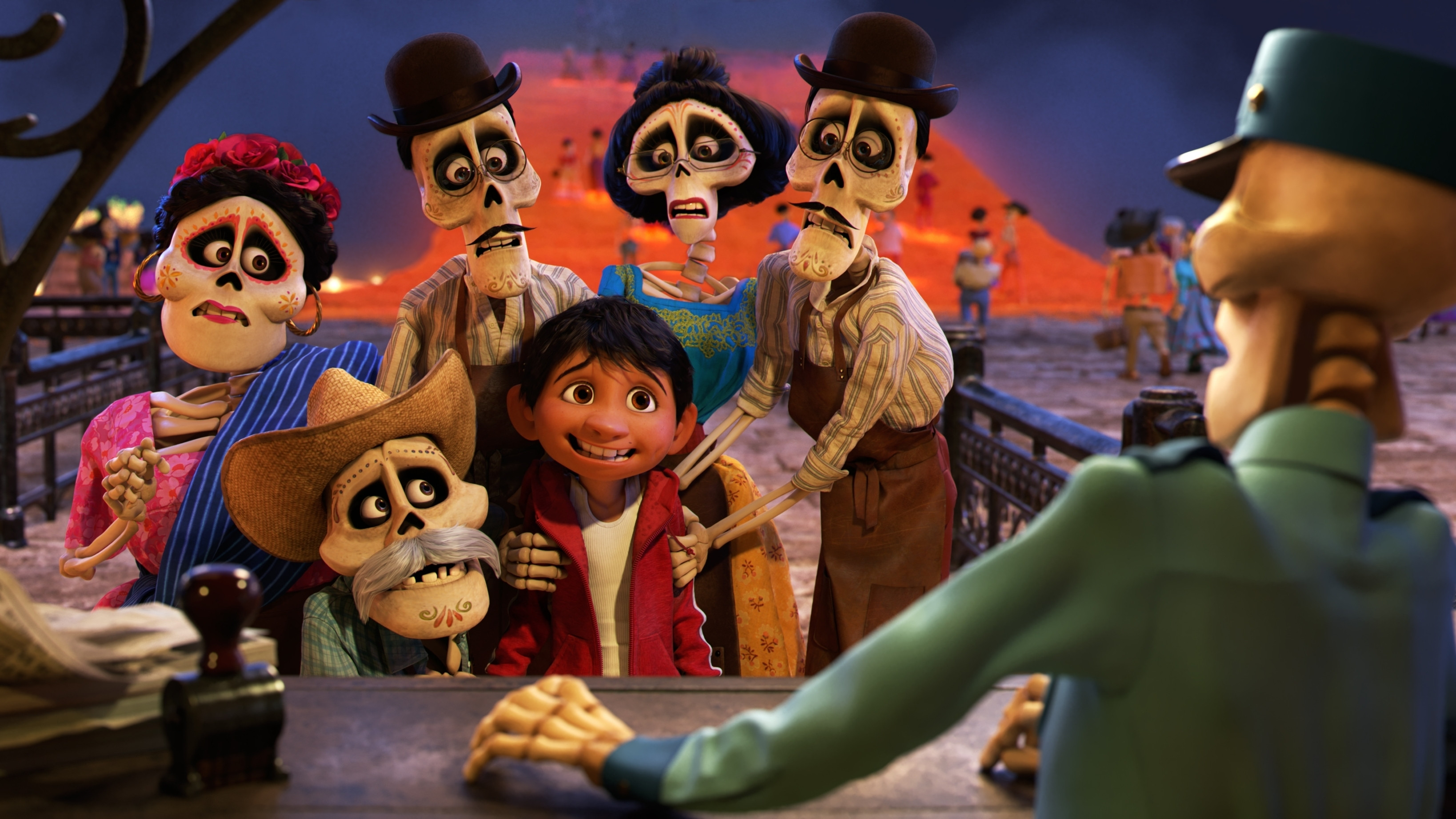
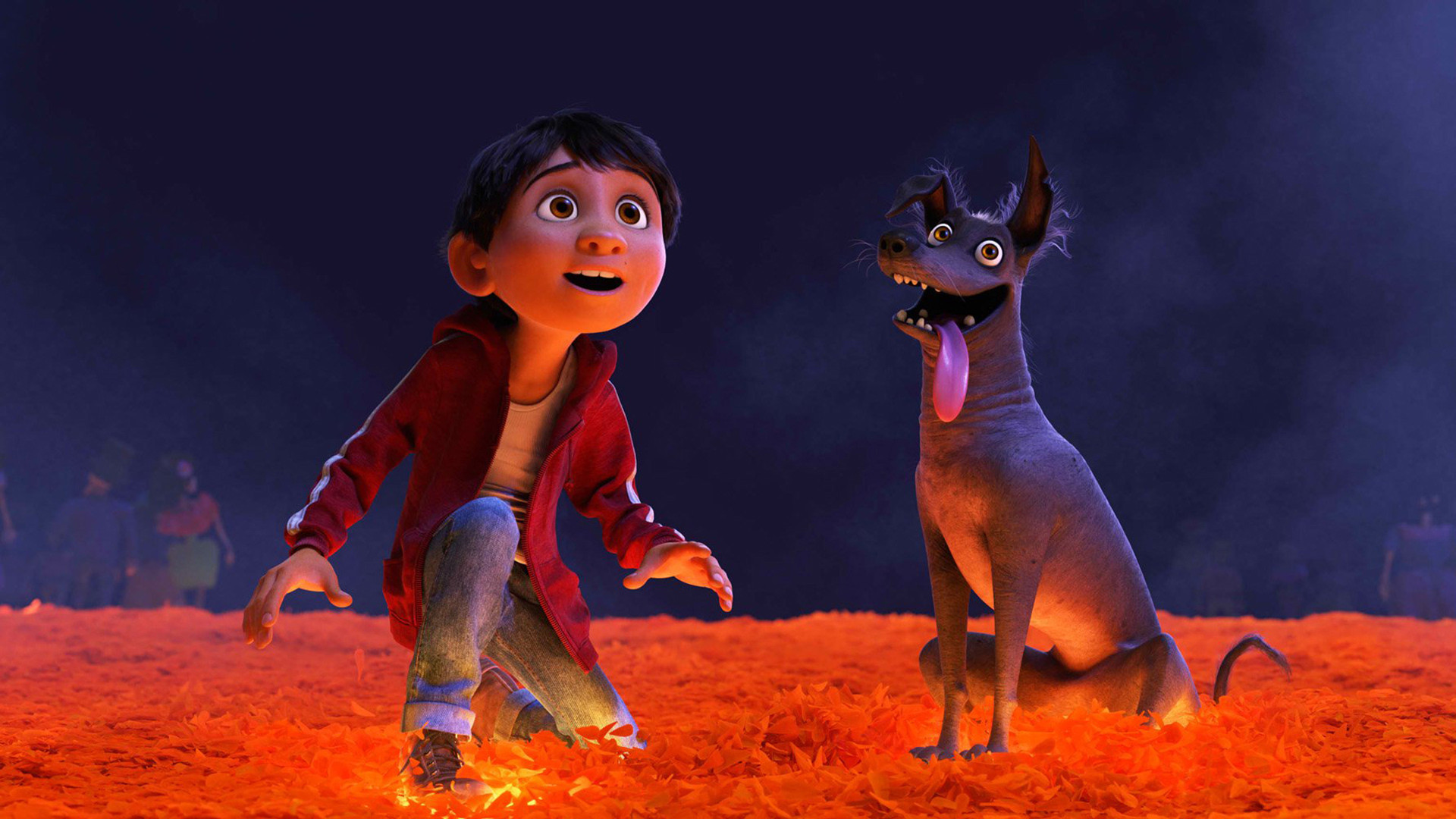
Lee Unkrich’s Coco is a warm, funny family musical with a fussy adventure plot, and we recommend it despite the fuss. Set around Mexico’s Day of the Dead, it tries to make death something children can think about without pretending it is harmless. The fear of being forgotten gives the journey through the afterlife a concern that parents may find harder to dismiss than their children do. At its centre is Miguel Rivera, voiced by Anthony Gonzalez.
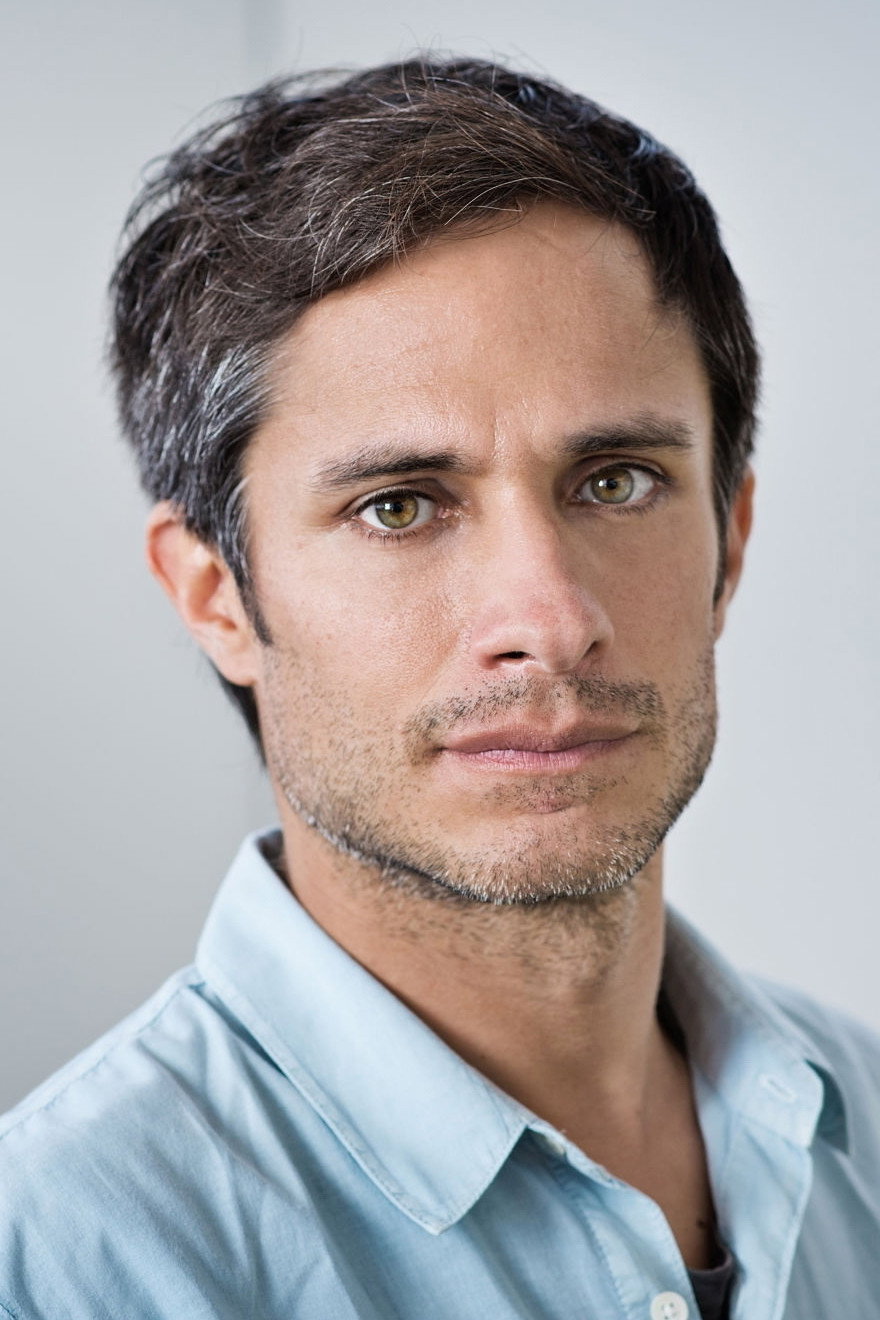
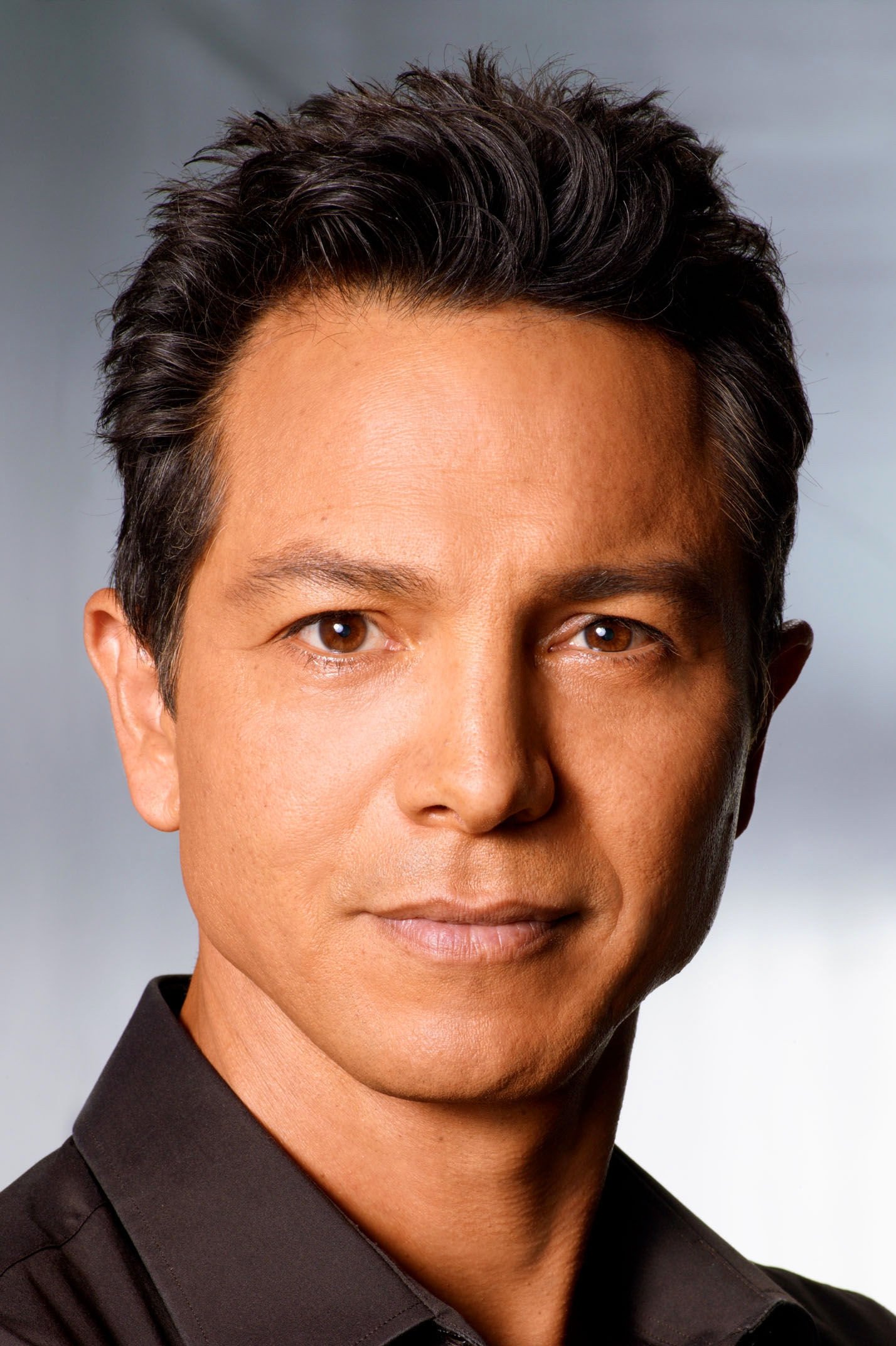
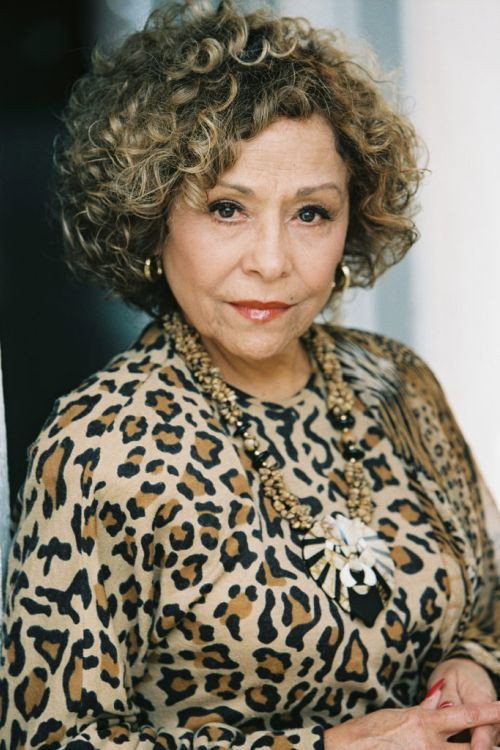
Gonzalez gives Miguel an appealing directness, keeping the feeling clear without making every line sound like a request for sympathy. Gael García Bernal’s Héctor is particularly good company, his voice carrying enough roughness to avoid the over-polished cheer of some family animation. The performances make the relationships worth following even when the plot becomes too busy. Alanna Ubach gives Mamá Imelda the firmness that those family tensions need, while Benjamin Bratt voices Ernesto de la Cruz.
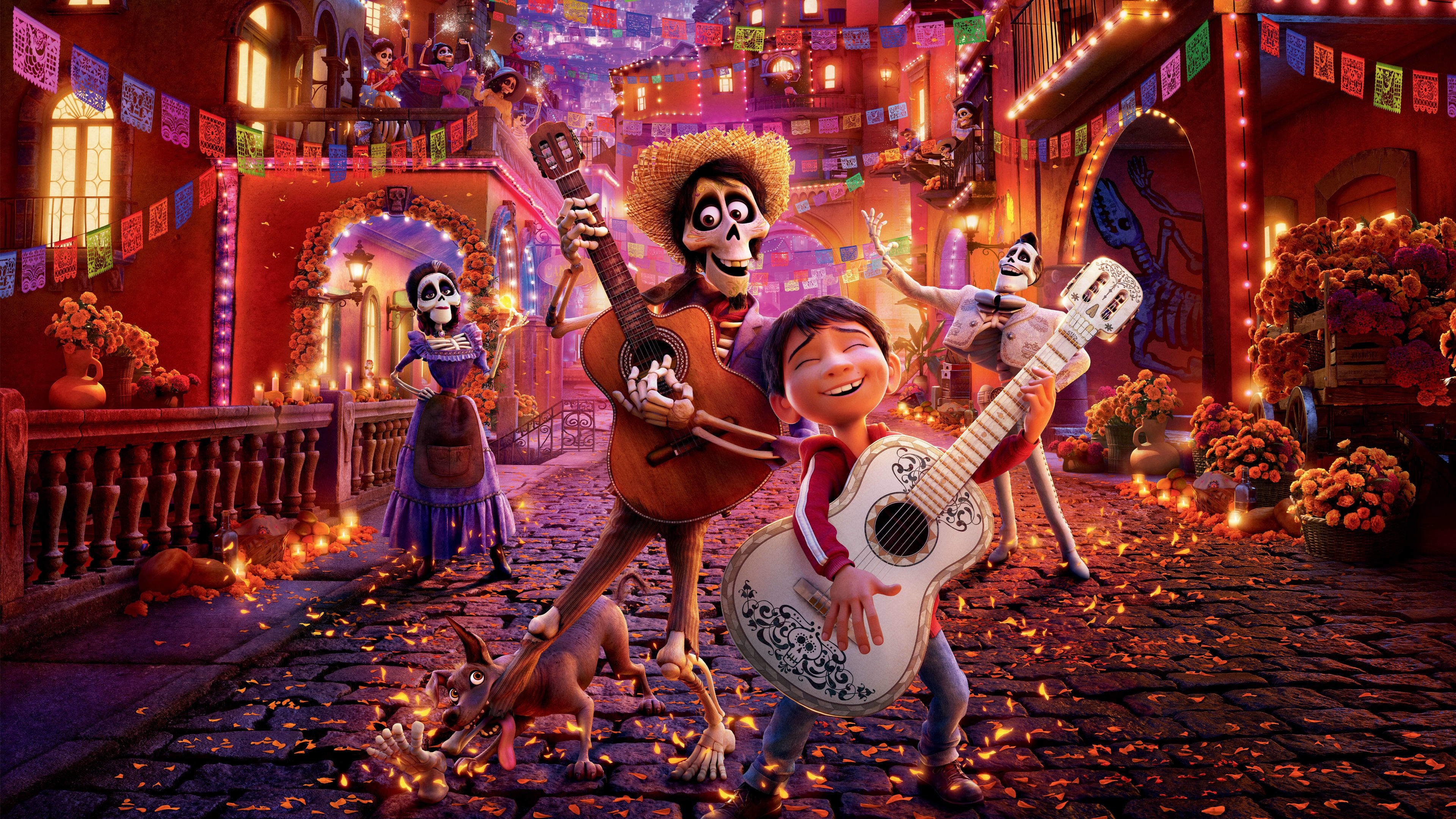
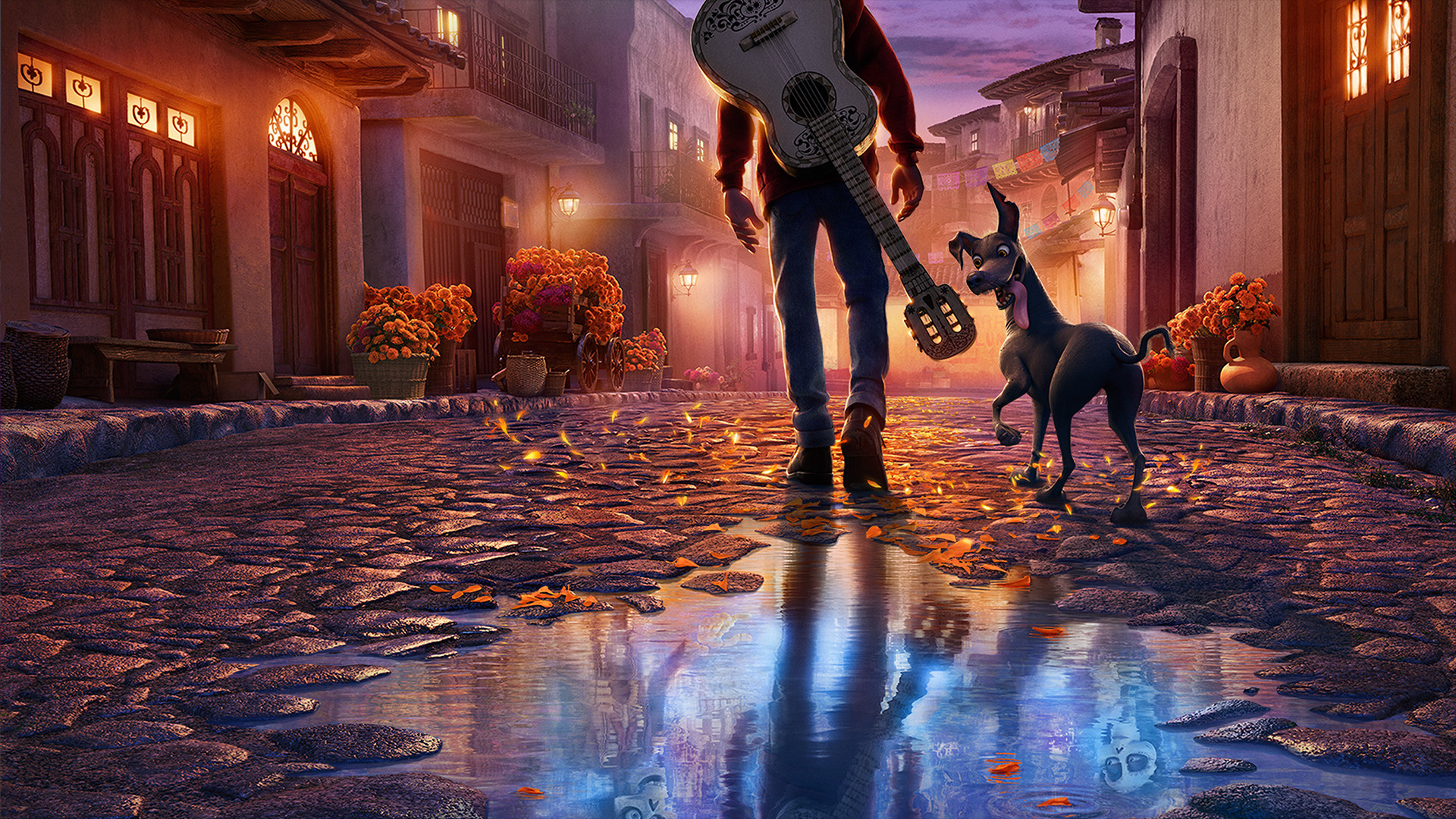
Harley Jessup’s production design makes the Land of the Dead feel built, with layers that give the place a convincing sense of depth and weight. The surfaces have enough substance to keep the spectacle from becoming an undifferentiated wash of colour. Cinematographers Danielle Feinberg and Matt Aspbury keep those layers distinct, allowing the eye to explore the crowded setting. We laughed at the skeletons, whose nimble movement makes the subject of death briefly less forbidding. They are allowed to be funny without every joke needing to reassure us.
Michael Giacchino’s score helps hold the warmth and unease together without making the whole journey sound mournful. The songs also give the film a good reason to stop hurrying, and these pauses are welcome. Music belongs in a story about what people keep of one another, so the musical scenes seldom feel like breaks imposed on the adventure. We would happily have spent longer with them and less time being told how the next part of the journey must work.
Matthew Aldrich and Adrian Molina’s screenplay is less assured when it has to move Miguel from one complication to the next. The plotting can feel compulsory, with too much business between the audience and an idea that is easy enough to grasp. Editors Lee Unkrich and Steve Bloom keep the adventure brisk, but speed cannot remove the feeling that some passages exist mainly to delay others. The opening also has a fair amount to explain. The film runs 105 minutes.
As a family adventure, it is conventional. The more interesting material concerns the friction within a family, where affection can make an unreasonable tradition harder to challenge. The attention to Mexican customs gives those disagreements some substance, and the film does not treat cultural respect as a reason to approve of everything its characters do. The questions about fame also move it beyond the usual encouragement to follow a dream. These are useful things for a family film to leave open for discussion.
The PG certificate is worth a little thought if death or bereavement is already close to home. The humour makes the subject approachable, though the sadness remains. Watch it with children, and leave time afterwards if they want to talk. There is no need to hurry that conversation.