Film review

Cube

1998 · Directed by Vincenzo Natali · 1h 30m · MPA R

In a sentenceThe maths is difficult, the rooms are lethal, and nobody is improving the group atmosphere

ThrillerScience FictionMystery

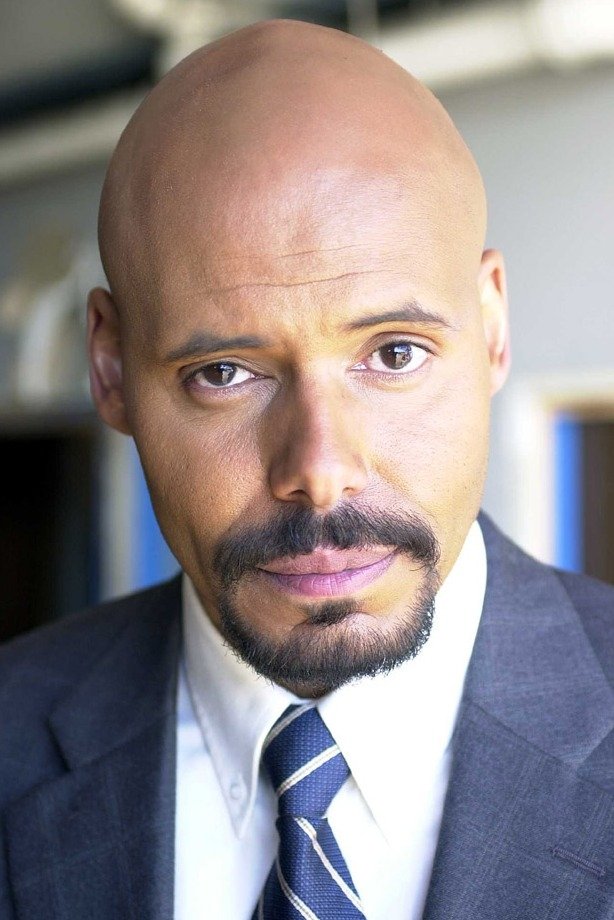
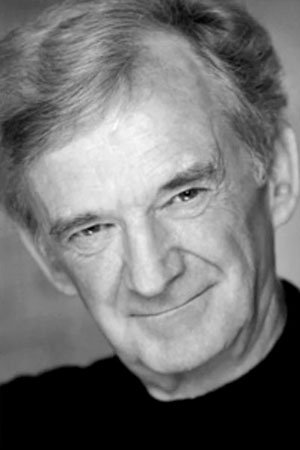
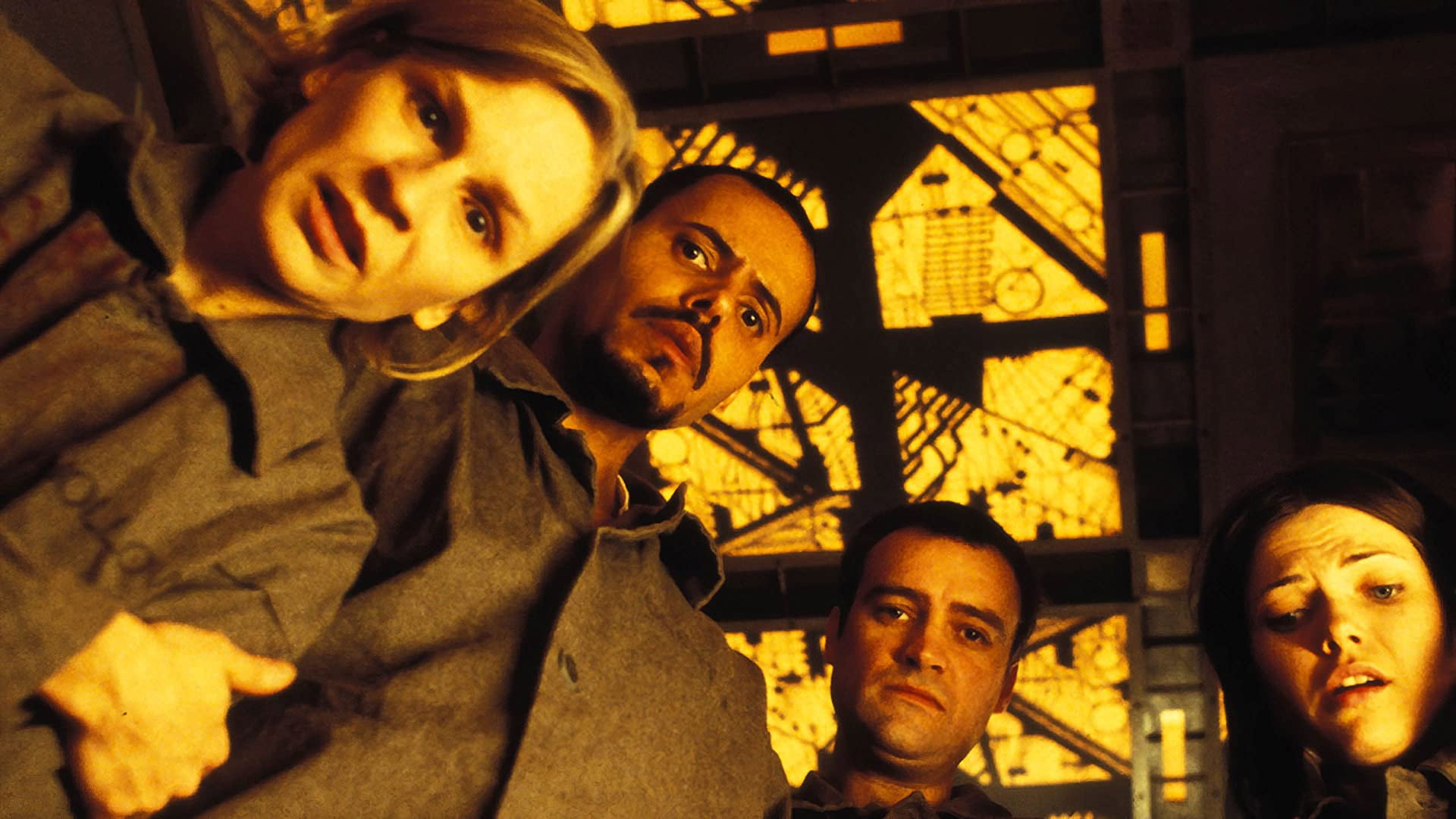
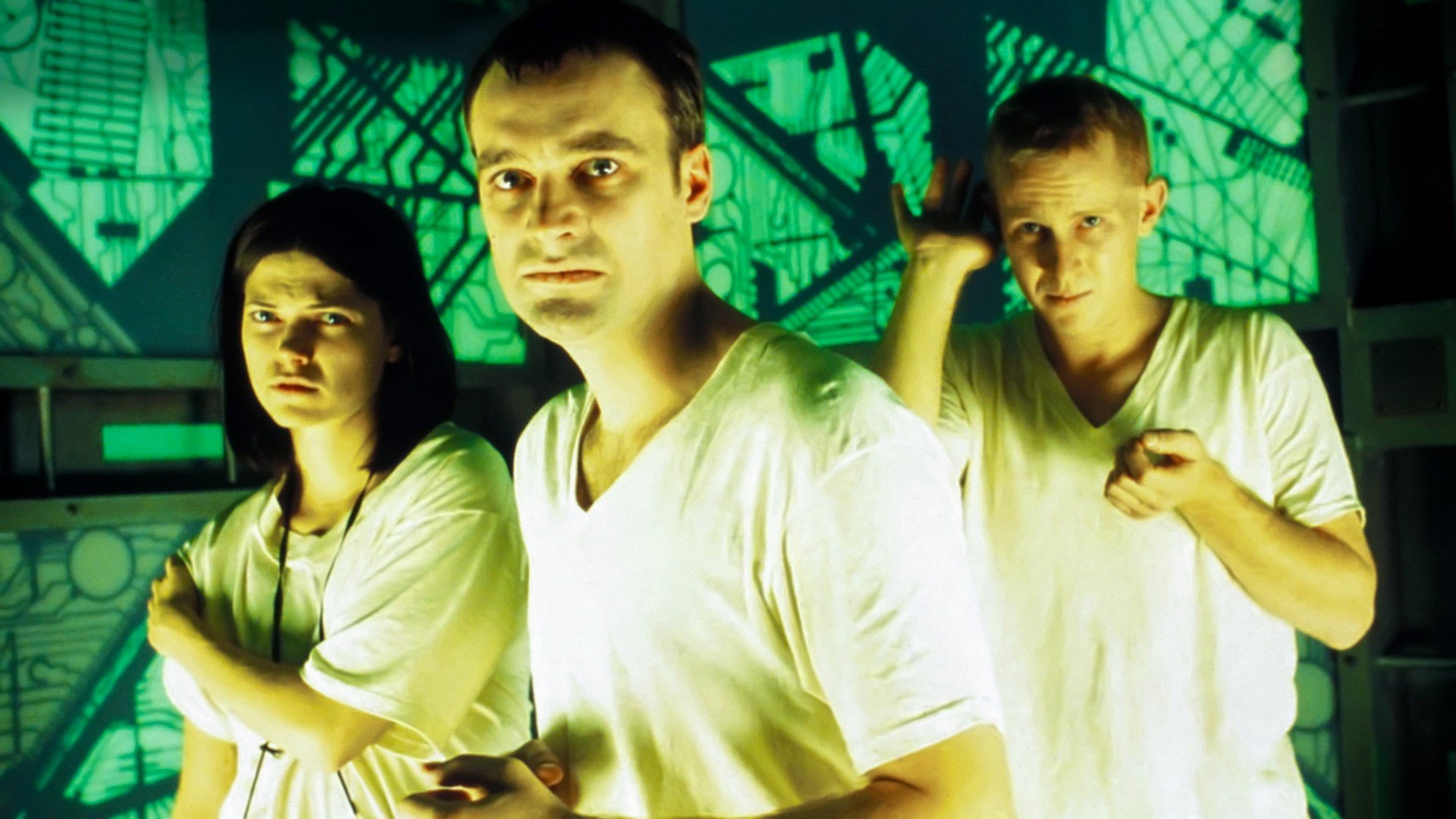
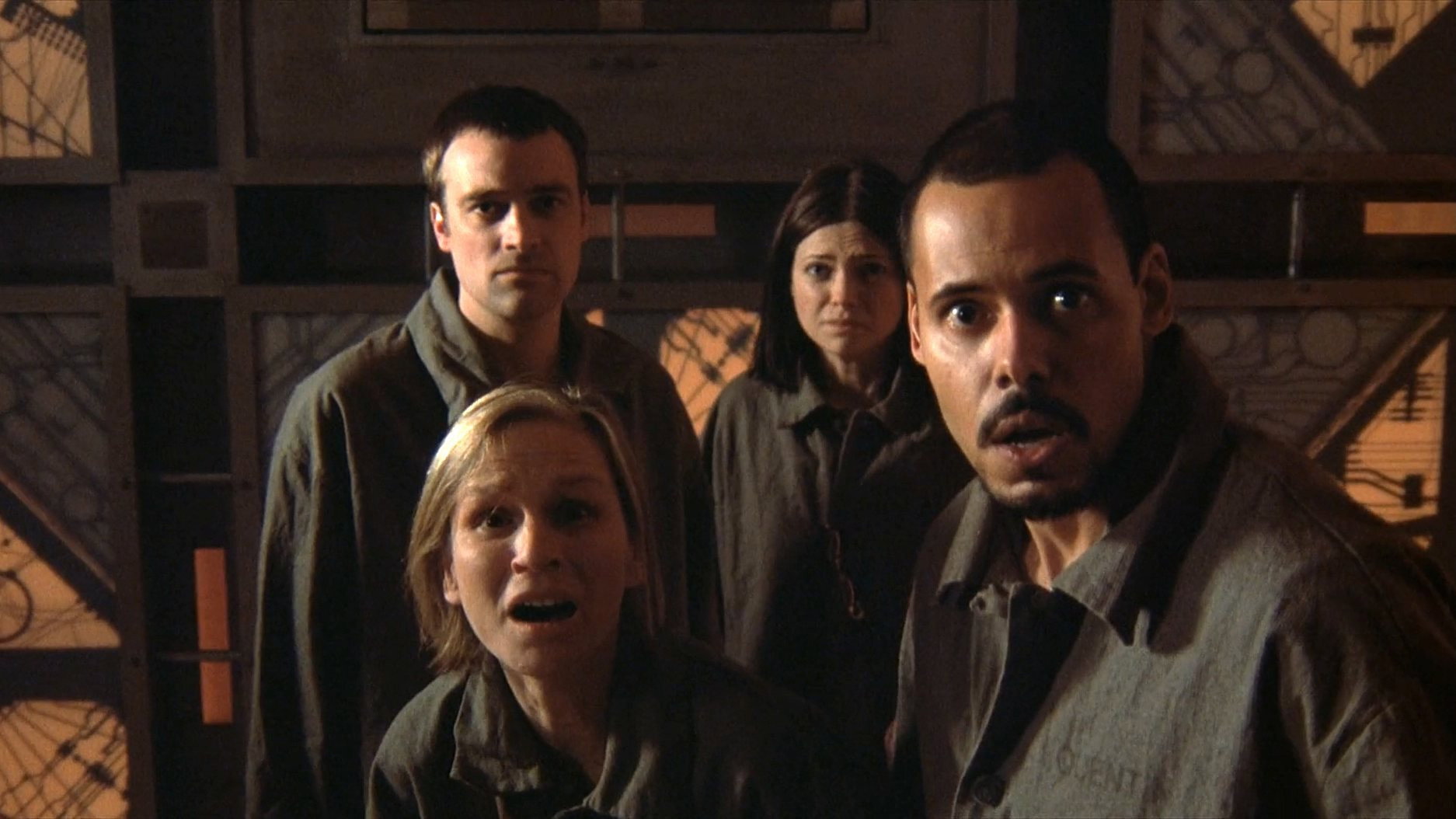
Strangers find themselves trapped in a maze of cubic rooms, with no clear route out and lethal traps waiting in some of the spaces ahead. Leaven (Nicole De Boer), Holloway (Nicky Guadagni), Quentin (Maurice Dean Wint) and Worth (David Hewlett) are among those trying to understand the place and decide whom they can trust. Moving from room to room brings mathematical puzzles as well as physical danger. With the group dependent on cooperation, fear and suspicion complicate each decision about where to go, who should lead and what might offer a way out.

Fi1m review

Vincenzo Natali makes a maze of lethal rooms into a tense, resourceful thriller. The puzzles hold our attention even when the characters become tiresome, though the arguments sometimes last longer than their interest warrants.

Vincenzo Natali’s Cube is a good, tense science-fiction thriller with a better predicament than characters. Strangers are trapped in a maze of cubic rooms, some of them rigged to kill, and cooperation seems the sensible way out. Sensible behaviour is in short supply once fear and self-interest take charge. Natali gets considerable suspense from watching people try to solve a problem together while becoming less willing to listen to one another.

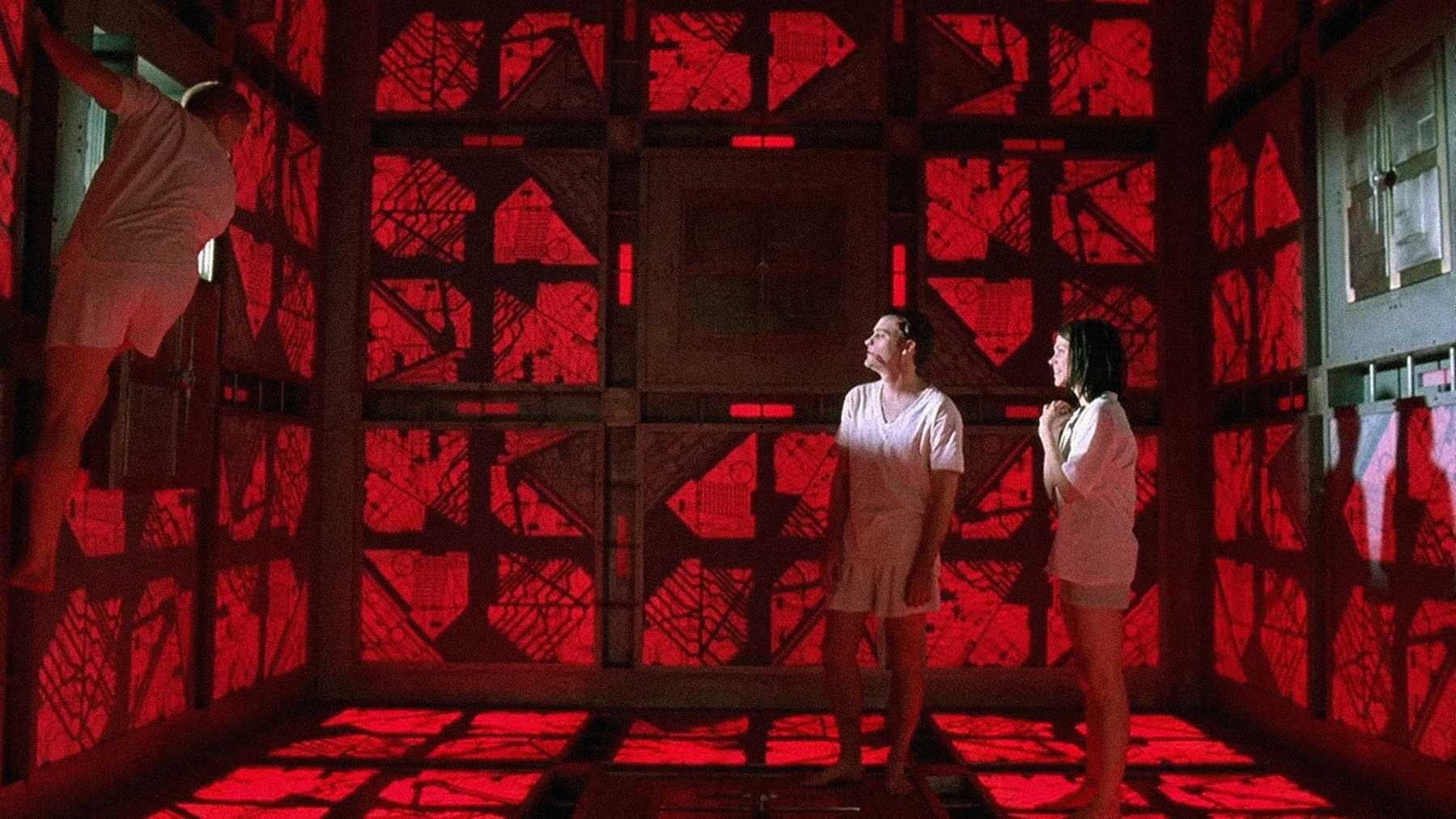
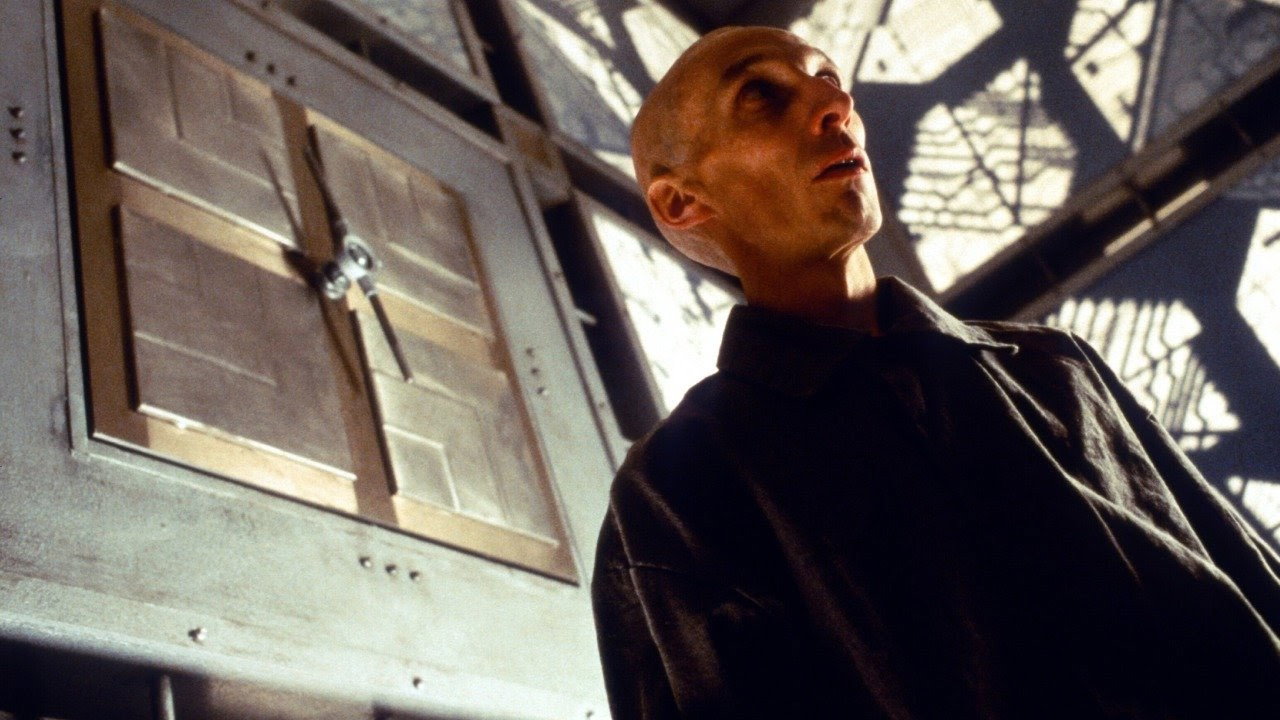
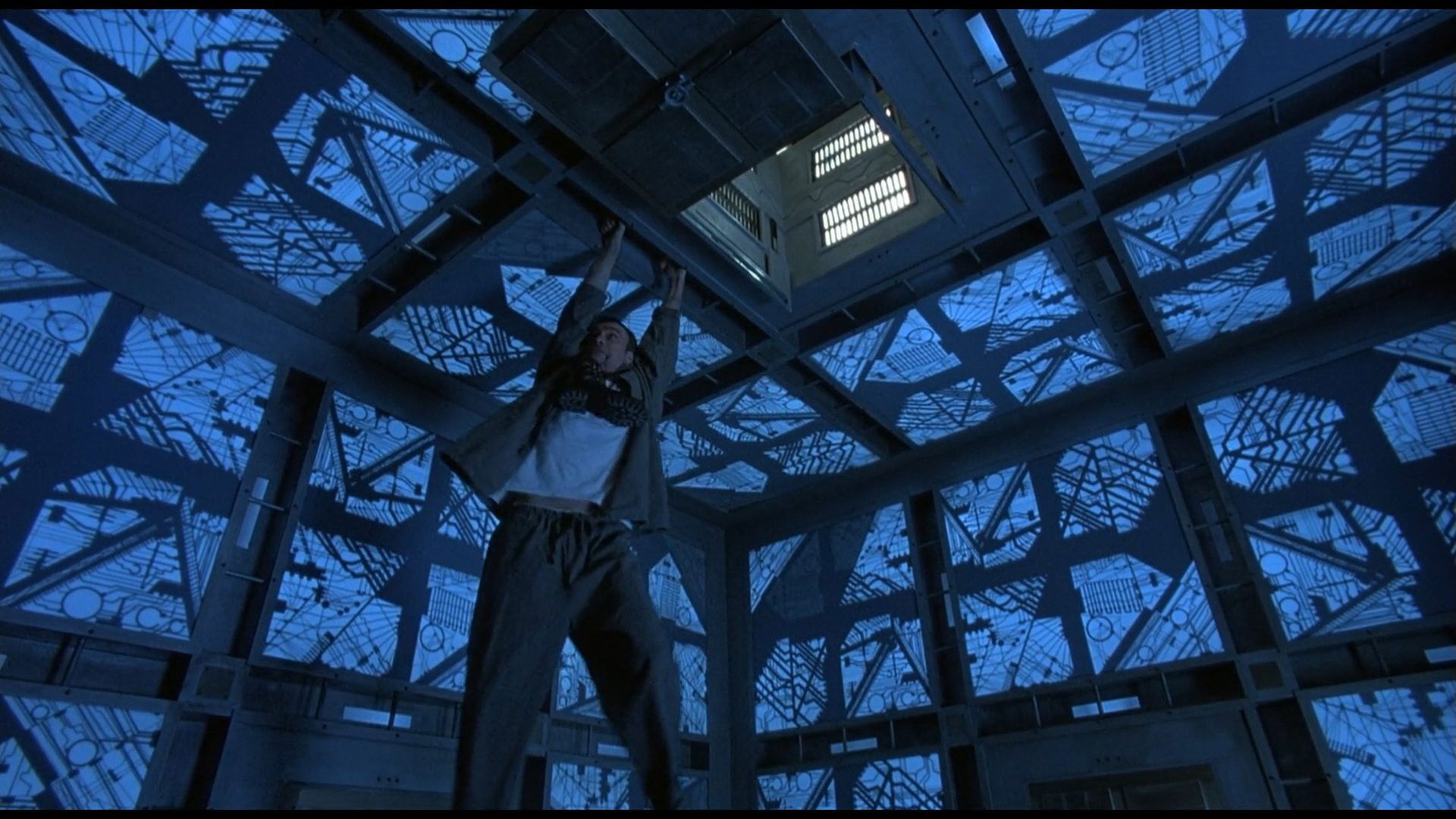
Jasna Stefanovic’s production design makes a single set sustain the illusion of a maze, and the repetition becomes increasingly disagreeable. Recognising the shape of the next room offers little reassurance when stepping inside may be lethal. Derek Rogers’s cinematography makes those confined spaces oppressive enough that searching them for a way forward becomes absorbing in itself. The visual ingenuity serves the suspense, keeping the basic predicament clear even when the workings of the place are difficult to understand.

We were properly tense at the prospect of the group entering another booby-trapped room. Having to judge a space before stepping into it is a simple fear, and Natali makes good use of it. John Sanders’s editing is at its most effective when it gives that uncertainty time to become uncomfortable, rather than hurrying towards the next danger. Mark Korven’s score adds to the unease, although the rooms and the people already provide enough reasons to worry.

The ensemble is more useful than uniformly persuasive. Nicole De Boer, Nicky Guadagni, Maurice Dean Wint and David Hewlett have to keep distinct personalities visible while the puzzle keeps demanding attention. The acting sometimes goes too broad, as though being trapped required everyone to underline the fact. Yet the shifting loyalties keep the exchanges alive, and the need to rely on someone whose judgement looks doubtful supplies a different sort of suspense from the traps.

The screenplay by Graeme Manson, André Bijelic and Natali is less convincing when it starts making its people illustrate ideas. Selfishness under pressure is credible; repeated demonstrations of it grow wearying when the characters have so little else to offer. At those points we can feel the film arranging another dispute rather than discovering anything further about the group. The running time is only 90 minutes, but some of these exchanges still make the journey feel longer than it needs to.

The mathematical puzzles give the characters something to do that needs thought, and thinking takes time they may not have. This is where Natali gets beyond the simplest version of a survival thriller, in which danger merely cues the next burst of movement. His group has to interpret its surroundings and negotiate with one another, so suspense can build without a chase. The broad social lessons are less interesting than the practical business of deciding what to try next.

We recommend Cube to anyone who enjoys working through a predicament alongside the people caught in it. A tolerance for arguments between thinly drawn characters will help. Do not expect every discussion to be as absorbing as the problem that prompted it. Watch it with someone whose judgement you ordinarily trust.

Critical consensus AI synthesised

4 of 6
Positive
3
Mixed
0
Negative
1
Time Out
10 September 2012 · NF
80*

The critic praises this micro-budget sci-fi for its conceptual ideas and narrative tension over action sequences. It highlights the focus on the trapped characters' selfish behavior as the true threat, along with absorbing puzzles, allegory and suspense that offset variable acting.

Read the full review →
The AV Club
24 April 2002 · Keith Phipps
70*

Natali creates a complex piece around a simple foundation, keeping things interesting by concealing as much as revealing while turning viewer loyalties and maintaining ambiguity. The film remains provocative despite occasional stalls into simplistic allegory and overly broad characterizations.

Read the full review →
Slant Magazine
12 April 2003
40*

The critic finds Natali’s cult favorite boxed in by its intriguing central premise, delivering an initially chilling Twilight Zone mood that gives way to paranoia among thin, threadbare characters. The film excels at creating a clever situation and a few decent scares but fails to provide a satisfying explanation or deeper payoff.

Read the full review →
Empire
1 January 2000 · Kim Newman

The review commends the film's clever low-budget execution of a group navigating a deadly cubic maze, focusing on character dynamics, puzzles, and tension without over-explaining the setup. It contrasts it favorably with bigger-budget sci-fi and notes its effective use of a single set and ensemble cast.

Read the full review →
Los Angeles Times
11 September 1998 · Kevin Thomas

The critic calls the film a highly ambitious cerebral sci-fi thriller and veritable nightmare that gradually pulls viewers into its claustrophobic spell and becomes acutely suspenseful. It singles out Natali as a visionary new talent while noting tedious stretches with less-than-riveting characters.

Read the full review →
The Independent
17 August 1998 · festival review · Liese Spencer

The critic highlights the film's visually inventive premise of strangers trapped in a lethal, Rubik's Cube-like maze of booby-trapped rooms while navigating interpersonal conflicts. It praises the director's ability to blend abstract mathematical ideas with a tense human story in this low-budget sci-fi horror.

Read the full review →

Cast

Stills

Awards

Sitges Film Festival Best Feature-Length Film award, 1998

Won
Sitges Film Festival Best Feature-Length Film award

If you liked this, try…

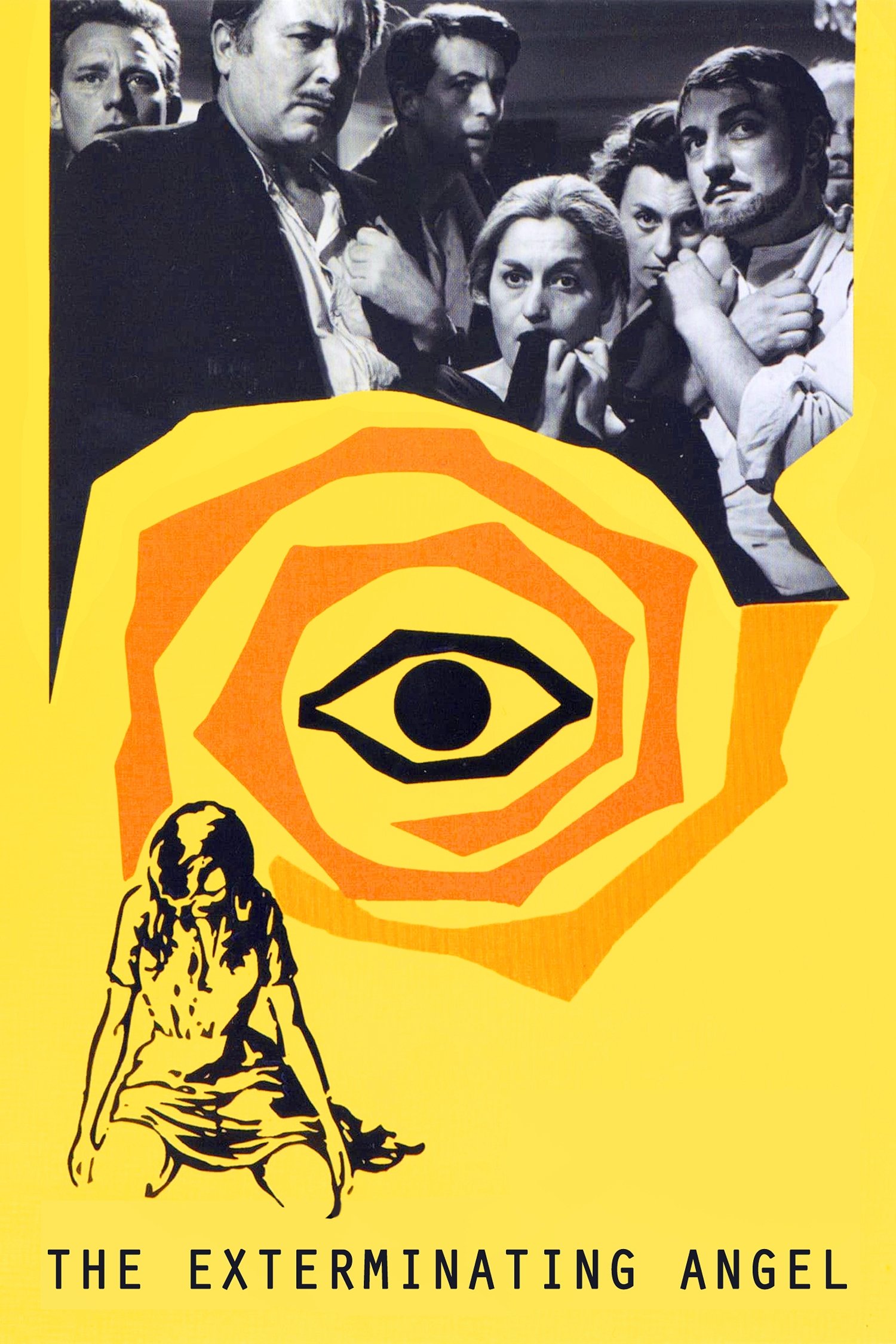
The Exterminating Angel poster

The Exterminating Angel

1962 · Another trapped group discovers how quickly good manners become useless under pressure.

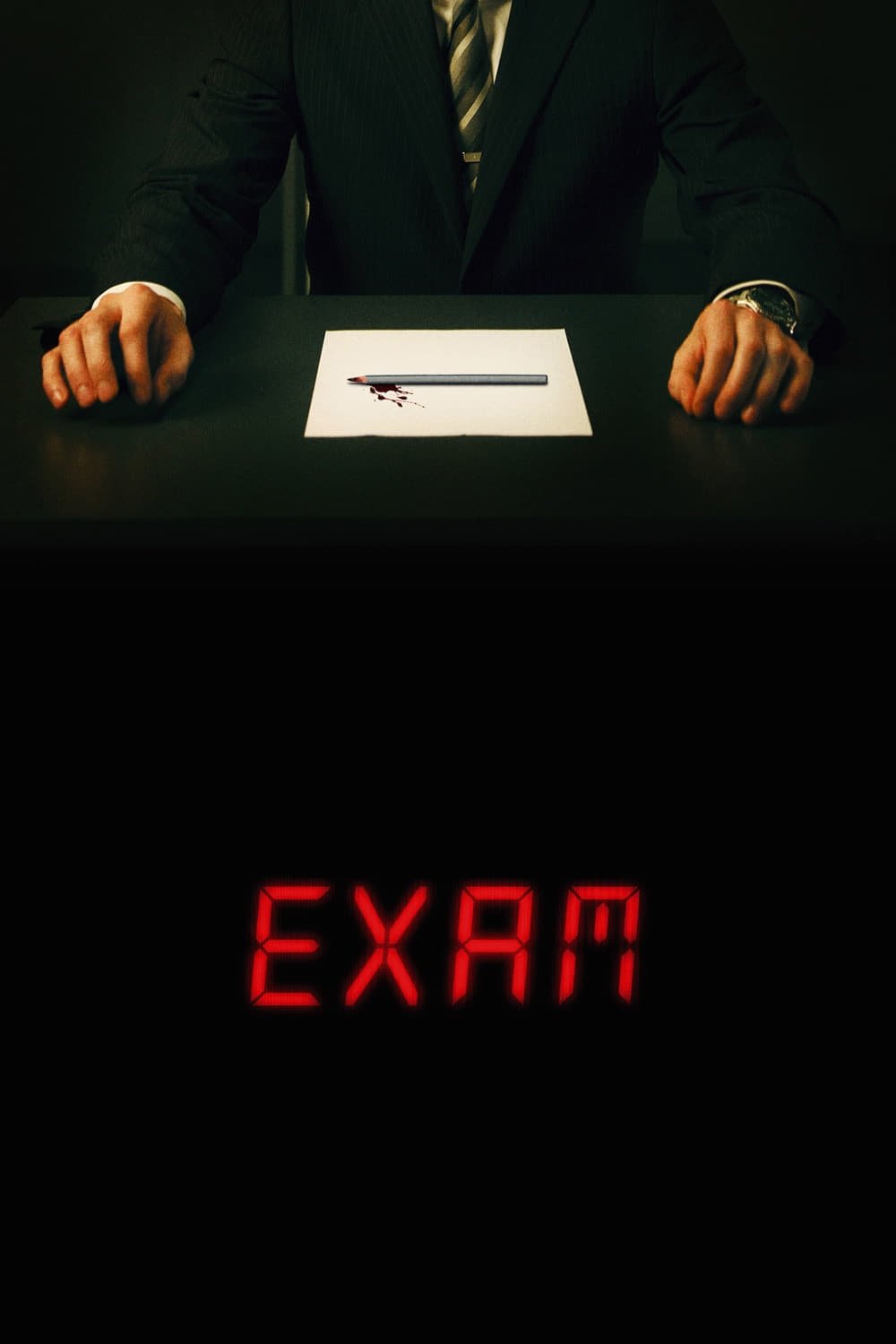
Exam poster

Exam

2009 · A single room and competing candidates make another productive exercise in suspicion.

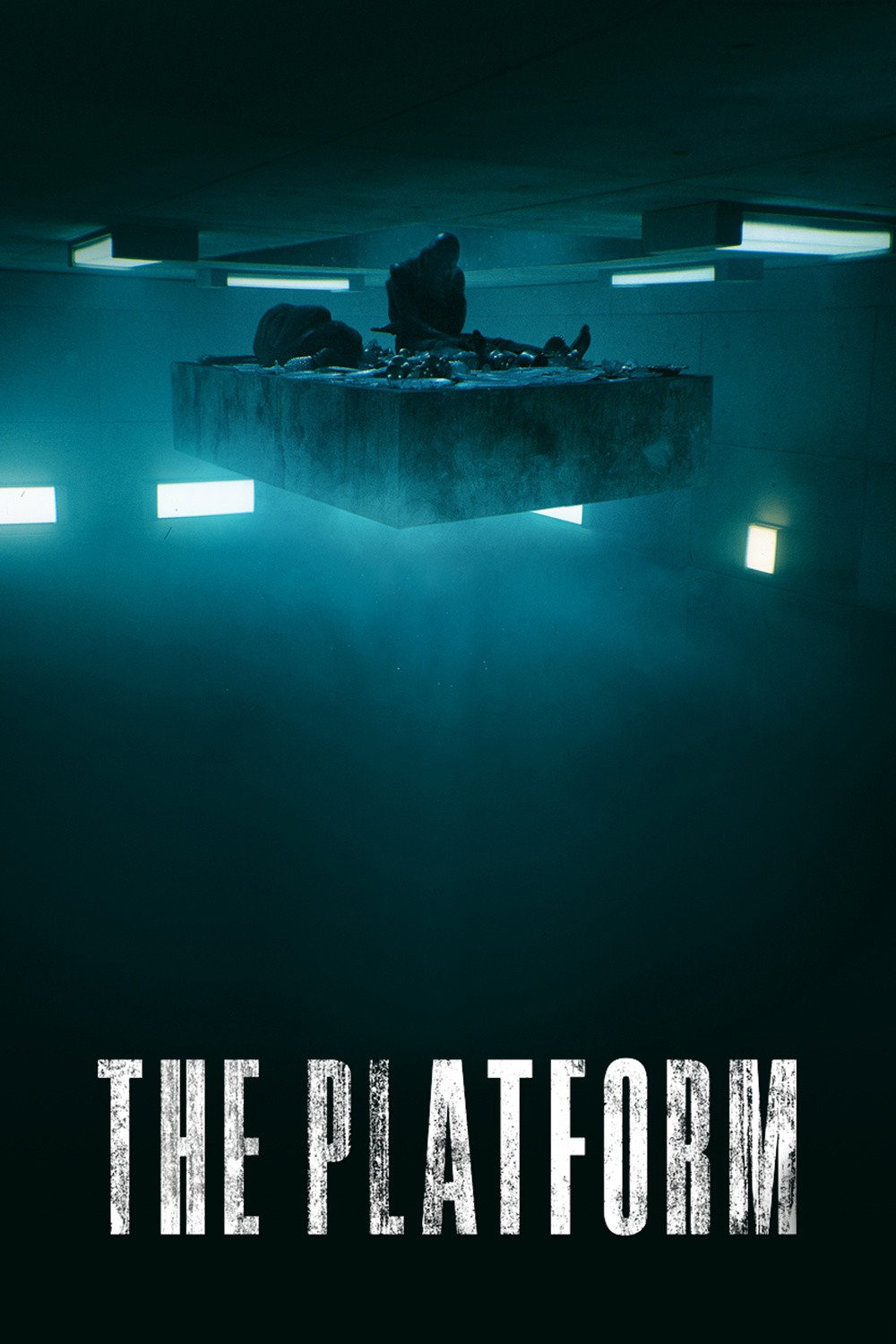
The Platform poster

The Platform

2019 · A harsher confinement thriller that makes social inequality part of the machinery.

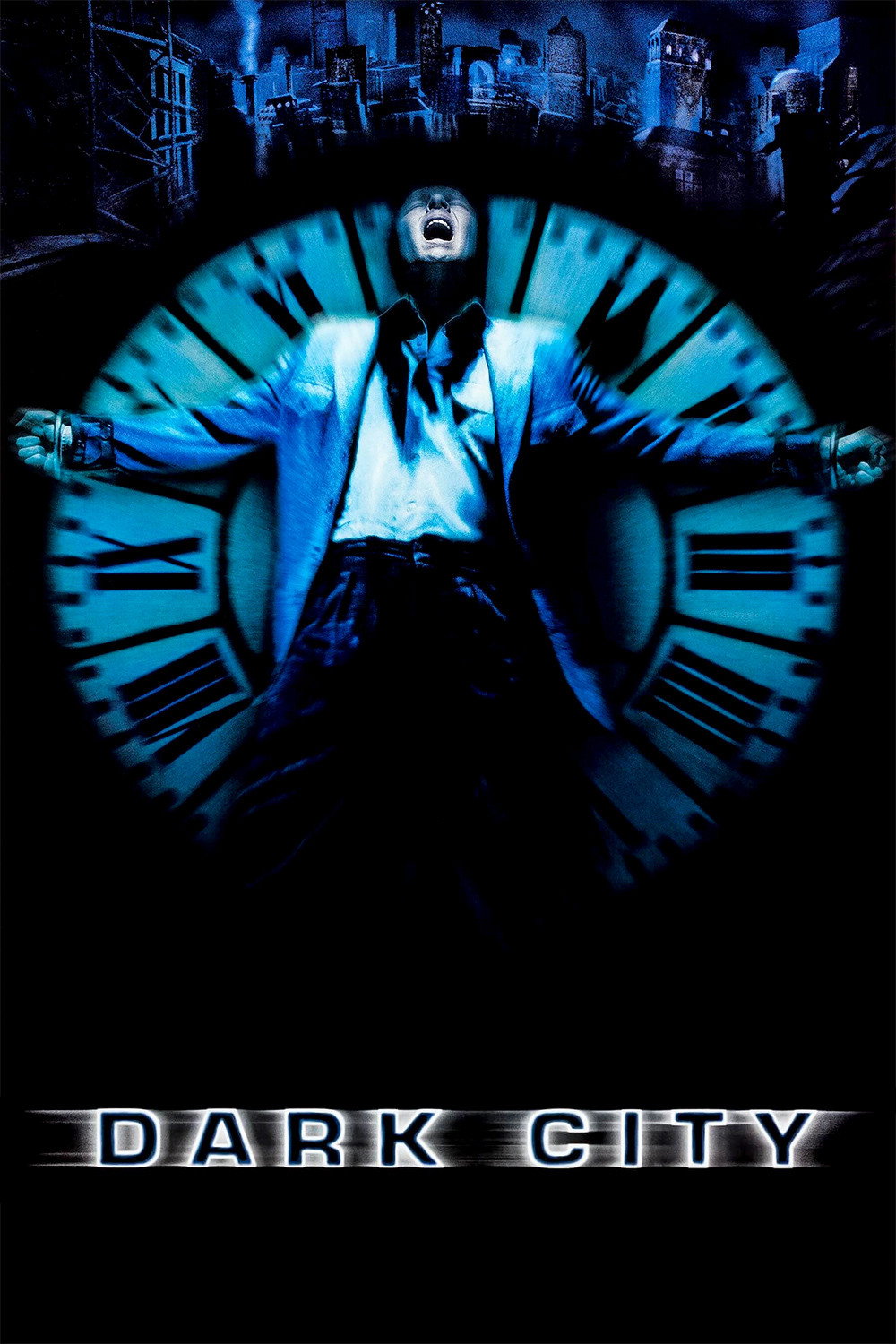
Dark City poster75

Dark City

1998 · Another unsettling constructed world whose inhabitants have good reason to distrust it.

The Twilight Zone poster

The Twilight Zone

1959 · Short, uneasy puzzles for those who prefer their explanations less than reassuring.