Film review

David Attenborough: A Life on Our Planet

2020 · Directed by Alastair Fothergill, Keith Scholey, Jonathan Hughes · 1h 23m · MPA PG

In a sentenceDavid Attenborough is still speaking calmly, which somehow makes the news worse

DocumentaryDrama

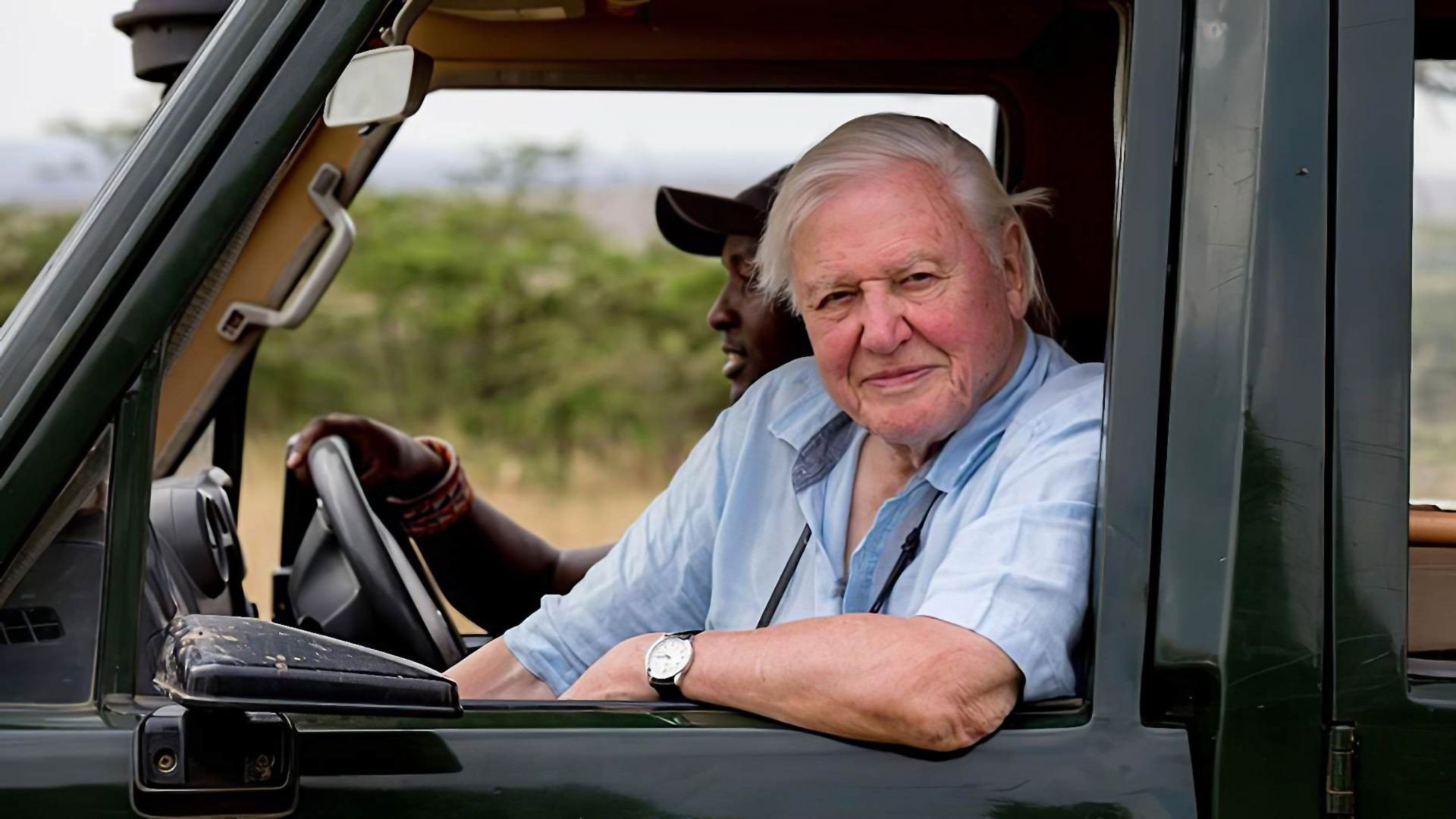
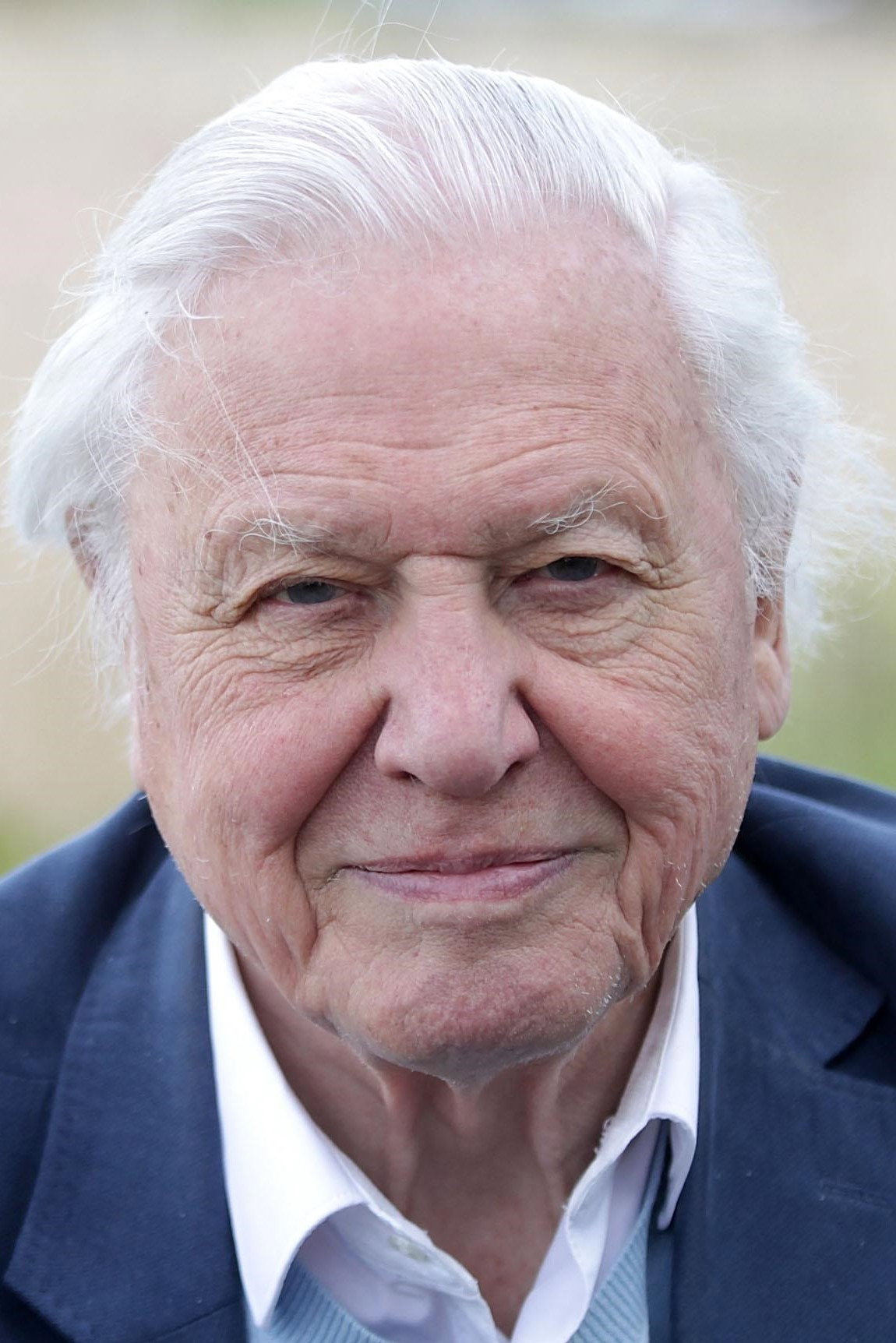
David Attenborough appears as himself in a documentary that connects his life and work with changes in the natural world. Beginning at Chernobyl, he reflects on what he has witnessed and on the loss of biodiversity during his lifetime. His recollections sit alongside wildlife images, statistics and footage comparing the environment before and after human damage. Directed by Jonathan Hughes, Alastair Fothergill and Keith Scholey, the film considers climate change and humanity’s relationship with other species through one person’s experience. Attenborough addresses the audience directly, asking what the changes he describes mean for the planet.

Plays from YouTube when you press play; nothing loads from them until then.

Fi1m review

We recommend this moving, plainly spoken account of environmental loss, built around Attenborough’s own experience. Its wildlife images and quiet delivery are persuasive; the practical questions about changing course receive less attention than they need.

David Attenborough: A Life on Our Planet is a persuasive, upsetting documentary whose confidence in making things better sometimes runs ahead of its explanations. Directors Jonathan Hughes, Alastair Fothergill and Keith Scholey organise it around Attenborough’s recollections, setting the damage to the natural world against the span of his life. The personal approach gives the scale of that damage something we can grasp without pretending that it is small. They keep the running time to 83 minutes without making the losses feel like a checklist.

The opening at Chernobyl establishes that this will not be a comfortable succession of animals to admire. It is a blunt place to begin, and the comparison with wider environmental damage risks doing some of the thinking for us. Attenborough’s calm delivery keeps the warning from becoming a lecture shouted across a room. He speaks about losses within his own lifetime, and his composure makes the account harder to dismiss.

Gavin Thurston’s cinematography lets us enjoy looking at the wildlife, which matters in a film so concerned with its disappearance. The photography offers the pleasure we expect from a wildlife documentary, but the surrounding images of destruction make that pleasure uneasy. Editor Martin Elsbury gives the before-and-after material enough force that the statistics do not have to carry the account alone. Those comparisons give the figures a clear, visible meaning.

We were more upset than we expected by the endangered creatures looking straight into the camera. The directness of those images, placed within this account of loss, made the danger feel particular rather than distant. Attenborough does not need to sound distraught for that feeling to reach us, and the film is strongest when it respects his restraint. Steven Price’s music sometimes presses too firmly at such moments, underlining a sadness that the faces and the voice have already made clear.

The weakness is in how quickly a shared concern can become a shared responsibility, with the differences between us blurred. We wanted a tougher examination of who can make changes at scale, and what prevents them from doing so. Hughes, Fothergill and Scholey make the broad case so accessible that the awkward practical questions can feel like interruptions to be hurried past. That matters when the film asks us to believe that action is possible.

The film also has to contend with a familiar difficulty of wildlife documentaries: admiration can be a pleasantly passive activity. Attenborough’s presence helps it get past that, because his recollections connect the spectacle to a life spent paying attention. There is little novelty in the broad warning, but presenting familiar information this clearly is worthwhile. He speaks plainly, with an expectation that we will take the information seriously. Watch it when there is time to talk afterwards, particularly about the practical questions it leaves open.
Critical consensus AI synthesised

81
Positive
7
Mixed
1
Negative
0

Most critics respond warmly to this personal account of environmental damage, praising the clarity of its warnings and the reassurance of its proposed solutions. Much of the praise centres on Attenborough’s delivery: his calm, earnest account of changes witnessed over a lifetime makes biodiversity loss feel immediate and painful. The reviews also find emotional force in the contrast between images of thriving nature and scenes of destruction, with hope preventing the film from becoming solely an account of catastrophe.

The reservations concern freshness and likely impact rather than the case being made. The i Paper finds little that is new, but considers the clear presentation powerful; Time Out is less persuaded that this witness statement can move the public as strongly as Attenborough’s earlier work. The spread runs from emphatic approval to qualified appreciation, with the dissent questioning how effectively familiar warnings can prompt a response.

Radio Times
25 September 2020 · ★★★★★ · Patrick Cremona
100

The documentary is a terrifying condemnation of biodiversity loss combined with a hopeful manifesto for mitigation, making it mandatory viewing through its effective blend of urgency and reassurance.

Read the full review →
Evening Standard
25 September 2020 · Charlotte O'Sullivan
85*

The film is a cosy yet terrifying witness statement on biodiversity loss and climate change that stands as one of the most important of 2020. The critic singles out the serene tone adopted by the usually reassuring Attenborough and the emotionally penetrating sequences of endangered creatures staring into the camera.

Read the full review →
The i Paper
28 September 2020 · Gerard Gilbert
80*

Attenborough’s personal ‘witness statement’ on the degradation of the natural world is powerful and important despite little that is novel. The critic singles out the clarity with which the case is presented, including the shift from despair to a simple message of hope illustrated by the reclamation of nature in Chernobyl.

Read the full review →
IndieWire
2 October 2020 · David Ehrlich
75*

The film presents Attenborough's personal reflection on his career and the state of the planet as an urgent call to action. The critic highlights the legend's direct plea to humanity in his later years.

Read the full review →
Time Out
14 September 2020 · ★★★ · Huw Oliver
60

The film distils the urgency of environmental warnings into a compelling 90-minute call to arms that includes solutions, but the critic questions whether this 'witness statement' will move the public as powerfully as earlier works.

Read the full review →
The Guardian
25 September 2020 · Peter Bradshaw

The film is a personal and political witness statement delivering a stark warning about the climate emergency and the damage inflicted on the planet during Attenborough's lifetime. It balances bleak statistics and before-and-after footage with a hopeful message in the final section that action can still save the situation.

Read the full review →

Cast

Stills

If you liked this, try…

Honeyland poster

Honeyland

2019 · For a closer, less reassuring look at people living from nature.

Koyaanisqatsi poster

Koyaanisqatsi

1982 · Human activity and natural rhythms collide, with the explanation left to us.

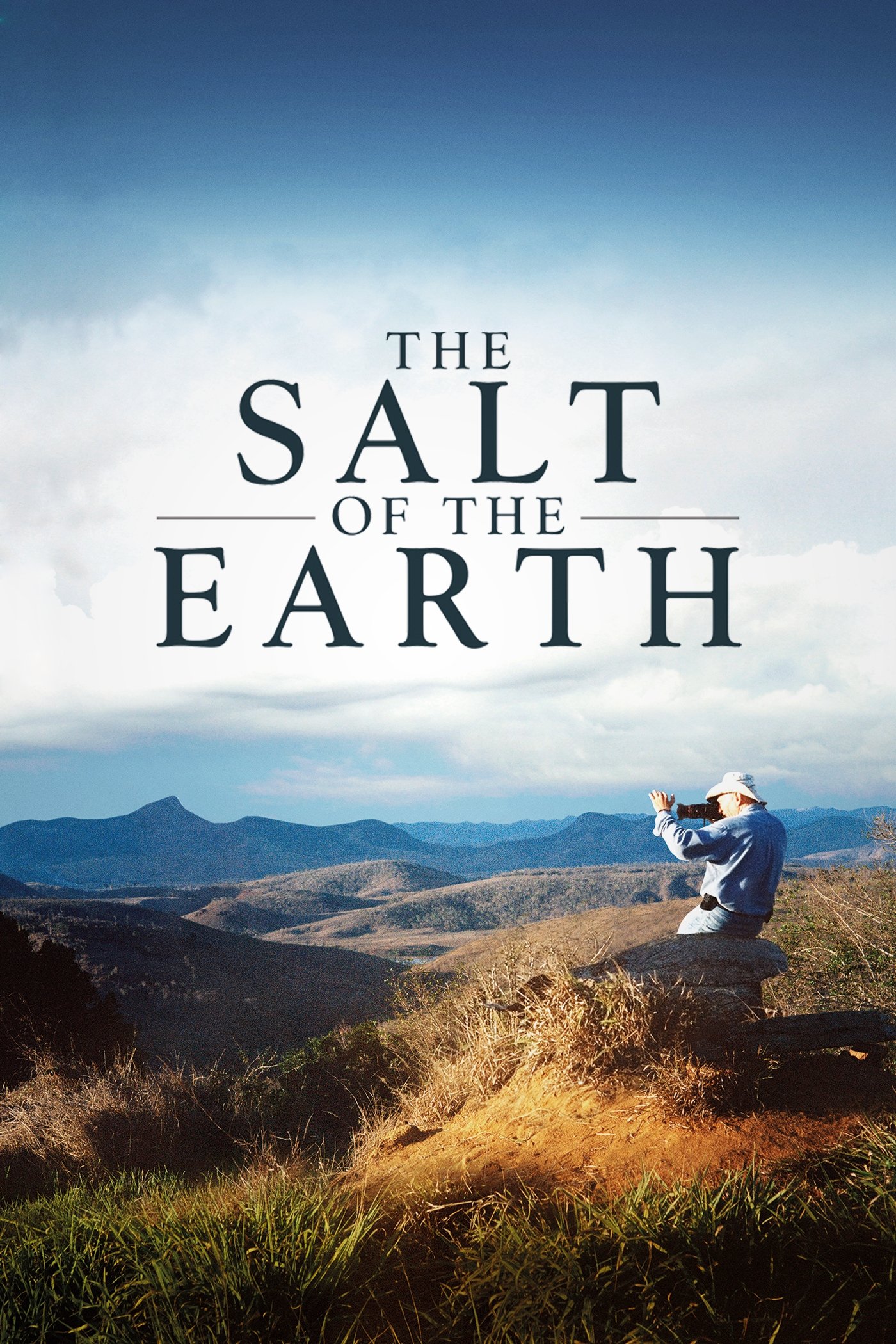
The Salt of the Earth poster

The Salt of the Earth

2014 · Another lifetime of looking becomes an occasion to reconsider what has changed.

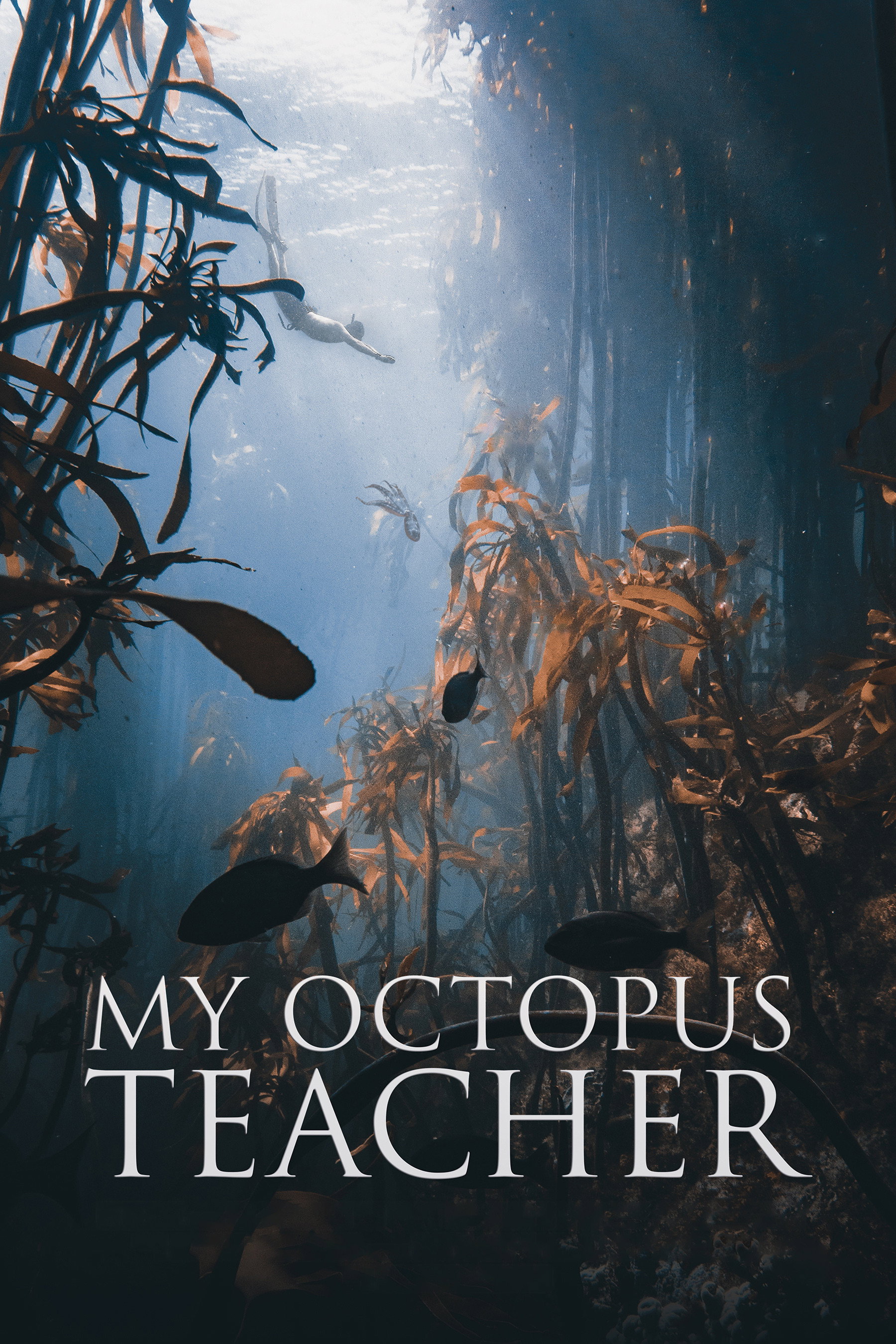
My Octopus Teacher poster

My Octopus Teacher

2020 · A more intimate encounter with wildlife, carrying its own complications about sentiment.

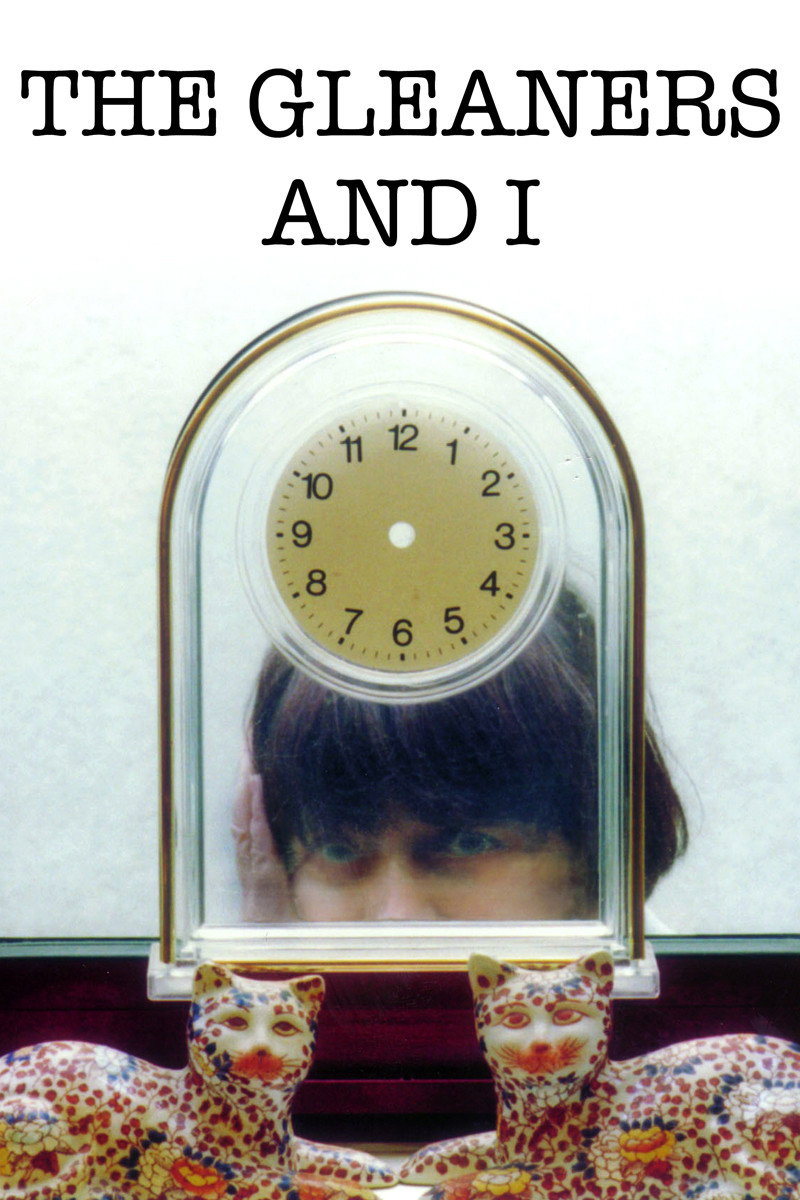
The Gleaners and I poster

The Gleaners and I

2000 · A curious, humane account of waste and the people who reclaim it.