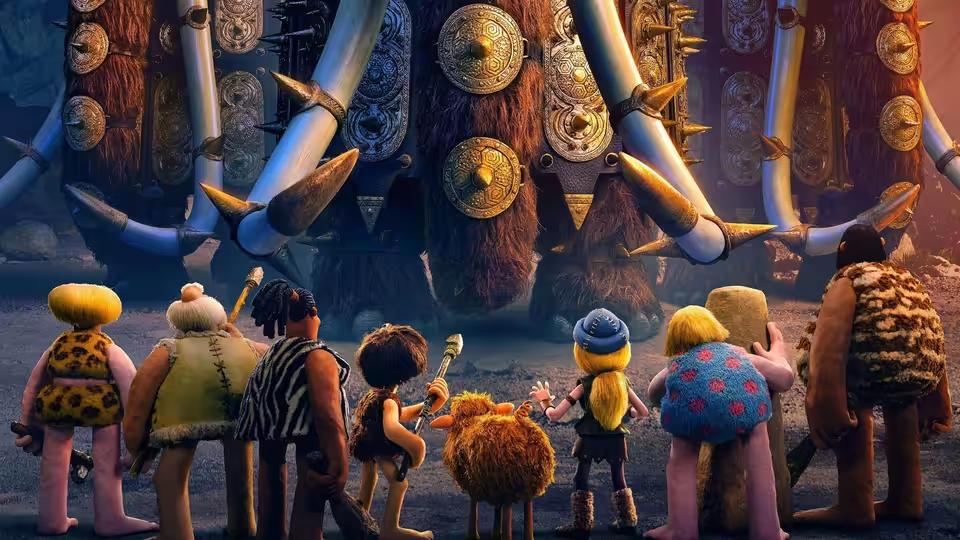
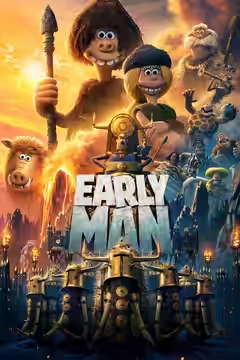
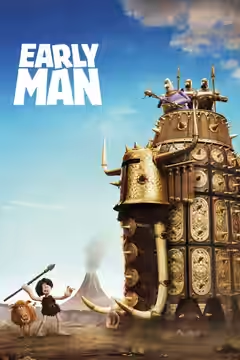
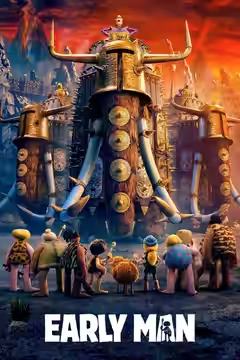
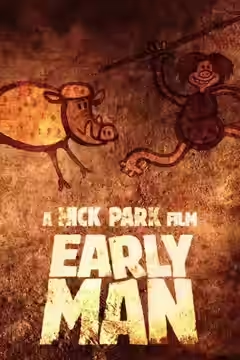
Nick Park’s prehistoric football comedy is gently amusing, with handmade animation that deserves a livelier story. It is a decent family diversion, but the predictable sporting plot leaves several gifted voices with too little to do.
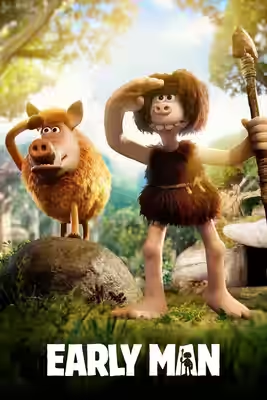
Early Man is an amiable, modestly funny family film whose prehistoric football premise promises more invention than the story delivers. Nick Park brings a patient eye to the awkward clay people, and enough small jokes to keep an adult watching beside a child. But a contest between the Stone Age and the Bronze Age becomes a familiar underdog sports story surprisingly quickly. At 89 minutes it does not demand a large investment, although the slow opening makes us notice the time.
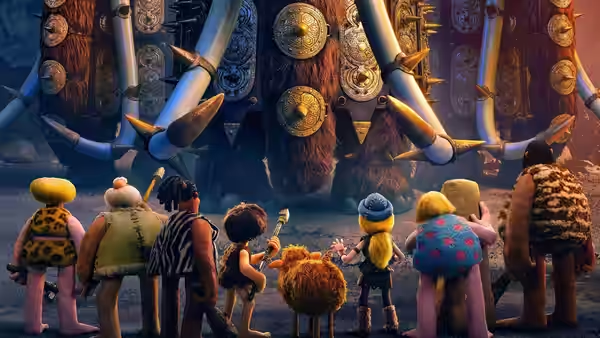
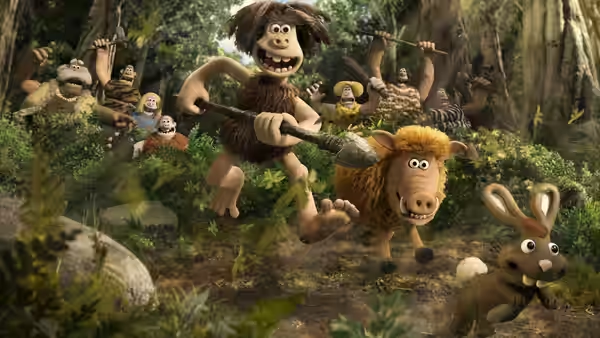
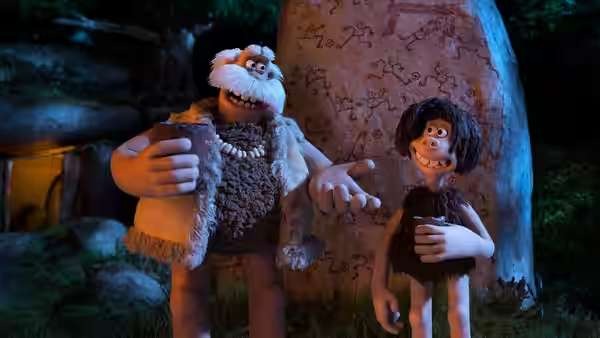
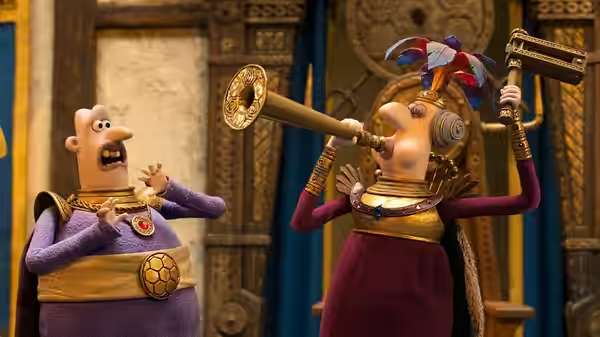
Much of the pleasure comes from watching these figures move, with their ungainly bodies and faces that need only a small adjustment to register a thought. Cinematographers Paul Smith, Charles Copping and Dave Alex Riddett preserve the solidity of the models and the appeal of their handmade surfaces. Matt Perry’s production design rewards looking past the main action, where incidental details can be more engaging than the next step of the plot. These people remain funny to look at even when the dialogue gives them little help.
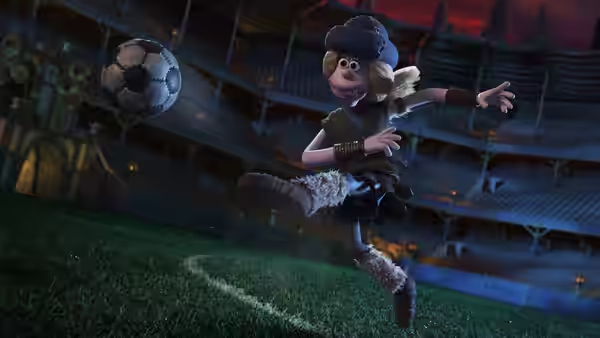
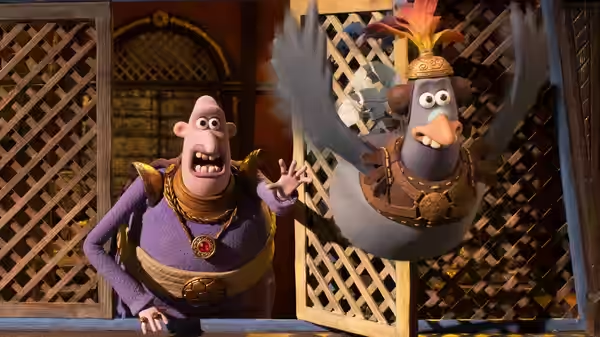
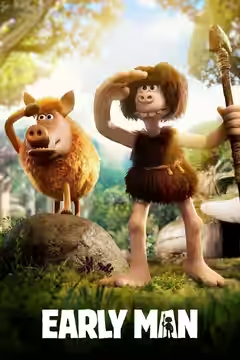
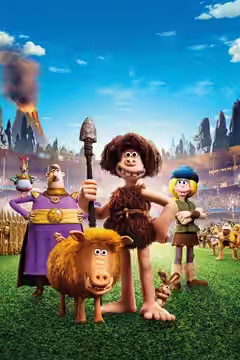
Eddie Redmayne gives Dug the sincerity this sort of hero needs, though there is little in the writing to make that sincerity distinctive. Tom Hiddleston has more to do as Lord Nooth, enjoying the voice without making the performance feel detached from the character. Maisie Williams brings a useful directness to Goona. The performers sound engaged, but too many of the characters have barely enough personality to support a joke, let alone sustain our interest between the jokes.
The screenplay by Mark Burton and James Higginson relies heavily on the audience’s familiarity with sporting underdogs. That has an obvious practical benefit: the competition needs little explanation, leaving space for comedy. Its emphasis on cooperation is welcome, too, and the film treats its less accomplished characters kindly. Yet the demands of the sports story become restrictive, with too few surprises in the writing to distinguish this team from the many hopeful amateurs who have stumbled through the genre before.
We laughed at the duck gag because the animation gives a throwaway absurdity the care and timing that the main story sometimes lacks. That is where the film feels most confident, letting a ridiculous sight earn its laugh without requiring much explanation. Editor Sim Evan-Jones gives the individual visual jokes room to register, though the stretches connecting them can feel overextended. The comic rhythm is uneven: an inventive bit of business arrives, restores our interest, and then the film takes longer than it should to find another.
The music by Tom Howe and Harry Gregson-Williams tries to supply the excitement that the storytelling sometimes lacks. Its encouragement feels dutiful beside jokes whose appeal comes from being so small and silly. A quieter, less insistent approach might have left more space for the animation. The cast already gives these characters considerable warmth; additional musical nudging does not make us care more deeply about their sporting prospects.
The prehistoric setting leaves us wishing the film would venture further from the standard football comedy. There is room for stranger behaviour and more eccentric people than the script allows, especially with these performers available. Still, the animation supplies enough pleasure to make this a reasonable choice for a family already fond of handmade comedy. Keep it for an evening when gentle silliness is enough.