Jerry Zucker’s supernatural romance earns its tears, chiefly through Patrick Swayze, Demi Moore and a welcome dose of Whoopi Goldberg. The plotting stalls and the sweetness gathers, but the lovers matter enough to keep us watching.
Ghost is an effective romantic fantasy with an untidy thriller attached, and we recommend it to anyone willing to take its lovers seriously. Jerry Zucker gives Bruce Joel Rubin’s script time to be tender, silly and frightened, sometimes within the same stretch of film. Its central wish is easy to understand: Sam Wheat has been murdered, but still wants to keep his promise to Molly Jensen. That is enough to sustain the romance, even when the explanations become less convincing.
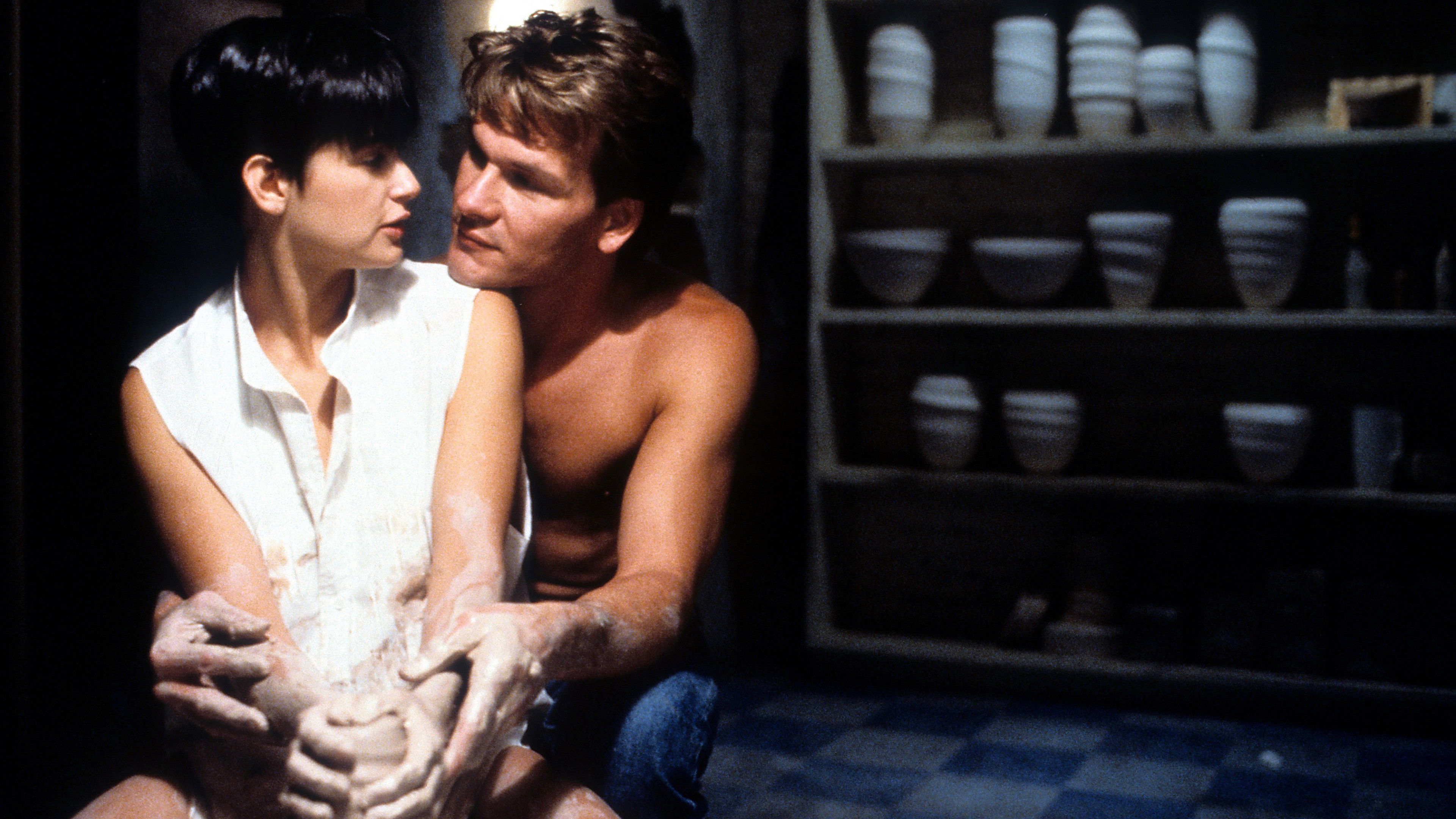
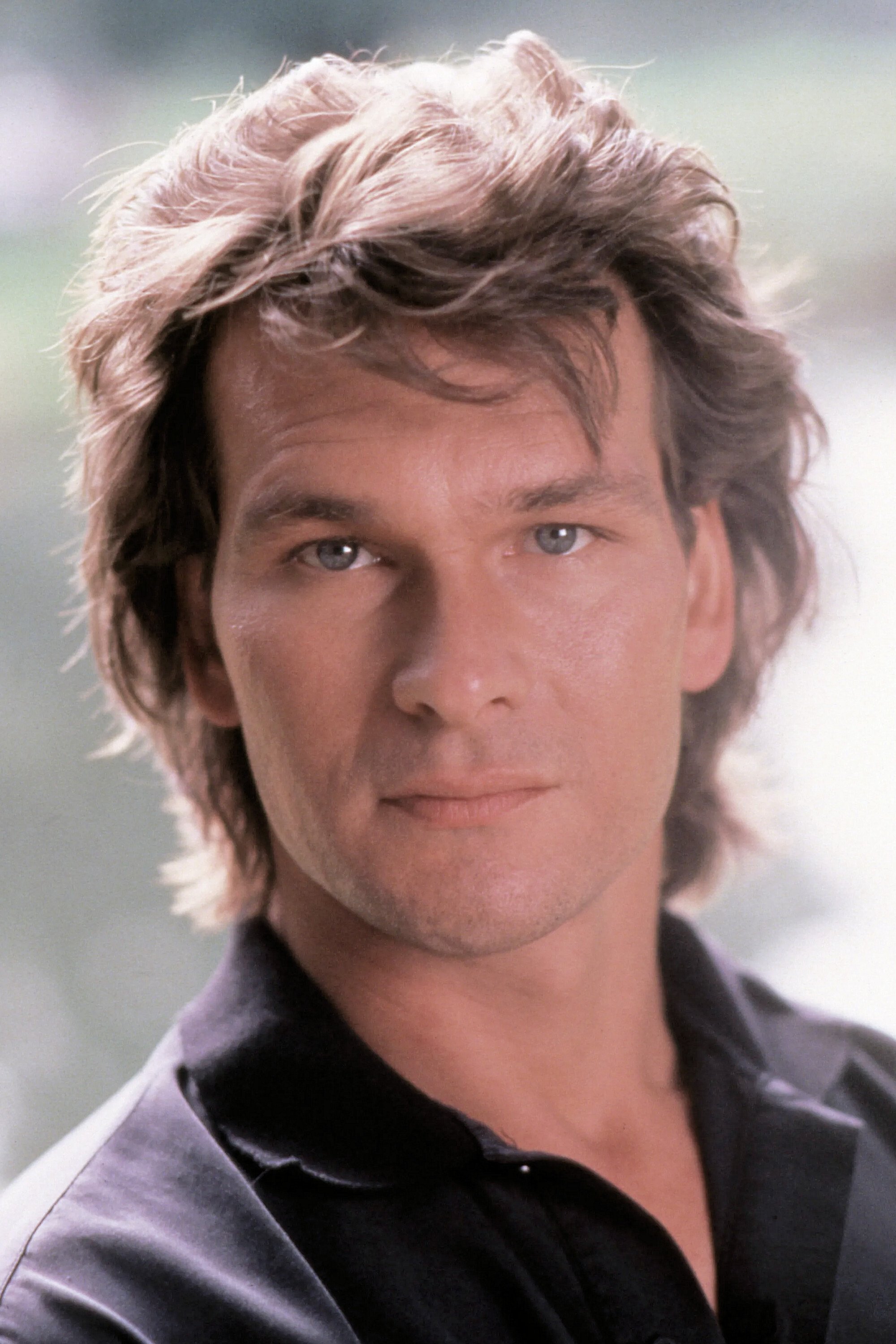
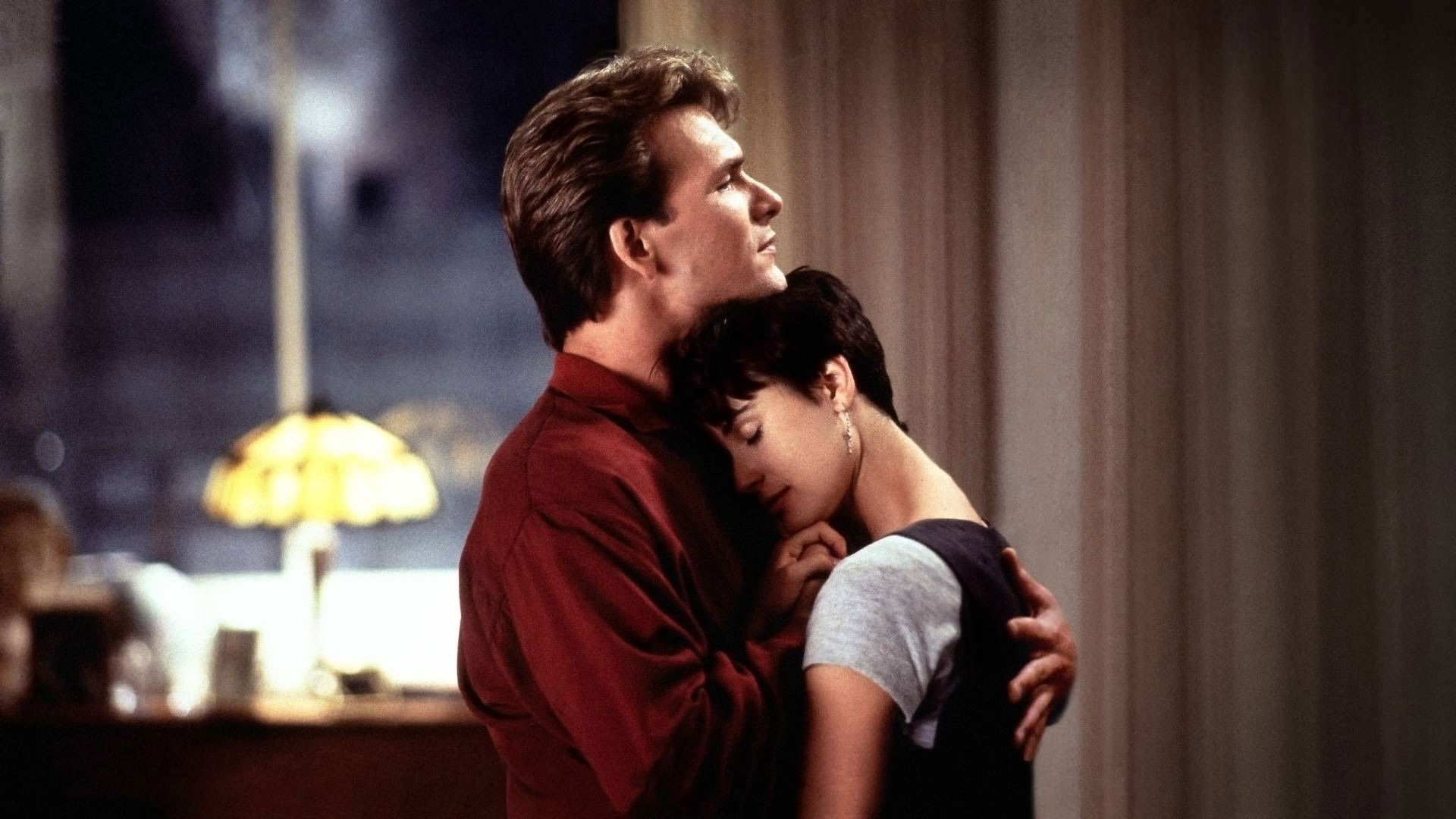
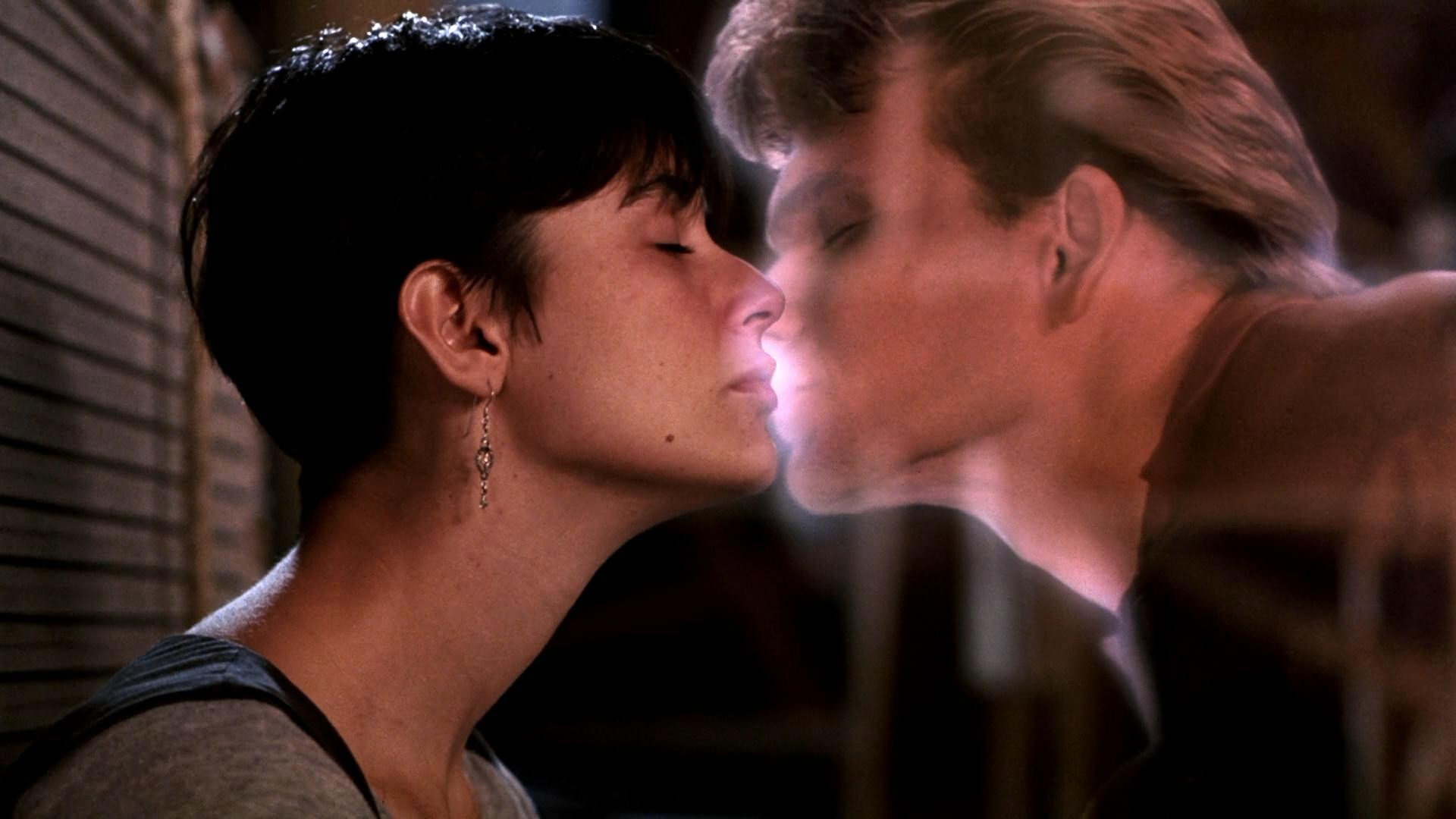
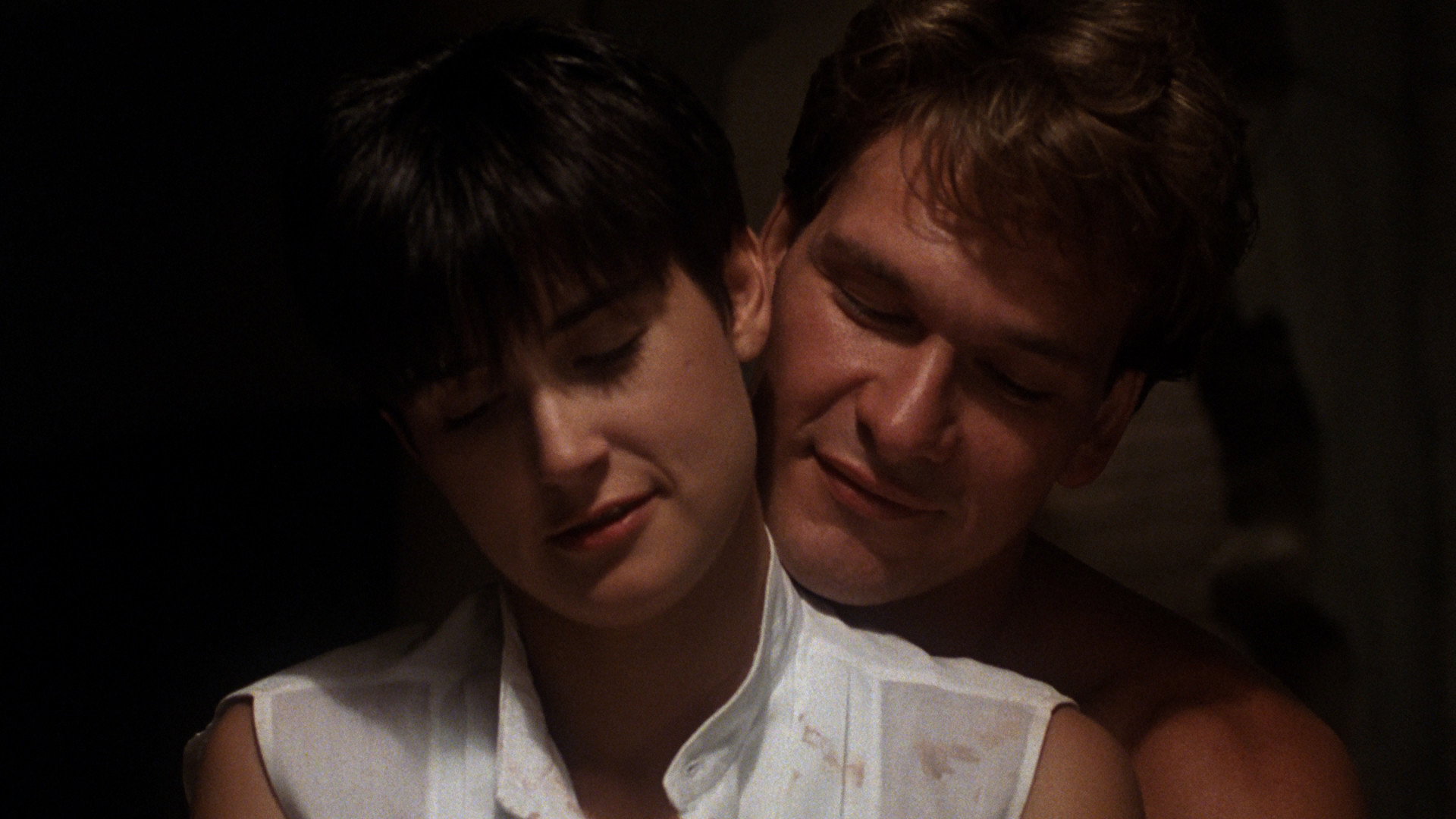
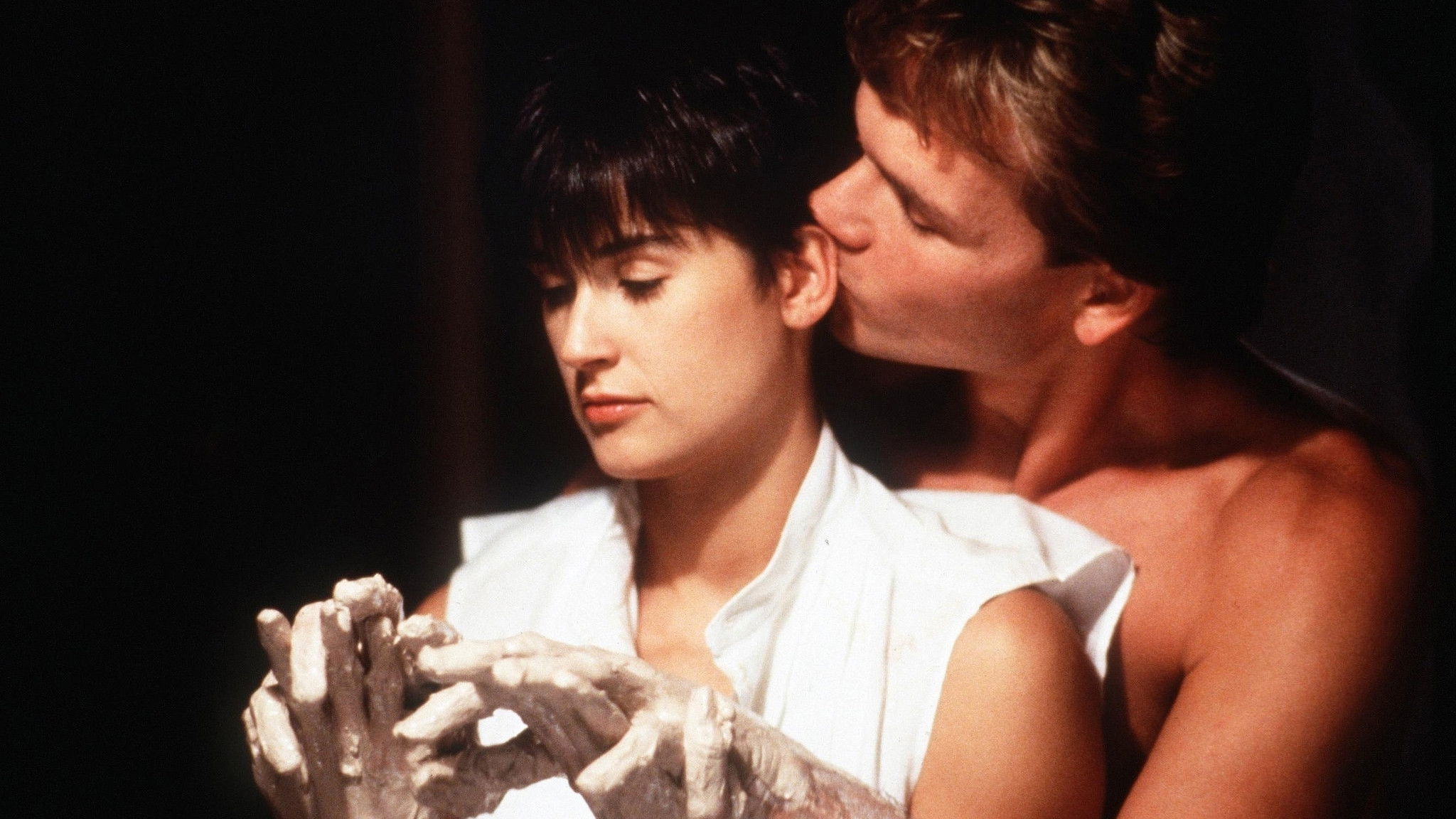
Patrick Swayze supplies the earnestness this requires without making Sam seem pleased with his own devotion. We were moved by Sam’s discovery that he is dead, because Swayze plays his bewilderment so plainly. Demi Moore gives Molly’s grief a directness that the film’s more decorative passages badly need. Rubin leaves her with too much sorrow to perform and too few changes of mood, but Moore makes her credible even when the script gives her little to do.
Whoopi Goldberg, as Oda Mae Brown, makes the whole enterprise less solemn. Her fake-medium routine has an appetite for attention that gives the comedy a recognisable human source. The supernatural business suddenly has someone in it who seems entitled to find the situation inconvenient. Goldberg can push a scene hard without flattening the people beside her. Zucker is wise to let her take up space; the romance benefits from having its solemnity interrupted.
Adam Greenberg photographs the lovers with a softness that helps sell their intimacy, although the polish can make distress look a little too attractive. Jane Musky’s luxurious production design gives their relationship a comfortable setting, perhaps too comfortable for a story about a violent interruption. We can see what Zucker wants from this prettiness, since the life Sam has lost needs to feel worth wanting back. Yet Moore’s sorrow sometimes has to work against a picture so carefully made to please.
Walter Murch’s editing is most effective when the film allows Goldberg to disturb its rhythm; her comedy gives the surrounding yearning some relief. The early passages take longer to establish that rhythm, and 127 minutes is generous for a premise grasped so quickly. Maurice Jarre’s score encourages our sympathy for the lovers, occasionally more insistently than their performances require. Swayze and Moore convey enough longing to make some of that musical encouragement feel redundant. Zucker does not always know when to leave them to it.
The larger nuisance is Rubin’s habit of making disbelief last as long as the next plot delay requires. Characters need time to accept the impossible, certainly, but the repeated hesitation starts to feel useful chiefly to the writer. We found ourselves waiting for the thriller to proceed while the romance had already given us a reason to care. The supernatural rules are woolly enough that some suspense drains away in the explaining. A little less insistence on mechanics would have left more room for the mystery.
Romantic fantasy asks for a particular kind of patience, and Ghost mostly repays it by treating attachment as something adults might feel without embarrassment. Zucker’s handling of the actors keeps the weaker plotting tolerable. Goldberg supplies enough irreverence to prevent the lovers’ devotion becoming oppressive, while Swayze and Moore make their separation matter. Watch it for those three, provided a generous helping of sentiment is what the evening calls for.