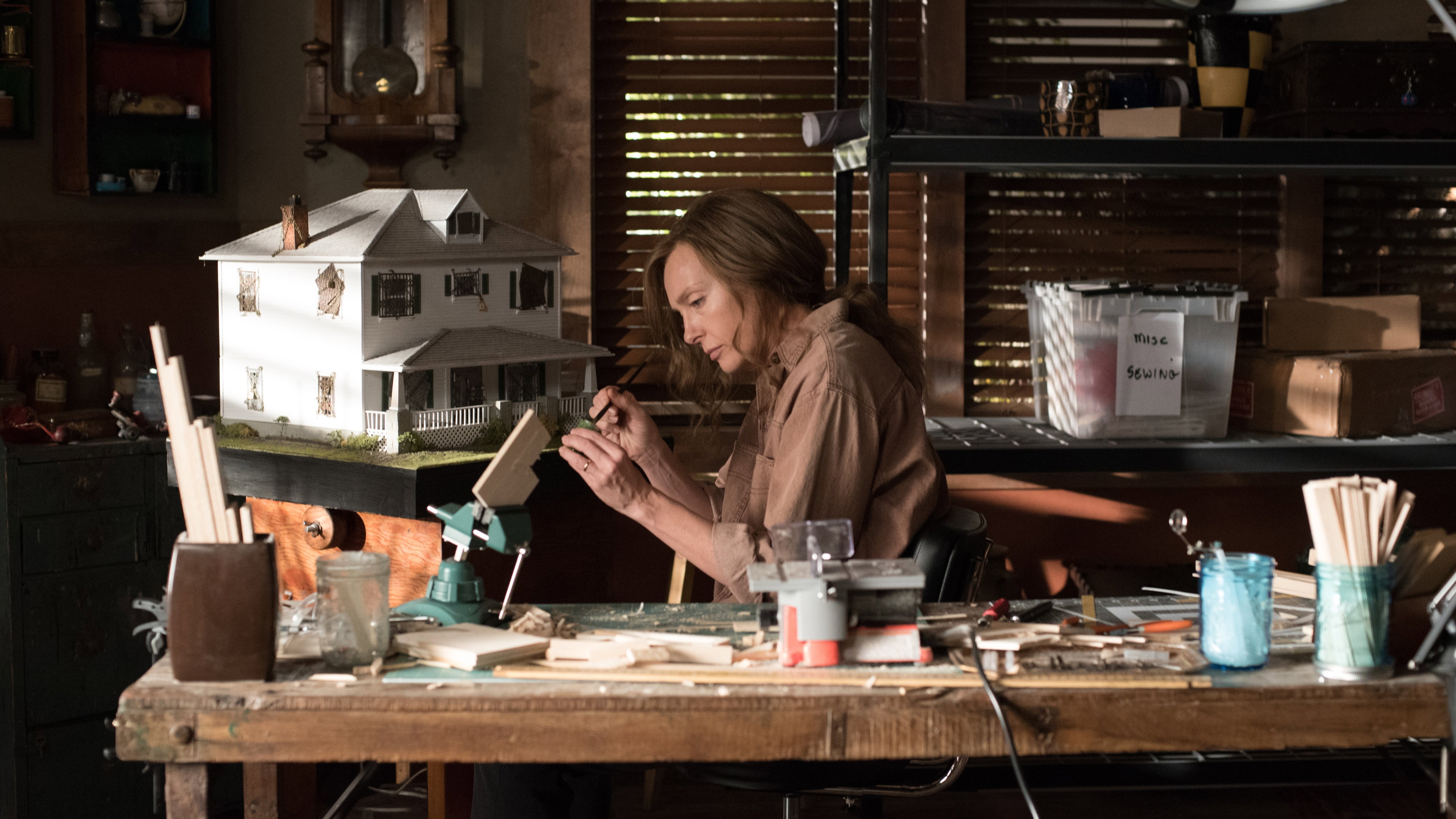
Ari Aster’s Hereditary is frightening because Toni Collette makes the family’s distress so difficult to bear. We recommend it strongly, with reservations about the slow stretches and the urge to explain what already scares us.
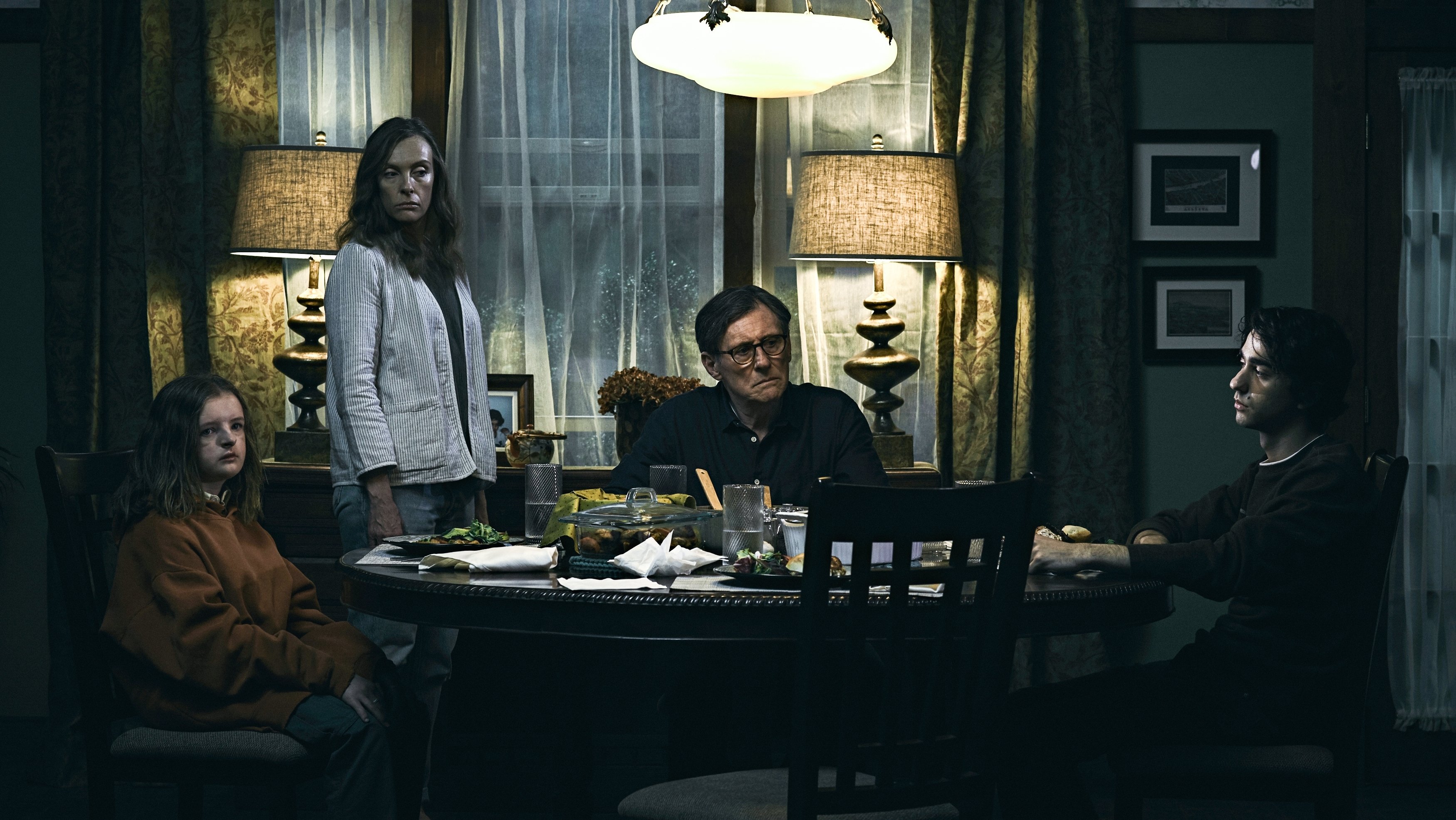
Ari Aster’s Hereditary is frightening, and we recommend it with a warning about how much family unhappiness comes with the scares. The writer-director gives that unhappiness enough attention to make us care about the people who have to endure the horror. This matters more than the ingenuity of any individual scare. It also makes the occasional sluggish passage easier to forgive, though we are less persuaded when the script starts explaining what has been happening.
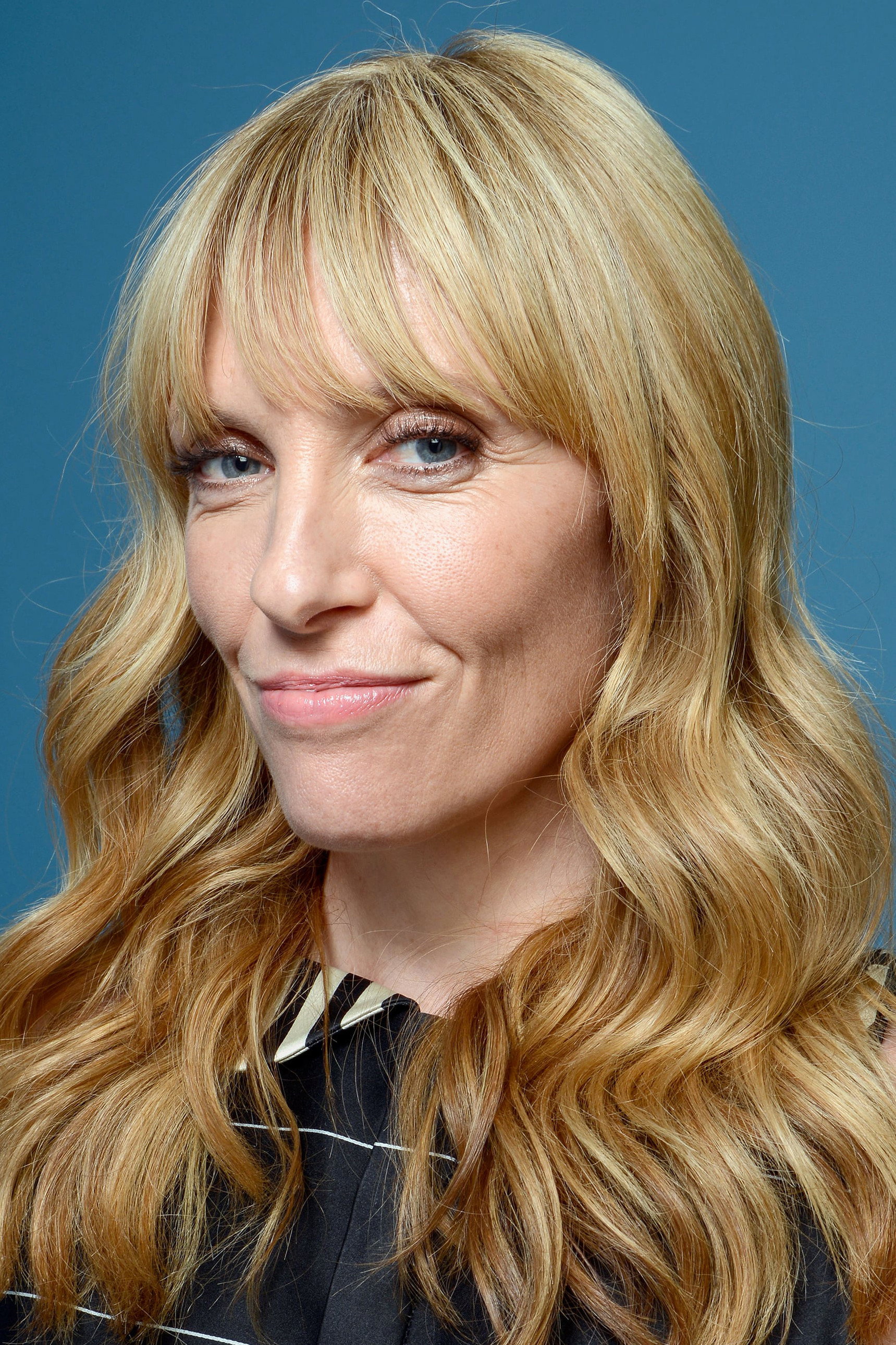
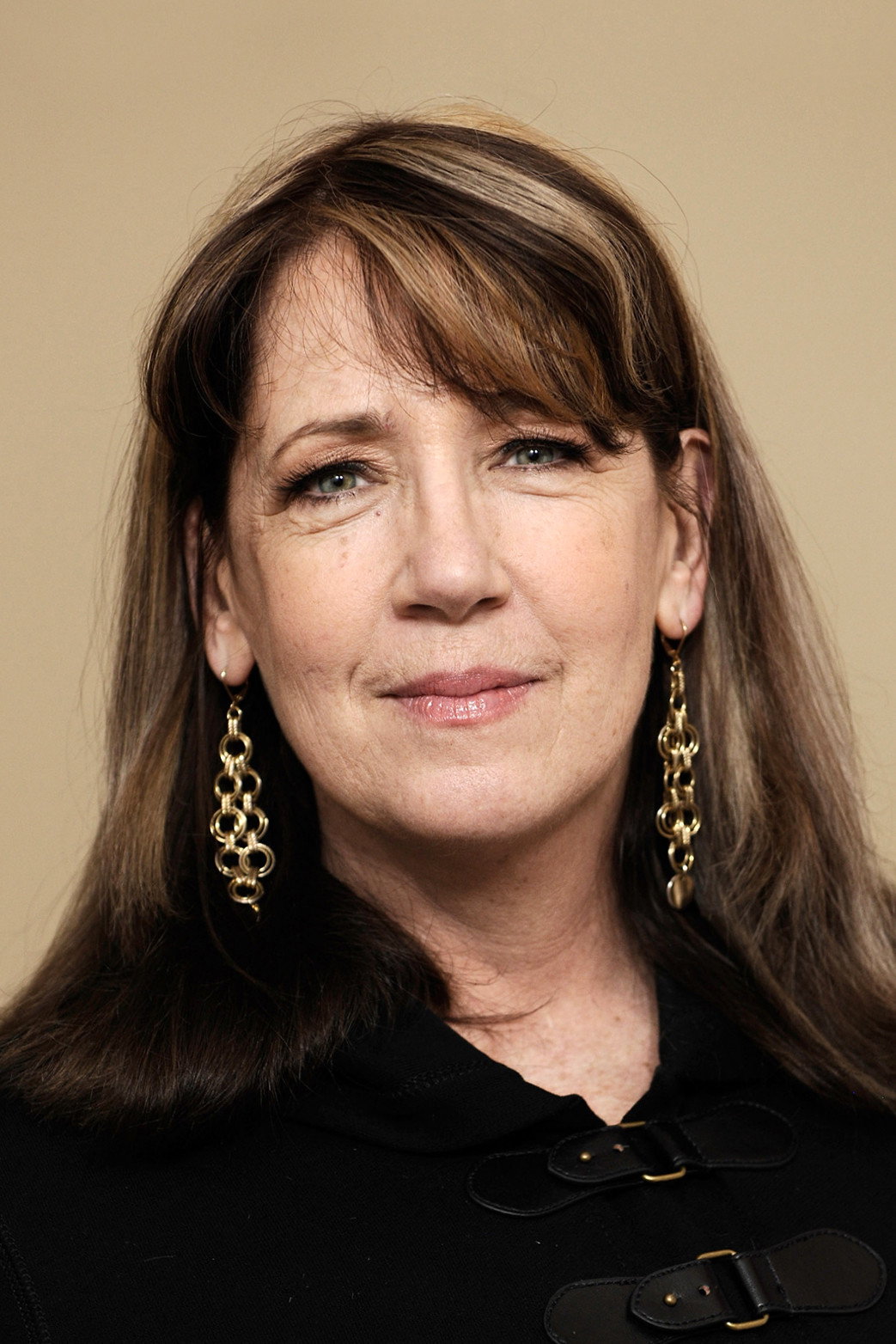
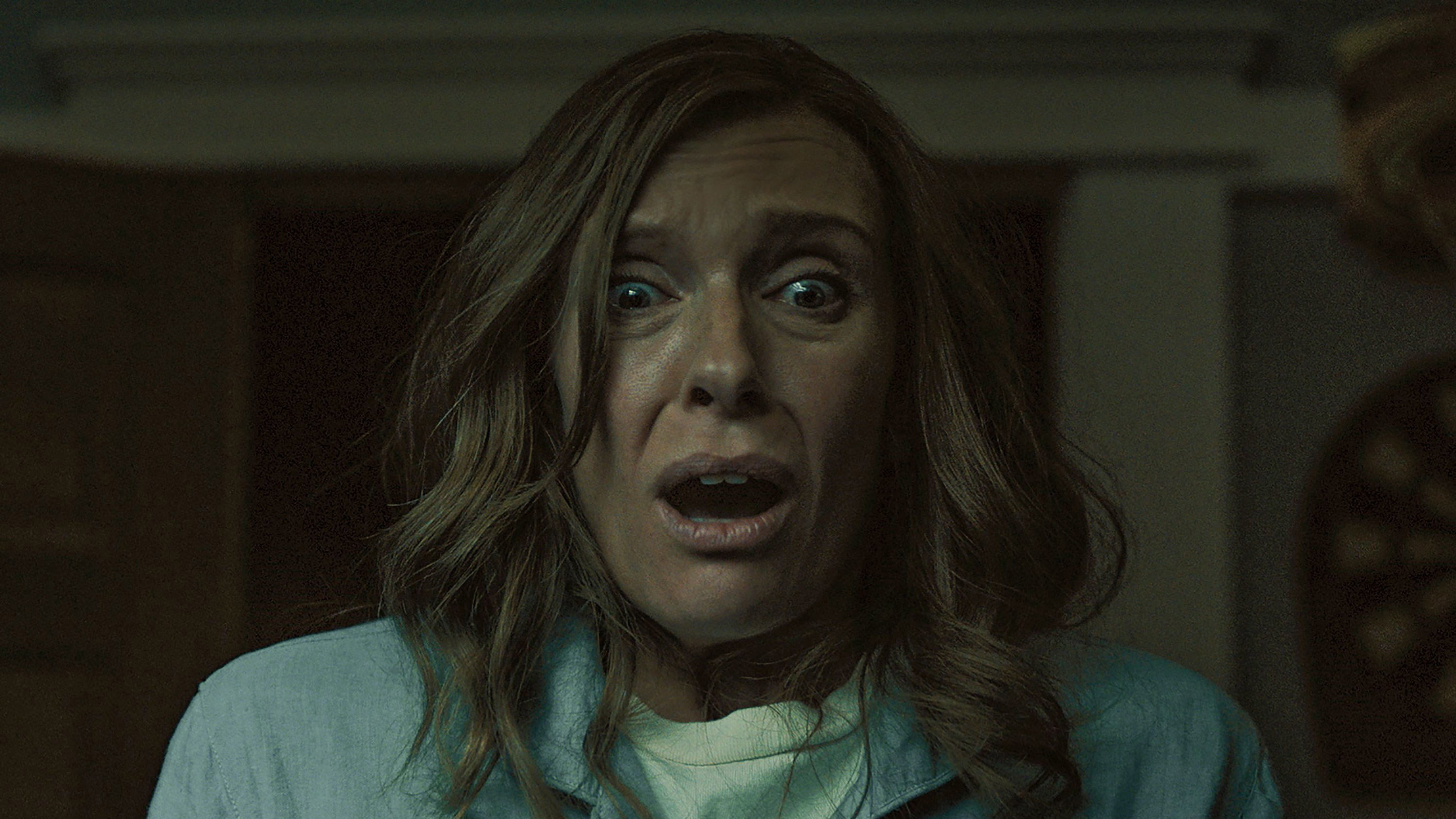
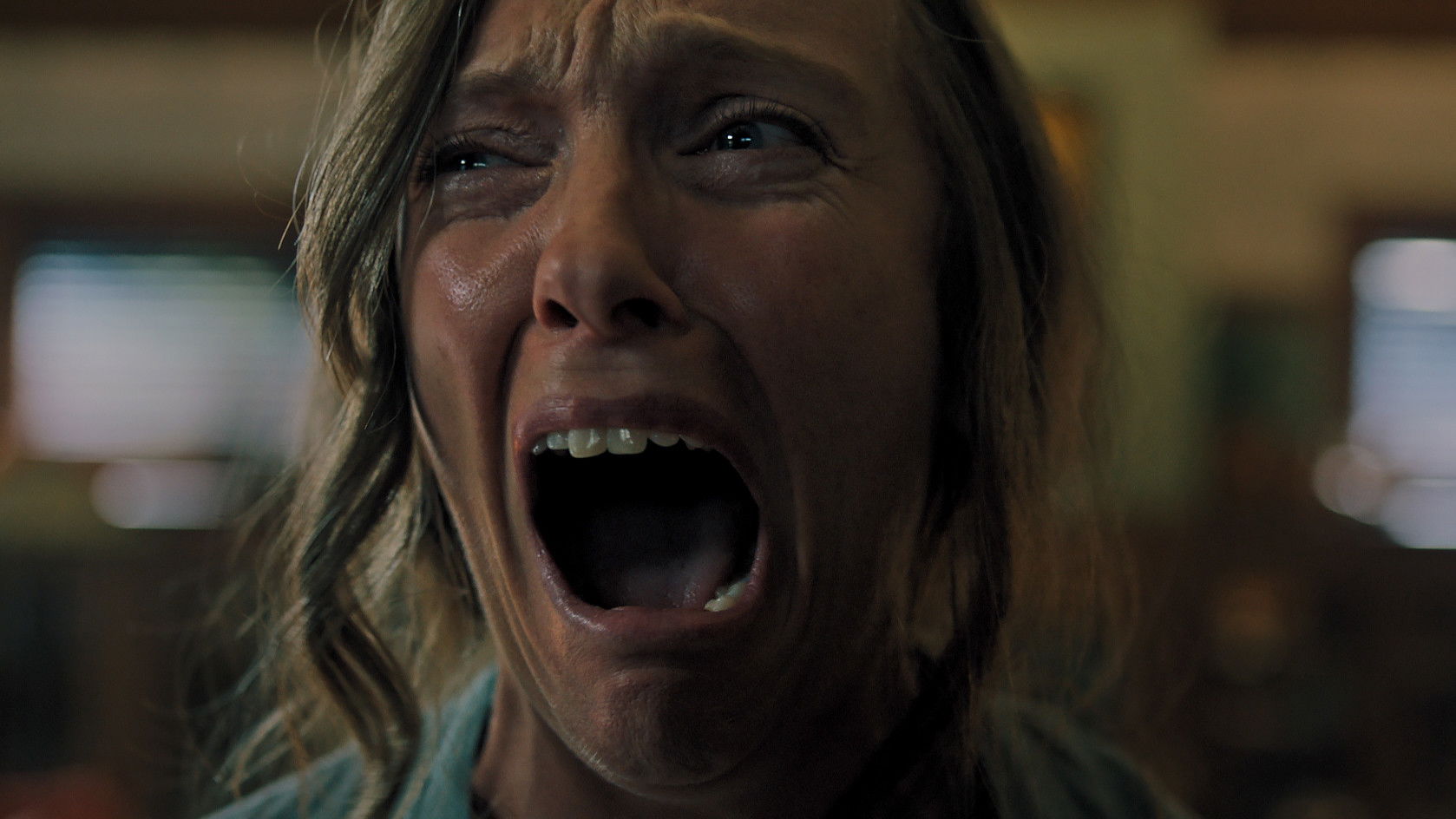
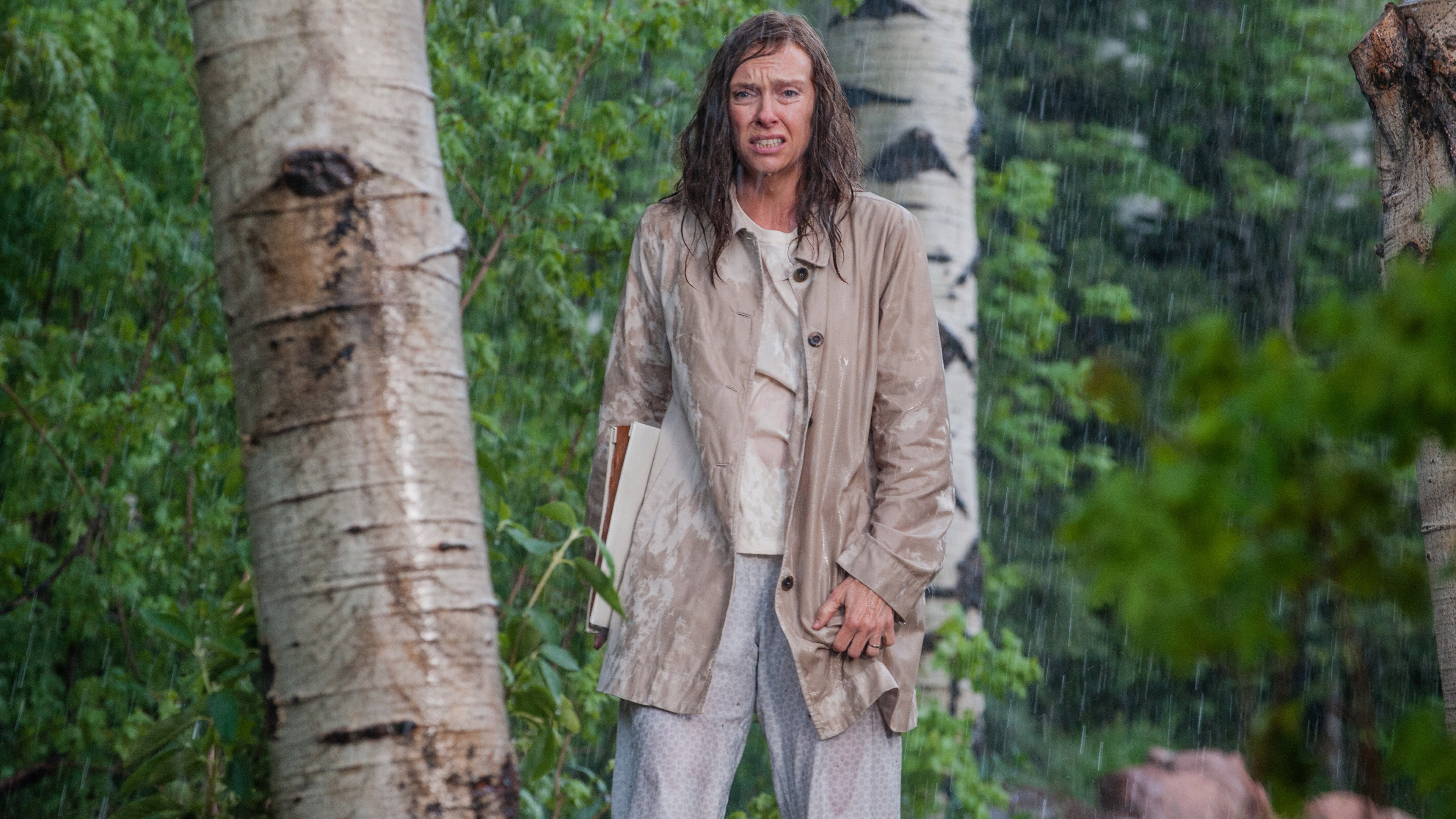
Toni Collette, as Annie Graham, is the main reason it works. Her performance makes grief untidy and exhausting, without asking us to approve of everything her character does. We found her distress upsetting, particularly the anger that keeps breaking through it. There is no reassuring suggestion that pain has made this woman wiser or easier to live with. She gives the anguish enough force that we worry about her even before we start worrying about what might happen next.
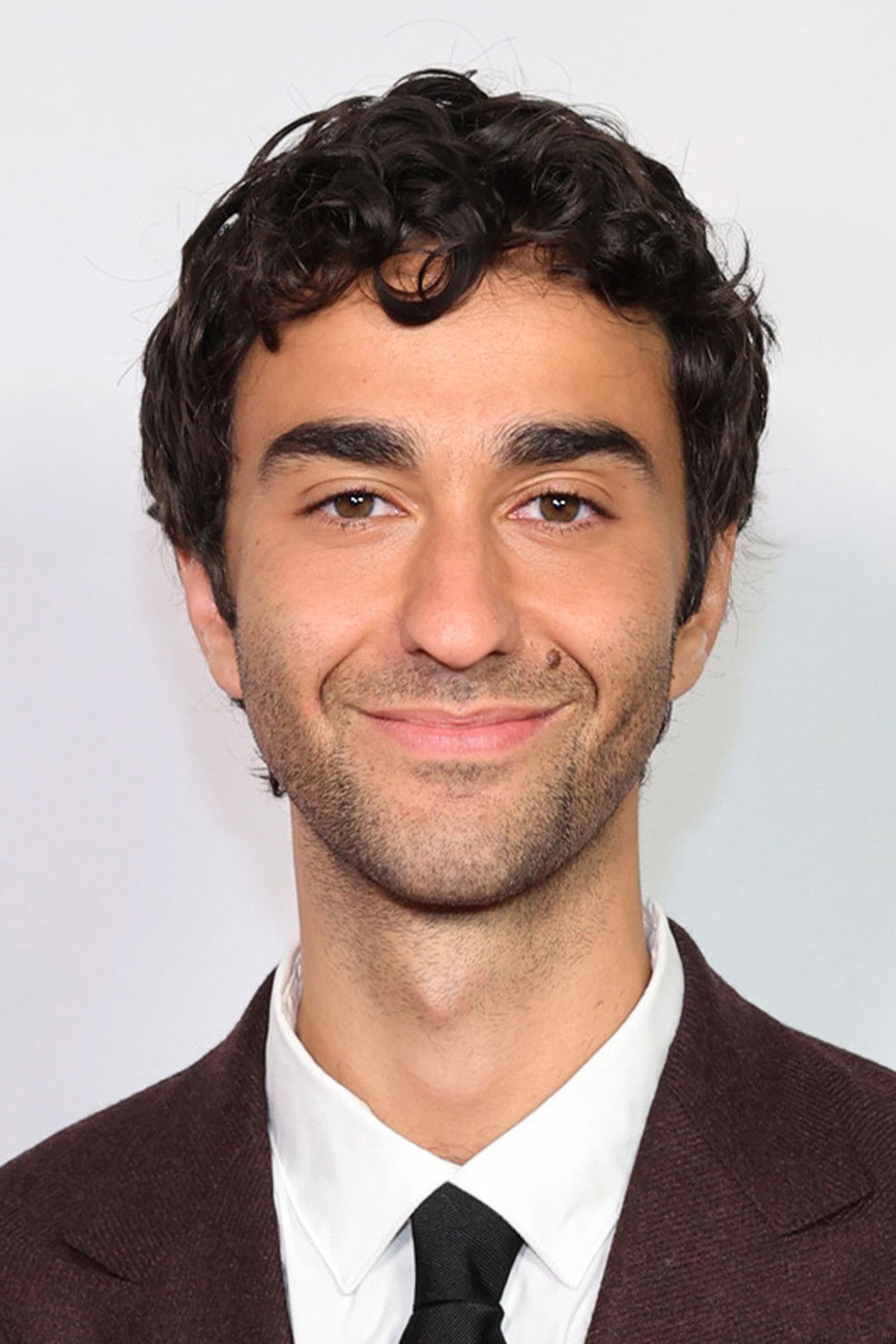
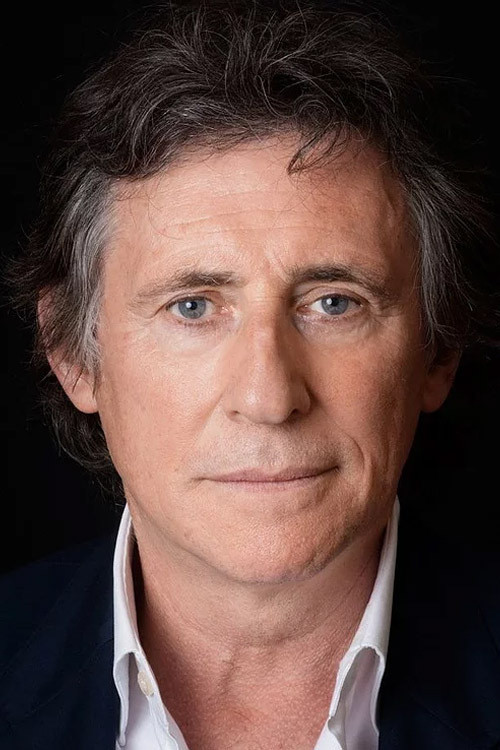
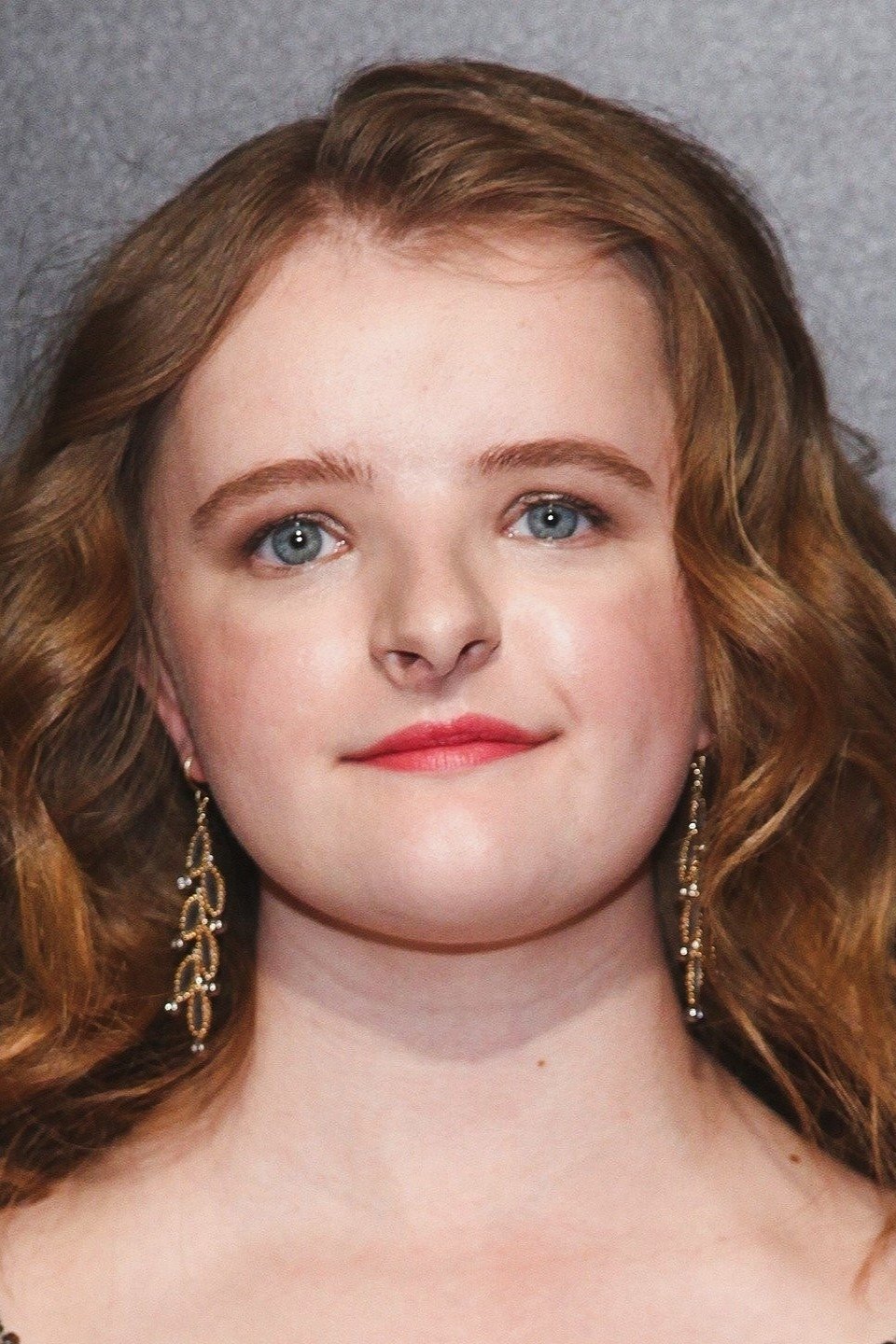
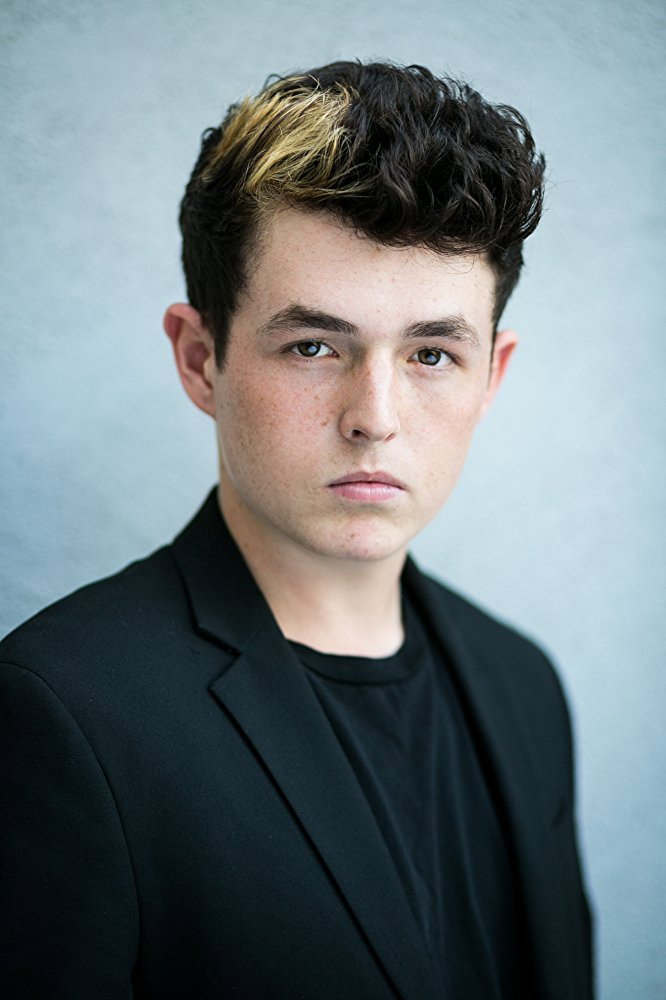
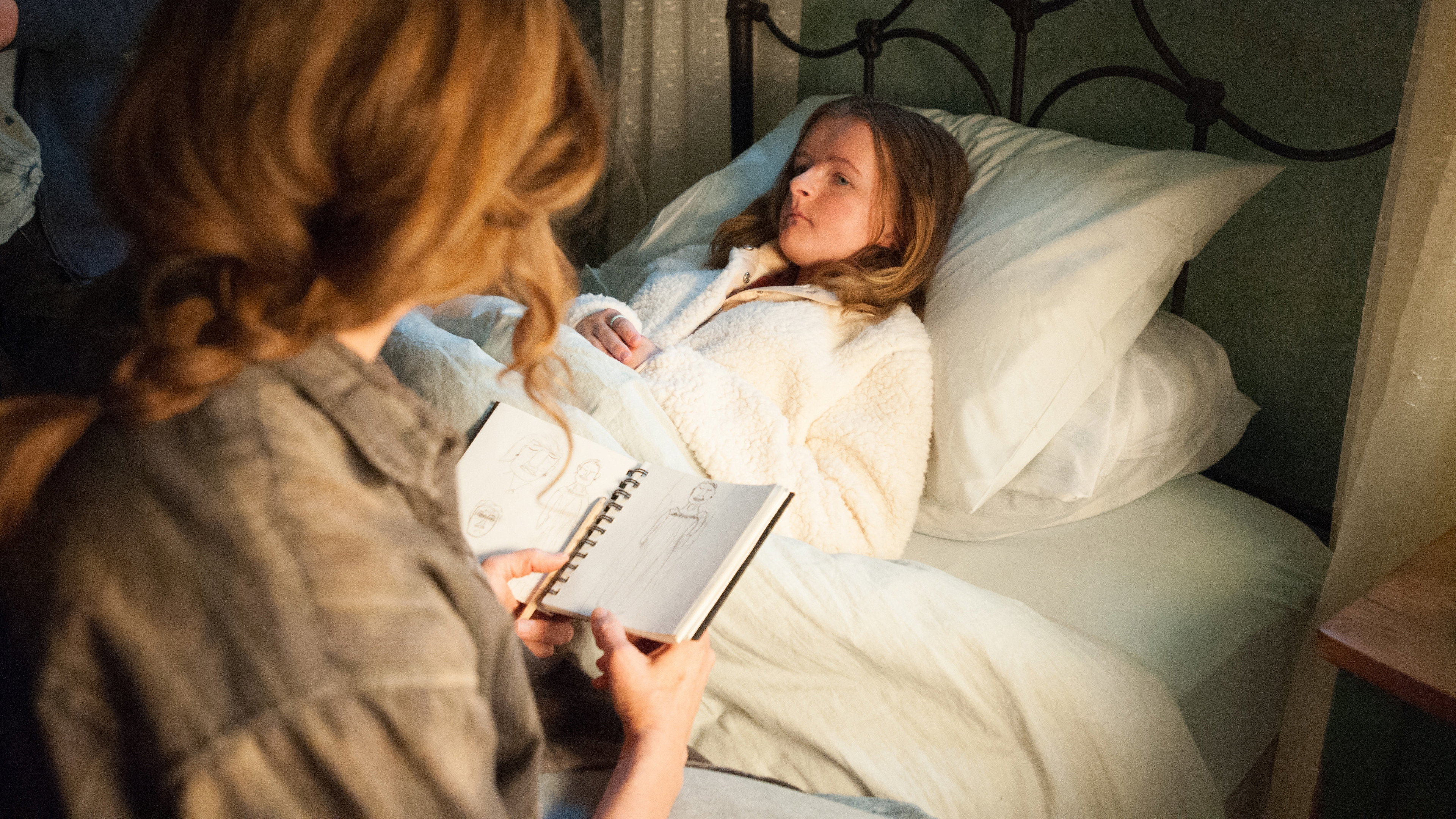
Alex Wolff makes Peter Graham’s vulnerability count without competing with that performance for sheer volume. Gabriel Byrne, playing Steve Graham, offers a quieter presence, which is needed when Toni Collette pushes so far into visible distress. Milly Shapiro’s Charlie Graham holds our attention even when her behaviour is hardest to read. The differences between them help a film which can otherwise seem determined to keep every nerve under pressure.
Pawel Pogorzelski’s cinematography is patient enough to make us examine the images for something wrong. We become suspicious simply because the film gives us so much time to look. Grace Yun’s production design supports that scrutiny, making the family’s surroundings feel convincing enough for the threat to be unwelcome. Both contributions work because they keep our attention on what is in front of us, even when we are tempted to anticipate the next scare.
Editors Jennifer Lame and Lucian Johnston give the anxiety time to settle, rather than hurrying towards the next shock. Much of the tension comes from being made to wait, although at 128 minutes the film occasionally lets waiting become a job. Colin Stetson’s score helps sustain the pressure, keeping the quieter passages from feeling like permission to relax. We could have used a little more variation in pace; when everything feels threatening, some of the threats begin to seem alike.
Ari Aster’s writing is less persuasive when it becomes more explicit about what has been happening. The explanation takes up attention that the performances have already put to better use, and certainty reduces some of the fear. We would have preferred the script to trust the unease it has created, because the family distress remains convincing without so much clarification. The qualification is worth making because much of the film has been so good at letting us feel bewildered alongside its characters.
Within supernatural horror, what distinguishes this is the seriousness given to emotional damage. The director does not treat it as a brief introduction to the business of frightening us; he lets the family’s suffering remain difficult to watch throughout. Viewers hoping for cleanly separated scares and recovery periods should take that into account. Give it your attention, and leave yourself time for something gentler afterwards.