Peter O’Toole and an elaborate ghostly setting provide some pleasure, but Neil Jordan’s comedy cannot keep its scattered stories in order. The romance has warmth; the film keeps finding reasons to leave it alone.
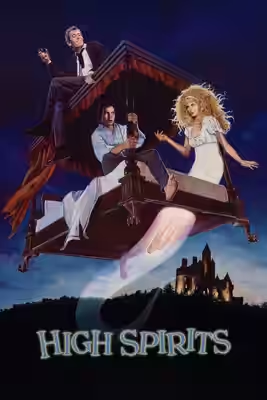
Neil Jordan’s High Spirits has enough warmth and visual imagination to make its muddle frustrating, but not enough good comedy to recommend it. Neil Jordan writes and directs a supernatural farce built around the complications of an American’s romance with a ghost. There is room in that idea for both silliness and sadness, and the film occasionally finds both. Too often, though, it wanders away from the people who might make either feeling matter.
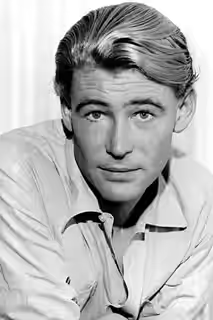
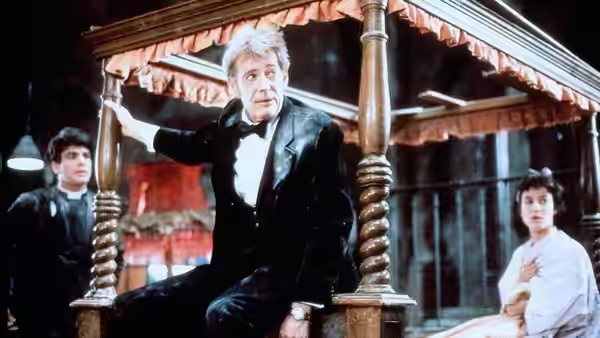
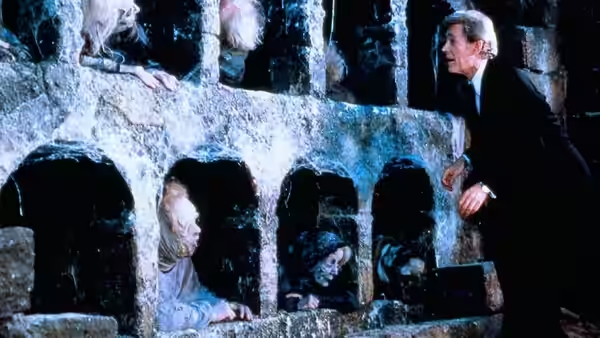
Peter O’Toole is the chief reason to persevere. As Peter Plunkett, he supplies comic conviction that the surrounding story often lacks, making its whimsy seem worth indulging for a little longer. We do not need every joke to be clever when a performer can give the foolishness this much purpose. The trouble is how readily the film leaves him for another subplot, as though the cast list were a rota.
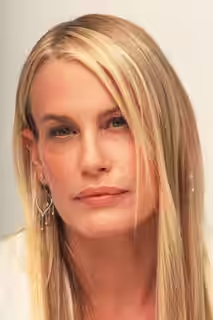
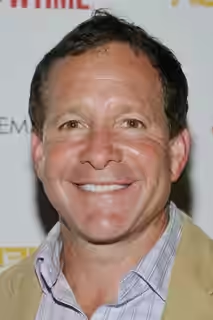
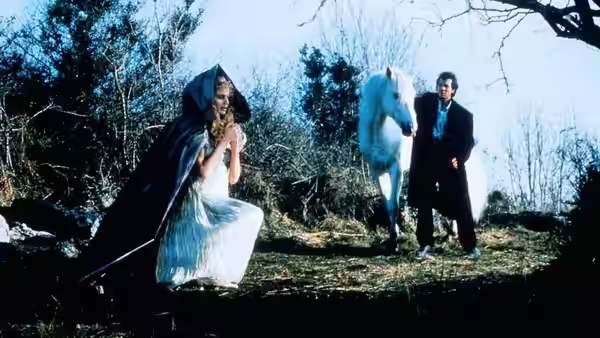
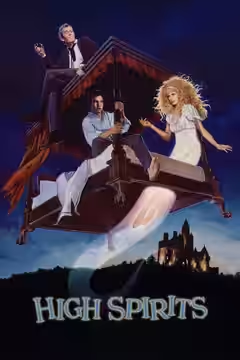
Steve Guttenberg and Daryl Hannah also give it something worth keeping. As Jack Crawford and Mary Plunkett, they have enough rapport to make the supernatural romance more than a complication to be explained. Their attraction is the part we want the film to stay with, because it gives us a reason to care what happens beyond the next joke. The romance remains thinly written, however, and their chemistry cannot supply all the development the script leaves out.
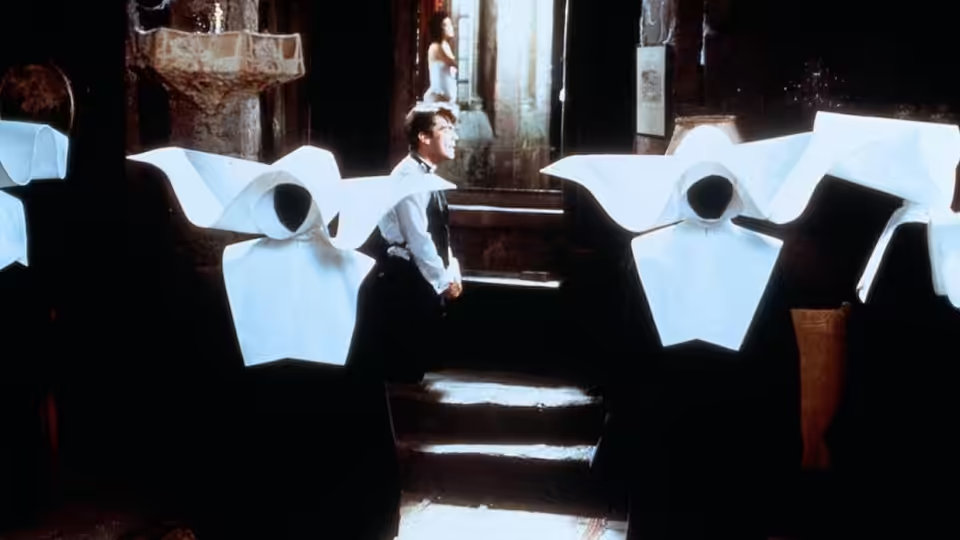
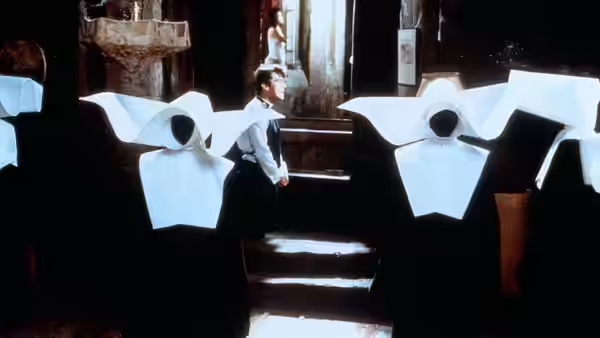
Alex Thomson’s cinematography and Anton Furst’s production design offer a persuasive reason to keep looking even when the jokes are struggling. The elaborate physical surroundings give the ghost story substance, and its darker passages suggest a sadder film than the broad comedy generally allows. We were briefly moved by the ghostly couple’s dancing. The tenderness there works because the film stops treating the lovers chiefly as a source of comic complications and gives their unhappiness some room.
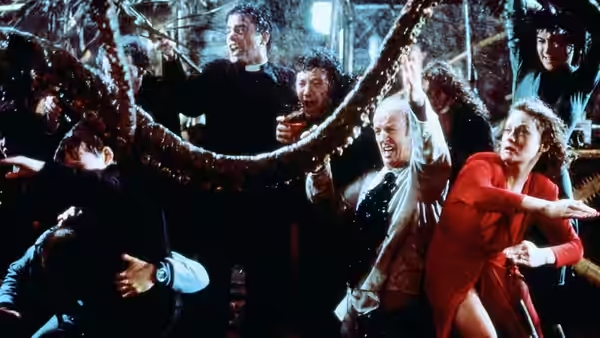
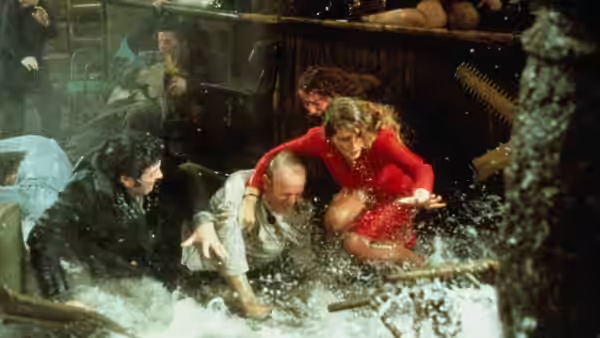
Michael Bradsell’s editing has to contend with a script that keeps adding distractions to an already slight central story. Individual scenes can be agreeable, but their accumulation does not produce much comic momentum. George Fenton’s music does not settle the competing demands of romance and farce, though that is asking a score to solve a writing problem. At 99 minutes, the film still finds time for diversions that interrupt its better scenes, with each change of emphasis asking us to begin caring again.
Supernatural comedy can accommodate a surprising amount of sadness, provided the living and the dead have clear reasons for bothering each other. Here the romantic possibilities are more convincing than the comic plotting built around them. Neil Jordan seems interested in the hurt beneath the fantasy, yet too much of the film is spent attending to comic business that does not deepen it. Admirers of Peter O’Toole may find enough pleasure to forgive the diversions. Anyone coming chiefly for a ghostly romance should expect frequent interruptions.