Damian McCarthy’s third film puts Adam Scott in a rural Irish hotel with a witch upstairs and frightens us properly for an hour. Then it piles on more plot than it can carry. Good, jumpy and a little untidy; worth your evening if horror is yours.
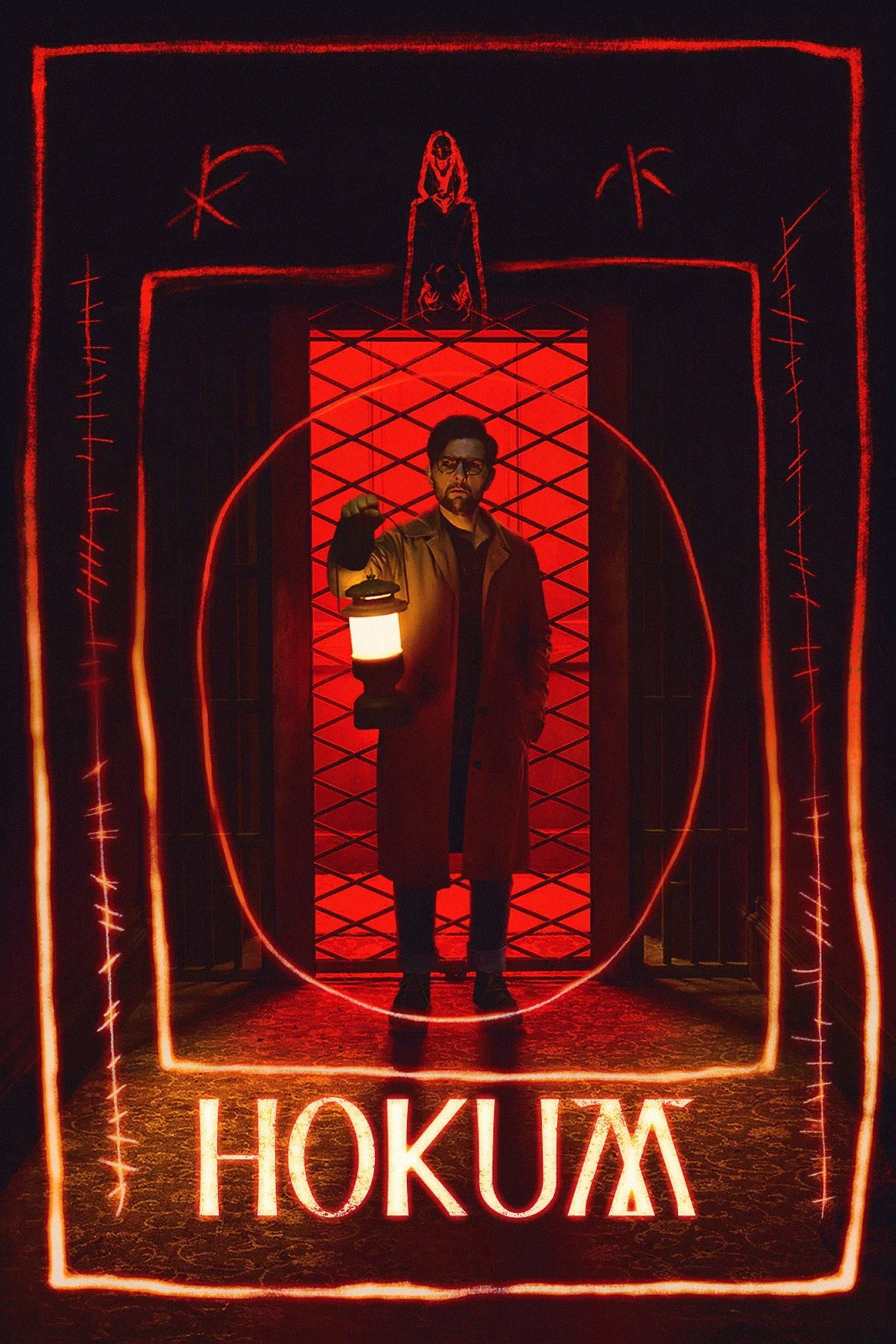
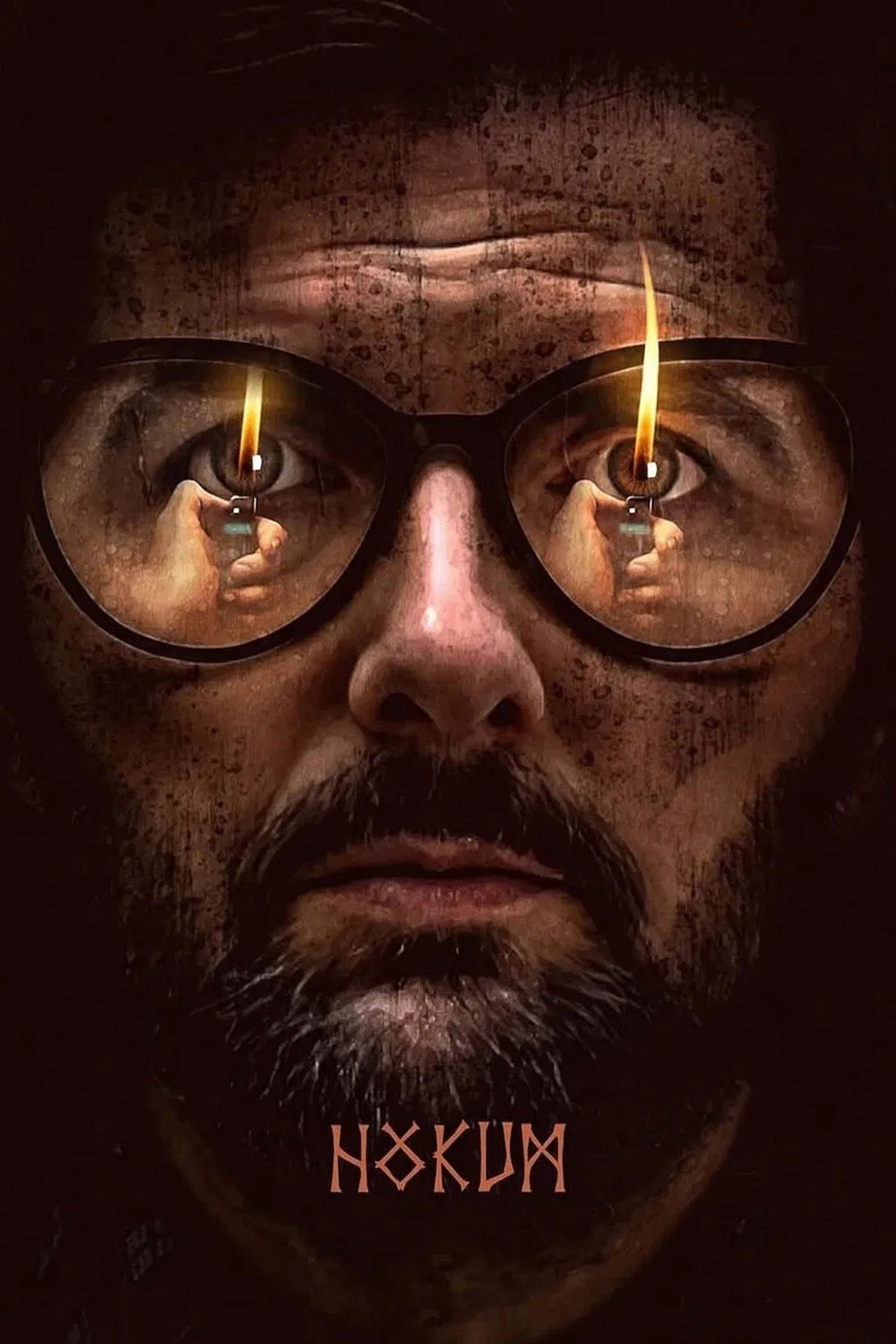
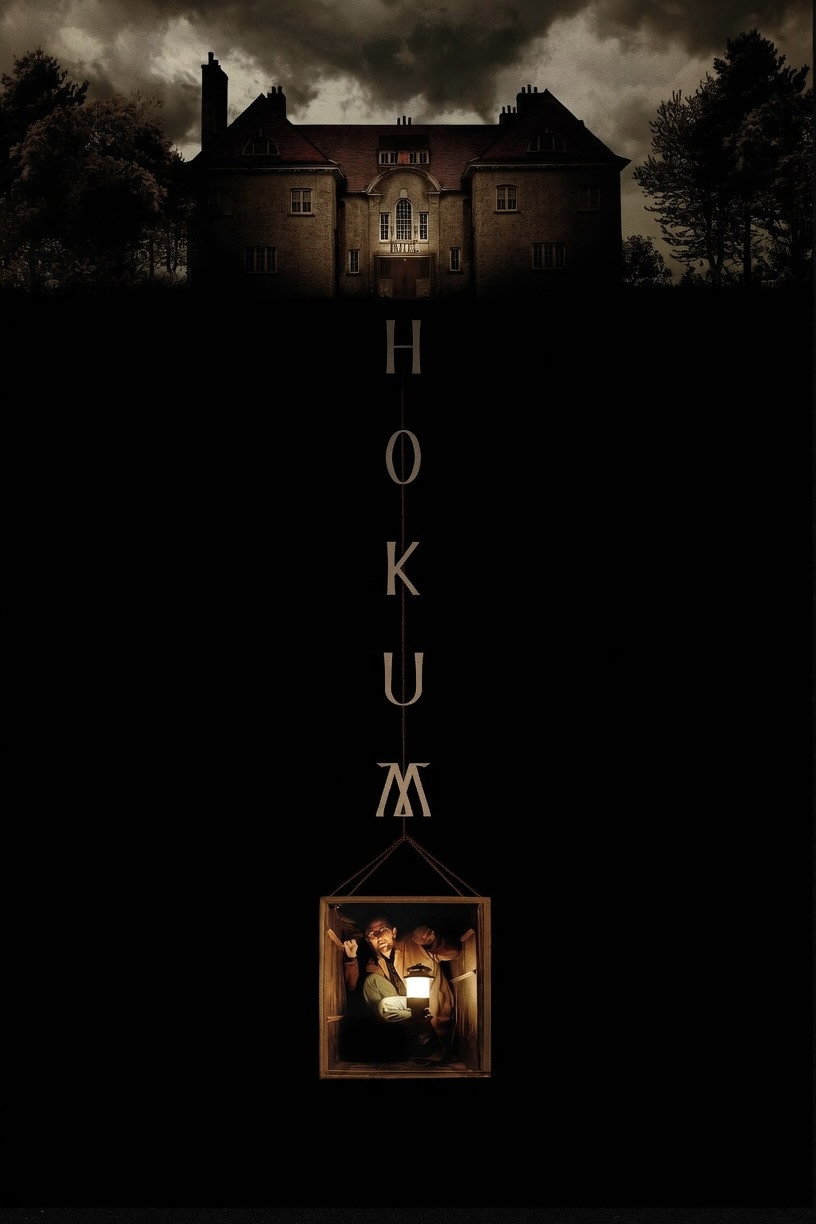
Ohm Bauman (Adam Scott) is a novelist, and a sour one, who drives out to a hotel in rural Ireland where the honeymoon suite is said to contain a witch. That is the premise of Hokum, and Damian McCarthy, who wrote and directed it, treats it with a perfectly straight face. The people in the hotel do not argue about whether the witch is real. They argue about who has to go up there. The film is good, it is frightening for most of its first hour, and in its second it keeps adding rooms to a house that was already full. At 108 minutes it is not long; it just has too many keys on the ring.
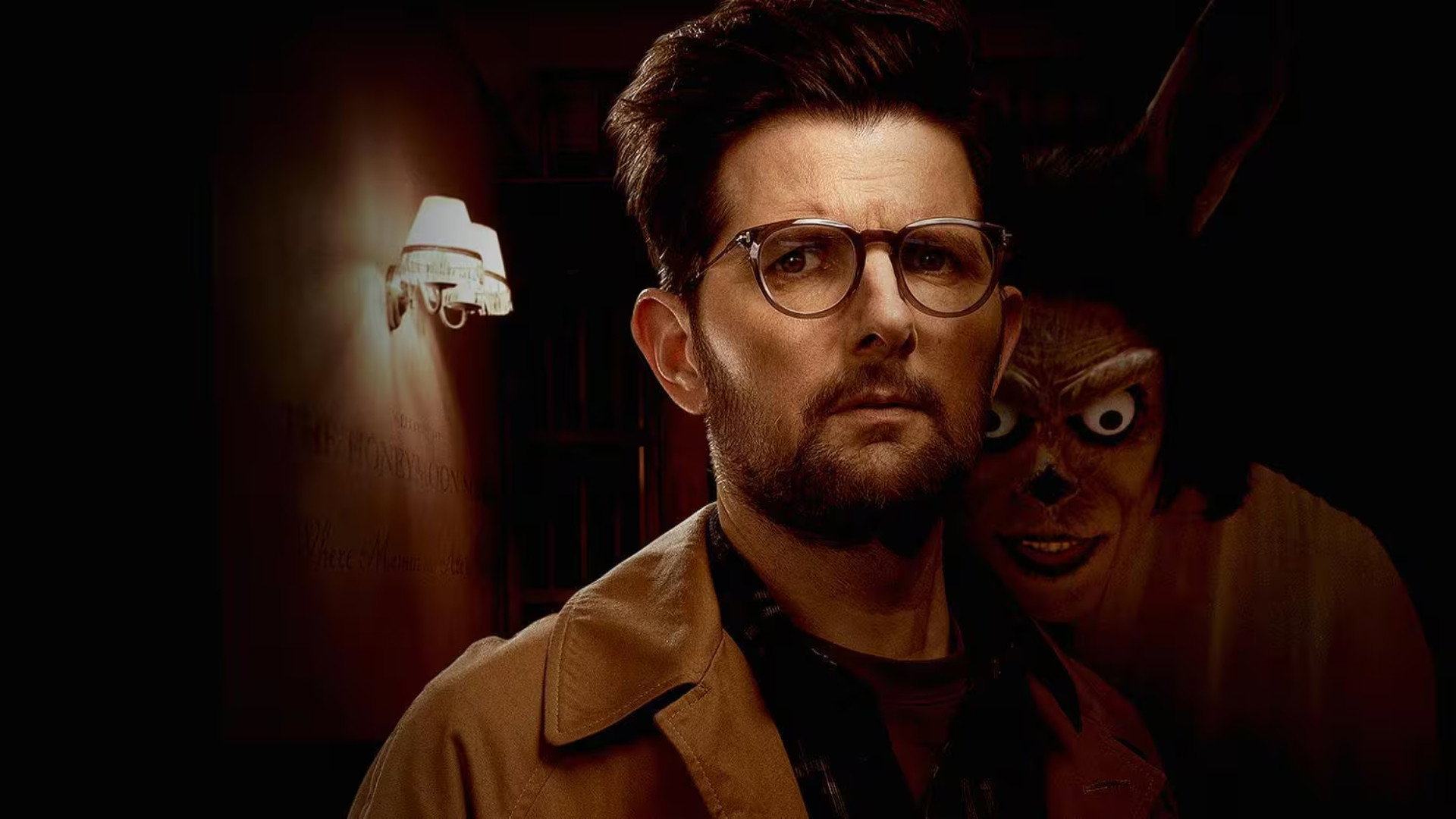
Scott is the right man for it. He plays Ohm as cold rather than rattled, a man who has decided the world is stupid and is irritated to find it is also dangerous. He carries a dictaphone and talks into it in a flat voice while things go wrong around him, and the joke, which McCarthy never underlines, is that a horror novelist is the one person in the building who ought to know better. When the coldness finally cracks, Scott lets it happen slowly and without fuss. It is the best thing in the film.
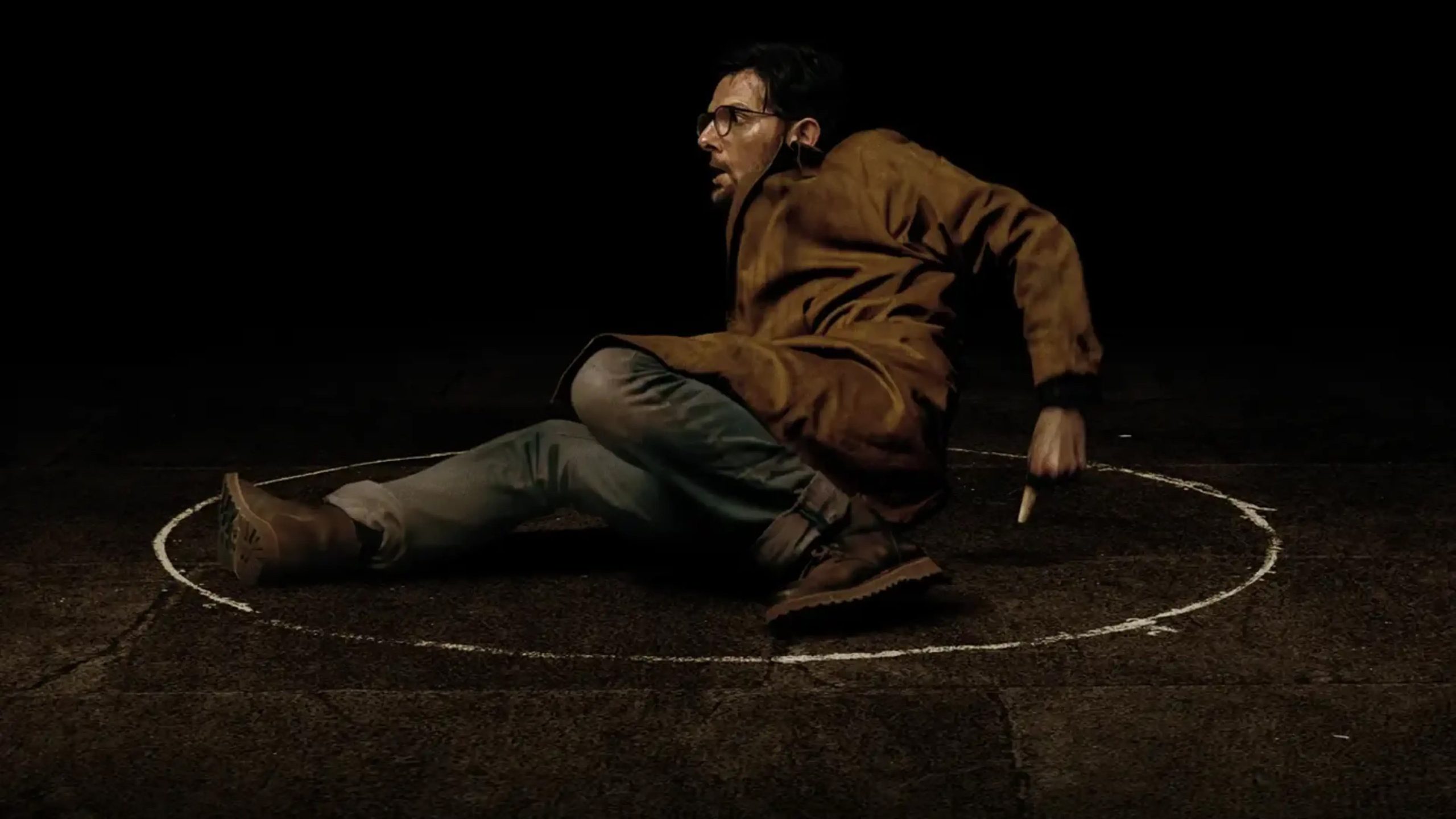
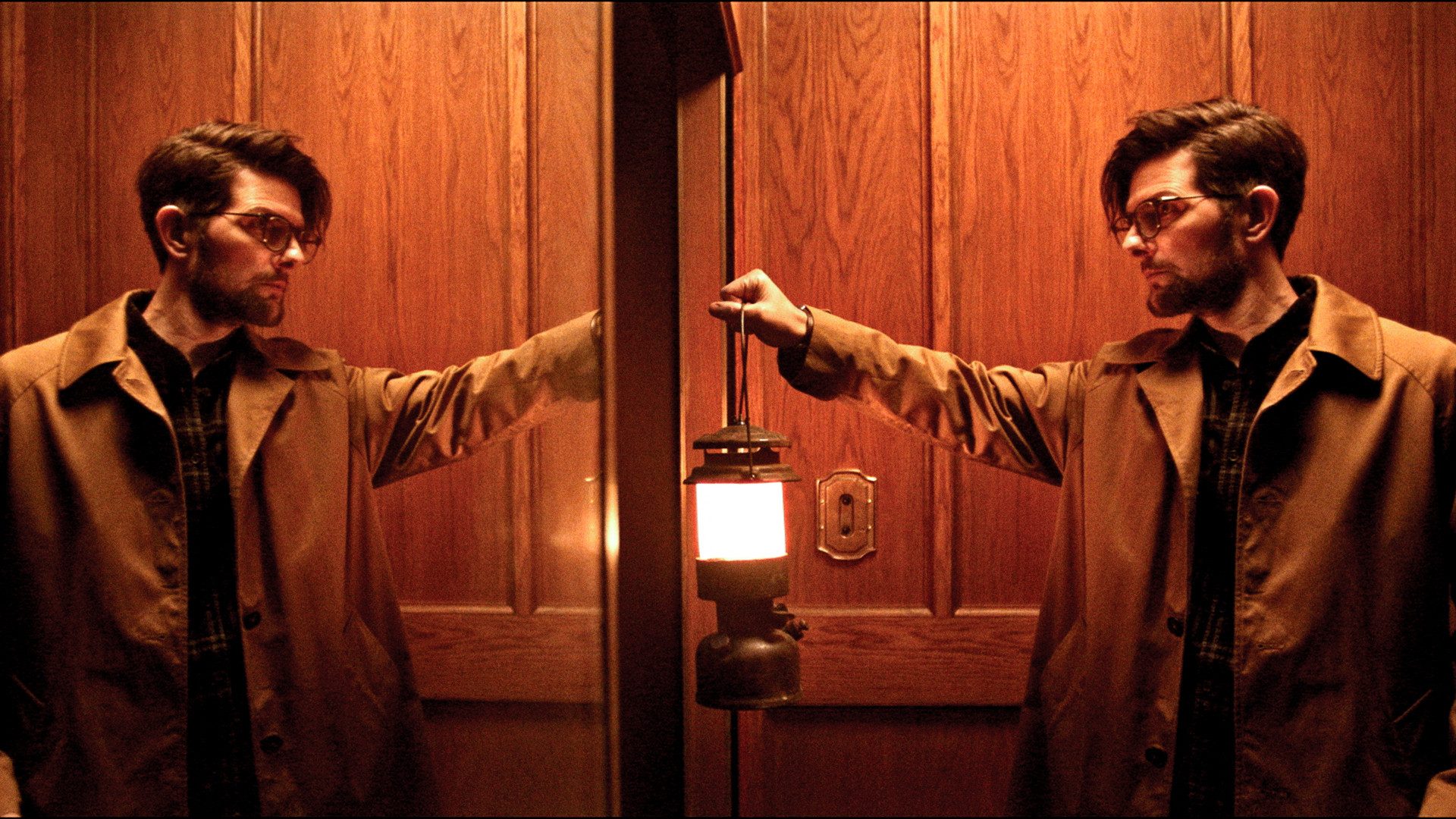
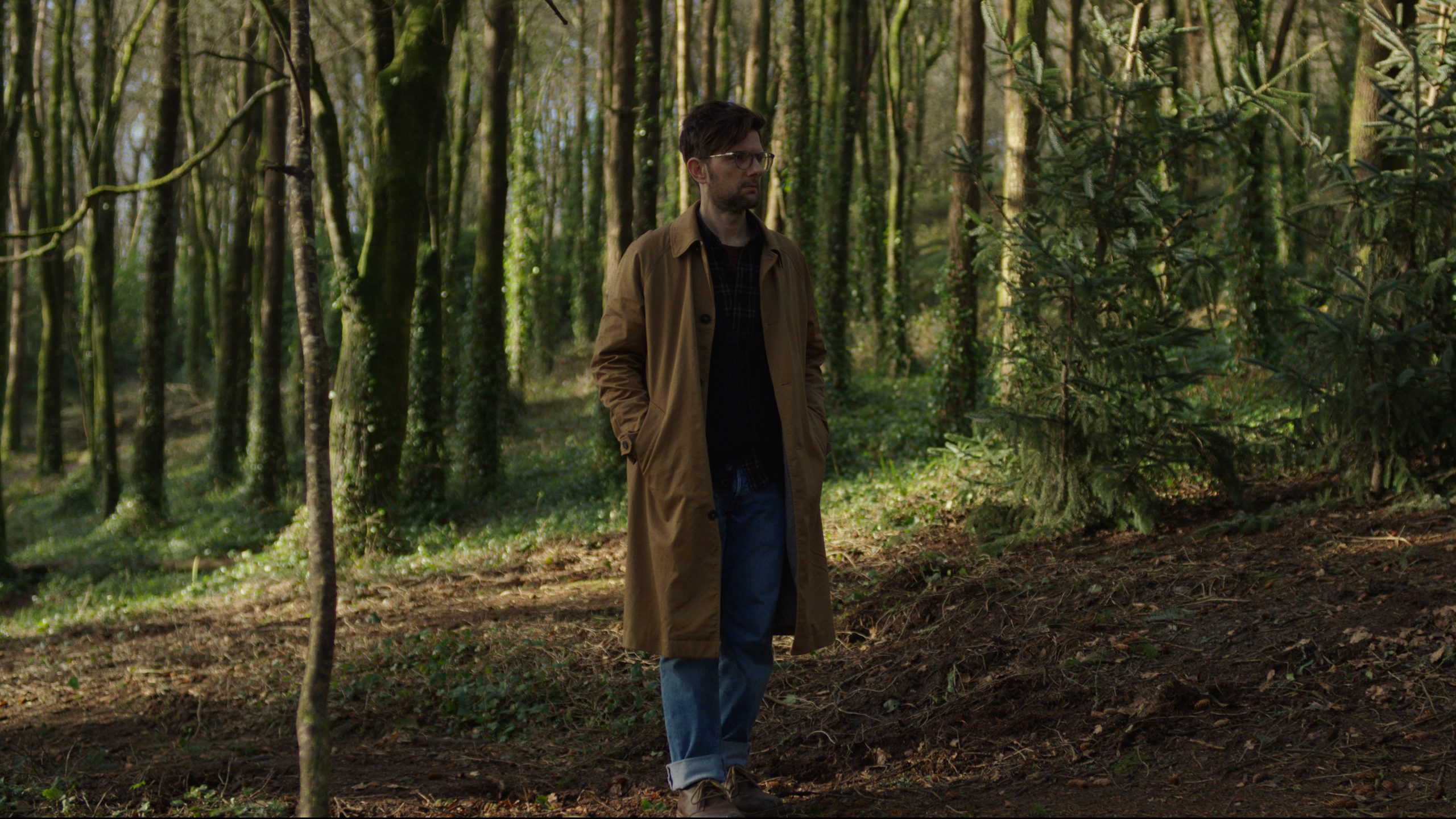
The hotel is the second best thing. Til Frohlich’s production design gives it low ceilings, long corridors and the kind of furniture that was expensive once, and the honeymoon suite itself is dressed with a care that makes you want to leave before anything happens in it. Colm Hogan shoots wide and keeps the edges of the frame dim, so that for most of the film you are checking the corners rather than watching the actor in the middle. Lara Campbell puts Ohm in a dark coat he never seems to take off, which tells you how he feels about the place without a word.
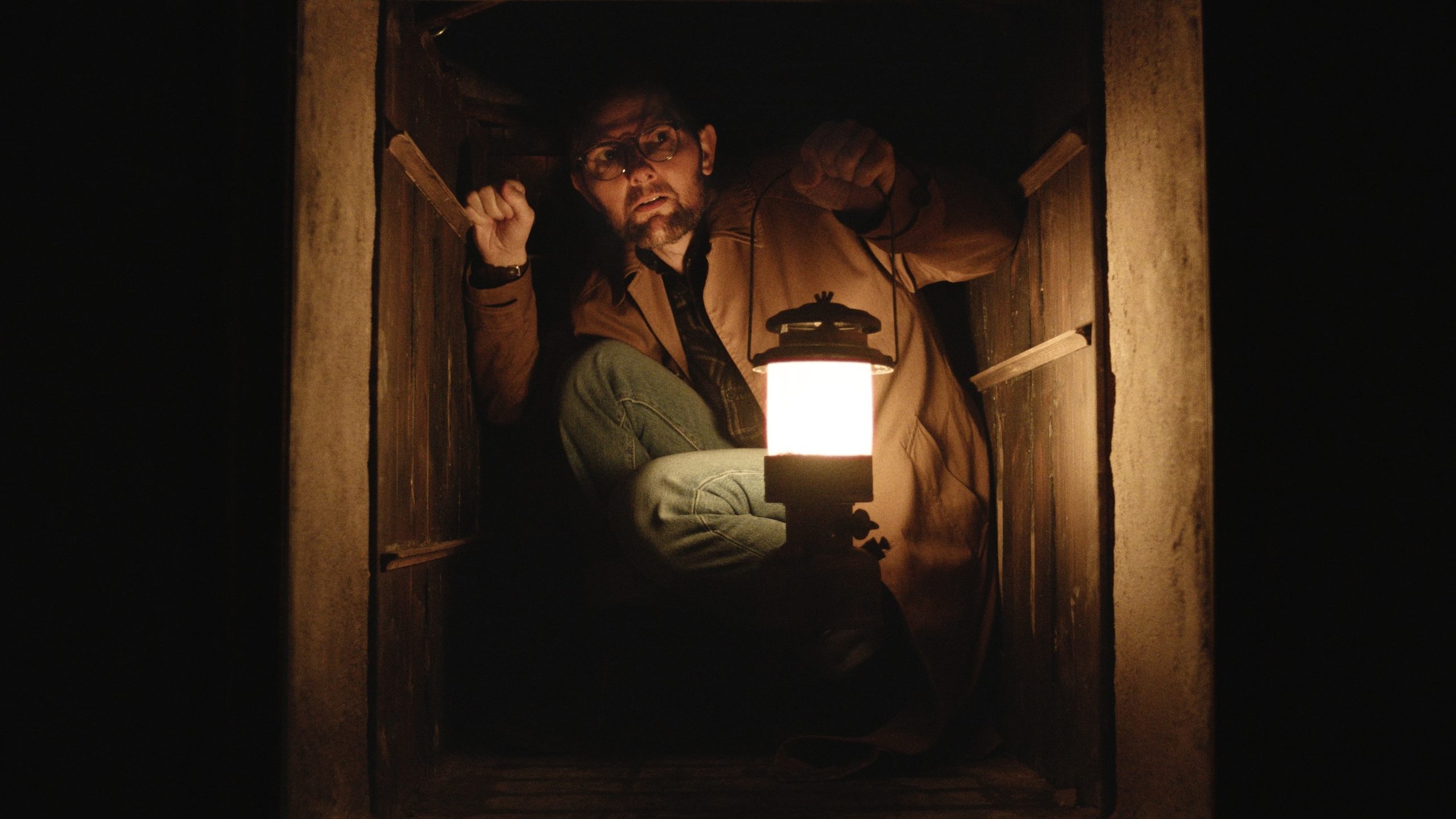
The scares are built, not sprung. Brian Philip Davis cuts them with patience: a long hold on a door, a cut away, a return that is a fraction later than you expected. Joseph Bishara’s score mostly stays out of the way and lets the building do the work, and the sound of the place, floorboards and pipes and something upstairs that might be a footstep, does more than any violin could. We jumped, properly, twice in the first hour, and were slightly cross with ourselves both times, because on reflection we could see exactly how each one had been set up. That is craft, and it is rarer in this genre than it should be. Not every scare lands; a couple in the second half announce themselves from a room away.
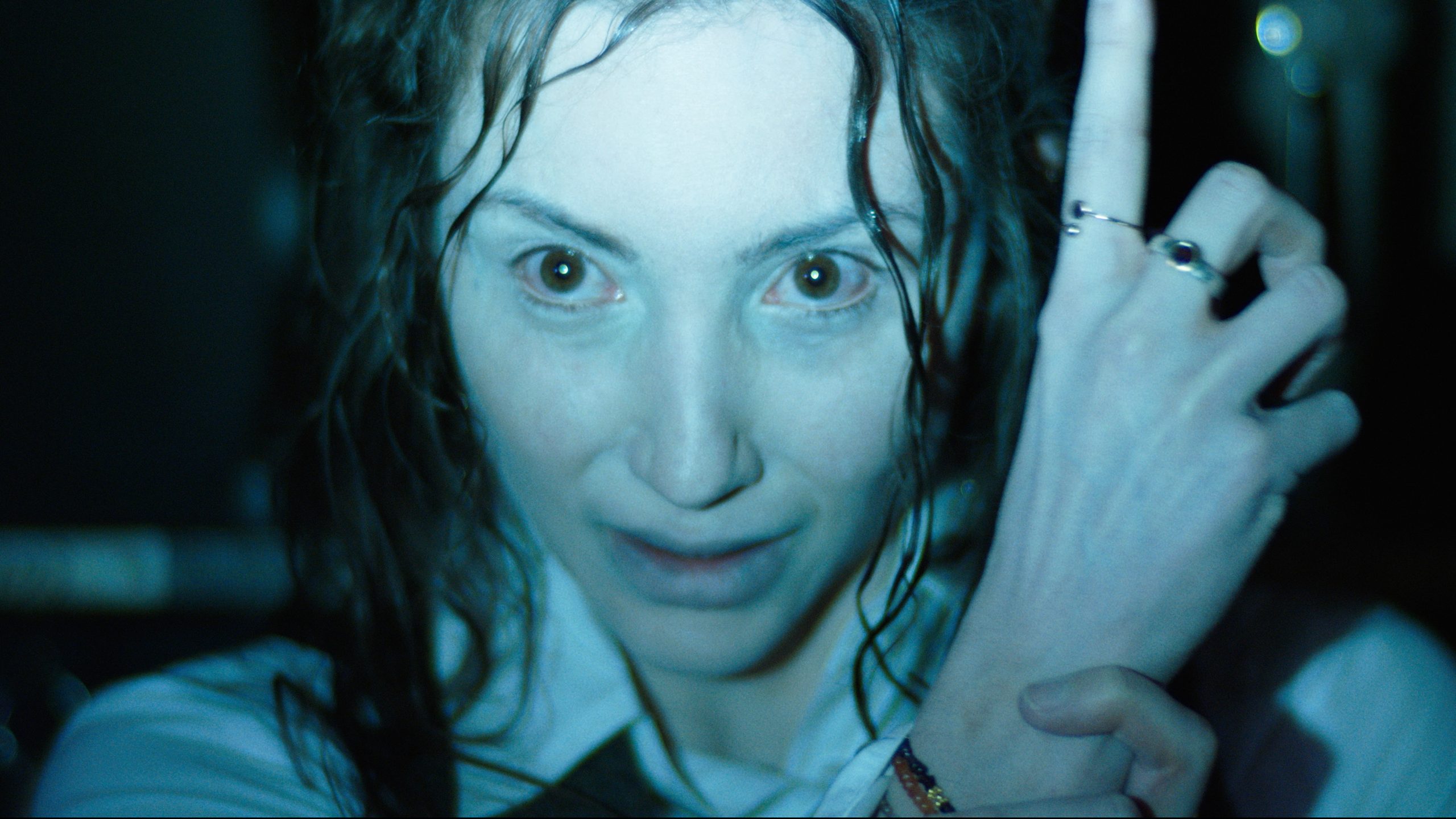
Around Scott, the cast plays the strangeness as ordinary. Peter Coonan’s Mal and David Wilmot’s Jerry treat the witch the way you might treat a boiler that needs looking at, and Brendan Conroy’s Cob is odder still, in a way we will leave you to discover. Most of the film’s laughs come from this, from nobody being nearly as alarmed as Ohm is, and the laughs are real. Sioux Carroll, as the witch, is used sparingly, which is the correct decision.
The trouble starts around the hour mark. There is a story about Ohm’s mother (Mallory Adams) underneath the hotel business, and as the film goes on it cares more about that story and less about the building. Fair enough; horror is allowed to be about grief. But McCarthy keeps the witch, the locals and several other threads running at the same time, and by the last twenty minutes we were confused rather than frightened, which is not the same thing. The ending, which we will not describe, is warmer than the film before it has earned. Some critics have found that grace; we found it a little soft.
McCarthy’s two earlier films were smaller and tighter than this, and their limits were part of their strength. Hokum is his most ambitious film and his least disciplined. We would rather he had over-reached than repeated himself, and he has, but the film that lives inside this one, a man and a room and something upstairs, is better than the one that surrounds it.
See it in a cinema if you can, where the sound has space to get behind you. At home you will be tempted to look at your phone during the last twenty minutes, and the film would not entirely blame you.