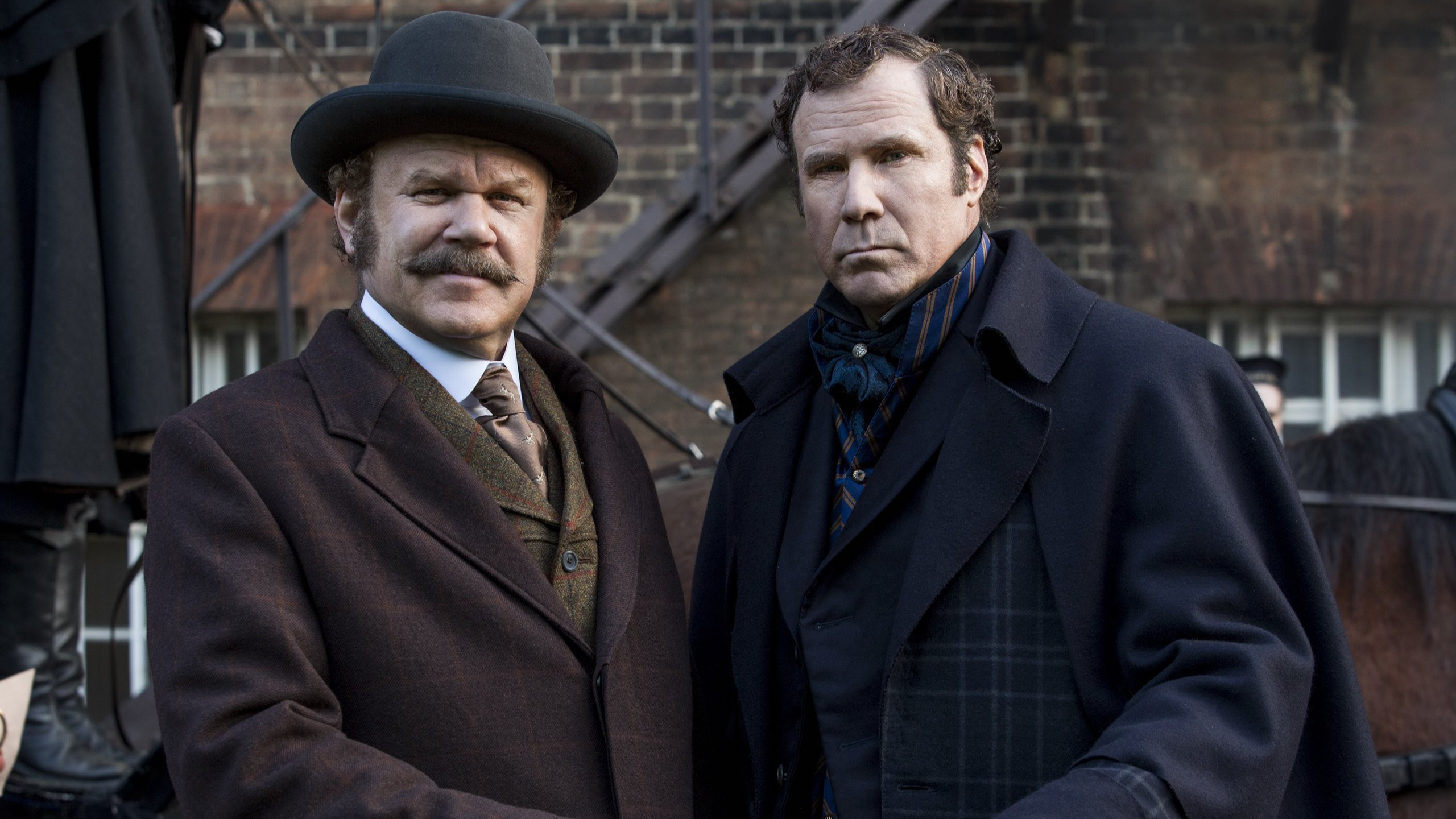
Will Ferrell and John C. Reilly bring little warmth to a Sherlock Holmes spoof that mistakes strained accents and anachronisms for jokes. A few supporting performances offer relief, but this is a wearying use of 90 minutes.
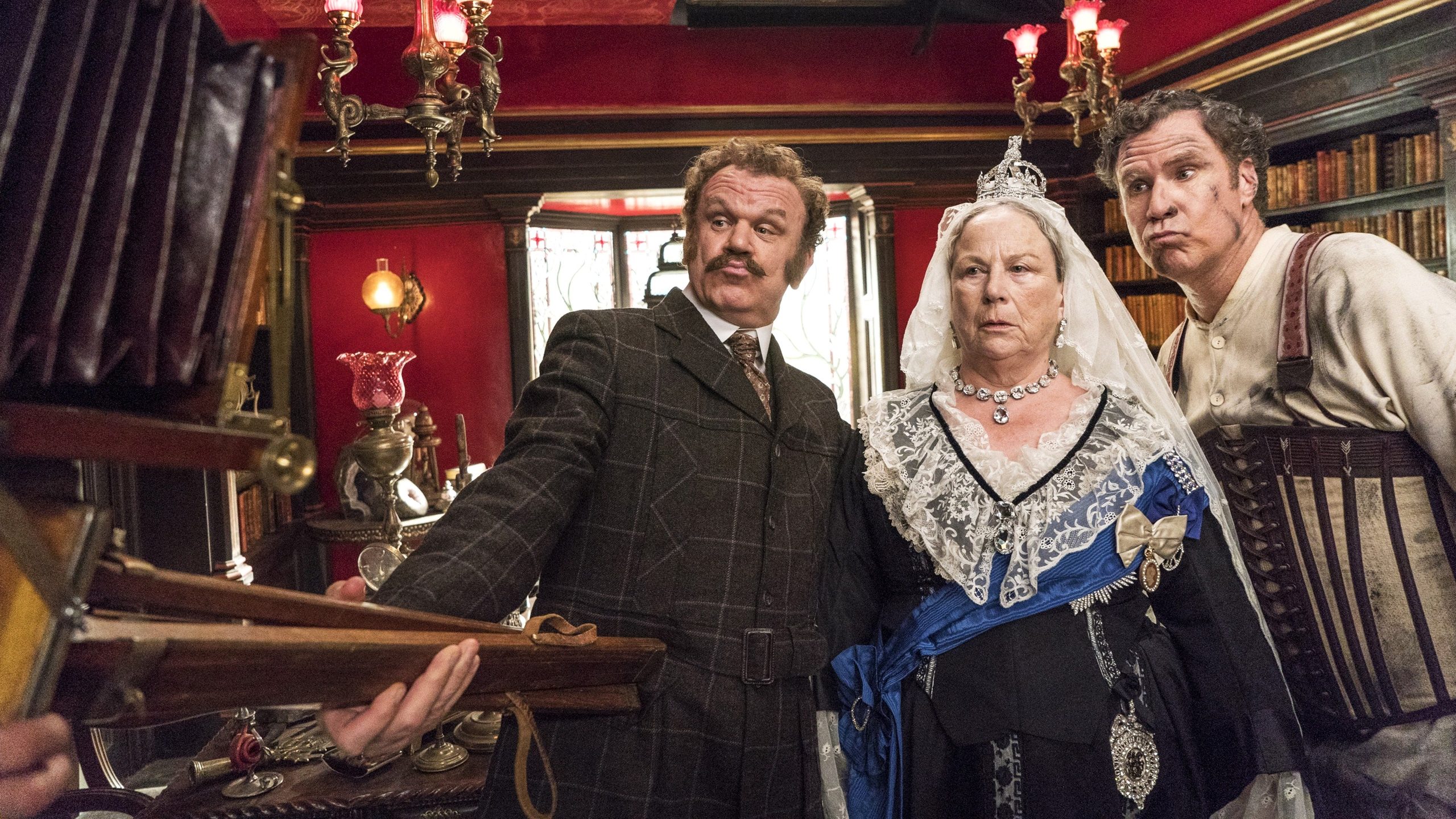
Holmes & Watson gives Will Ferrell and John C. Reilly a workable comic assignment: make Sherlock Holmes and Dr. Watson ridiculous while keeping their friendship worth watching. Etan Cohen, who writes and directs, gets the ridiculous part done early. This is a poor comedy, short of laughs and slow to move past the ones that fail. At 90 minutes, it ought to be a manageable dose of foolishness, but even that modest running time feels like an unreasonable demand.
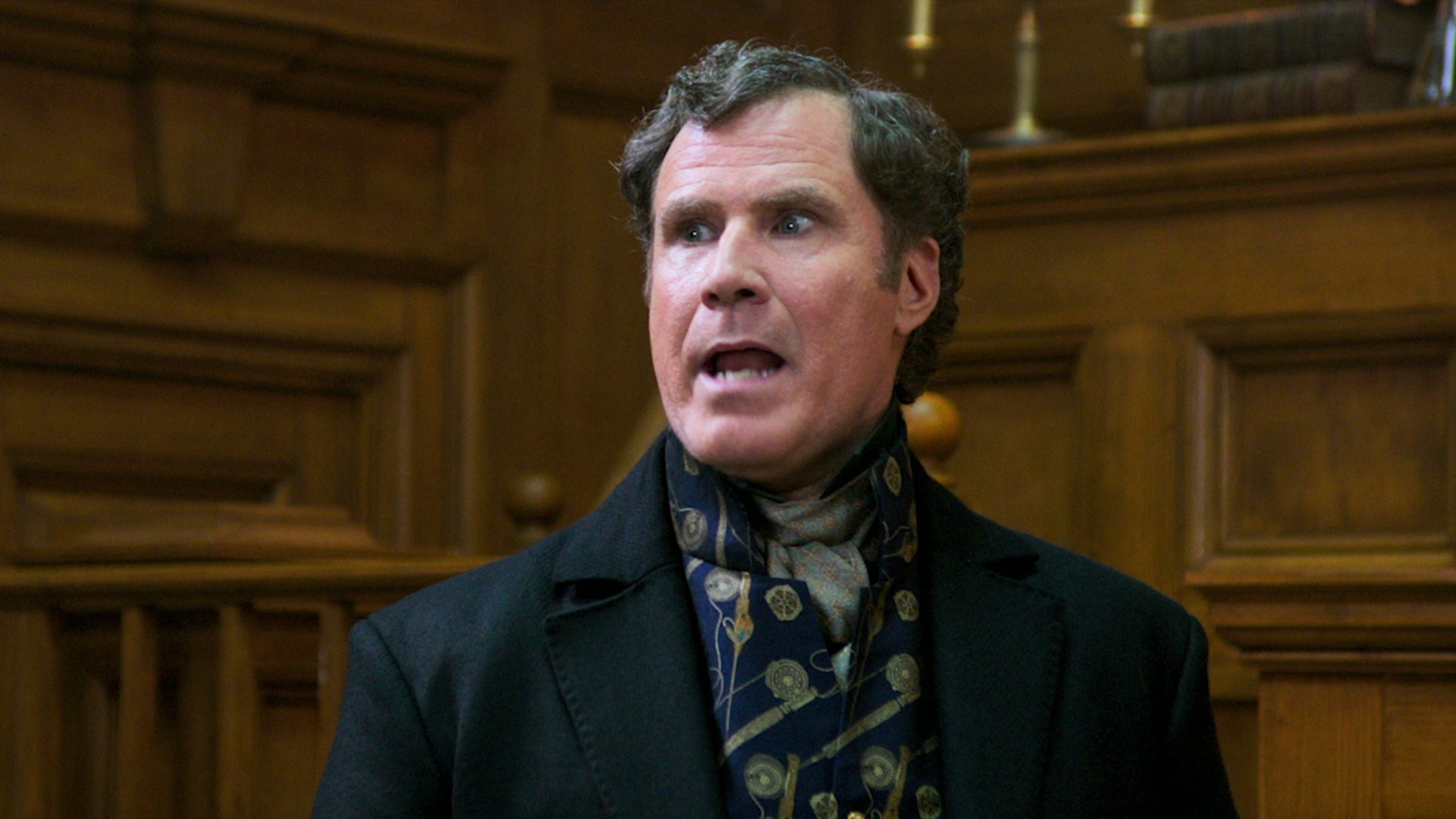
The first problem is how little there is beneath the performances. Will Ferrell makes Sherlock Holmes foolish, but the character’s certainty needs better jokes if it is going to carry scene after scene. John C. Reilly brings some warmth to Dr. Watson, though the friendship rarely develops beyond the pleasure of seeing these two actors together. We winced at the strained accents: both men keep making the delivery conspicuous when the words themselves give us so little to enjoy.
Etan Cohen’s writing leans on anachronisms without establishing much comic logic for the world around them. A modern reference can be funny in period dress, but surprise alone will not sustain a succession of them. The gross-out material has the same problem: the provocation arrives, and then there is nowhere interesting for the joke to go. A detective spoof needs enough order for its stupidity to disrupt something, and this one seldom bothers to establish it.
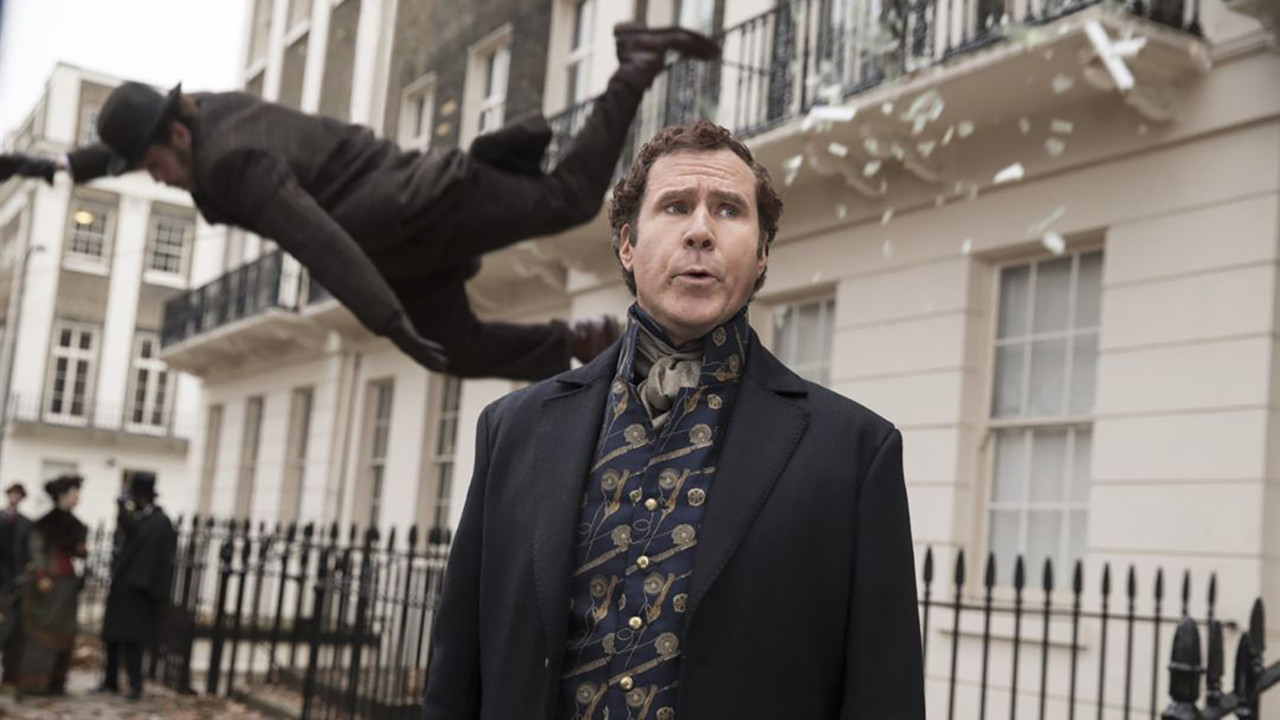
Oliver Wood’s cinematography leaves the picture murky, which does no favours to physical comedy already struggling to make itself clear. James Hambidge’s production design provides the period setting, but the film finds little comic use for those surroundings beyond making the modern references conspicuous. The performers need space and clarity for a gesture or reaction to register. Too often, the way the film looks adds to the general feeling of effort, rather than helping a joke along.
Editors Erik Jessen and Dean Zimmerman never make the disconnected riffs feel as though they are gathering speed. Jokes linger beyond their small initial surprise, and the next one rarely gains anything from what came before. Mark Mothersbaugh supplies the music, but there is little a score can do when the dialogue and cutting keep missing the moment. So much of the silliness arrives without rhythm that even the more promising ideas struggle to produce a laugh.
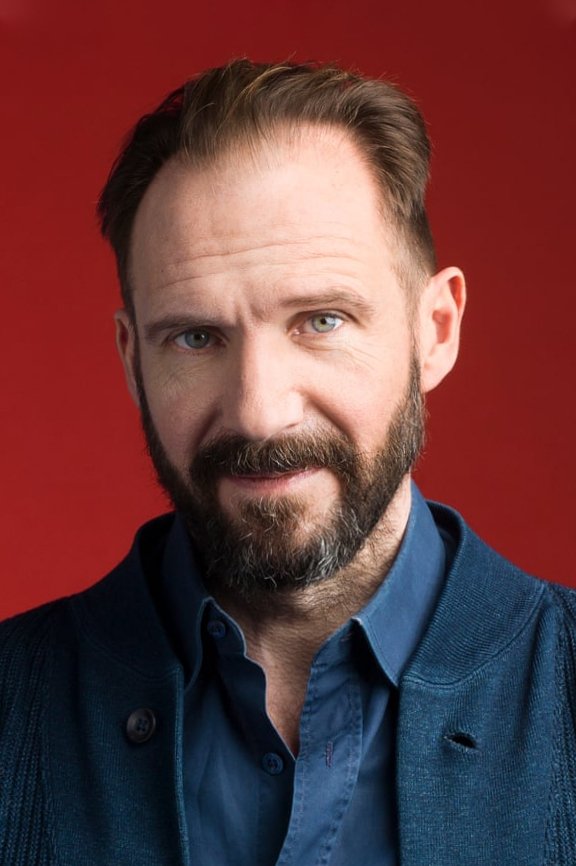
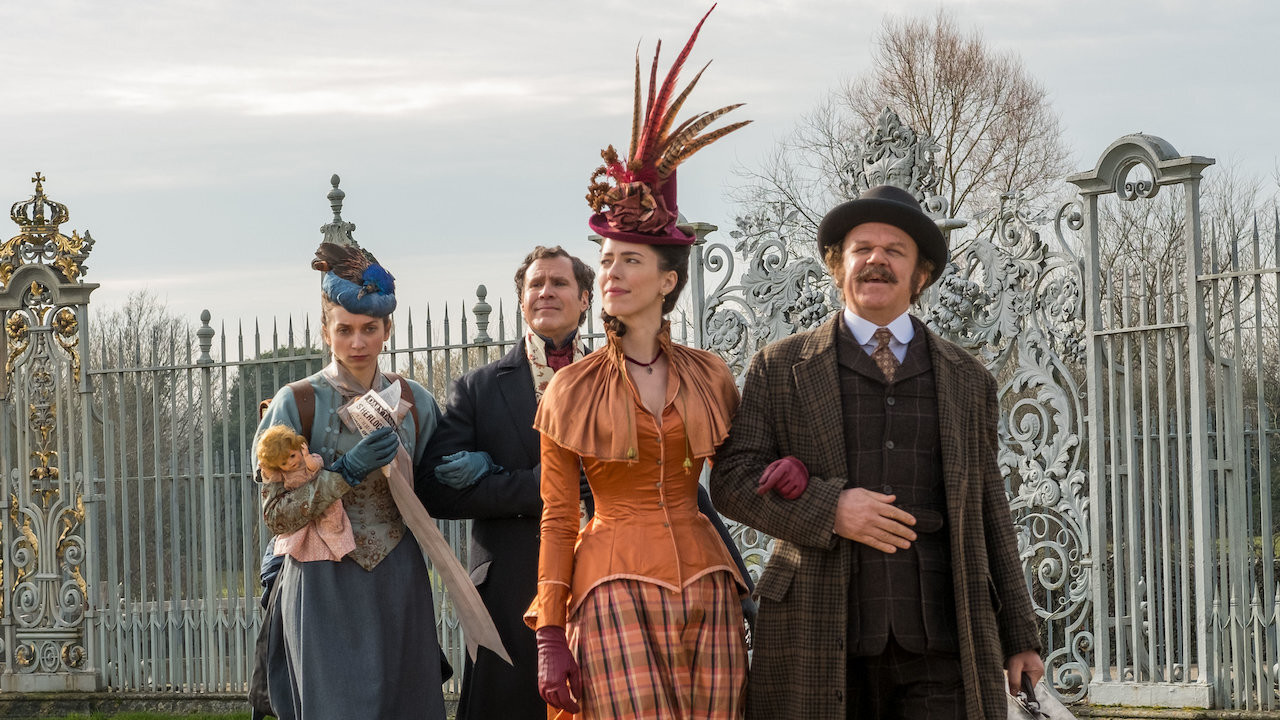
The supporting cast offers occasional relief. Lauren Lapkus, playing Millicent, gets more from physical comedy than the leads manage, while Rebecca Hall finds flickers of amusement as Grace Hart. These are small pleasures, but they suggest how much better the film might have worked with less insistence on every gag. Ralph Fiennes gets too little to do as James Moriarty, another performance left waiting for the writing to justify the casting.
We do not need a Sherlock Holmes parody to treat its detective respectfully, or even to provide a particularly clever case. We do need the foolishness to build, the partnership to matter and the supporting players to have something worth doing. The scattered signs of comic life make the long stretches without it harder to excuse. Even an evening chosen purely for Will Ferrell and John C. Reilly would be better spent elsewhere.