Film review

Judy

2019 · Directed by Rupert Goold · 1h 58m · MPA PG-13

In a sentenceZellweger climbs onto the stage on legs that barely work and the rest of the film stands in the wings applauding

DramaHistoryMusic

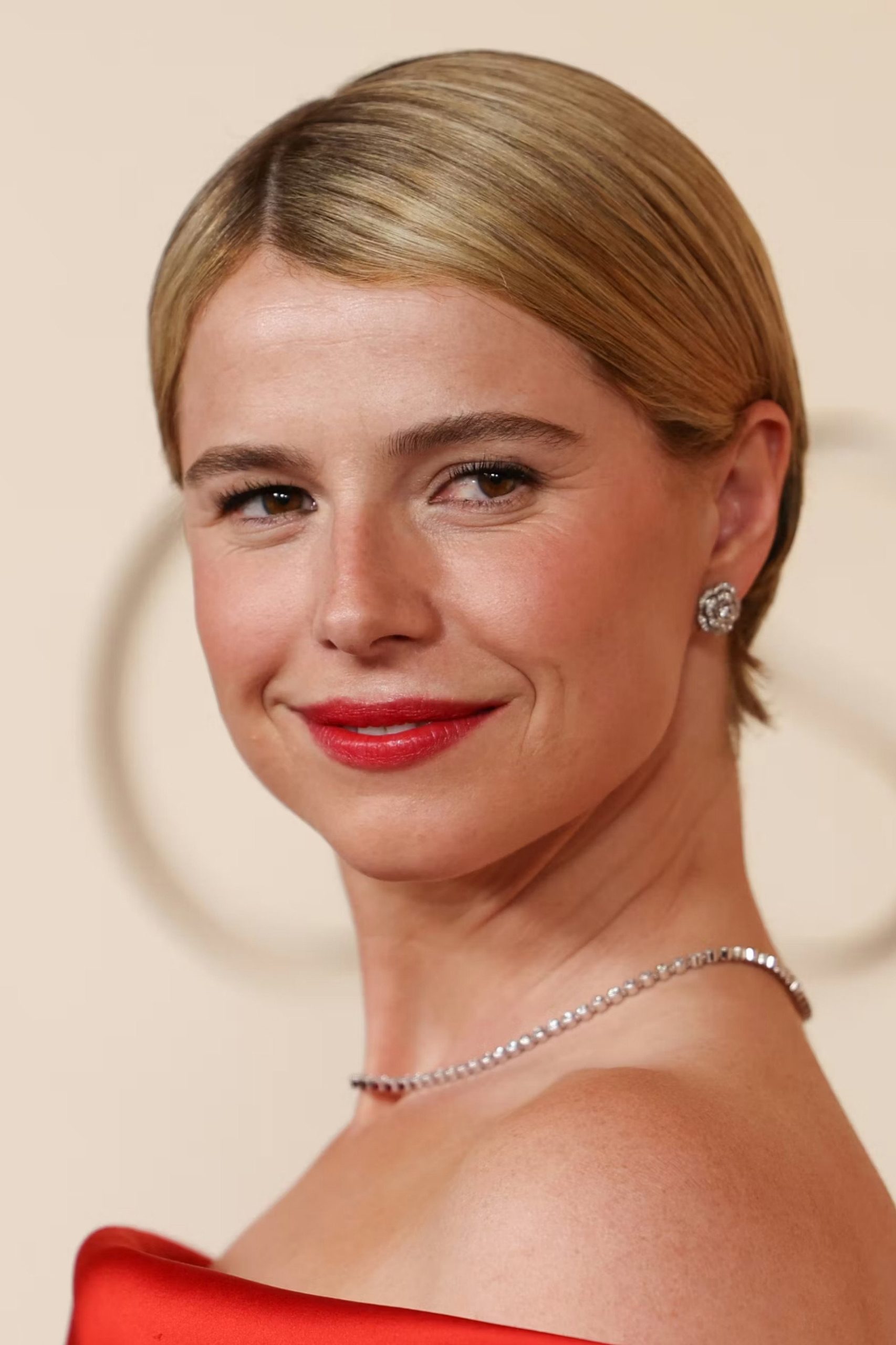
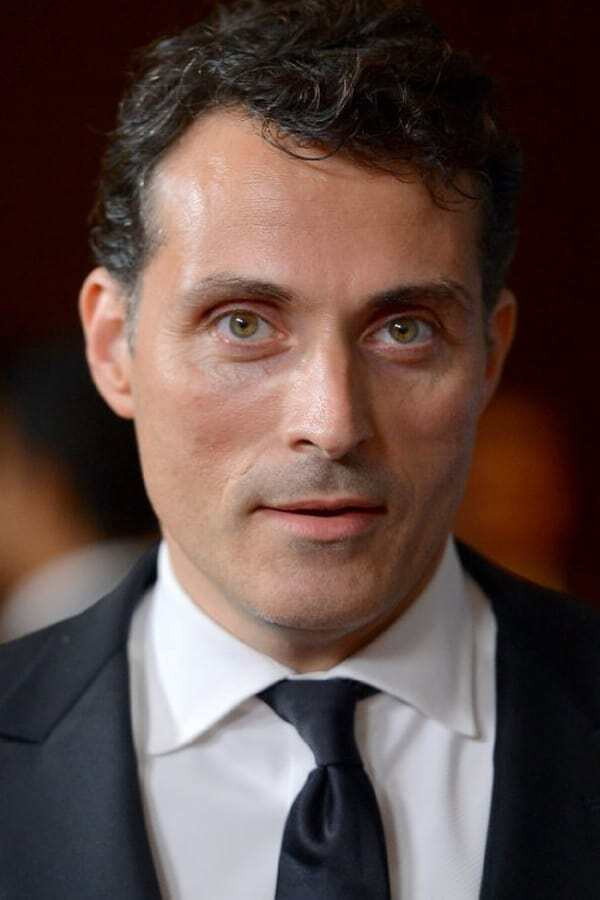
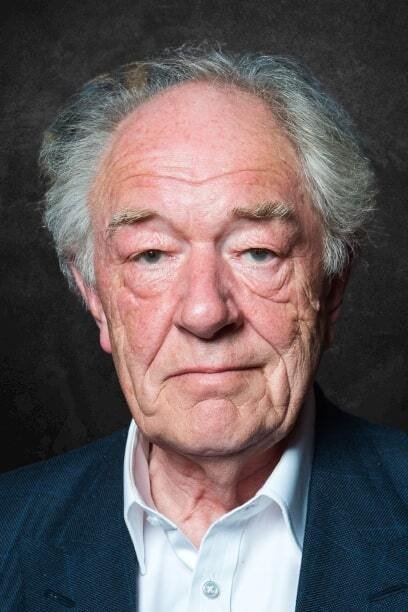
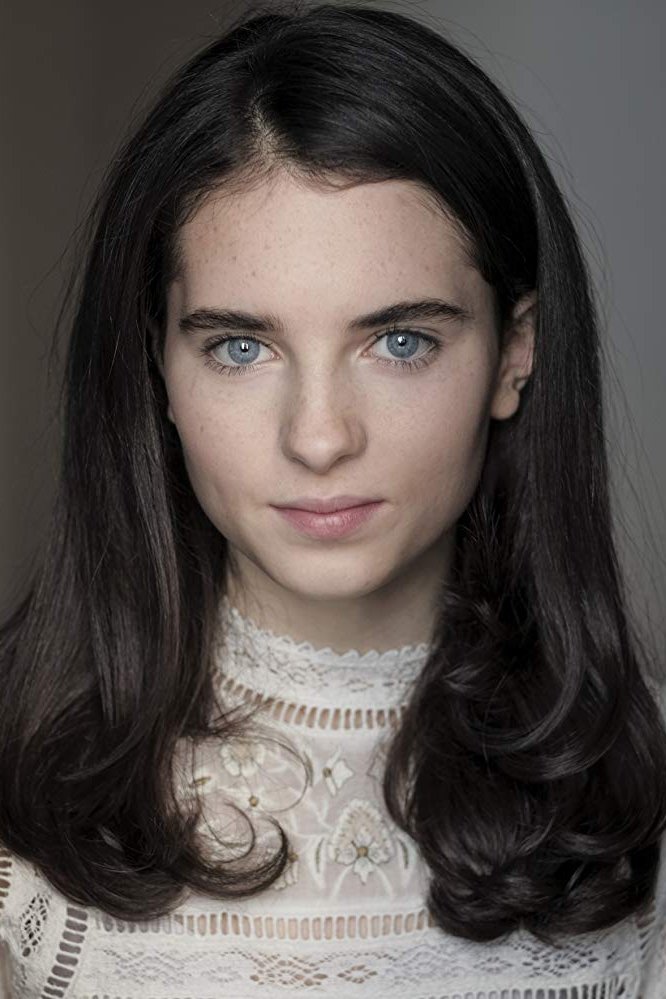
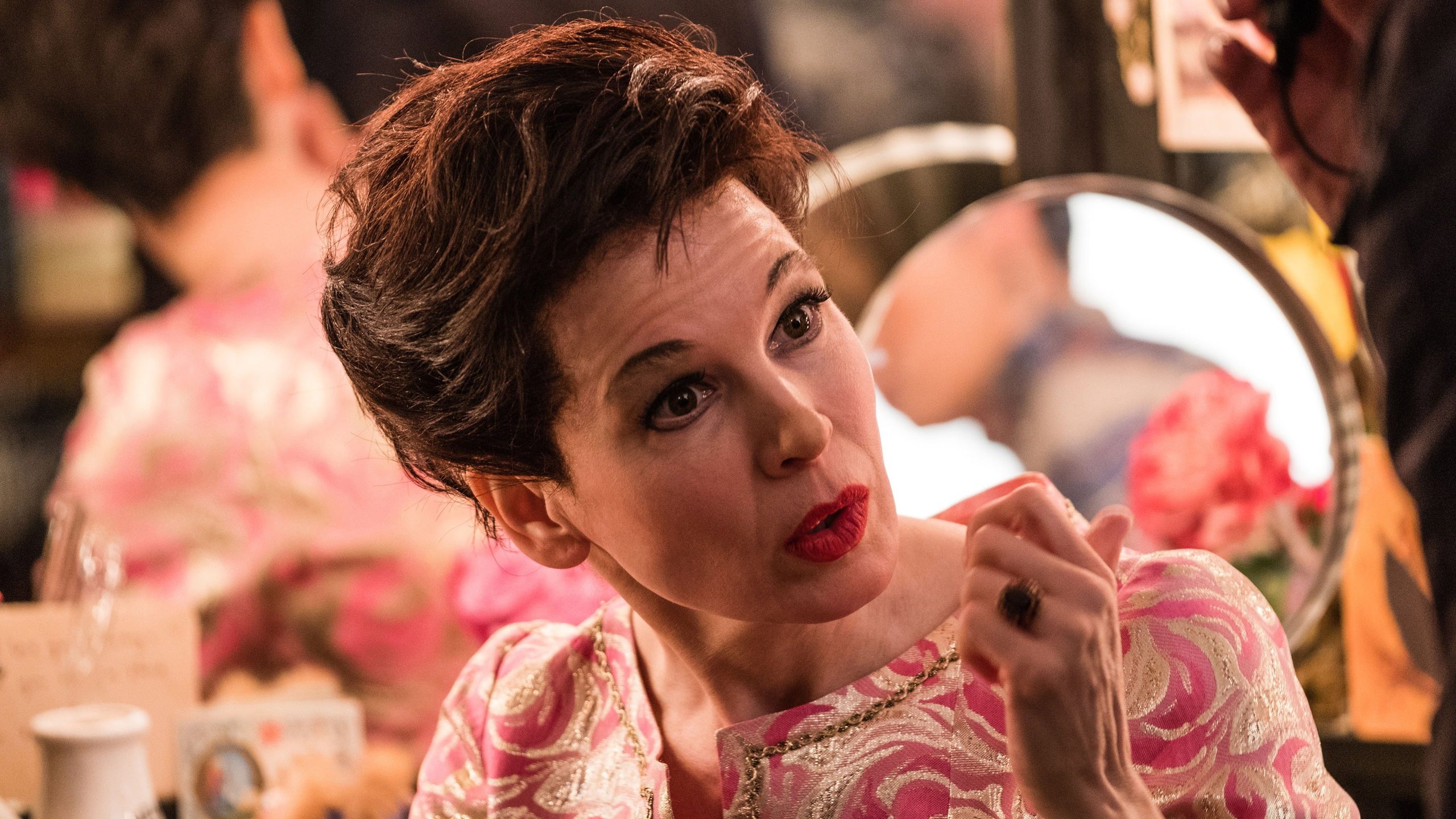
Los Angeles, 1968. Judy Garland (Renée Zellweger) has two children to support, Lorna (Bella Ramsey) and Joey (Lewin Lloyd), and her ex-husband Sid Luft (Rufus Sewell) wants them to live with him. To keep them she needs money, and the only offer is a run of shows at the Talk of the Town nightclub in London from the impresario Bernard Delfont (Michael Gambon). She flies over without the children and is put in the care of Rosalyn Wilder (Jessie Buckley), whose job is to get her on stage. Between shows the film cuts back to the MGM lot of the Wizard of Oz years and a teenage Judy (Darci Shaw) taking orders from Louis B. Mayer (Richard Cordery).

Plays from YouTube when you press play; nothing loads from them until then.

Fi1m review

Renée Zellweger’s Judy Garland, hoarse, brittle and still able to hold a room, is the whole reason to watch. Rupert Goold’s film is tidy and well-mannered around her, and its flashbacks to the MGM years keep explaining what she has already shown us.

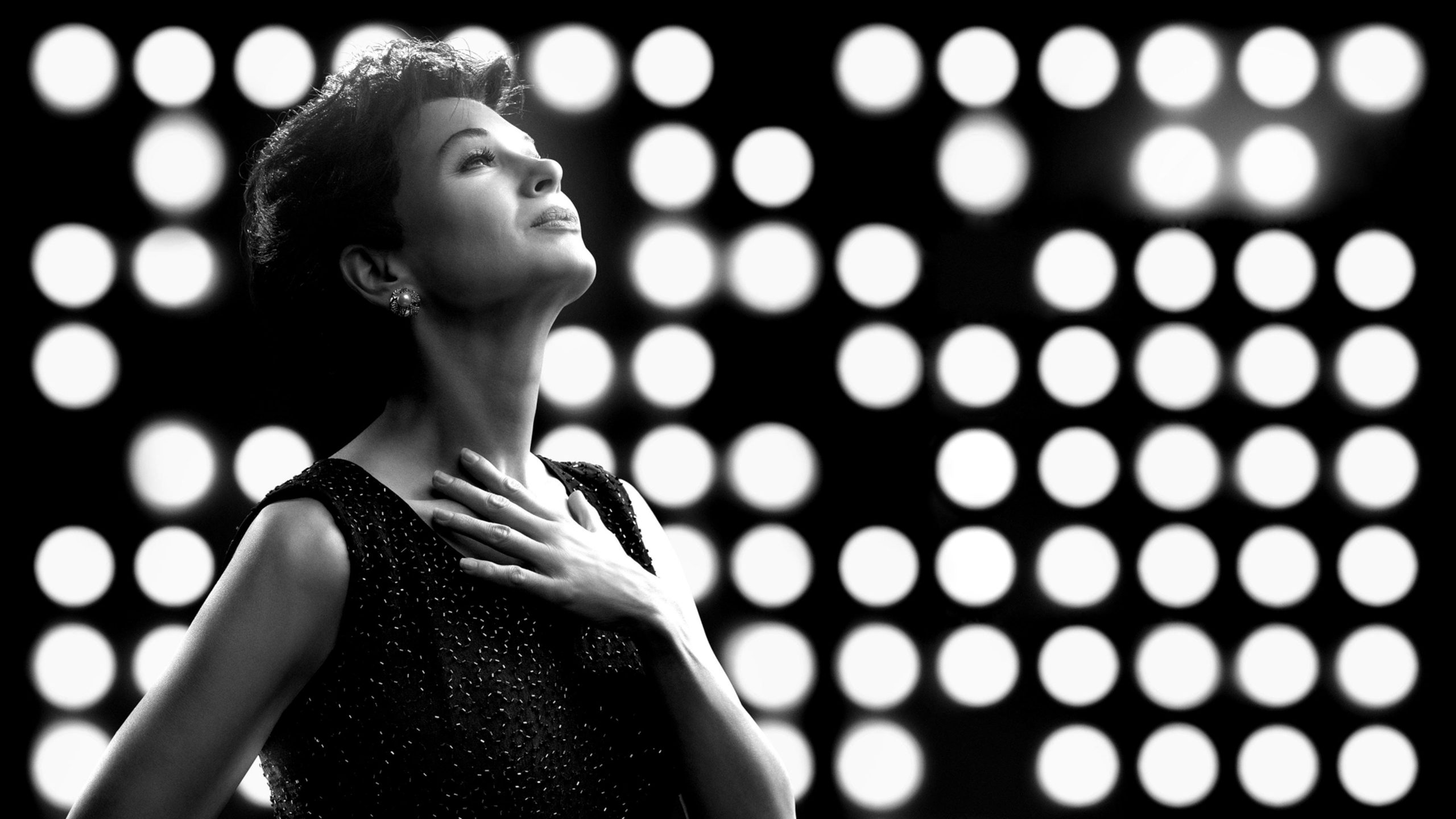
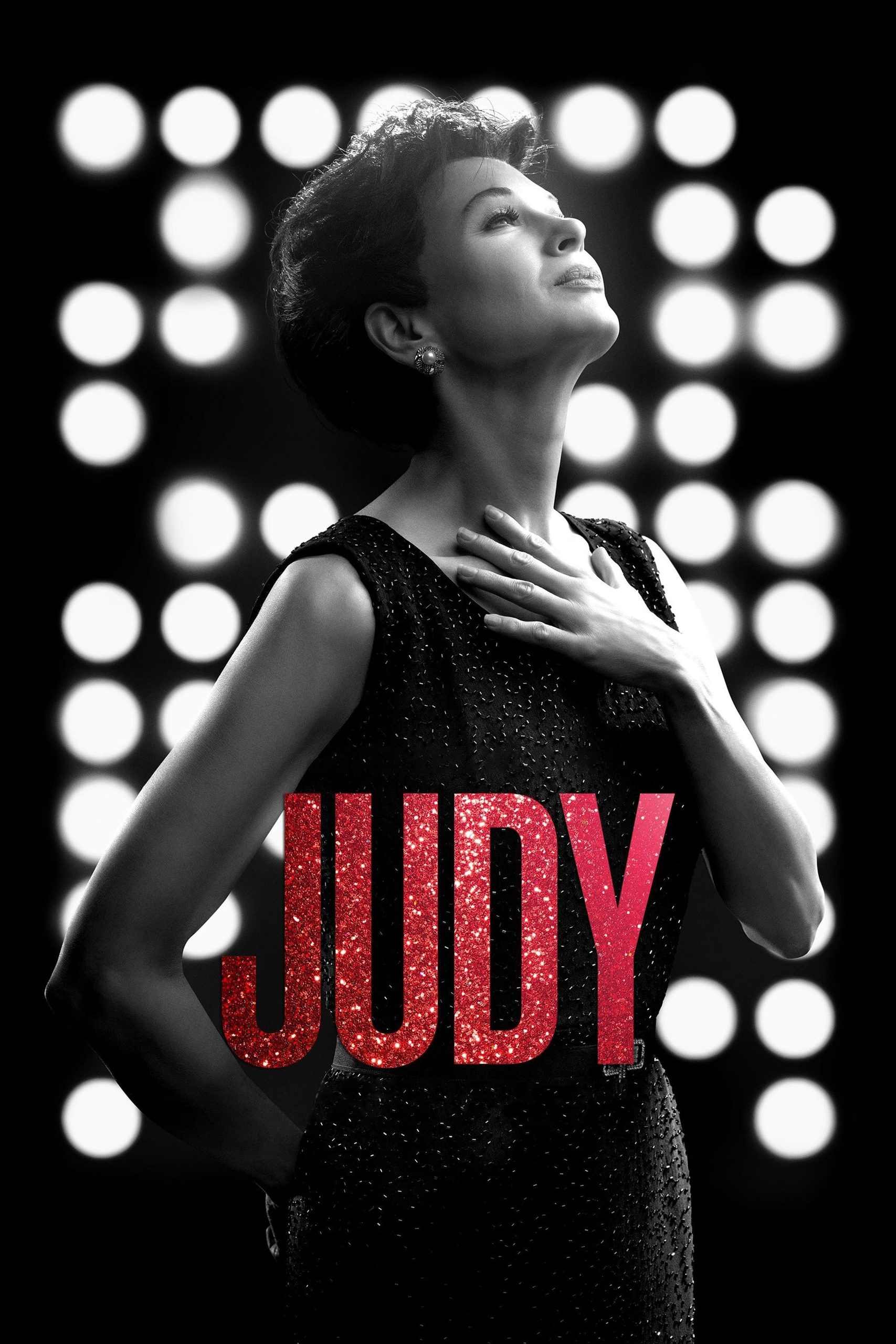
Rupert Goold’s film takes the last year of Judy Garland’s life, adapted by Tom Edge from Peter Quilter’s stage play End of the Rainbow, and puts the whole weight of it on Renée Zellweger. She carries it. What she is carrying is a neat, well-mannered biopic that lays out the facts of a ruined woman in the right order and then reaches for comfort at every point where the story wants to hurt. Zellweger is the reason to watch, and she is a good enough reason.

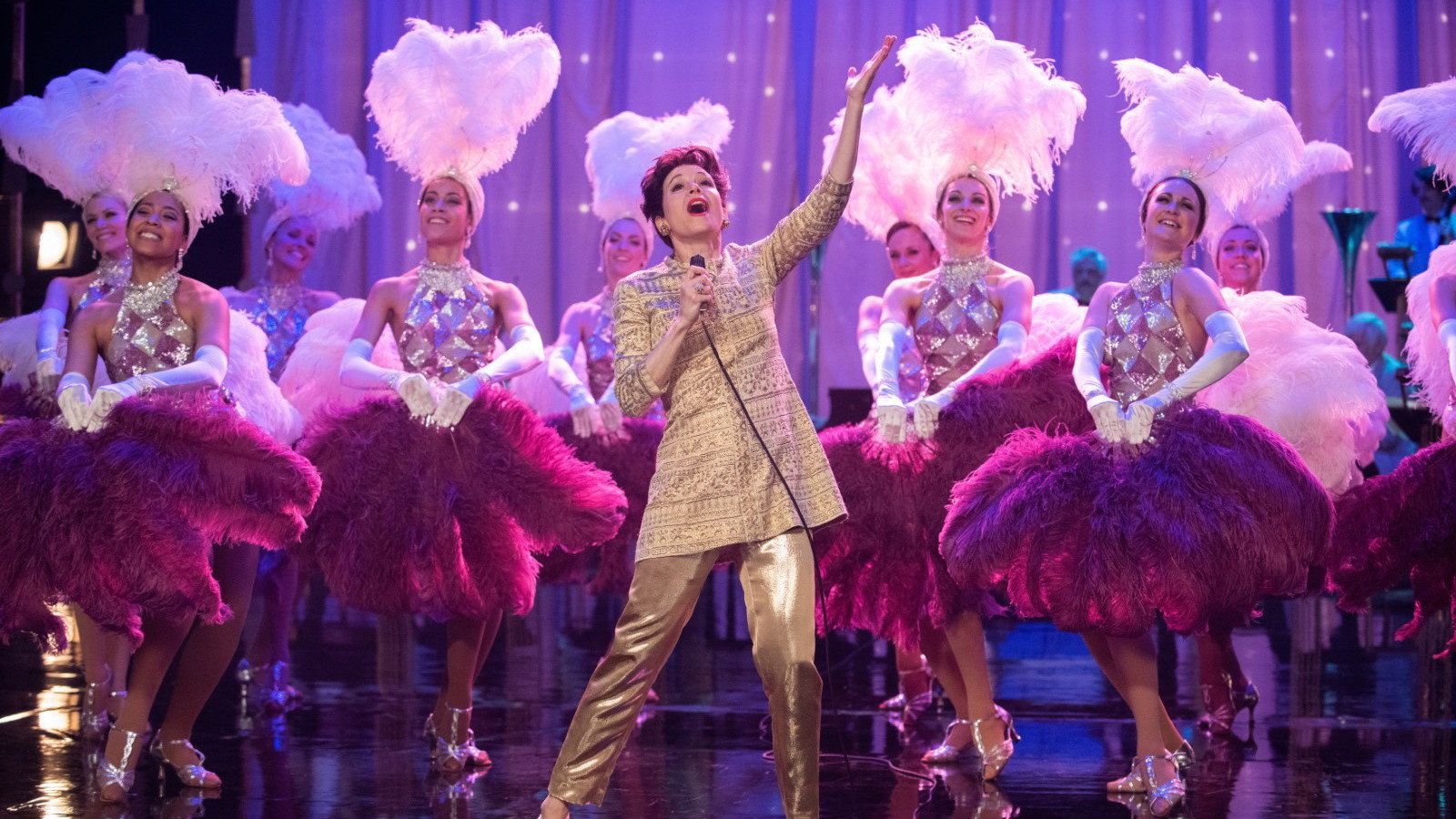
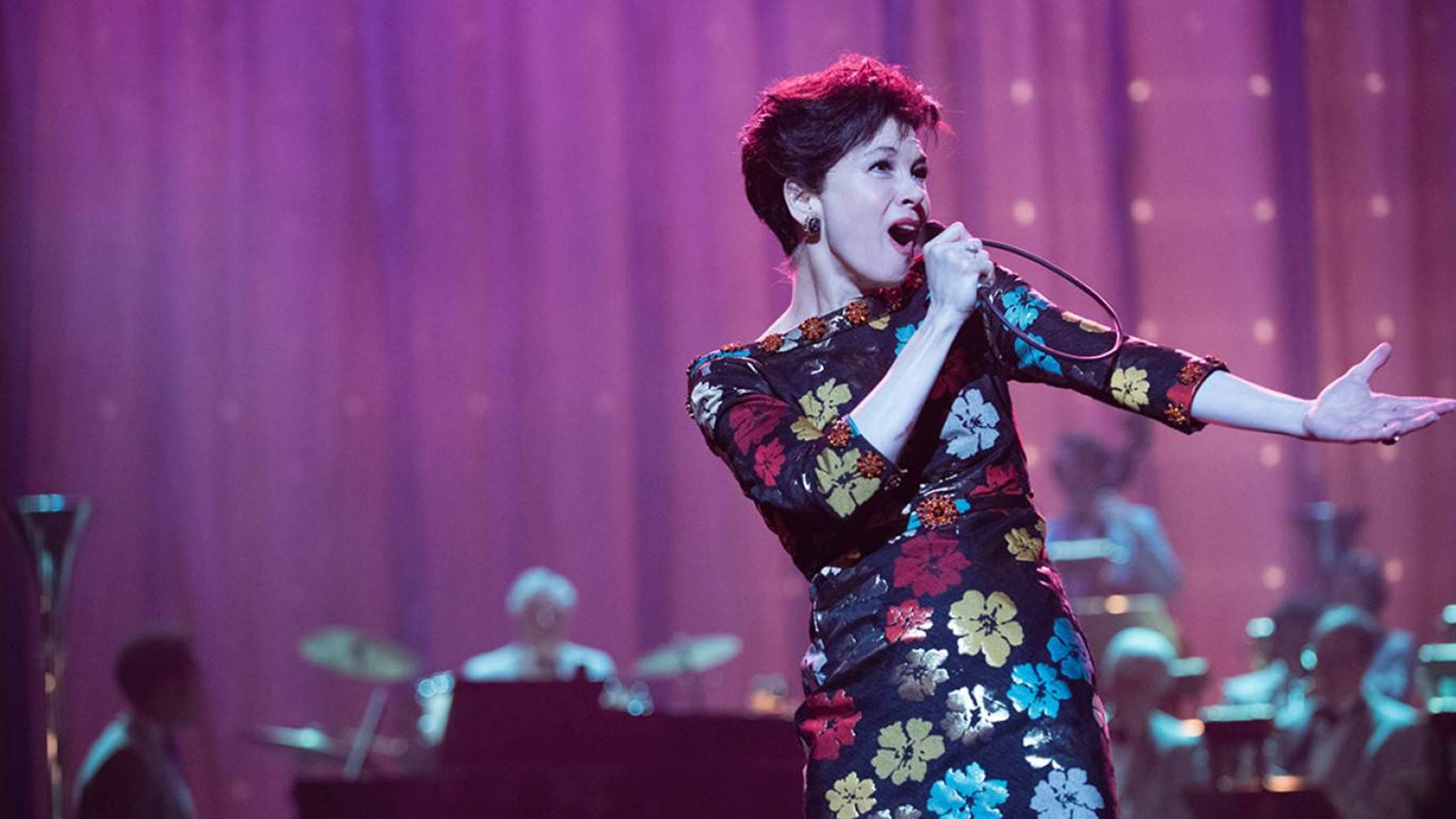
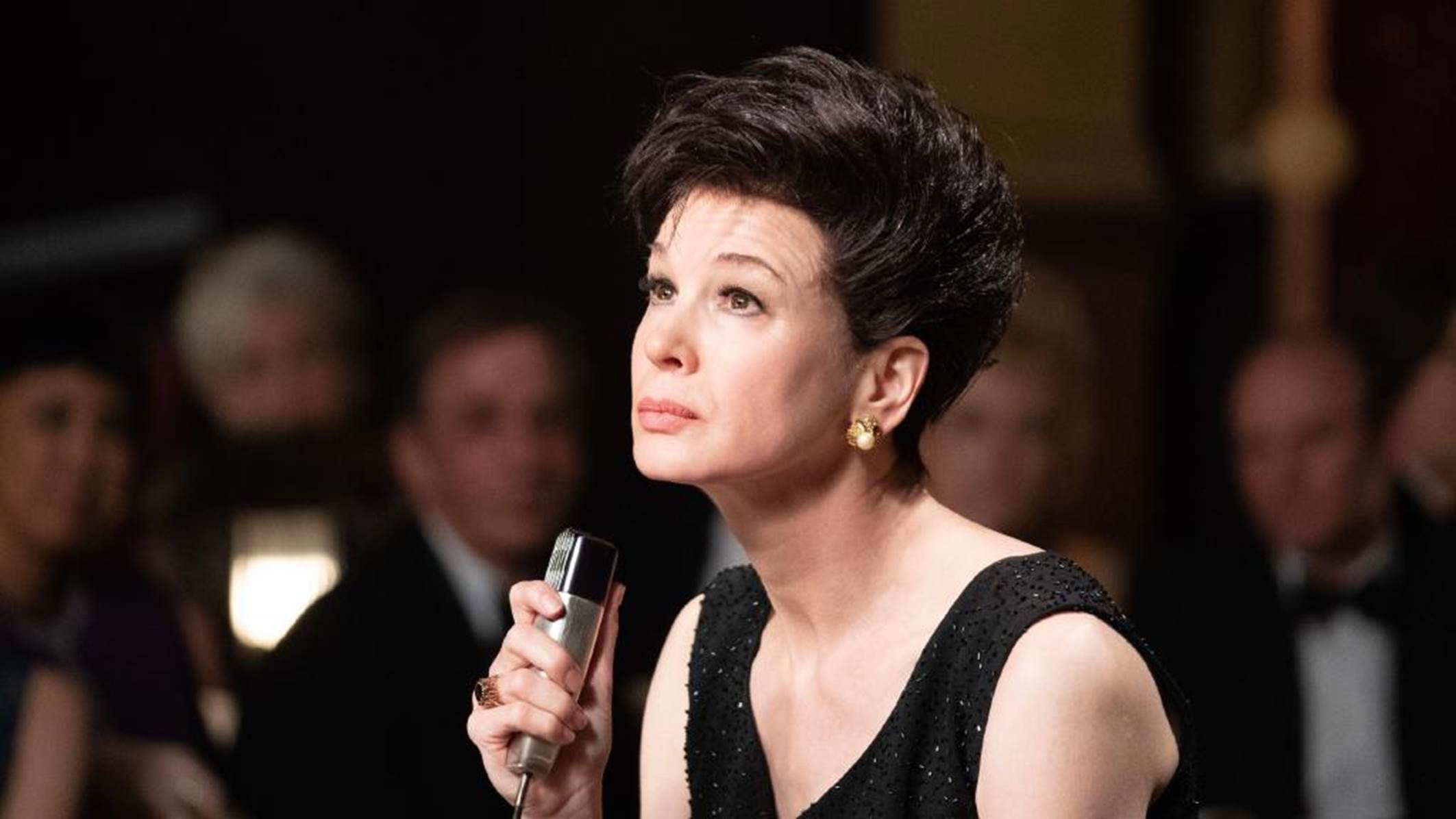
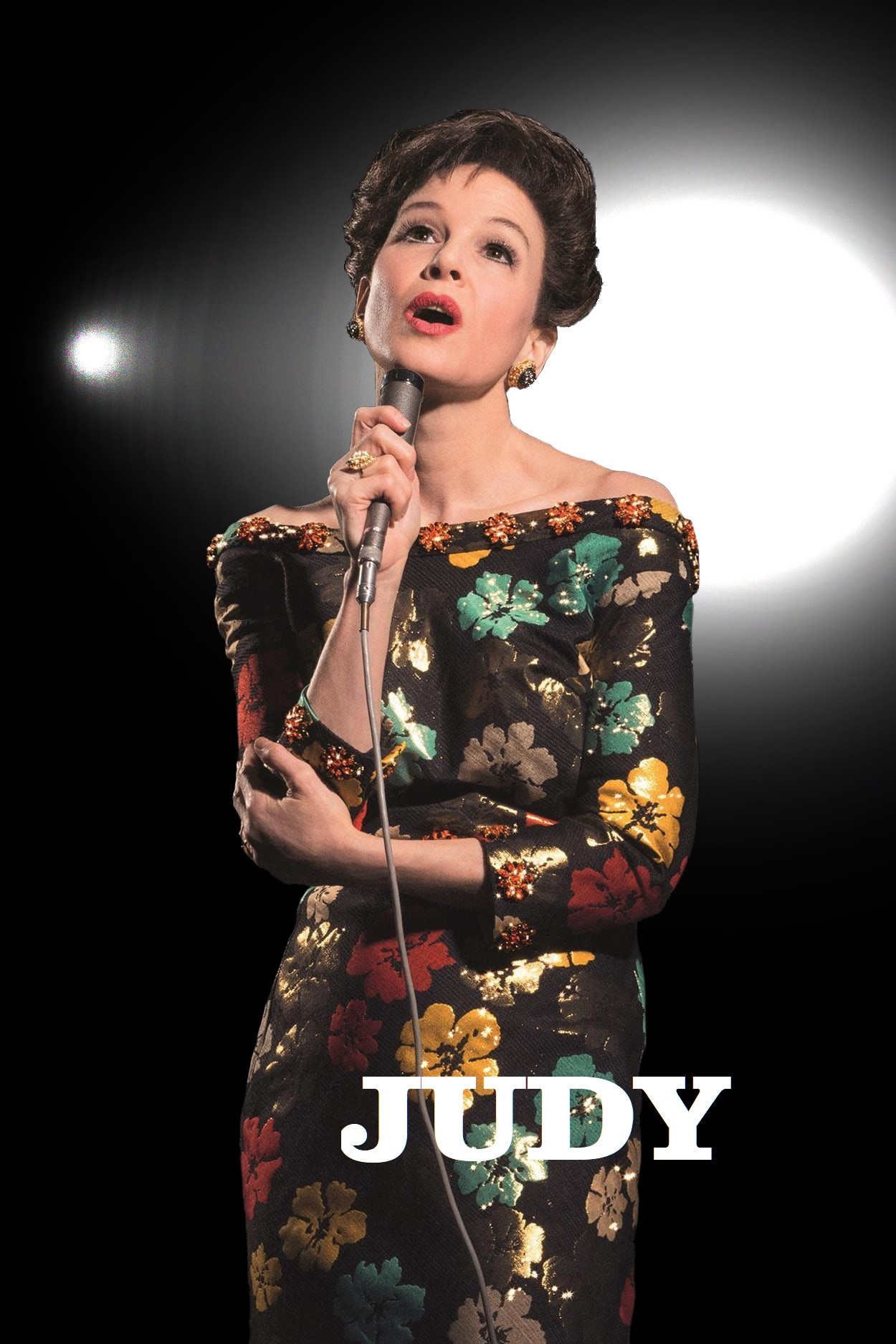
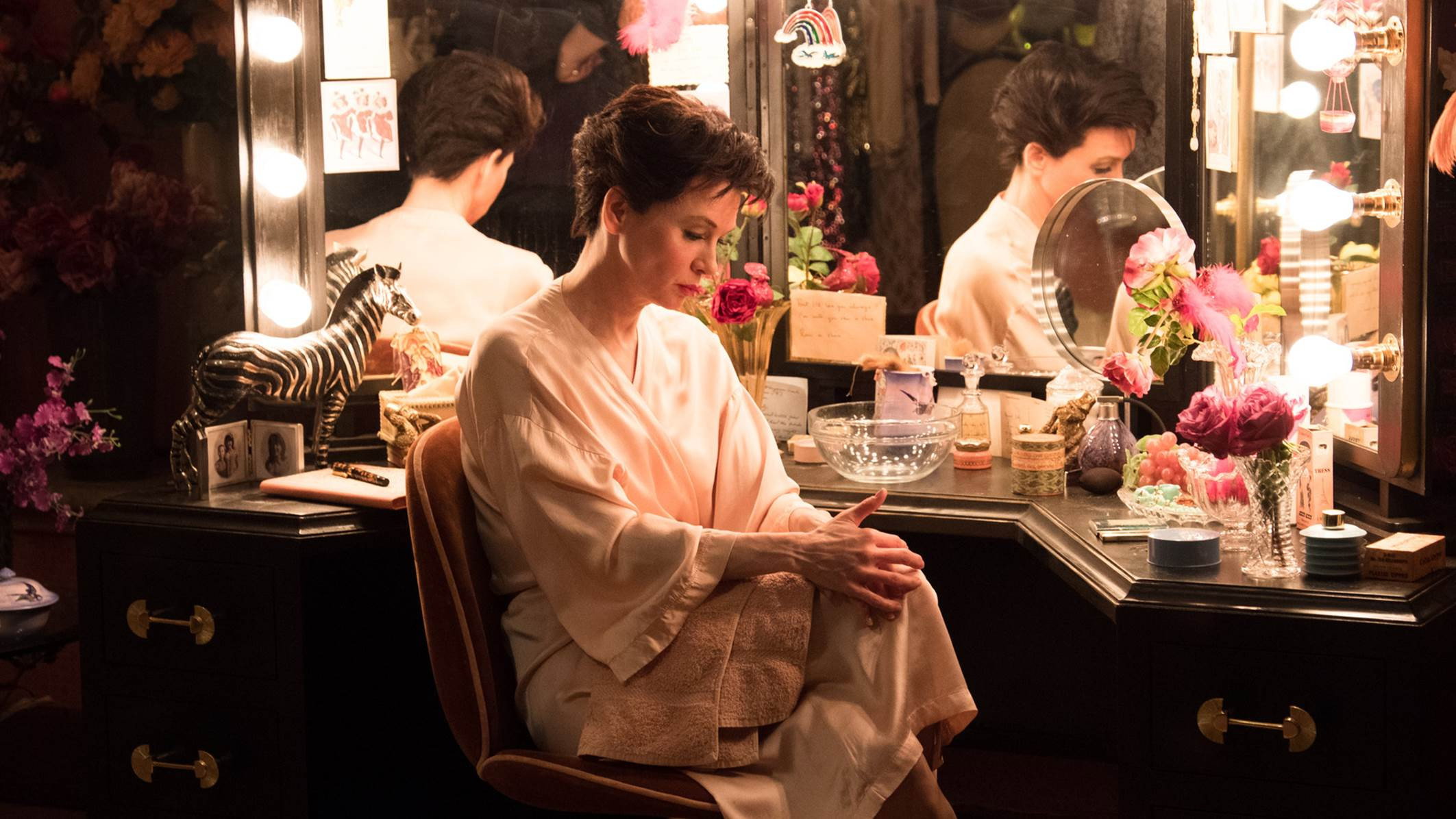
She does not do an impression. The voice is lower and more ragged than Garland’s, the singing is her own and recorded live, and she is not trying to match the records. What she gets is the body: the shoulders up round the ears, the hands that never settle, a walk from the dressing room to the wings that looks as if it might not make the distance. When she reaches the microphone on the first night at the Talk of the Town and the band starts, we sat forward. We did not know whether she would get through the song, and the film, for once, did not seem to know either.

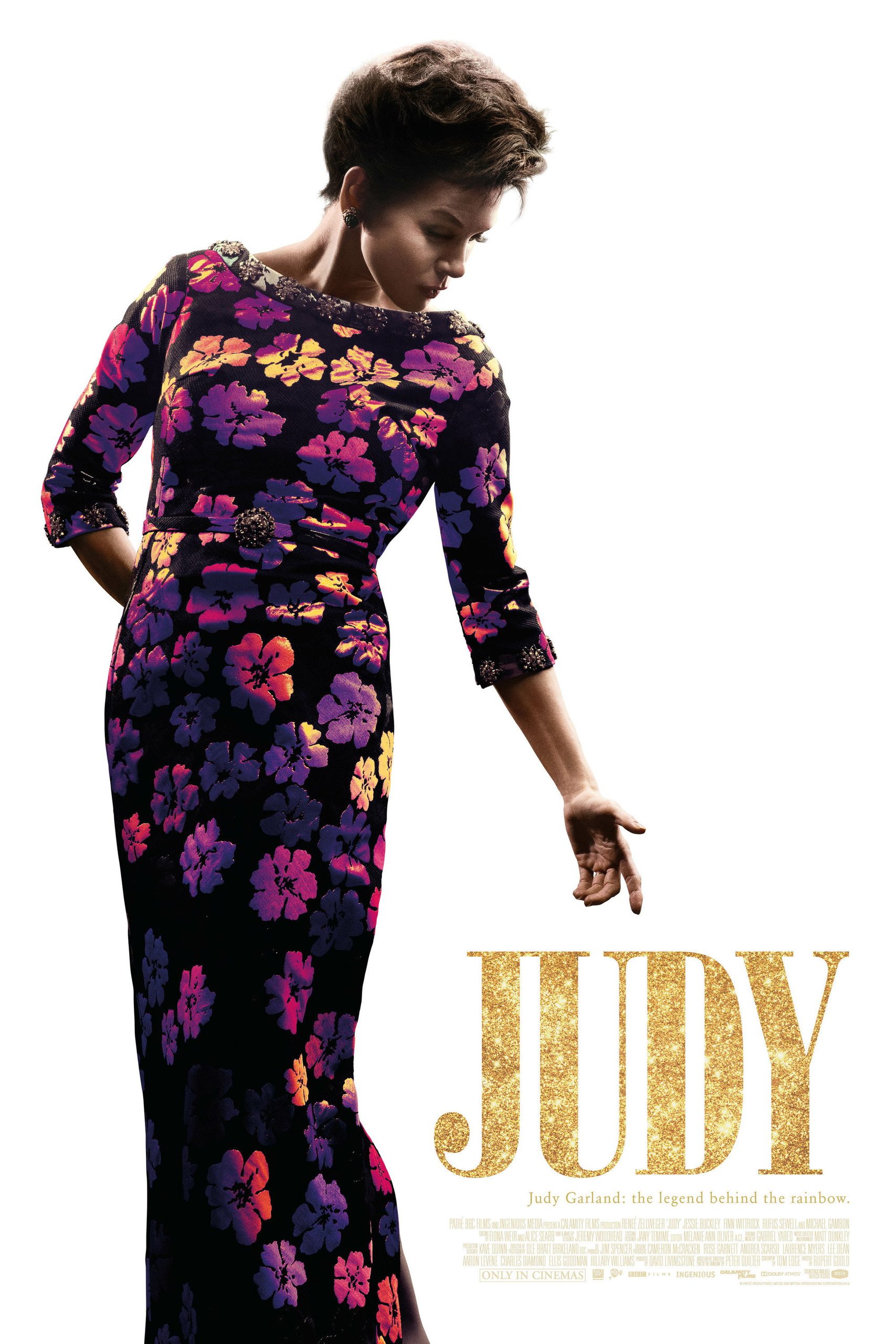
Ole Birkeland shoots the London scenes in brown and gold, hotel lamps and stage spots, with the club audience left as dark shapes beyond the footlights. Kave Quinn’s Talk of the Town is red velvet and small round tables, a room built to feel intimate from the floor and enormous from the stage. Jany Temime puts Zellweger in sequinned trouser suits that catch every light in the club and make her look smaller inside them. Gabriel Yared’s score keeps out of the way of the songs, which is the right call; the strings only swell between them, when the film is trying to persuade us of something.

The trouble is the flashbacks. The script cuts back to the MGM lot of the Wizard of Oz years, where the teenage Judy (Darci Shaw) is refused a hamburger, handed pills to sleep and pills to wake, and told by Louis B. Mayer (Richard Cordery) that she owes the studio everything. None of it is needed. Zellweger has already shown us a woman who cannot eat, cannot sleep and cannot believe she is loved; the flashbacks stop the film to explain her, and Melanie Oliver’s cuts land on cue, a pill in 1968 answered by a pill in 1939. By the third of them we were impatient, and we stayed impatient.

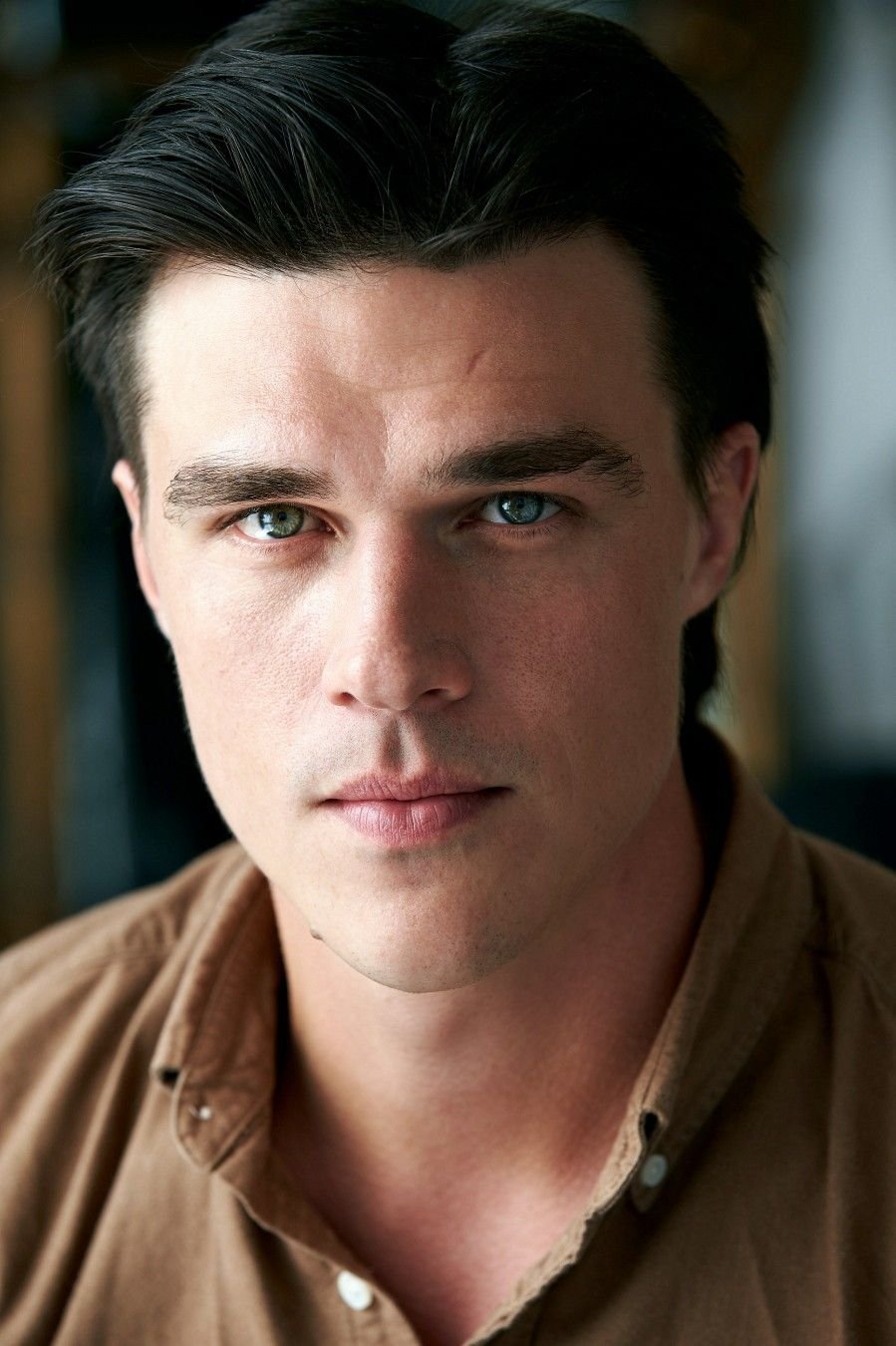
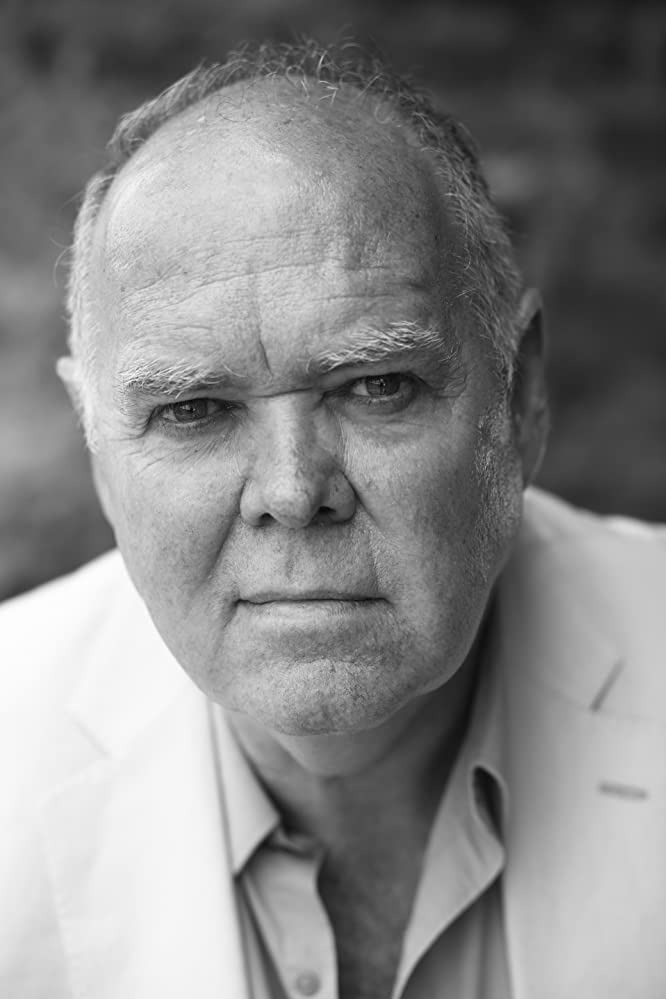
Around the star the cast is thin because the script has left them so. Jessie Buckley, as Rosalyn Wilder, the assistant whose job is to get Garland on stage, does a great deal with a clipboard and a series of pained looks, and the film’s best quiet scenes are the two of them in a dressing room. Finn Wittrock’s Mickey Deans is a suit with a smile; we never learn what he sees in her or what he wants. Rufus Sewell plays Sid Luft as a wall for Garland to shout at down the phone. Michael Gambon turns up as Bernard Delfont, delivers his lines in the voice of a man who has already been paid, and leaves.

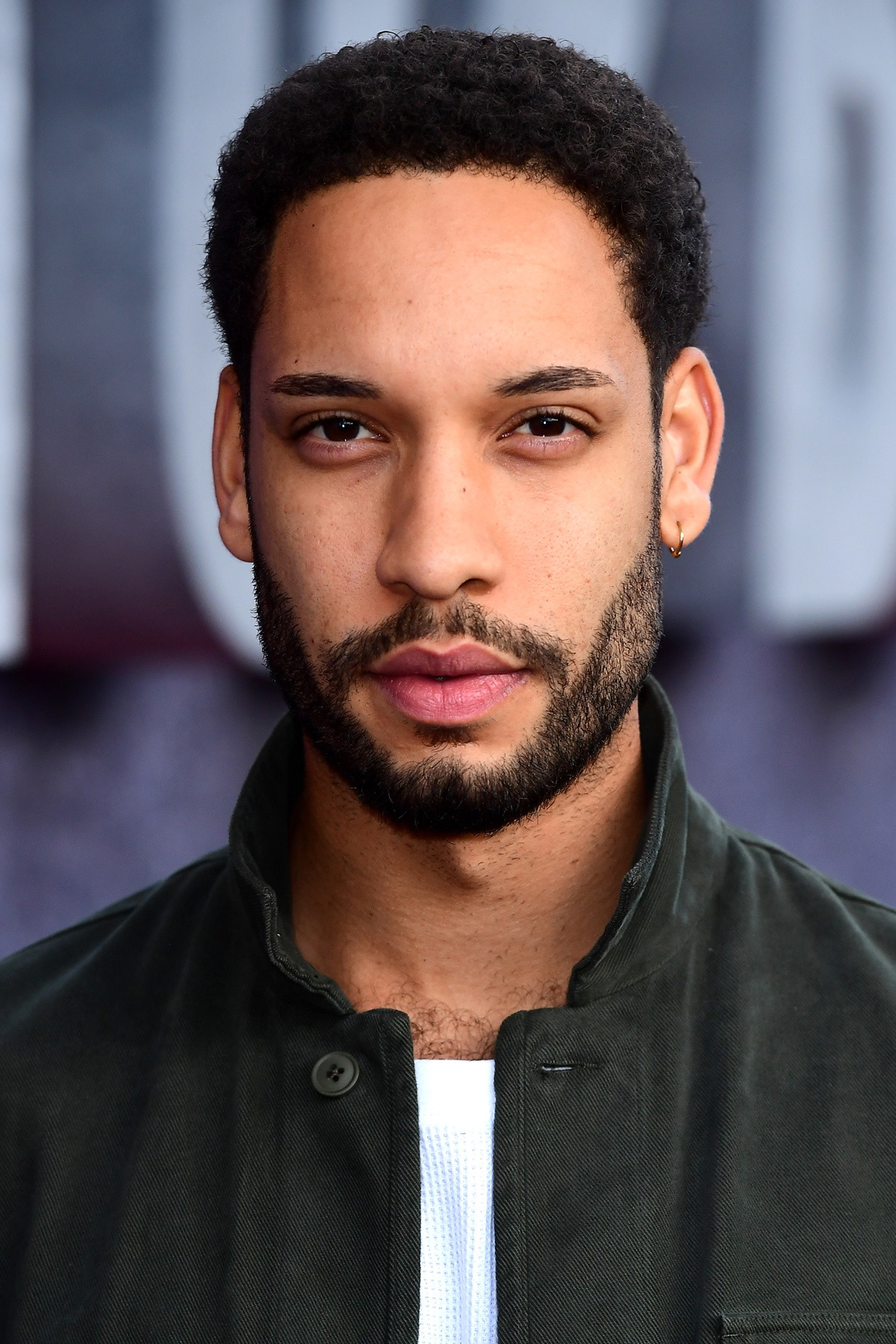
One scene shows what the film might have been. Garland leaves the club with two fans, Dan (Andy Nyman) and Stan (Daniel Cerqueira), goes back to their flat and cooks them eggs. Nothing much happens. She asks about their lives, they tell her what her songs meant to them in years when it was not safe to say so, and the film sits still and lets Zellweger listen. It moved us more than anything on the stage did, because for ten minutes nobody in the flat was performing.

The finale we will not describe, except to say that it reaches for a lift the story does not support, and most of the audience we saw it with went along gladly. Goold has made a film that is decent to its subject in the way a good obituary is decent, and Zellweger has made something rougher and truer inside it. See it for her, in a cinema if you can, where the songs have room. It runs 118 minutes and carries a 12A.
Critical consensus AI synthesised

72
Positive
19
Mixed
5
Negative
2

Most critics like Judy, and nearly all like it for the same reason. Renée Zellweger’s performance as Judy Garland in her final London season is the centre of almost every review, praised for raw feeling over mimicry and for her own singing. The stage sequences draw the warmest notices, with one critic singling out a single-take opening-night number as the film’s high point. Several reviews credit Rupert Goold with finding a darker, sadder note than the usual star biopic.

The reservations cluster around everything else. The flashbacks to Garland’s MGM childhood are widely found heavy-handed, the supporting cast thin, and the uplifting finale out of key with the sadness of the story. A few go further: The New York Times and Vulture think the film flattens Garland into a martyr, and RogerEbert.com, one of only two outright negative reviews, calls the performance itself an overdone impression. The spread is wide, from unqualified raves to those dismissals, but the middle is large and fond.

Little White Lies
28 September 2019 · 3/5/5 · David Jenkins
100

Zellweger delivers a performance of awe-striking confidence and emotion in a music biopic that transcends its subject. It is an old-school tragedy deserving of the name.

Read the full review →
Sight and Sound
11 September 2019 · Lisa Mullen
90*

The critic finds the biopic a moving, fullhearted tribute to Judy Garland that probes sentimentality and self-obsession. Zellweger's jaw-dropping performance fills the film with nuance, warmth and narrative purpose.

Read the full review →
The Independent
3 October 2019
90*

The review praises Renée Zellweger's performance as overwhelming and magnetic, capturing Judy Garland's trauma, hunger, and resilience in a way that overshadows the film's conventional biopic structure. It singles out Zellweger for turning the film into something more ambitious than a simple tribute by embodying broader themes of industry sacrifice and societal pressure on women.

Read the full review →
The Times
30 August 2019
90*

Zellweger delivers the most fiercely committed performance of her career in this brilliant biopic. She devours the role of late-era Garland, making it one of the great film-star biopics.

Read the full review →
Variety
31 August 2019 · festival review · Guy Lodge
90*

Zellweger gives her all in a gutsy, can't-look-away portrait of Garland's final year that prioritizes raw feeling over technical mimicry, with Goold and the star illuminating something of each other in a star vehicle that holds up its end. The shambolic London residency is affectingly rendered as one star working through her own story via another's.

Read the full review →
The i Paper
3 October 2019 · ★★★★ · Matt Wolf
80

Zellweger delivers an empathic, soulful performance that earns its Oscar buzz, matched by a screenplay and direction that find human depth in Garland's final London season. The critic singles out the way the film peers into the heart of darkness while honouring the icon through Zellweger's singing and acting.

Read the full review →

Cast

Awards

Academy Awards, 2020

Won
Best Actress

Golden Globes, 2020

Won
Best Actress – Motion Picture Drama

If you liked this, try…

A Star Is Born poster

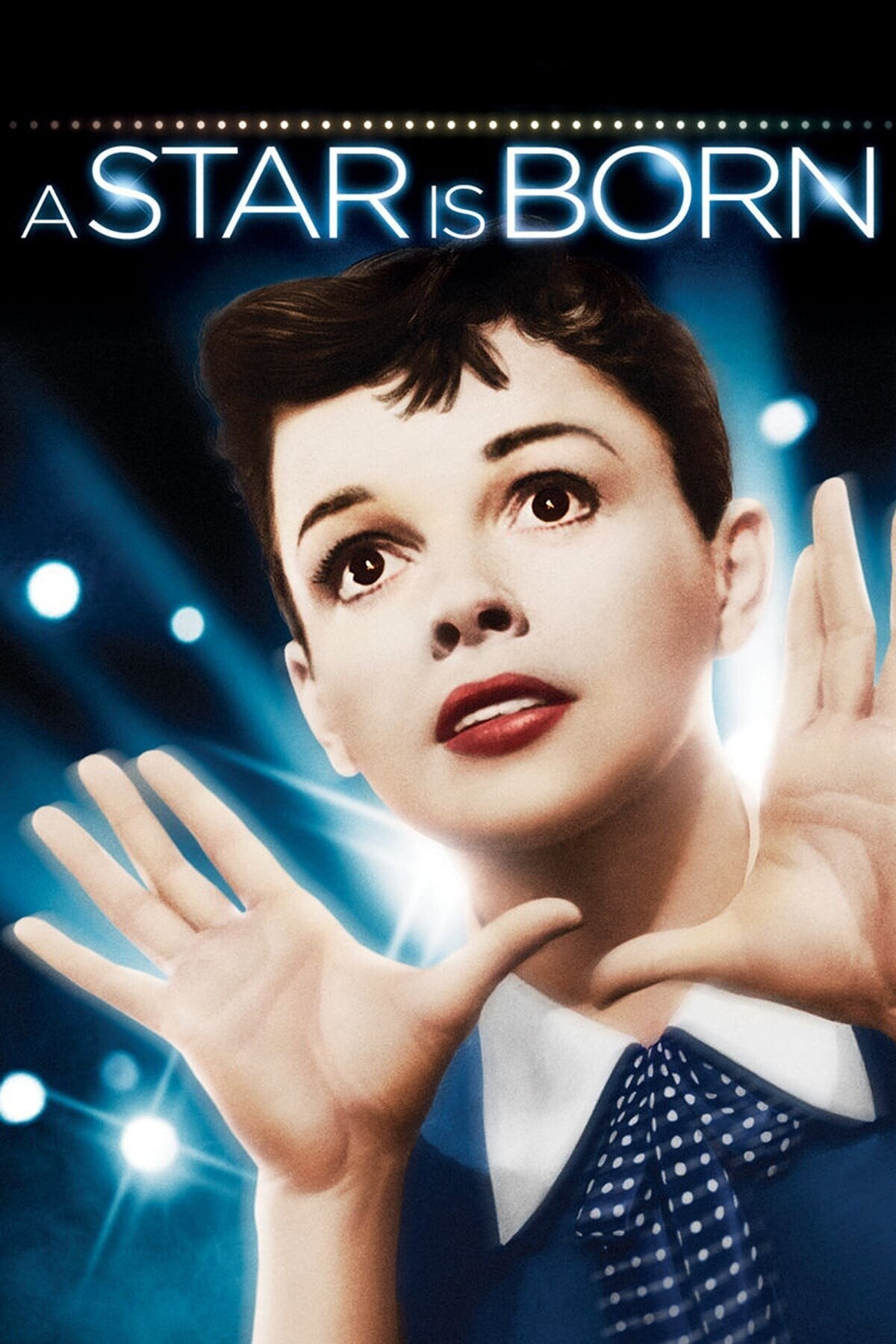
A Star Is Born

1954 · Garland herself, at full power, in the story this film keeps gesturing at.

Opening Night poster

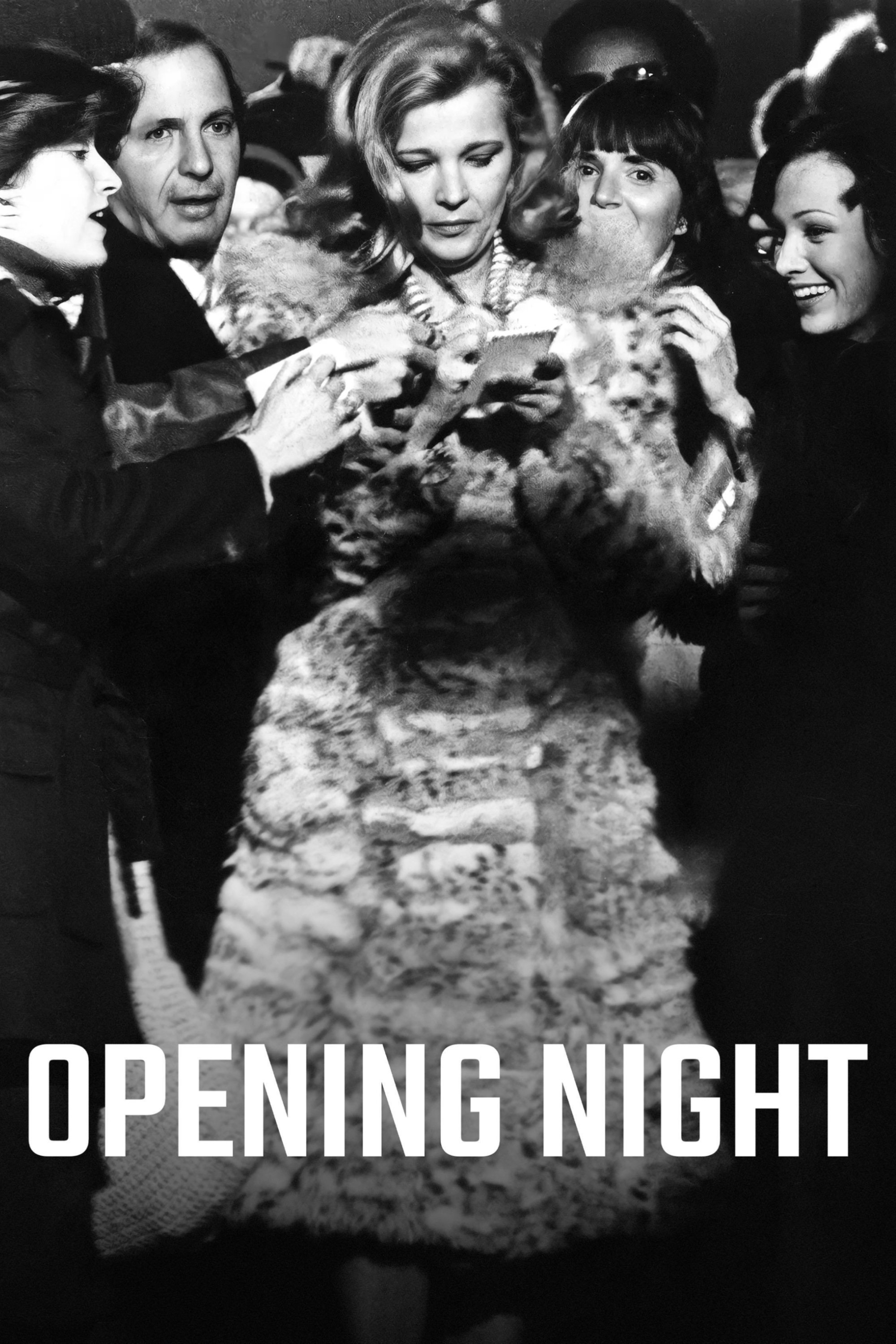
Opening Night

1977 · Gena Rowlands drinks her way to the curtain; Cassavetes never looks away.

La Vie en Rose poster

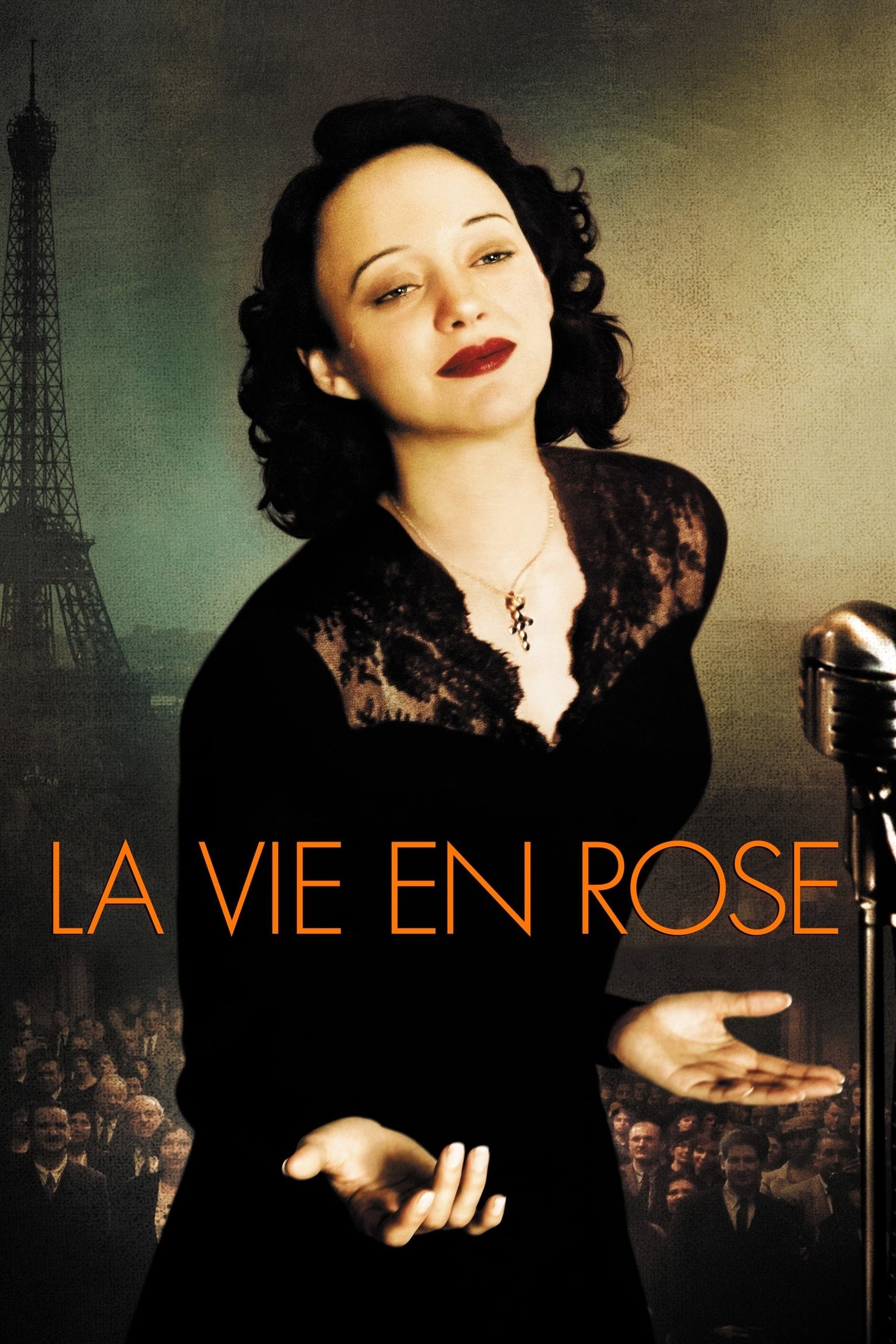
La Vie en Rose

2007 · Marion Cotillard’s Piaf, the same wreckage, shot with far less caution.

Stan & Ollie poster

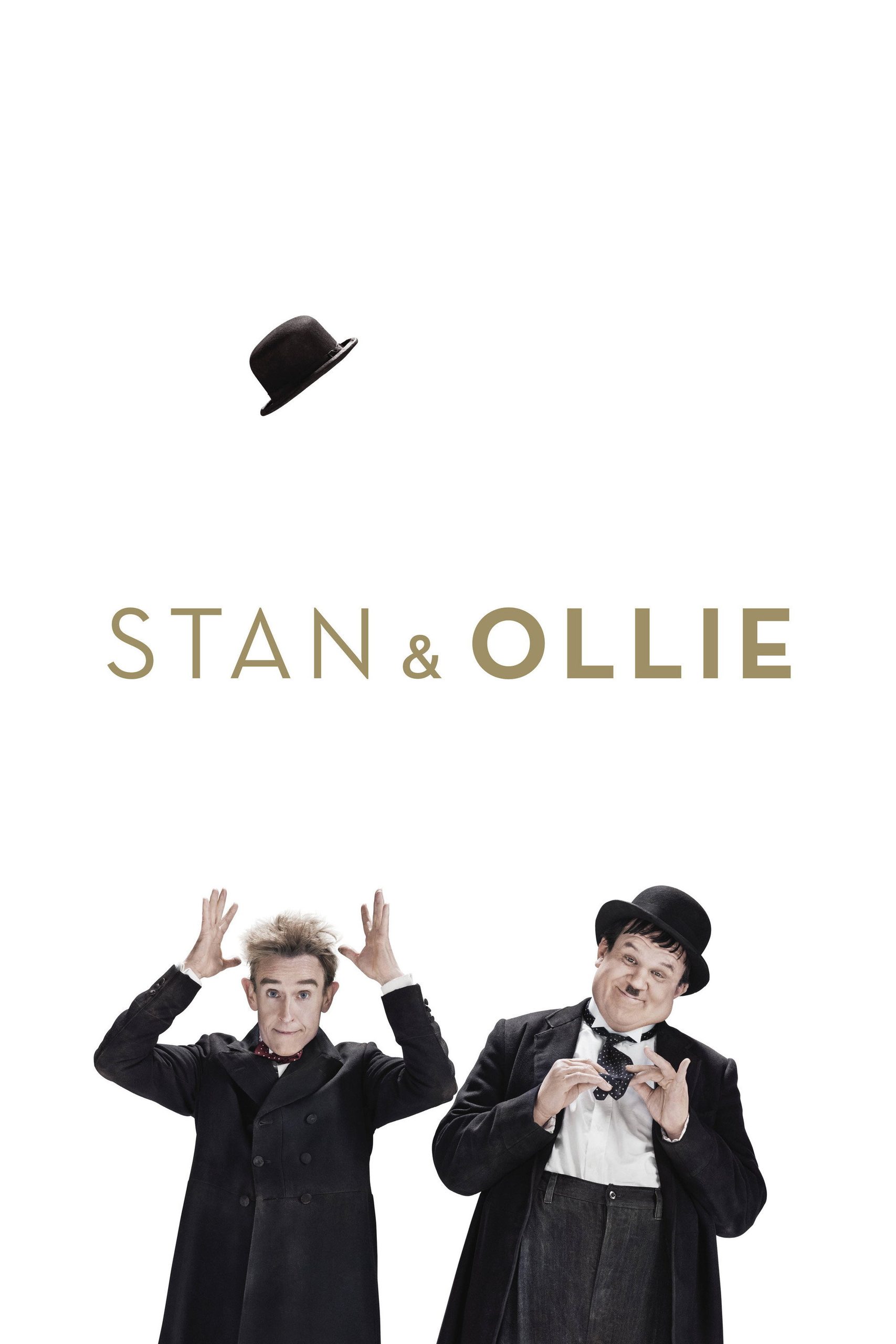
Stan & Ollie

2018 · Another late British tour for fading stars, gentler and better written.

Meet Me in St. Louis poster

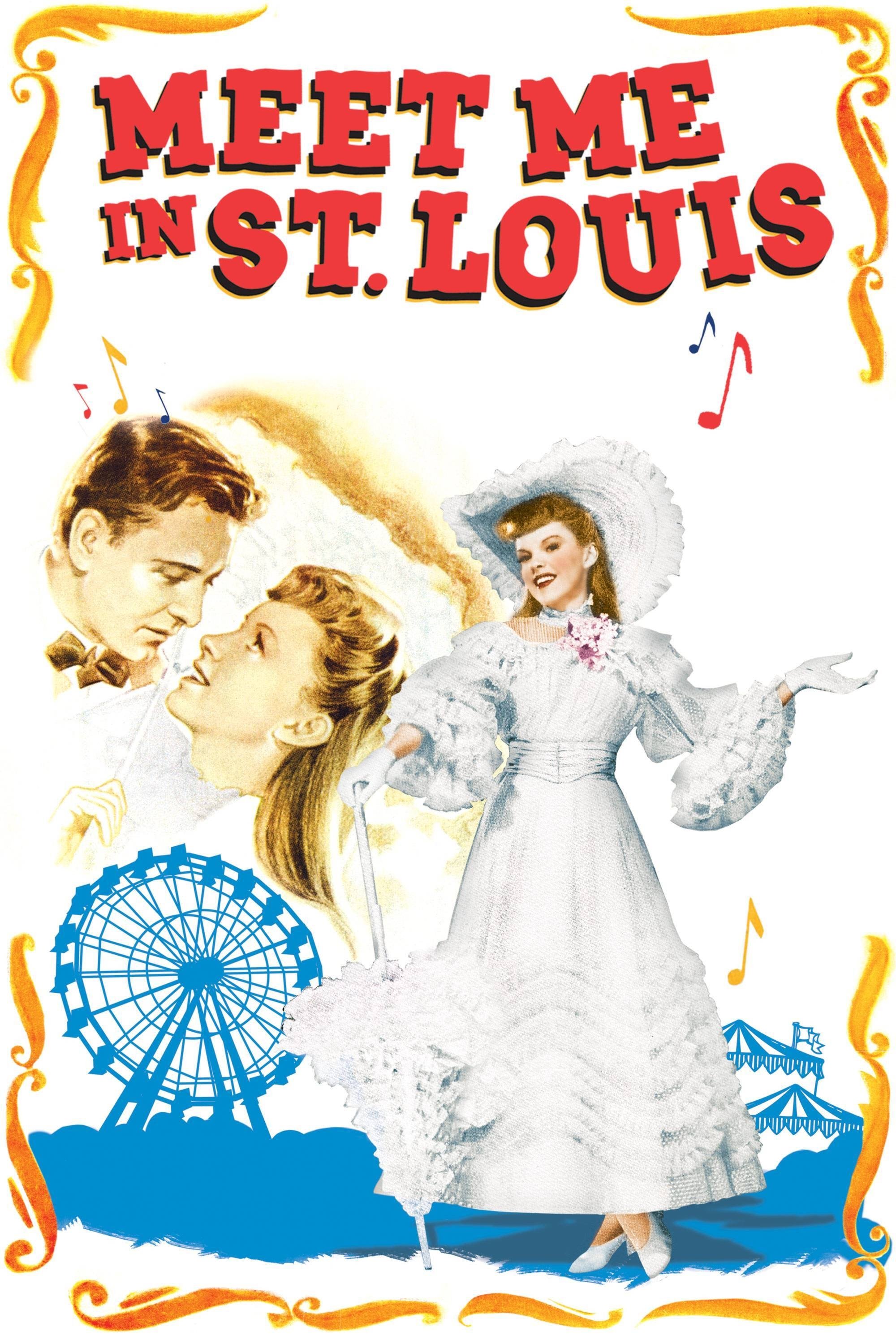
Meet Me in St. Louis

1944 · The Trolley Song where it belongs, with the young Garland singing it.