Film review

Lock, Stock and Two Smoking Barrels

1998 · Directed by Guy Ritchie · 1h 45m · MPA R

In a sentenceEveryone has a plan, which is unfortunate for everyone else with a plan

ComedyCrime

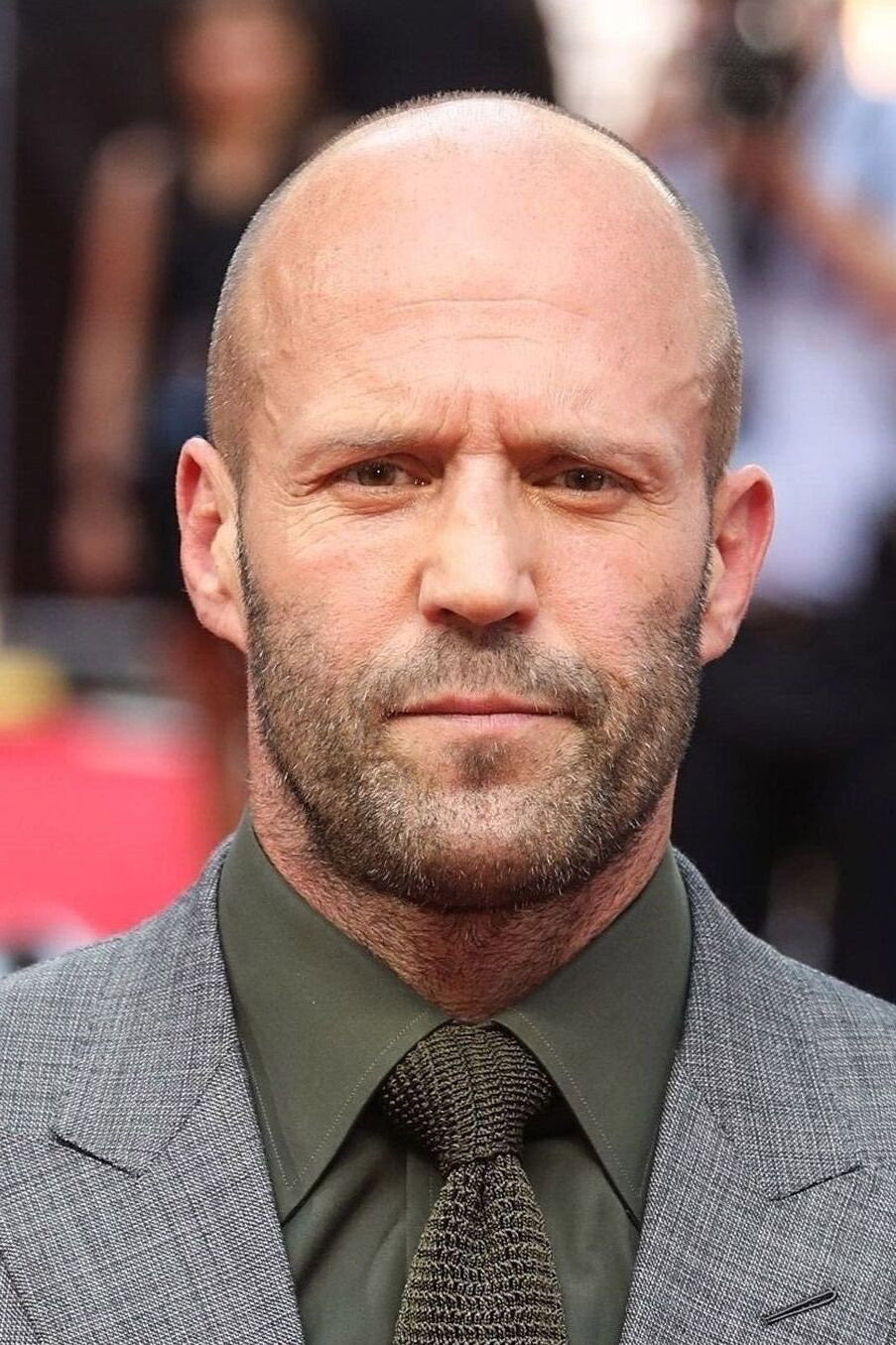
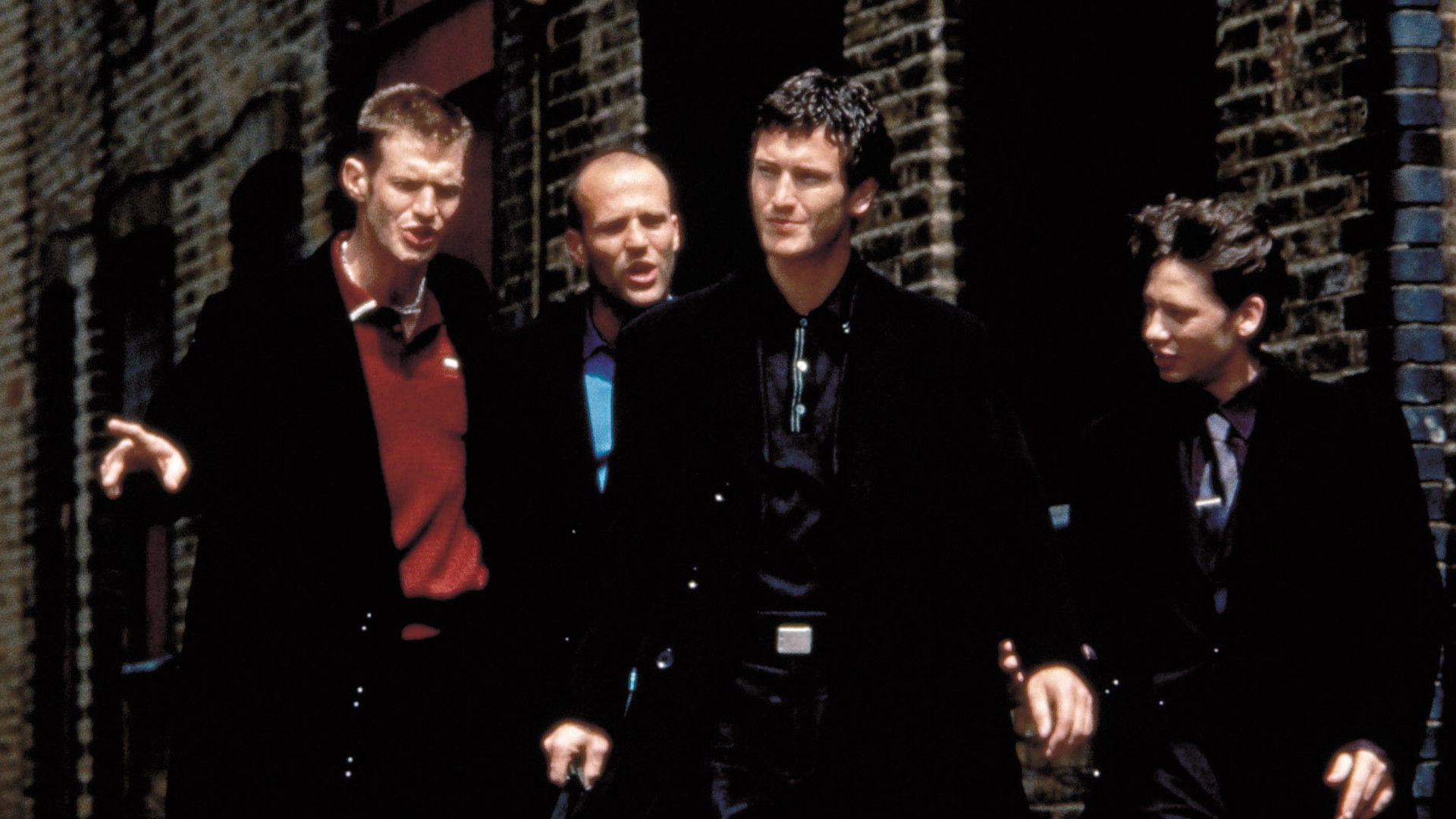
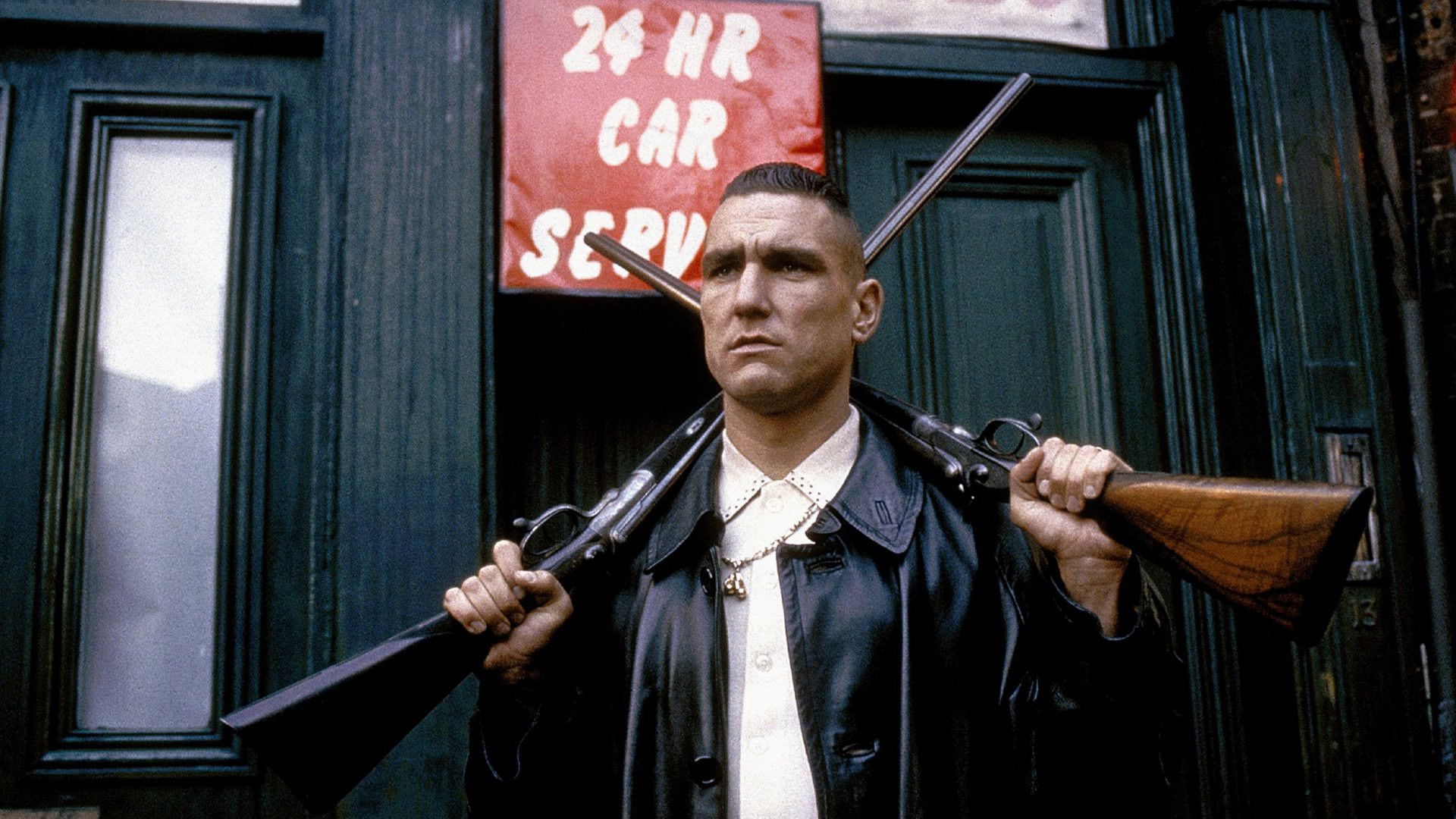
Eddy (Nick Moran), Tom (Jason Flemyng), Soap (Dexter Fletcher) and Bacon (Jason Statham) try to stay ahead of rival crooks in the East End. Around them, card sharks and drug dealers pursue overlapping schemes, with antique shotguns among the objects of interest. Big Chris (Vinnie Jones) belongs to the same criminal world, where getting the better of somebody else rarely settles matters for long. Written and directed by Guy Ritchie, this crime comedy follows the competing groups as their plans begin to interfere with one another and keeping track of everyone else’s business becomes a problem.

Plays from YouTube when you press play; nothing loads from them until then.

Fi1m review

Guy Ritchie’s crime comedy earns its laughs through deadpan performances and carefully tangled schemes. The camera sometimes tries too hard, and the characters are thin, but the plotting makes this criminal company worth an evening.

Guy Ritchie gives his crooks so many competing schemes that keeping track of the other criminals becomes almost a full-time job. Lock, Stock and Two Smoking Barrels is a funny, well-built caper, worth an evening if criminal stupidity is your sort of entertainment. Its 105 minutes are crowded with people convinced they can outsmart somebody else. Ritchie enjoys testing that confidence. He is less interested in what any of these men might be like when there is nothing to gain.

Nick Moran’s Eddy, Jason Flemyng’s Tom, Dexter Fletcher’s Soap and Jason Statham’s Bacon give us a group worth following through the complications. Ritchie’s writing gives the ensemble a shared pleasure in blunt speech, and the actors understand how much comedy can sit in a pause. We laughed at Vinnie Jones’s Big Chris because he sounds so irritated at having to make himself clear. Jones does not need to compete with the film’s busy style; his blunt delivery is enough.

Ritchie the writer is good at keeping separate criminal schemes active without making each new group feel like a fresh start. Card sharks, drug dealers and antique shotguns could easily become a list of things to remember. Editor Niven Howie keeps the handovers brisk and allows the crooked dealings to accumulate, so the complication itself becomes funny. There are stretches when the plot takes more concentration than the people deserve, but the cutting usually makes the effort feel worthwhile.

Tim Maurice-Jones’s photography is more conspicuous, and not every visual flourish earns its place. The camera tricks can make a simple exchange feel as though it needs selling to us. Still, the exaggerated style fits a criminal world so cut off from ordinary life, and production designers Eve Mavrakis and Iain Andrews help keep that world coherent. The surroundings make the encounters between separate groups feel plausible despite the increasingly elaborate plotting. We never mistake any of it for an investigation into how the East End actually works.

David A. Hughes and John Murphy’s music contributes to the momentum, while the eclectic soundtrack encourages the film’s pleasure in its own bad behaviour. Music and cutting share the comic timing, allowing danger and absurdity to sit together without a laborious change of mood. The swagger is enjoyable, even when it draws more attention than the people underneath it. Ritchie knows how to keep a scene lively, though there are times when we would welcome a little less encouragement to admire the performance.

The more persistent weakness is Ritchie’s limited curiosity about his characters. The macho posturing can be funny, but repetition makes too many of the men seem alike, and violence occasionally substitutes for a joke. A gangster comedy need not explain society, but it benefits from giving us somebody whose predicament matters beyond the next clever connection. Here the actors provide most of that interest, which is enough to make the complications entertaining without making the nastiness entirely comfortable. Choose it for the deadpan company and the busy plotting, provided a shortage of sympathetic people will not spoil the evening.

Critical consensus AI synthesised

71
Positive
7
Mixed
4
Negative
1

Most critics respond warmly to Lock, Stock and Two Smoking Barrels, with praise clustering around Guy Ritchie’s energetic direction, interlocking criminal plots and black humour. The enthusiastic reviews find the complicated storytelling clever and the collisions between crooks consistently funny. The soundtrack and visual flourishes contribute to that appeal, though the performances also earn credit, with Vinnie Jones singled out repeatedly. For its supporters, the film’s confidence gives familiar gangster material a welcome British character.

The disagreement centres on whether that confidence carries enough substance. Several reviews find the plotting overcomplicated and the balance between violence and comedy uneasy, making the spread of opinion fairly wide. Time Out and Collider admire aspects of the craft but find little beneath the surface. The New Yorker is the clearest dissenter, treating the advertising-like style and camera tricks as liabilities, though even that review finds Jones worth watching.

Empire
1 January 2000 · Kim Newman
85*

This is the freshest and most successful Tarantinoid British gangster movie, an extended shaggy-dog story with freestyle energy and bizarro confidence that creates a self-contained, original world. It gets plenty of laughs from its complex collisions of crooked characters and ends with a memorable dangling resolution.

Read the full review →
Los Angeles Times
5 March 1999 · Kenneth Turan
85*

The critic calls it dark, dangerous and a great deal of wicked, amoral fun, praising the clever plot, cinematic energy, eclectic soundtrack, visual tricks, and lively unexpected humor in the deadpan Britspeak dialogue.

Read the full review →
Radio Times
★★★★ · John Ferguson
80

The review calls it the best British crime movie since The Long Good Friday and highlights its infectious youthful exuberance along with a strong cast including Vinnie Jones.

Read the full review →
The AV Club
29 March 2002 · Joshua Klein
80*

The critic calls it a hilarious, highly entertaining heist romp with complex interlocking plots and subplots involving colorful lowlifes, card sharks, drug dealers, and antique shotguns. They single out first-time director Guy Ritchie's stylish yet substantive direction, fresh performances by unknowns, and fast-paced execution.

Read the full review →
The New York Times
5 March 1999 · Janet Maslin
80*

The critic praises the brash, ebullient direction and macho gamesmanship of four sets of East End crooks outsmarting each other, noting the punchy flourishes from music videos and commercials enhance the attitude without hurting the film.

Read the full review →
Time Out
10 September 2012 · CO'Su
60*

The critic praises Ritchie’s confident camerawork and effective use of the soundtrack but finds the film shallow, with little interest in exploring its characters or genre beyond surface thrills and laughs.

Read the full review →

Cast

Stills

If you liked this, try…

The Ladykillers poster

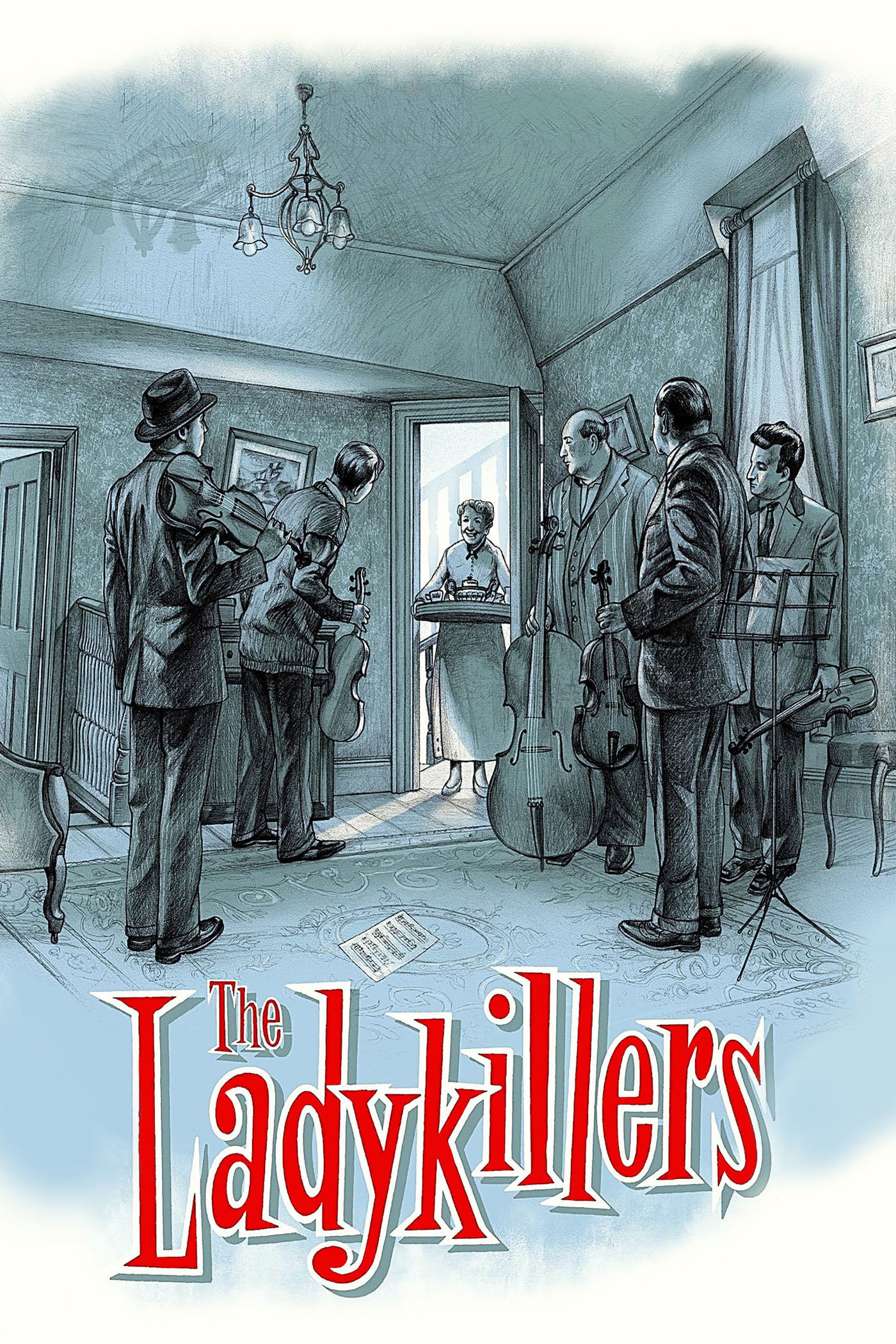
The Ladykillers

1955 · Another criminal plan undone by people its organisers have badly underestimated

Big Deal on Madonna Street poster

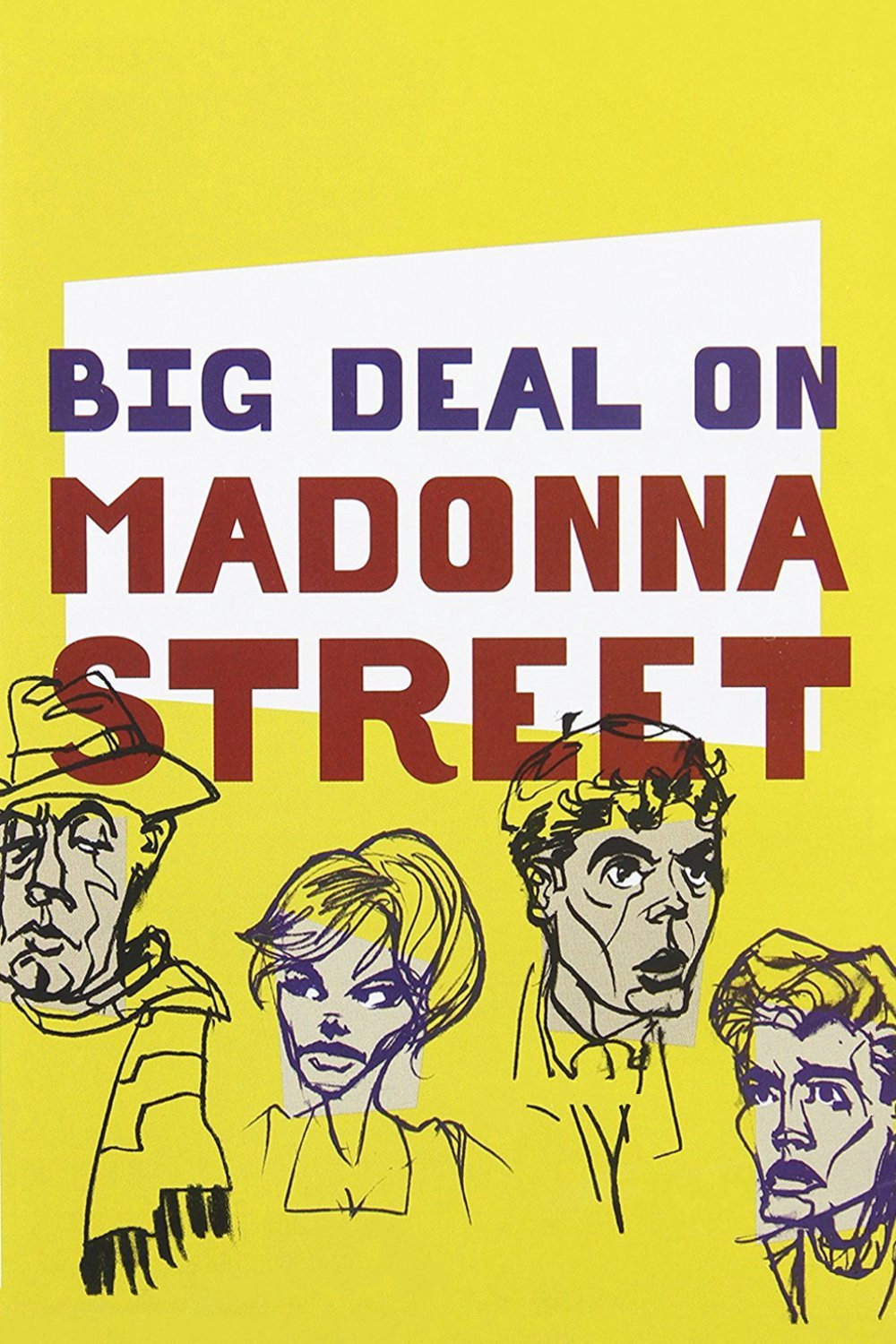
Big Deal on Madonna Street

1958 · A shabbier criminal crew, with bungled plans and considerably more affection for the bunglers

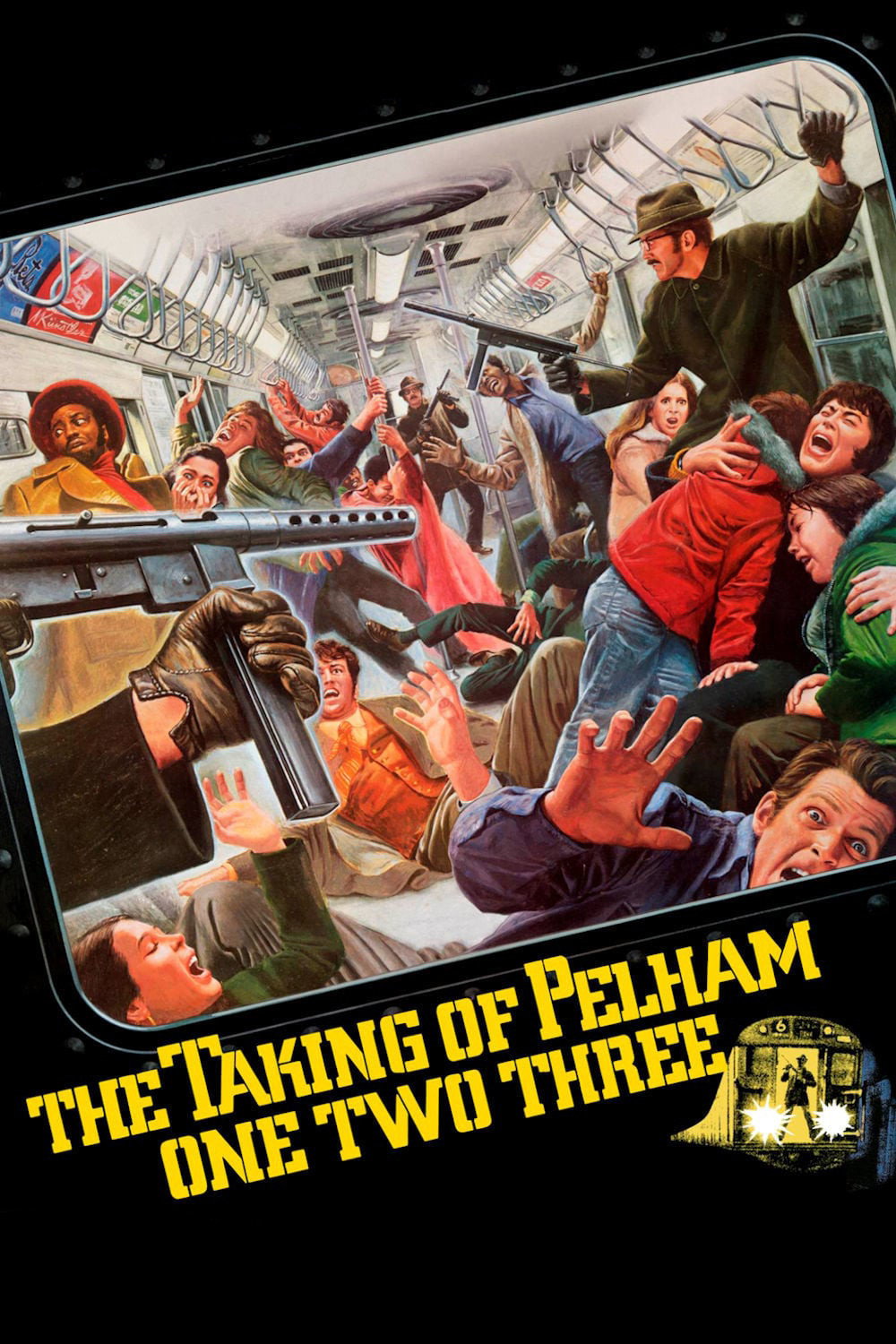
The Taking of Pelham One Two Three poster

The Taking of Pelham One Two Three

1974 · Blunt dialogue and tightly managed threats, with a city full of awkward customers

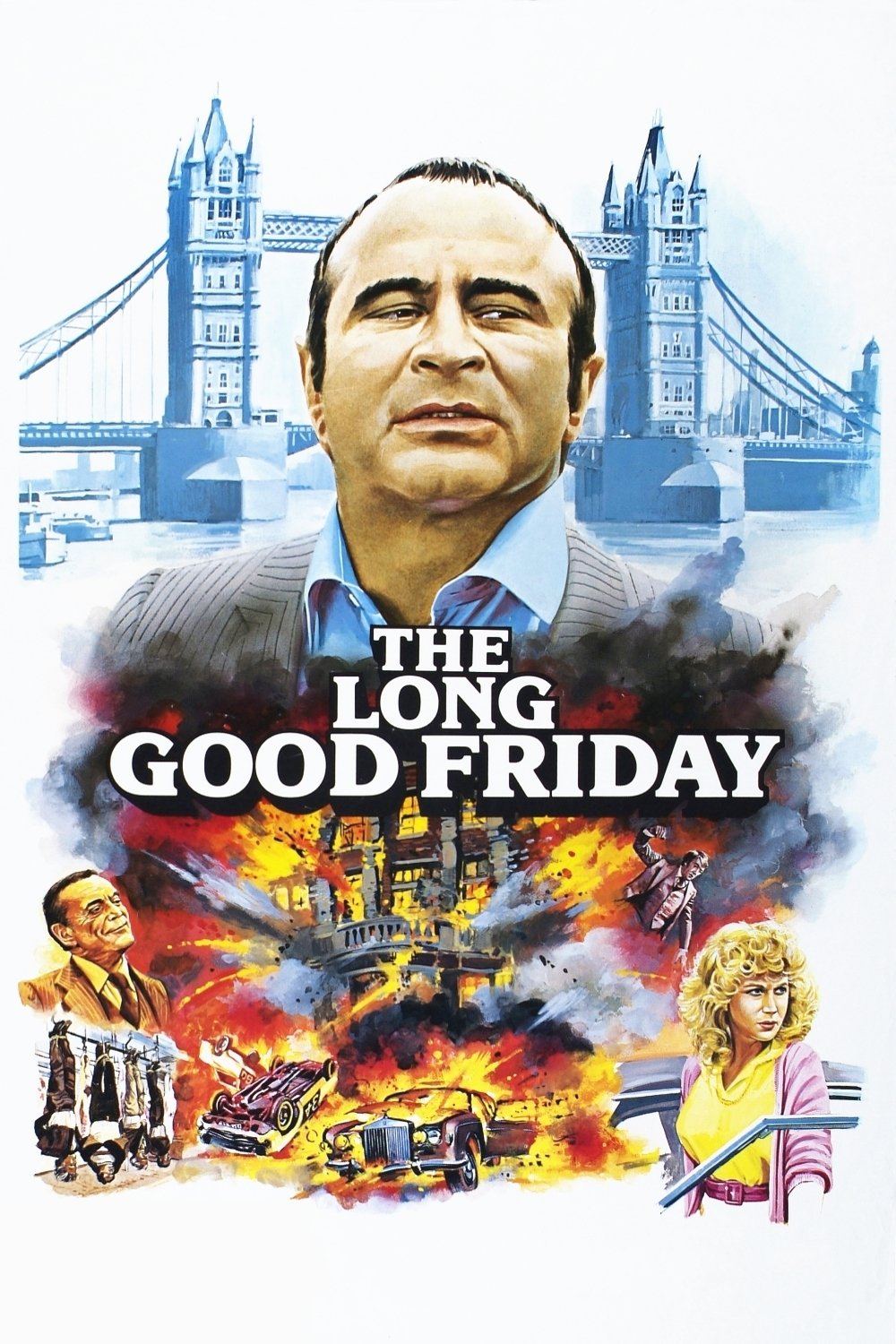
The Long Good Friday poster88

The Long Good Friday

1980 · For the criminal swagger again, this time with fear and consequence underneath

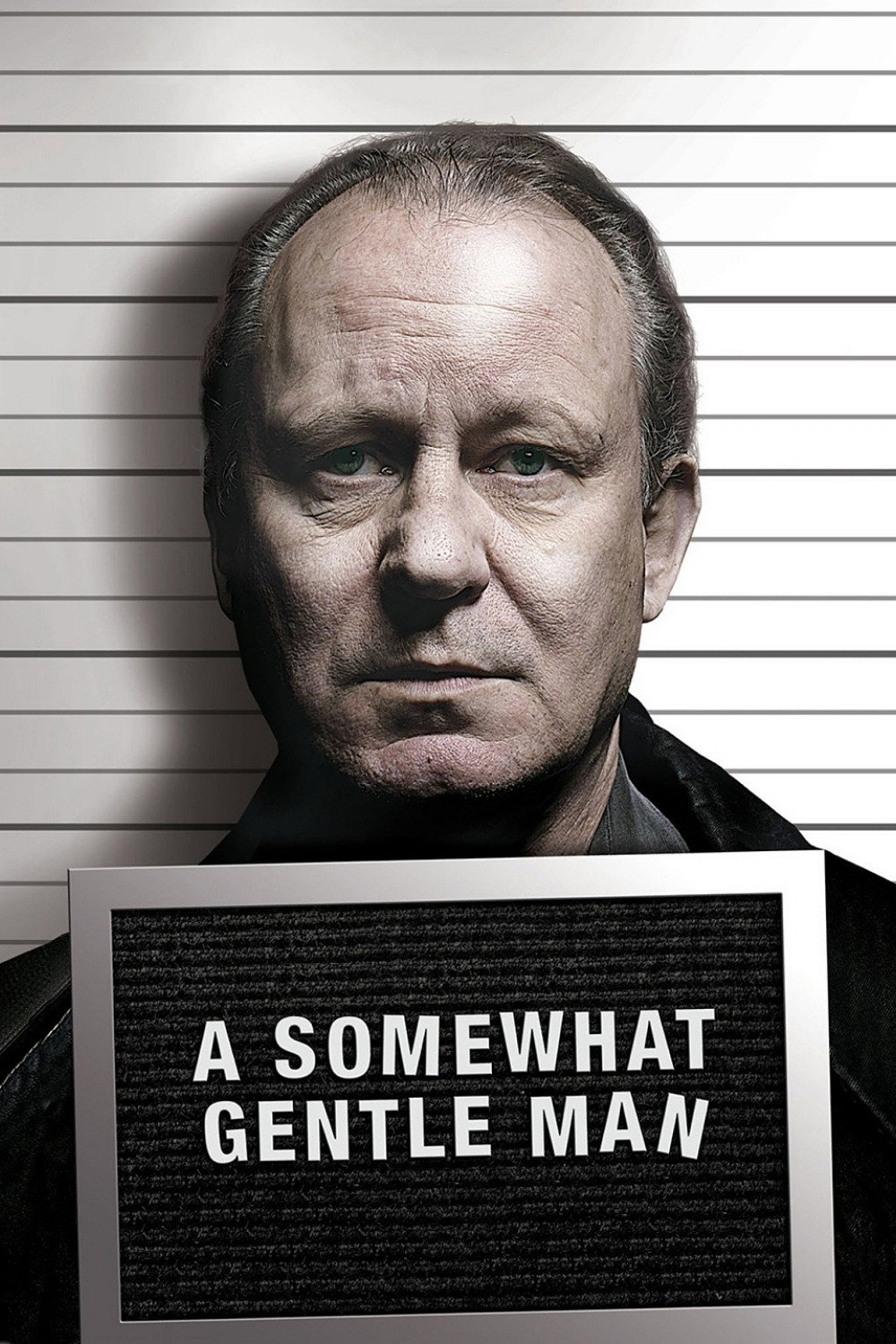
A Somewhat Gentle Man poster

A Somewhat Gentle Man

2010 · Quieter criminal absurdity, with deadpan performances and room for embarrassment between the threats