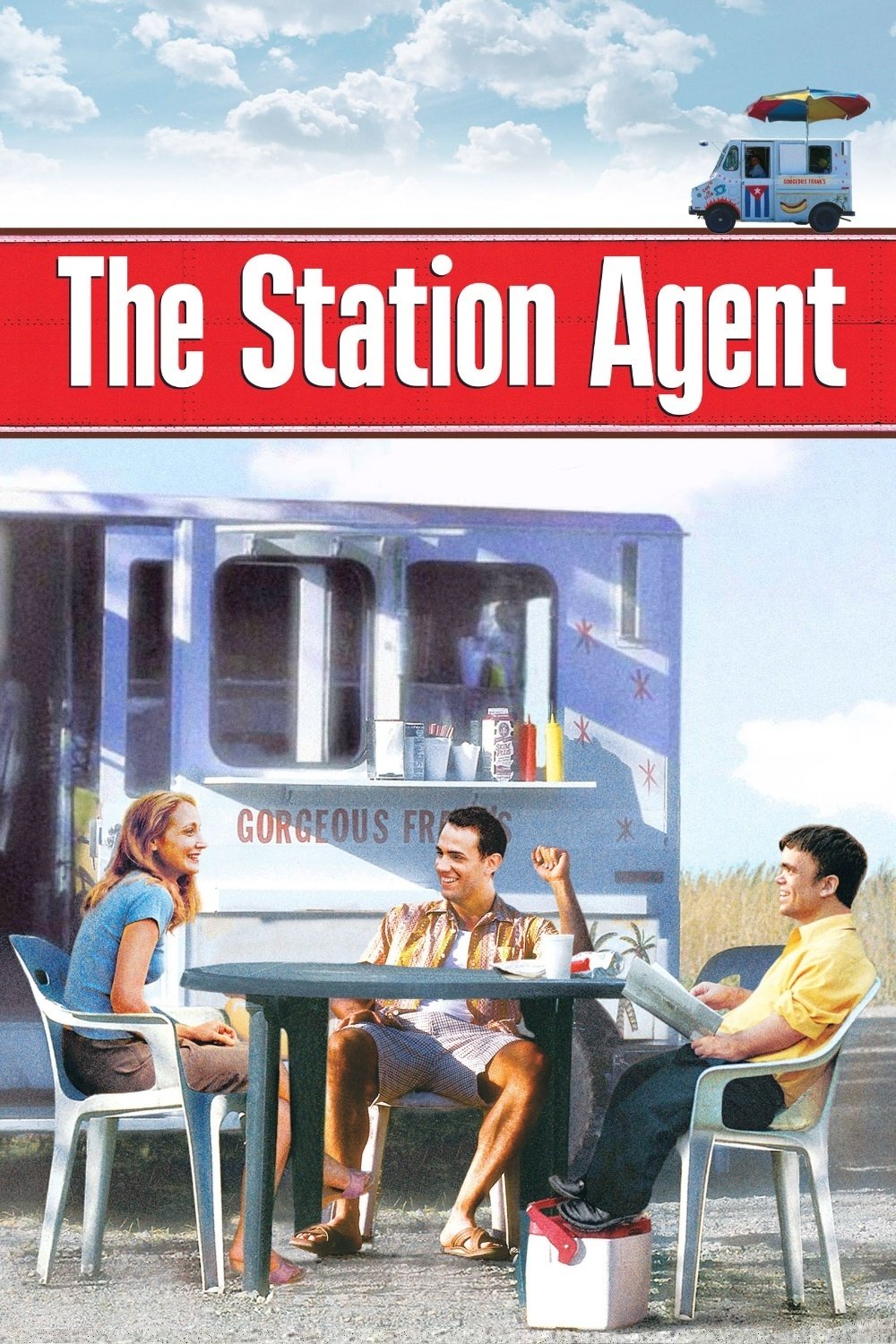
Miranda July’s neighbourhood comedy finds real feeling in an awkward courtship and has the patience to notice lonely people. Its insistence on being odd can grate, but the central pair make the effort worthwhile.
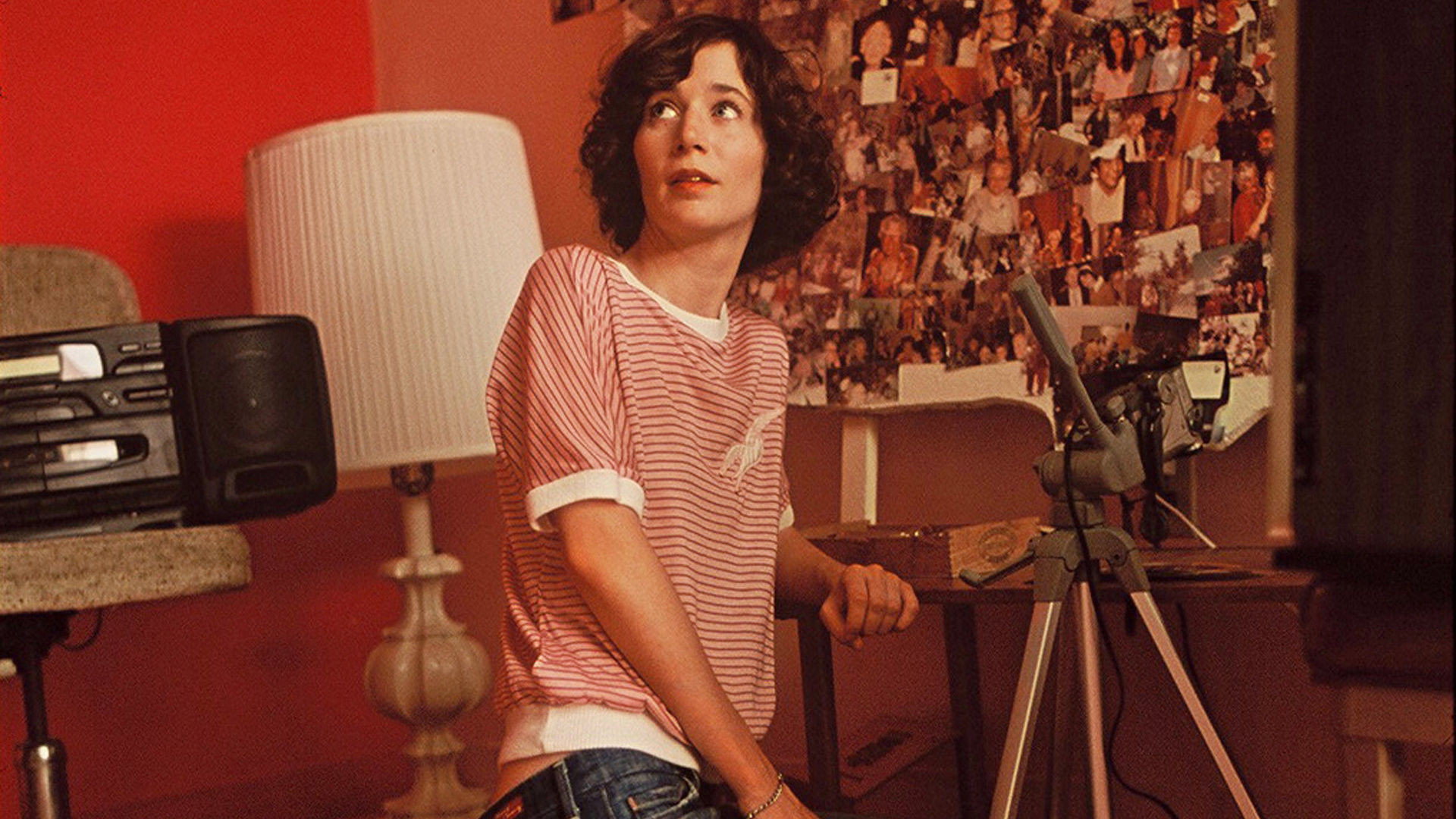
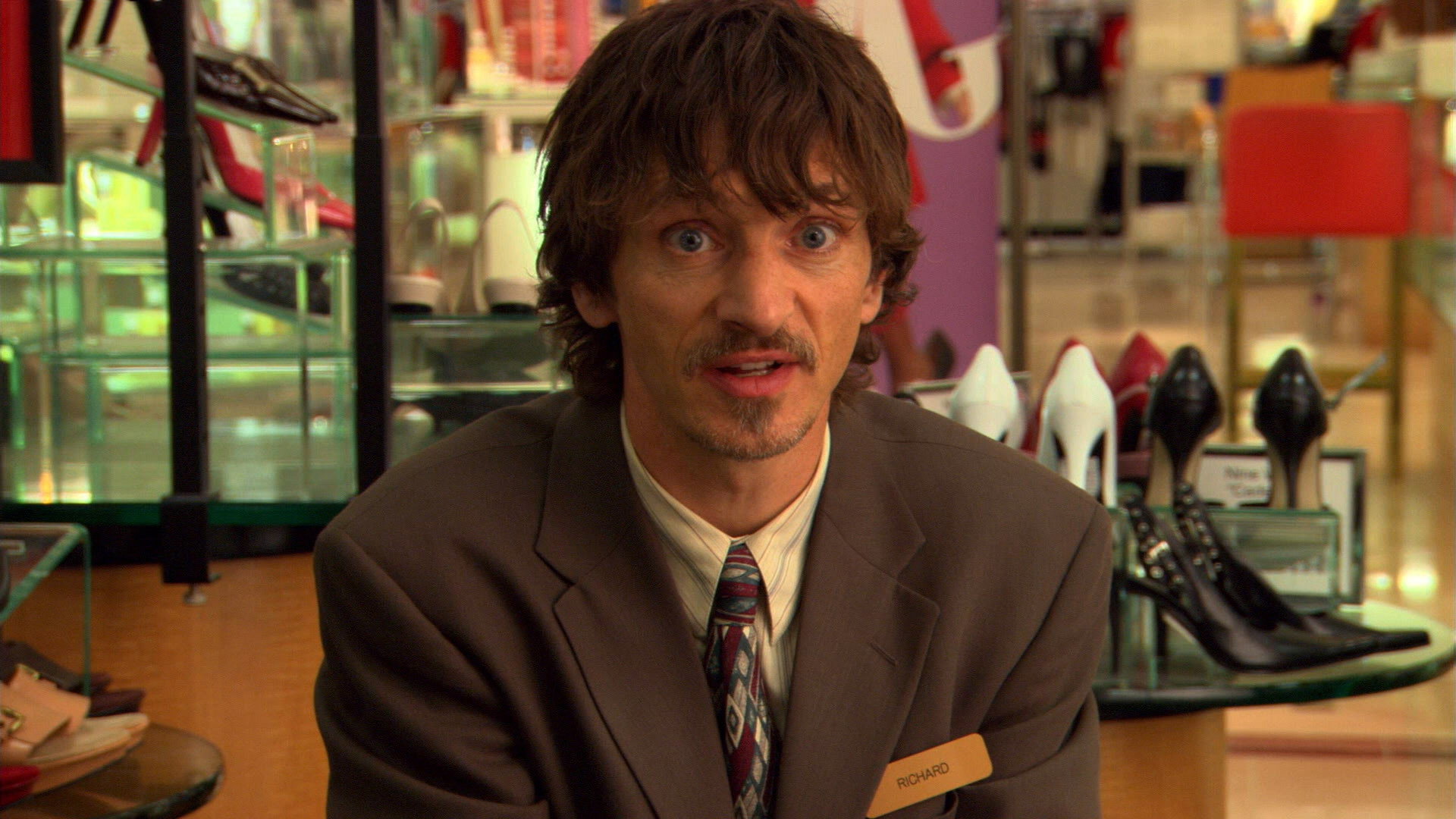
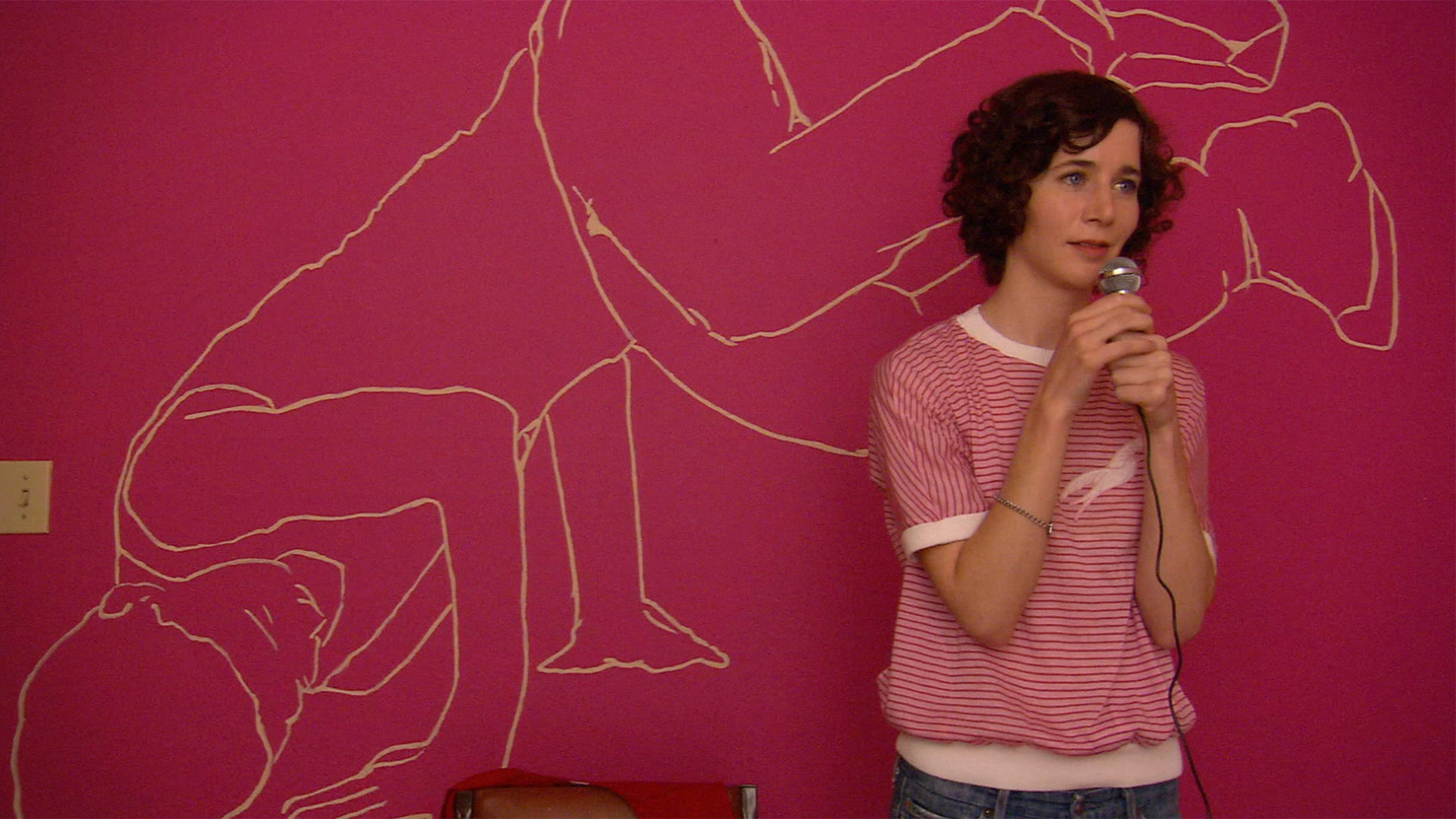
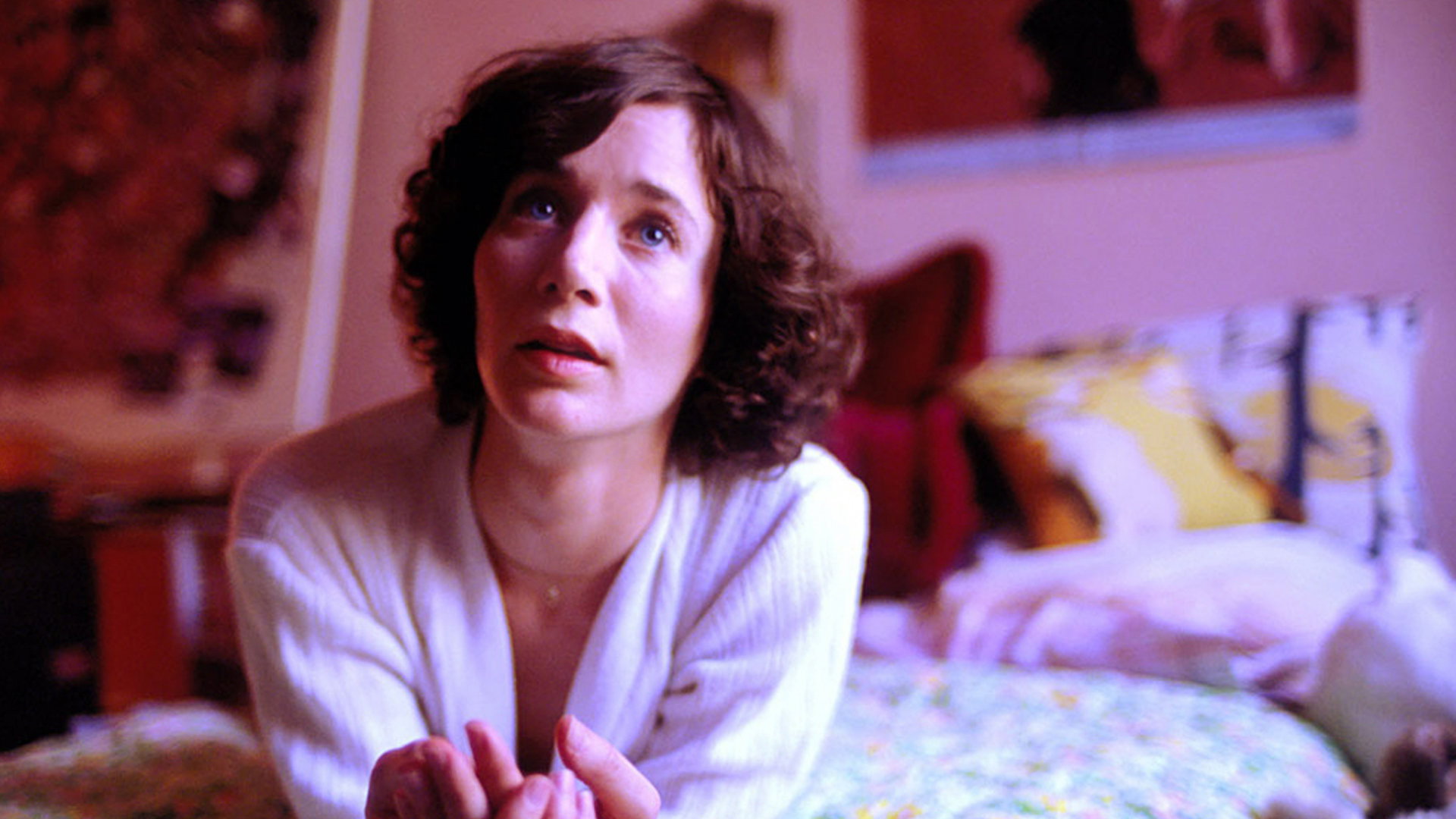
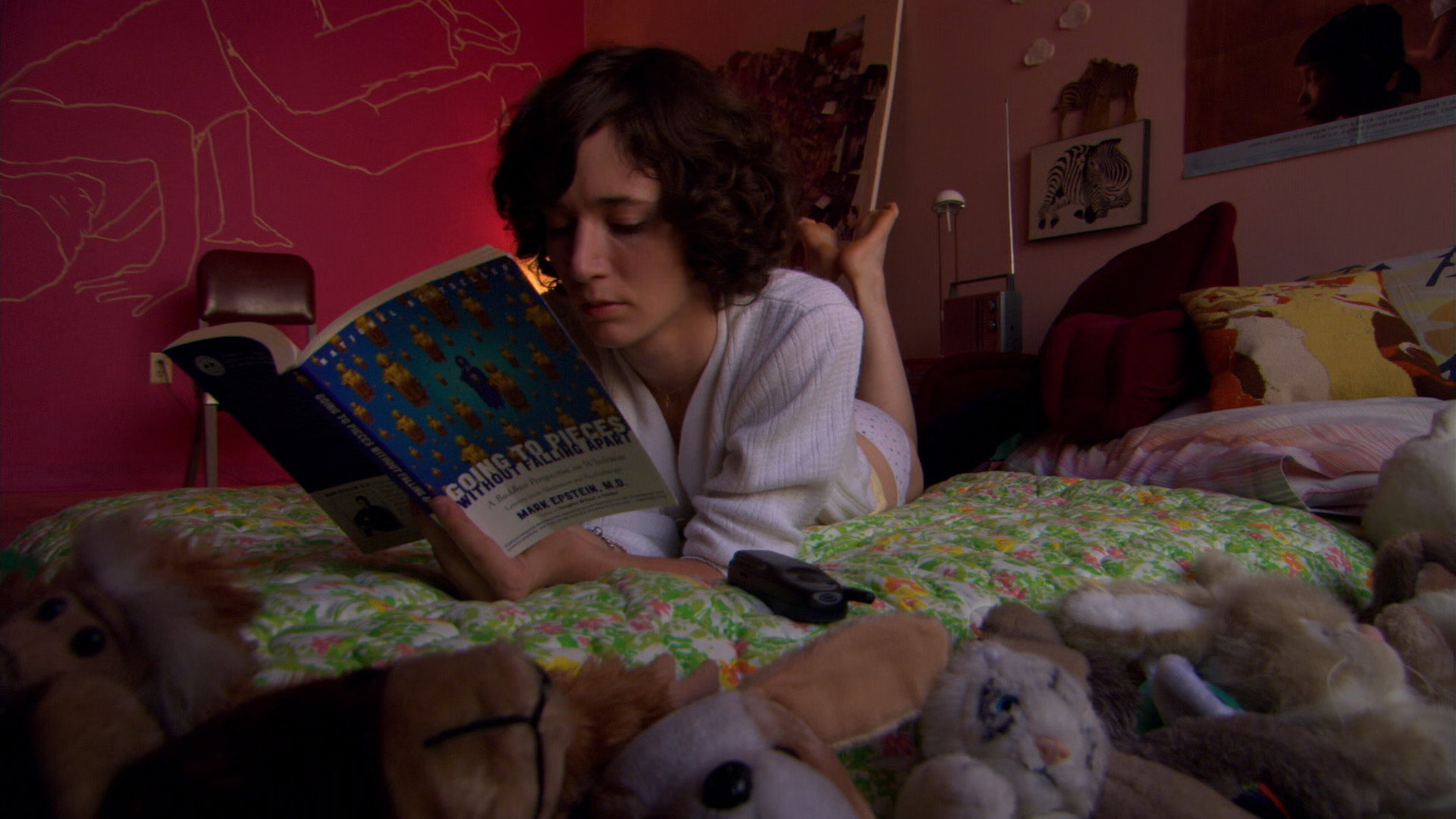
Miranda July’s Me and You and Everyone We Know is a funny, affecting comedy whose determination to be peculiar sometimes gets in its way. July writes, directs and stars, and she takes the small humiliations of wanting company seriously. The film asks us to spend time with people who struggle to say what they want, even when they have found someone willing to listen. At its centre are a conceptual artist, Christine Jesperson, and a shoe salesman, Richard Swersey.
July plays Christine, with John Hawkes as Richard, and their courtship gives the scattered neighbourhood stories something worth returning to. Hawkes helps make the hesitancy between them feel plausible; there is room to wonder what the other person has understood. July’s performance is more conspicuously odd, but she lets Christine seem needy without asking us to congratulate her for being different. Their scenes are sufficiently engaging that we begin to resent being taken away from them.
The scene in which Christine and Richard imagine their walk as the course of an entire relationship could have been unbearably pleased with itself. We were moved by it. Giving their possible future a place along the street lets them acknowledge feelings they cannot yet discuss directly, and both performers make the game seem worth the risk of looking foolish. The cleverness remains visible, but so does the embarrassment of wanting a shared life before there is much evidence that one will be offered.
Chuy Chávez’s cinematography makes ordinary surroundings worth looking at, giving even a street sign enough attention to interrupt our interest in the people. That watchfulness suits a film about characters hoping to be noticed. Aran Mann’s production design keeps the neighbourhood recognisable, so the odd behaviour has something ordinary to stand against. Michael Andrews’s music encourages the gentleness, sometimes more insistently than the courtship needs.
Editors Andrew Dickler and Charles Ireland preserve the loose movement between characters, allowing the film to feel sociable without pretending everyone belongs in the same story. At 91 minutes it is compact, though the succession of vignettes can make it feel longer. Some characters are defined so insistently by their odd behaviour that there is little else to become interested in. The art-world satire supplies some welcome jokes along the way.
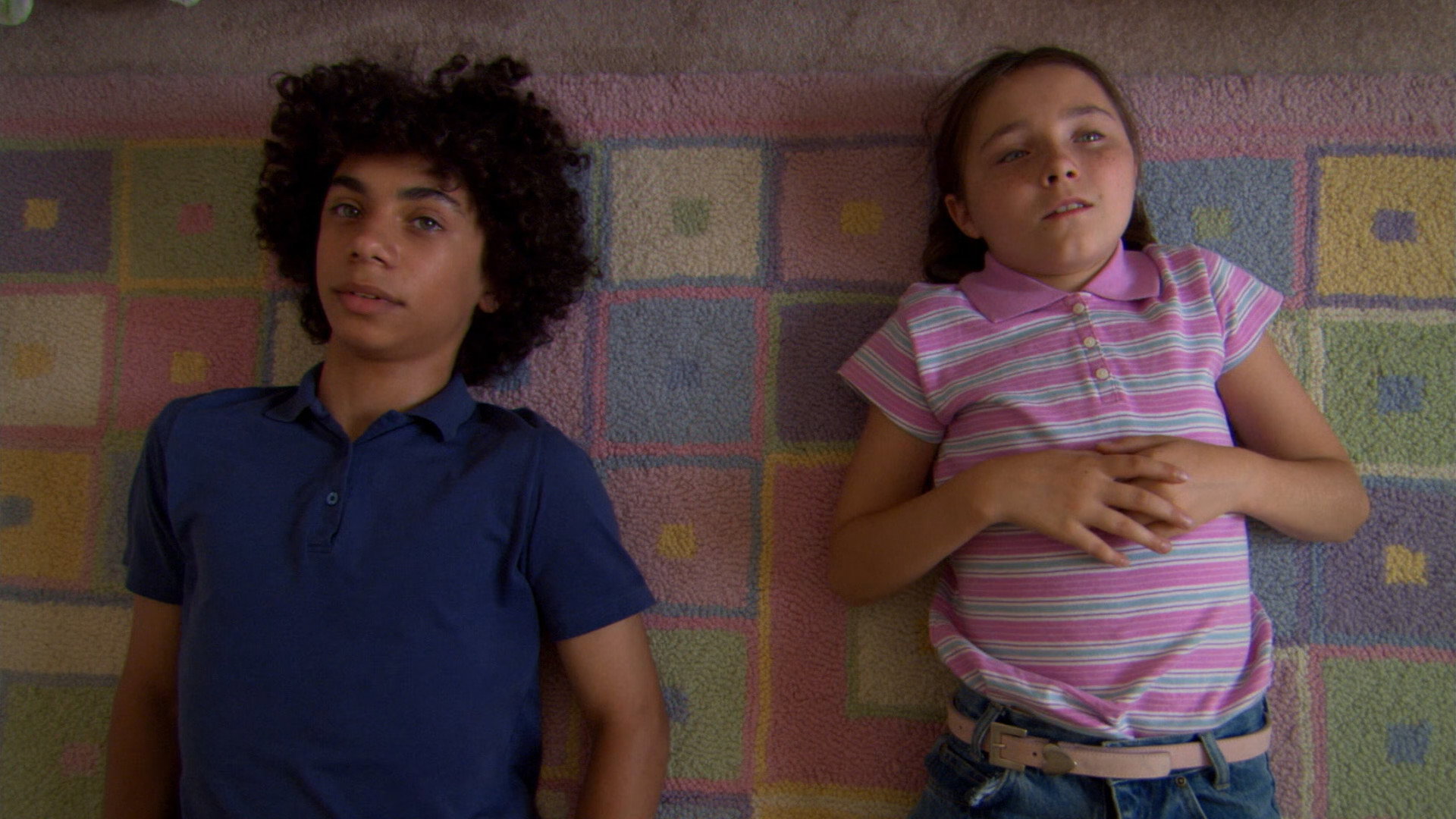
The scenes involving young people’s sexuality are harder to accept on those terms. July’s deliberately flat treatment can make innocence difficult to distinguish from a failure to think about harm. We do not need a lecture about boundaries, but the light comedy sometimes moves on before the discomfort has been properly acknowledged. The generosity that serves the courtship so well feels less reliable here.
The neighbourhood ensemble comedy can become a parade of amusing minor characters, and July occasionally lets that happen. Her useful distinction is a willingness to let the search for company look embarrassing without making the lonely person the target. Christine and Richard benefit most from that kindness, and their tentative interest in each other survives the film’s fussier habits. Try it for the central pair, with some patience for the neighbours.