Clint Eastwood’s boxing drama is deeply moving, with Hilary Swank and Morgan Freeman matching his quiet, vulnerable performance. The story is familiar and occasionally labours its sadness, but the affection between these people makes it worth forgiving.
Clint Eastwood’s Million Dollar Baby is a moving boxing drama, carried by three performances that make its familiar beginnings worth sitting through. An ageing trainer, a determined would-be fighter and an old friend are hardly new company for the genre, and Paul Haggis’s screenplay does not pretend otherwise. What matters is how carefully Eastwood allows these people to get close to one another. We recommend it, with a warning that its gravity can occasionally make a simple exchange feel more solemn than it needs to be.
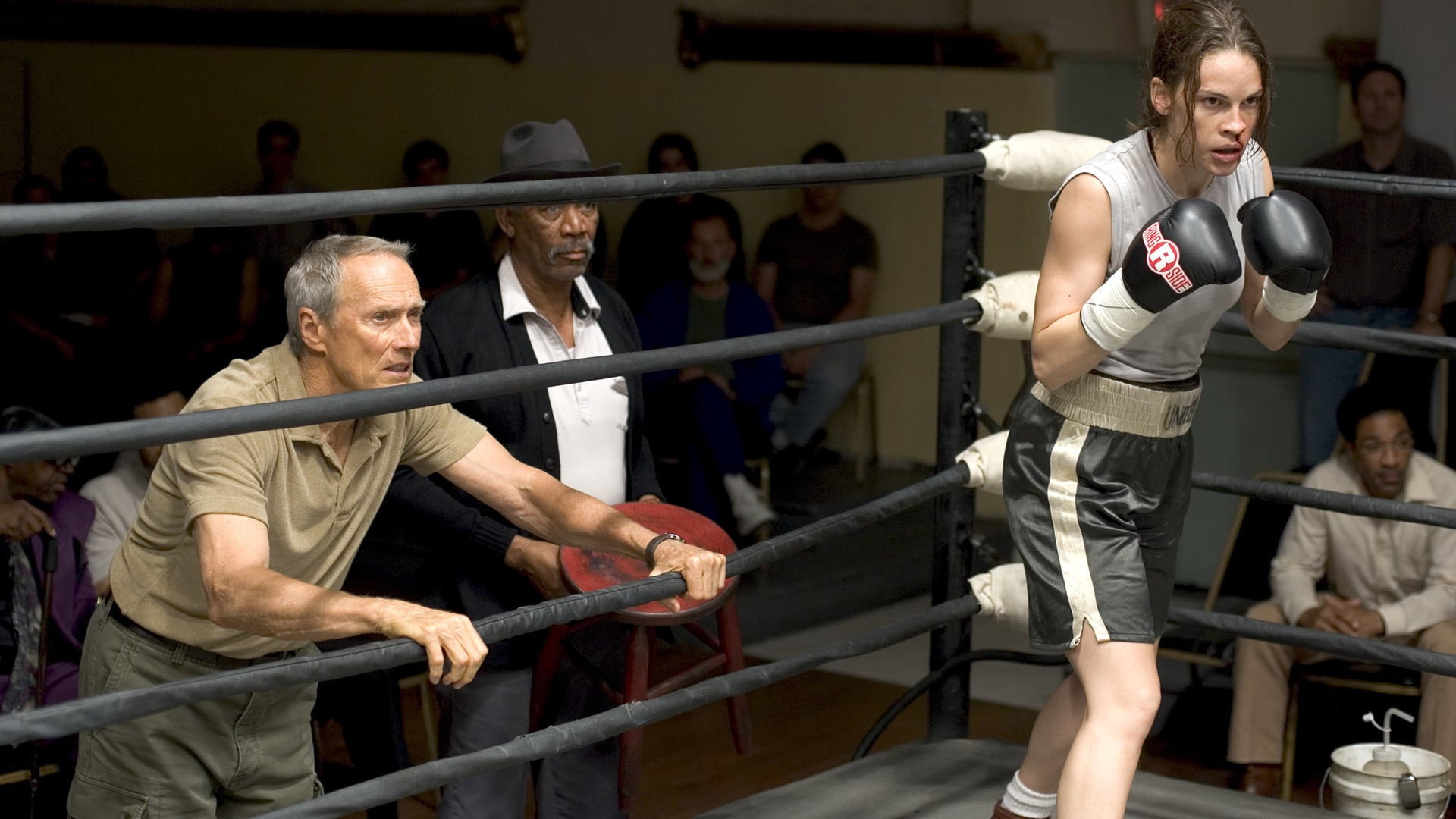
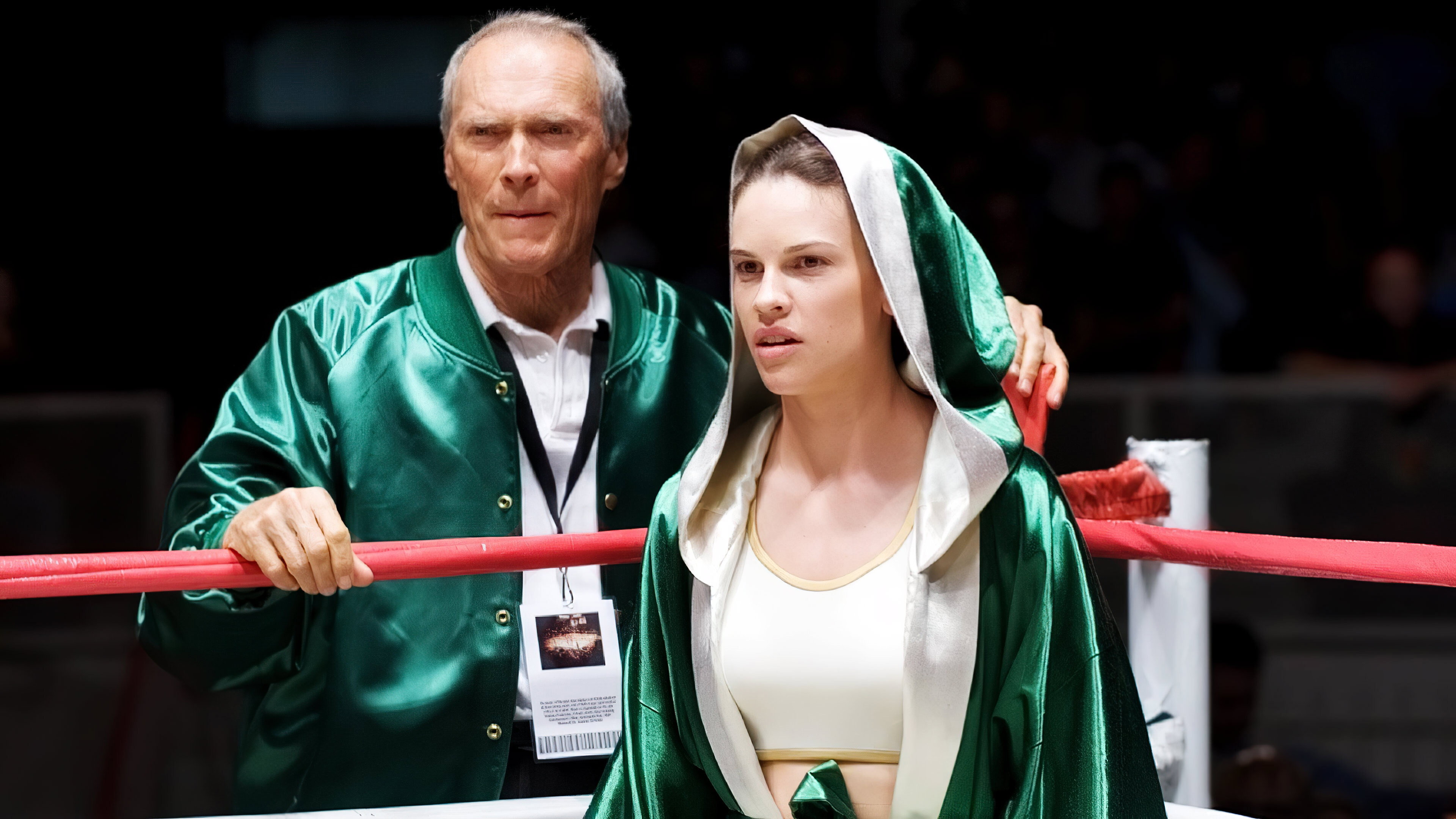
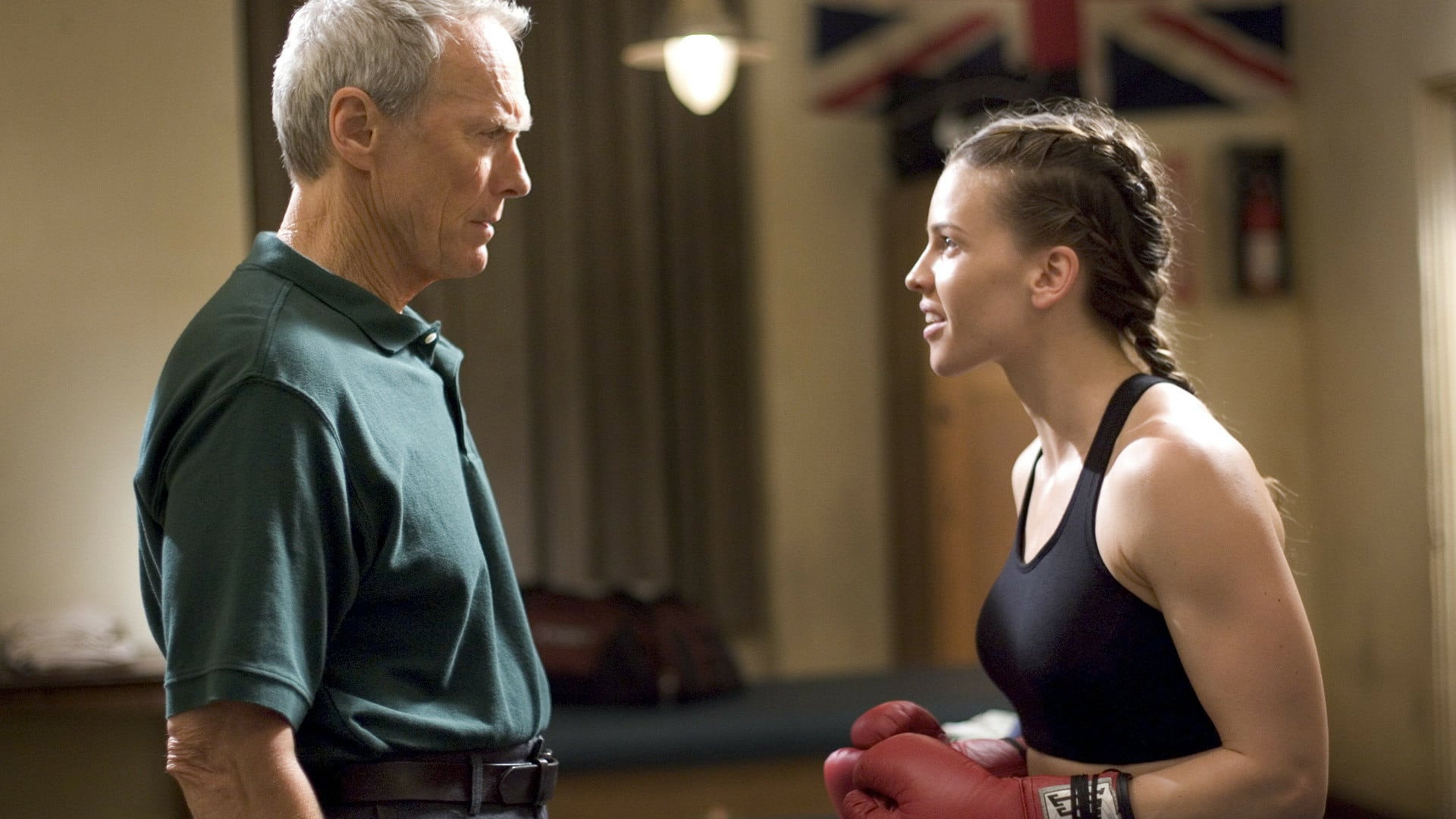
Hilary Swank’s Maggie Fitzgerald wants to box, and Eastwood’s Frankie Dunn is the ageing trainer who becomes her mentor. Swank gives Maggie’s determination a directness that makes it easy to care about her without feeling instructed to applaud. Their scenes have the awkwardness of people who have begun to matter to each other before either is comfortable saying so. Eastwood is particularly good at making Frankie’s guarded manner seem tiring for Frankie himself, as though keeping people away requires daily practice.
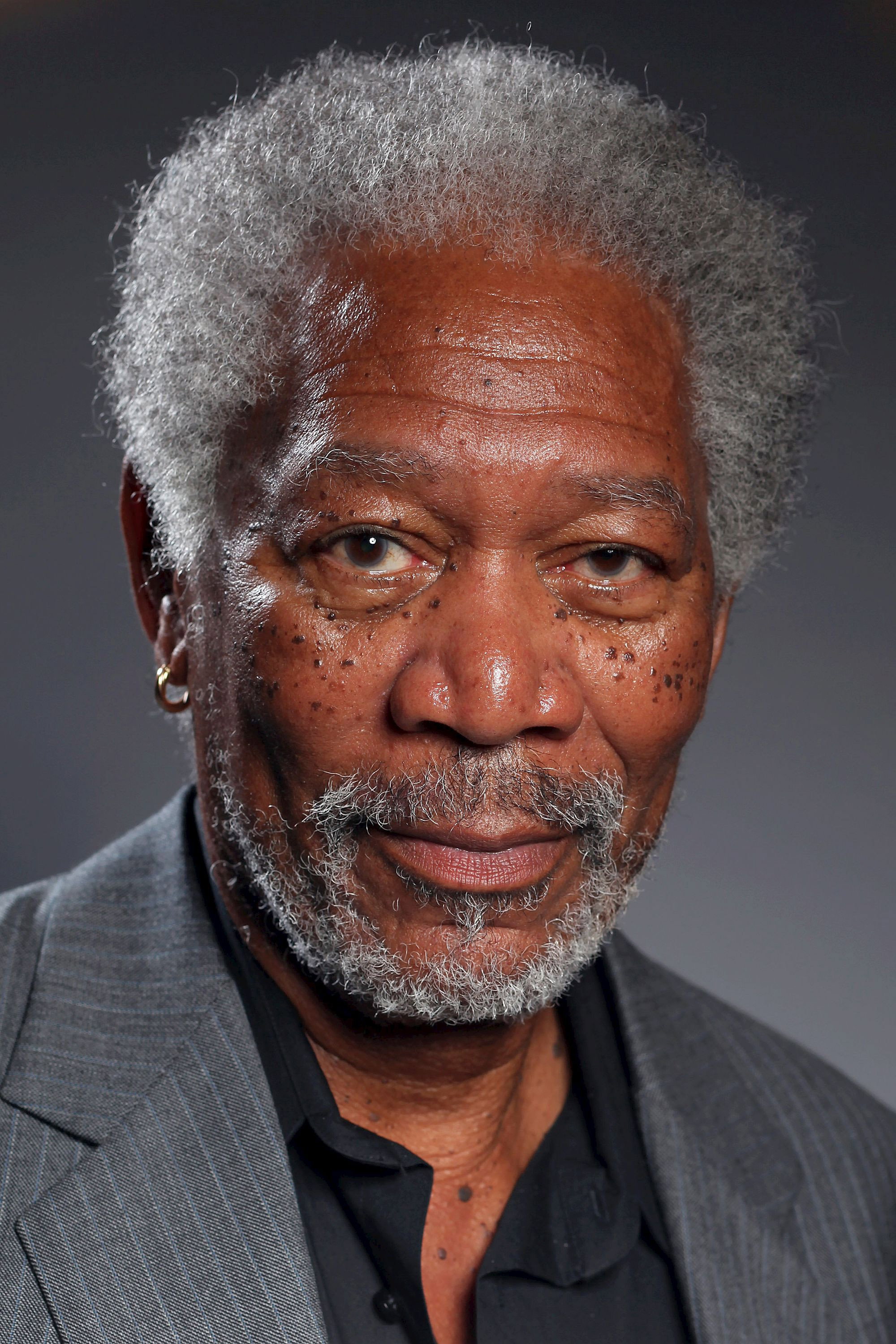
Morgan Freeman, as Eddie Scrap-Iron Dupris, is essential to the film’s balance. His friendship with Frankie gives us another way of judging a man who might otherwise seem defined entirely by his relationship with Maggie. Freeman’s calm delivery is pleasurable in itself, but the sadness beneath it keeps the performance from becoming a comfortable accompaniment. The three actors are persuasive enough together that the film can spend time on companionship without seeming to have forgotten the boxing.
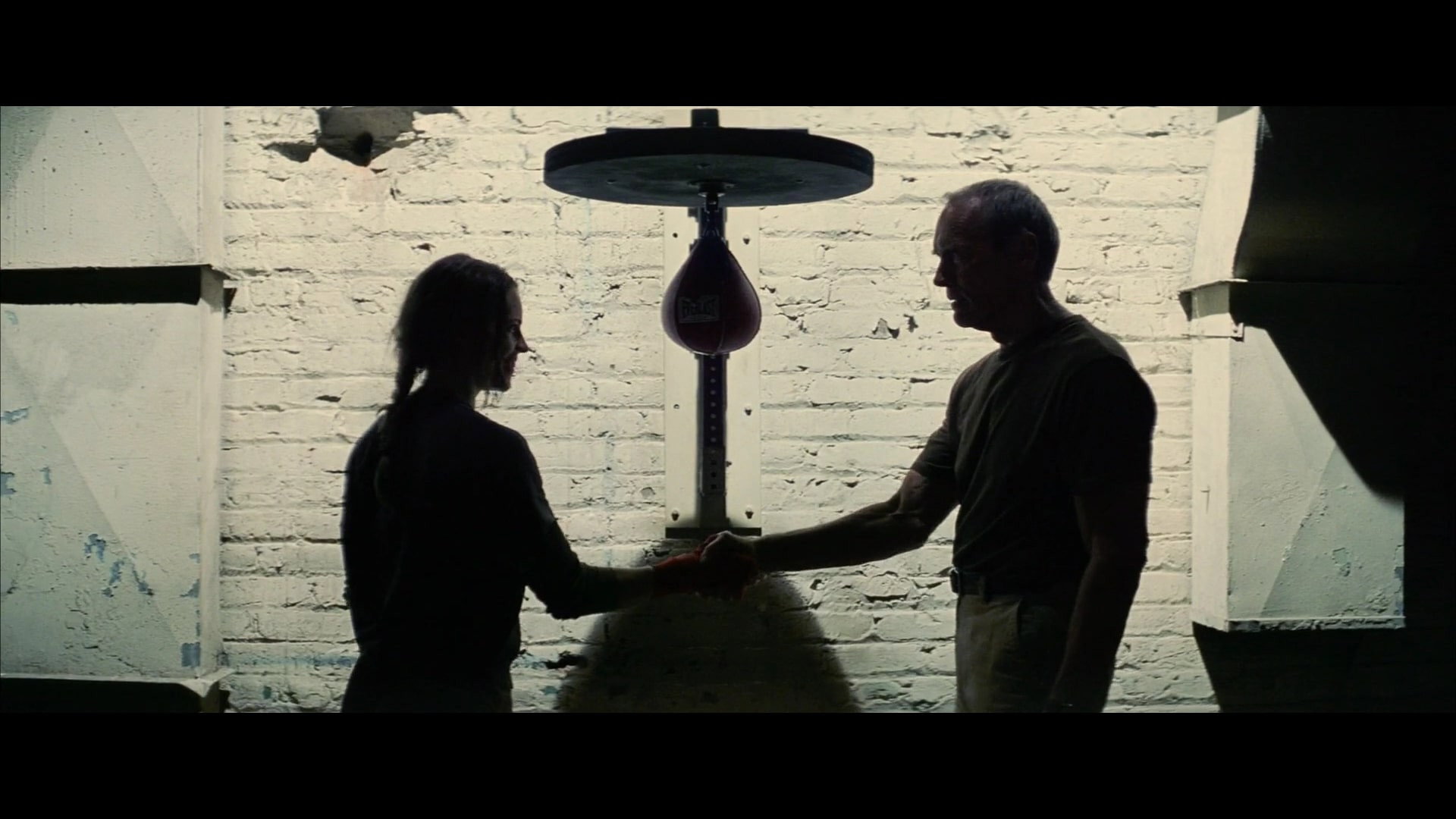
Tom Stern’s cinematography gives the film a sombre, shadowed look, with little appetite for making the boxing glamorous. Henry Bumstead’s production design supports that plain view of the sport; these surroundings feel used, and the people belong in them. The darkness can be heavy, but it suits Frankie’s habit of keeping himself apart. The setting never seems more important than whoever is standing in it, which leaves us free to watch the actors.
Joel Cox’s editing is patient about the performances, allowing the film to settle into the three leads’ different rhythms. At 132 minutes, that patience sometimes feels like a reluctance to move on, especially when Haggis has already made the emotional point clear. Eastwood also supplies the music; it supports the film’s sadness, though the performances hardly need the help. The quieter stretches work particularly well because the actors are given room to be uneasy together, without every hesitation needing to be explained.
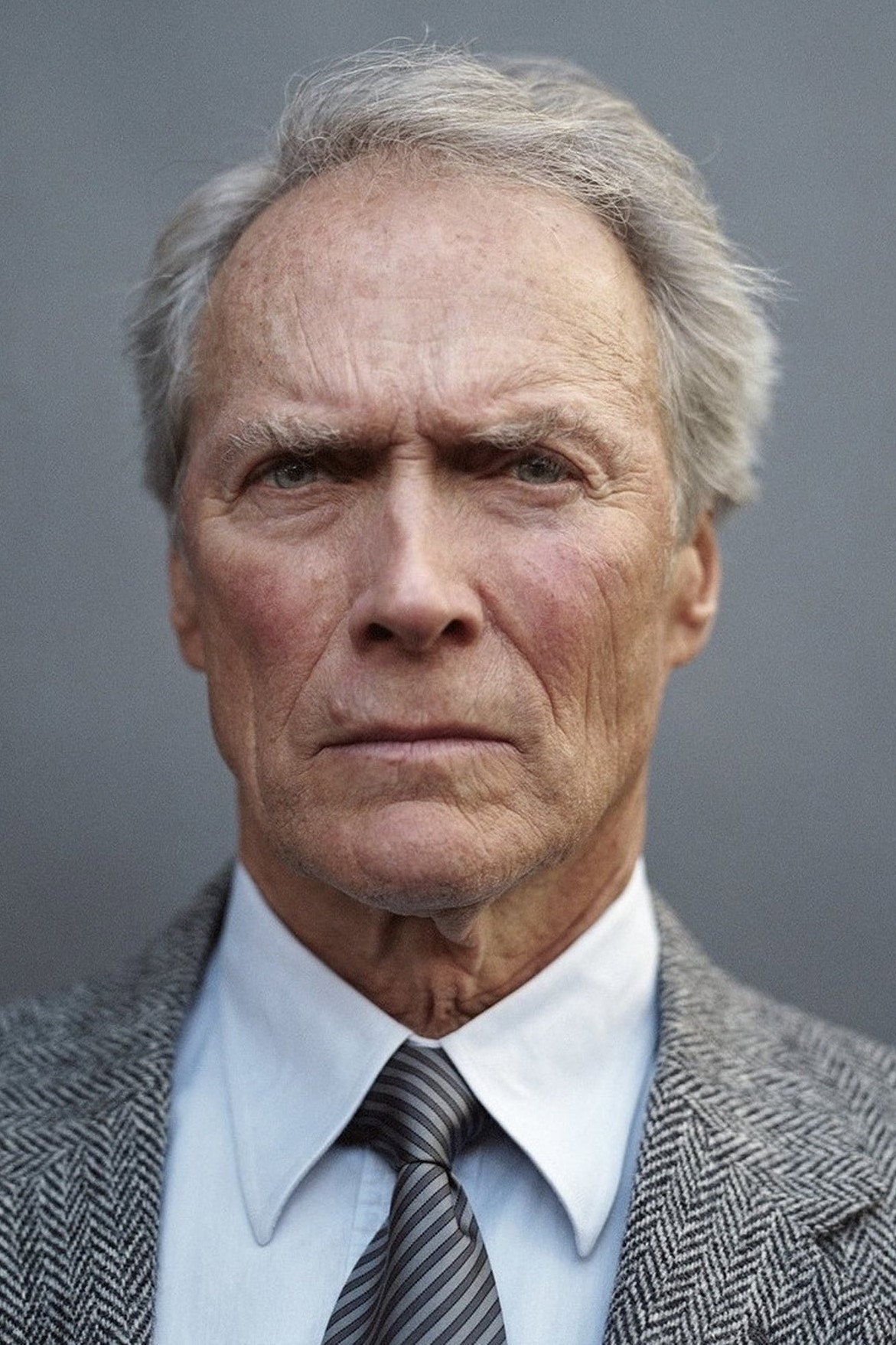
We were moved by Frankie’s growing tenderness towards Maggie, and by the effort Eastwood makes that tenderness seem to cost him. He plays the possibility of being needed again with a vulnerability that makes the familiar trainer-and-fighter arrangement feel personal. Haggis sometimes presses harder than necessary on the sadness, but Eastwood’s hesitant warmth already tells us how much this relationship matters. Swank’s steadiness in those scenes is just as important.
As a boxing film, it has limited interest in making the sport look noble, and that helps it avoid some easy uplift. Its greater strength is the care it takes with people who want something from one another and struggle to admit how much. Choose it for the actors and the slowly developing affection, but not for an evening of uncomplicated encouragement.