Film review

Monos

2019 · Directed by Alejandro Landes Echavarría · 1h 43m · MPA R

In a sentenceTeenage group dynamics are unpleasant enough before anyone hands out the rifles

DramaThrillerCrimeWar

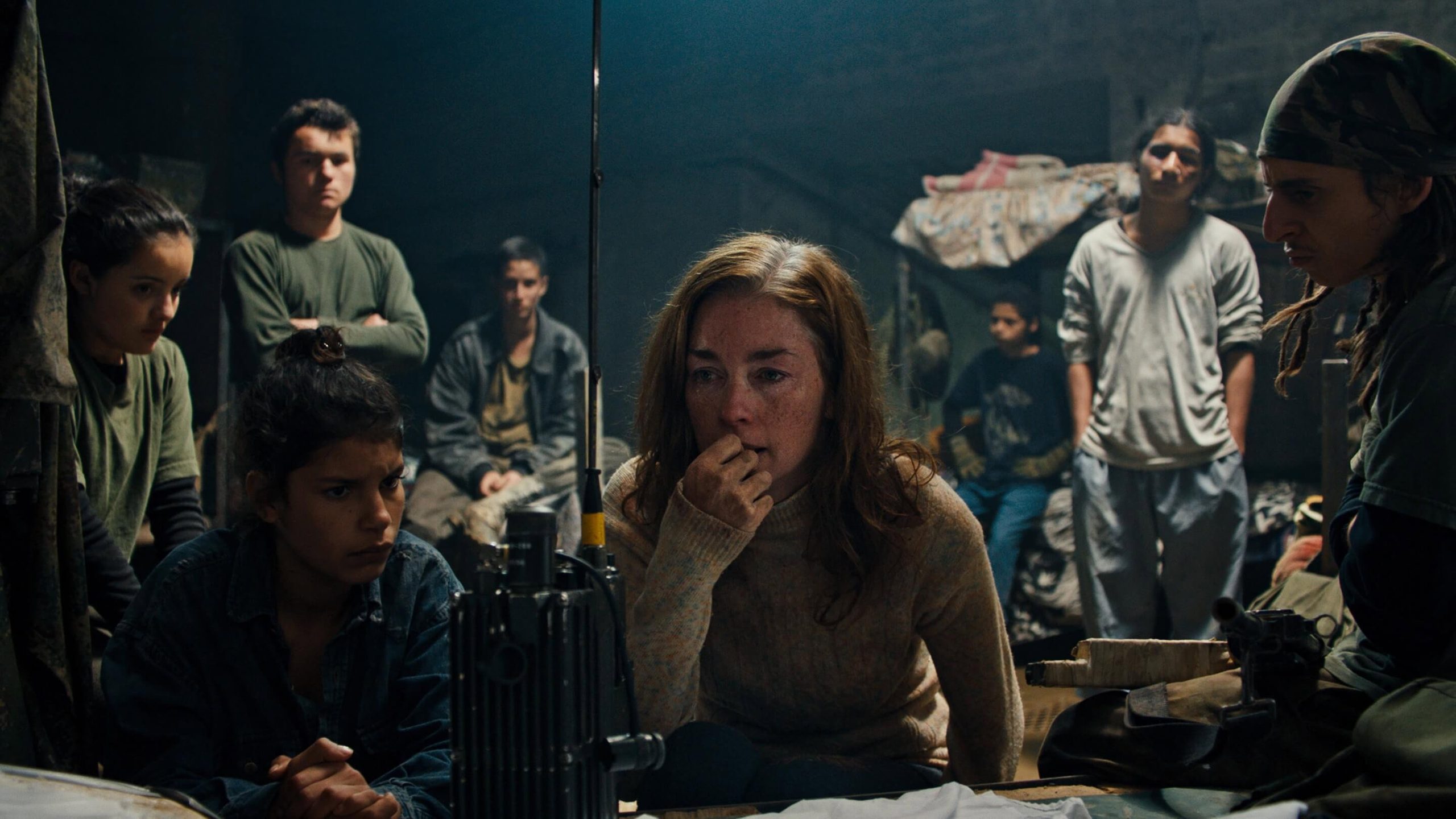
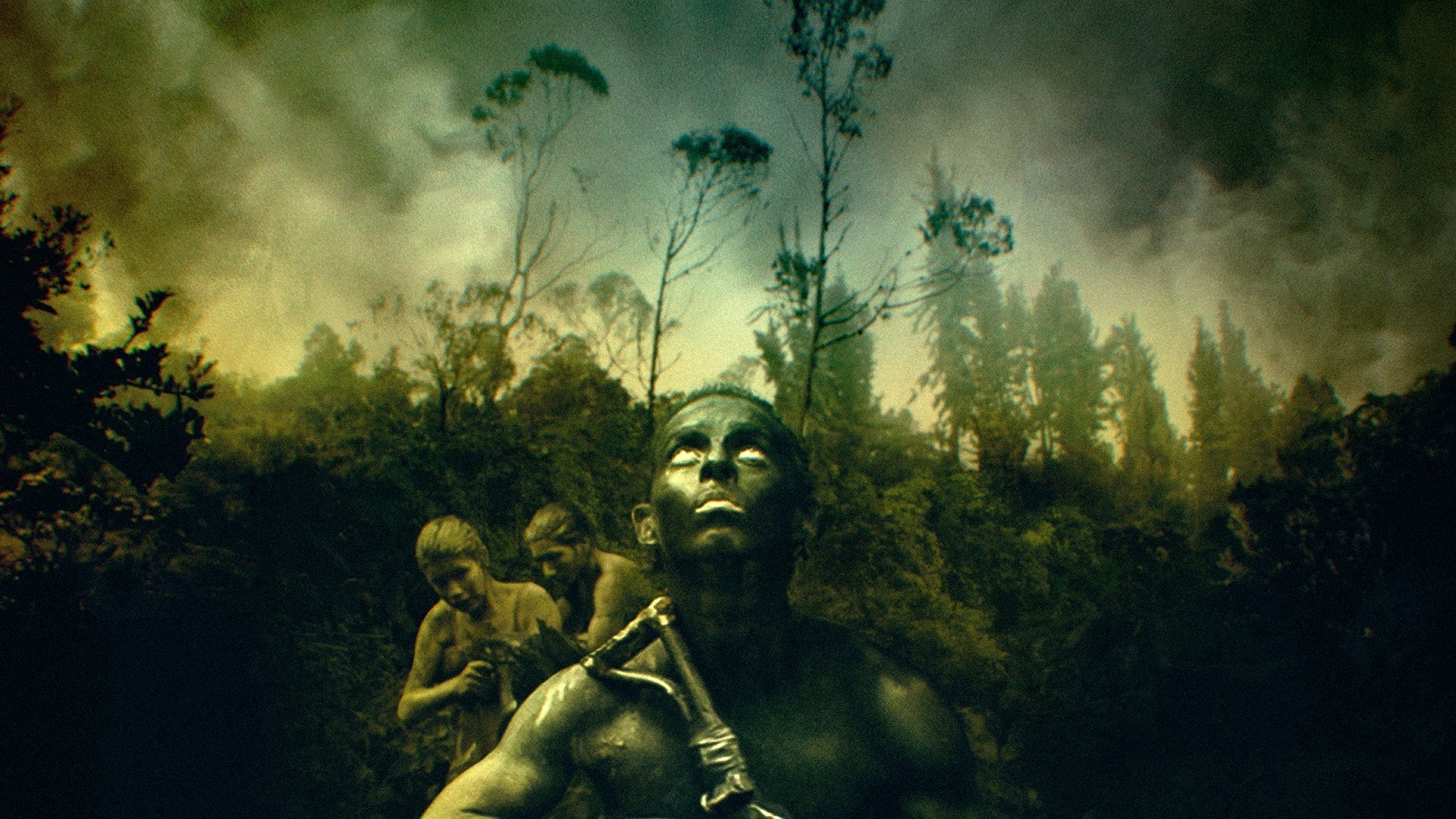
On a mountain, teenage soldiers train and guard a captive, Doctora (Julianne Nicholson). Rambo (Sofia Buenaventura) and Patagrande (Moisés Arias) are among the young fighters trying to find their place in the unit. Their days revolve around physical drills and the rules of a small society cut off from civilian life. Doctora needs to survive in their custody, while the soldiers try to keep their group together. They have weapons and responsibilities, but their restlessness and rivalries make military obedience an uncertain business.

Plays from YouTube when you press play; nothing loads from them until then.

Fi1m review

Alejandro Landes Echavarría makes a disturbing, engrossing film about teenage soldiers, with performances that keep its elaborate imagery from taking over. The vague politics limit it, but the fear and confusion get through.

Monos is a gripping war film with a frustrating reluctance to tell us what its war is about. Alejandro Landes Echavarría puts a group of teenage soldiers on a mountain and watches them train, compete and invent ways of living together. They have a captive, Doctora, played by Julianne Nicholson, but much of the early tension comes from the group’s own uncertain rules. The film is interested in what happens when young people are given power over one another before they have much control over themselves.

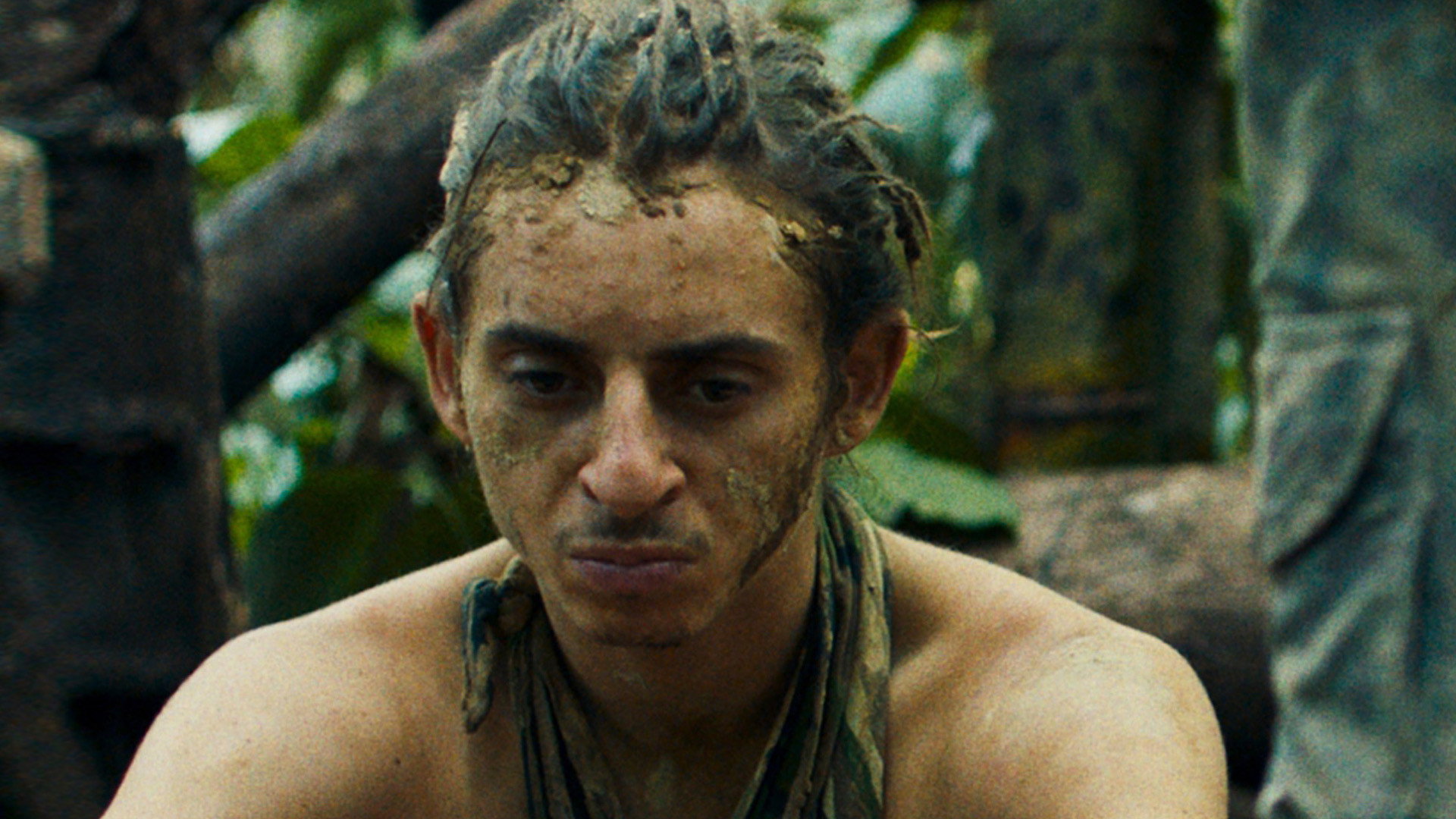
Moisés Arias gives Patagrande a hard, challenging presence, while Sofia Buenaventura lets Rambo’s uncertainty remain visible. The young ensemble makes the shifts between playfulness and cruelty credible, without suggesting that these are neatly separable parts of their personalities. The training drills made us uneasy, because the bodies learning military discipline still have the restless energy of adolescents. We can see why belonging to this group might matter to them, which makes their willingness to hurt one another harder to dismiss.

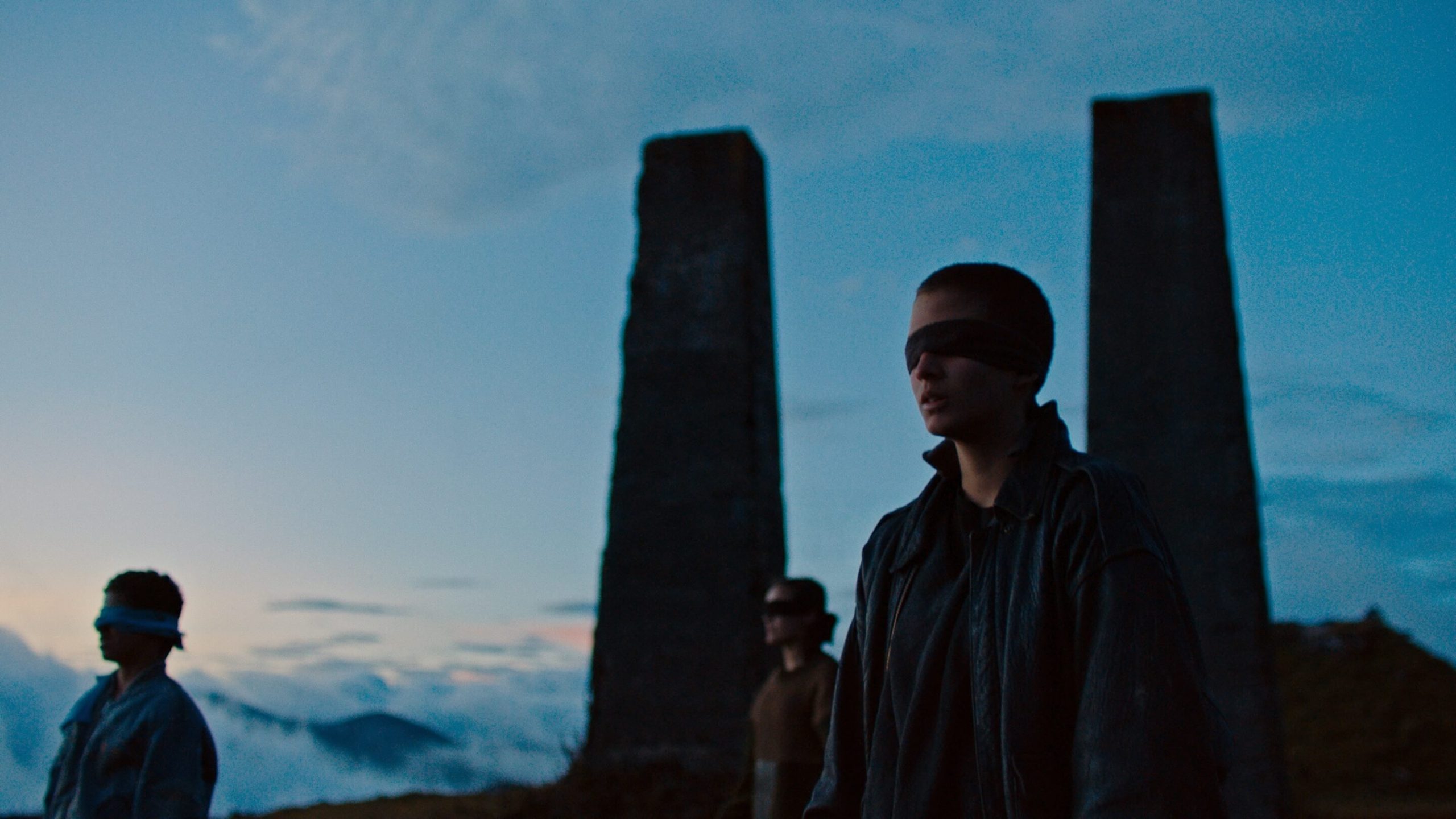
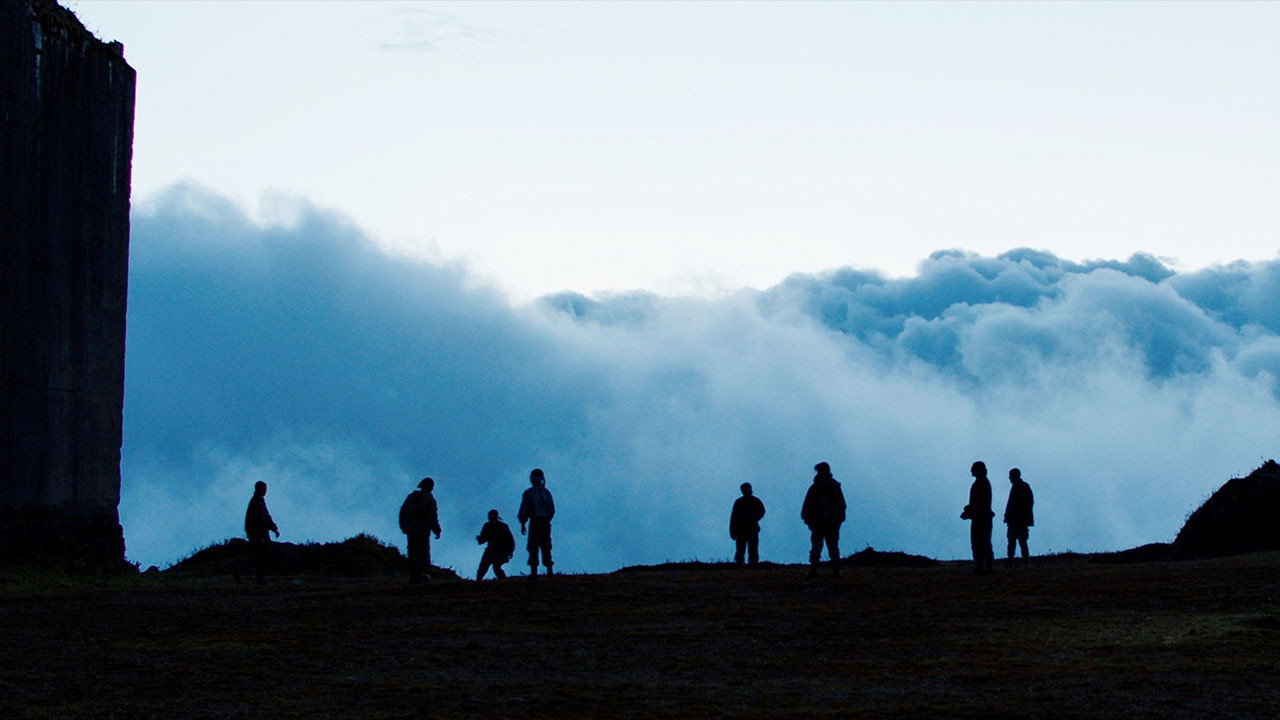
Jasper Wolf’s cinematography gives the mountain a scale that makes the soldiers look exposed. The wide compositions and the attention to light make looking at this place a pleasure, and that pleasure becomes uncomfortable once we remember who lives there. Daniela Schneider’s production design keeps the group’s shared spaces from competing with the terrain, allowing their occupation of the place to look temporary and precarious. At times the image is so insistently beautiful that the children seem at risk of becoming another feature of the scenery.

Mica Levi’s percussion prevents that beauty from becoming restful. The score gives the film an irregular, agitated pulse without providing the familiar reassurance that music can offer in a thriller. Editors Yorgos Mavropsaridis, Santiago Otheguy and Ted Guard keep the action moving briskly, while allowing the drills and group rituals enough time to register as behaviour. Their work matters because the film asks us to learn these relationships largely by watching bodies in motion, and we rarely struggle to follow who has the upper hand.

Julianne Nicholson gives Doctora a watchfulness that helps keep the danger concrete. With a captive among them, the teenagers’ experiments in authority have immediate consequences for somebody who cannot simply opt out. The performance avoids telling us exactly how we ought to feel about her captors, and Nicholson holds our attention without competing with the young ensemble. It also makes the screenplay’s evasions more noticeable: Alejandro Landes Echavarría and Alexis Dos Santos give us a compelling immediate predicament, but little sense of the larger conflict that has put these people together.

That lack of context is the chief limitation. A war drama need not supply a history lesson, but here the missing information lets the film fall back too often on the familiar proposition that people become cruel when ordinary restraints disappear. The young cast makes individual loyalties and resentments convincing enough that we want to know more about these particular soldiers. During some of the more forceful passages, the noise and movement labour to make us feel a danger already clear in the performances.

Still, at 103 minutes, Monos holds our attention without exhausting the uncertainty that makes it frightening. It makes being young inside an armed group feel unstable in ways that a tidier, more explanatory film might miss. We recommend it, with the caveat that anyone looking for a clear account of the conflict will have to look elsewhere.

Critical consensus AI synthesised

76
Positive
21
Mixed
2
Negative
3

Most critics respond warmly to Monos, with praise concentrated on Jasper Wolf’s cinematography, Mica Levi’s unsettling score and the young ensemble’s credible mixture of naivety and cruelty. The reviews repeatedly describe an immersive, disorientating war drama, finding its mountain and jungle landscapes integral to the tension. Admirers also credit Alejandro Landes with capturing the teenage soldiers’ shifting loyalties and improvised rules without reducing them to a straightforward lesson about lost innocence.

The spread is nevertheless wide: enthusiasm for the filmmaking does not always extend to what the film says. Reservations centre on thin characterisation, familiar ideas and an abstract setting that can leave the conflict feeling vague. The Times praises the performances but finds the message platitudinous; The New York Times sees unclear themes beneath the sophisticated technique. The Hollywood Reporter dissents more sharply, finding exploitation in the violence where supporters see a troubling examination of children trained to fight.

The Guardian
27 October 2019 · ★★★★★ · Mark Kermode
100

The film is a hypnotic triumph, a dizzying fable of child soldiery that immerses viewers in a world of war and adolescence. The critic singles out the brilliant youthful ensemble cast and Mica Levi’s breathtaking score for particular praise.

Read the full review →
Los Angeles Times
12 September 2019 · Carlos Aguilar
90*

This visceral, viscerally philosophic film is a towering achievement that examines primal instincts through a sensorial barrage transcending the screen. It singles out the thunderous stylistic panache, cinematography, and hypnotic score for praise.

Read the full review →
Sight and Sound
23 October 2019 · Maria Delgado
90*

Alejandro Landes's surrealist portrait of child soldiers living in chaos is an anarchic and unpredictable experience right until the end. Monos is one of the year’s most extraordinary films, with feverish visuals creating a disarming, almost surrealist universe where anarchy takes hold.

Read the full review →
The AV Club
9 September 2019 · A- · A.A. Dowd
90

The critic praises the superb war drama as a gripping fever dream that builds a compelling social ecosystem among the teenage soldiers and shifts into a primal jungle odyssey. It balances mythic imagery, a haunting Mica Levi score, and a troubling moral dimension about children as weapons.

Read the full review →
Empire
21 October 2019 · Ian Freer
85*

The critic finds Monos a singular, original work of heavy atmosphere and thrilling set-pieces that blurs morality in a nihilistic world. They single out the memorable images, exciting action, dream-like logic and Mica Levi’s percussive score for particular praise.

Read the full review →
Variety
28 September 2019 · festival review · Jessica Kiang
85*

Alejandro Landes’ astonishing film is a sublimely crafted saga of child soldiers evolving their own mini-society, presenting ugly reality in profoundly paradoxical, surreal terms. It singles out the fever-dream art, DP Jasper Wolf’s imagery, and Mica Levi’s score for praise.

Read the full review →

Cast

Stills

Awards

International Submission to the Academy Awards, 2020

Nominated
International Submission to the Academy Awards

Sundance Film Festival World Cinema Dramatic Special Jury Award, 2019

Won
Sundance Film Festival World Cinema Dramatic Special Jury Award

If you liked this, try…

Beau travail poster

Beau travail

1999 · Military drills and repressed feeling, with bodies telling what dialogue leaves unsaid.

The Ascent poster

The Ascent

1977 · A wartime ordeal that gives its moral questions painful, specific human consequences.

War Witch poster

War Witch

2012 · Another child soldier story, with more room for private memory and tenderness.

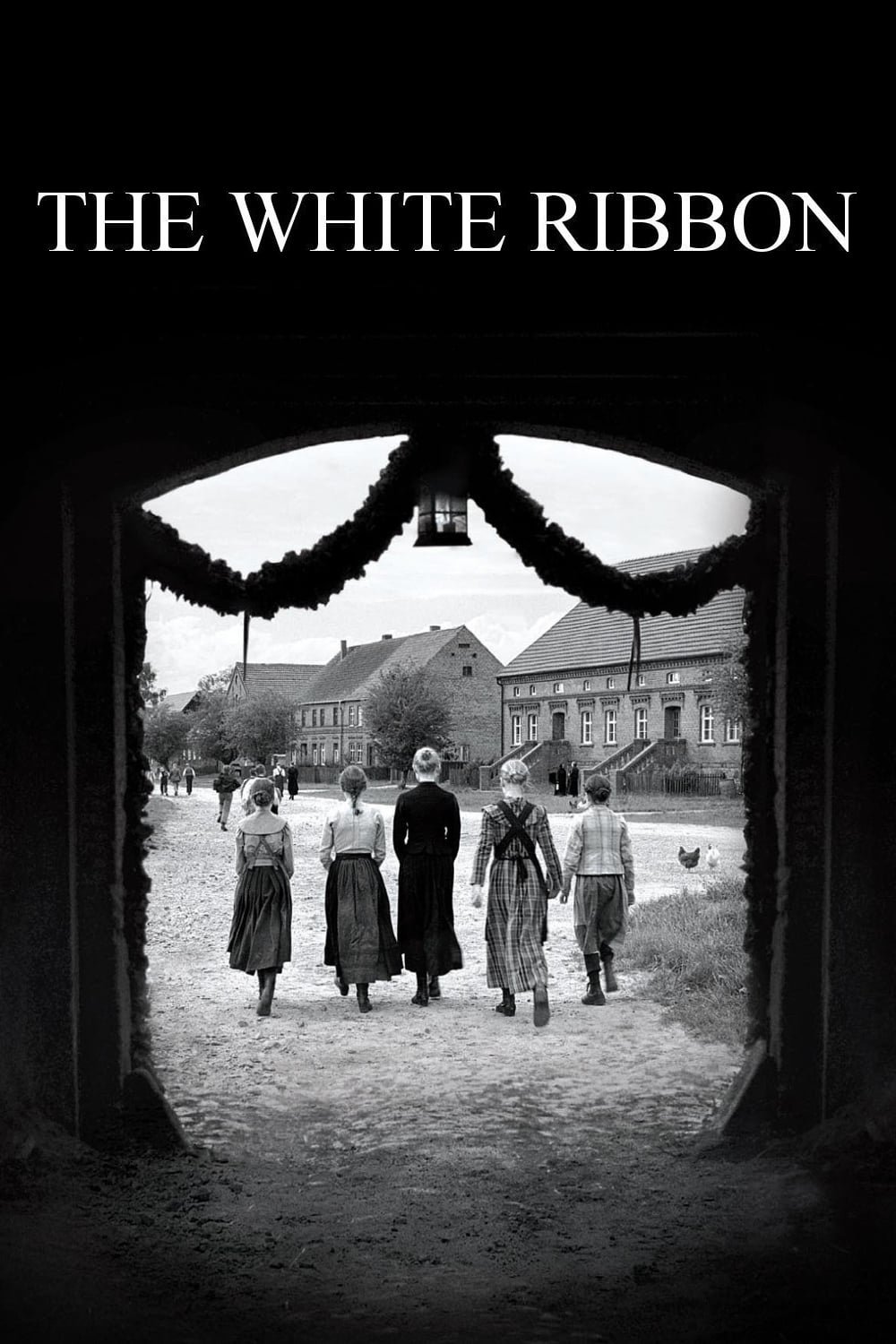
The White Ribbon poster86

The White Ribbon

2009 · Children, punishment and adult authority, observed with a chill that steadily deepens.

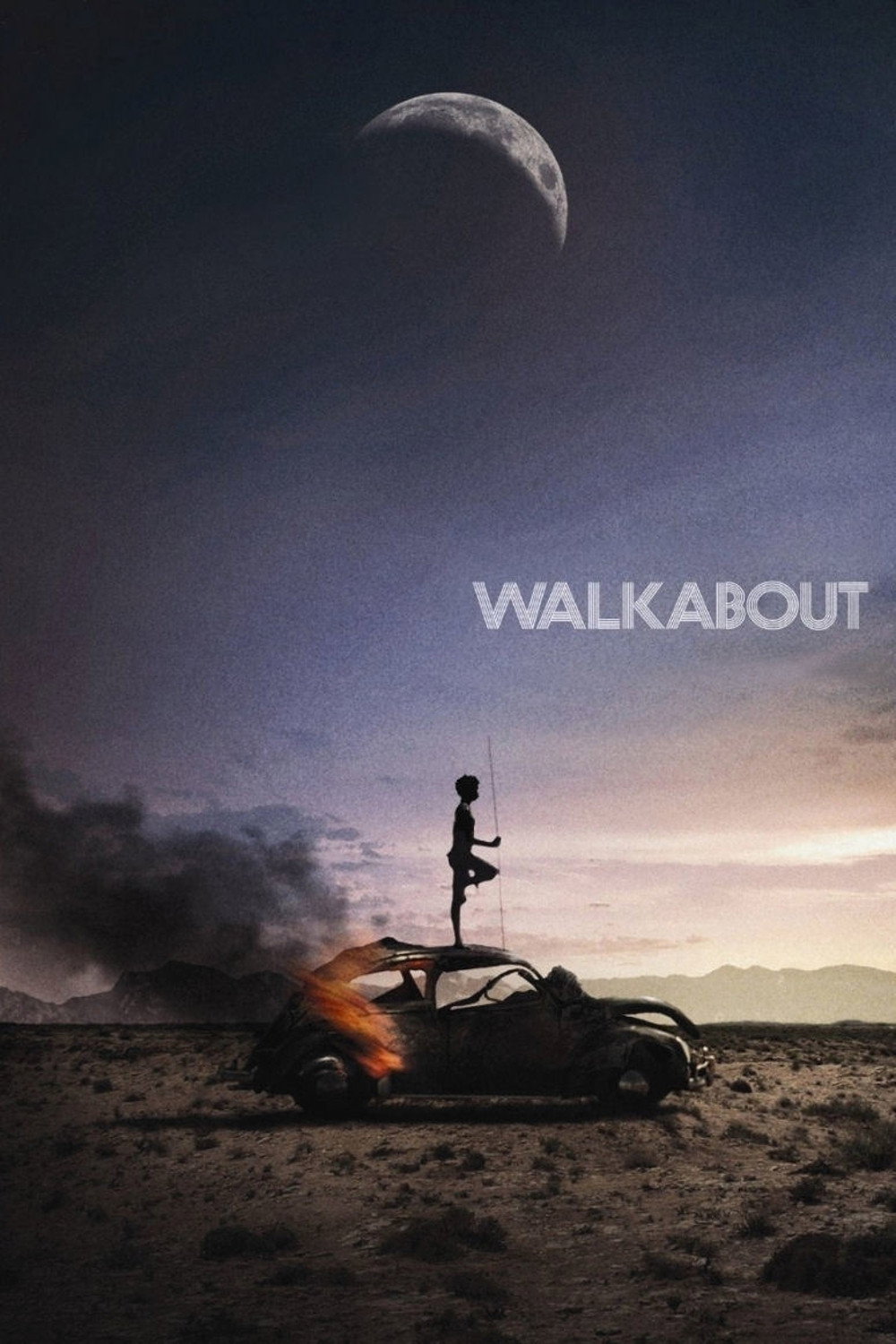
Walkabout poster85

Walkabout

1971 · Young people in an immense landscape, where beauty offers little protection.