Jared Hess’s high-school comedy is funny enough to forgive its wandering story, though not every awkward encounter earns the wait. Jon Heder makes its teenage outsider worth caring about, even when the jokes stall.
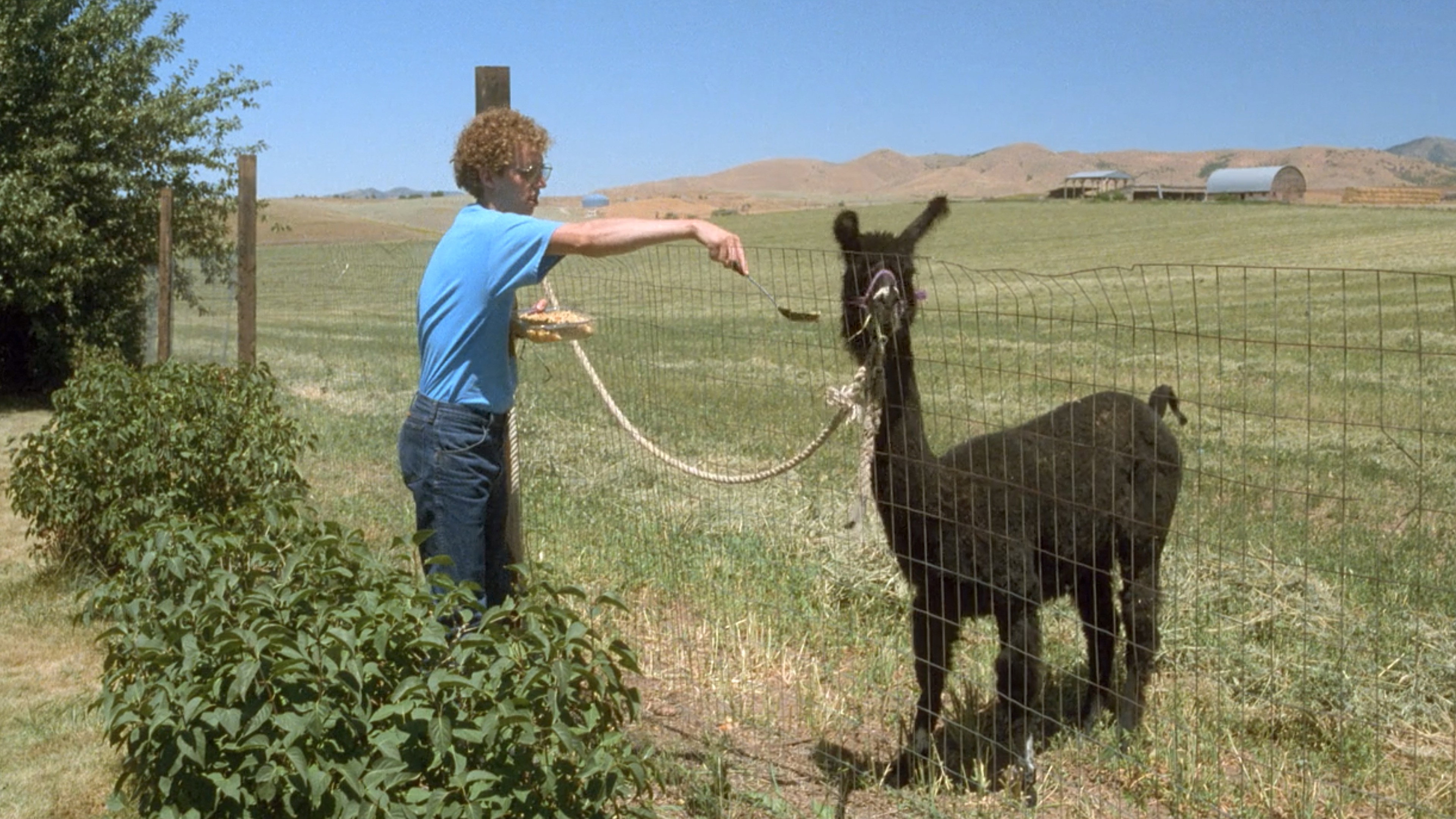
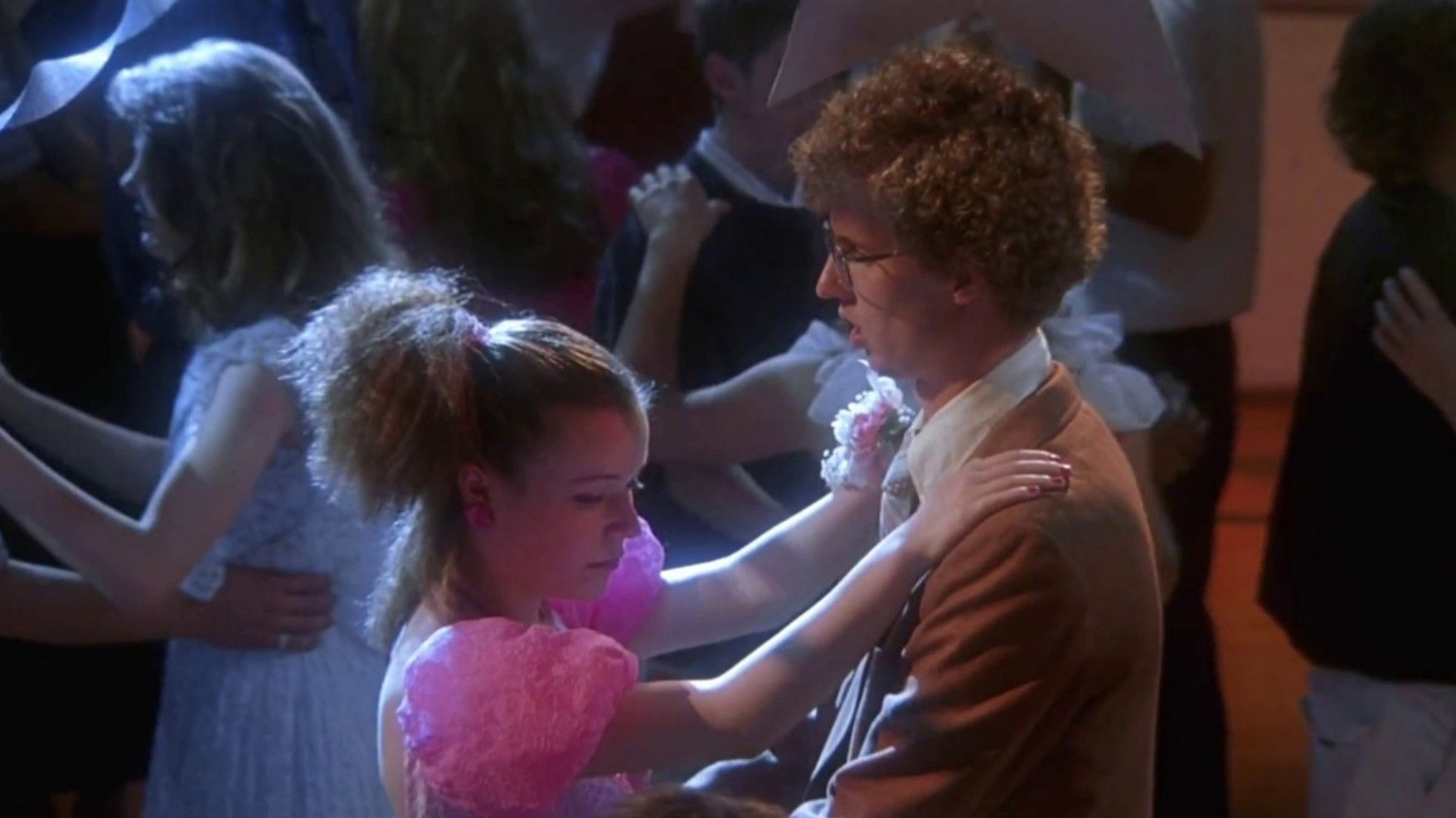
Napoleon Dynamite is a funny, uneven high-school comedy that works best when it stops trying to make anything happen. Jared Hess follows an awkward Idaho teenager through encounters with family and friends, trusting that their behaviour will provide enough reason to keep watching. For much of the film, it does. The trouble comes when another peculiar encounter feels too much like the previous one, and the loose structure gives us little else to wait for.
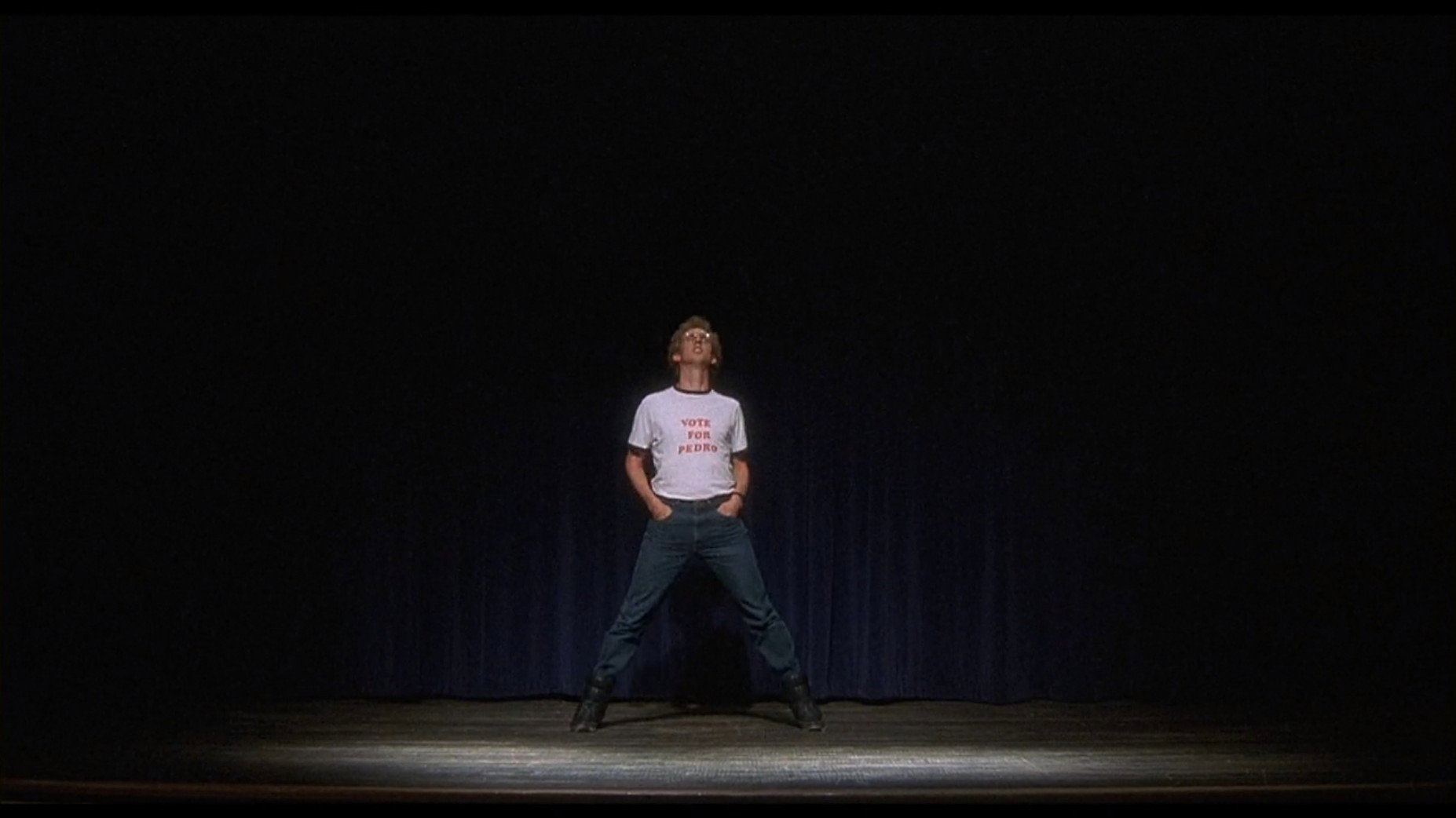
Jon Heder makes Napoleon’s awkwardness difficult to dismiss, even when the boy himself is difficult to like. His deadpan delivery leaves the embarrassment hanging there; he does not soften every ungainly moment with an appeal for sympathy. We laughed, then felt unexpectedly protective of him. Heder lets the social discomfort persist after the joke, so that Napoleon cannot put it aside just because we have finished finding it funny.
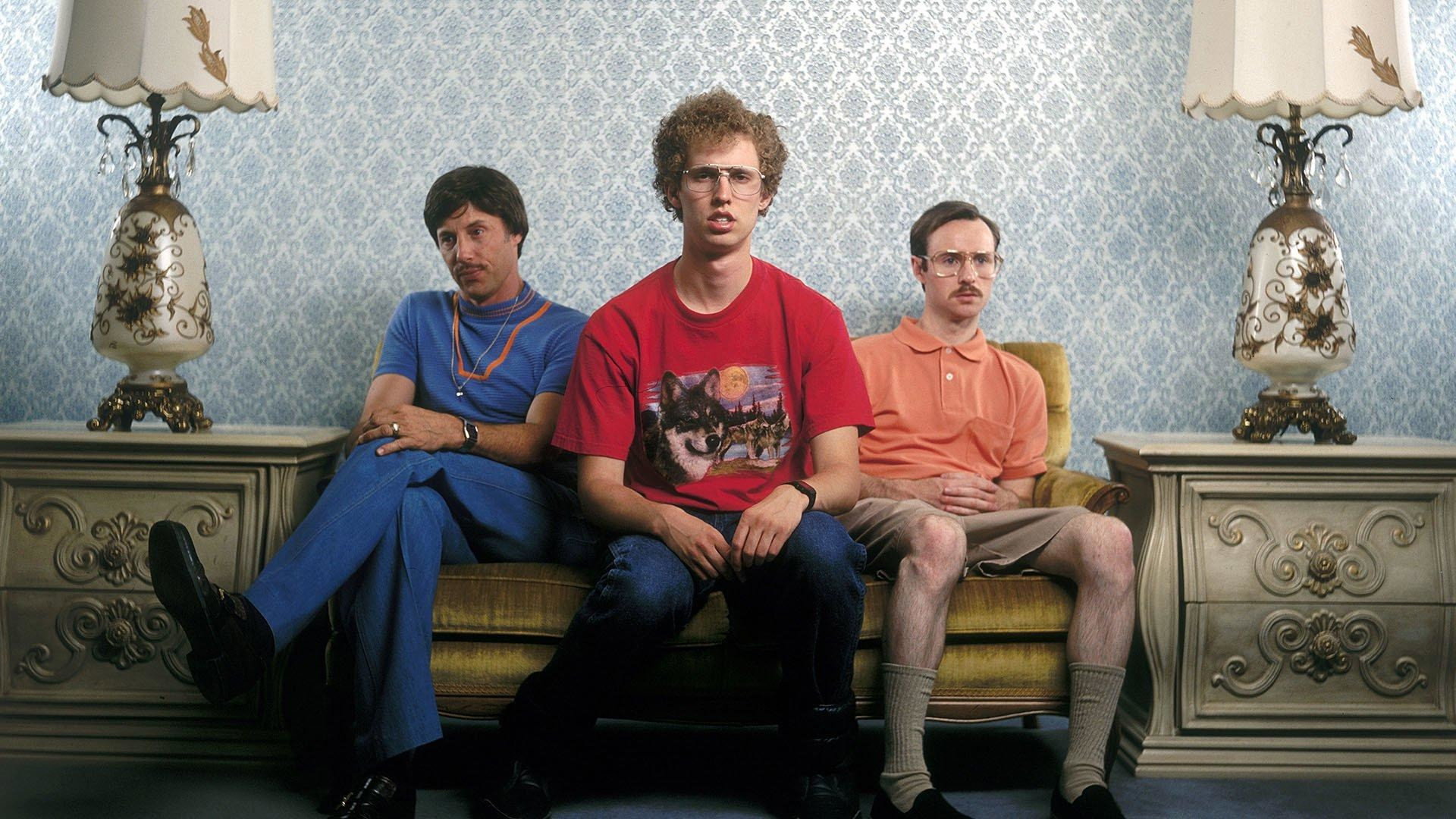
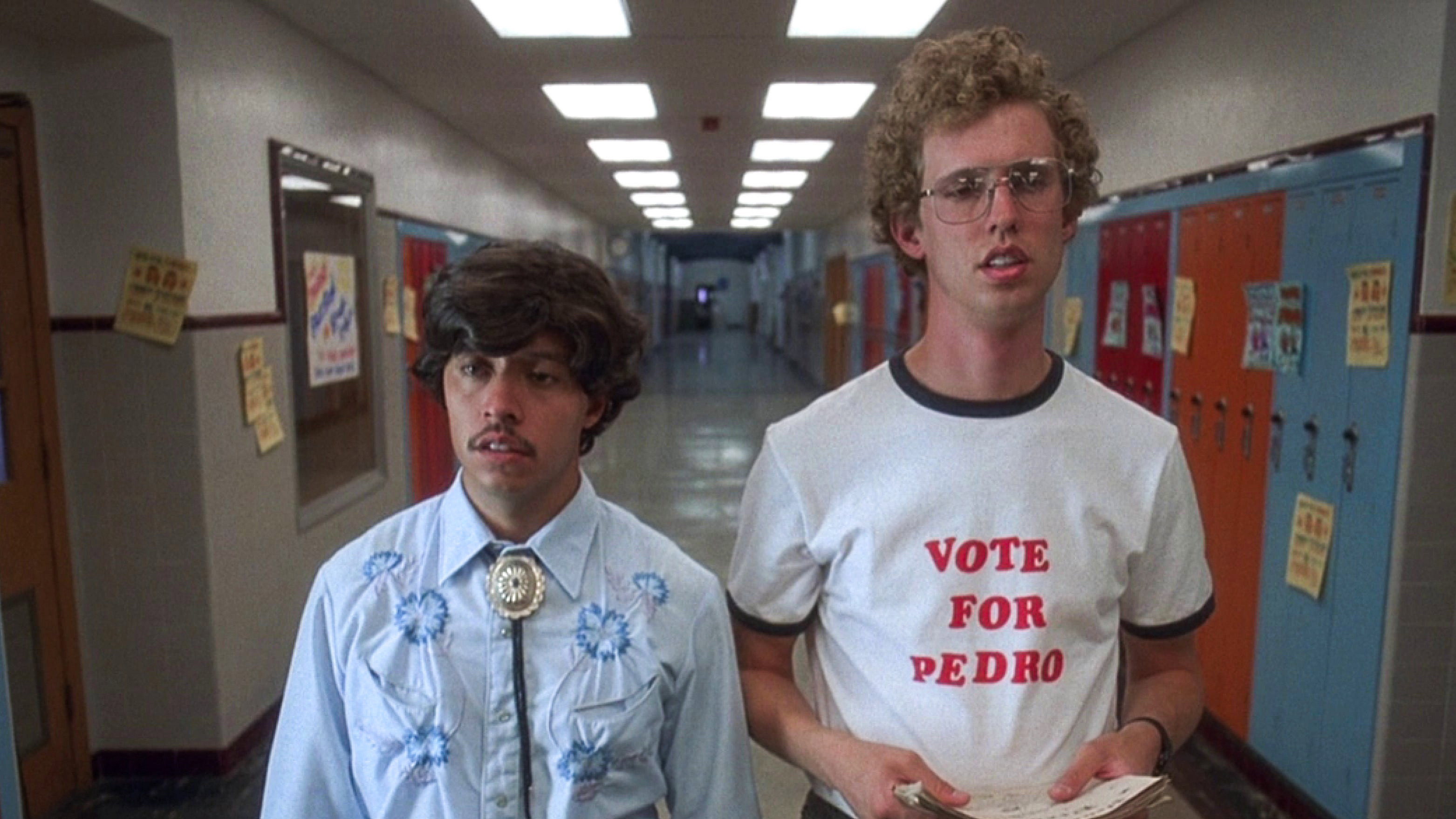
The screenplay by Jared Hess and Jerusha Hess works best in small encounters, giving us time to get used to the people around Napoleon. Efren Ramirez’s Pedro Sanchez and Tina Majorino’s Deb help keep Napoleon from having to supply every comic variation himself. Aaron Ruell as Kip and Jon Gries as Uncle Rico offer broader variations on the same social unease. Their company is enough for long stretches, though the lack of a story becomes harder to ignore.
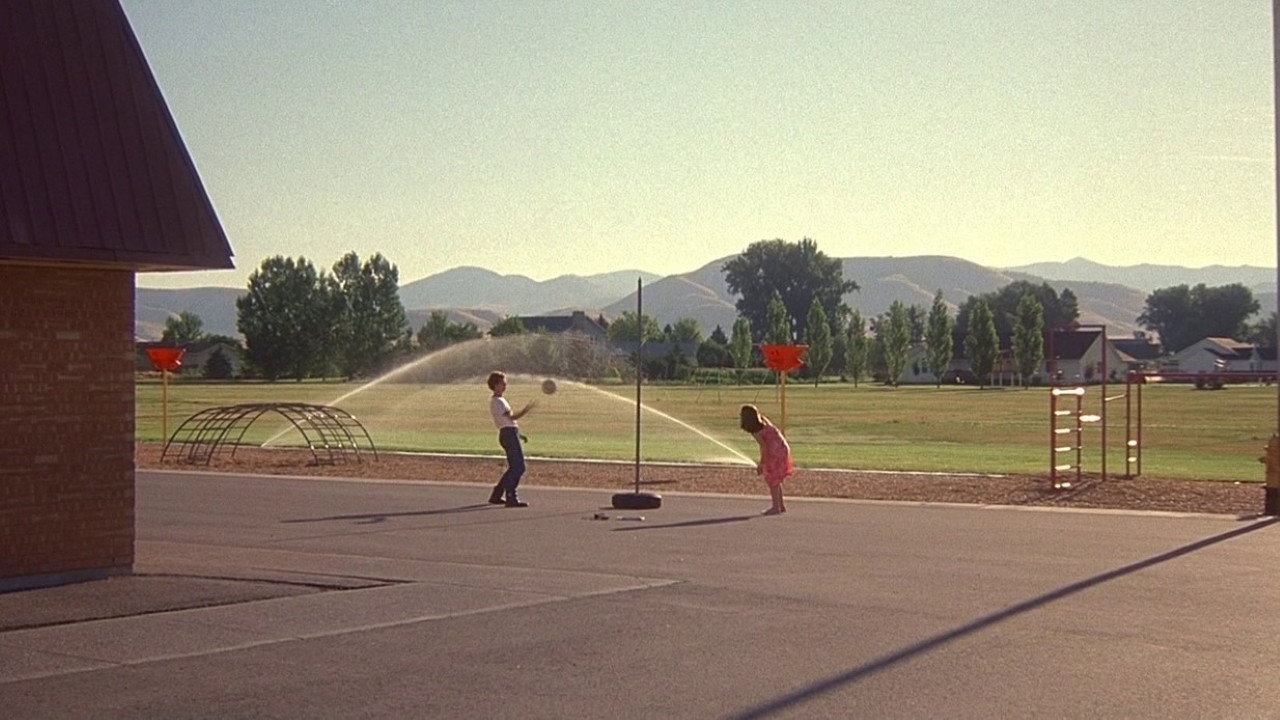
Munn Powell’s cinematography gives the surrounding landscapes enough attention to make the town feel larger than Napoleon’s immediate troubles. Those views offer welcome breathing space between uncomfortable encounters. Cory Lorenzen’s production design supports the exaggerated picture of small-town life, helping the characters seem as though they belong in the same place. There is a limit to that pleasure: when everything feels selected for its oddness, we become conscious of Hess arranging the joke.
Jeremy Coon’s editing does not quite make a satisfying whole out of these separate episodes, though the looser shape suits the characters. An awkward pause can be funny; a succession of them can become a wait for the film to get on with it. John Swihart’s music is a good fit for the subdued comedy, although it cannot supply the momentum the writing lacks. At 95 minutes, this ought not to feel overextended, but there are stretches when another sight gag is not enough.
Most critics are less taken with the film than we are, with its treatment of rural outsiders a particular source of disagreement. The charge that Hess simply invites us to laugh at people he considers beneath him is worth taking seriously. Some of the caricatures are broad enough to support it, but Heder makes the discomfort last beyond the laugh, and that keeps us concerned for Napoleon. We think the harsher readings overlook how much that performance contributes.
A high-school comedy need not make its outsider secretly cooler than everyone else, and Hess is right to leave Napoleon difficult. The thin story remains a real limitation, especially when the jokes cease to surprise. We recommend it for Heder and for the peculiar pleasure of becoming fond of people who would be exhausting company. If the first few encounters do nothing for you, a plot is unlikely to come along and rescue the evening.