Dylan Southern and Will Lovelace make a stirring reunion film that understands what Oasis means to its fans. The music and the Gallagher brothers’ humour carry it through some repetitive testimony, but anyone expecting their reconciliation to be explained will leave disappointed.
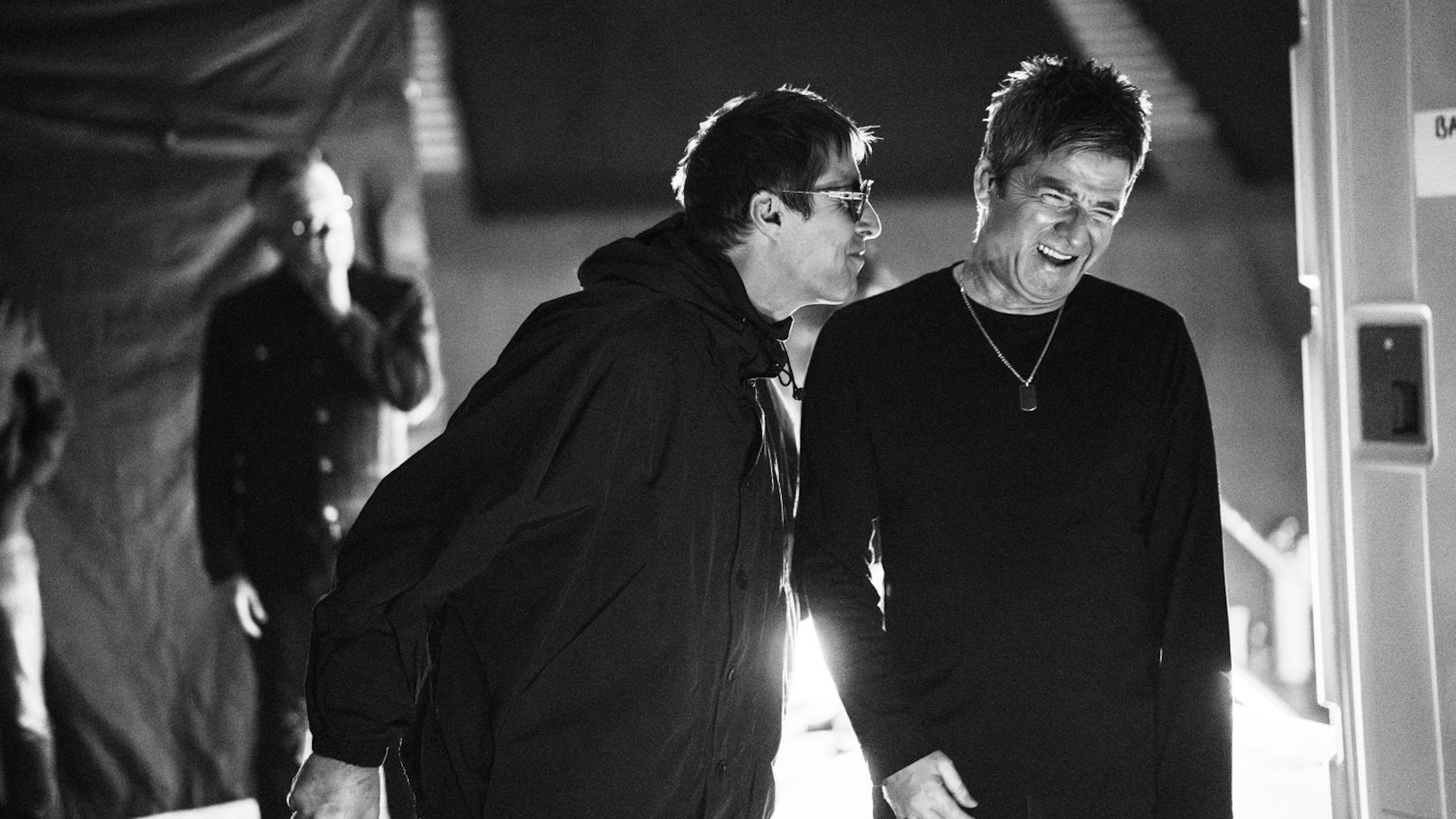
Dylan Southern and Will Lovelace’s Oasis: Don’t Look Back in Anger is an enjoyable concert documentary that asks little of the Gallagher brothers beyond turning up and being themselves. It follows the band’s 2025 reunion tour, giving the songs, the fans and the pleasure of seeing Liam and Noel on stage together most of the attention. The brothers’ reconciliation is accepted rather than examined. That limits the film, but it also gives it a clear purpose: to preserve an occasion that mattered to the people who were there.
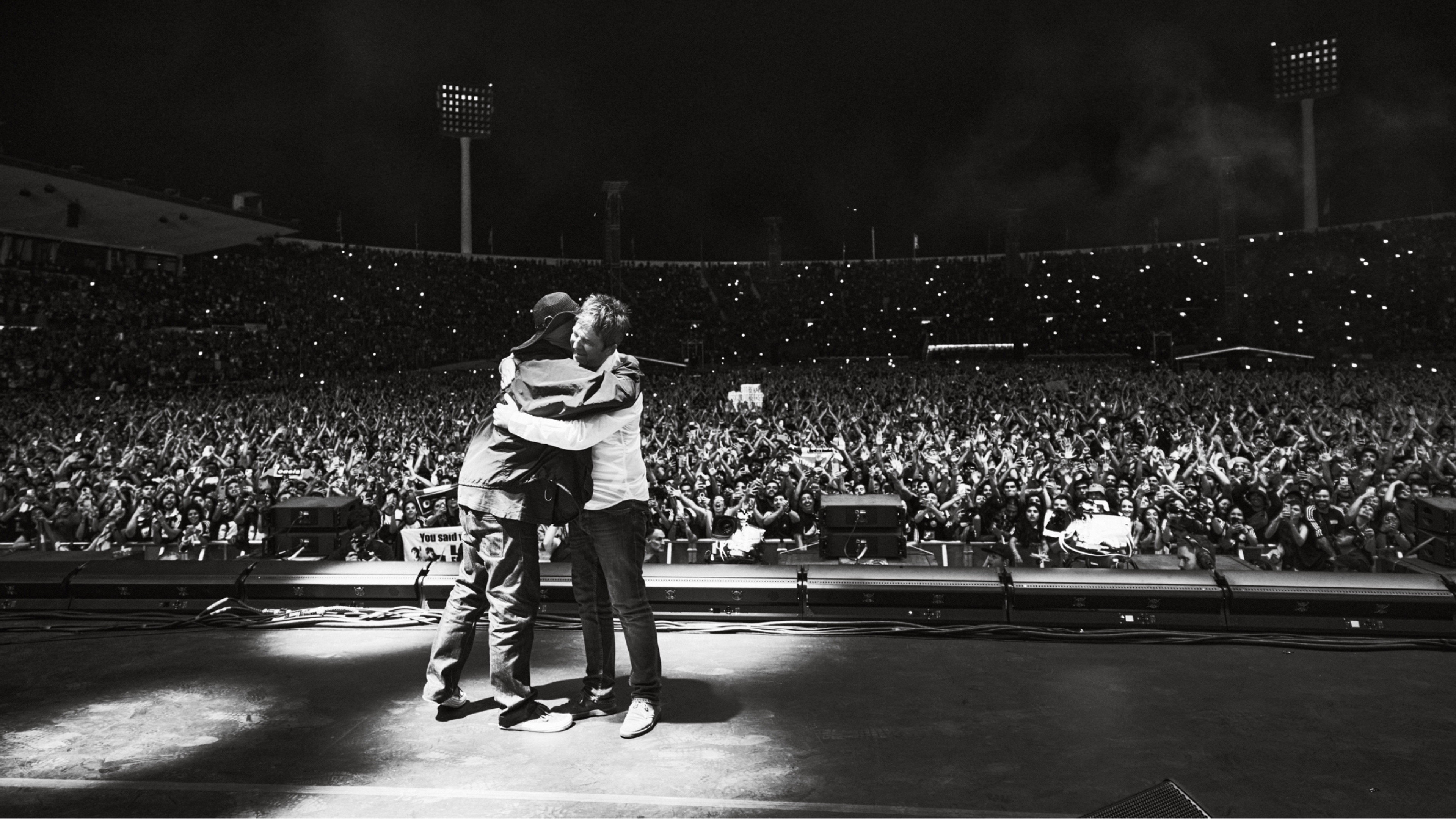
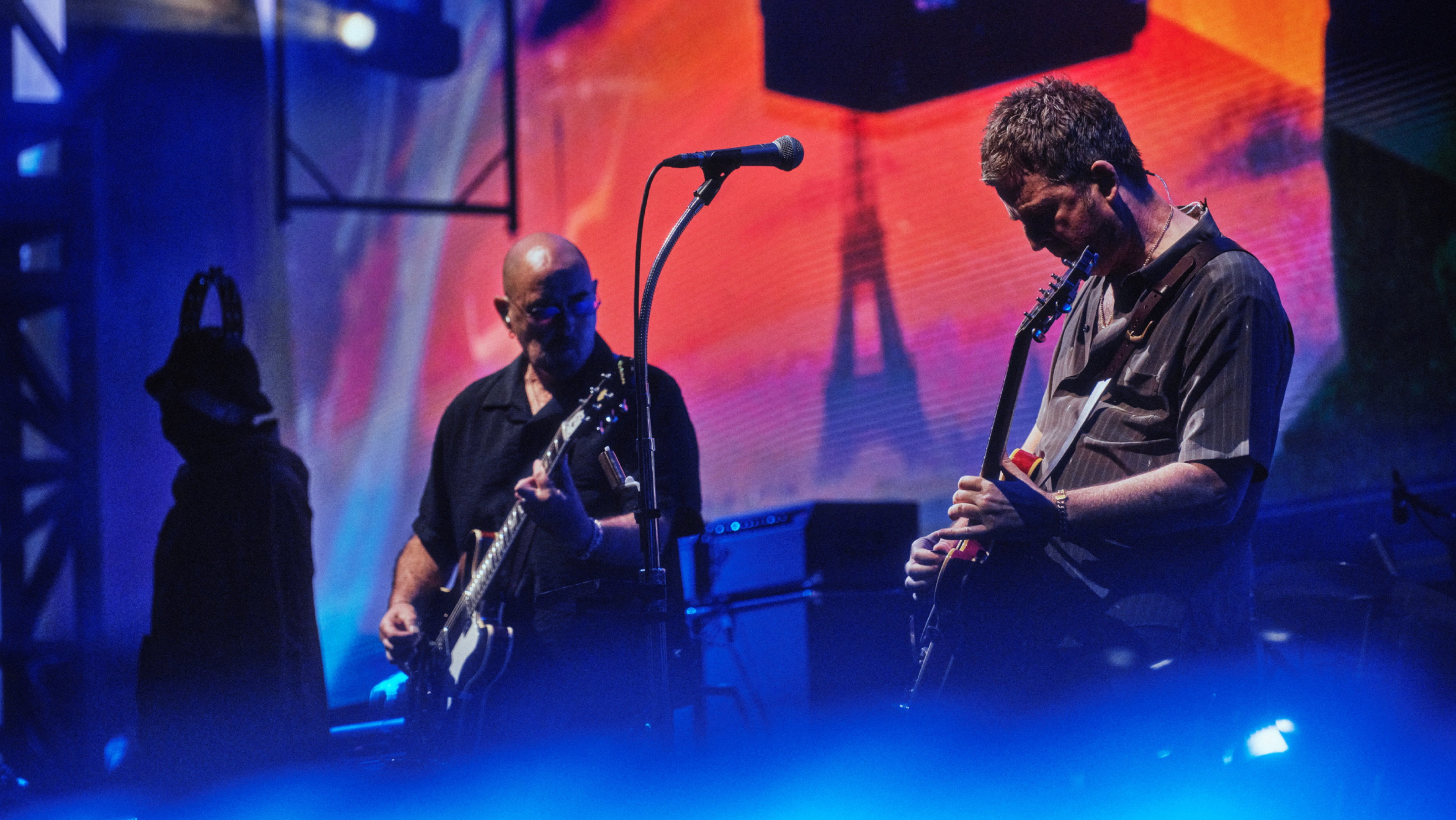
Haris Zambarloukos’s concert footage is strongest when Liam and Noel share the stage, because seeing them together gives the performances a significance that no camera trick could supply. The filming is less varied than the music deserves, and the images do not always give us much to discover once that initial pleasure has passed. Still, the force of the live performances comes through. It works well enough as a record of the shows, even if it seldom makes us look at the band differently.
Editor George Cragg moves between new footage and archive material, giving the reunion a sense of the time that has passed. That is useful work in a film whose subject already means a great deal to much of its audience. Less useful is the accumulation of testimonials, which keeps pressing the same point after it has been made. At 123 minutes, the film gives affectionate repetition rather more room than it needs.
We were moved by the fans explaining the place these songs have held in their lives. Their accounts make the excitement of the concerts understandable without assuming that everybody watching has the same attachment. Southern and Lovelace are right to include them, because a reunion means something different to the people buying tickets than it does to the people returning to work. The difficulty is knowing when enough contributors have spoken, and the directors are too reluctant to stop.
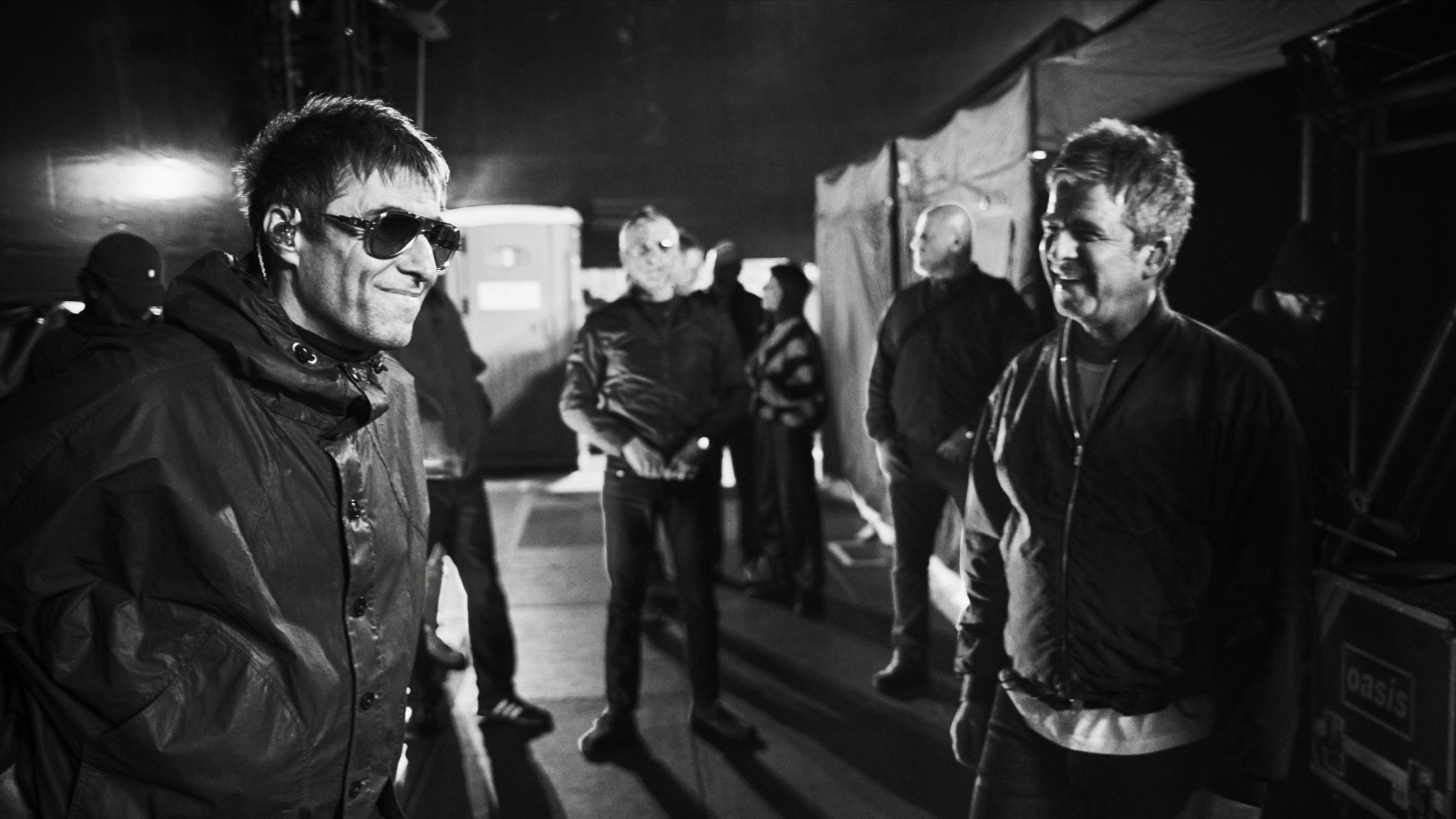
Liam and Noel Gallagher provide welcome relief from all this reverence, their sardonic commentary making the film funnier than its celebratory purpose might suggest. After enough people have explained how important the band is, a dry Gallagher remark becomes a considerable kindness. They are entertaining company, and the directors have the sense to leave space for their humour. These contributions also give the brothers something to do beyond standing at the centre of everybody else’s affection.
Steven Knight is credited as writer, and the unanswered question is one of the most basic: what allowed the brothers to reunite? A concert documentary need not settle every family disagreement, and refusing to turn private trouble into entertainment is hardly a fault in itself. But the film asks us to invest in reconciliation while offering little explanation of how it happened. For anyone drawn here by curiosity about the relationship, the fan testimony cannot supply what is missing.
There is a place for a music documentary that lets the songs occupy most of our attention, and this one earns it more often than not. The live material has enough force to make a reasonable case for watching even without a longstanding attachment to Oasis. If the music already matters to you, the length and the soft questioning are unlikely to spoil the evening. Come for the performances and the brothers’ humour; bring less hope of learning how they got back on speaking terms.