Robert Bresson’s crime film makes the mechanics of stealing absorbing and the thief harder to reach. The restraint can keep feeling at a distance, but the precision rewards close attention across its 75 minutes.
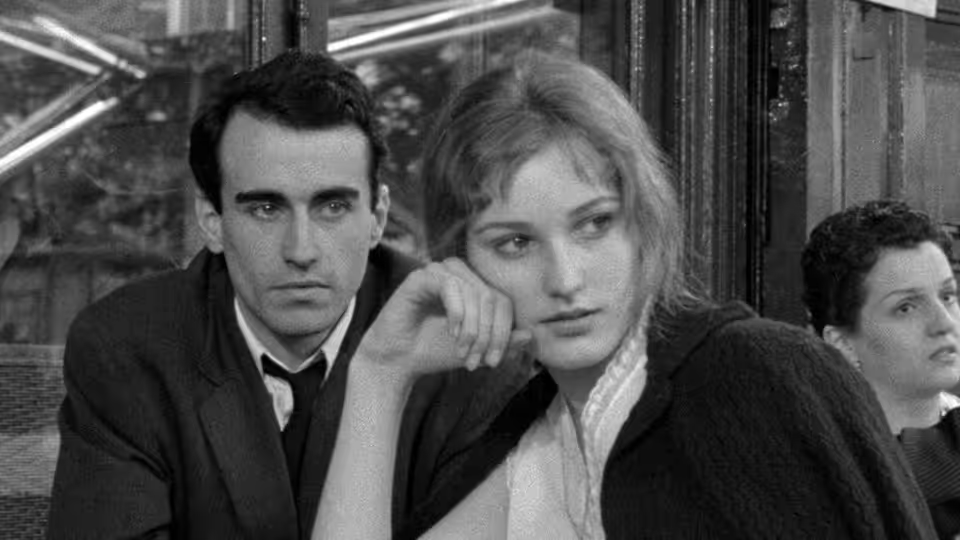
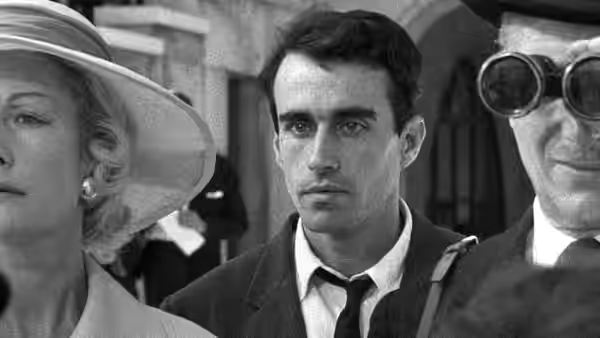
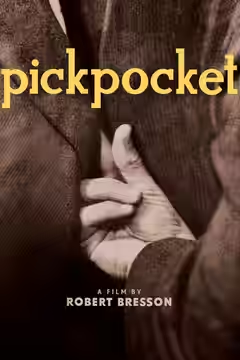
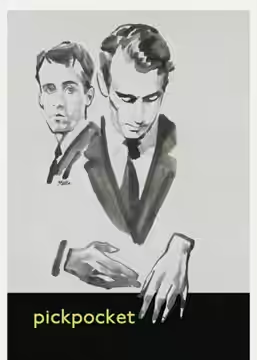
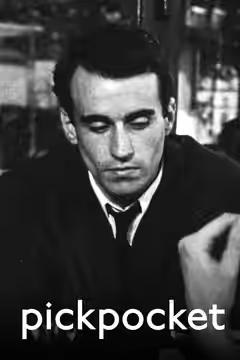
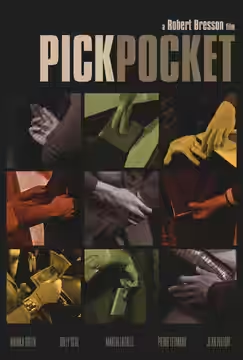
Pickpocket makes stealing absorbing enough to leave us slightly embarrassed by our interest. Robert Bresson has made a crime film worth seeing for the attention it pays to an act most films would hurry past. Michel (Martin LaSalle) is a compulsive thief, and the film takes that compulsion seriously without making him easy company. Across 75 minutes, the patient scrutiny of his work gives the film its grip. The reserve occasionally leaves us struggling to care about Michel.
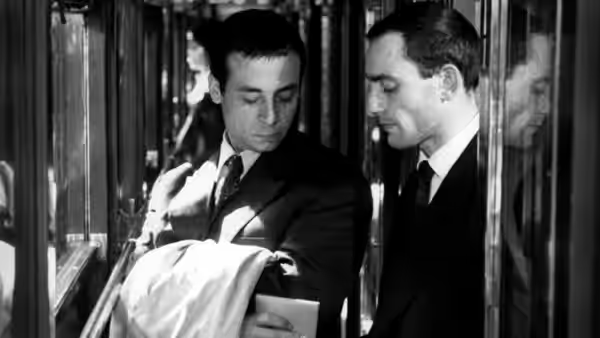
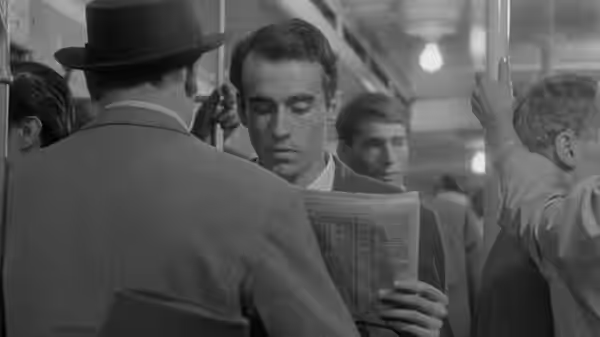
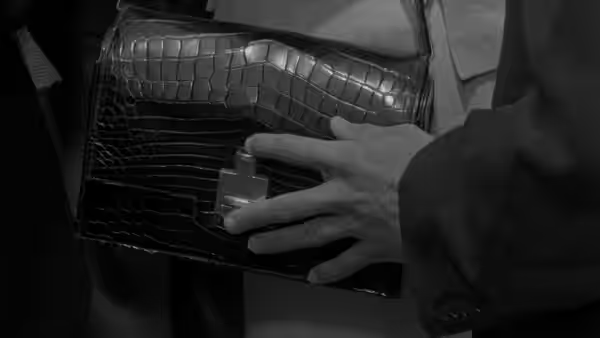
Léonce-Henri Burel’s cinematography keeps the pickpocketing close enough for small movements to hold our attention. We begin watching for the opportunity to steal with an eagerness that belongs to Michel. We wanted the thefts to succeed, and felt uncomfortable about it. The close attention to technique had made us interested in the thief’s success before we had considered the person being robbed. That is a considerable effect to achieve with such restrained images.
Raymond Lamy’s editing is central to that concentration. The handling of the pickpocketing gives the actions a rhythm we can follow, making the skill involved intelligible. The detailed sound helps make these small acts vivid, encouraging us to listen as carefully as we look. This is where the film earns its measured pace: we are being given something precise to attend to, and the attention produces suspense.
Pierre Charbonnier’s production design is correspondingly unobtrusive. The surroundings give the pickpocketing little visual competition, which suits a film asking us to notice such small movements. There is no need for us to stop and admire the setting before returning to the action. The restraint is useful: we stay alert to the distances between people and the opportunities those distances offer a thief.
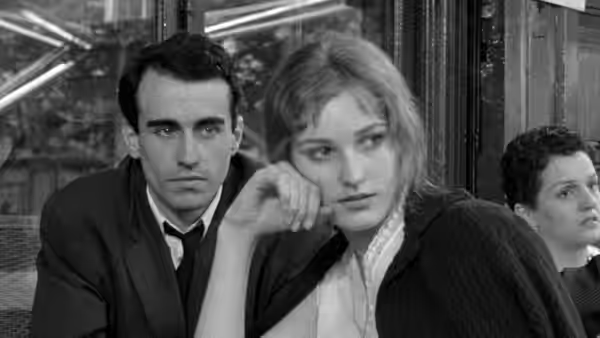
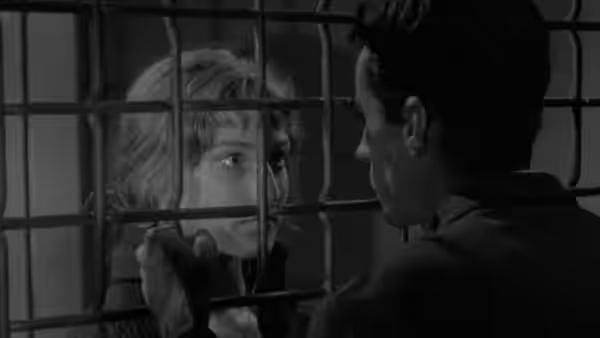
Martin LaSalle gives us little encouragement to find Michel charming. That suits a film so interested in emotional emptiness, and we appreciate the decision not to make criminal skill an excuse for his behaviour. The difficulty is that his restraint can also make the people around him seem less important than the next theft. There are stretches when we wanted the acting to admit more feeling, particularly after the precision of the stealing has made us so responsive to physical detail.
The film’s spiritual concerns grow out of that difficulty. What does it mean to become so accomplished at taking things from other people while remaining emotionally remote from them? The question gives these small crimes weight without requiring us to believe that Michel is a grand or fascinating criminal. Crime films often invite us to admire the professional at work; this one makes that admiration uncomfortable, because the man doing the work remains troubling company.
We recommend it with a simple caveat: the pickpocketing is easier to engage with than the people. Its concentration can feel severe, particularly if we expect a crime film to offer ready explanations for its central figure. But the detailed thefts offer an immediate pleasure that needs no specialist vocabulary or interest in spiritual questions. Save it for an evening when nobody is likely to talk over the small sounds.