Joel Coen’s baby-stealing farce is funny, warm and more carefully made than its racket suggests. Nicolas Cage and Holly Hunter make the couple worth caring about, even when the plotting cannot keep pace with the chases.
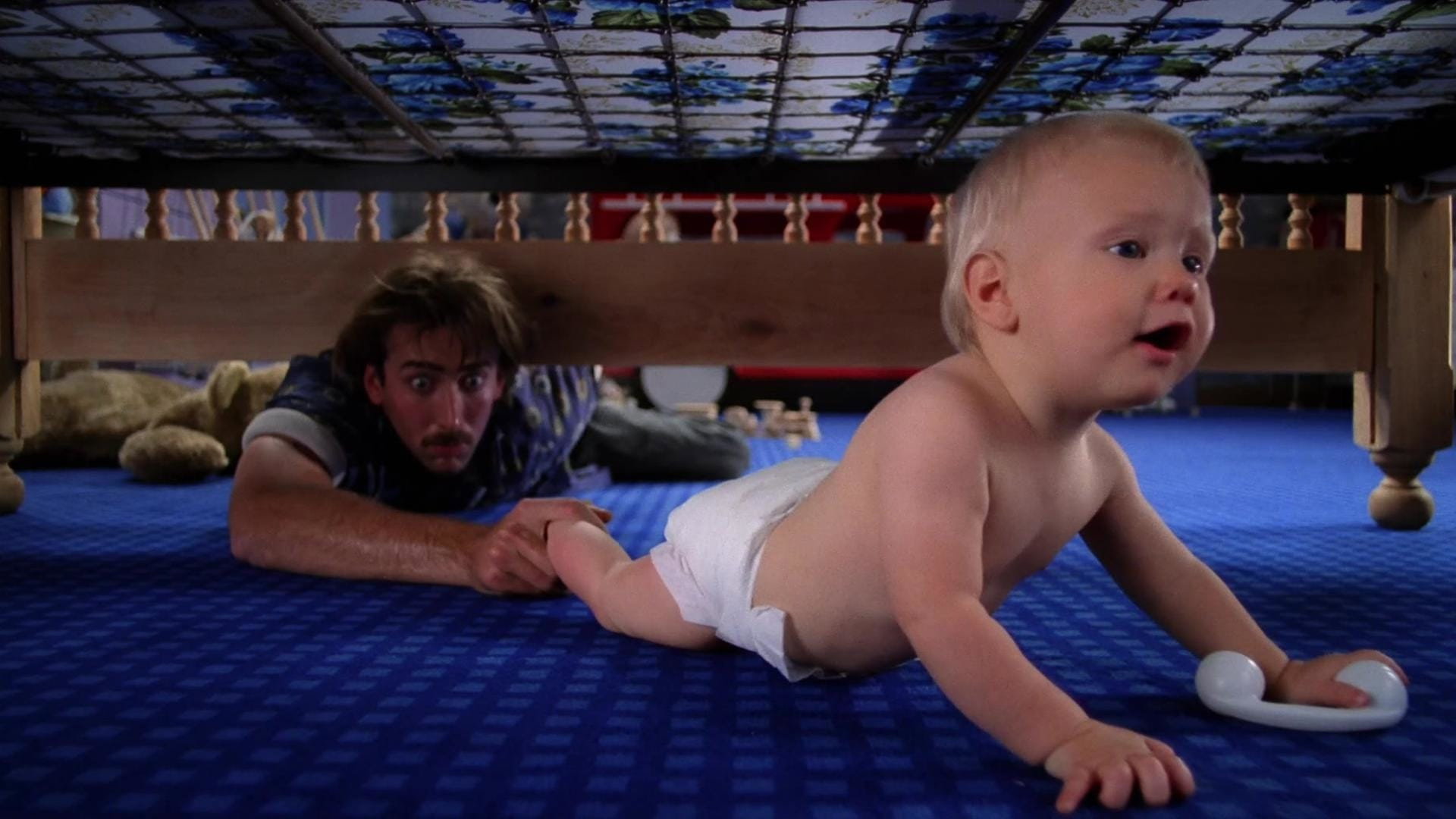
Stealing a baby is an unpromising basis for a warm comedy, which is part of the pleasure of Raising Arizona. Joel Coen directs from a script written with Ethan Coen, and the brothers take the couple’s wish for a family seriously without pretending their solution makes sense. The result is a funny, affectionate farce that we recommend, with a warning about its appetite for noise. It asks us to care about two people while watching them do something indefensible, and mostly gets away with it.
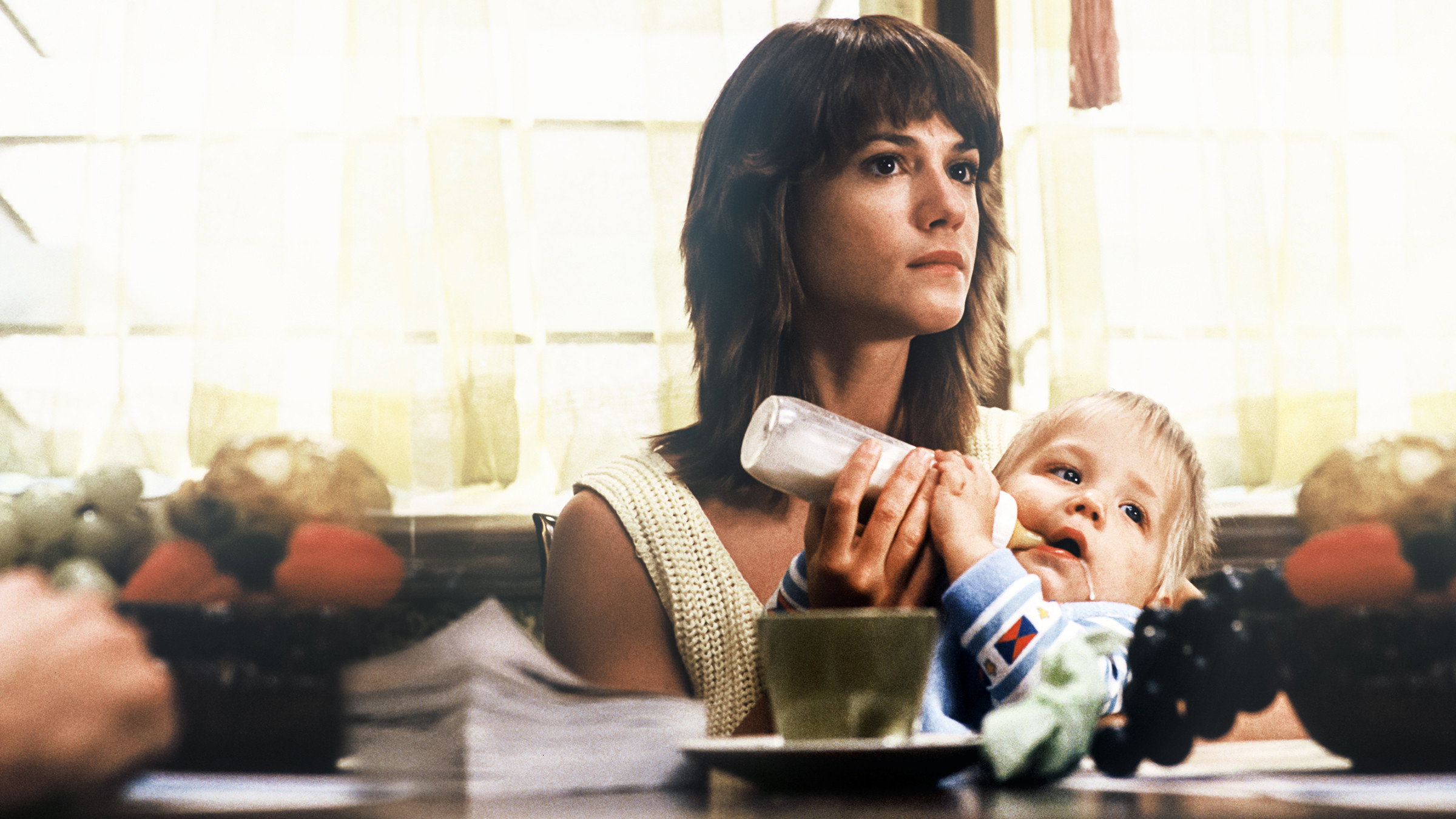
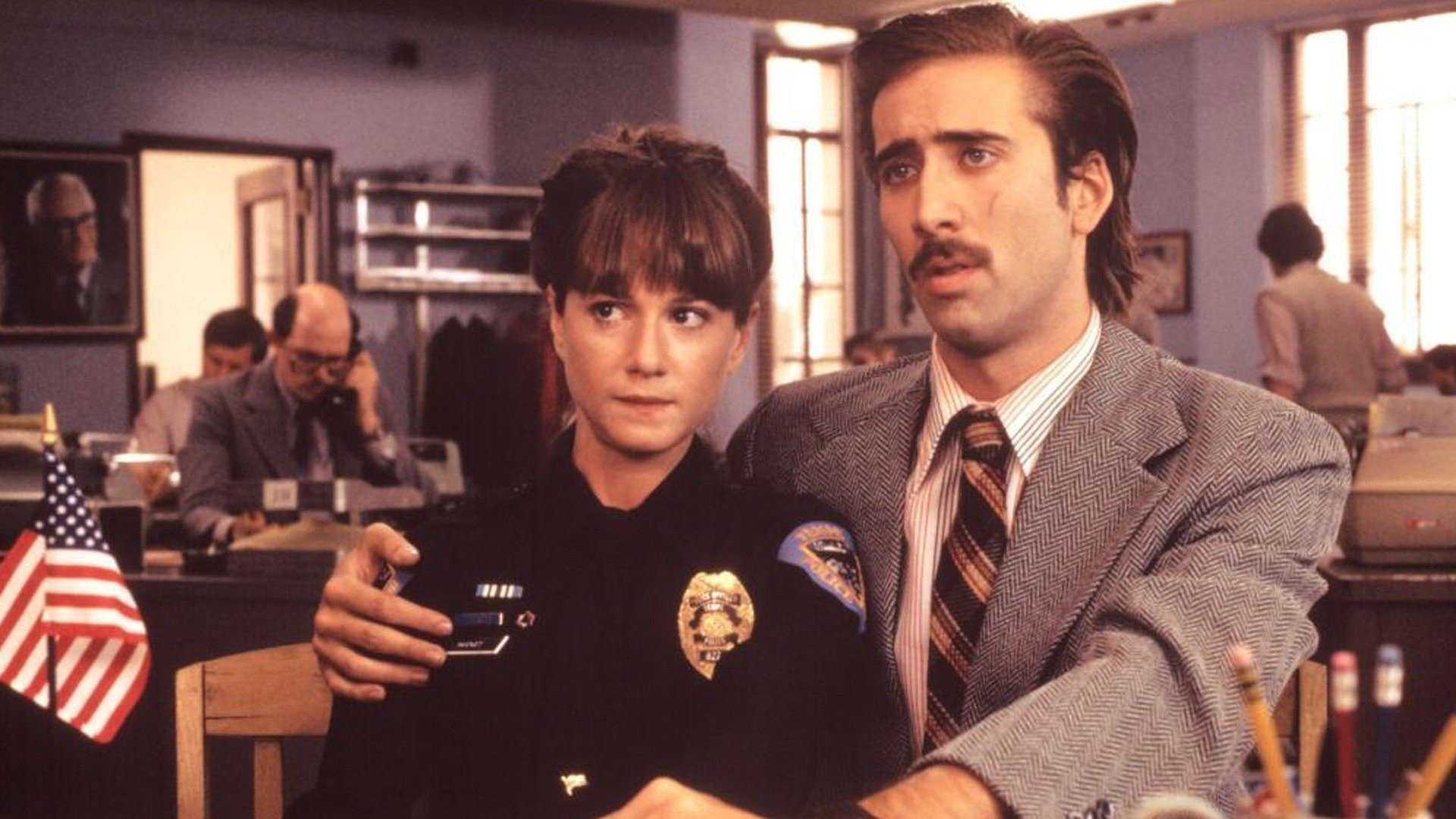
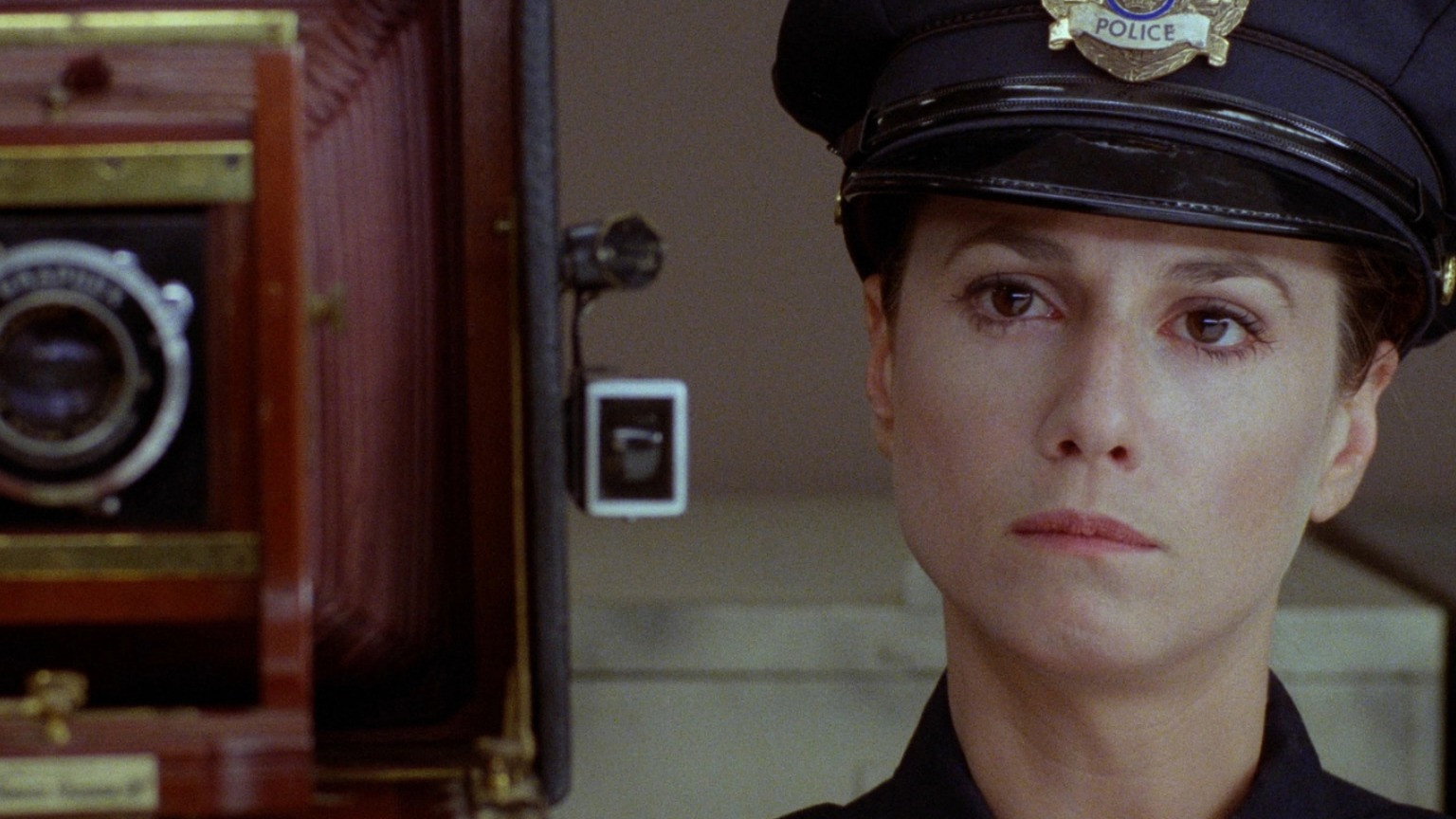
Nicolas Cage plays a repeat convenience-store robber; Holly Hunter’s Ed is a police photographer. Their courtship and decision to steal a quintuplet give the film a domestic purpose beneath all the criminal activity. Cage’s slapstick is so good because he allows his character to look foolish without making him seem incapable of feeling, while Hunter brings a seriousness that makes the pair convincing together. We were surprised by how much we wanted them to have a family. The theft remains appalling, but the performances make the longing behind it difficult to dismiss.
Barry Sonnenfeld’s cinematography keeps the physical comedy in motion. His moving camera gives the chases a restless energy, making the pursuit itself funny rather than merely a way of getting to the next joke. Michael R. Miller’s editing gives the packed pre-credits sequence its momentum, establishing that the film will not wait politely for us to catch up. That speed suits the reckless decisions; it can also make a good joke feel hurried out of the way.
Jane Musky’s production design gives this Arizona a seediness that suits people trying to establish a respectable household by stealing somebody else’s child. The couple’s trailer matters: their ambitions are easy to recognise, even when their surroundings are being used for broad comedy. Carter Burwell’s score works with the film’s hectic movement, helping the farce stay playful rather than merely abrasive. With so much activity in the images and music, the quieter work of making us care falls heavily on Cage and Hunter.
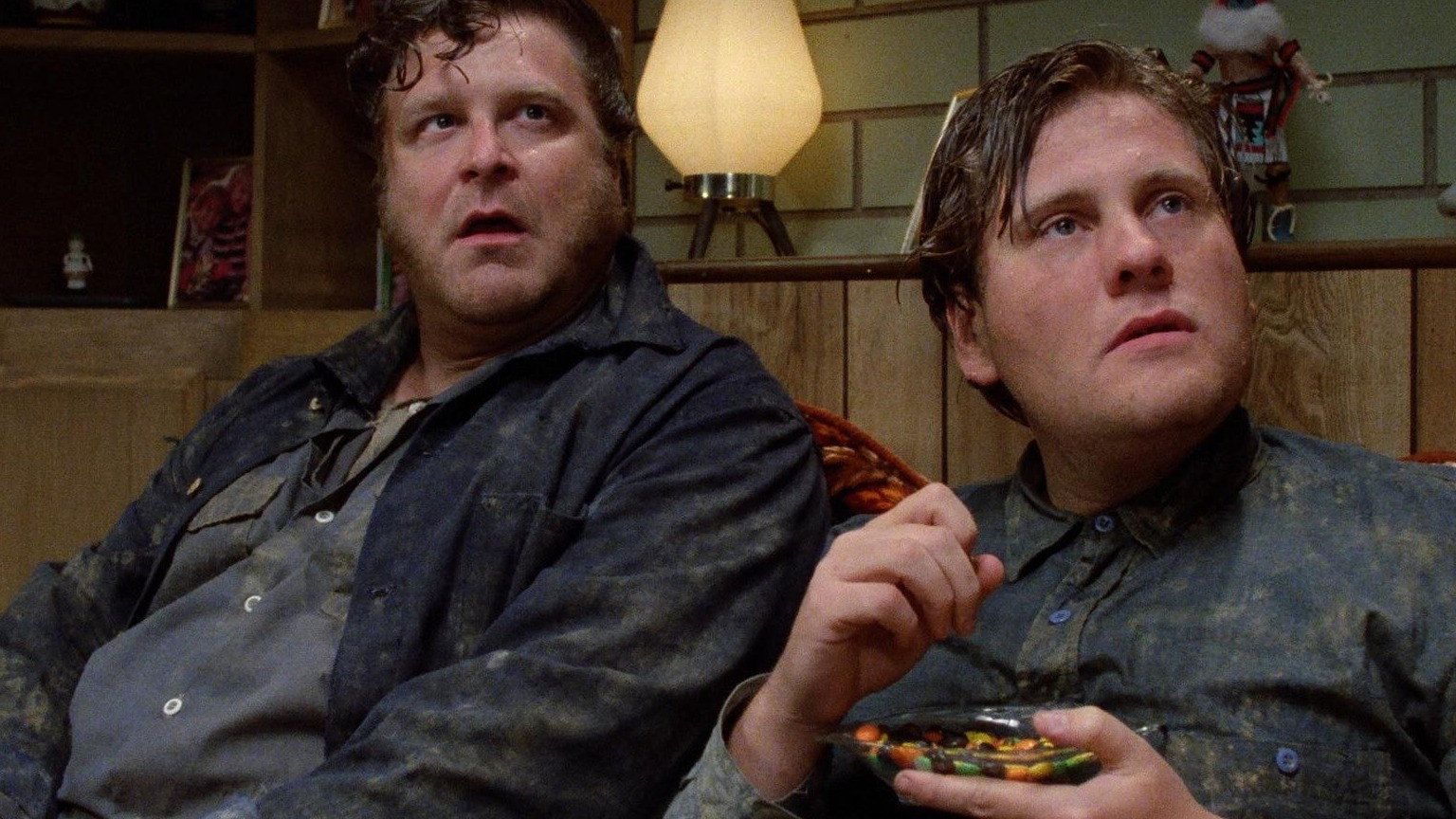
The weakness is the story’s loose construction, and it becomes more noticeable once the initial premise has done its work. Joel and Ethan Coen are better here at inventing another complication than making each one feel necessary. Some of the supporting figures remain comic types, and the relentless pace gives us little time to become interested in them beyond the next gag. At 94 minutes the film is short, but some passages are busy without being especially funny.
The dialogue is another reason to stay with it through the commotion. Joel and Ethan Coen give the couple ways of explaining themselves that are funny without making the wish for a family seem foolish. For a crime farce, it pays unusual attention to the sort of home its criminals hope to make. Watch it for Cage and Hunter, provided nobody on the sofa needs a quiet evening.