Ian Bonhôte and Peter Ettedgui make an affecting, handsome introduction to Paralympic sport. The athletes and competition footage earn our attention, though the insistent music and crowded storytelling sometimes make admiration feel over-organised.
Rising Phoenix is a stirring introduction to Paralympic sport, with enough compelling people to survive a presentation that sometimes applauds on our behalf. Directors Ian Bonhôte and Peter Ettedgui want us to look closely at what these athletes can do, and they make that a pleasure. Their film approaches its subjects with plenty of polish and ceremony. We recommend it, with a reservation about how readily its many different lives become variations on the same encouraging story.
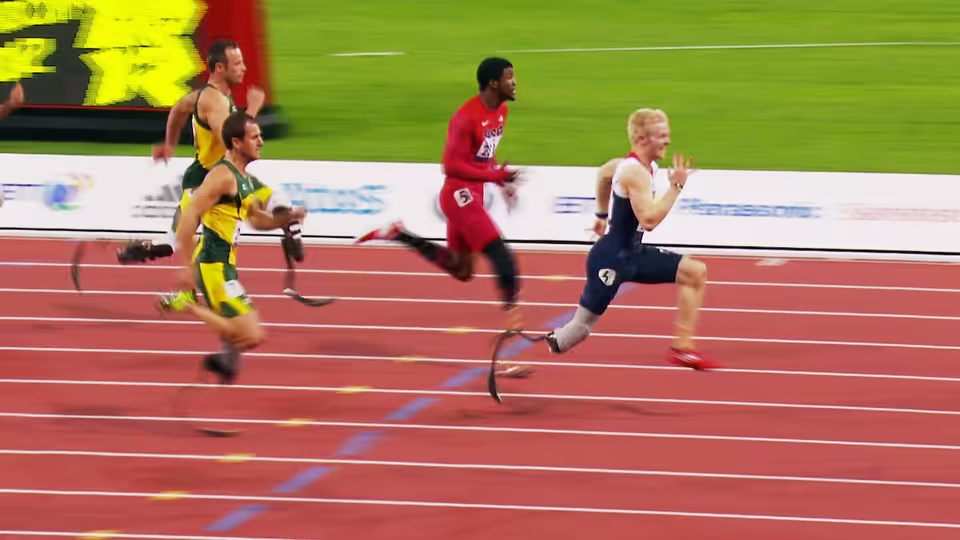
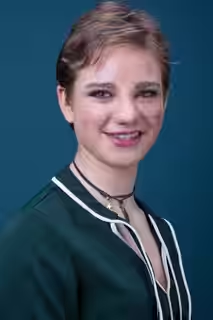
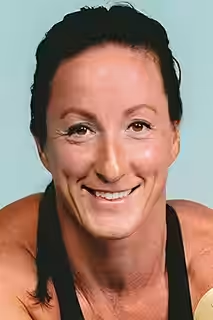
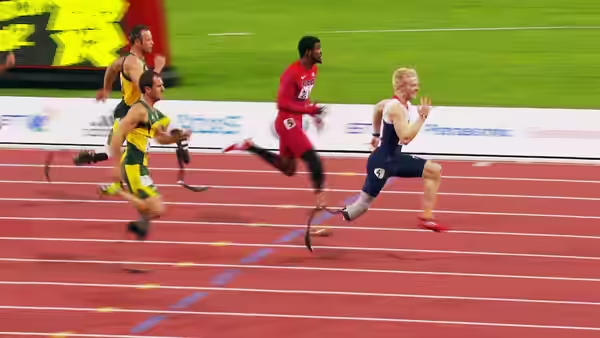
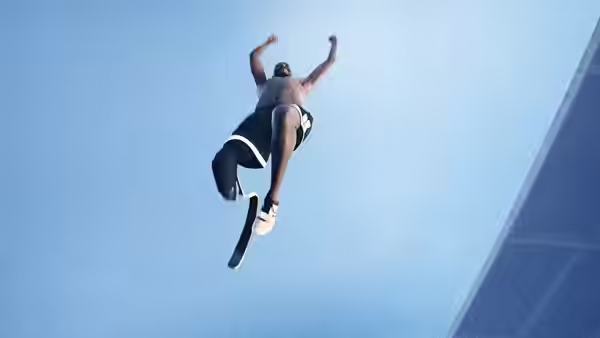
Bebe Vio, Tatyana McFadden and Ellie Cole are among those appearing as themselves, and the range of personal accounts gives the film much of its force. There is a welcome appetite here for ability: the filmmakers expect us to be interested in physical excellence rather than simply impressed that disabled people participate. The competition footage justifies that expectation. We were gripped by it, because the athletes’ combination of strength and control gives us something immediate to care about without needing their achievements explained.
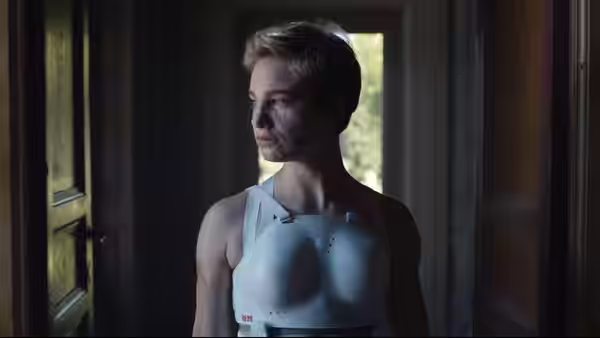
Will Pugh’s cinematography contributes to a glossy presentation that feels appropriate to the athletes’ command of their sports. The superhero-style introductions are a reasonable way to ask an audience to revise its expectations, even if they lay the admiration on thickly. There is pleasure in seeing physical skill treated as something worth looking at for its own sake. The limitation arrives when that heroic framing begins to seem compulsory, leaving less space for each person to be anything other than impressive.
Otto Burnham’s editing keeps the competition material lively and gives the personal stories a sense of urgency. That momentum helps a film with so many people to introduce, but it also means some accounts feel curtailed just as they begin to interest us. We wanted more time with individuals before moving on to the next example of determination. The crowded structure is a real limitation, although the range of voices prevents the film from resting entirely on one person’s experience.
Daniel Pemberton’s music is less inclined to leave the material alone. Its persistent encouragement can make moving testimony feel as though it has arrived with instructions, and the film would benefit from trusting an audience to respond without quite so much assistance. The score does contribute to the excitement of the sporting material. It is the lack of contrast that wears; the quieter human details need more room than this approach gives them.
The archive material is valuable because it gives the Games a history beyond the biographies of the people taking part. It also makes the film’s desire to change perceptions easier to understand: athletic achievement belongs within a wider account of who gets recognised and taken seriously. That is a useful ambition for an accessible documentary. The frustration is that the present-day portraits too often settle for triumph when their subjects suggest lives worth exploring with more patience.
Judged as a sports documentary, it succeeds at the thing that matters most: making the abilities of the competitors worth our sustained attention. Its insistence on their strength is welcome, even when the heroic packaging becomes a little restrictive. We would have preferred fewer prompts to feel uplifted and more time to discover what distinguishes one athlete from another. It is worth an evening for anyone drawn to competitive sport, provided a little over-encouragement does not put them off.