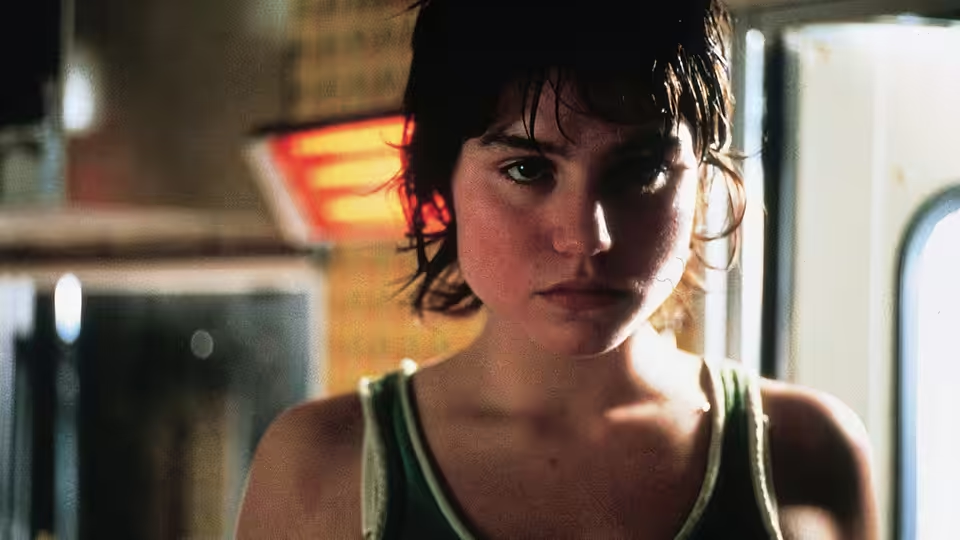
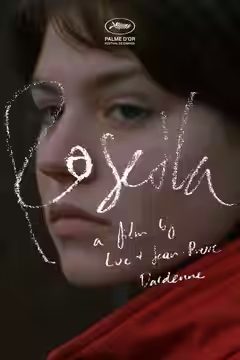
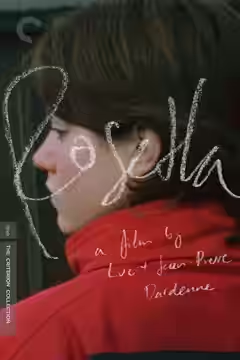
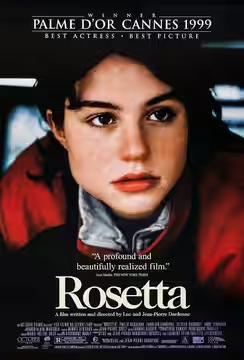
Émilie Dequenne’s fierce performance makes Rosetta worth the strain. Jean-Pierre Dardenne and Luc Dardenne stay close to a young woman’s struggle to survive, though their reluctance to explain her circumstances can become frustrating.
Rosetta is a gripping film about the effort of getting by, made difficult to watch by how little relief it allows. Jean-Pierre Dardenne and Luc Dardenne keep their attention on one young woman until her persistence becomes almost physically exhausting. We recommend it for Émilie Dequenne’s performance and for the directors’ willingness to let Rosetta be difficult company. The narrowness of their approach is also a limitation: we sometimes need more understanding of her circumstances than the film provides.
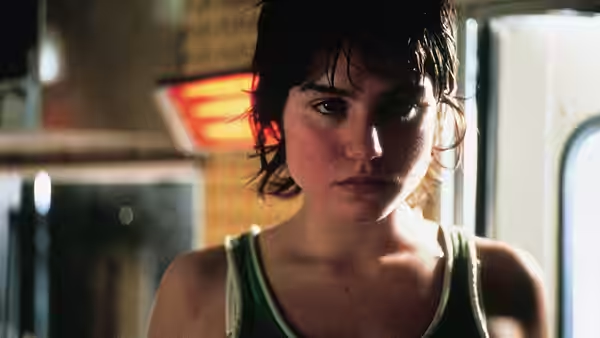
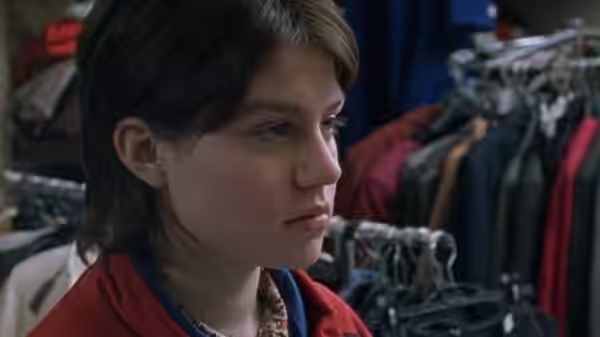
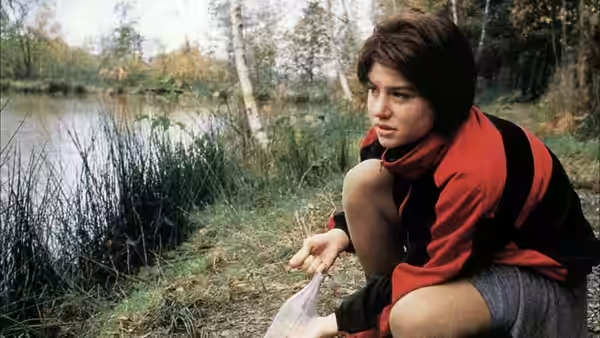
Émilie Dequenne gives Rosetta a persistence that can be abrasive. The performance does not tidy that away to make our sympathy easier. We were worn out by her physical effort, then uncomfortable about wanting a rest from it. The fact that we sometimes resist her is part of the film’s strength: she does not have to become more agreeable before her difficulties deserve our attention.
Alain Marcoen’s cinematography makes that discomfort difficult to escape. The camera stays close to Rosetta, asking us to keep looking at someone whose urgency can be exhausting. It works because Émilie Dequenne gives that attention something to follow: we remain interested in the effort she is making and wonder how she can keep it up. The danger is repetition, and there are stretches when the same pressure tells us little more than we already know.
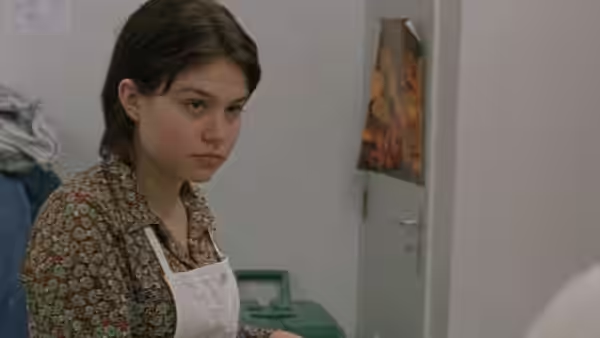
The film’s plainness also owes something to Igor Gabriel’s production design. The surroundings do not demand admiration, which helps keep attention on the person trying to live among them. Marie-Hélène Dozo’s editing sustains the need to press on, giving us little sense that any difficulty can be comfortably put aside. At 95 minutes, the film is compact, but it gives Rosetta’s persistence time to become tiring. We think that is mostly useful, though the pressure could vary more.
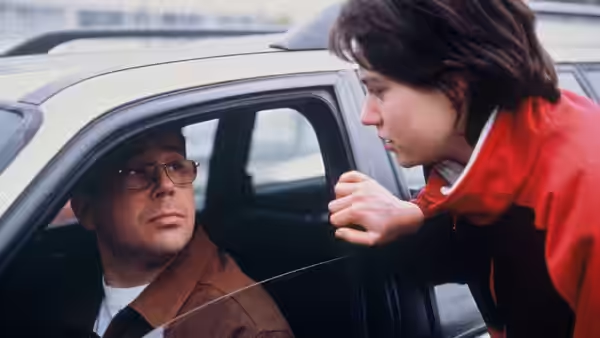
The music credited to Jean-Pierre Cocco leaves a fainter impression than the lead performance, and that feels right for this particular film. We do not need the music to explain how to feel about her. The writing by Jean-Pierre Dardenne and Luc Dardenne is just as reluctant to give us an easy way in. They provide little family background or wider social context, keeping our attention on what Rosetta is trying to do.
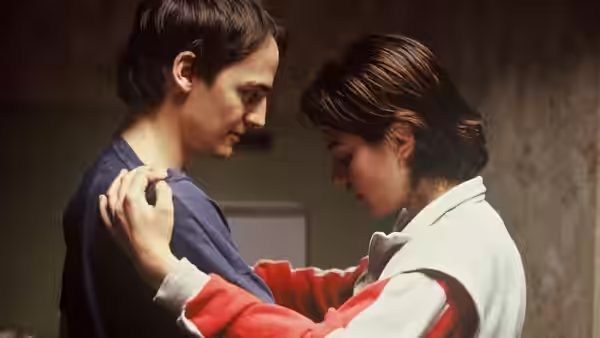
Here the directors’ restraint becomes a real drawback. Without more knowledge of the circumstances around Rosetta, her struggle can start to feel enclosed for reasons the film has imposed rather than reasons we understand. A little more explanation would not turn this into a lecture or make its hardships less painful. It would help us see beyond her persistence, and give the supporting characters more room to matter in their own right.
Social-realist drama can become too satisfied with its own decency, as though pointing a camera at hardship were sufficient. Rosetta earns our attention through the force of its acting and the uncomfortable demands it makes on our sympathy. Even when the restricted viewpoint frustrates us, the person at its centre remains worth the effort. Watch it when you can give Émilie Dequenne your full attention, and do not expect much comfort in return.