Edgar Wright makes a fast, funny action comedy out of romantic immaturity, with Michael Cera’s selfish slacker at the centre. The fights grow repetitive, but the precision of the jokes earns our patience.
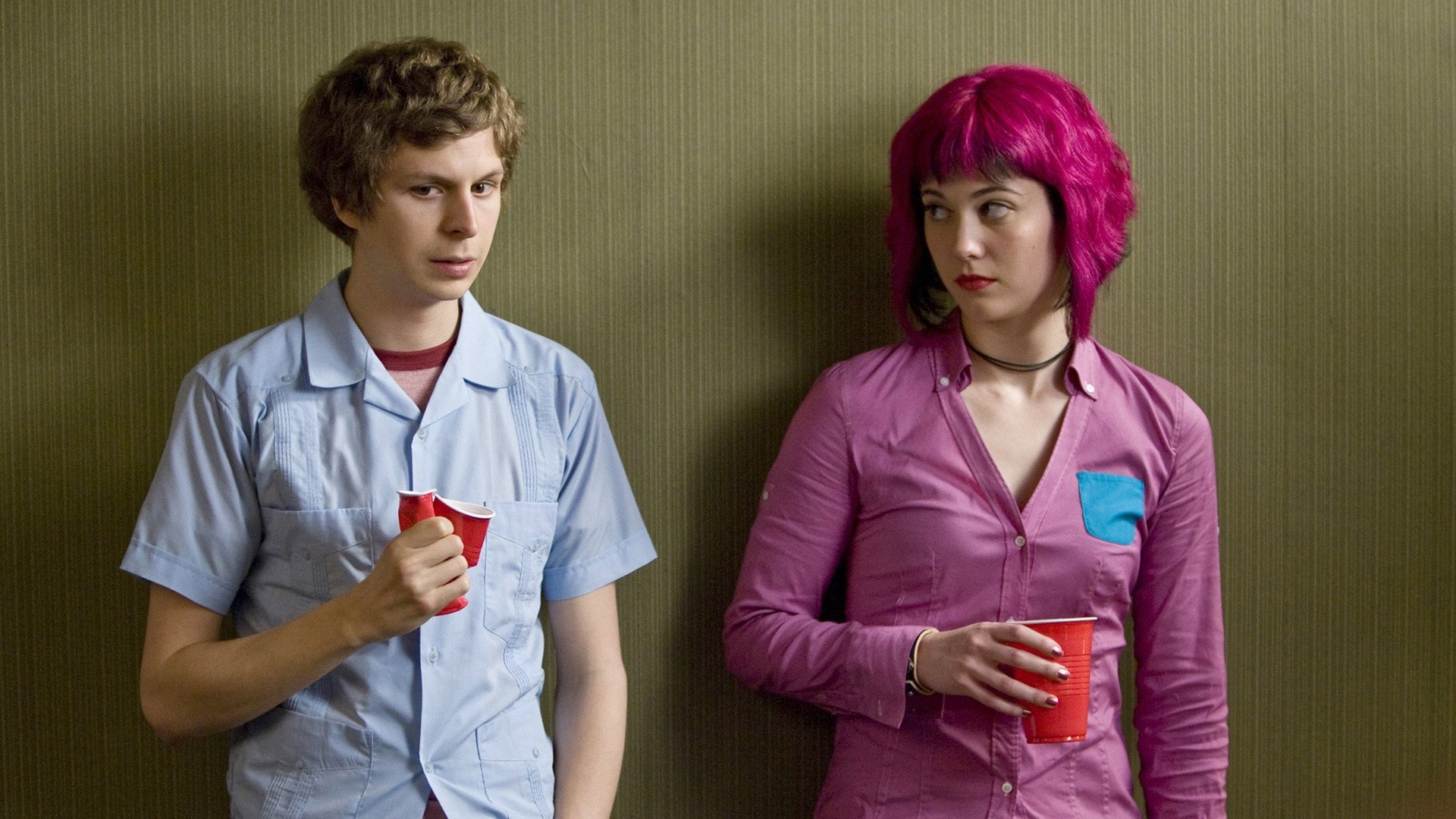
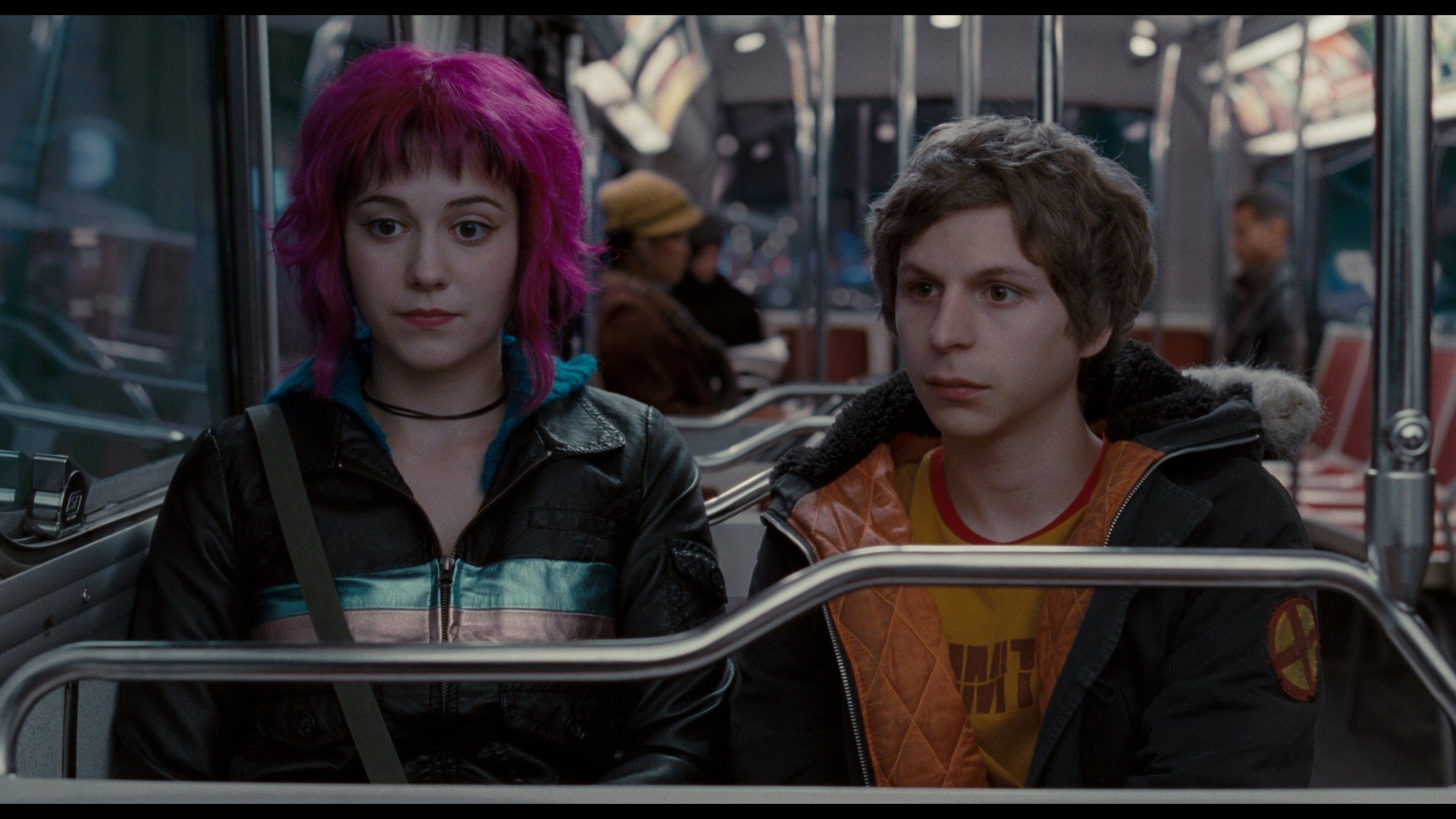
Edgar Wright’s Scott Pilgrim vs. the World is a fast, funny action comedy that knows how childish its hero is. We recommend it, with a caveat about the accumulating fights. Wright takes the familiar business of a young man behaving badly in love and gives it the violence and arbitrary rules of a video game. The extravagance suits Scott, who can make his own romantic inconvenience seem like everybody else’s emergency.
Michael Cera is useful casting because he does not make selfishness look forceful. His Scott has a mildness that encourages everyone, including us, to give him rather more latitude than he has earned. We laughed when the slacker comedy first broke into game-style combat. The scale of the fighting is absurd for someone so ill-equipped to handle a relationship. Cera lets the childishness show without making every scene a plea to be forgiven.
Bill Pope’s photography helps make that absurdity legible. The comic-book effects do not prevent us from reading a body in motion, which matters when a fight also has to deliver a joke. Editors Paul Machliss and Jonathan Amos keep conversations moving with much the same urgency as the combat, cutting away before a gag starts to linger. The pace can be tiring, but the timing is exact enough that the film rarely seems to be throwing distractions at us.
Marcus Rowland’s production design keeps the ordinary young-adult surroundings recognisable beneath the game imagery. The exaggerated action has somewhere credible to begin, and the shift from everyday life to combat does not need explaining each time. Nigel Godrich’s music suits the relentless movement, though another source of momentum is not always what a scene needs. There are stretches when we would welcome less sound and more time to watch these people consider what they have just said.
Mary Elizabeth Winstead’s Ramona Flowers is where the film’s hurry becomes costly. Winstead gives her a reserve that suggests a person with thoughts Scott has not bothered to ask about, but Michael Bacall and Wright’s screenplay does not allow the central relationship enough room. Ellen Wong’s Knives Chau makes a stronger emotional impression; her directness is valuable in a film so busy being knowing. The women hold our attention, and we wanted more of their lives than Scott’s difficulties leave space for.
Repetition is the other cost of all this activity. Once the film has established that a romantic obstacle can become a battle, another battle needs to do more than vary the effects. Some later confrontations take longer to make their point, and the cutting cannot disguise that the central idea is no longer a surprise. At 113 minutes, the film keeps us entertained, but fewer fights would have left its strongest ones sharper.
Romantic comedies often ask us to excuse a selfish hero because he is charming, and Wright is usefully less accommodating. Cera lets us see Scott’s selfishness even while we enjoy his awkwardness, which keeps the jokes from becoming too indulgent. There is enough pleasure in that performance and the precision around it to forgive the overcrowding. Allow for a few fights too many; the comedy is worth it.