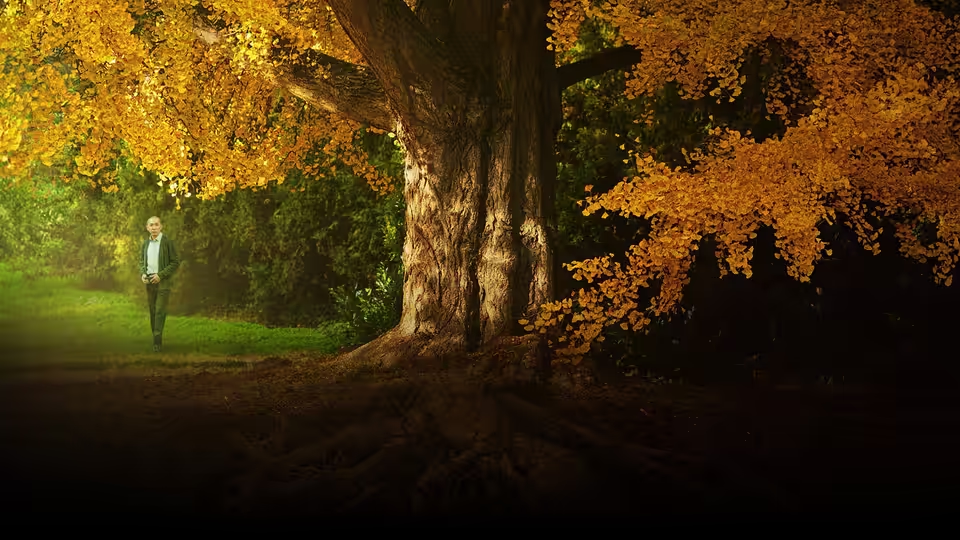
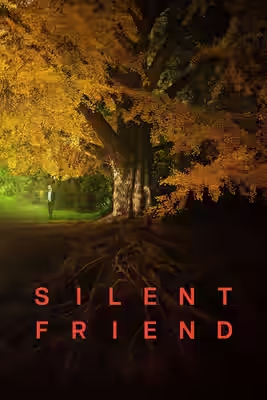
Silent Friend is worth the patience it asks for, particularly when Tony Leung shares our attention with a ginkgo tree. The interwoven stories are uneven, and 147 minutes gives their weaker passages too much room.
Silent Friend is a good, uneven drama that asks us to take plant life seriously without turning it into a lesson. Ildikó Enyedi builds it from interwoven human stories, with a ginkgo tree commanding an unusual share of our attention. The pace is slow enough to become a condition of enjoying it, and there are stretches when the waiting feels unnecessary. Yet the interest in what grows beside us is persuasive, especially when the film gives us time to examine the plants themselves.
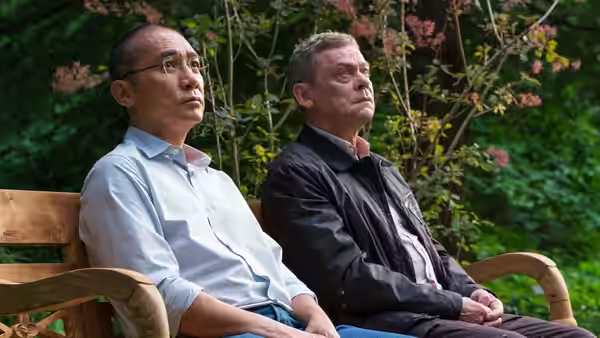
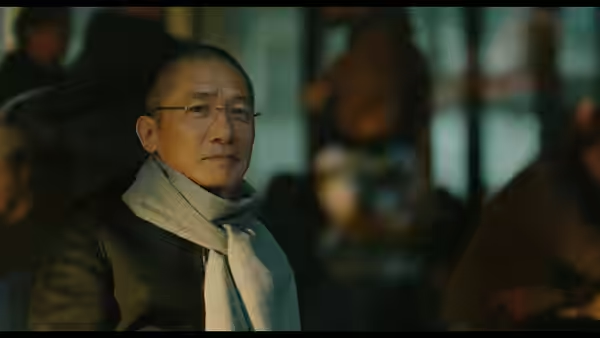
Tony Leung’s restrained performance is important to that approach. He holds our attention without making every thought immediately legible, allowing the curiosity behind the film to seem like a recognisable human impulse. His presence helps when the connections between the stories become difficult to follow or simply less interesting than the individual lives. There is warmth in the ensemble, too, although the writing does not give every performance equally compelling material.
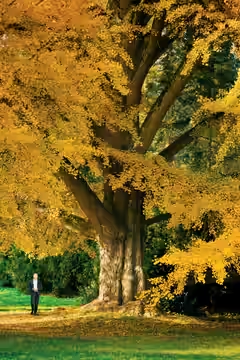
Gergely Pálos photographs the ginkgo and germinating seeds with an attention that makes them substantial subjects in their own right. We were unexpectedly moved by the images of germinating seeds. The time spent watching this ordinary process makes its small changes matter, and the photography gives us enough to look at while we wait. These passages justify the film’s patience more convincingly than any explanation of its interest in nature could.
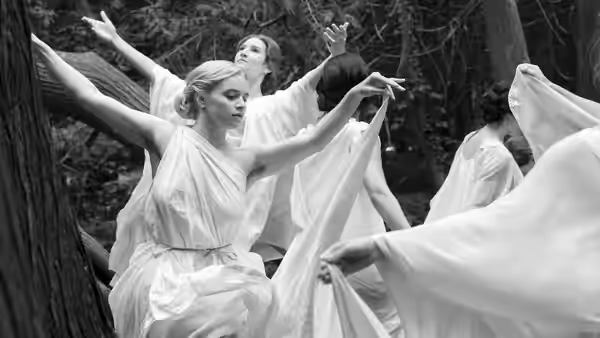
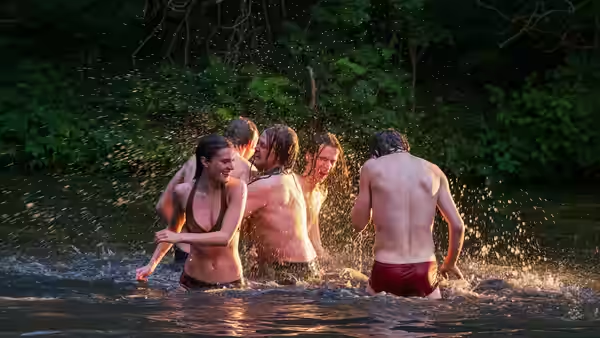
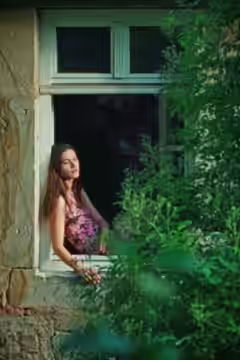
The 1972 passages also show the strongest collaboration between Gergely Pálos and production designer Imola Láng. Their sunlit, intimate feel gives the people a convincing place within the film’s attention to nature, rather than leaving them stranded beside the plants. Elsewhere, the human scenes can seem stiff and too carefully arranged. The contrast makes the changes of period less satisfying, because the more relaxed passages encourage an involvement that the others struggle to sustain.
Gábor Keresztes and Kristóf Kelemen provide music that helps sustain these long stretches of observation. Together with the layered sound, it makes the attention to plant life absorbing even when little is happening in the human stories. The contribution matters: a film asking for this much concentration needs to give the ears something to do as well. It cannot, however, make every quiet passage equally interesting, and occasionally the atmosphere continues after the scene has given us enough.
The larger difficulty is how the stories connect, and Károly Szalai’s editing does not always make those connections persuasive. A shared concern with people and plants sometimes seems insufficient reason to leave one life and return to another. Some changes of period feel like interruptions, particularly when the strand we have left was beginning to hold us. At 147 minutes, those uncertain joins matter. Several passages could be shorter without sacrificing the close attention that makes the film distinctive.
For this kind of contemplative drama, the test is whether looking for longer changes what we notice. Often enough, it does: the plants become worth watching without any need for a conventional dramatic event. The unanswered questions bother us less than the unevenness of the human stories. Save it for an evening when nobody is waiting for the story to get a move on.