Terrence Malick’s family drama earns its cosmic scale through the force of its childhood scenes. We recommend it warmly, though some passages repeat themselves long after the point is clear.
Terrence Malick’s The Tree of Life puts the origins of the universe alongside a boy’s troubles with his parents, and takes both seriously. We recommend it warmly, with fair warning that it sometimes keeps asking its large questions after we have understood them. Jack is played as a boy by Hunter McCracken and as an adult by Sean Penn. Malick keeps returning to the childhood that continues to occupy the grown man.
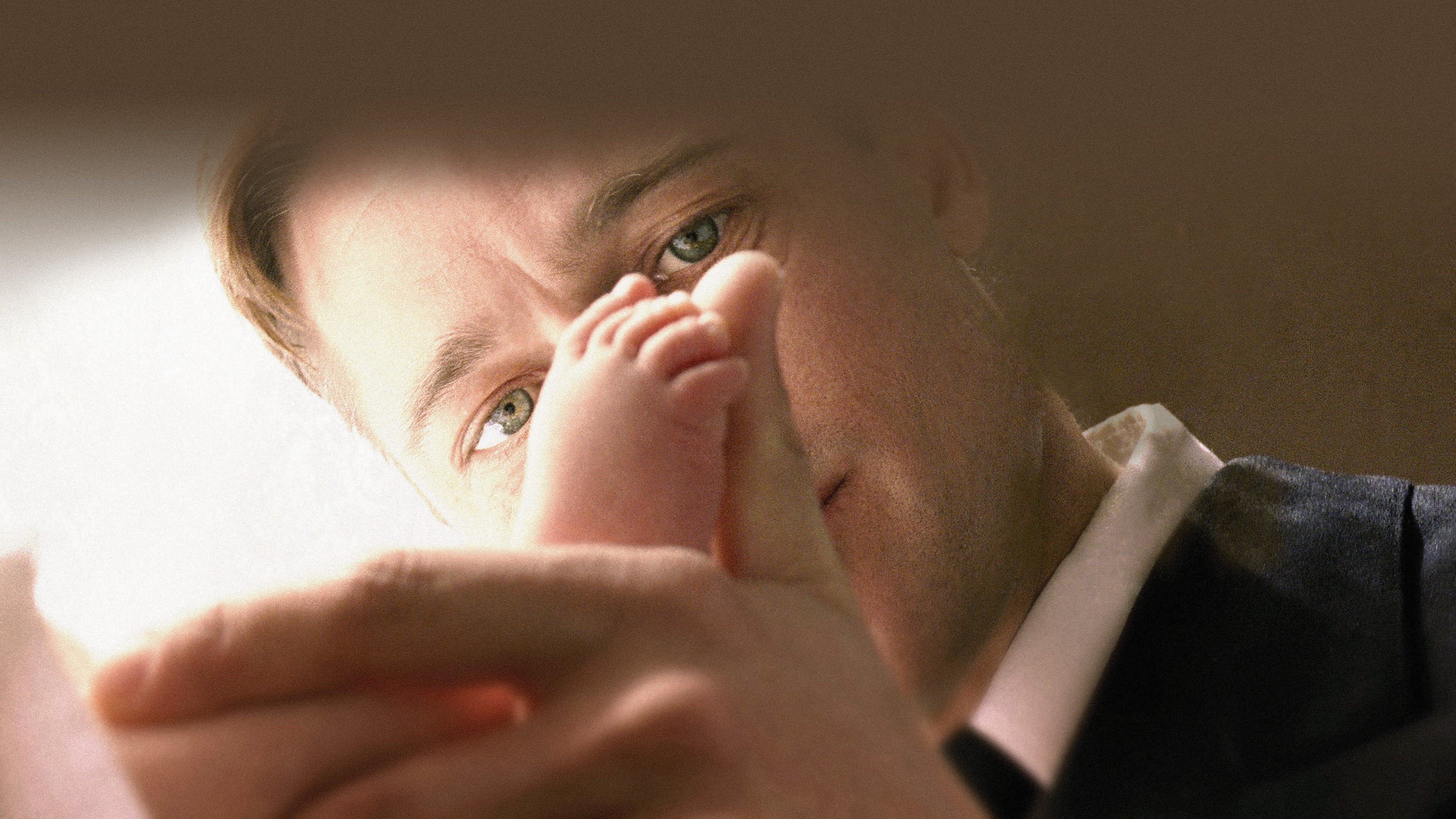
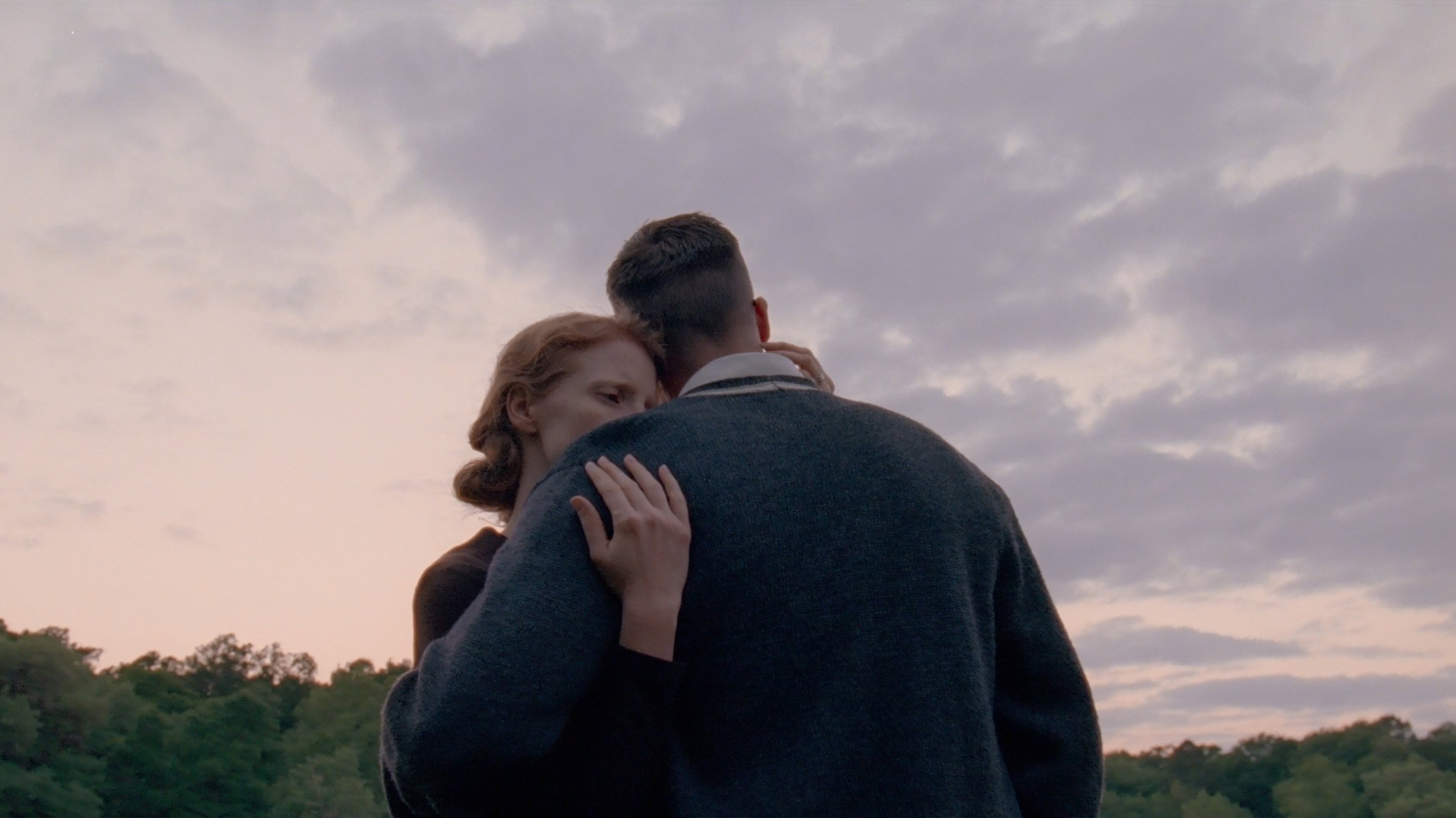
Brad Pitt’s Mr O’Brien gives the film something solid to push against. Pitt makes paternal authority feel formidable and fallible, and we can understand Jack’s resistance without reducing his father to a villain. We felt an uncomfortable shock of recognition in the boy’s rebellion. McCracken makes it seem possible to resent a parent and still want that parent’s approval, which is where this account of childhood becomes painfully convincing.
Jessica Chastain has the more difficult task as Mrs O’Brien, because the film’s idea of grace risks turning a mother into an example of goodness. Her performance is warm enough to keep that from happening altogether. Malick’s division between grace and nature is least persuasive when it seems to sort the family into opposing camps. Chastain makes us interested in the mother even when the writing seems chiefly interested in what she represents.
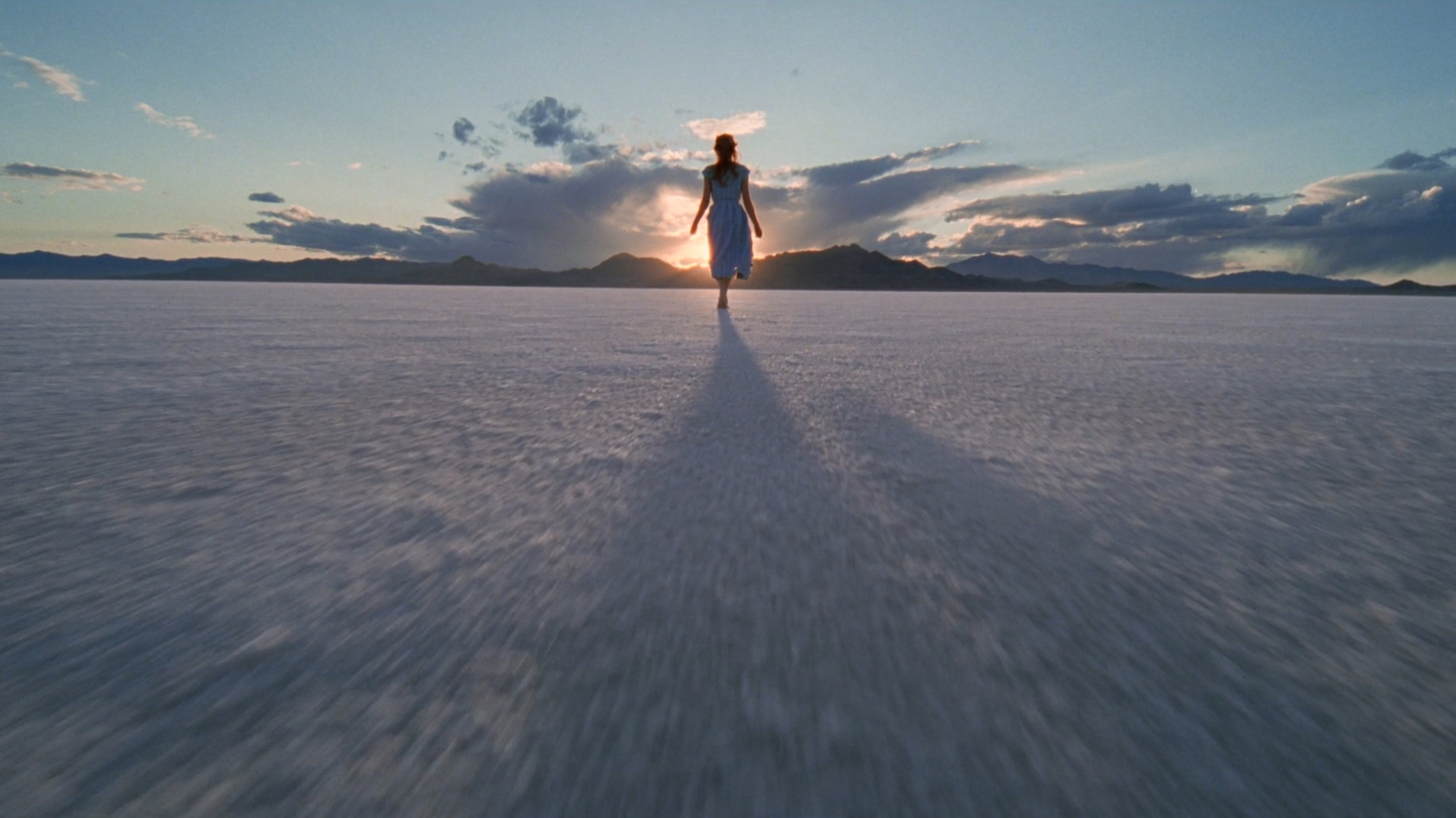
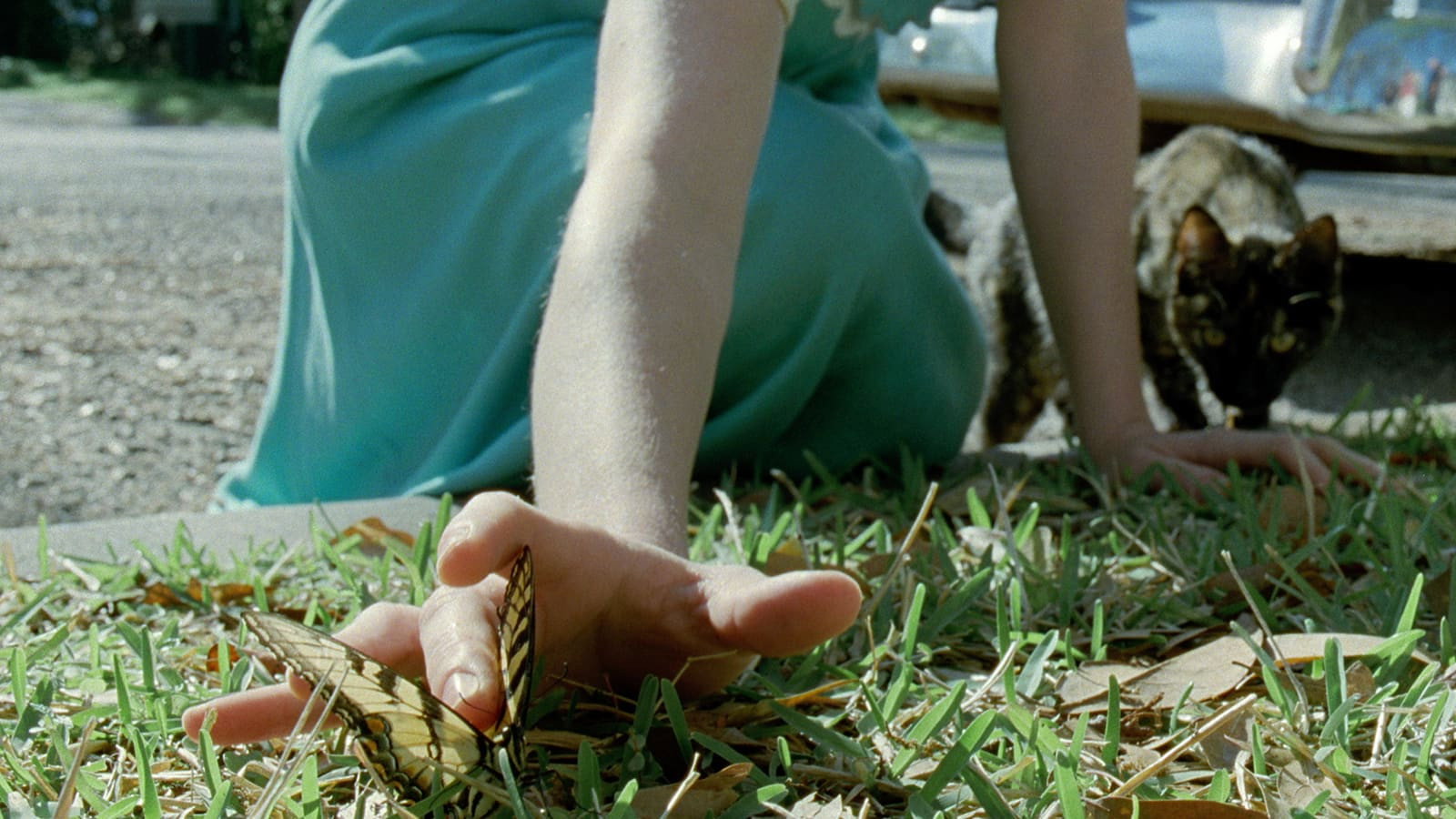
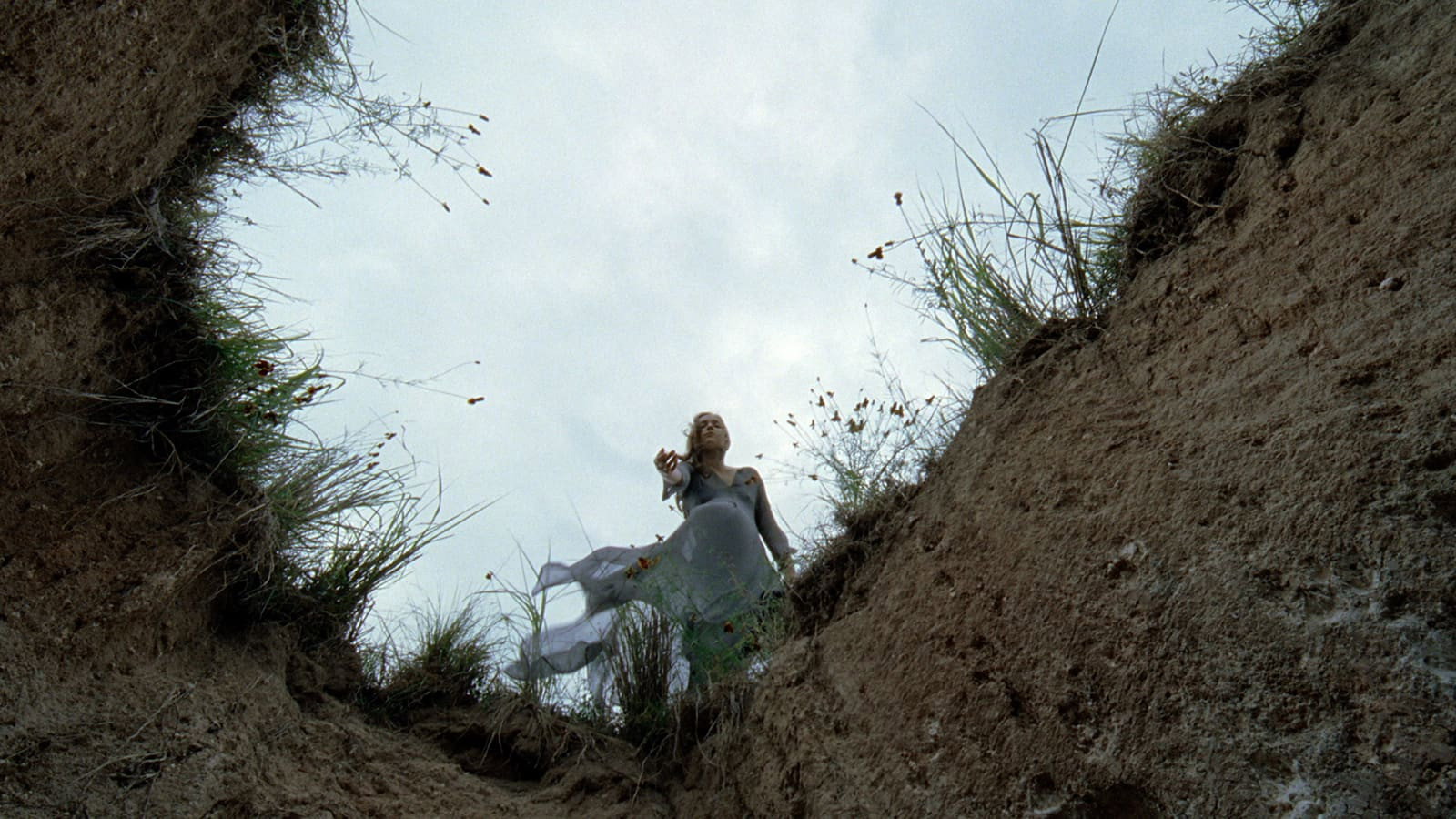
Emmanuel Lubezki gives the childhood passages the same visual weight as the cosmic images: the light and colour around a family command as much attention as the stars. We stay interested when the film comes back to people. Jack Fisk’s production design helps us accept the family’s surroundings as somewhere people live, even while Malick is asking us to think about eternity. The domestic scenes never feel like intervals between the larger displays.
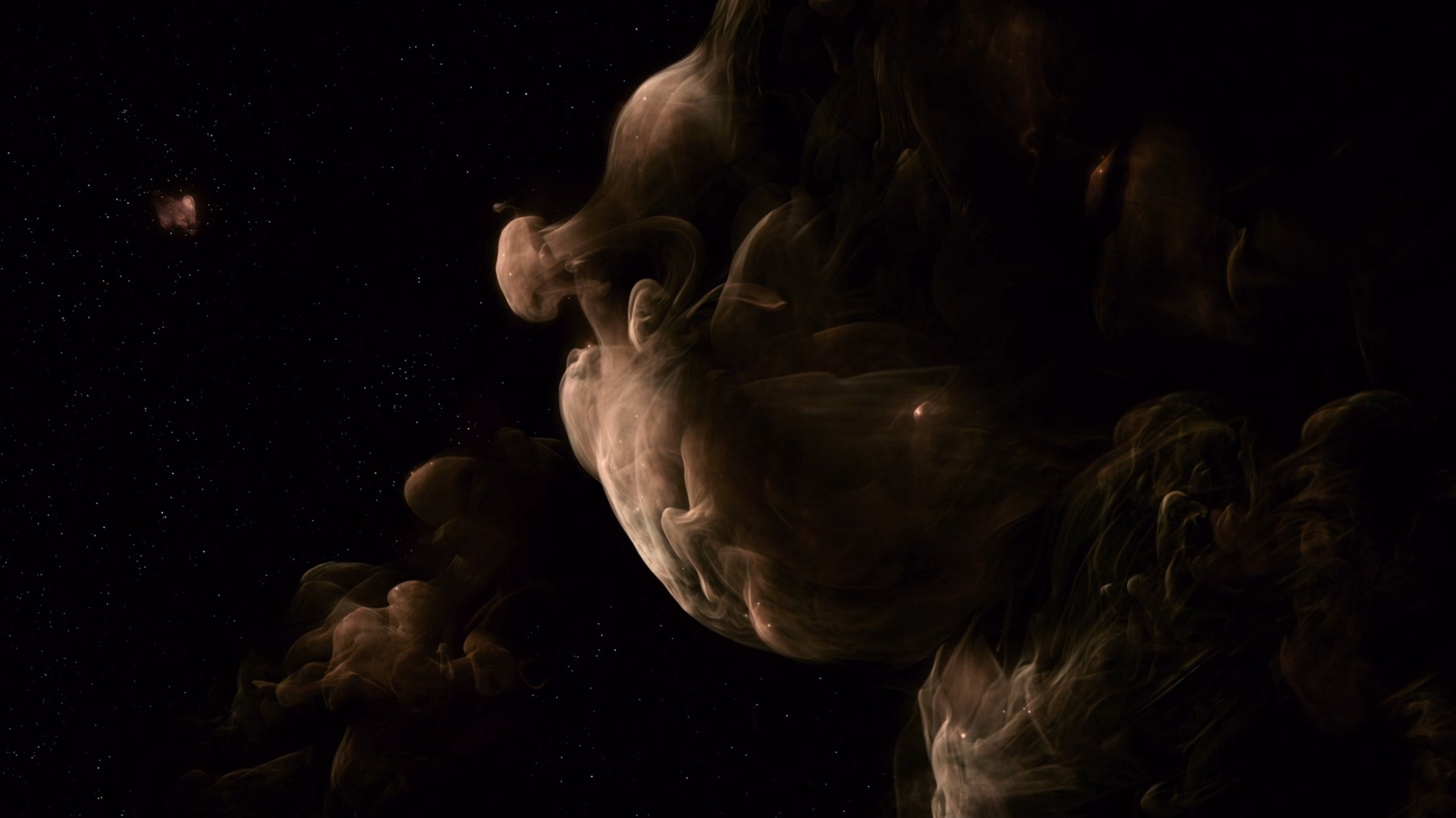
The editing by Mark Yoshikawa, Billy Weber, Daniel Rezende, Jay Rabinowitz and Hank Corwin joins childhood vignettes to cosmic images without explaining every transition. One recollection leads towards another through an association or a feeling, and the shifts often make sense before we could explain them. Alexandre Desplat’s score gives the recollections a solemnity that suits Malick’s concern with suffering. The wider use of music also helps carry us across changes in scale that would be abrupt in a more conventionally told story.
Malick takes the family drama well beyond its usual domestic limits, even finding room for dinosaurs. There are stretches where successive images seem to repeat a point already made, and patience begins to feel like work. Yet the creation passages make the attempt to understand a childhood feel reasonable: what happens to us early can seem large enough to require an explanation of everything. We would lose something important if this were cut down to the O’Briens alone.
At 139 minutes, this is not a film to fit around other things. It needs an uninterrupted evening and a willingness to let a passage go by without deciding what it means. Anyone wanting a tightly plotted family drama should choose something else. We would leave time afterwards to talk about the parents.