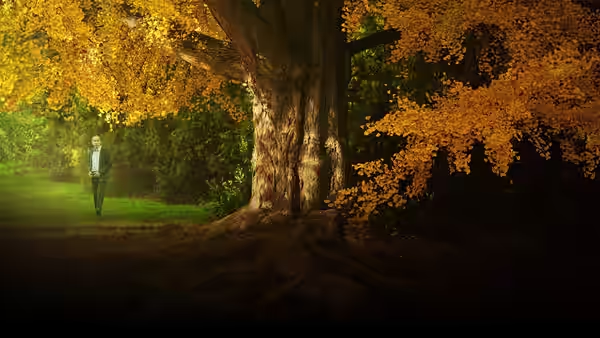
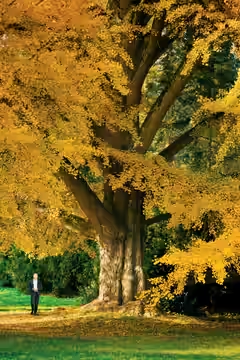
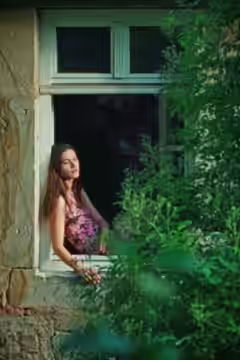
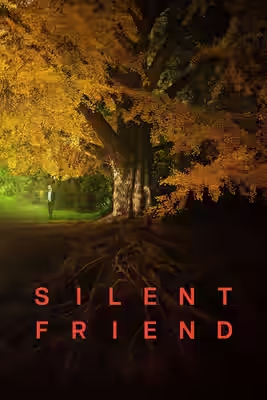
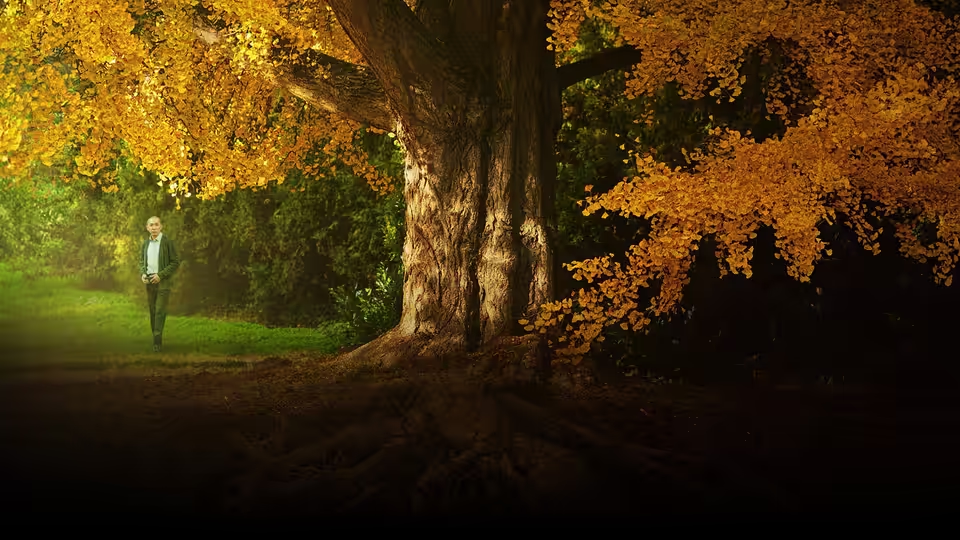
A woman stands beneath a sprawling tree in an autumn garden
Film review

Silent Friend

2026 · Directed by Ildikó Enyedi · 2h 27m

In a sentenceTony Leung has the good manners not to upstage a tree

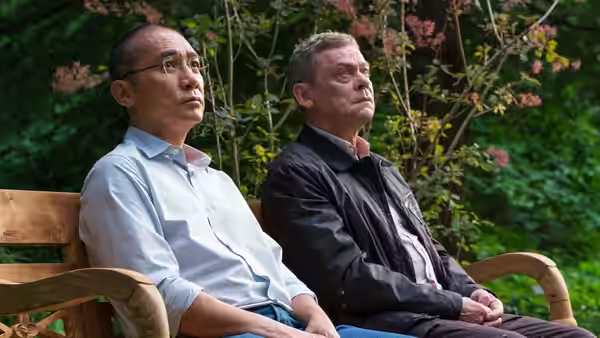
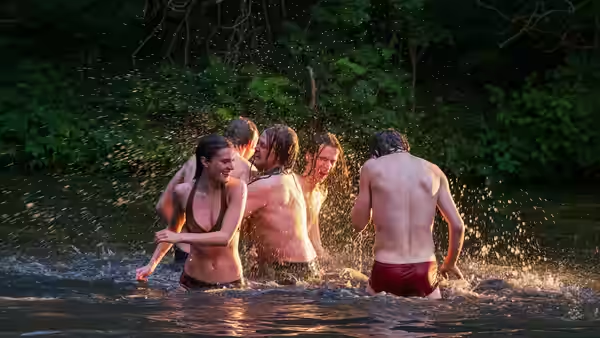
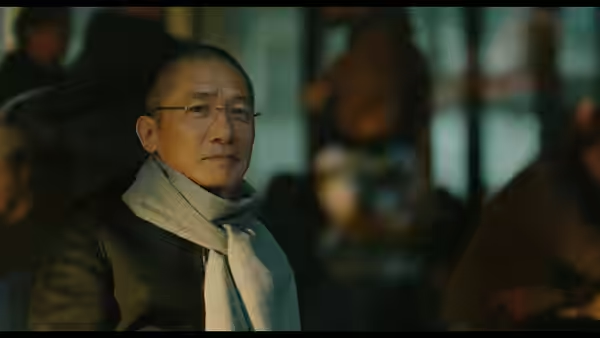
Interwoven stories about people and plants unfold across different periods, including 1972, with a ginkgo tree at their centre. Tony (Tony Leung), Grete (Luna Wedler) and Hannes (Enzo Brumm) are among the people whose lives the film follows. Alongside their relationships, attention turns to the tree and to seeds beginning to germinate. Curiosity about other living things connects the human stories, as the film considers how people might understand lives unlike their own. The natural world remains close at hand while the separate stories unfold.

Plays from YouTube when you press play; nothing loads from them until then.

Fi1m review

Silent Friend is worth the patience it asks for, particularly when Tony Leung shares our attention with a ginkgo tree. The interwoven stories are uneven, and 147 minutes gives their weaker passages too much room.

Silent Friend is a good, uneven drama that asks us to take plant life seriously without turning it into a lesson. Ildikó Enyedi builds it from interwoven human stories, with a ginkgo tree commanding an unusual share of our attention. The pace is slow enough to become a condition of enjoying it, and there are stretches when the waiting feels unnecessary. Yet the interest in what grows beside us is persuasive, especially when the film gives us time to examine the plants themselves.

Tony Leung’s restrained performance is important to that approach. He holds our attention without making every thought immediately legible, allowing the curiosity behind the film to seem like a recognisable human impulse. His presence helps when the connections between the stories become difficult to follow or simply less interesting than the individual lives. There is warmth in the ensemble, too, although the writing does not give every performance equally compelling material.

Gergely Pálos photographs the ginkgo and germinating seeds with an attention that makes them substantial subjects in their own right. We were unexpectedly moved by the images of germinating seeds. The time spent watching this ordinary process makes its small changes matter, and the photography gives us enough to look at while we wait. These passages justify the film’s patience more convincingly than any explanation of its interest in nature could.

The 1972 passages also show the strongest collaboration between Gergely Pálos and production designer Imola Láng. Their sunlit, intimate feel gives the people a convincing place within the film’s attention to nature, rather than leaving them stranded beside the plants. Elsewhere, the human scenes can seem stiff and too carefully arranged. The contrast makes the changes of period less satisfying, because the more relaxed passages encourage an involvement that the others struggle to sustain.

Gábor Keresztes and Kristóf Kelemen provide music that helps sustain these long stretches of observation. Together with the layered sound, it makes the attention to plant life absorbing even when little is happening in the human stories. The contribution matters: a film asking for this much concentration needs to give the ears something to do as well. It cannot, however, make every quiet passage equally interesting, and occasionally the atmosphere continues after the scene has given us enough.

The larger difficulty is how the stories connect, and Károly Szalai’s editing does not always make those connections persuasive. A shared concern with people and plants sometimes seems insufficient reason to leave one life and return to another. Some changes of period feel like interruptions, particularly when the strand we have left was beginning to hold us. At 147 minutes, those uncertain joins matter. Several passages could be shorter without sacrificing the close attention that makes the film distinctive.

For this kind of contemplative drama, the test is whether looking for longer changes what we notice. Often enough, it does: the plants become worth watching without any need for a conventional dramatic event. The unanswered questions bother us less than the unevenness of the human stories. Save it for an evening when nobody is waiting for the story to get a move on.

Critical consensus AI synthesised

77
Positive
8
Mixed
2
Negative
0

Most critics respond warmly to Silent Friend, praising its patient attention to connections between people and plants. The strongest agreement concerns the sensory craft: tactile cinematography, layered sound and an immersive score make the ginkgo tree and other plant life feel vivid and emotionally significant. Performances also draw praise, with Tony Leung’s restraint singled out for giving the film an emotional centre, while several reviews admire its curiosity and compassion.

The reservations concern pace and the balance between the interwoven stories. Some critics find the slowness absorbing; others describe it as trying, and there are doubts about how convincingly the separate strands fit together. Little White Lies particularly favours the intimate, sunlit 1972 sequences, finding the other timelines stiff by comparison. The spread runs from enthusiasm to qualified appreciation rather than outright rejection, with unresolved questions registering as both a source of wonder and a limitation.

Variety
5 September 2025 · festival review · Guy Lodge
90*

Lodge finds the film enchanting, original and richly sensory, praising Enyedi’s imaginative, patient vision of human connection with plant life. He especially singles out the tactile cinematography and immersive sound and score for creating its vivid, symphonic atmosphere.

Read the full review →
Vulture
6 May 2026 · Bilge Ebiri
90*

Ebiri finds the film mesmerizing and unforgettable despite its slow pace. He especially praises how Enyedi’s cinematography makes the gingko tree’s hidden life feel vivid and emotionally resonant.

Read the full review →
Los Angeles Times
15 May 2026 · Robert Abele
80*

The critic finds the film fluid, charming and quietly poetic, praising its belief in curiosity as a force for progress. He especially singles out the sublime gingko tree and the cast’s entrancing performances.

Read the full review →
The New Yorker
8 May 2026 · Justin Chang
80*

Chang finds the film an enchanting, compassionate meditation on human relationships with plants, though its interwoven storytelling can feel arbitrary. He especially praises the performances, singling out Tony Leung and the ginkgo tree as memorable scene partners.

Read the full review →
IndieWire
5 September 2025 · B · Leila Latif
77

Latif finds the film profound and beautiful but sometimes painfully slow. Tony Leung’s magnetic, restrained performance is singled out as its emotional center.

Read the full review →
The Hollywood Reporter
6 September 2025 · festival review · Jordan Mintzer
75*

Mintzer finds the film an enigmatic, brainy art-house experience that gradually grows on viewers open to its style. He praises its striking cinematography and layered sound design, which bring its unusual connections between people and plants to life.

Read the full review →

Straight answers AI written, from our review

Is Silent Friend worth watching?
Silent Friend is worth watching if patient, contemplative drama appeals to you; we score it 77/100. Tony Leung’s restraint and the close observation of a ginkgo tree and germinating seeds reward the attention, but the interwoven human stories are uneven, and 147 minutes gives their weaker passages too much room.
How long is Silent Friend, and what is it rated?
Silent Friend runs 2h 27m. It is a drama film.
Where can I watch Silent Friend in Ireland?
Silent Friend is not on any streaming or rental service in Ireland at the moment. It is available in 10 other countries; change your country at the top of the page to see where. Availability is checked daily.
How does Silent Friend compare to Perfect Days?
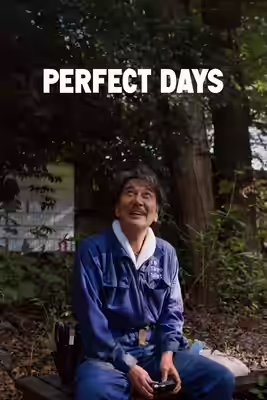
Silent Friend shares Perfect Days’ patient observation and interest in trees, but we recommend Perfect Days more readily for its sustained attention to one life. Koji Yakusho makes near-identical routines hold our interest, while Silent Friend moves less reliably between people and periods. Choose it for the closer attention to plant life, rather than the more consistent human story.
What should I watch after Silent Friend?
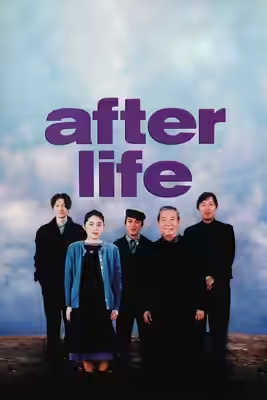
After Silent Friend, try Perfect Days (2023, Fi1m 83): Patient observation, daily routines and a welcome interest in trees. Then After Life (1998, Fi1m 85): A quietly inquisitive drama that gives ordinary memories room to matter; and The Tree of Life (2011, Fi1m 84): Family memories and natural history share an expansive, questioning film.

Cast

If you liked this, try…

  1. Perfect Days (2023, Fi1m 83)Patient observation, daily routines and a welcome interest in trees.

  2. After Life (1998, Fi1m 85)A quietly inquisitive drama that gives ordinary memories room to matter.

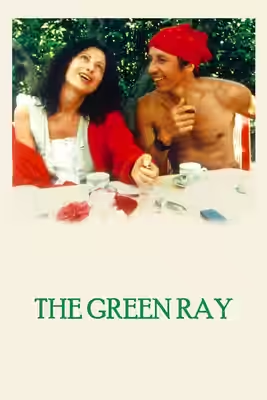
  3. The Green Ray (1986) · not reviewed yetHuman uncertainty meets the natural world, without much hurry.

  4. The Tree of Life (2011, Fi1m 84)Family memories and natural history share an expansive, questioning film.

  5. The Spirit of the Beehive (1973, Fi1m 87)For patient looking, sparse speech and close attention to a landscape.

Free account

Know what to watch tonight

Two lists that know where things are streaming, collections you can share, your own score beside ours, and Discover that remembers what you have seen.

  • Want to see, sorted by what is streaming now
  • Seen, with your score out of ten
  • No adverts, ever