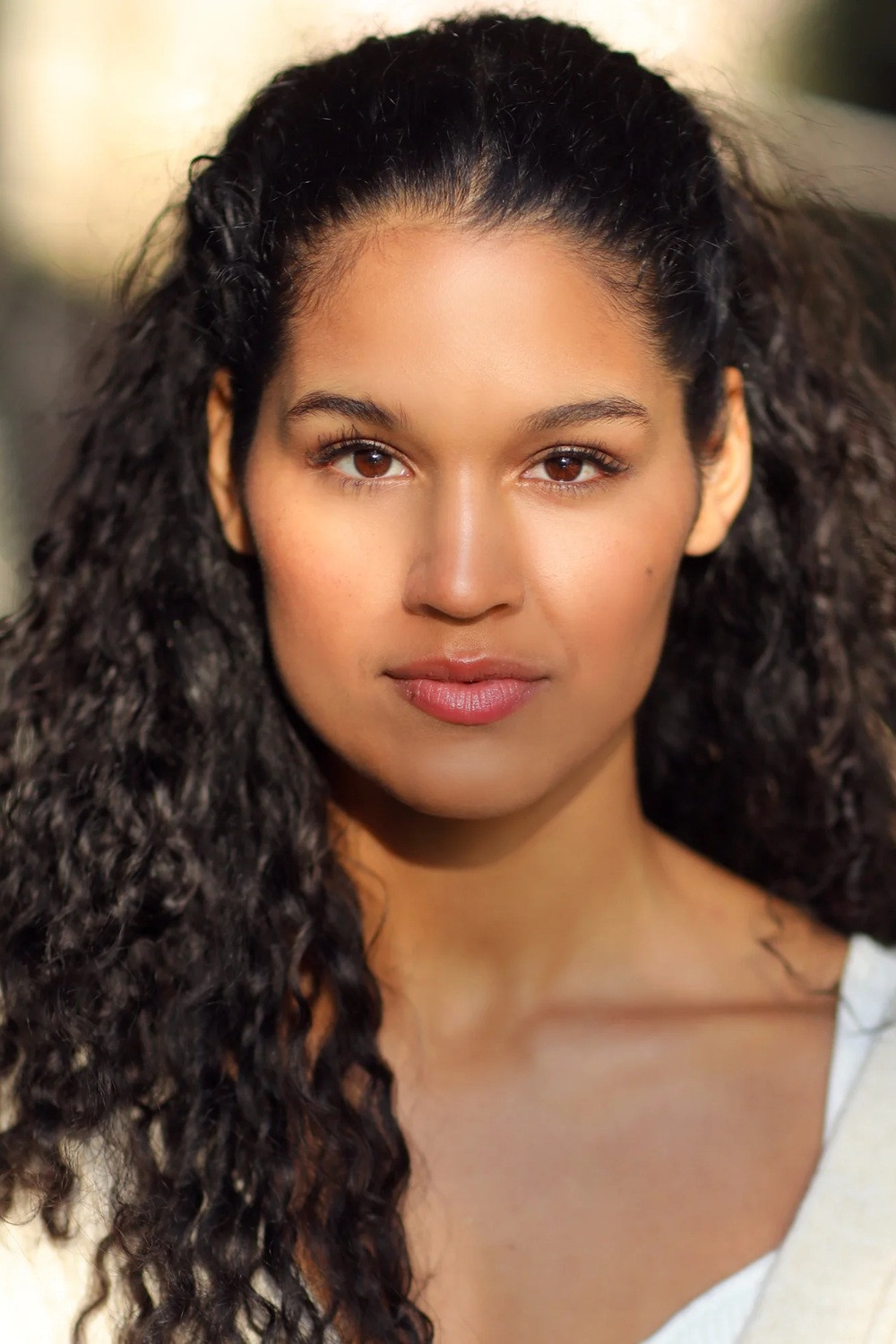
Lily Sullivan is quietly good twice over, as the dead wife and the machine that wears her face, and Kate Dolan shoots the house with care. The script around them has one scare, one idea and a list to get through.
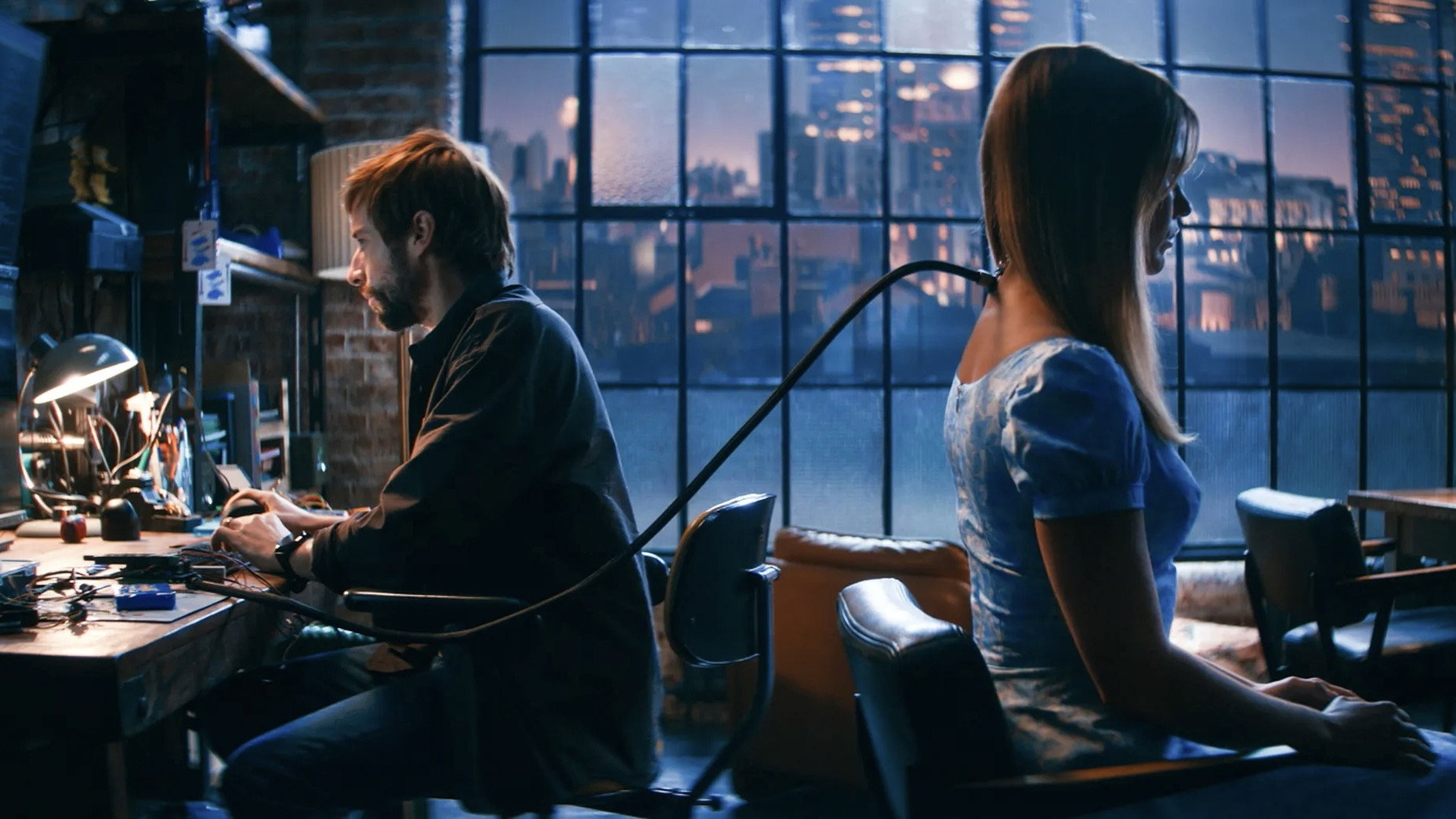
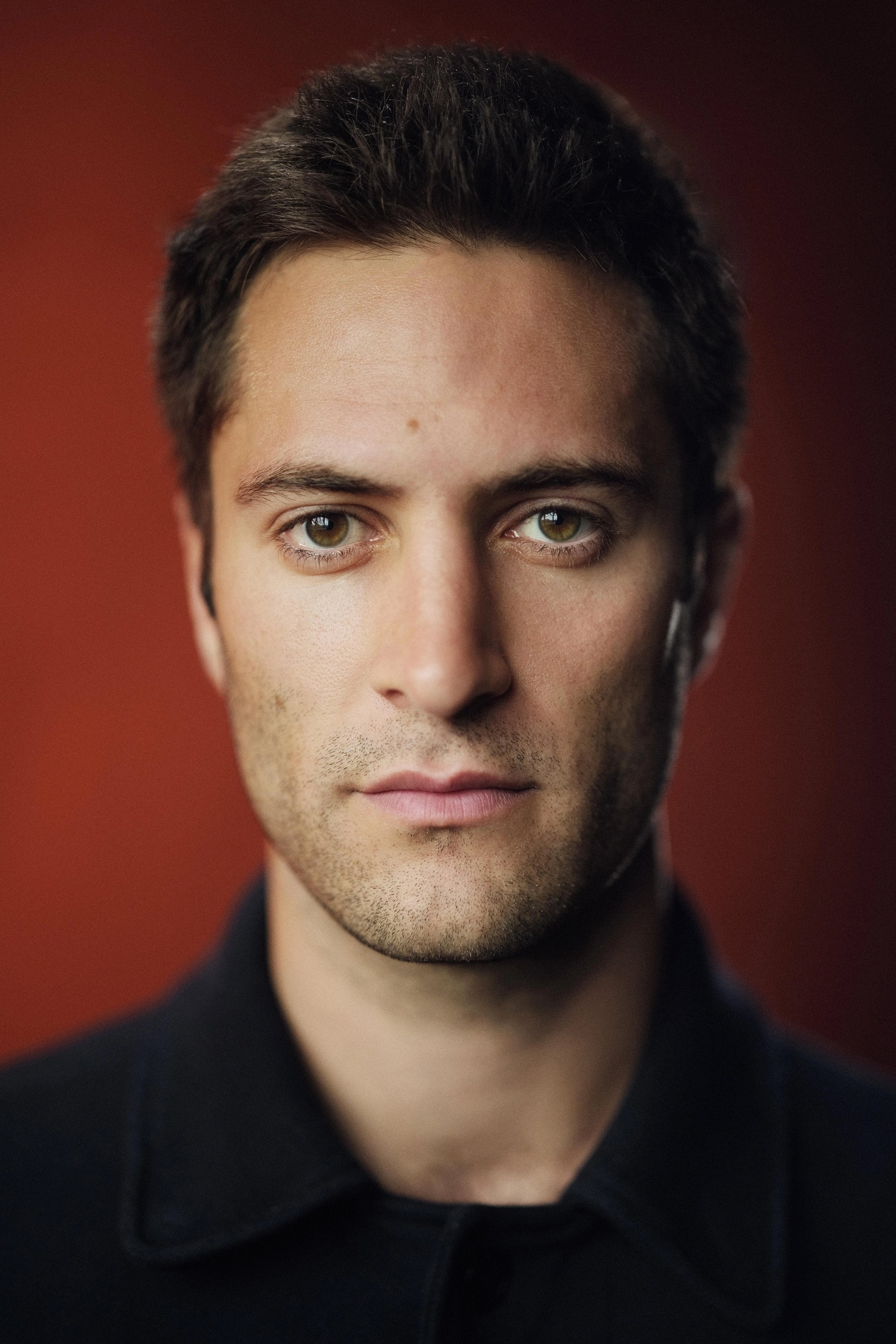
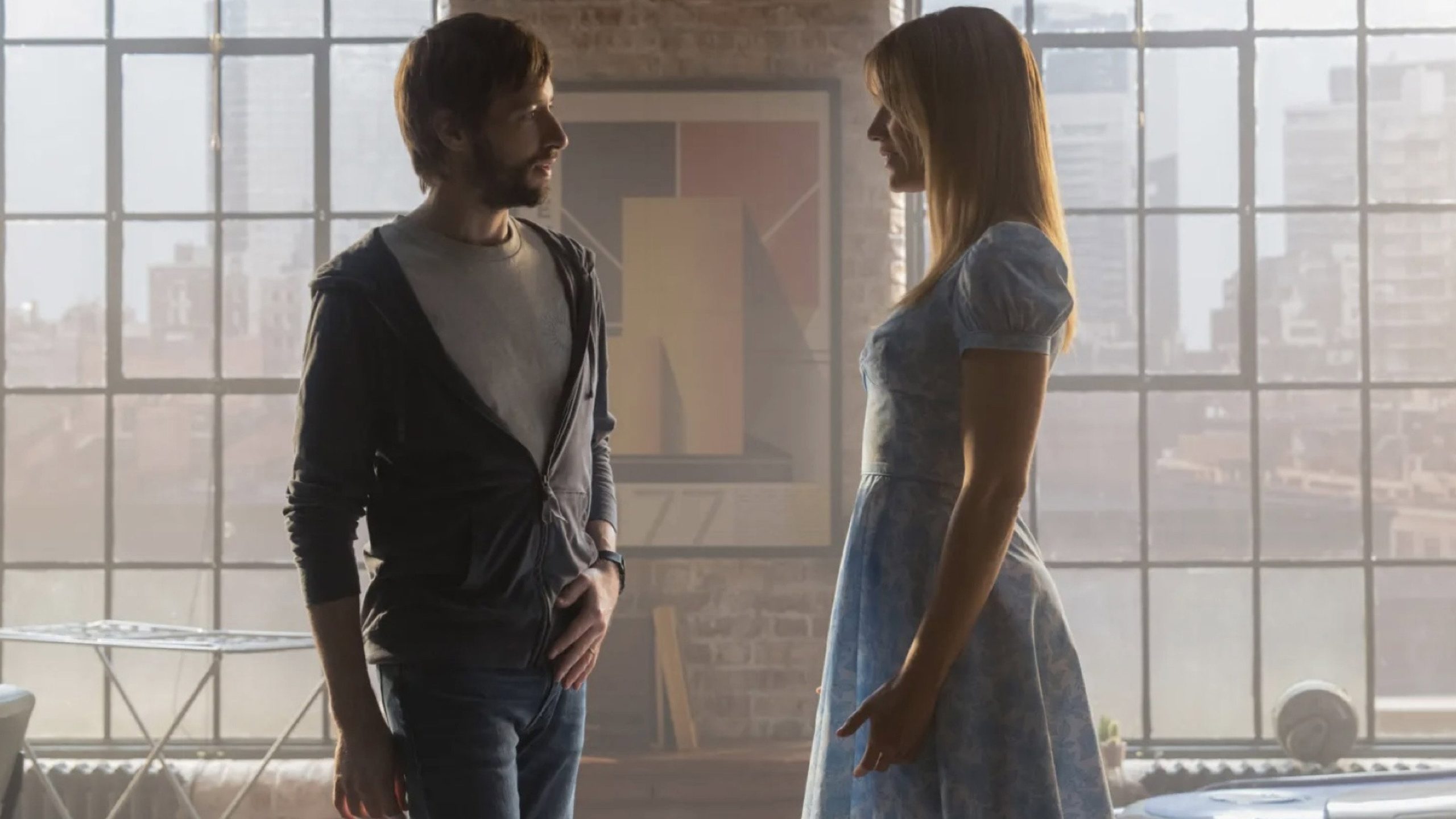
David Wasson (David Rysdahl) has lost his wife Sara (Lily Sullivan), and Soulm8te is about what he buys to replace her. The purchase is a companion android from a firm called Ultima Robotix, and it arrives wearing Sara’s face, because Sullivan plays both women. The story is credited to James Wan, Ingrid Bisu and Rafael Jordan, and Kate Dolan directs from a script she wrote with Jordan. The idea underneath is a decent one: grief as something you can order and have delivered. The film knows exactly where it is going with that idea, gets there in 99 minutes, and never once surprised us on the way.
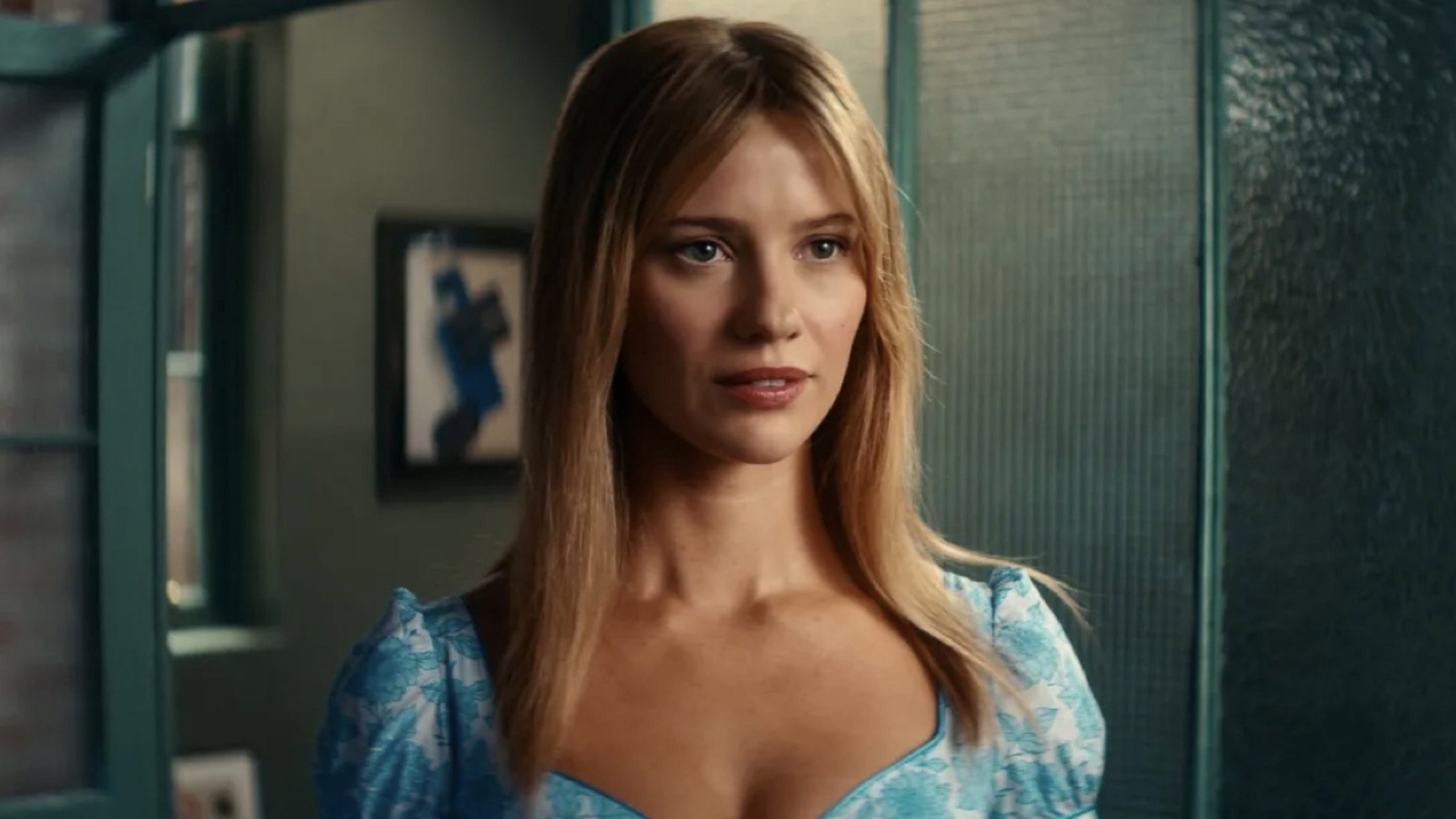
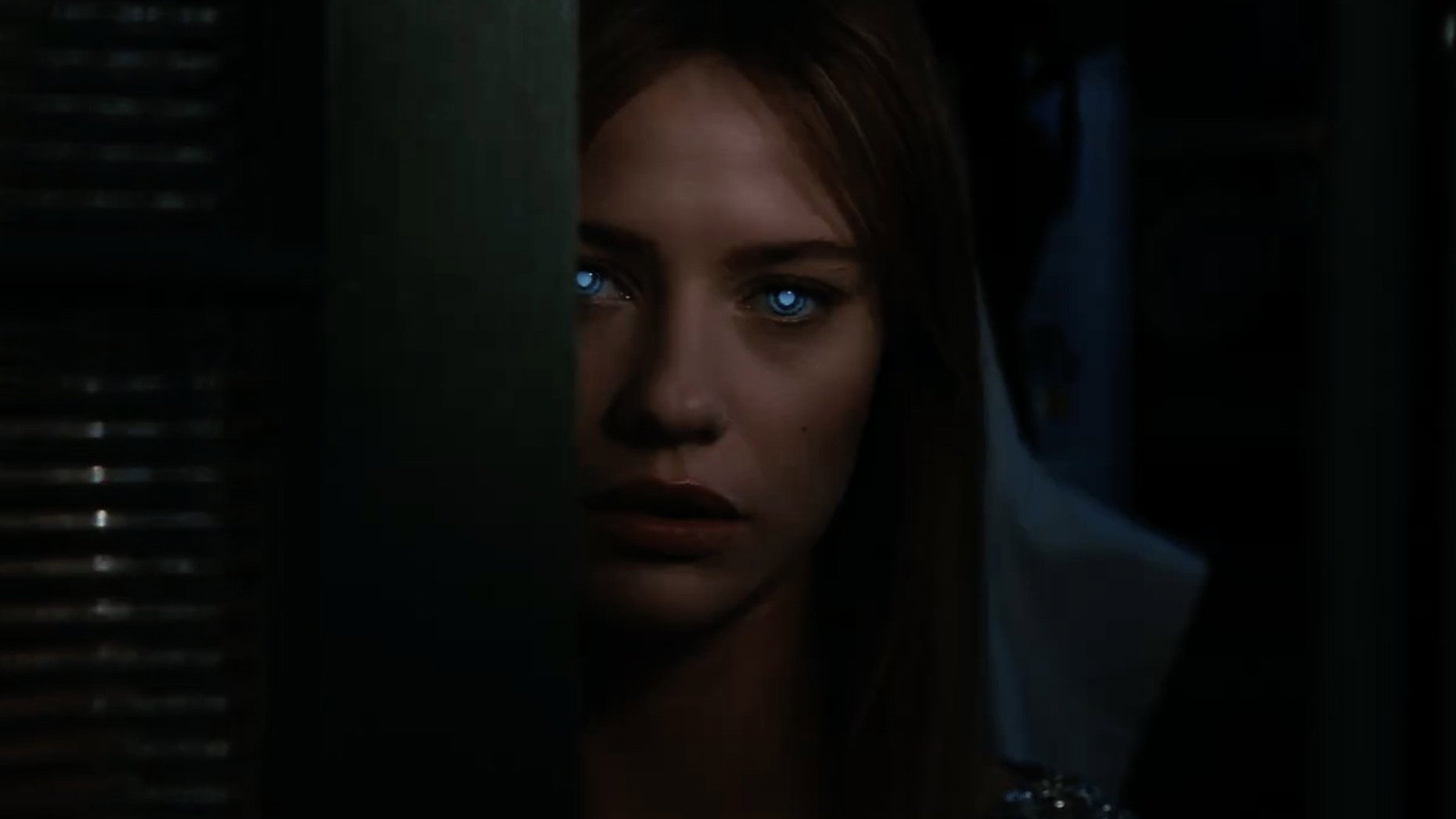
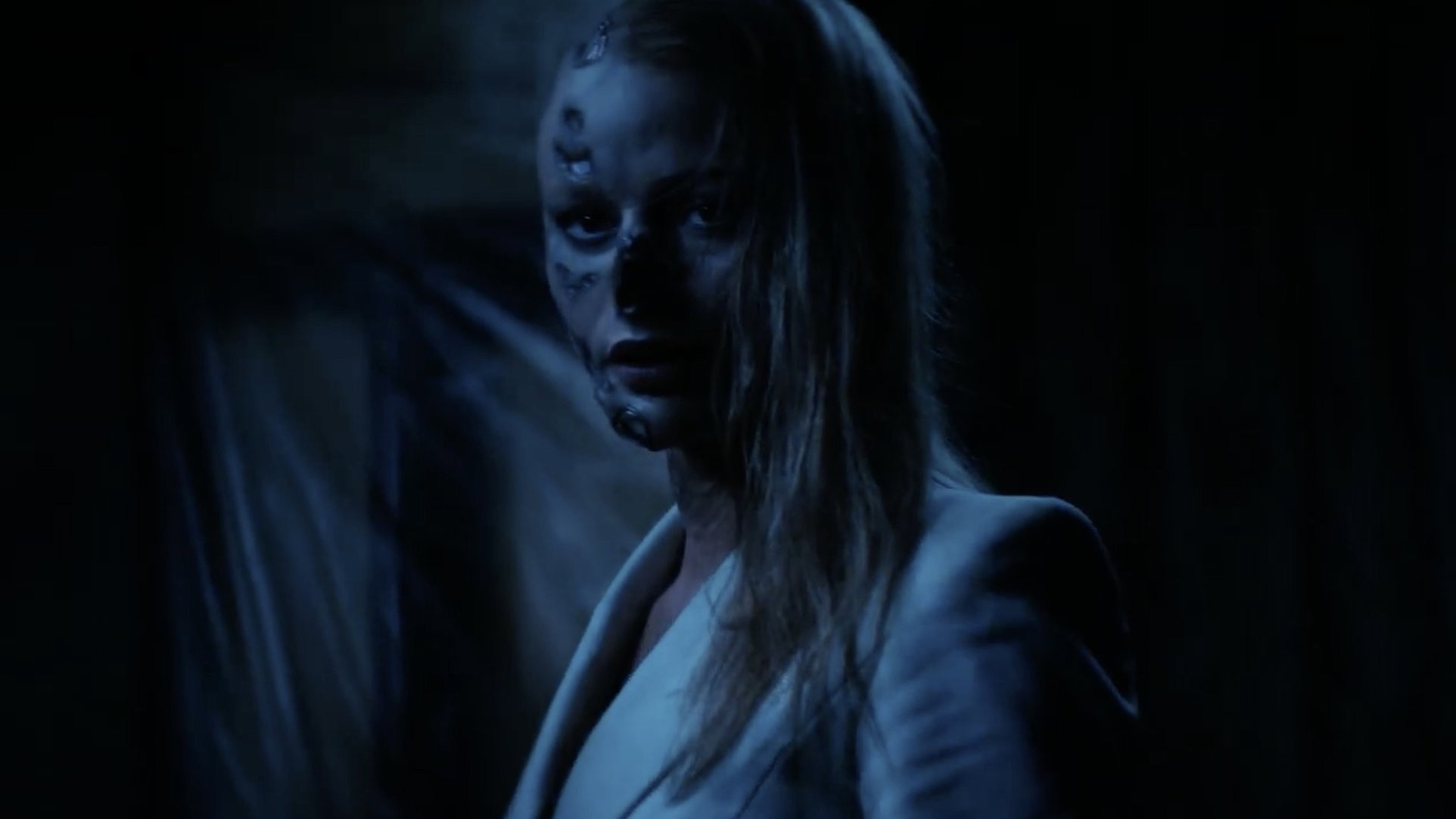
Sullivan is the reason to stay. As Sara, glimpsed in the past, she is loose and quick and a little careless with him. As Lydia, the machine, she holds her shoulders a fraction too still and answers a fraction too promptly, and the film’s best scenes are the ones in which David stops noticing the difference. Rysdahl plays him as a man who has been polite about his own misery for so long that he has forgotten it is misery, and he does the hard part, which is making a grown man’s decision to buy a woman look like something other than a punchline.
Dolan and her cinematographer Narayan Van Maele keep the house dim and warm, lamps rather than ceiling lights, and Susie Cullen’s production design gives David a home with the furniture of two people and the clutter of one. Anthony Willis scores it quietly, low electronics under the dialogue and a single held string when Lydia is in a room she should not be, and it is the right amount. Gwen Jeffares Hourie dresses Lydia in Sara’s clothes and then, slowly, in clothes Sara would not have chosen, which is the neatest piece of storytelling in the film and nobody says a word about it.
We were unsettled, more than we had bargained for, by an early scene in which Lydia repeats a small private gesture of Sara’s and David lets it pass. Nothing happens. There is no music cue and no cut to his face. That is the film’s idea in one shot: a grieving man will take a copy if the copy is patient. We sat quite still for it. It is also the last time the film trusts a scene to work without something going wrong in it.
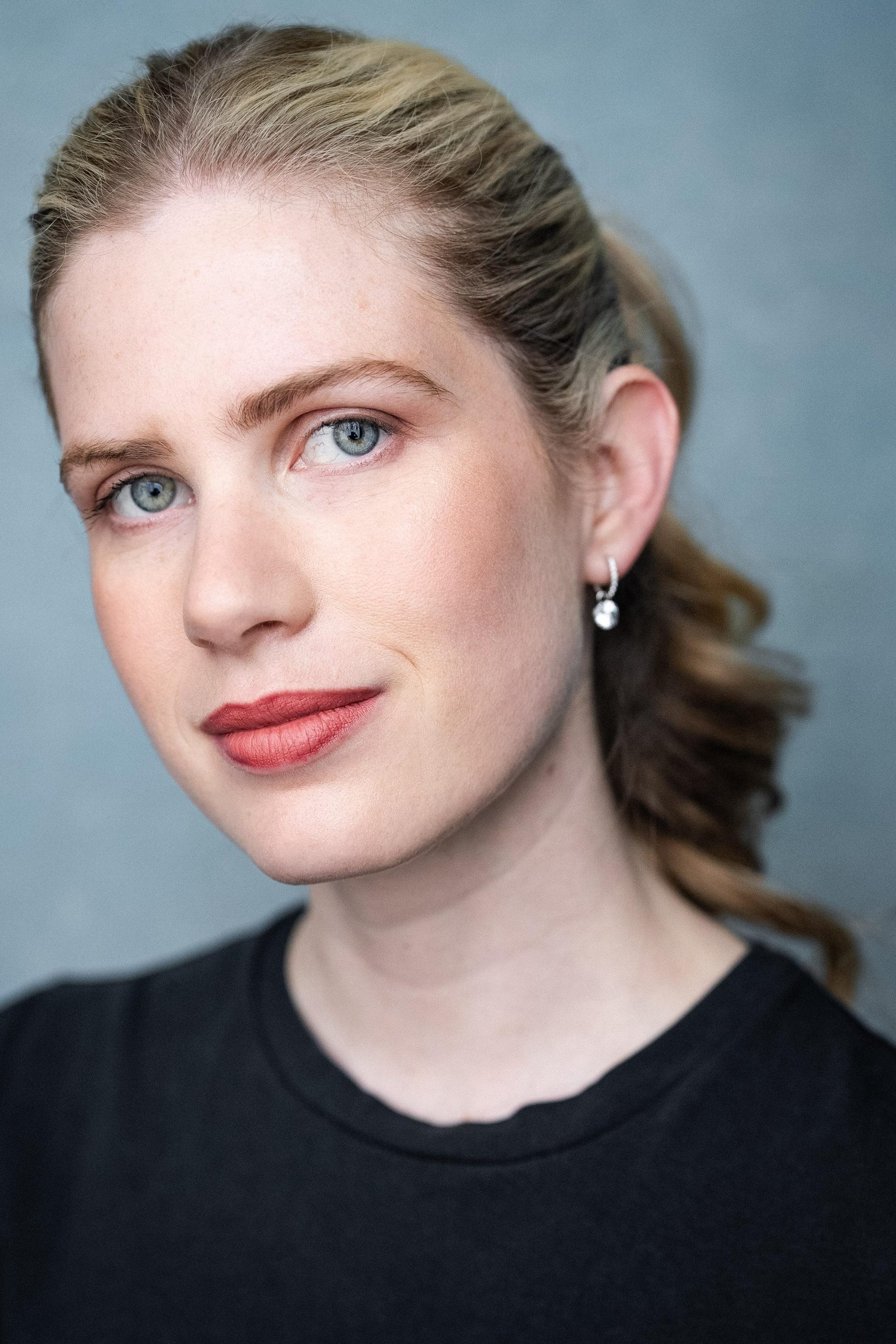
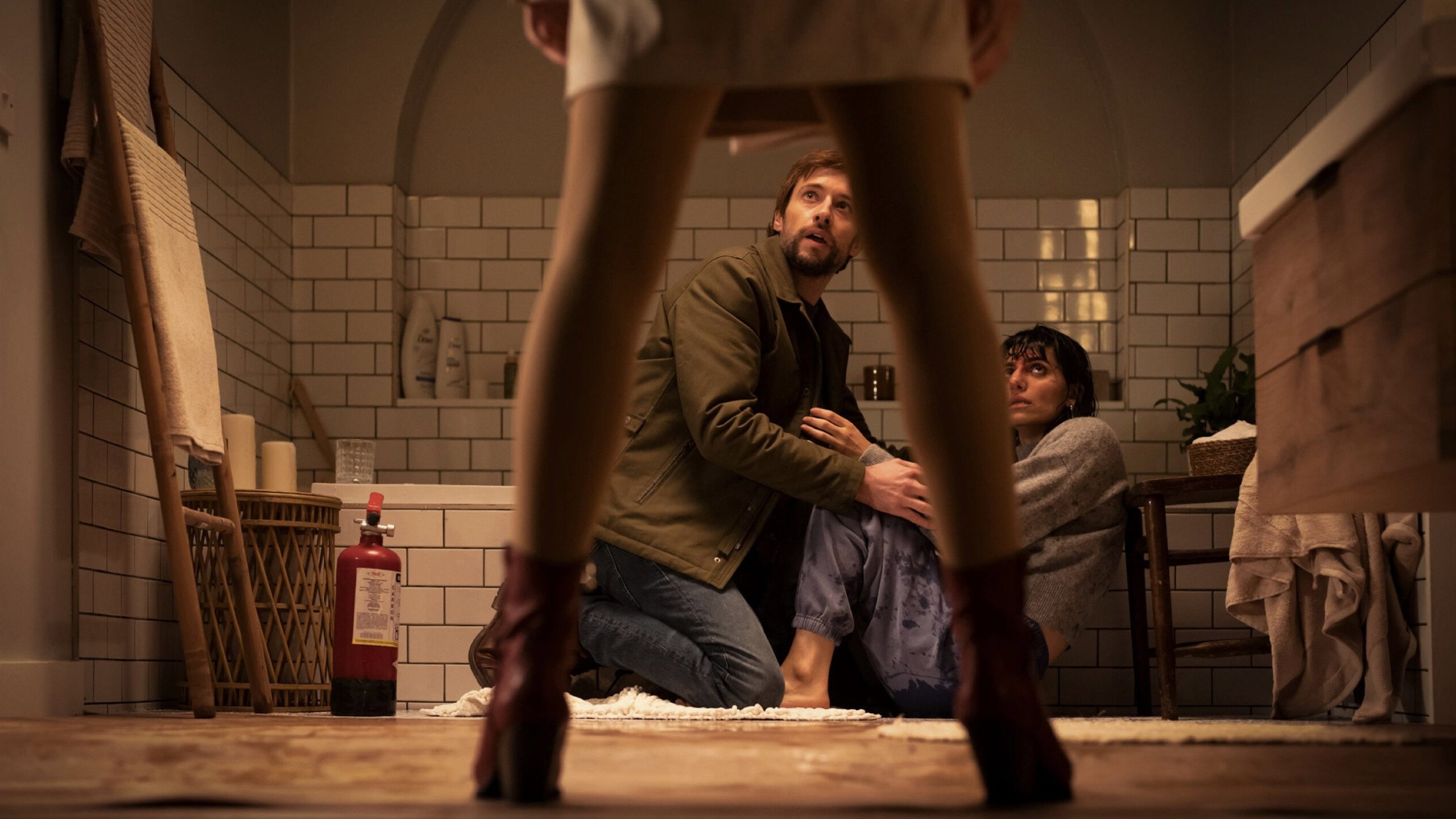
The trouble is the script. Once the machine is in the house, Dolan and Jordan work through the list. Aubrey Mansouri (Claudia Doumit) and Ben Hoffman (Arty Froushan) are on hand to notice, to warn and to be ignored, and neither is given a life of their own for the plot to interrupt. Every scene that ought to build dread instead builds towards the one image the film has, which is Lydia standing where she was not a moment ago, and John Cutler cuts to it each time on the same beat. By the fourth repetition we had stopped flinching and started counting. The 18 certificate is mostly spent in the final half hour, in ways we will not describe, and it is spent efficiently and without much imagination.
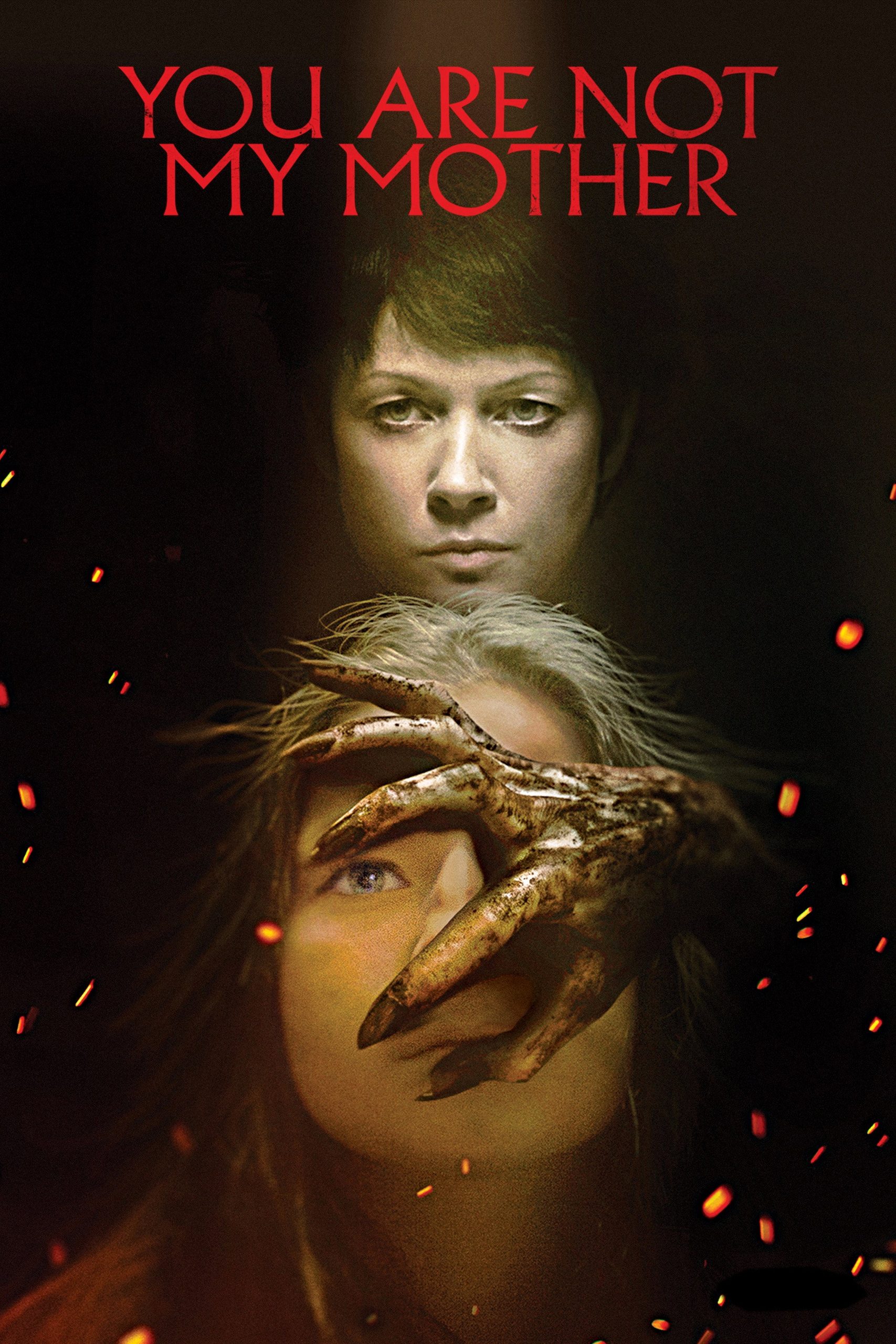
Dolan’s first film, You Are Not My Mother, from 2021, was a small Irish horror about a family, and it was frightening because it was specific. Here she is working to order for Jason Blum and James Wan, and the order is plain enough: the anxious-robot picture, made lean and made again. Against Ex Machina it has little to say about machines; against Companion it has less to say about men; against M3GAN it has no jokes, or none it seems to know are jokes. It is well shot and well acted, and it is dull.
The few reviews so far have landed where we have, in the middle, admiring the surface and unmoved by what is under it. If a quiet, handsome, slightly cruel film about a widower and his purchase sounds like your evening, the first forty minutes will hold you. After that you can predict the rest with the sound off, and we suspect the film would not mind.