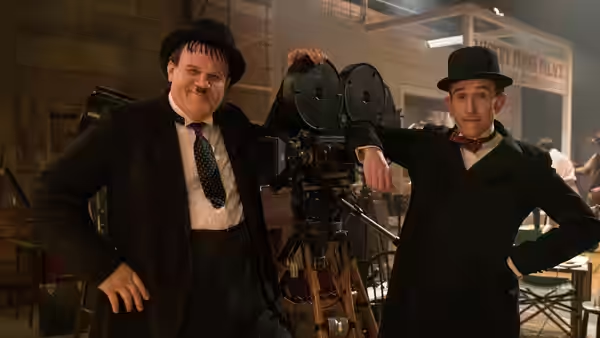
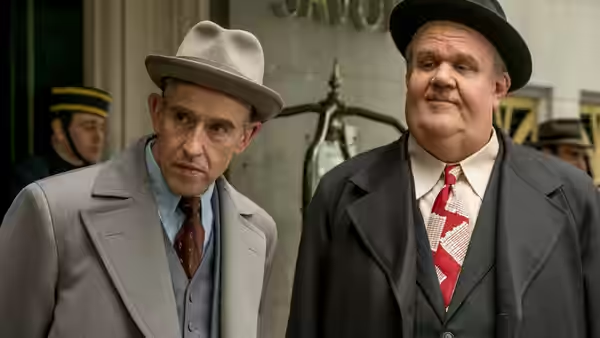
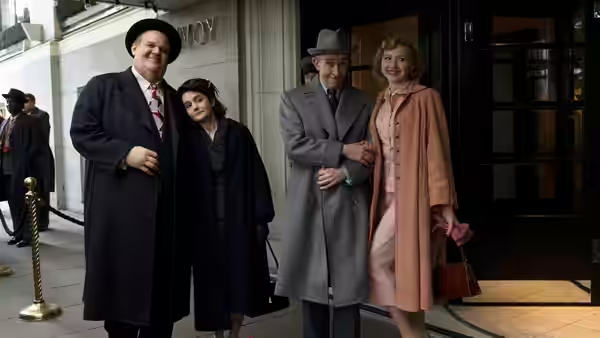
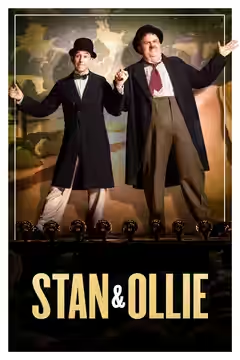
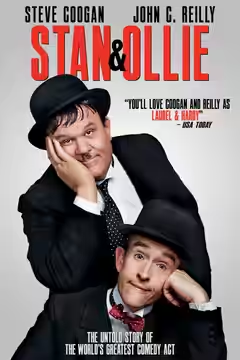
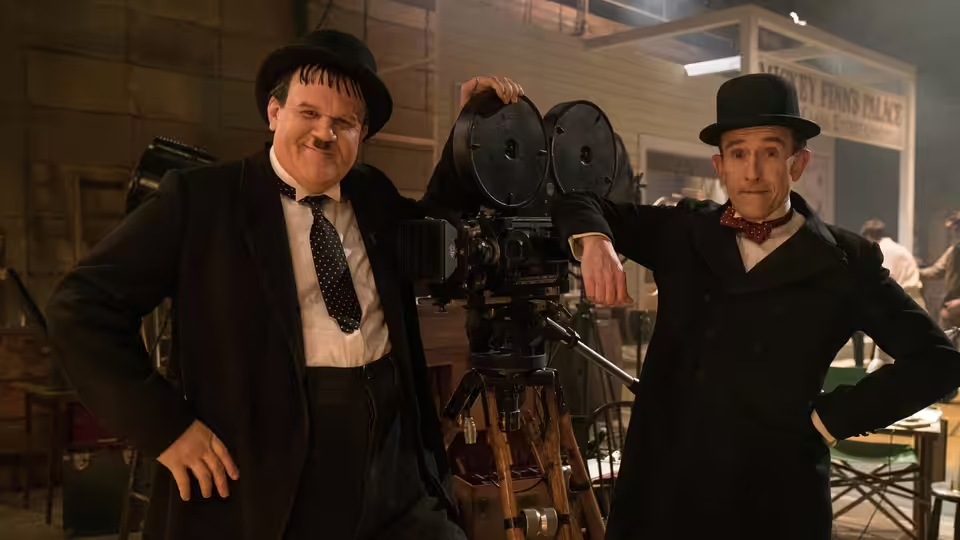
Stan Laurel (Steve Coogan) and Oliver Hardy (John C. Reilly) pose beside a vintage film camera
Film review

Stan & Ollie

2018 · Directed by Jon S. Baird · 1h 38m · ClassInd 14

In a sentenceLaurel and Hardy can still get a laugh, even with a biographical drama politely waiting for them to finish

Stanley “Stan” Laurel (Steve Coogan) and Oliver “Ollie” Hardy (John C. Reilly) begin at the height of their fame, an established comedy partnership with routines built around each other’s timing. The story moves on to their professional decline, when keeping the double act together involves more than getting the next laugh. Stan wants their work to continue, but the friendship has its own difficulties, away from an audience. Lucille Hardy (Shirley Henderson) and Ida Kitaeva Laurel (Nina Arianda), their wives, have their own relationship to negotiate as the men try to keep performing together.

Plays from YouTube when you press play; nothing loads from them until then.

Fi1m review

Steve Coogan and John C. Reilly make this gentle portrait of Laurel and Hardy worth an evening. The routines are carefully judged and the affection persuasive, though the drama is often too tidy.

Jon S. Baird’s Stan & Ollie is a good, modest film about the difficulty of carrying on with someone who knows all your habits. It is funny in the recreated routines and affecting when the performers have to negotiate the less manageable business of being friends. The screenplay by Jeff Pope takes the partnership’s decline as its subject, giving Steve Coogan and John C. Reilly room to suggest years of affection and accumulated irritation. The dramatic route is familiar enough that we sometimes wish the film would stop arranging the next difficulty and let them work.

The accuracy of the performances matters, but the pleasure comes from watching two actors attend so closely to one another. Steve Coogan makes Stan’s comic timing seem both deliberate and unforced, with the pauses doing as much work as the jokes. John C. Reilly gives Ollie’s exasperation enough affection to keep it from hardening into dislike. Their recreated stage routines work because each response belongs to the other man, allowing us to watch an exchange develop without becoming preoccupied with the resemblance.

We were moved more than we expected by John C. Reilly’s sighs and grunts, which make the effort of keeping things agreeable painfully audible. He can suggest disappointment without requiring a speech to explain it. The friendship feels most convincing in those small responses, when years spent together seem to make direct conversation unnecessary. The film is less secure when it spells out feelings the performances have already made clear.

Shirley Henderson, as Lucille Hardy, and Nina Arianda, as Ida Kitaeva Laurel, prevent the tenderness from becoming too comfortable. Their prickly rapport supplies a different sort of comic rhythm, with less obligation to smooth over every irritation. They make it possible to enjoy the men while noticing how much patience being close to them might require. There are stretches when the wives seem capable of sustaining a film of their own, and we would happily have given them more of this one.

Laurie Rose’s opening tracking shot supplies a welcome sense of movement, following the pair at the height of their fame without treating them as exhibits. That ease suits the comedy, which needs room for both performers to register. John Paul Kelly’s production design is handsome but a little too reassuring; the surroundings feel carefully preserved even when the story wants us to feel the wear of a working life. The neatness is pleasing to look at and occasionally keeps the disappointments at a distance.

Billy Sneddon and Úna Ní Dhonghaíle keep the exchanges clear, though the larger shifts between amusement and sadness can feel dutiful. Rolfe Kent’s music has much the same weakness: its warmth is welcome until it starts encouraging a response the actors have already earned. Jeff Pope’s writing is sympathetic to the partnership, but its dramatic developments are too readily anticipated. None of this ruins the film; it does limit how often we feel surprised by people who could presumably still surprise each other.

At 98 minutes, Stan & Ollie avoids the biographical film’s temptation to account for an entire life, and its narrow focus is sensible. There is room for more friction, but the actors make the affection worth accepting. Watch it with someone whose small habits have been annoying you for years.

Critical consensus AI synthesised

73
Positive
17
Mixed
8
Negative
1

Most critics find Stan & Ollie an affectionate, moving portrait of a working friendship, with praise concentrated on Steve Coogan and John C. Reilly. Their recreations of Laurel and Hardy’s routines impress, but the tenderness between performances matters just as much to the warmer reviews. Shirley Henderson and Nina Arianda also earn praise for giving the wives character and comic bite. The prevailing view is that the acting makes a familiar biographical story worth watching.

The spread is wide, with sentiment and dramatic restraint dividing the reviews. Admirers find the film touching without becoming sugary; others consider it genteel, predictable or short of insight. IndieWire praises the leads but finds the story sentimental and forgettable. Little White Lies offers the clearest dissent from the praise for the central pairing, arguing that the impersonations miss the duo’s comic chemistry and finding the wives more rewarding company.

Evening Standard
13 January 2019 · ★★★★★ · Matthew Norman
100

Norman calls the biopic glorious and praises its affectionate, moving portrayal of Laurel and Hardy. He singles out Steve Coogan and John C. Reilly for remarkably convincing performances.

Read the full review →
Radio Times
★★★★★ · Andrew Collins
100

The review is strongly positive about the affectionate, precise direction. It especially praises the opening tracking shot capturing the duo at the height of their fame.

Read the full review →
Empire
7 January 2019 · Olly Richards
85*

Richards finds the film a warm, funny tribute to Laurel and Hardy that celebrates them without idealizing them. He especially praises Coogan and Reilly’s performances and their pitch-perfect onstage impressions.

Read the full review →
Los Angeles Times
27 December 2018 · Gary Goldstein
85*

Goldstein finds the film moving and delightful, praising its writing and performances. He especially singles out Coogan and Reilly’s affectionate portrayals and their sharp comic timing.

Read the full review →
Time Out
4 January 2019 · ★★★★ · Phil de Semlyen
80

The review calls the biopic a delight. It singles out Steve Coogan’s inspired performance as Laurel and Hardy’s classic comedy partnership is brought to life.

Read the full review →
Total Film
24 December 2018 · ★★★★ · Matt Glasby
80

Glasby finds the film gently joyous and emotionally affecting. He praises Coogan and Reilly’s performances and their beautifully played comic routines.

Read the full review →

Straight answers AI written, from our review

Is Stan & Ollie worth watching?
Stan & Ollie is worth watching for its carefully judged comedy and affectionate performances from Steve Coogan and John C. Reilly; we scored it 77. We find the friendship moving, particularly in Reilly’s small signs of disappointment, though the tidy, predictable drama makes this better suited to a gentle evening than anyone seeking a searching biography.
How long is Stan & Ollie, and what is it rated?
Stan & Ollie runs 1h 38m and is rated 14 by the ClassInd in Brazil. It is a comedy and drama film.
Where can I watch Stan & Ollie in Brazil?
Stan & Ollie is streaming on Amazon Prime Video in Brazil, and it is also available to rent from Apple TV and Amazon Prime Video from R$11.90. Availability is checked daily; the links above go straight to each service.
How does Stan & Ollie compare to The Dresser?
Stan & Ollie is our choice for recreated comedy routines and gentle warmth, while The Dresser offers a more stage-bound portrait of a demanding working partnership. Both depend on actors responding closely to each other; we recommend the former for its affectionate account of friendship, and the latter for viewers happy to let Albert Finney and Tom Courtenay’s performances carry the film.

Cast

If you liked this, try…

  1. Limelight (1952) · not reviewed yetAn ageing comedian finds reasons to carry on beyond the applause.

  2. The Dresser (1983, Fi1m 80)Another working partnership in which affection has to accommodate some exhausting behaviour.

  3. Good Morning (1959) · not reviewed yetPatient comic timing and domestic irritations, observed with affection and little fuss.

  4. The Band's Visit (2007) · not reviewed yetA quieter comedy of awkward company, unexpected kindness and people listening badly.

  5. The Trip (2010) · not reviewed yetTwo performers trade impressions while carefully avoiding what is bothering them.