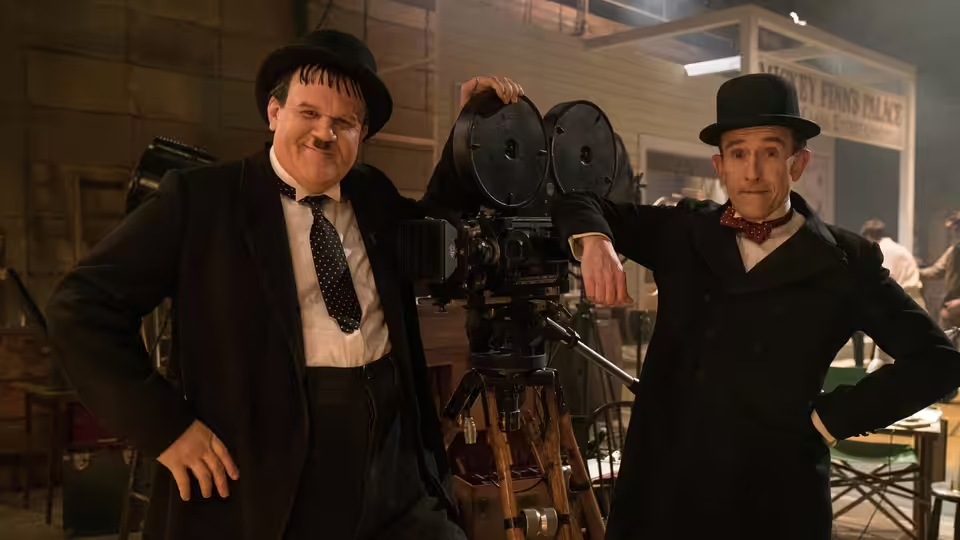
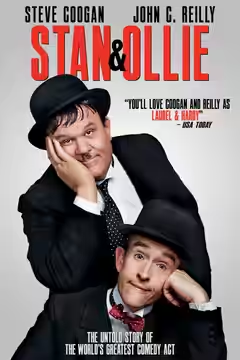
Steve Coogan and John C. Reilly make this gentle portrait of Laurel and Hardy worth an evening. The routines are carefully judged and the affection persuasive, though the drama is often too tidy.
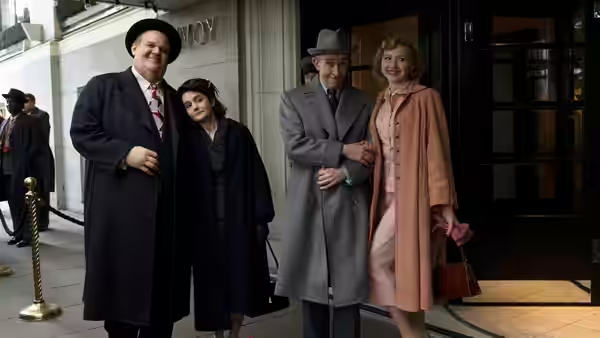
Jon S. Baird’s Stan & Ollie is a good, modest film about the difficulty of carrying on with someone who knows all your habits. It is funny in the recreated routines and affecting when the performers have to negotiate the less manageable business of being friends. The screenplay by Jeff Pope takes the partnership’s decline as its subject, giving Steve Coogan and John C. Reilly room to suggest years of affection and accumulated irritation. The dramatic route is familiar enough that we sometimes wish the film would stop arranging the next difficulty and let them work.
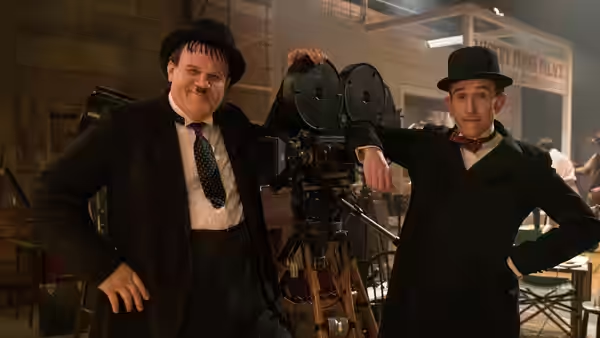
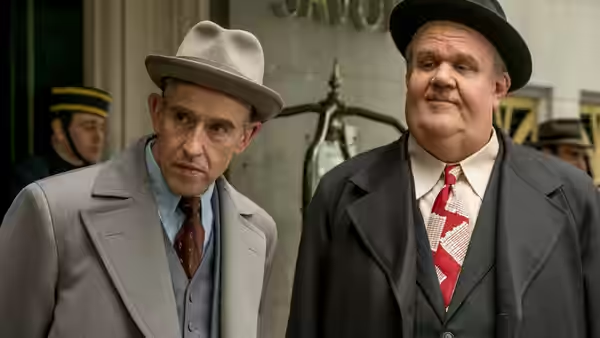
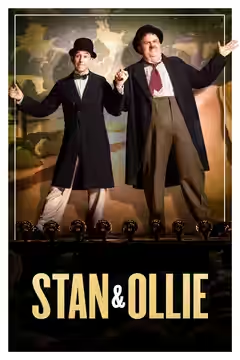
The accuracy of the performances matters, but the pleasure comes from watching two actors attend so closely to one another. Steve Coogan makes Stan’s comic timing seem both deliberate and unforced, with the pauses doing as much work as the jokes. John C. Reilly gives Ollie’s exasperation enough affection to keep it from hardening into dislike. Their recreated stage routines work because each response belongs to the other man, allowing us to watch an exchange develop without becoming preoccupied with the resemblance.
We were moved more than we expected by John C. Reilly’s sighs and grunts, which make the effort of keeping things agreeable painfully audible. He can suggest disappointment without requiring a speech to explain it. The friendship feels most convincing in those small responses, when years spent together seem to make direct conversation unnecessary. The film is less secure when it spells out feelings the performances have already made clear.
Shirley Henderson, as Lucille Hardy, and Nina Arianda, as Ida Kitaeva Laurel, prevent the tenderness from becoming too comfortable. Their prickly rapport supplies a different sort of comic rhythm, with less obligation to smooth over every irritation. They make it possible to enjoy the men while noticing how much patience being close to them might require. There are stretches when the wives seem capable of sustaining a film of their own, and we would happily have given them more of this one.
Laurie Rose’s opening tracking shot supplies a welcome sense of movement, following the pair at the height of their fame without treating them as exhibits. That ease suits the comedy, which needs room for both performers to register. John Paul Kelly’s production design is handsome but a little too reassuring; the surroundings feel carefully preserved even when the story wants us to feel the wear of a working life. The neatness is pleasing to look at and occasionally keeps the disappointments at a distance.
Billy Sneddon and Úna Ní Dhonghaíle keep the exchanges clear, though the larger shifts between amusement and sadness can feel dutiful. Rolfe Kent’s music has much the same weakness: its warmth is welcome until it starts encouraging a response the actors have already earned. Jeff Pope’s writing is sympathetic to the partnership, but its dramatic developments are too readily anticipated. None of this ruins the film; it does limit how often we feel surprised by people who could presumably still surprise each other.
At 98 minutes, Stan & Ollie avoids the biographical film’s temptation to account for an entire life, and its narrow focus is sensible. There is room for more friction, but the actors make the affection worth accepting. Watch it with someone whose small habits have been annoying you for years.