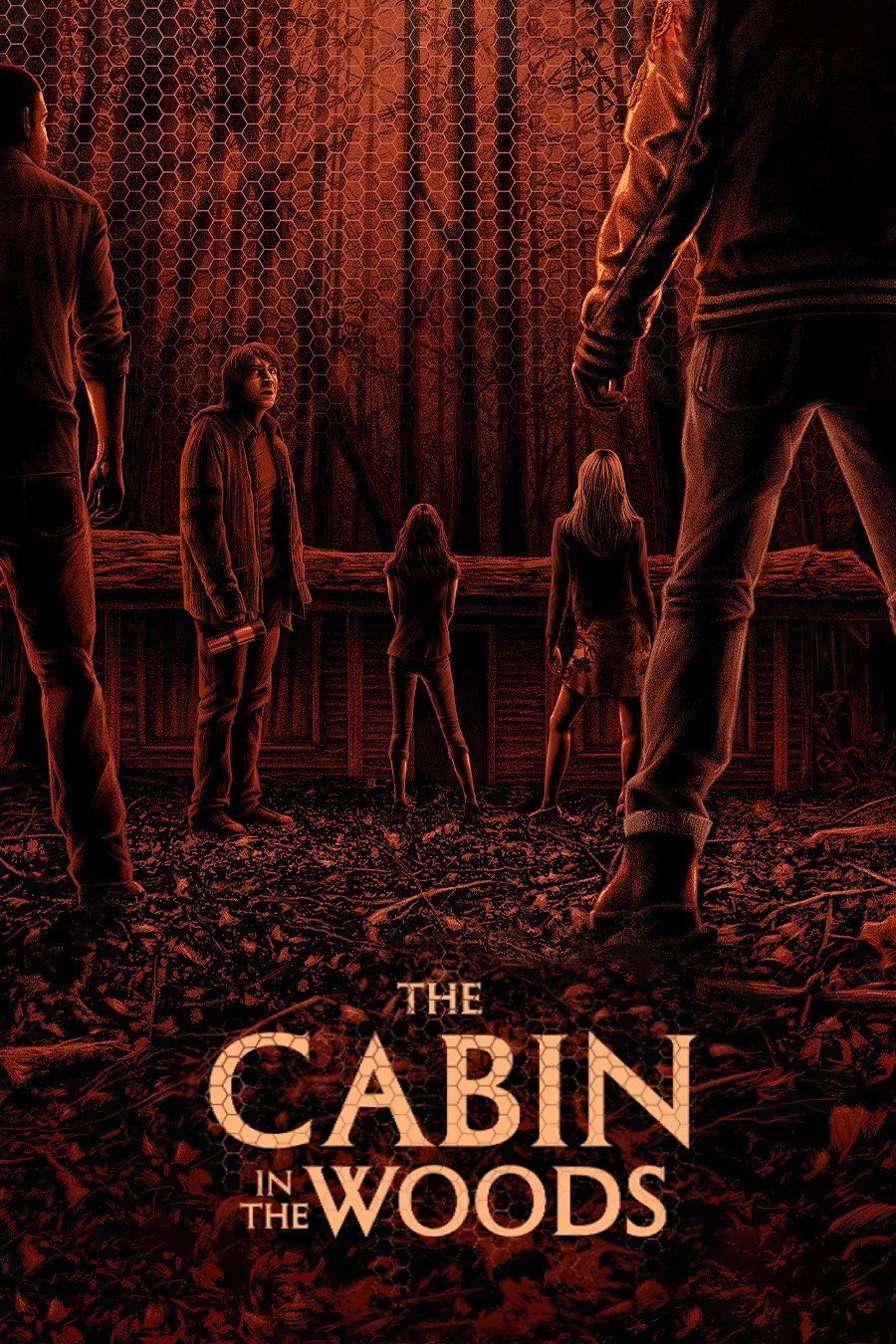
Drew Goddard’s horror comedy is inventive, funny and worth an evening for its control-room double act. The young people in danger get less attention, and the constant jokes make it difficult to stay frightened.
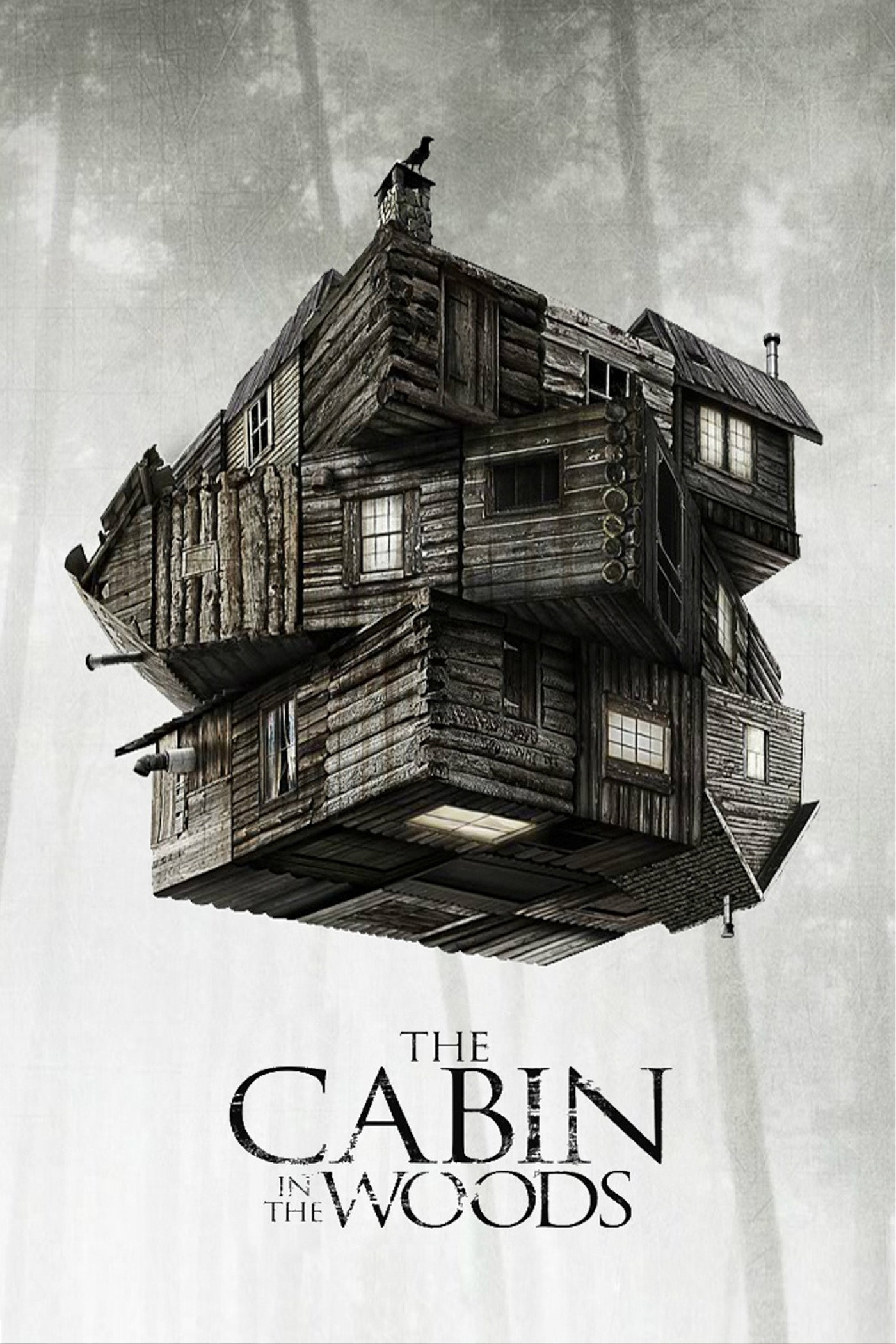
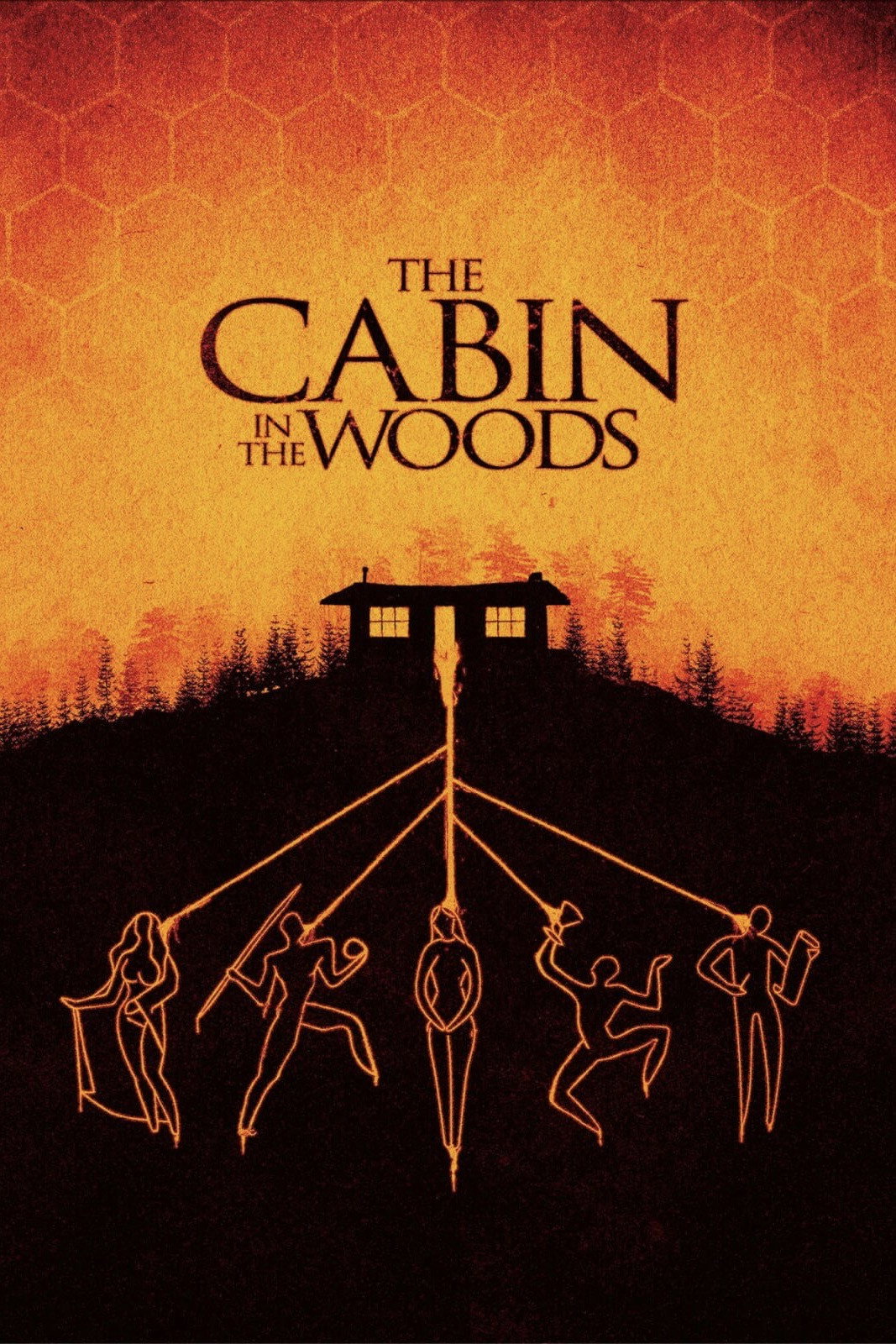
The Cabin in the Woods is a funny, inventive horror comedy whose scares rarely linger. Director Drew Goddard and fellow screenwriter Joss Whedon take the familiar prospect of young people in a remote cabin and give it administrative support. There are people in a control room managing events. The film wants us to enjoy the trouble while noticing how readily we accept it as entertainment.
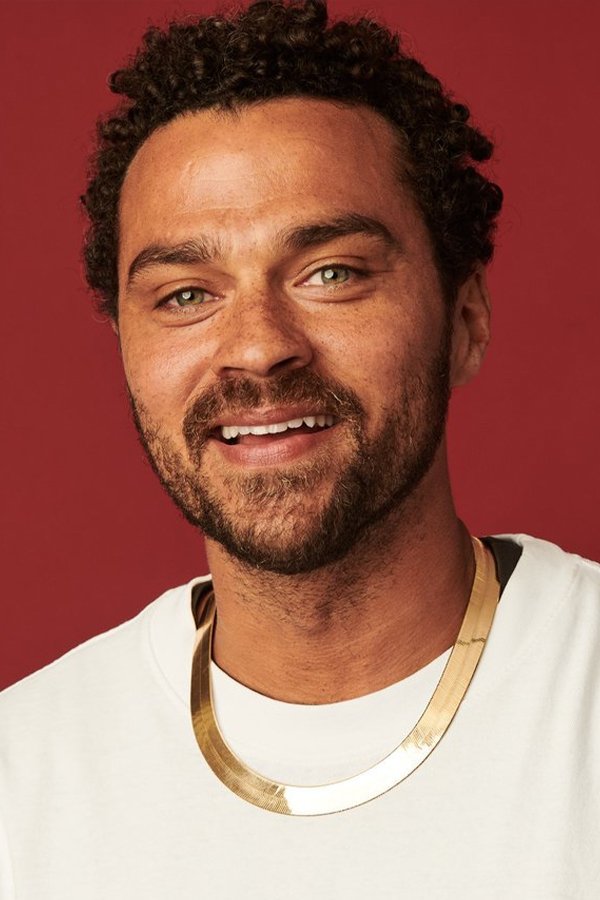
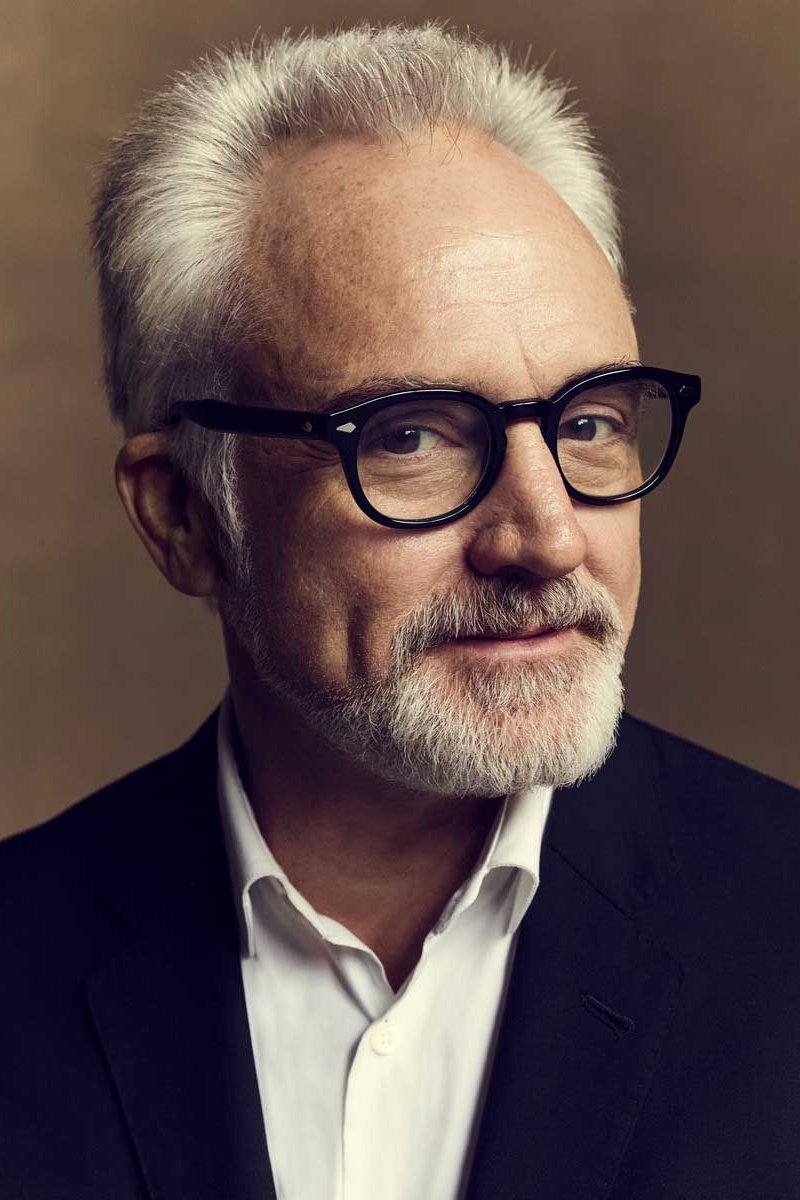
Richard Jenkins and Bradley Whitford make that control room the most enjoyable place in the film. As Richard Sitterson and Steve Hadley, they bring the practised ease of colleagues to work that ought to trouble them considerably more. We laughed at their workplace exchanges, then felt uncomfortable about how quickly their composure had made the situation seem ordinary. The performances let the joke develop without pleading for approval, and the script gives them room to sound like people who have done this job before.
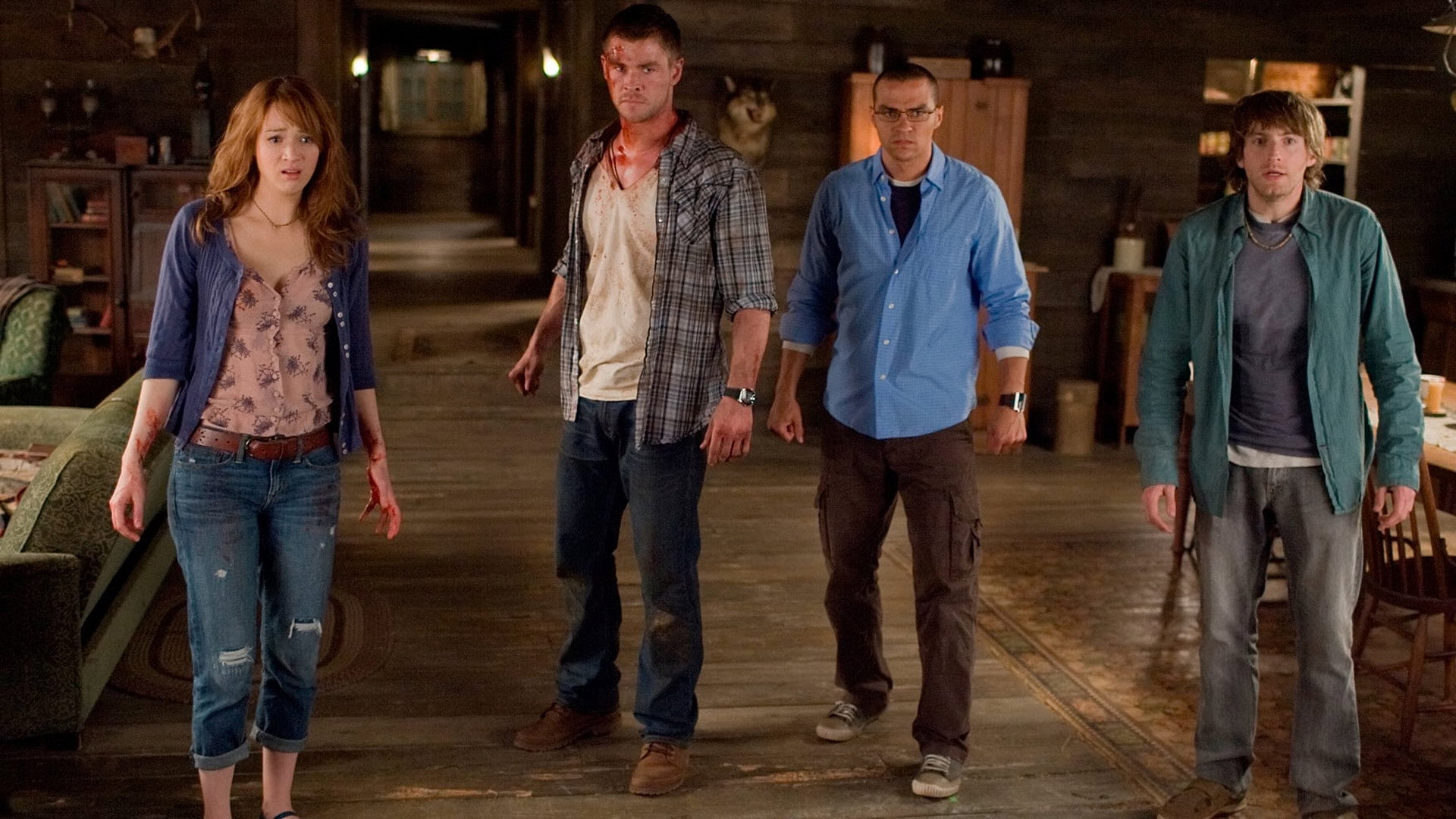
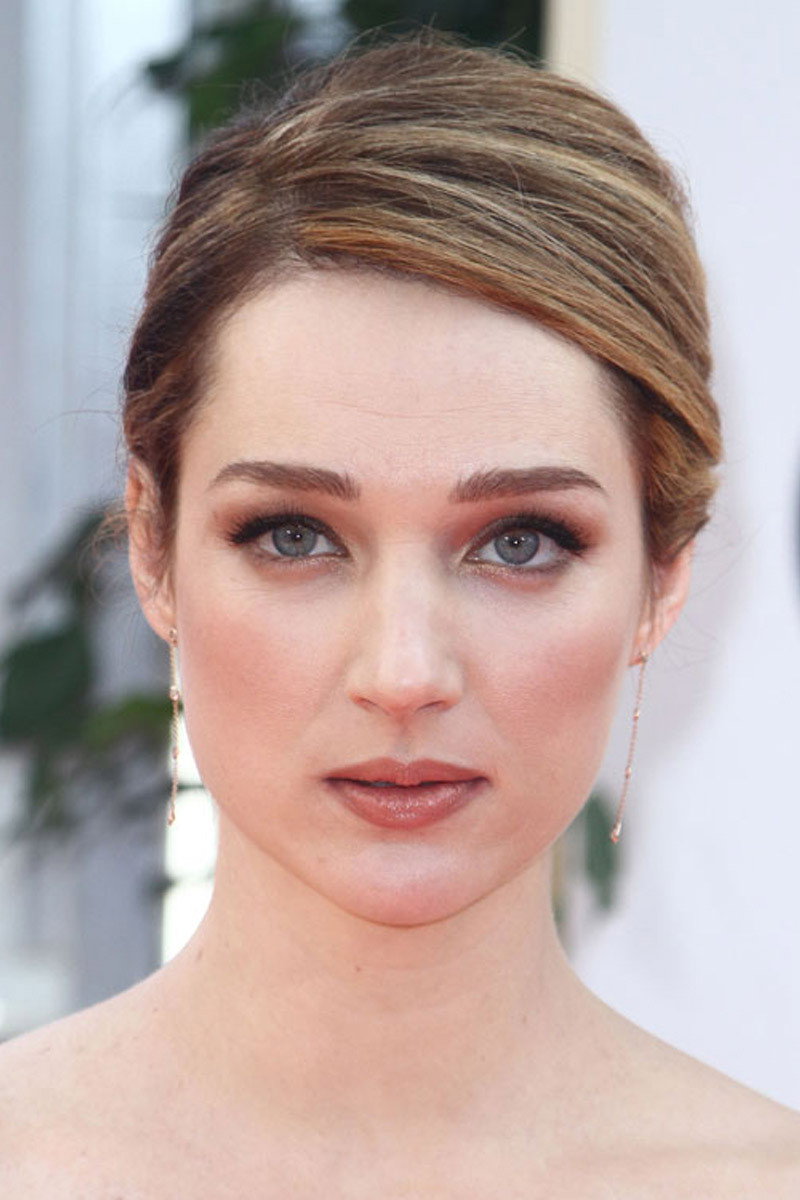
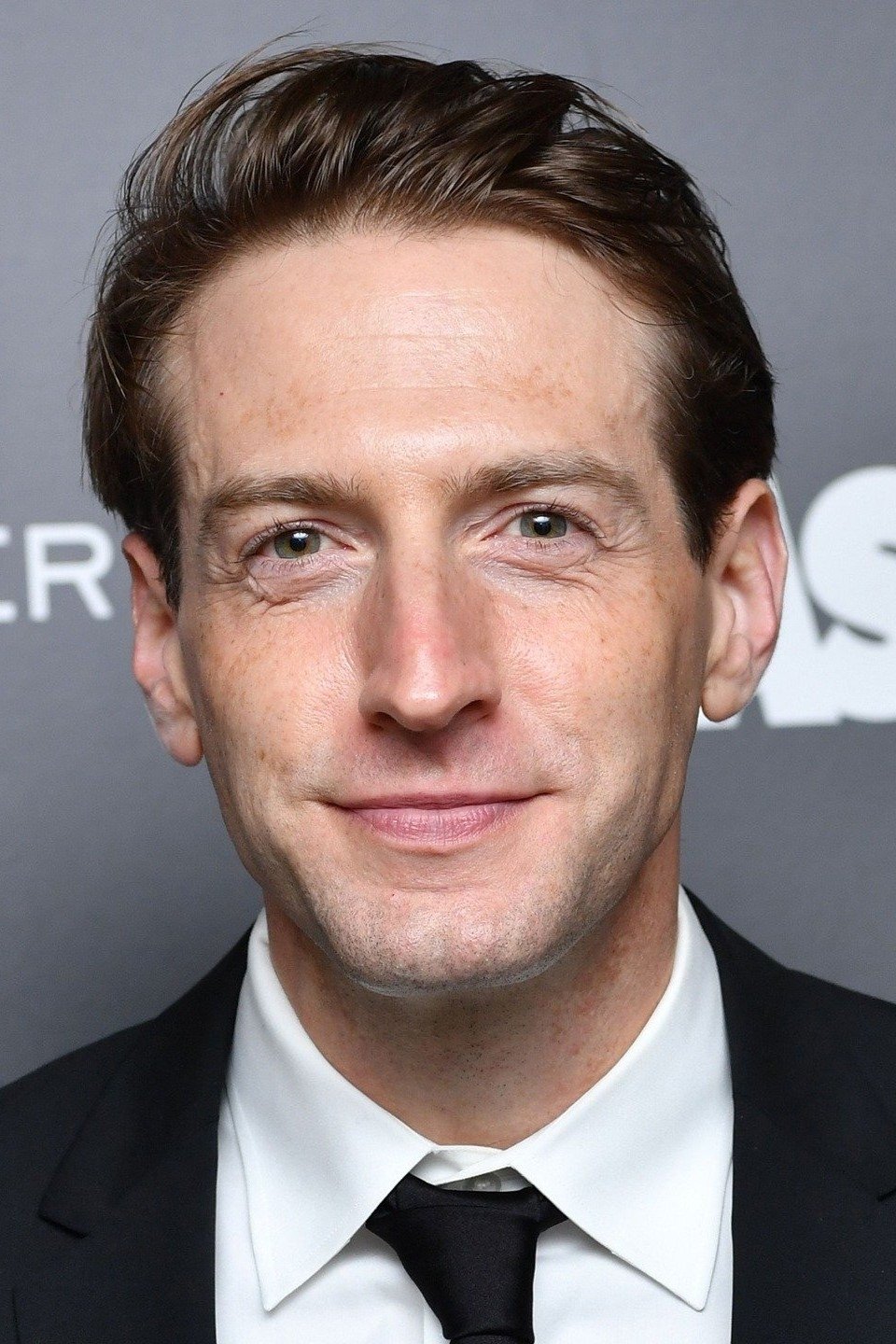
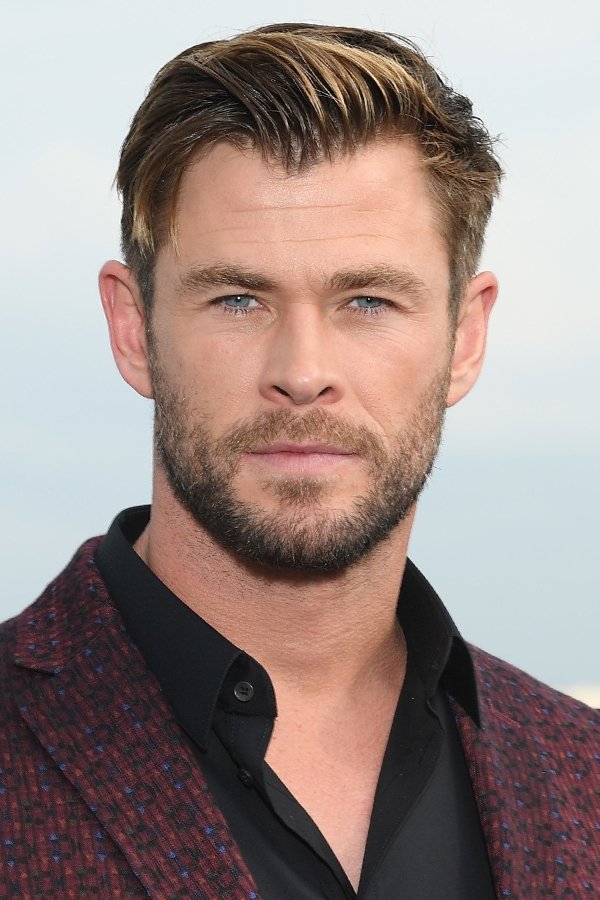
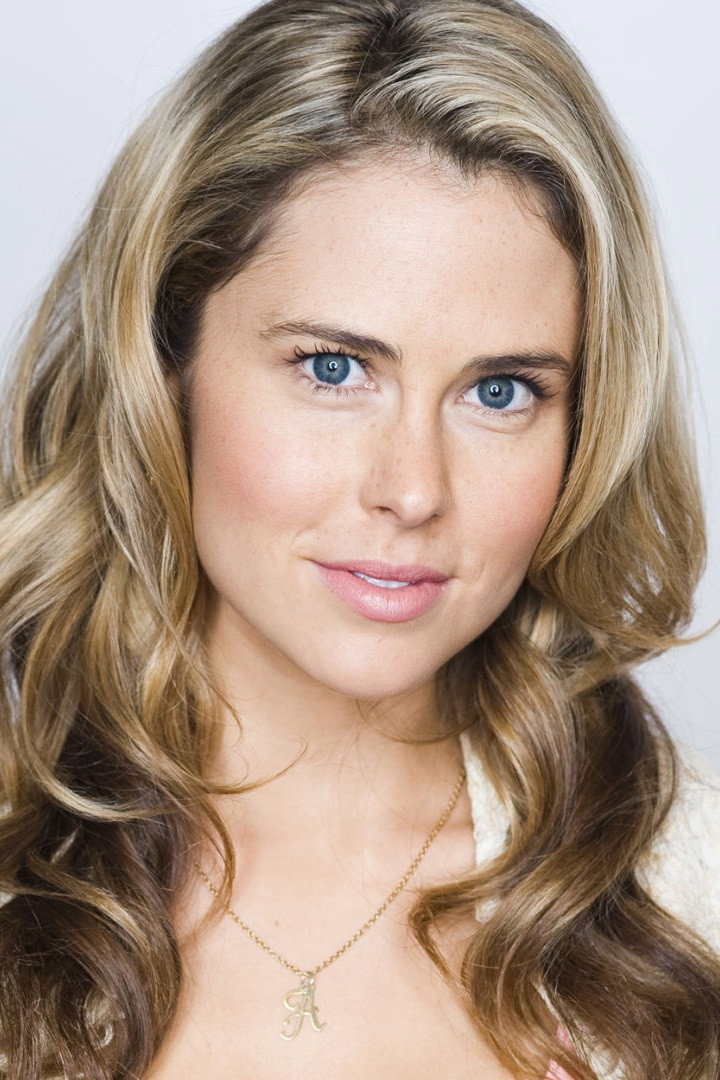
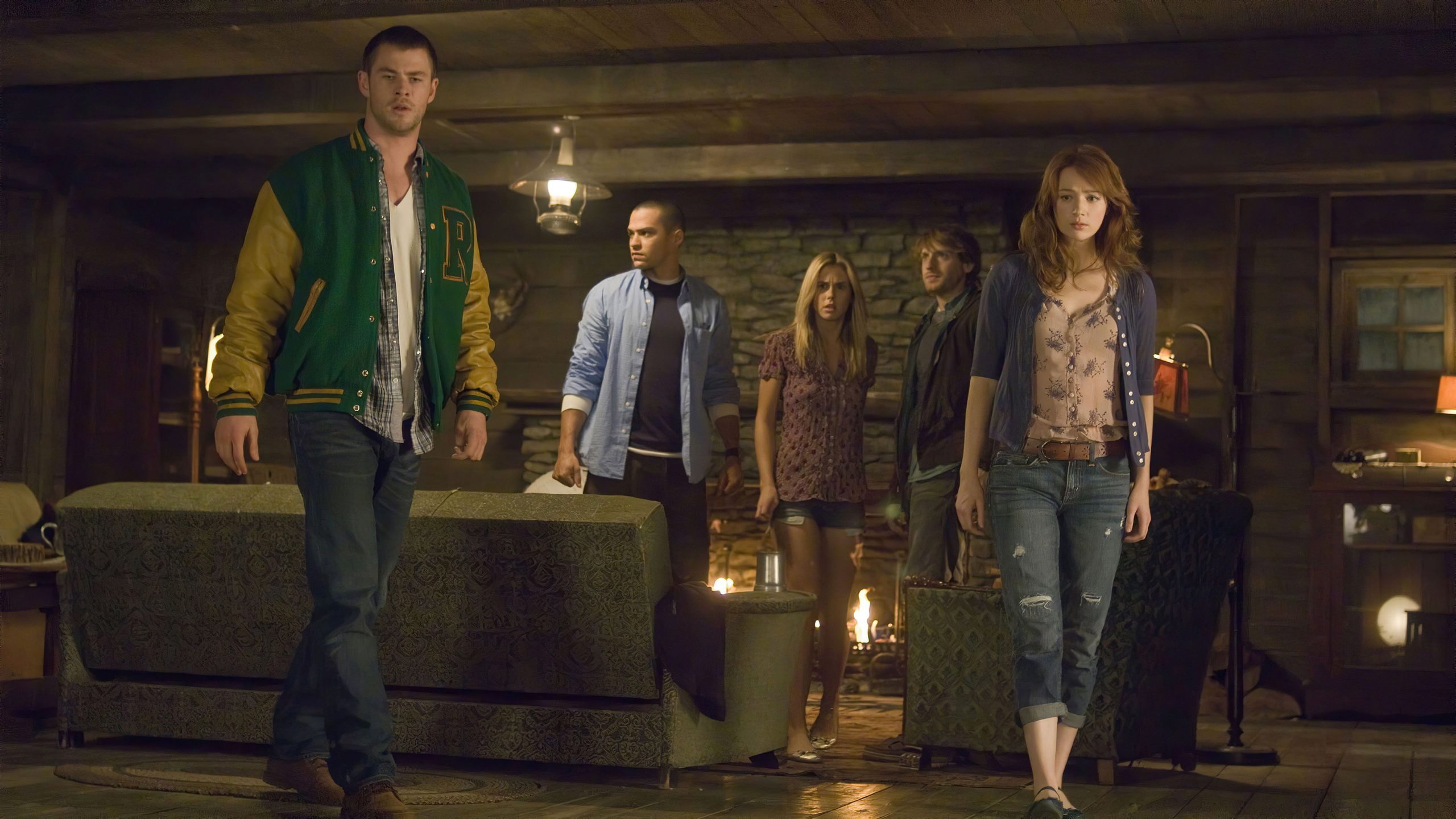
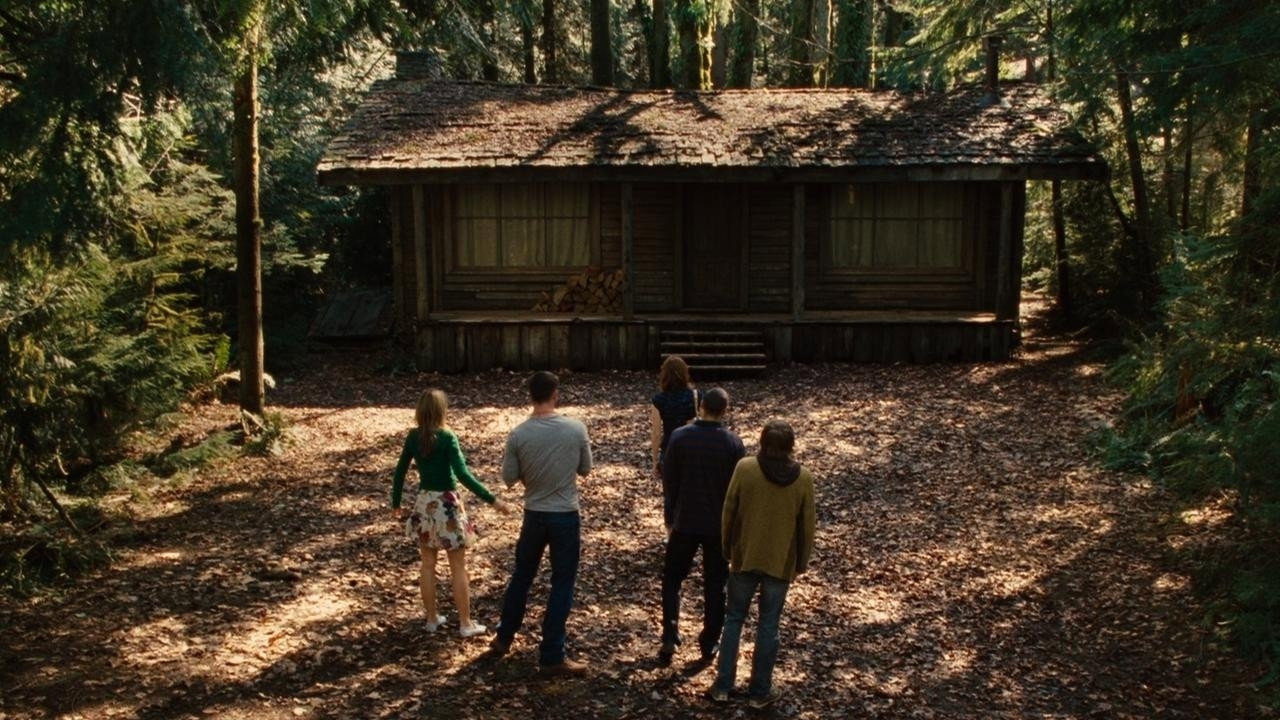
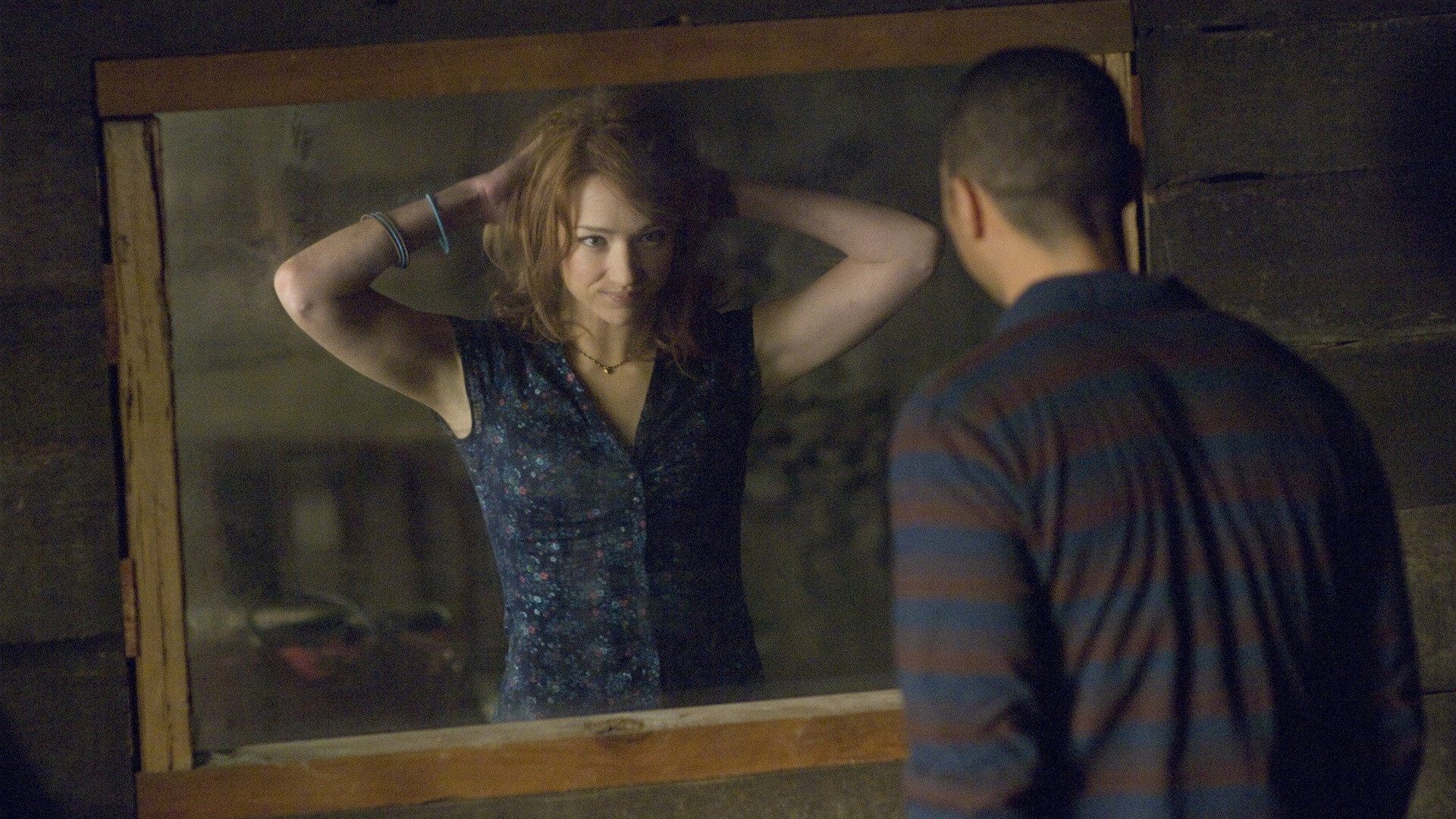
The cabin’s occupants are less rewarding company, partly because the screenplay needs us to recognise their types so quickly. Kristen Connolly gives Dana Polk enough warmth to make the danger matter, and Fran Kranz finds useful comic energy in Marty Mikalski. Chris Hemsworth is a capable presence as Curt Vaughn, though the writing gives him limited scope to complicate the familiar role. We needed a little more time with the friends before their functions in the story became so conspicuous.
Peter Deming’s cinematography gives the cabin enough menace for the jokes to have something to interrupt. The images take the danger seriously, even when we have been encouraged to think about how it is being organised. Martin Whist’s production design is particularly effective in the control room, which feels like somewhere people would settle into a working routine. That ordinary workplace quality helps the satire: the people overseeing the horror seem comfortable in their surroundings.
Lisa Lassek’s editing handles the switches between the two groups briskly, keeping the explanation from bringing the film to a halt. The film runs 95 minutes, and the briskness suits a story so dependent on surprise. David Julyan’s music gives the shocks support, but the film repeatedly lets a joke release the tension. Those interruptions make it difficult to stay frightened.
As horror comedy, this is generous about giving the audience something to enjoy beyond spotting references. The screenplay understands the pleasure of anticipating a familiar scare, then changes enough to keep that anticipation useful. Its jokes about audience expectations work without an encyclopaedic memory for horror films. We are allowed to enjoy ourselves without the script constantly accusing us of having failed a moral test, which helps keep its cleverness tolerable.
The second half takes a turn we will not describe, and knowing less helps. The film’s fondness for horror survives all the jokes about its habits. It offers enough wit and bloody invention to earn an evening from anyone who enjoys the genre and can tolerate its characters being pushed around for a point. Choose it for the jokes and surprises, rather than an evening of sustained dread.