Wes Craven makes Kevin Williamson’s knowing slasher funny without letting the danger become a joke. The cast earns our concern, though the script occasionally delays the fright while it explains how horror works.
Scream is a sharp, frightening slasher that occasionally spends too long admiring its own jokes. Wes Craven directs Kevin Williamson’s screenplay with enough respect for the danger to make the comedy feel risky. The teenagers know the conventions of horror films and discuss them while finding themselves in familiar trouble. That gives Craven two jobs: keep us amused by what these characters recognise, then make us fear for people who can explain exactly what they are afraid of.
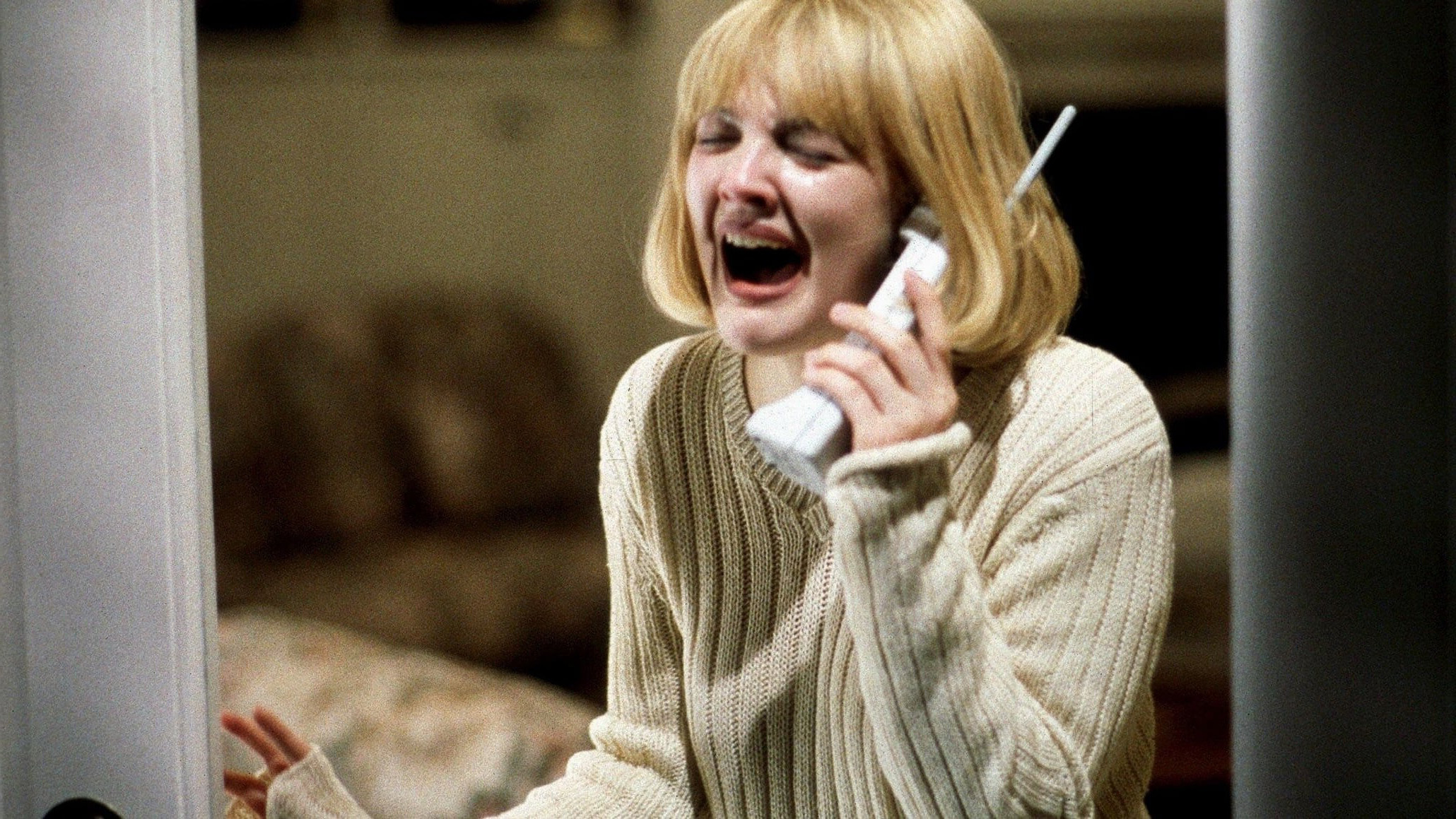
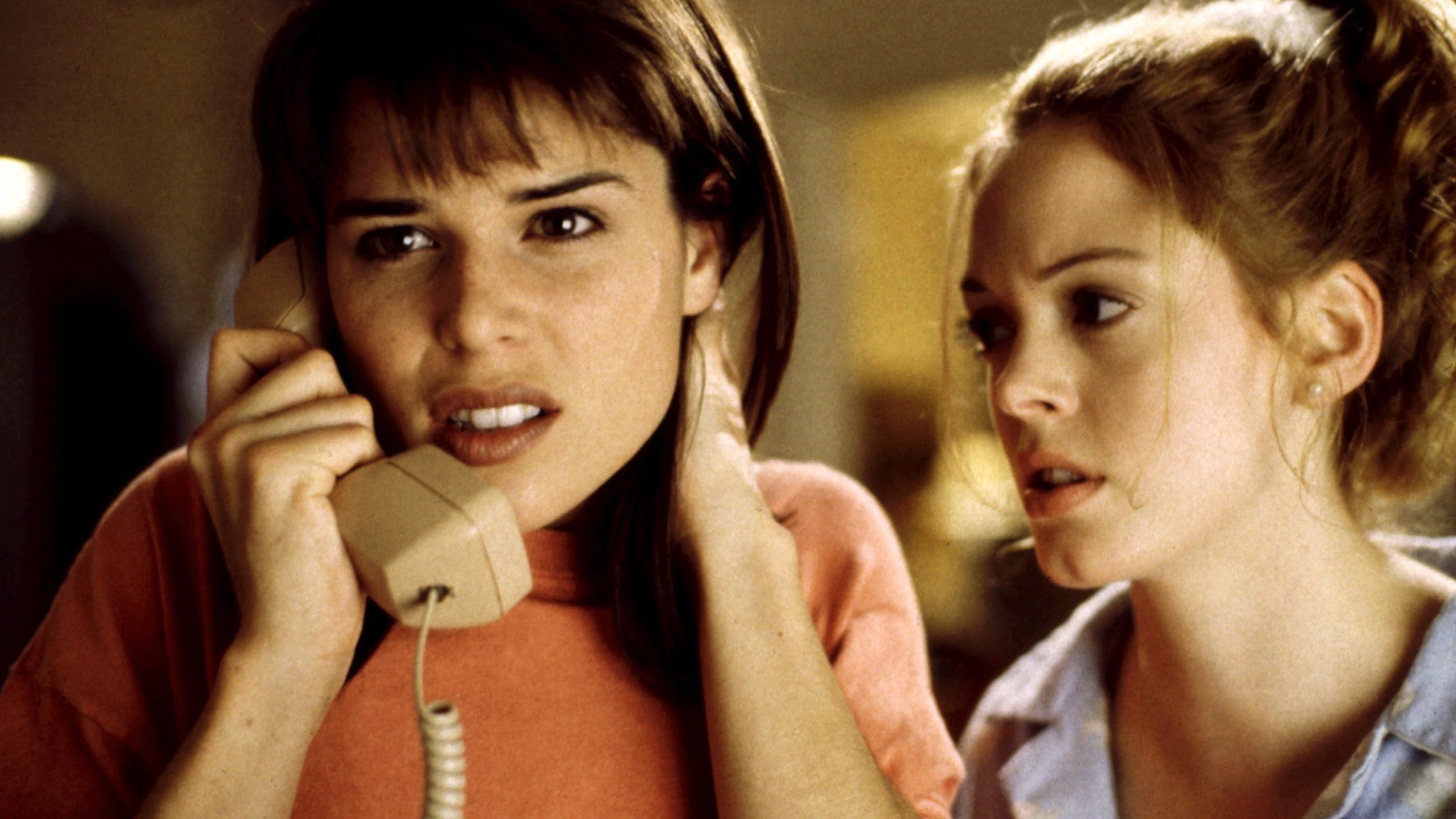
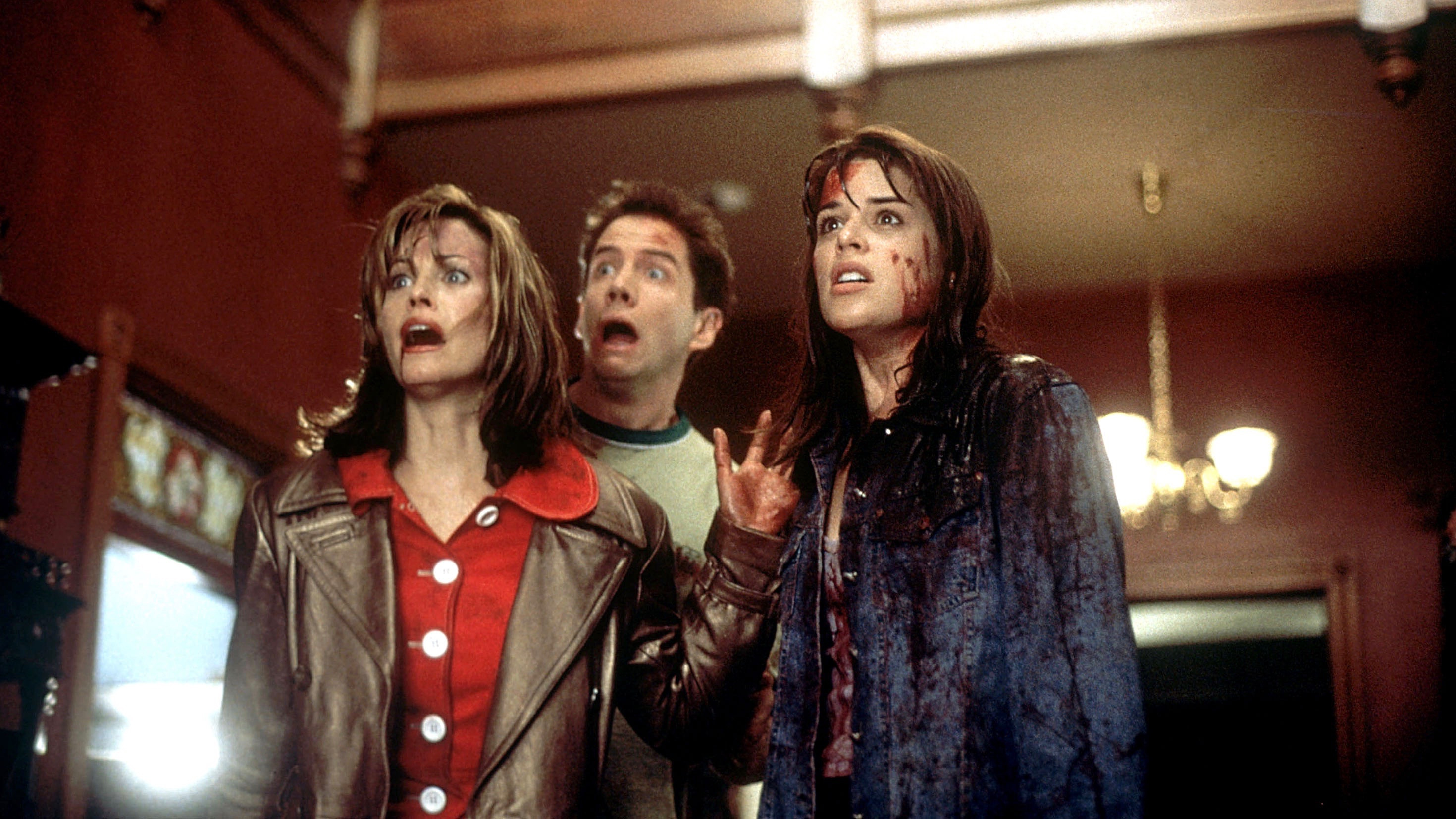
We were frightened by the opening. Roger L. Jackson’s phone voice makes the threat feel uncomfortably close, and Craven allows that unease to persist when the teenagers begin comparing their predicament to other slashers. Their familiarity with horror sounds inadequate to what is happening to them. A reference can get a laugh without persuading us that anyone is safe, and Craven is careful about how much relief each joke provides. The performers have to make the fear convincing for those changes of tone to work.
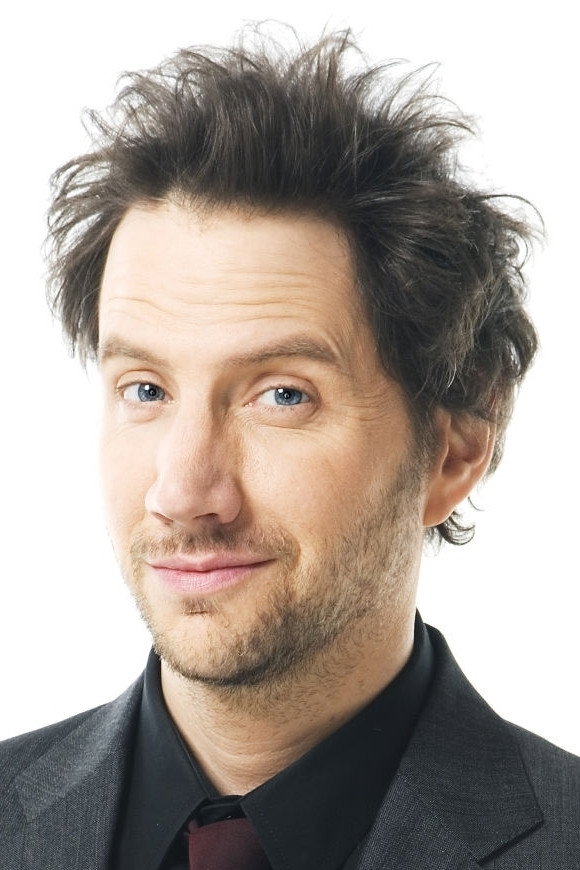
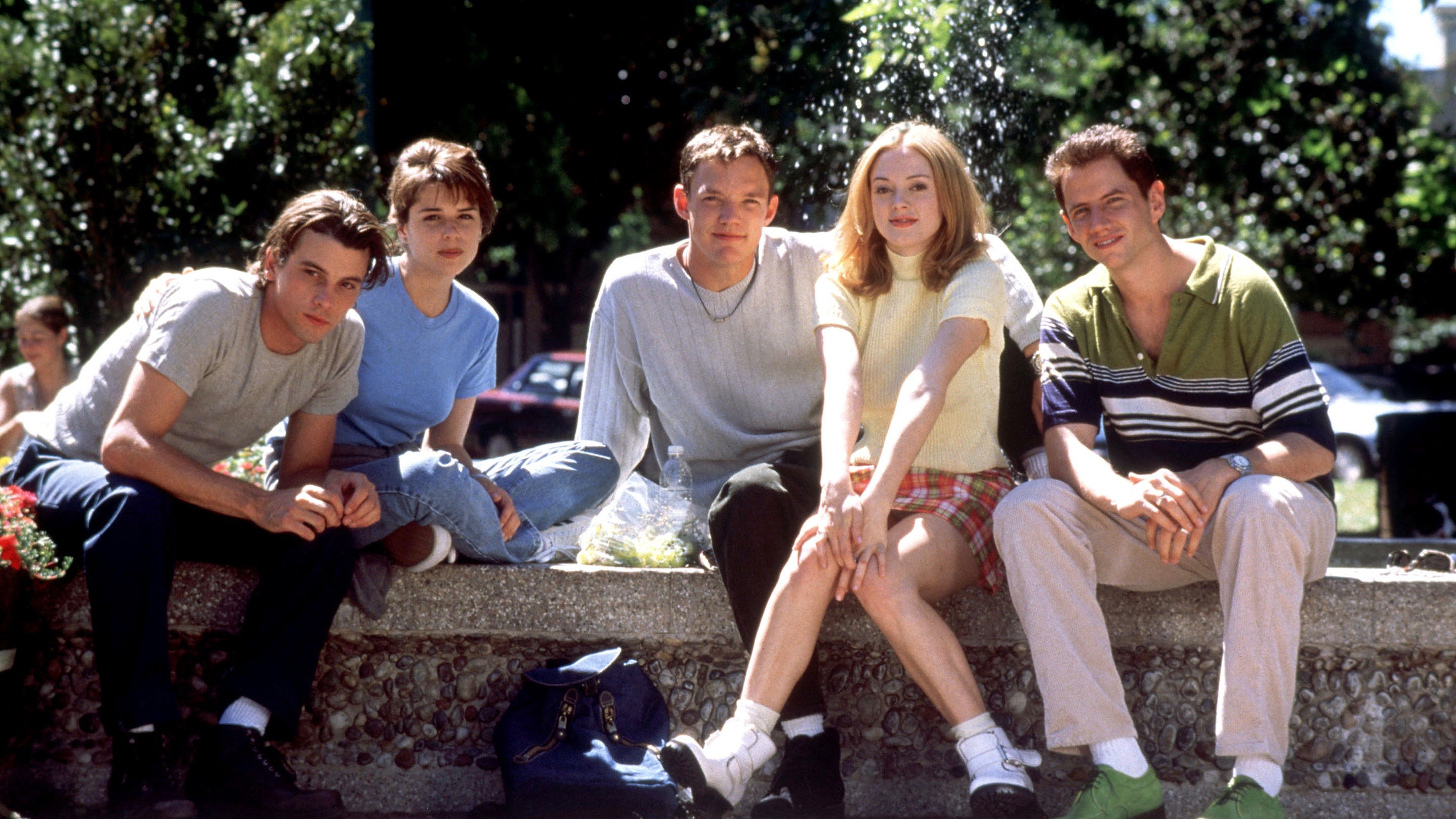
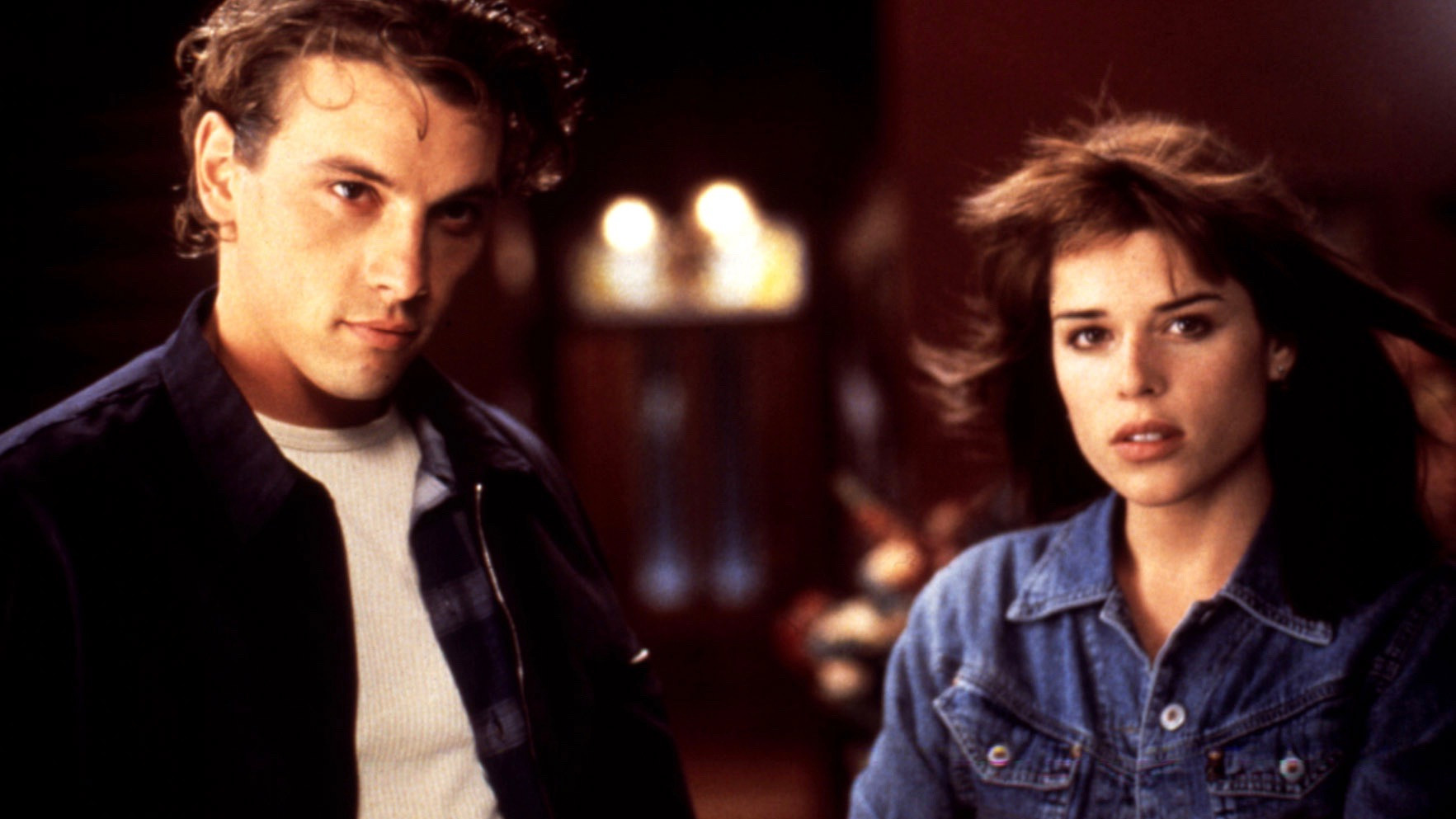
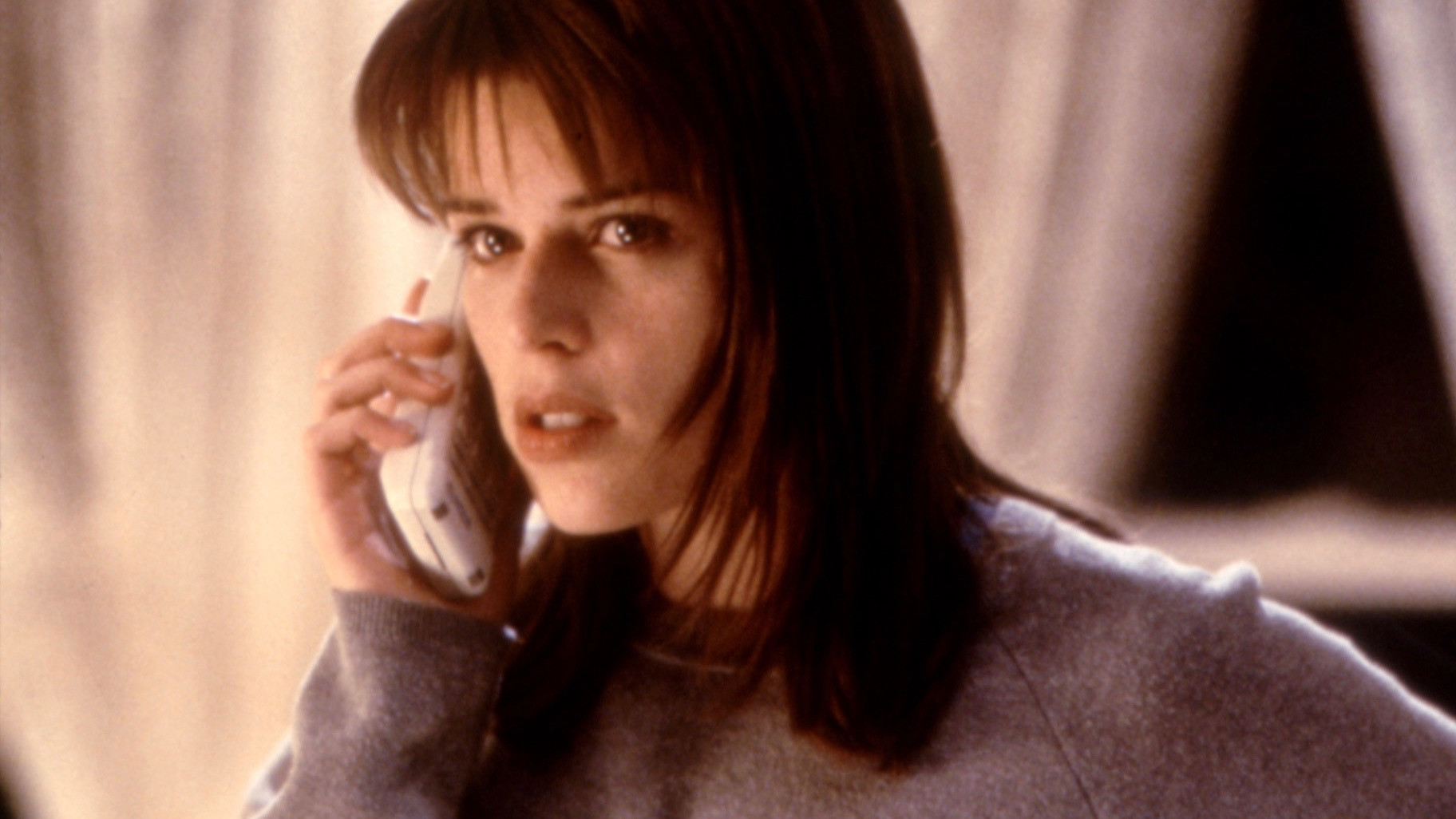
Neve Campbell plays Sidney with a seriousness that gives the film someone worth worrying about. Her performance steadies the surrounding cleverness without seeming to belong to a different picture. Matthew Lillard’s Stuart supplies the unrulier energy; his comic excess is enjoyable, though there are moments when we would welcome less of it. Rose McGowan’s Tatum and Jamie Kennedy’s Randy help make the younger ensemble feel quick enough to keep up with Williamson’s writing. The dialogue needs actors who can enjoy a joke without pausing to congratulate themselves, and this cast mostly obliges.
Mark Irwin’s cinematography gives the film a polished finish that suits its confident, talkative teenagers. The images never make the horror look like something we are merely being invited to mock, which helps when Craven needs the threat taken seriously. Editor Patrick Lussier handles the switches between joking and alarm with more assurance than the longer stretches of knowing dialogue. The immediate changes of mood work; the pace is less secure when another reference keeps a scene talking after we have understood the point.
Marco Beltrami’s music helps the frightening passages hold their seriousness without signalling that we should be enjoying an elaborate joke. At its most insistent, it can also do a little too much of the worrying for us. Bruce Alan Miller’s production design supports the recognisable teenage setting without demanding attention away from the performers. His contribution matters because these characters need to seem comfortable in their surroundings for the danger to feel like an intrusion.
The reservation is Williamson’s eagerness to explain how well he understands the genre. Some exchanges linger over conventions that the audience has already recognised, and the pleasure of recognition begins to wear thin. The jokes can also give us a comfortable distance from the people being threatened, particularly when they sound like commentary on the screenplay. For a film so alert to the habits of slashers, it is occasionally too pleased to point out a familiar device and then use it anyway.
Still, Craven understands something that knowing horror comedies often forget: a frightened audience need not stop finding things funny. He keeps enough uncertainty in the tone for the laughs to feel welcome, and Campbell gives us a reason to care when the clever talk stops. The result rewards familiarity with slashers without requiring a full education in them. Choose it for a horror evening with company, but do not mistake the jokes for a promise of gentle treatment.