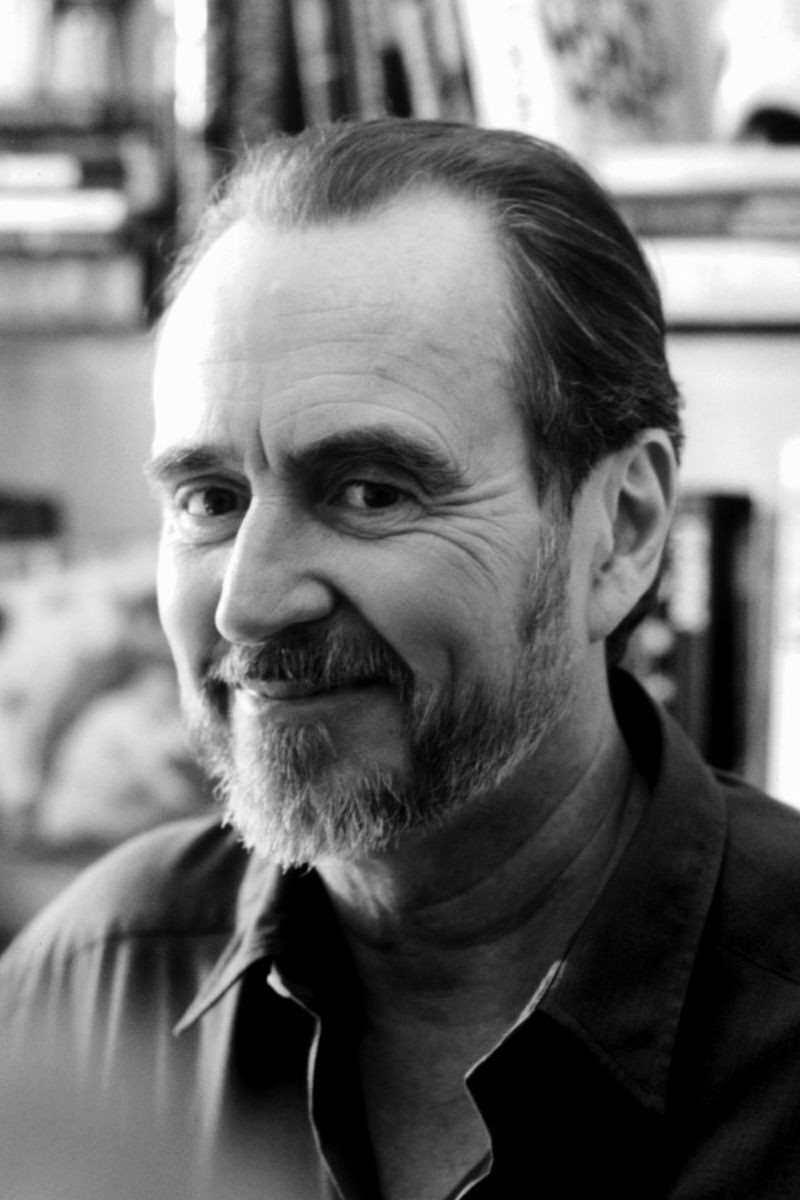
Wes Craven is at his strongest when he lets horror be funny without making danger a joke. We value the care he takes with frightened people, even when they think they know the rules.
Fi1m perspective
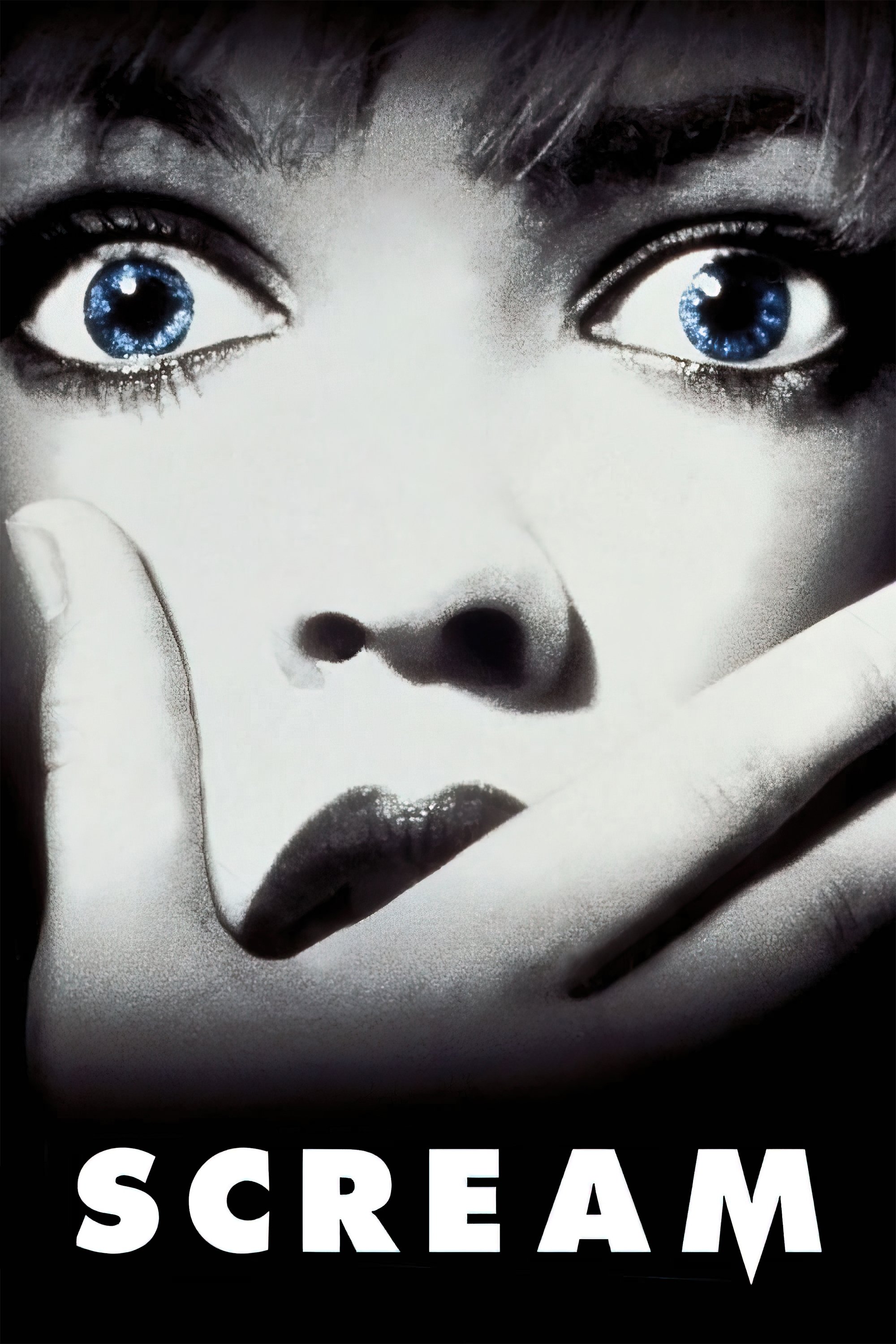
The teenagers in Scream (1996) can discuss the conventions of horror films while finding themselves in familiar trouble. Craven lets them be funny, but he never treats their fear as a failure to appreciate the joke. We were frightened by the opening, where Roger L. Jackson's phone voice makes the threat feel uncomfortably close. That unease survives the clever talk, because Craven is careful about how much relief each laugh provides.
His early reputation centred on the graphic horror of The Last House on the Left (1972), his feature debut. The Hills Have Eyes (1977) developed his concern with family violence and survival. Then A Nightmare on Elm Street (1984) put a killer inside his victims' dreams, making sleep itself unsafe. He keeps returning to fractured families and to people who cannot tell dreams from reality. By Scream, even knowing how horror works offers little comfort.
Williamson gives Scream its knowing dialogue; Craven makes sure the cast has more to play than an appreciation of other films. Mark Irwin's polished cinematography suits these confident, talkative teenagers without turning the horror into something to mock. Editor Patrick Lussier handles the abrupt changes from joking to alarm with assurance. The performers keep the fear convincing, which matters more than how many references anyone catches.
The weakness comes when Kevin Williamson's script keeps explaining a convention after we have understood it. Craven cannot always keep these longer conversations moving, and Lussier's editing is less secure here than in the quick changes of mood. The film remains sharply frightening, but its cleverness sometimes makes us wait.
The non-horror drama Music of the Heart (1999) was a departure, though he returned to the series with Scream 4 (2011). Start with Scream, especially with company who enjoy a horror film that gives them something to laugh at. Do not expect the laughter to make the evening gentle.
Biography
Wesley Earl Craven (2 August 1939 – 30 August 2015), also credited as Abe Snake, was an American film director, screenwriter and producer. Born in Cleveland, Ohio, he earned an undergraduate degree in English and psychology from Wheaton College and a master's degree in writing and philosophy from Johns Hopkins University. He began directing feature films with The Last House on the Left (1972), which he also wrote and edited.
Craven worked primarily in the horror genre. His credits include The Hills Have Eyes (1977), A Nightmare on Elm Street (1984) and its sequels and spin-offs, Wes Craven's New Nightmare (1994), Red Eye (2005) and the Scream series (1996–2011), on which he directed the first four films.