Wes Craven makes the need for sleep frightening in a horror film full of malicious invention. The effects sometimes show their age and the writing gets untidy, but Nancy’s predicament gives the scares a reason to matter.
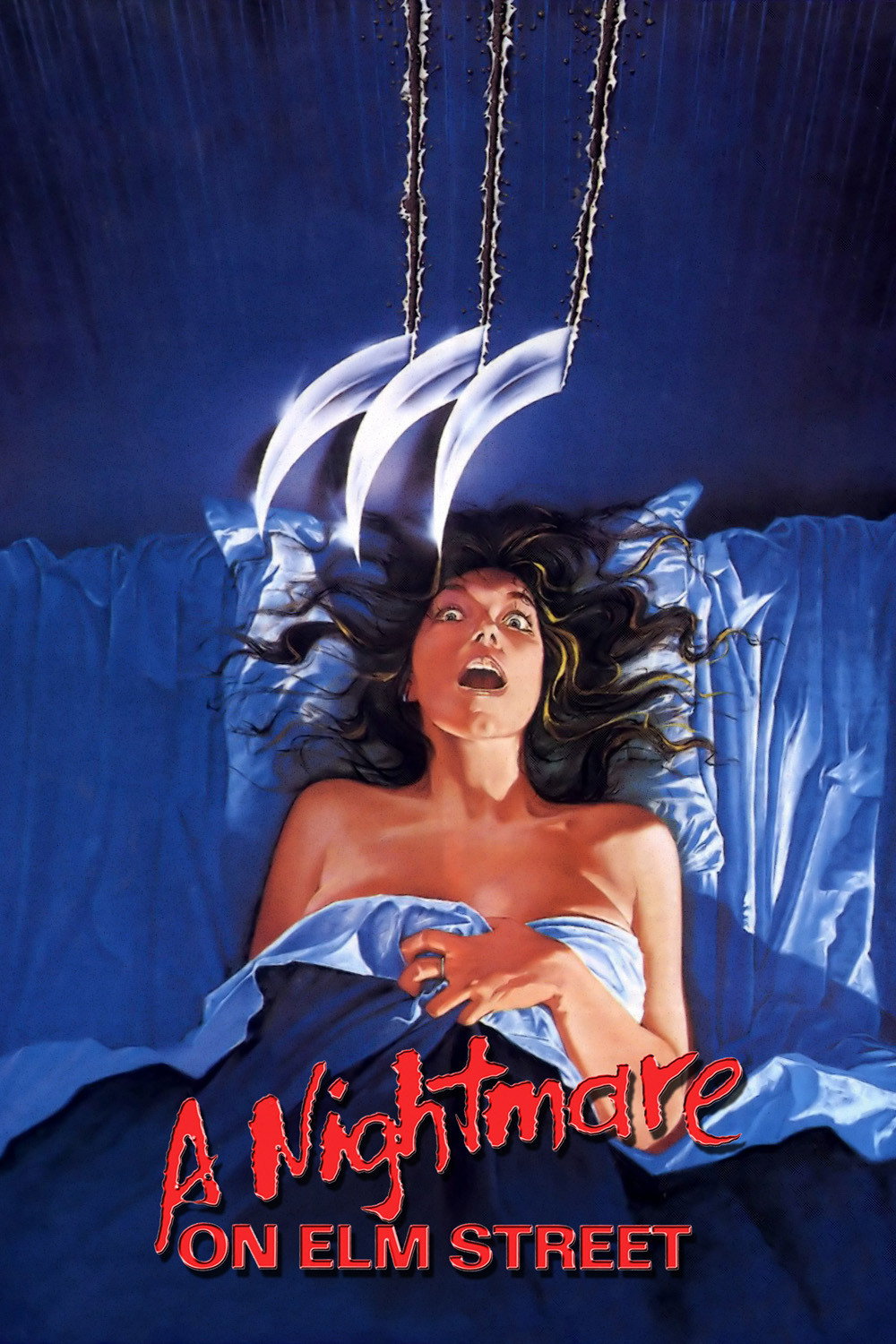
Wes Craven’s A Nightmare on Elm Street is a frightening, inventive horror film with a few rough edges worth forgiving. A killer who reaches teenagers through their dreams is a simple idea, and Craven, who also writes, understands how little explanation it needs. Everyone has to sleep. There is no sensible precaution that will make that requirement go away, and the film gets considerable suspense from waiting for exhaustion to win. Within the slasher genre, it is an unusually effective way of making escape seem temporary.
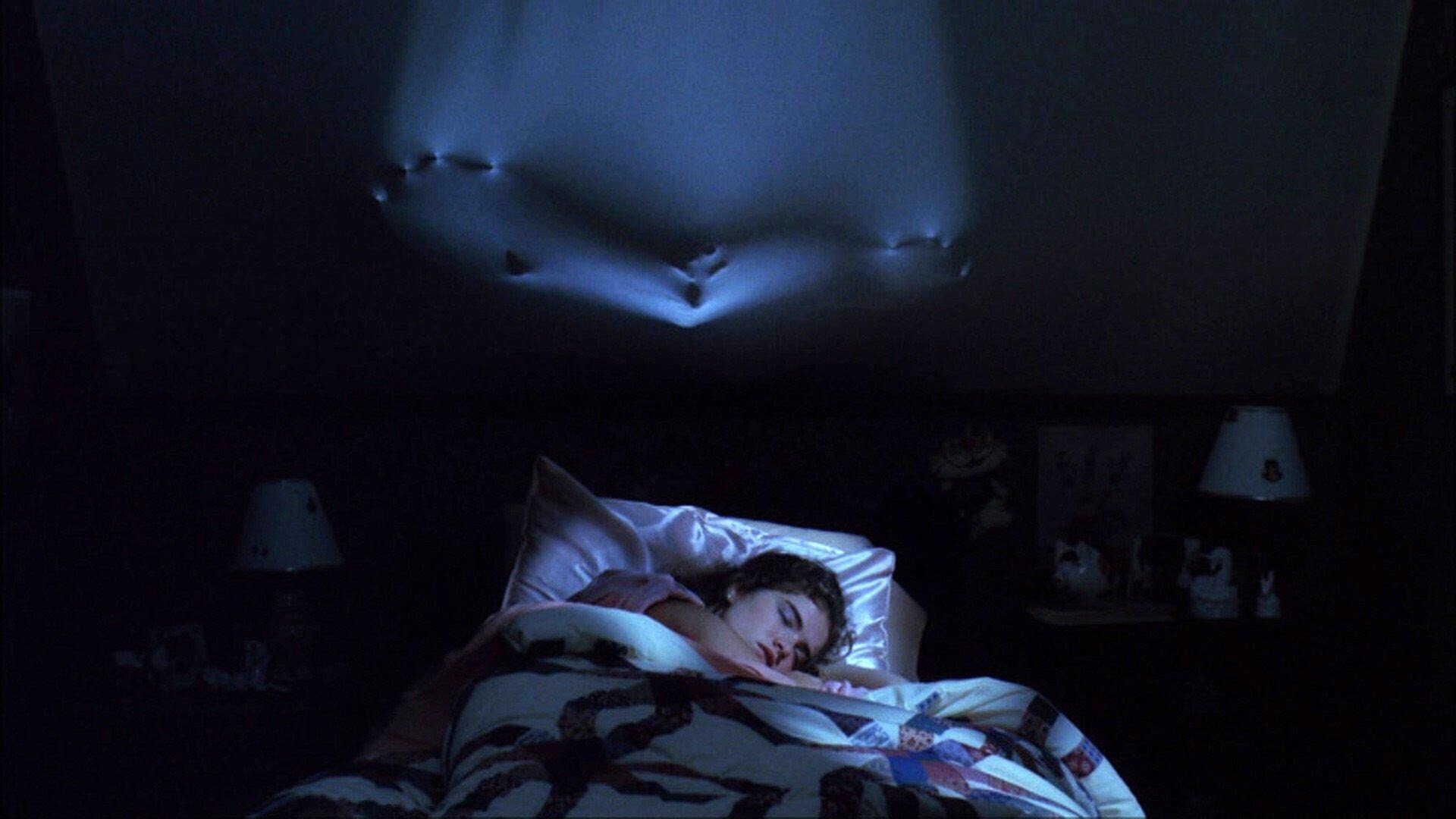
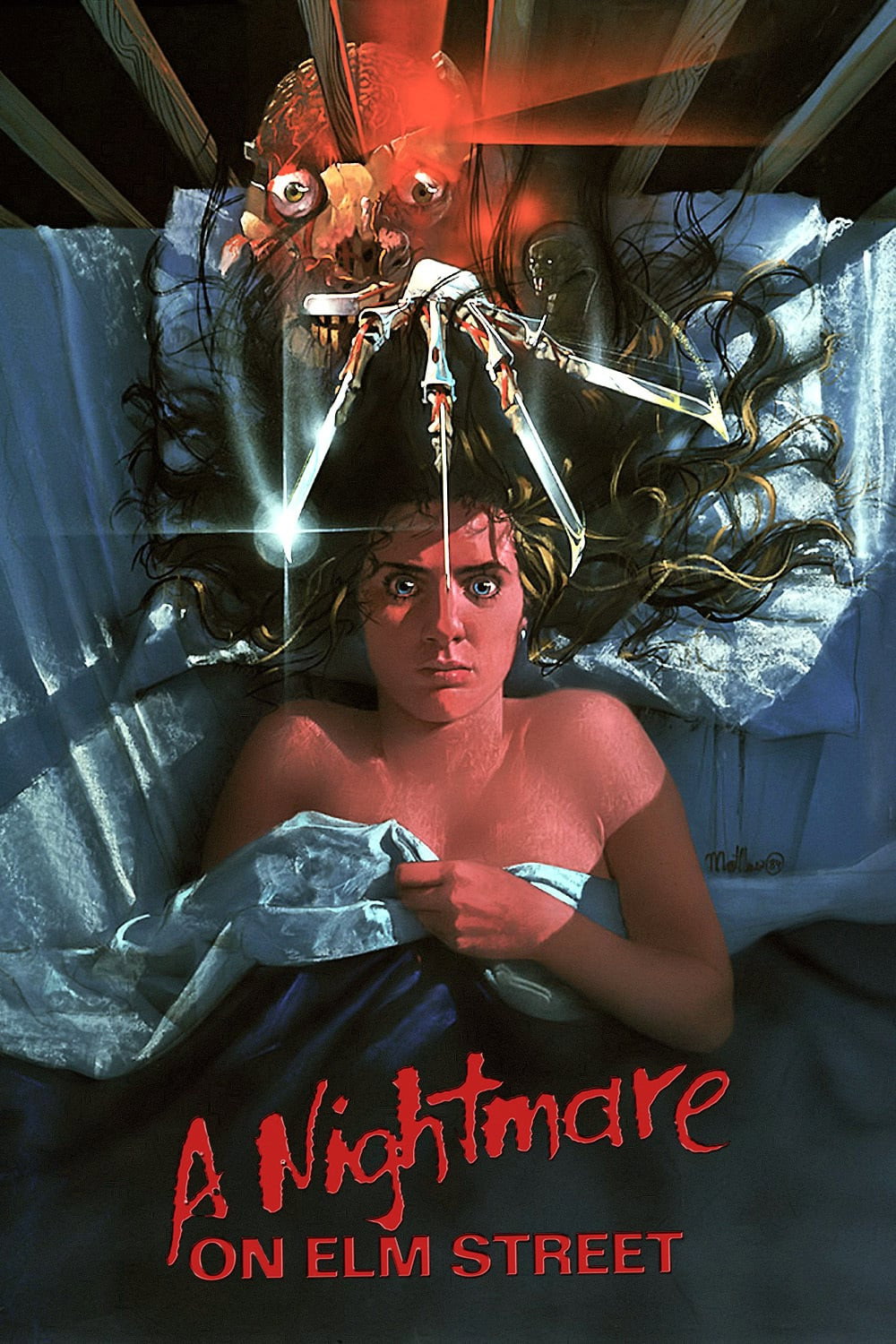
Heather Langenkamp’s Nancy Thompson gives us someone to worry about while Craven tests the possibilities of his premise. Her resistance matters, and Langenkamp keeps the character from being merely a reason to arrange another attack. We found ourselves dreading sleep on Nancy’s behalf. With Robert Englund’s Fred Krueger able to reach her in a dream, tiredness itself becomes frightening. The film makes that predicament easy to understand without asking us to admire how clever it is.
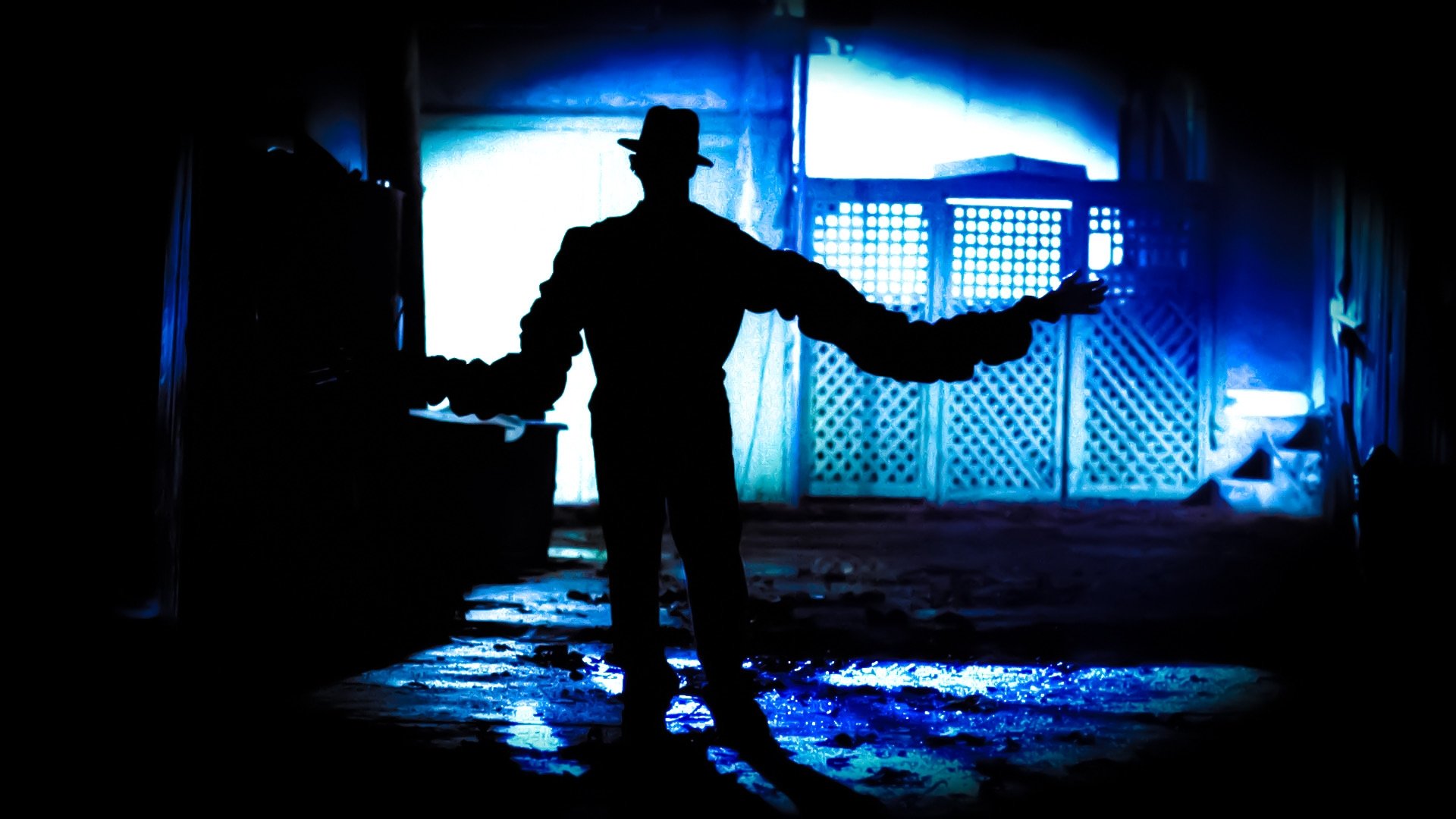
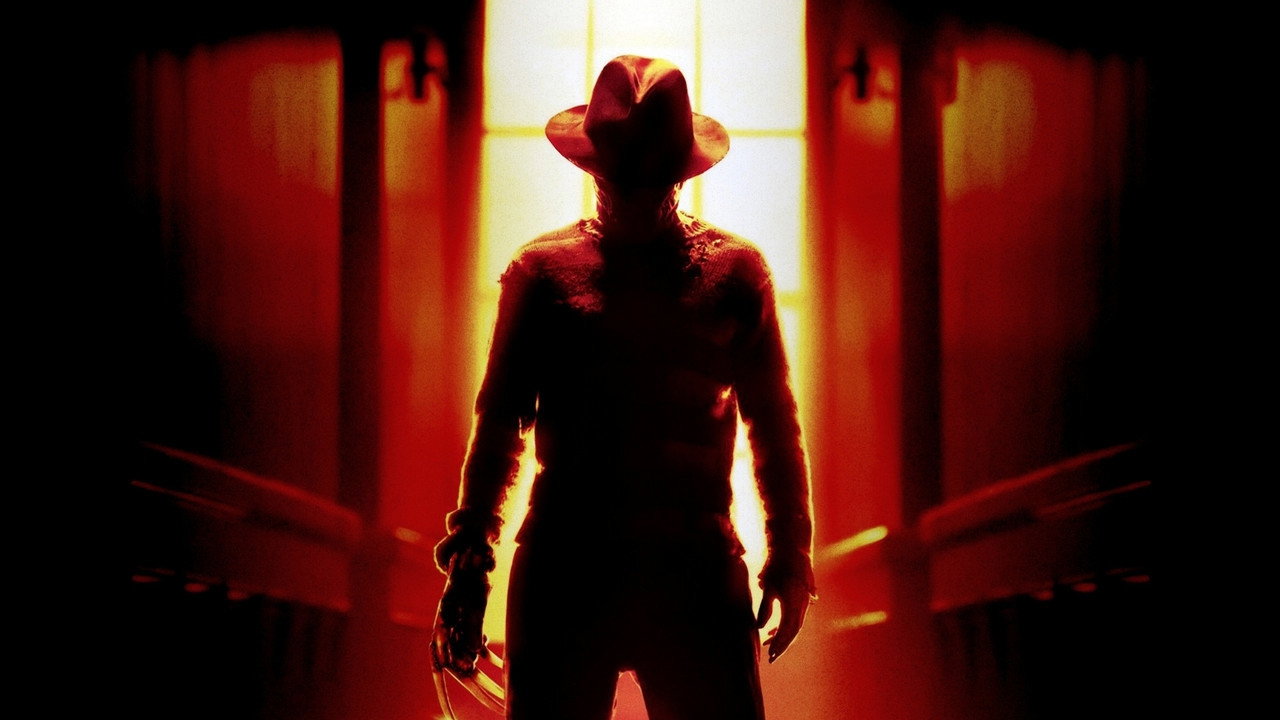
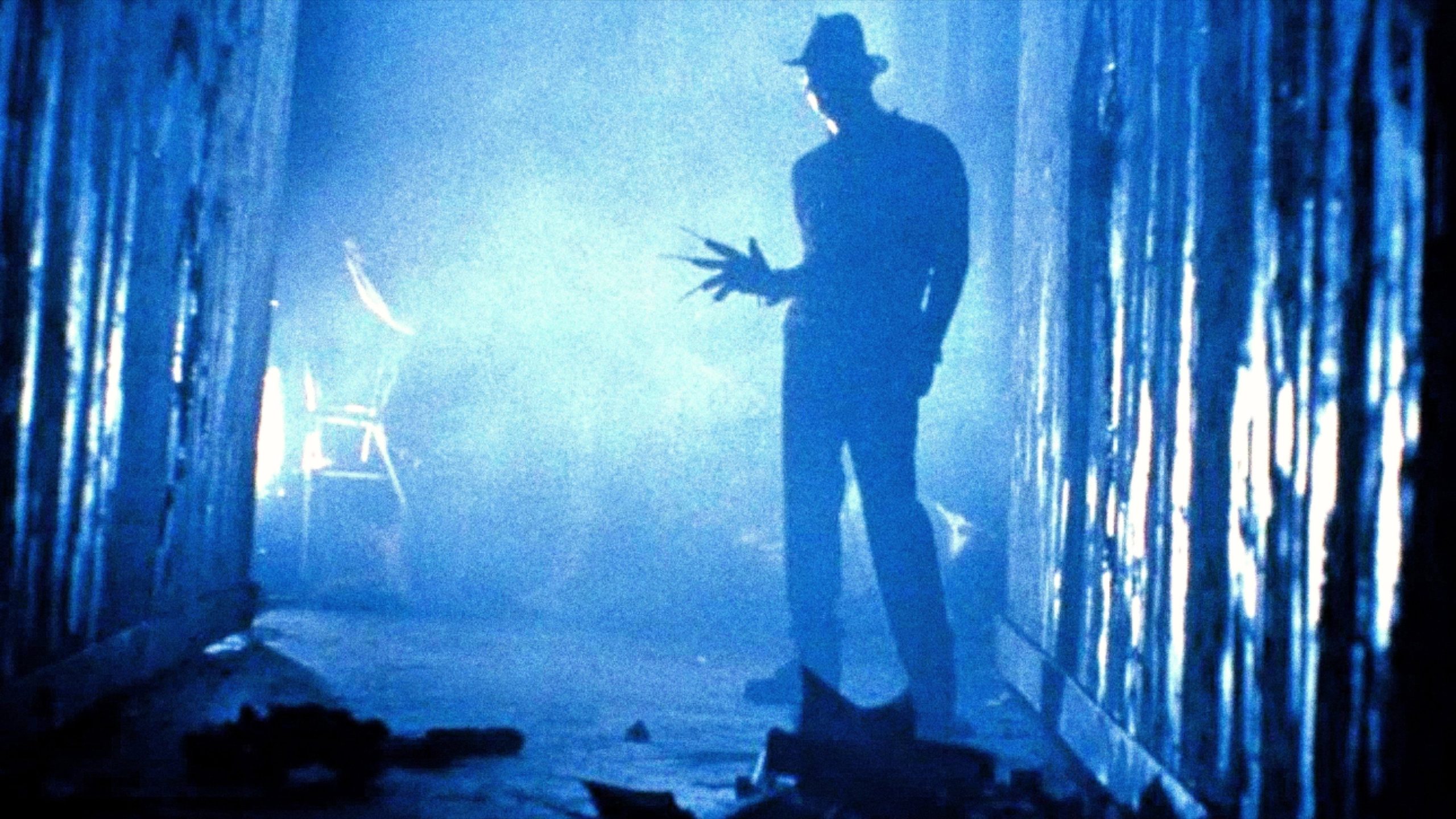
Englund gives Krueger a pleased, malicious energy that is more disturbing than solemn menace would have been. He seems to enjoy the possibilities of this peculiar hunting ground, and his performance suits Craven’s black humour. The laughs do not make the danger harmless, though the broader moments occasionally get close. A little less showing off would sometimes have helped. For most of the film, Englund makes the playfulness unpleasant enough to keep us wary.
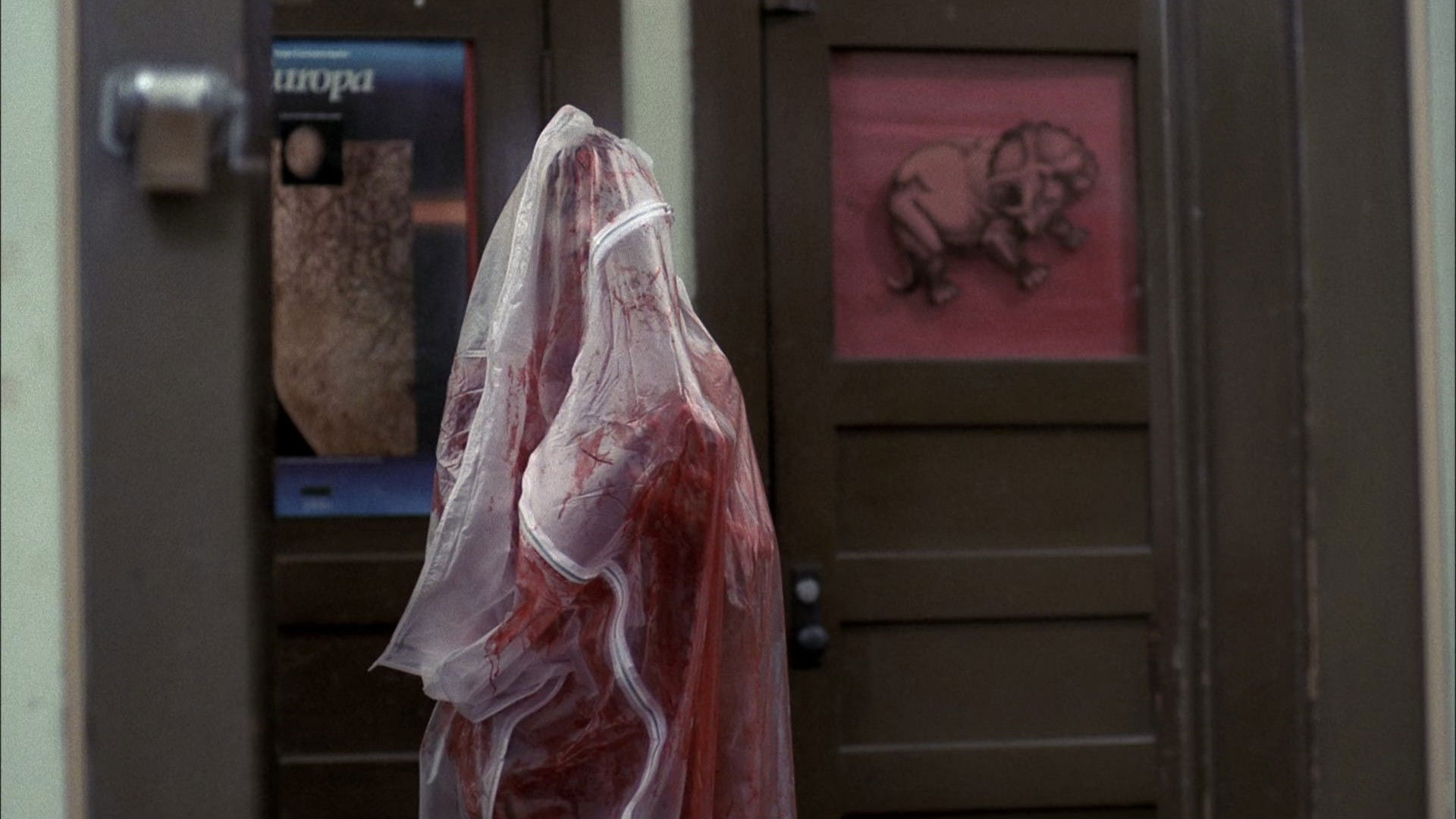
Jacques Haitkin’s cinematography makes the passage from waking life into nightmare feel treacherously easy. The images do not let us settle comfortably into a separate dream world with different rules. Gregg Fonseca’s production design keeps the domestic surroundings recognisable, so a bed still carries the expectation of rest. The special effects then make that expectation difficult to sustain. Some look dated, but the impossible events remain disturbing because they are so easy to grasp.
Editors Patrick McMahon and Rick Shaine keep the 91-minute film moving without making its dream logic tidier than it should be. A change of scene cannot be trusted to bring relief, which is exactly right for this story. Charles Bernstein’s music keeps the threat present between attacks. It does useful work holding together scenes whose rules can change without warning. The combined effect is exhausting in the way the premise requires, without the film becoming a chore to follow.
The weaker writing concerns the adults and the suggestion of parental guilt. Craven gives that material enough emphasis to make us look for connections, then leaves some of them frustratingly loose. The adults never become as interesting as the fears attached to them. The closing stretch also strains for another shock when a firmer sense of consequence would have helped. These are noticeable weaknesses, even in a film whose chief business is frightening us.
For a horror audience, the invention and Nancy’s resistance make this an easy recommendation with a specific warning. Anyone who needs supernatural rules to remain consistent may spend too much time objecting to enjoy the experience. Come prepared for some untidiness, and for dream sequences that remain unpleasant even when the effects are showing their age. Perhaps leave an early night out of the plan.