Scorsese’s double-mole thriller is tense, viciously funny and worth your full attention. DiCaprio and Damon make the deceptions matter, though Nicholson’s overplaying occasionally lets the tension slip.
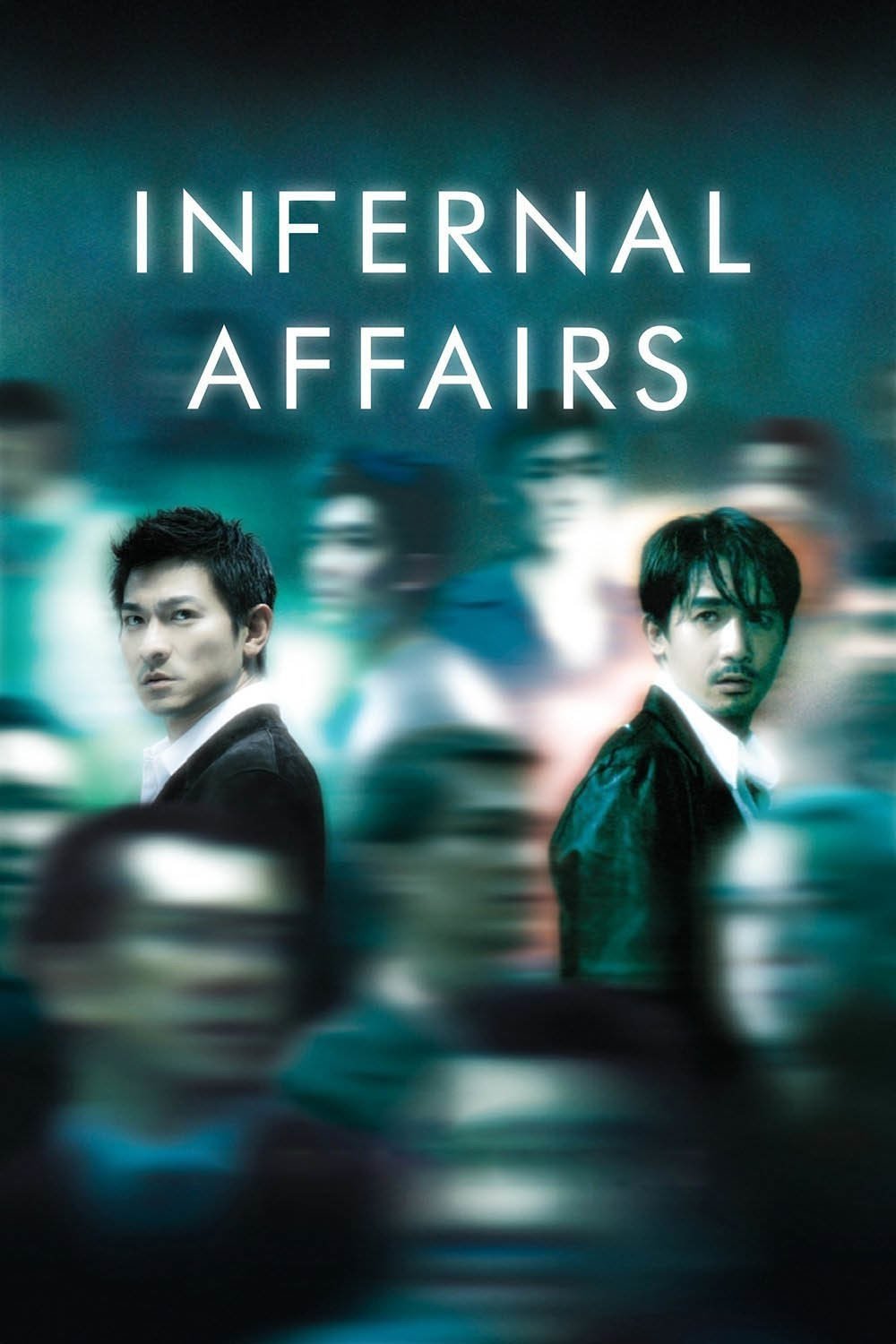
Martin Scorsese’s The Departed is a gripping, blackly funny crime thriller that could use a little less of Jack Nicholson. Adapted from Infernal Affairs, it puts a mole on either side of the struggle between Boston’s police and gangsters. William Monahan’s screenplay makes concealing a loyalty seem like a full-time occupation with no prospect of leave. Scorsese takes evident pleasure in the threats, insults and competitive swagger around that central problem. The pleasure is infectious, even when the plot becomes more elaborate than it needs to be.
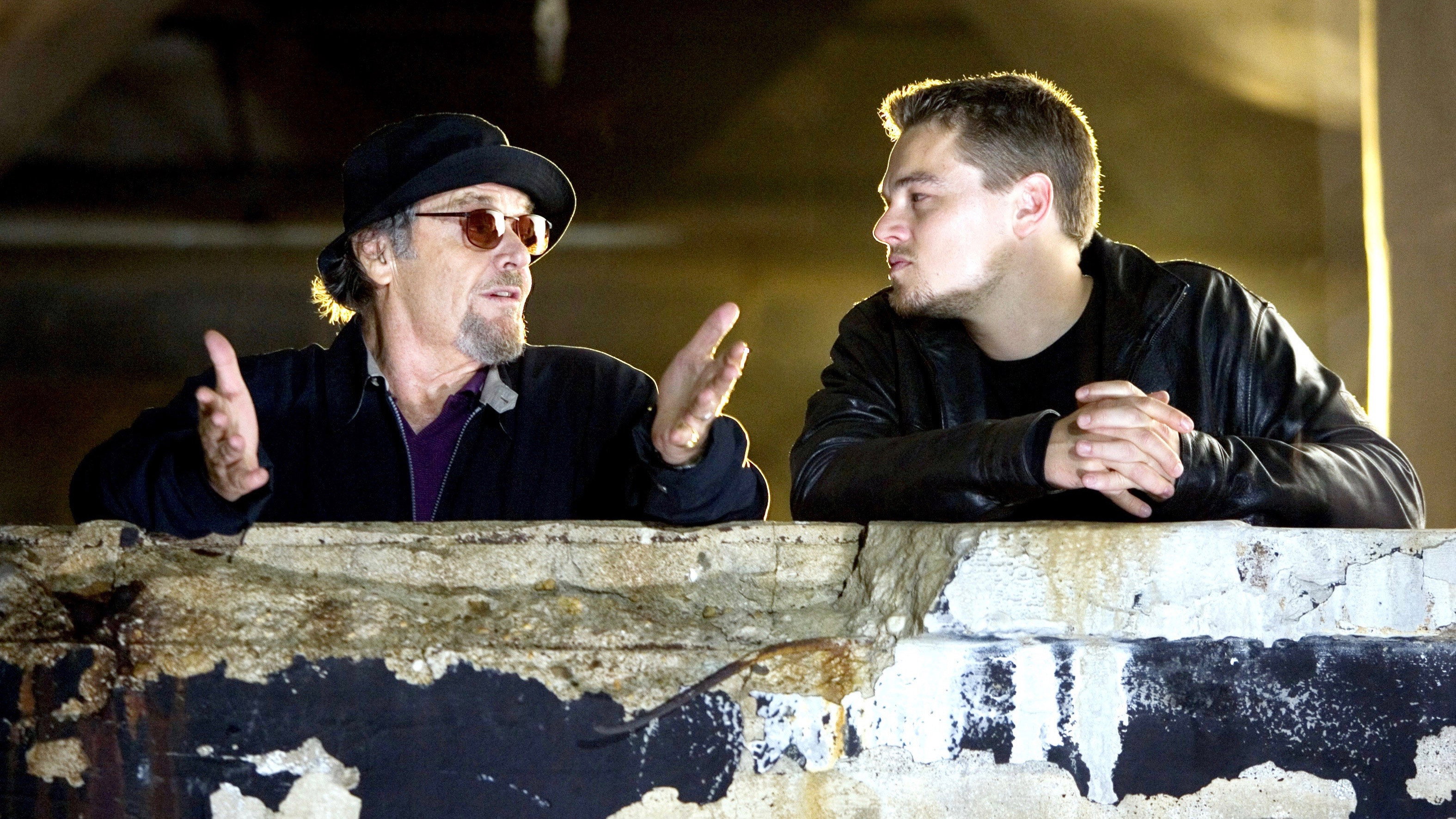
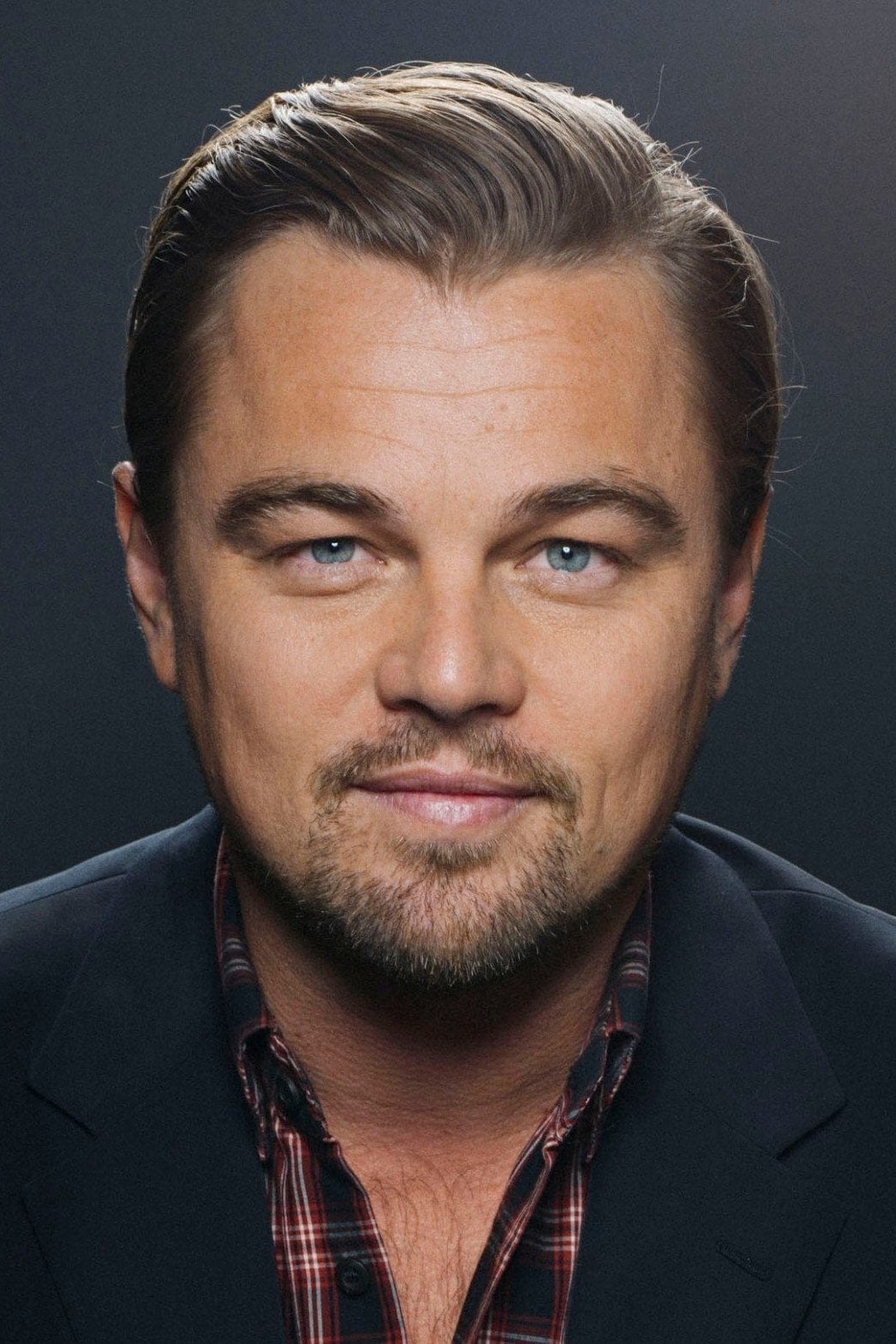
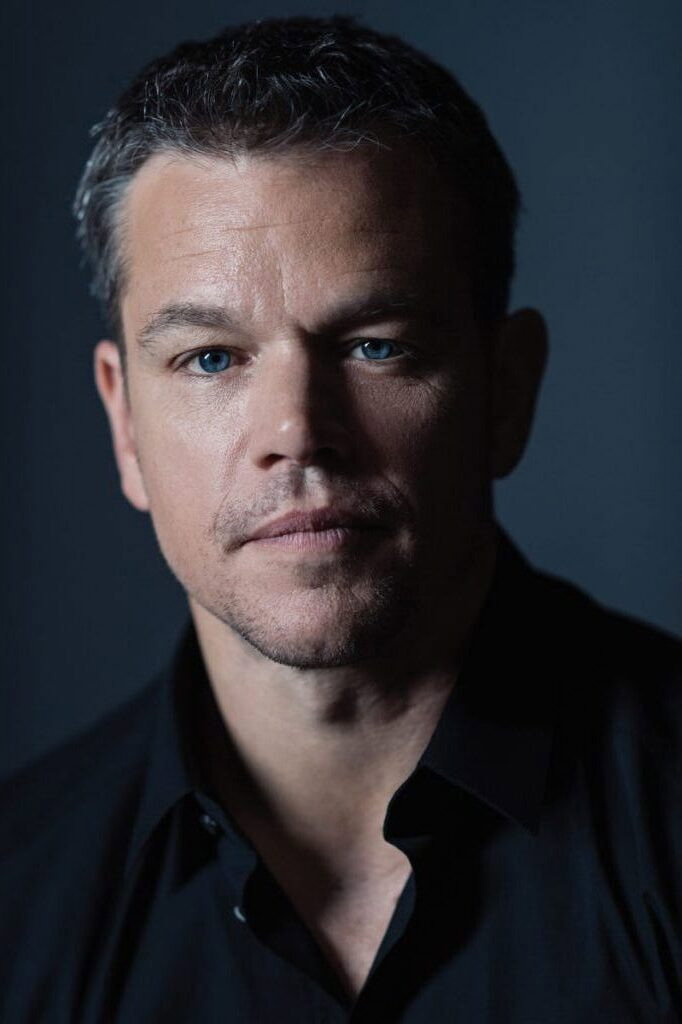
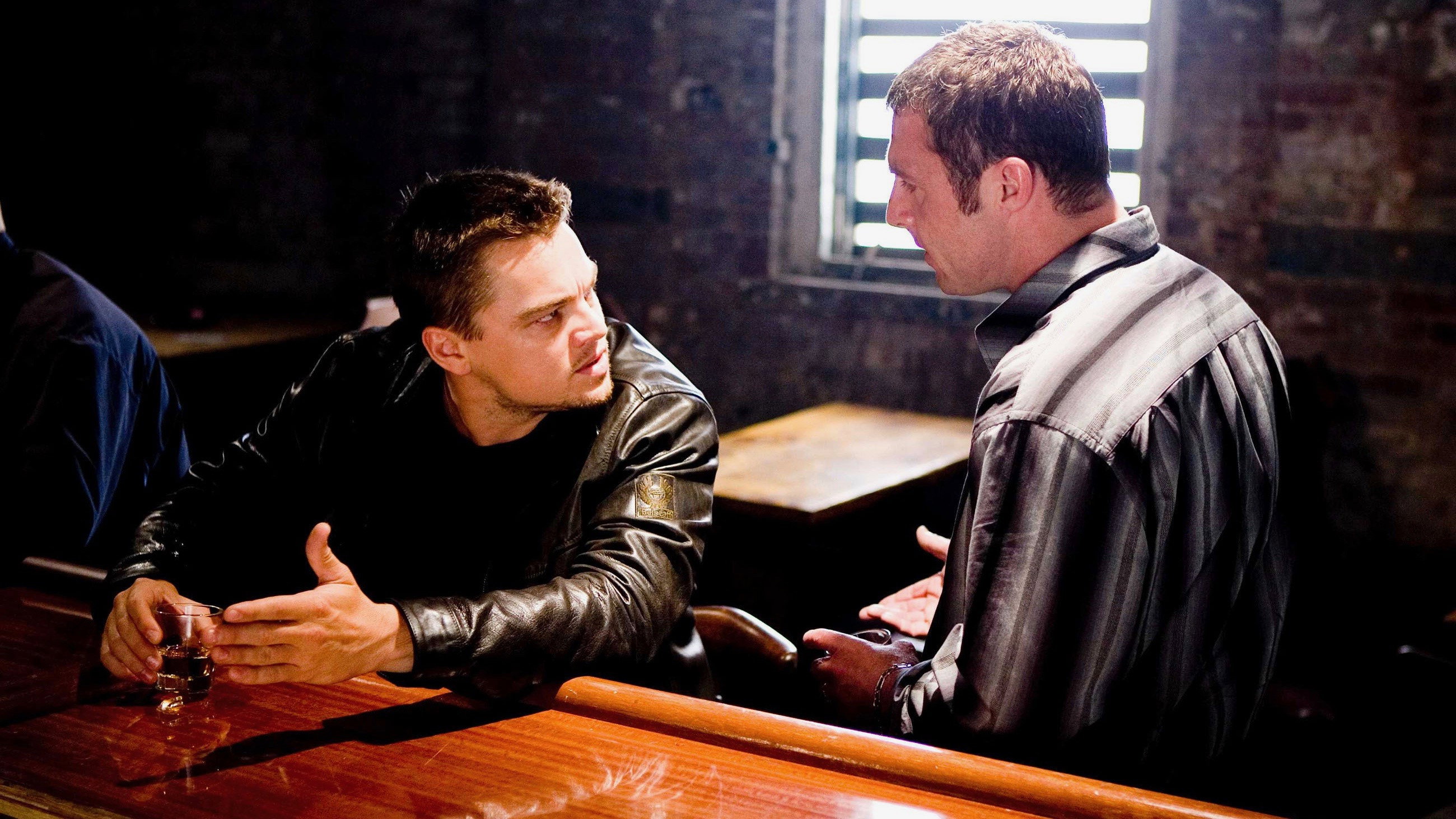
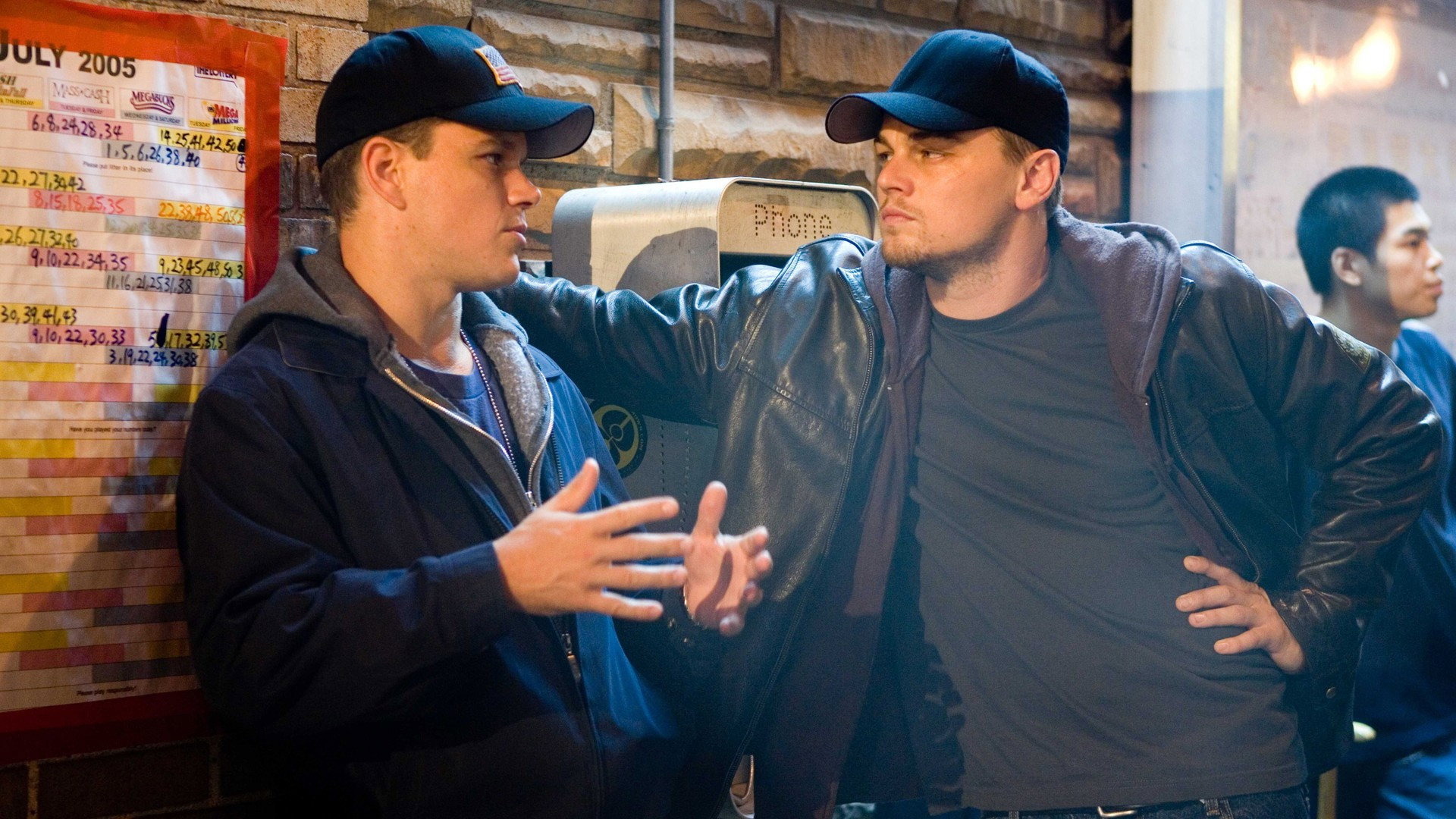
Leonardo DiCaprio’s Billy gives the film its most persuasive fear. We were frightened for him because DiCaprio makes the effort of speaking calmly look exhausting. There is enough strain in the performance to make the double-mole plot matter beyond the question of who discovers what. Matt Damon gives Colin a practised ease that makes deception look like something a man could learn to enjoy. Moving between the two performances keeps our attention on the people carrying the secrets, even as the screenplay adds complications.
Michael Ballhaus’s gliding camera keeps the conversations unsettled, and Thelma Schoonmaker’s urgent cross-cutting makes the parallel stories easy to follow at speed. Both serve the tension well: movement through a scene and movement between scenes keep denying us a comfortable pause. At 151 minutes, though, the film has room for digressions and takes more of it than the chase requires. Schoonmaker sustains the pace through those stretches, but fast cutting cannot make every additional complication necessary.
Kristi Zea’s production design gives the scheming a convincing everyday setting, with police and criminal spaces that feel part of the same city. That helps when the plotting threatens to become too ingenious for the people caught in it. Howard Shore’s music contributes to the agitation, while the soundtrack’s recurring musical patterns reinforce the connection between the two men’s lives. The sound is doing useful storytelling work alongside the cutting, helping us carry the tension from one strand into the other.
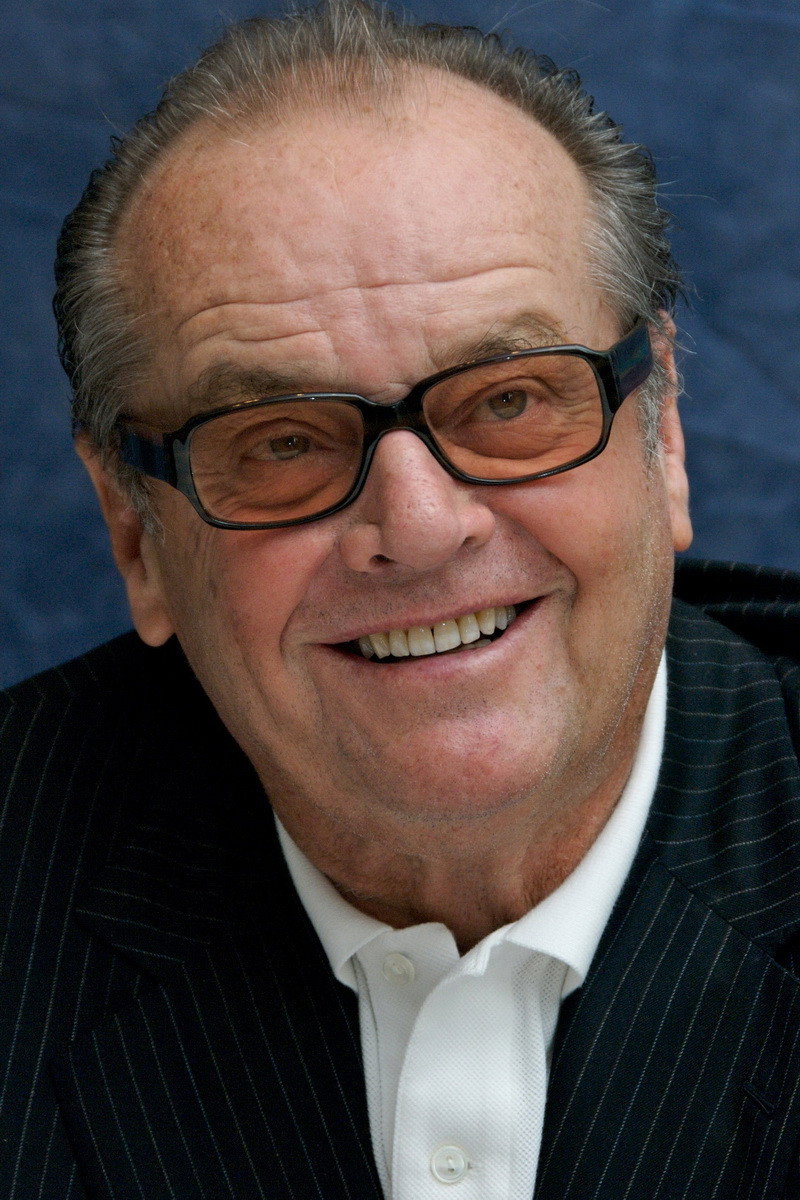
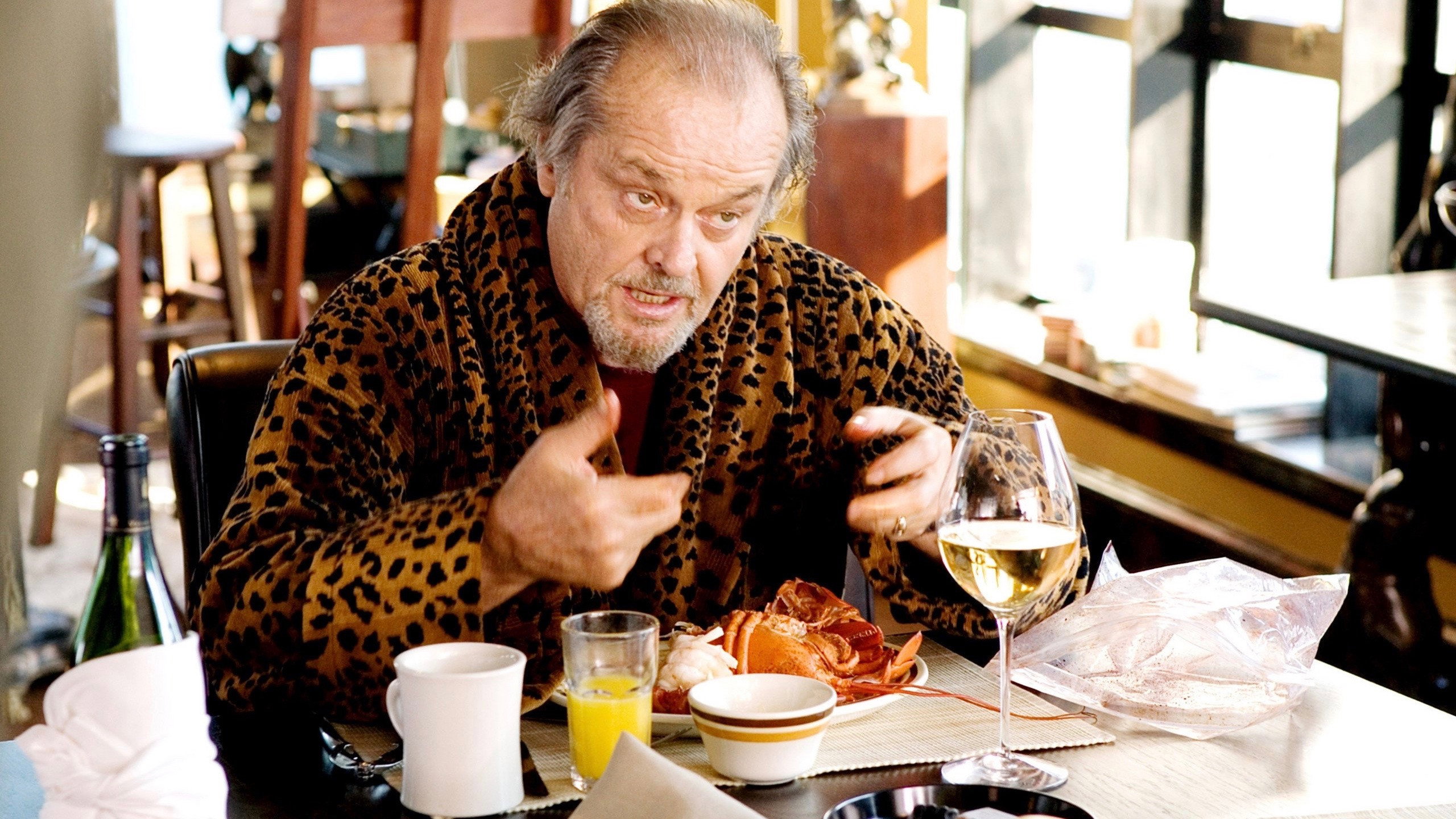
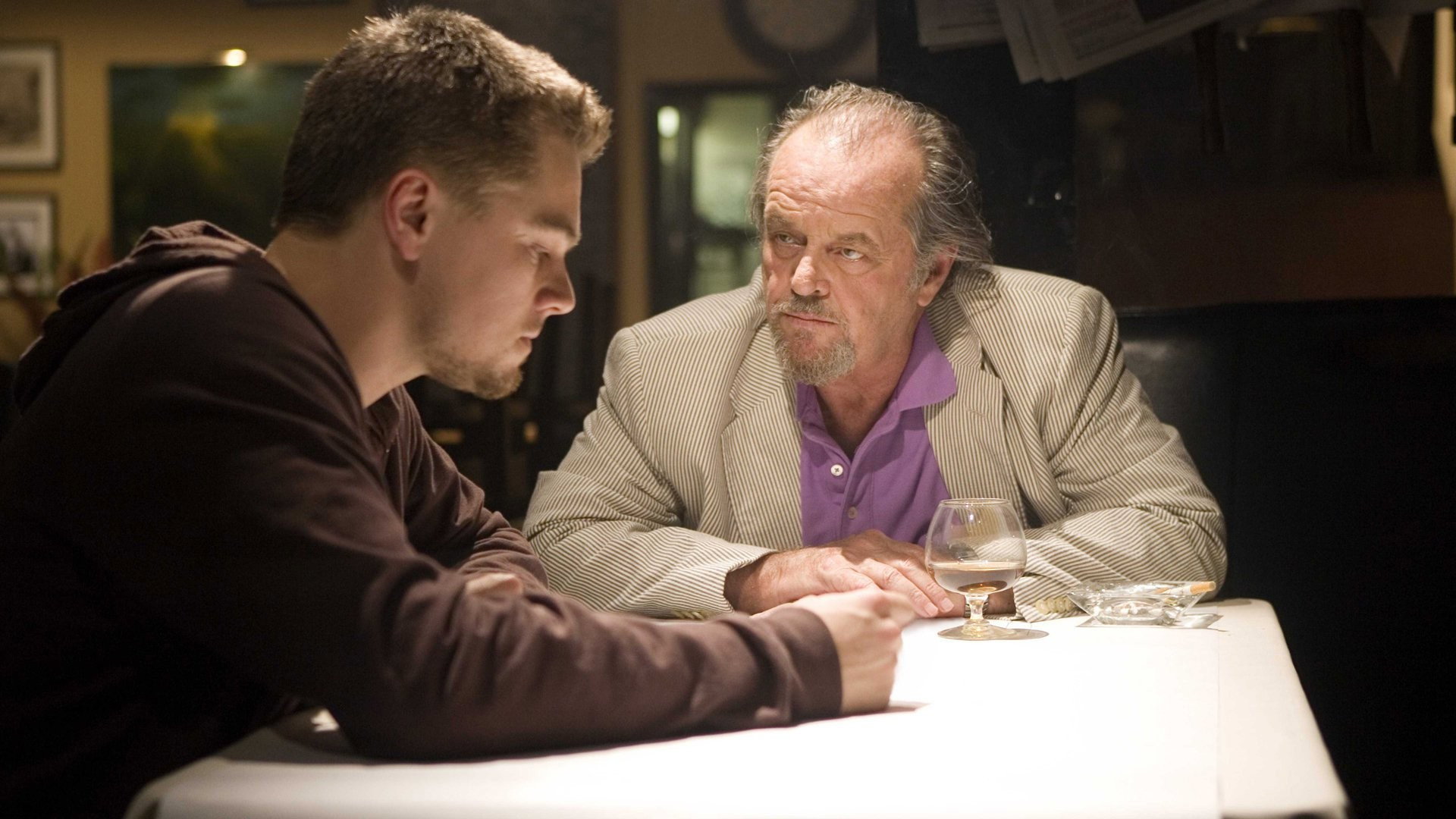
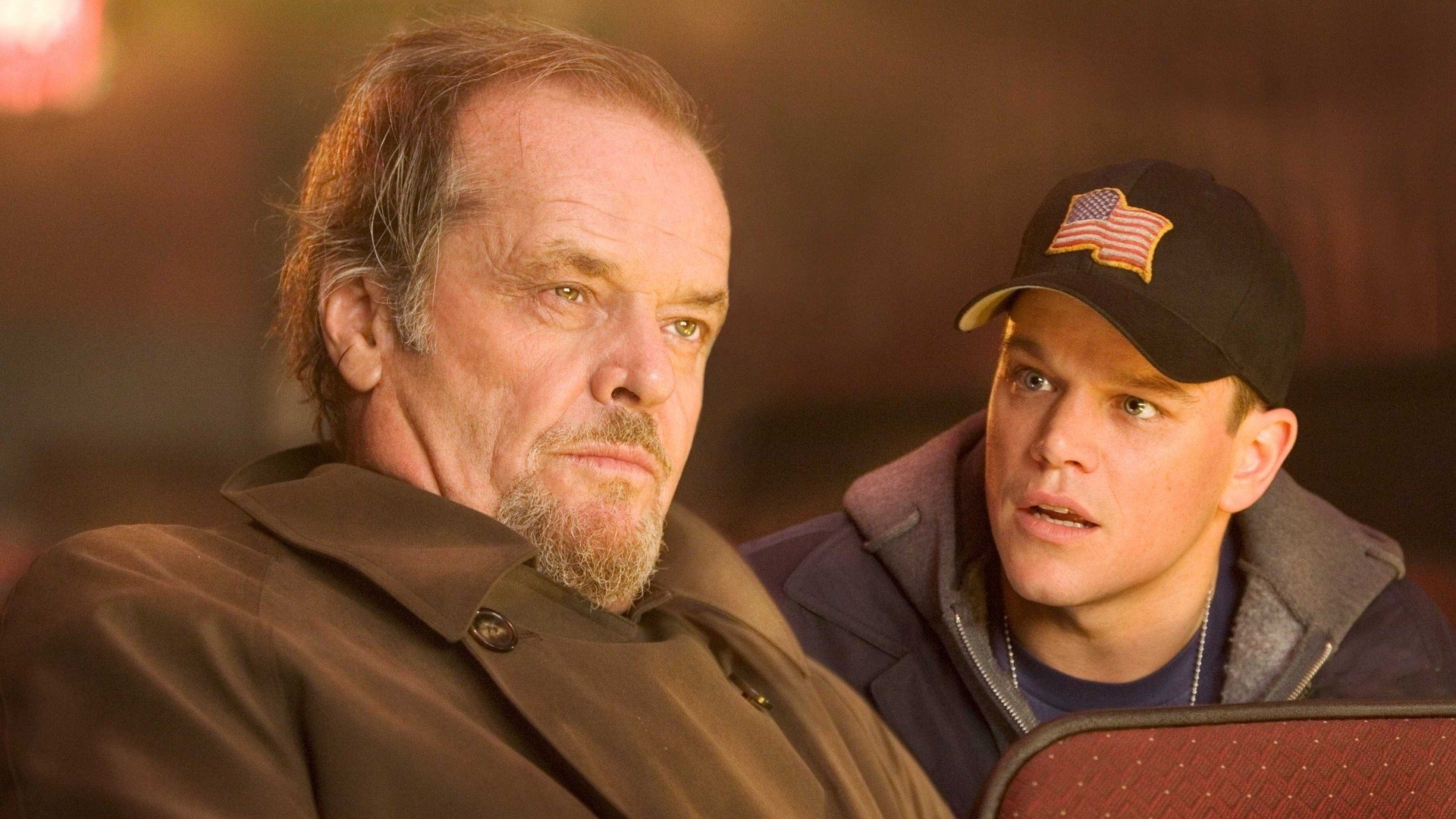
Nicholson’s Costello is entertaining company for a while, despite being someone nobody sensible would want to meet. His unpredictability gives the film a threat the intricate plotting cannot supply on its own. But the leering and swagger become so conspicuous that we start watching Nicholson enjoy himself, and Scorsese gives him too much room to do it. We laughed at the foul-mouthed aggression, then noticed how much safer the laughter made us feel. DiCaprio’s anxiety has to work harder whenever Costello starts to resemble a cartoon.
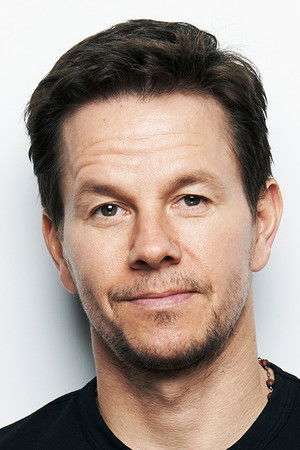
Monahan’s dialogue is sharper when the insults arrive without a performance built around each one. Mark Wahlberg’s Dignam brings a useful briskness to the verbal bullying, and the supporting cast keeps the film from depending entirely on its three leads. Scorsese knows the crime genre well enough to let its humour be ugly and its violence abrupt. Those sudden changes make the familiar cops-and-gangsters business feel dangerous, even when the machinery of the plot is showing. Give it your full attention, and be prepared for the shouting.