Tony Leondis turns a workable smartphone premise into a dull trip through familiar apps. Bright colours and occasional slapstick cannot rescue the thin characters, tired lessons or persistent sense of being advertised at.
The film has a workable idea for a family comedy: give the little symbols in a phone lives of their own. There is room there for jokes about how much people try to say with a face and how often it goes wrong. Tony Leondis directs an 86-minute film that spends too much of that opportunity travelling between apps, with a familiar lesson about self-acceptance attached. It is dull, heavily branded and short of jokes, though the bright animation supplies occasional scraps of pleasure.
The screenplay, by Tony Leondis, Eric Siegel and Mike White, asks us to care about Gene’s difficulty fitting in. That is a serviceable starting point, particularly for a character whose purpose is to express a feeling. But the film rarely finds anything peculiar to emojis in its self-acceptance story; almost any talking object could deliver these lessons. The rules inside the phone are muddled, and the dialogue spends too much energy making familiar points. Gene needs a personality worth following through all those apps.
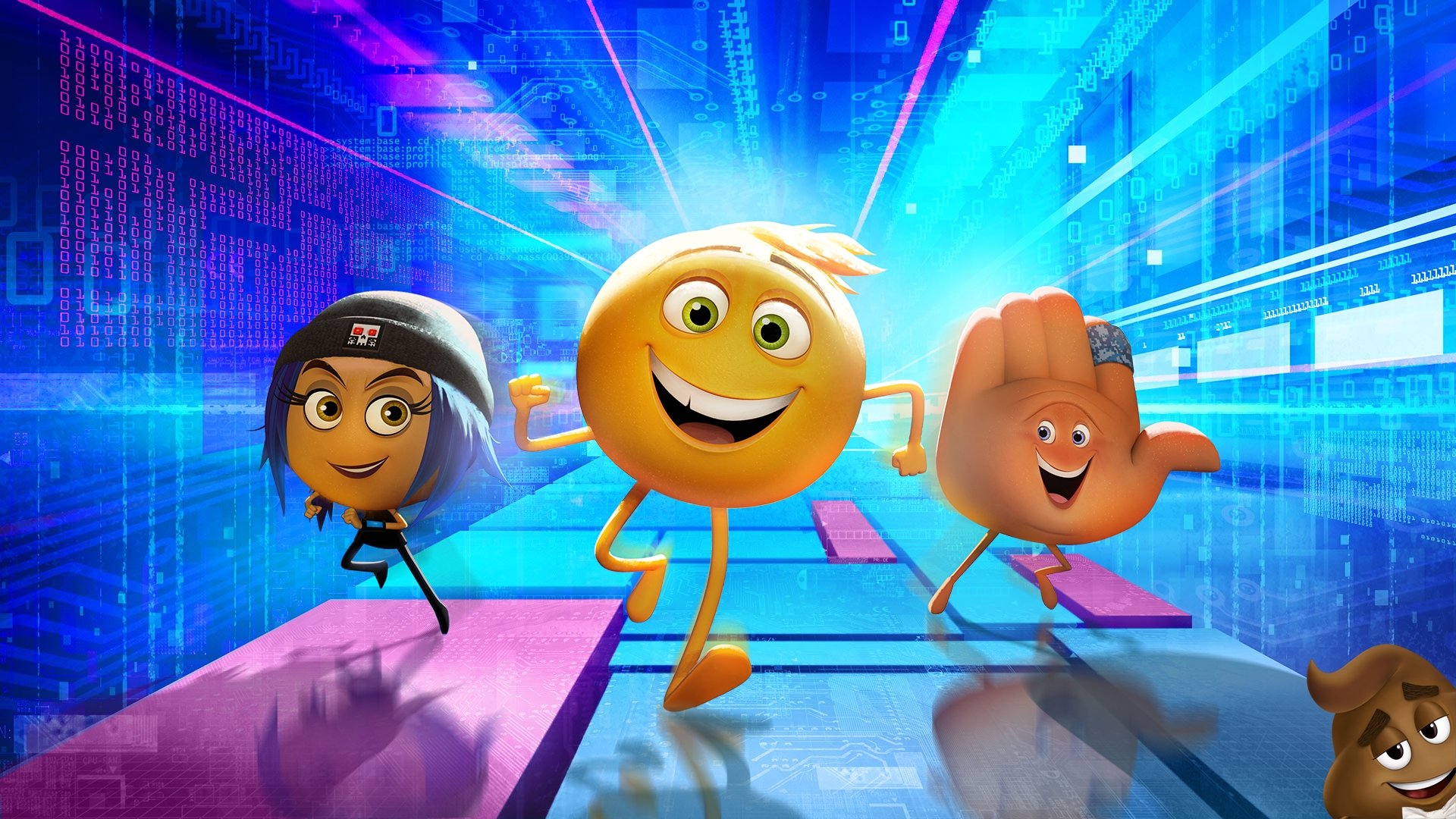
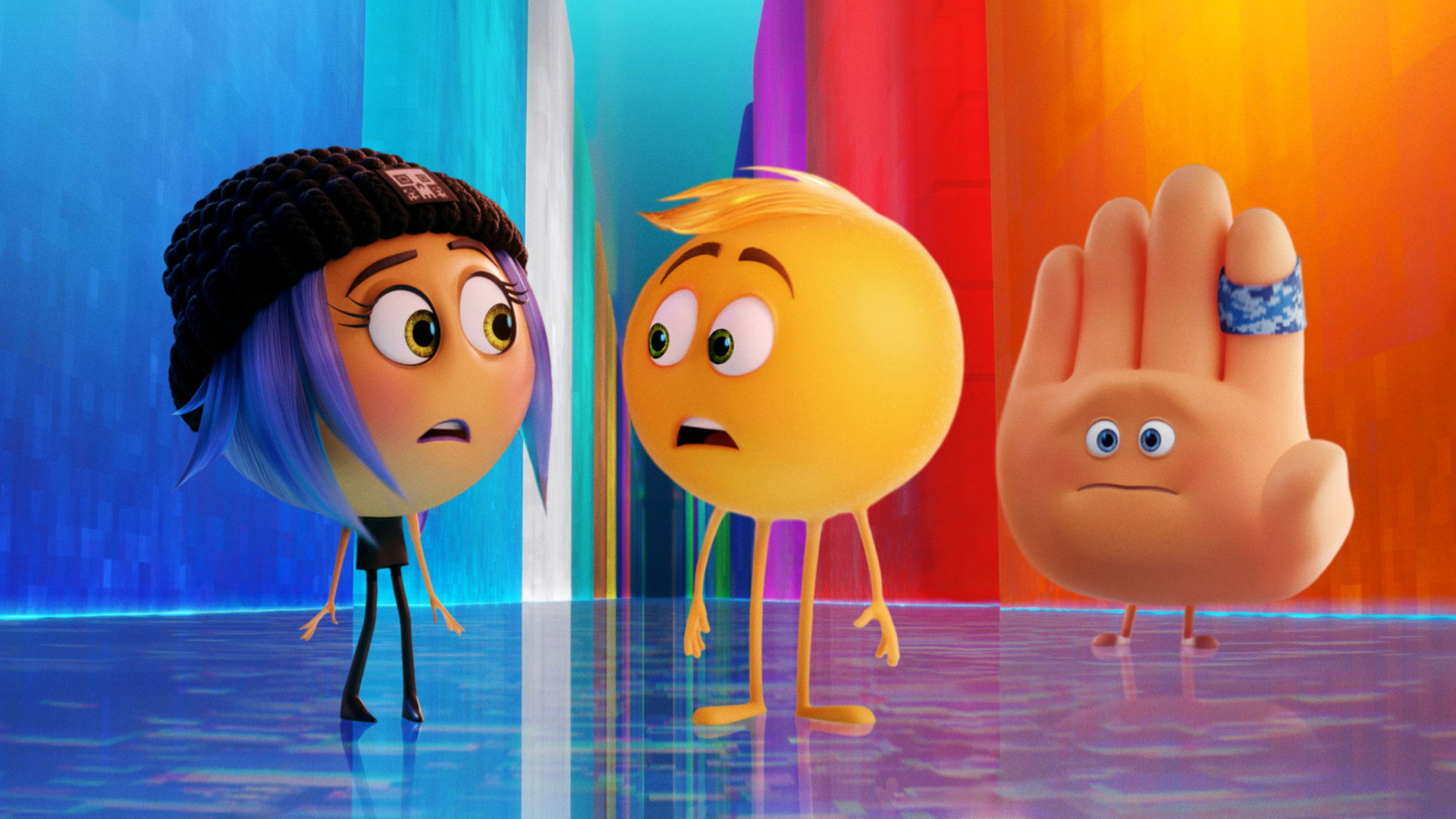
T.J. Miller voices Gene, with James Corden as Hi-5 and Anna Faris as Jailbreak, but none gets enough help from the writing. Their characters are thinly drawn, and the performers cannot make the dialogue feel less preassembled. Maya Rudolph voices Smiler, while Patrick Stewart supplies Poop, a casting decision that seems to expect the credit itself to get a laugh. A capable voice cast has been given too few opportunities to be funny.
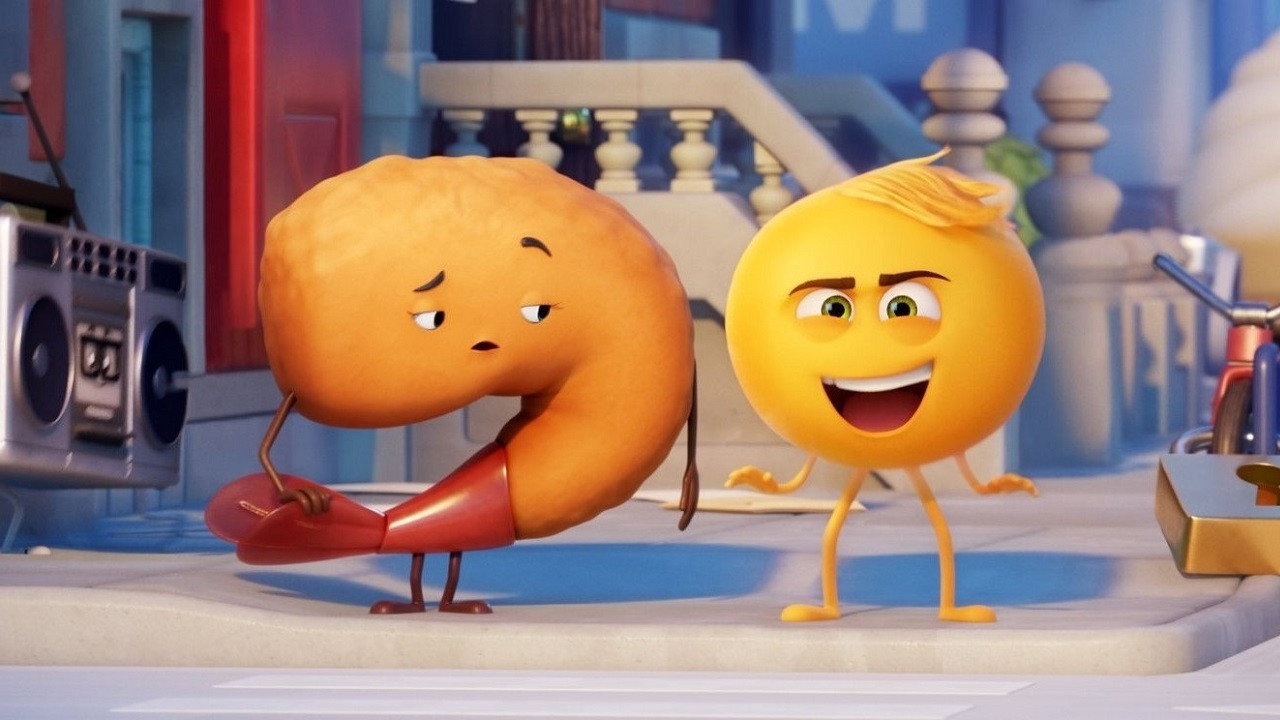
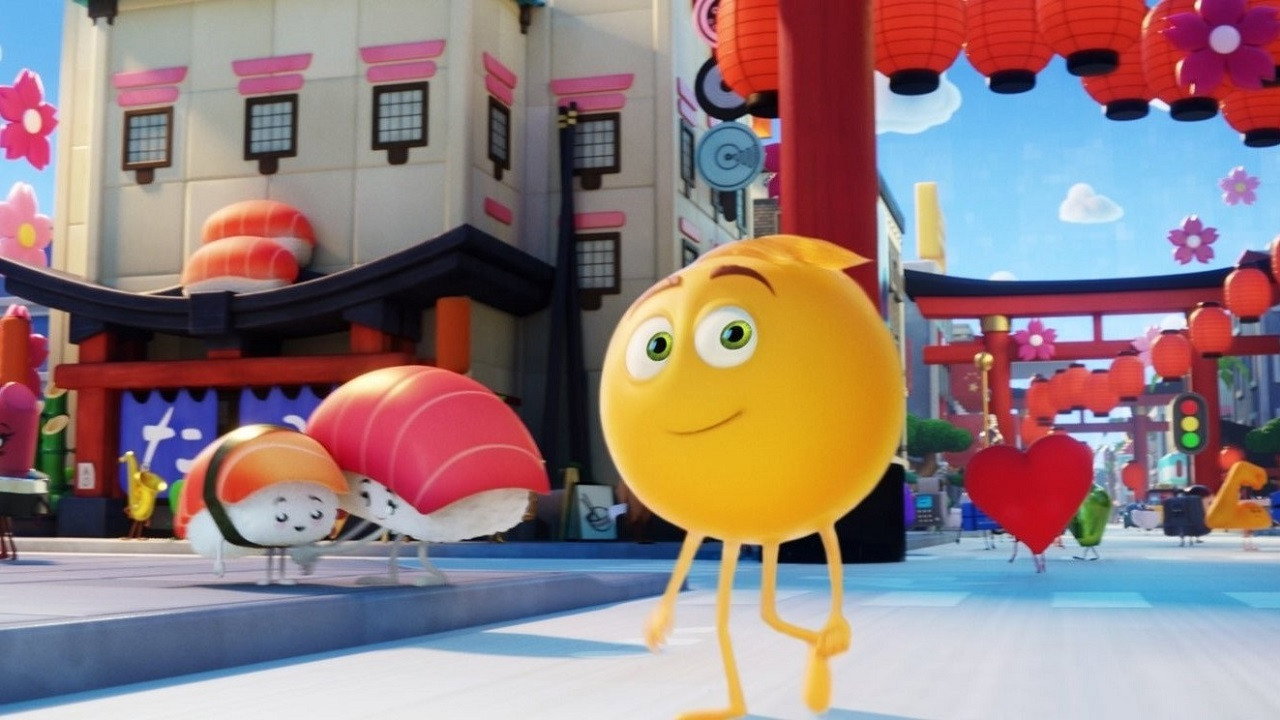
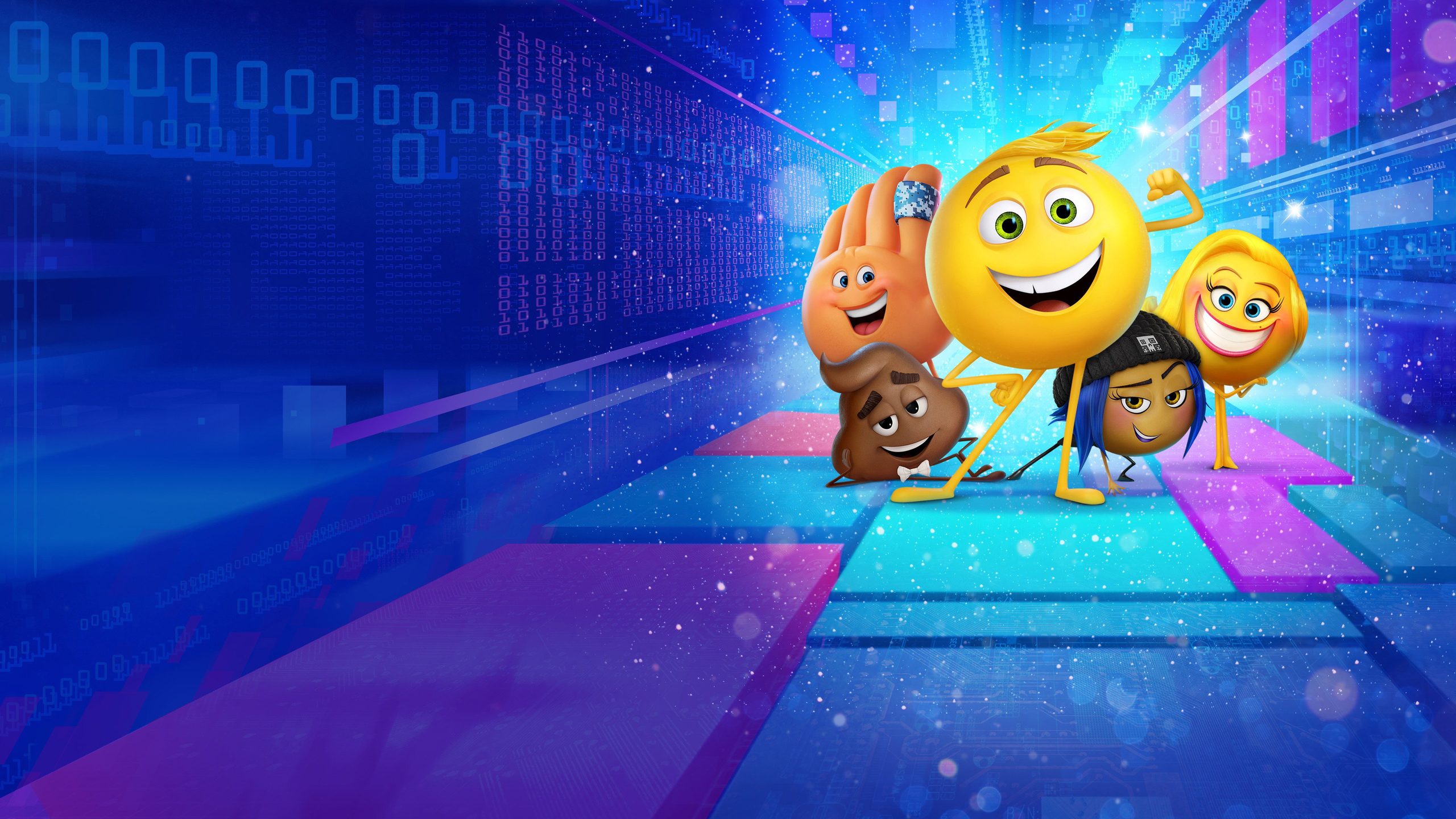
Carlos Zaragoza’s production design makes the inside of the smartphone a bright, busy place, and the changes of scenery have some appeal. For brief stretches, the simple pleasure of animated bodies in motion is enough. The slapstick works better than the conversations, partly because it does not have to stop and announce a lesson. The colours help keep the journey watchable, although the places themselves seldom reward a longer look.
William J. Caparella’s editing keeps the app-hopping moving, but the succession of destinations grows wearing. There is little time to enjoy a situation before the film has another piece of software to visit, and movement alone cannot give the jokes better timing. Patrick Doyle’s music cannot make the adventure involving when the writing has done so little to make its characters matter. The running time is modest, yet the journey feels padded by stops that add little beyond a change of surroundings.
We grew bored with the app tour, then irritated by how much attention Spotify and Dropbox received while the characters remained so thin. Recognisable software is a reasonable thing to find inside a smartphone, and brand names need not prevent a scene from being funny. Here, though, recognition is repeatedly offered as entertainment in itself. Candy Crush is familiar; its appearance still needs a worthwhile joke. The product placement becomes more conspicuous because there is so little else to hold our attention.
An animated family comedy does not need an elaborate plot, but it does need some curiosity about the creatures or objects it has brought to life. This one seems satisfied that talking emojis are enough, and most critics are right to find that thin. There are flashes of competent slapstick and enough colour to occupy a small child for a while. We would still choose something that gives the child a better joke and the accompanying adult a reason to stay.