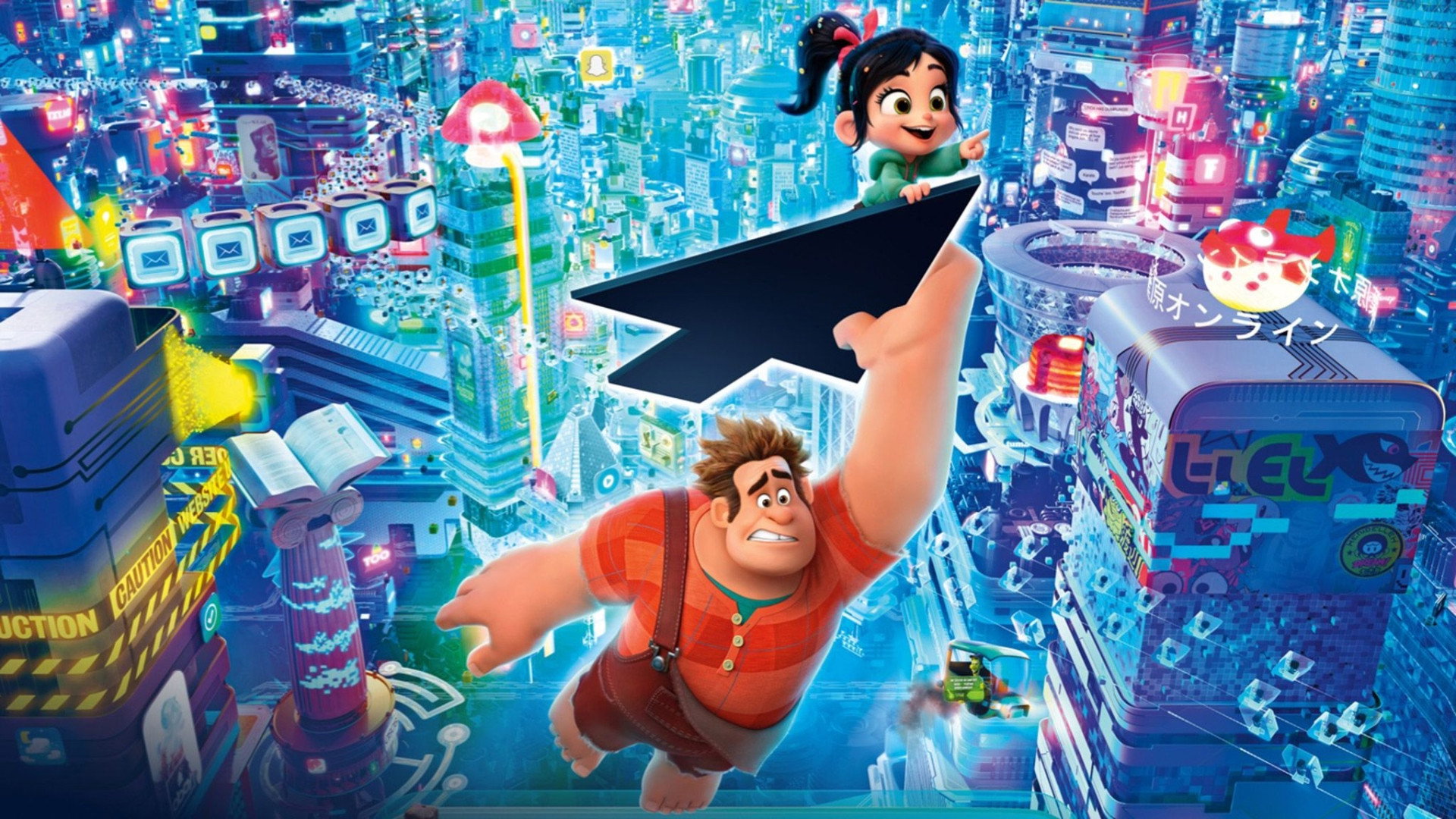
Film review

Wreck-It Ralph

2012 · Directed by Rich Moore · 1h 41m · MPA PG

In a sentenceDisney builds a whole arcade and then spends an hour in the sweet shop

FamilyAnimationComedyAdventure

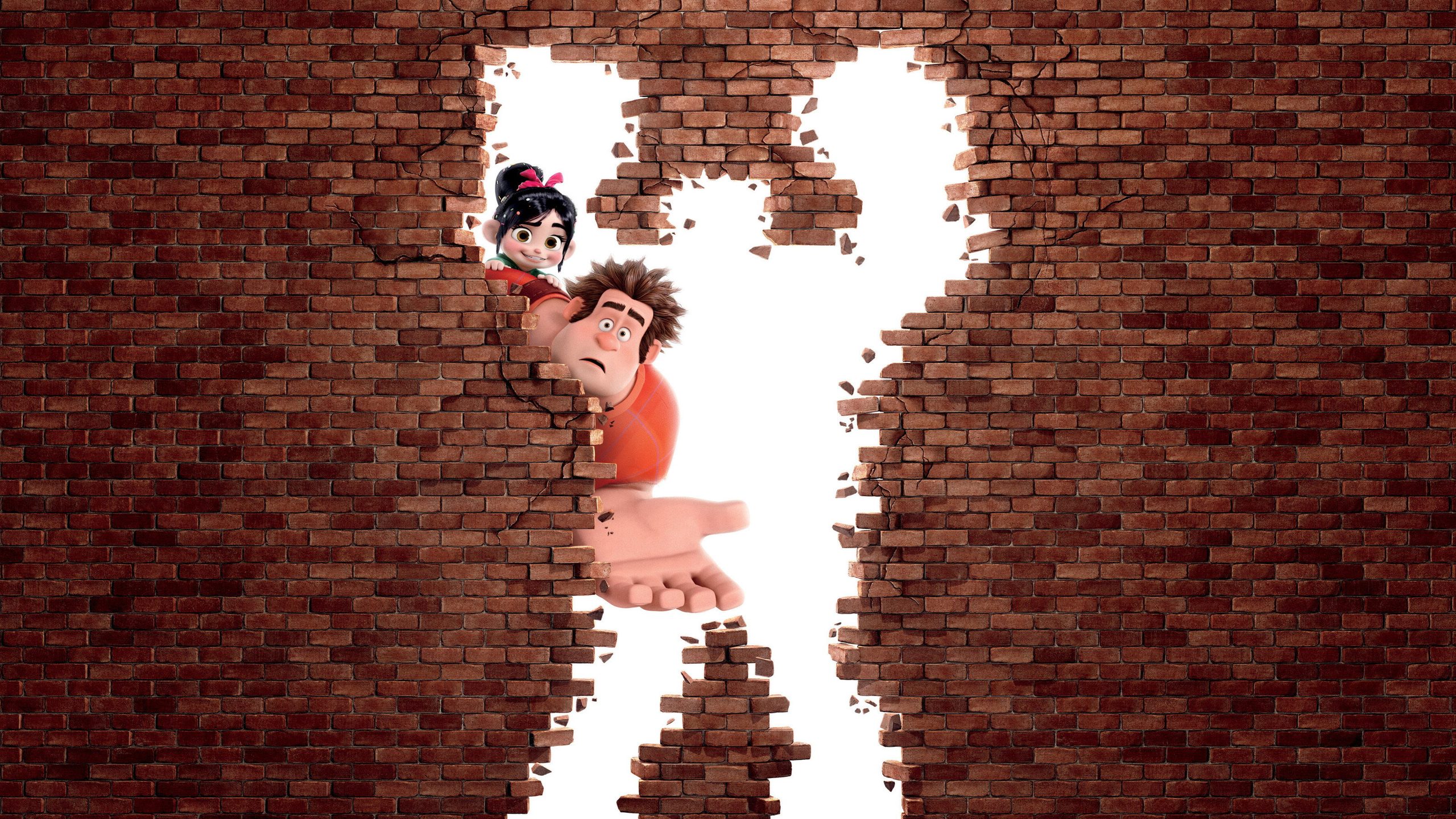
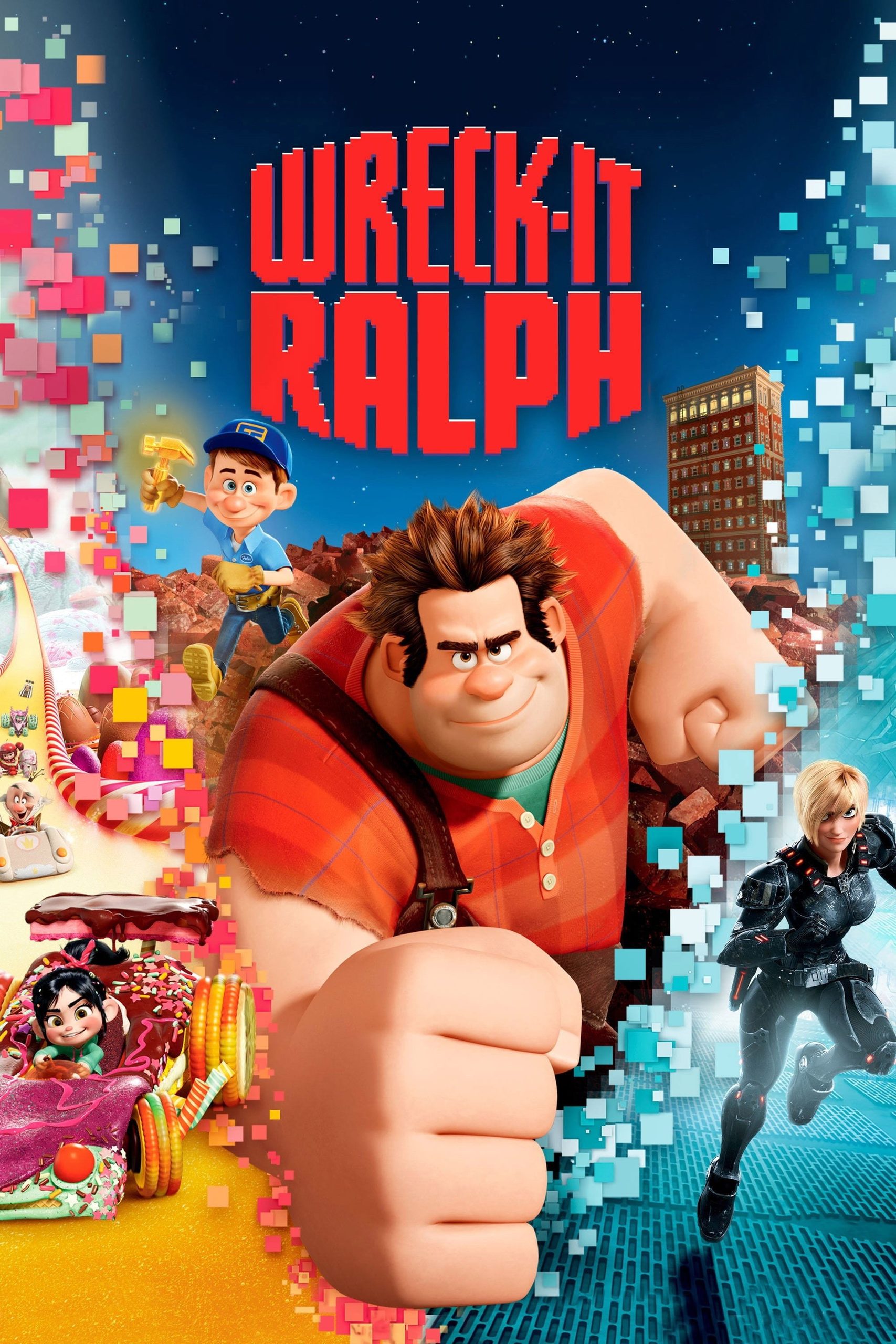
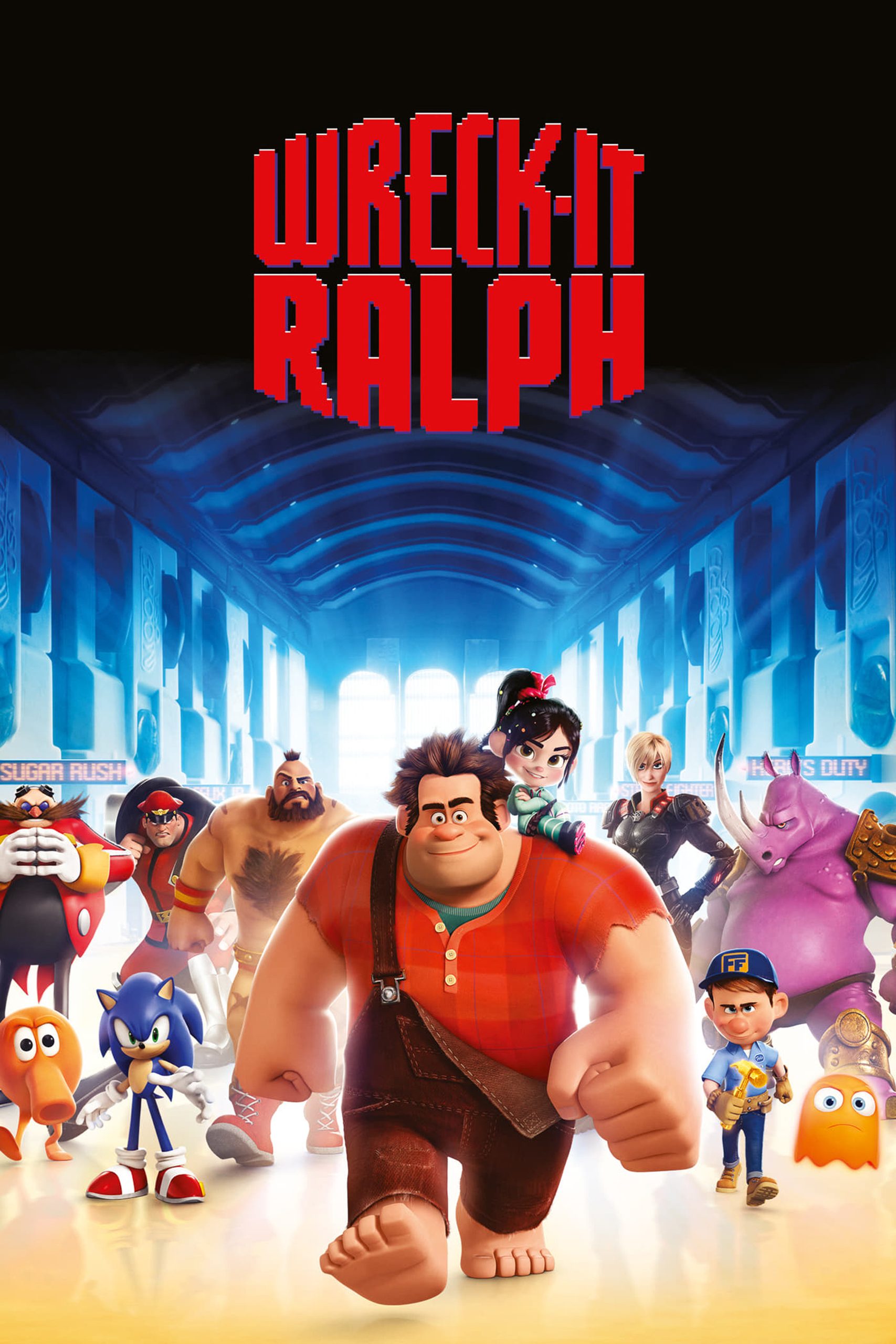
For thirty years Ralph (John C. Reilly) has been the villain of Fix-It Felix Jr., an arcade game in which he wrecks a block of flats every day and Felix (Jack McBrayer) mends it with a golden hammer. When the arcade shuts, the characters go home; Ralph sleeps in a brick dump while Felix gets the penthouse and the party. Ralph wants a medal and a seat at the table. Shut out of the game’s thirtieth anniversary, he leaves through the power strip, Game Central Station, for Hero’s Duty, a shooter commanded by Sergeant Calhoun (Jane Lynch). He takes its medal, crashes into Sugar Rush, a kart race made of sweets, and loses it to a glitch called Vanellope (Sarah Silverman).

Plays from YouTube when you press play; nothing loads from them until then.

Fi1m review

Rich Moore’s arcade comedy has a first half hour as inventive as anything Disney has made in years, then settles into a kart race through a land of sweets that is pleasant and rather long. Reilly and Silverman carry it.

Rich Moore’s film starts from an idea good enough to carry a whole picture: when the arcade shuts, the characters go home. They commute between cabinets through the power strip, drawn as a railway terminus. The villains hold a support group and recite a pledge about being bad and being at peace with it. Ralph (John C. Reilly) has spent thirty years wrecking a block of flats so that Felix (Jack McBrayer) can be cheered for mending it, and he has had enough. He wants a medal. The film is good, and it is best in its first half hour.

That half hour is close to delightful. Mike Gabriel’s designs give each game its own rules of movement. In Fix-It Felix Jr. the tenants jerk about in a handful of frames and the trees are square; in Hero’s Duty, the shooter next door, everything is gunmetal and glare and the soldiers never stop barking; the station between them is a grey hall of arrivals boards and security guards. The jokes come fast and most of them land. Zangief, voiced by Moore himself, explains to the group that he crushes skulls between his thighs and is not a bad guy. We laughed a good deal, and then the film left the arcade.

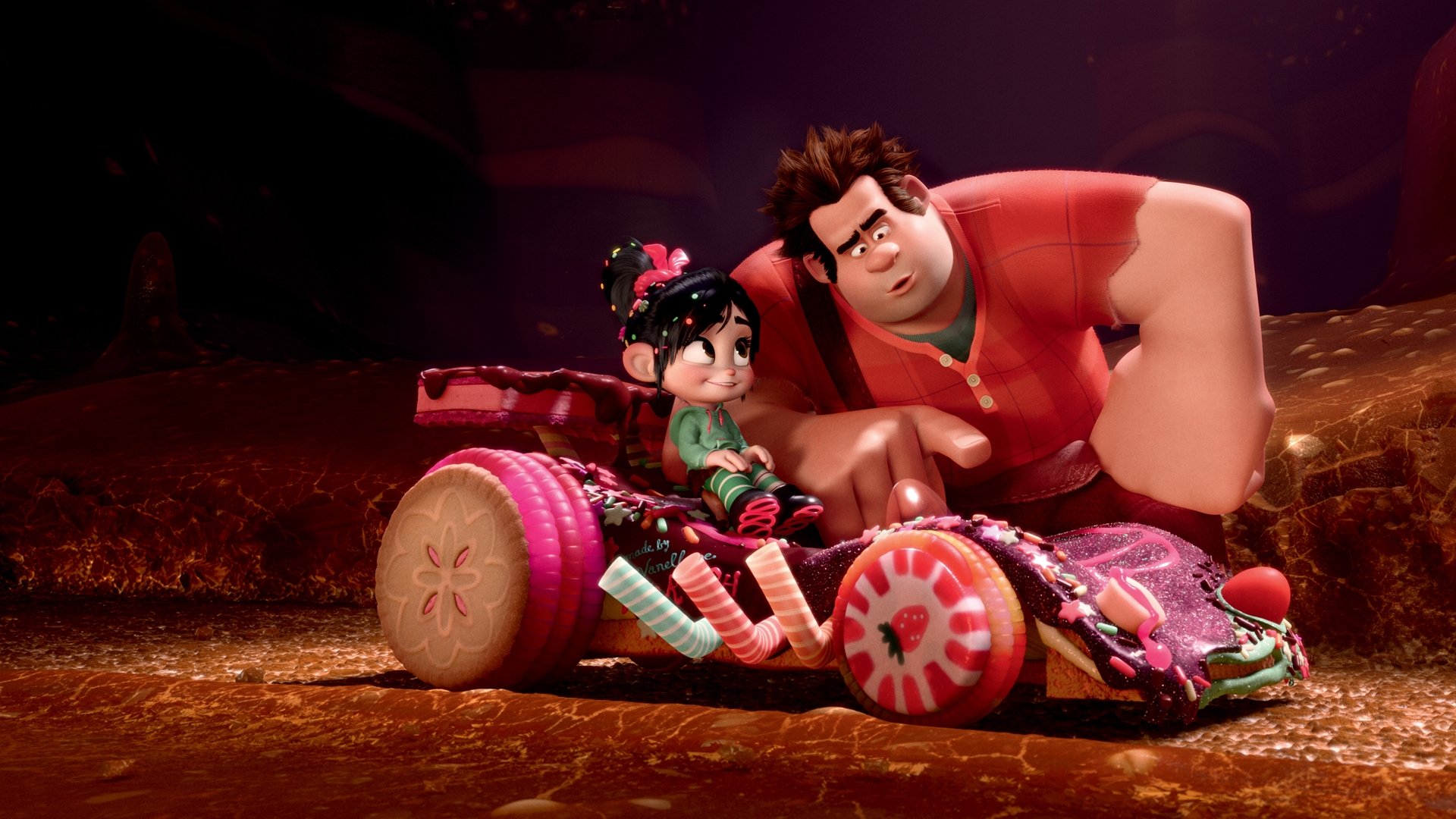
It leaves for Sugar Rush, a kart-racing game built out of sweets, and it stays there for the better part of an hour. The place is pretty: forests of candy canes, a swamp of chocolate, a track of icing. It is also far less interesting than what has just been abandoned. The gags narrow to confectionery and the plot narrows to a race, and a race has one shape. Somewhere past the hour we realised we had stopped laughing and started waiting, which is not what we expected from a film that opened with a Pac-Man ghost running group therapy.

What holds it together is the pairing at its centre. Reilly plays Ralph with a heavy, tired patience, a big man who has learned to stand at the back, and he never once asks to be liked. Sarah Silverman gives Vanellope, the glitch who steals his medal, a rasp and a motormouth and no manners at all, and the two bicker like an old couple within minutes of meeting. There is a scene in which they build her a kart together and it comes out lopsided and daubed and wrong, and she is thrilled with it. It moved us more than we had bargained for, because it is the first time in thirty years Ralph has made something instead of breaking it, and Reilly plays the pride almost in silence.

The supporting voices are well chosen. Jane Lynch plays Calhoun as a drill sergeant who cannot switch off, and her stiff courtship with McBrayer’s Felix is the film’s second-best joke. Alan Tudyk gives King Candy, the giggling, lisping ruler of Sugar Rush, a patter out of old vaudeville. Mindy Kaling’s Taffyta Muttonfudge leads the racers who bully Vanellope, and that scene is nastier than the sugar around it suggests.

Henry Jackman’s score is smarter than it needs to be: bleeps and chiptune inside Ralph’s own game, full orchestra once he crosses the strip, and the join is never fumbled. Tim Mertens cuts the race with a game’s rhythm, dropping now and then into the players’ view of the screen, so that for a second we are the children with the coins. Jennifer Lee and Phil Johnston’s script is neat about its rules and clear about what the medal means to a man who has never been thanked.

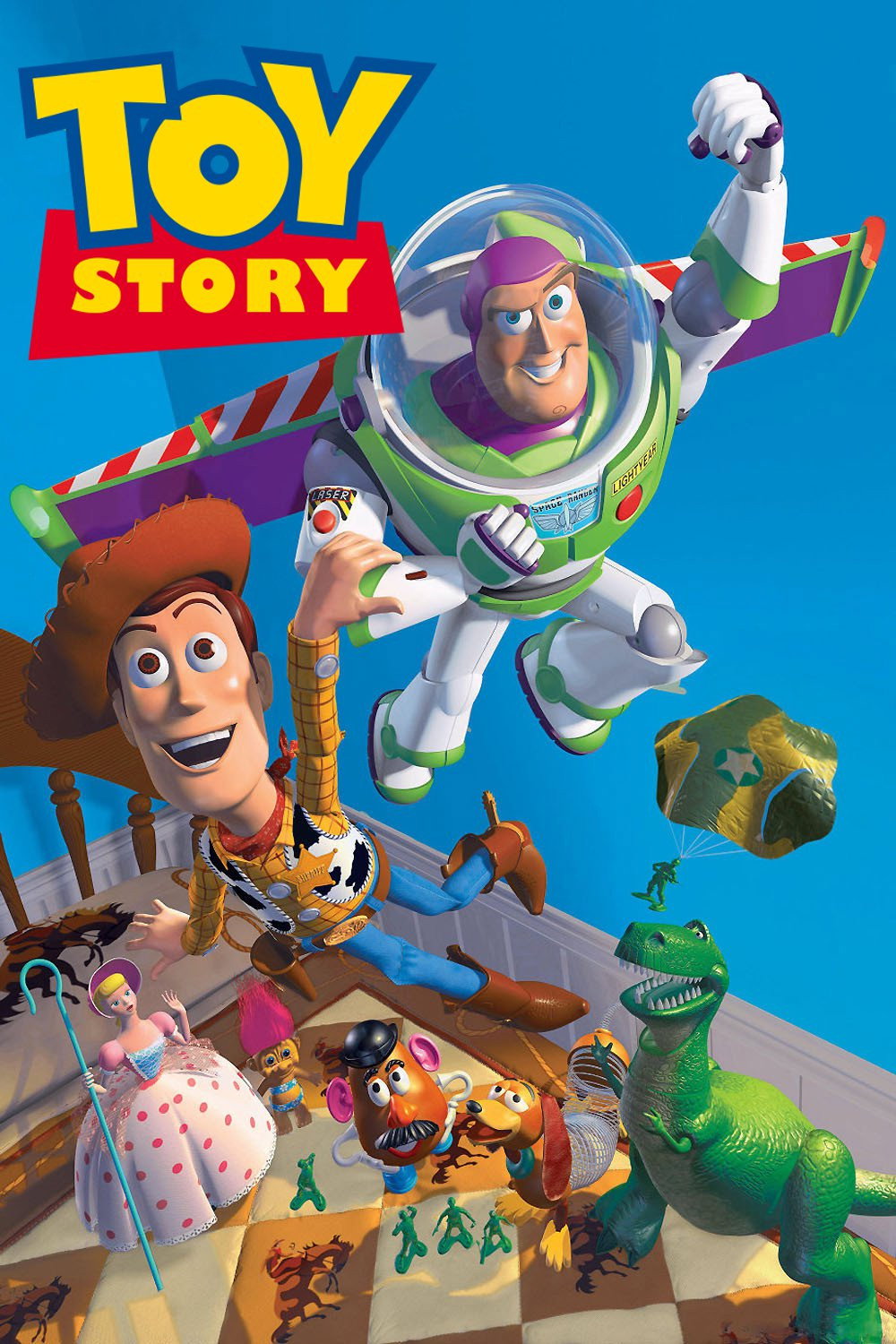
The comparison the film invites is with Pixar. Toy Story (1995) asked what toys do when the child is out of the house; this asks what games do when the arcade shuts, and it knows we will notice. The difference is that Toy Story never left its world; this one swaps its arcade for a sweet shop.

It runs 101 minutes and carries a PG, and children will have no trouble with any of it. Adults who put coins into these machines in 1985 will get most of the jokes and feel a small drop when the racing starts. Watch it for the first half hour, for Reilly, and for the kart. The race you can leave to the children.

Critical consensus AI synthesised

68
Positive
11
Mixed
4
Negative
2

Most critics like Wreck-It Ralph, and the praise gathers around the same two things: the premise, in which arcade characters live full lives behind the screen, and the voice cast, with John C. Reilly’s Ralph and Sarah Silverman named again and again. The mix of animation styles across the different game worlds is admired almost everywhere, as are the 8-bit in-jokes and cameos, which several reviews say land for parents as much as children.

The reservations cluster in the second half. Several critics say the film leaves its best idea behind once it settles in the sugary Sugar Rush world, and that the closing race and chase run long. The spread is wide: a minority find the nostalgia exhausting and the story predictable, and The Guardian and Little White Lies go further, the first calling it a meticulous oddity that never comes alive, the second a cynical film that reduces its premise to a lesson about accepting one’s lot.

Variety
25 October 2012 · Peter Debruge
90*

The review commends the film's brilliant concept, gorgeous execution, nostalgic appeal to multiple generations, and strong voice cast that delivers genuine emotion alongside inventive game-world homages.

Read the full review →
The New York Times
2 November 2012 · A.O. Scott
85*

The review celebrates the film's blend of nostalgia for 1980s arcade games with fresh storytelling and strong voice performances, calling it an ingenious and fun Disney animation that overcomes initial cynicism.

Read the full review →
Los Angeles Times
1 November 2012 · Betsy Sharkey
80*

The critic highlights the film's clever subversion of video game tropes, its retro-meets-modern visual style, and the heartfelt performances that give the story emotional depth alongside its humor and action.

Read the full review →
Screen Daily
29 October 2012 · festival review
80*

A nostalgic affection for vintage gaming and an openhearted family-friendly story of self-acceptance and friendship are skillfully interwoven in this very fun and engaging adventure. The standout concept and blend of animation styles are highlighted as chief selling points.

Read the full review →
RogerEbert.com
31 October 2012 · Roger Ebert
75*

The critic praises the film's creative premise of video game characters coming to life and its inventive art design across different game worlds, while noting that the story builds to an overly long race and chase sequence.

Read the full review →
Empire
13 June 2011 · Simon Crook
70*

The film is a videogame itself, full of in-jokes, cameos and 8-bit affection, with a lovable lead in John C. Reilly's Ralph. It dips into formula in the middle but recharges with inventive action and humour for a strong finish.

Read the full review →

Cast

Awards

Academy Awards, 2013

Nominated
Best Animated Feature

BAFTA Film Awards, 2013

Nominated
BAFTA's Children & Young People Award - Feature Film

Kids' Choice Award for Favorite Animated Movie, 2013

Won
Kids' Choice Award for Favorite Animated Movie

Annie Award for Best Animated Feature, 2012

Won
Annie Award for Best Animated Feature

Critics' Choice Awards, 2012

Won
Best Animated Feature

If you liked this, try…

Toy Story poster92

Toy Story

1995 · The film this one is answering; toys instead of games, and a tighter grip on its world.

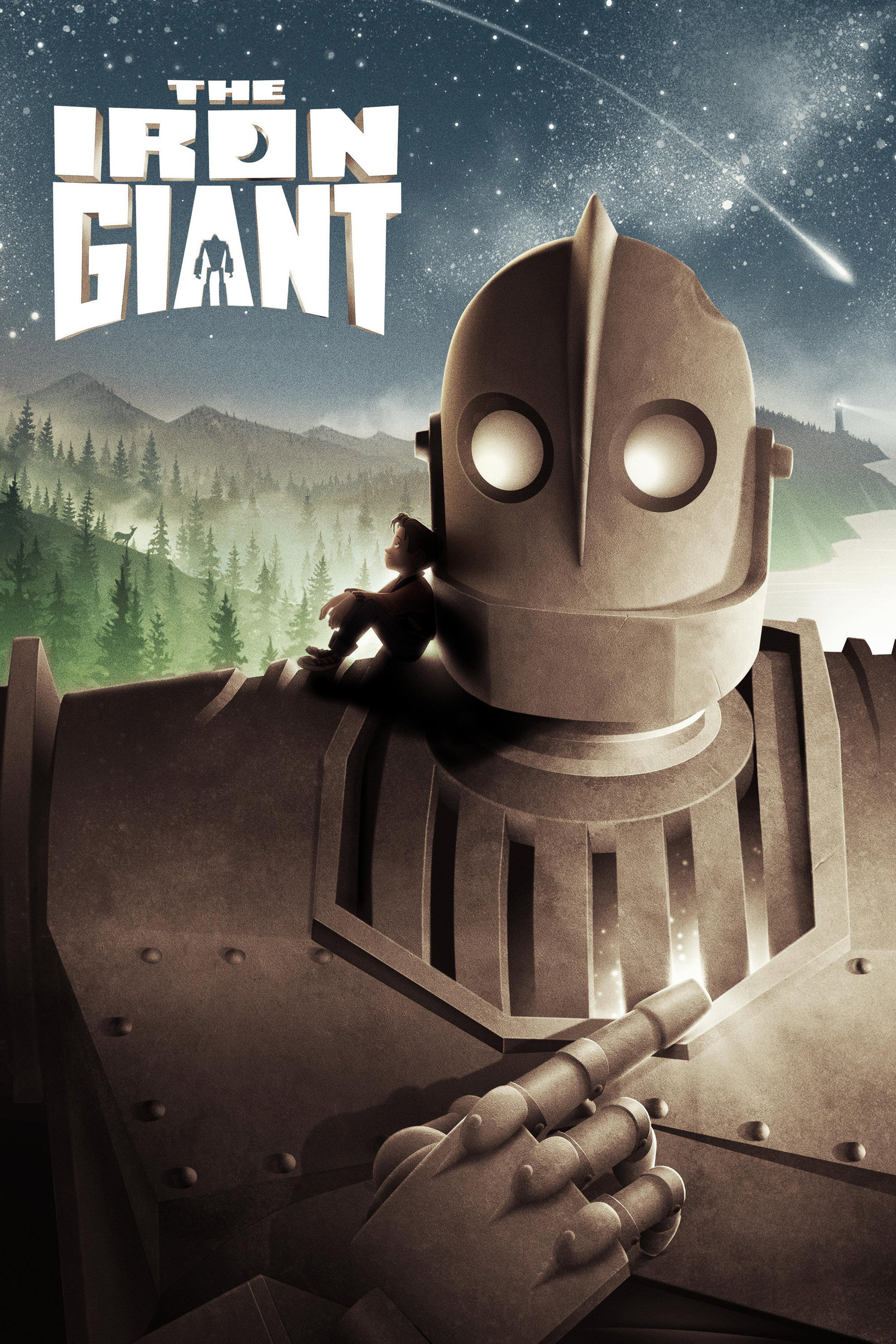
The Iron Giant poster88

The Iron Giant

1999 · Another big thing built to destroy that would rather not; quieter, and it stays quiet.

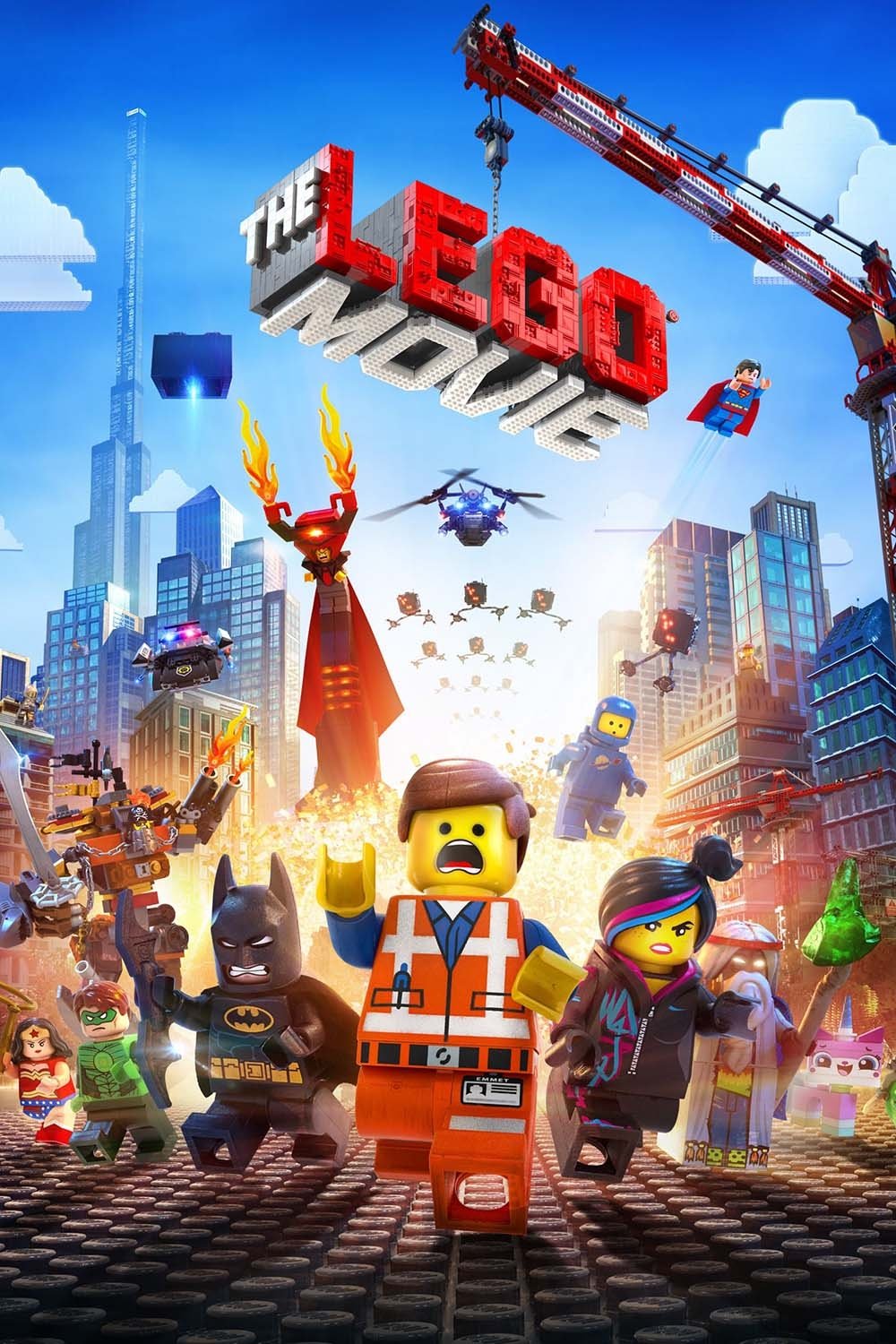
The Lego Movie poster83

The Lego Movie

2014 · The same trick with bricks, faster jokes, and it never loses sight of its toy box.

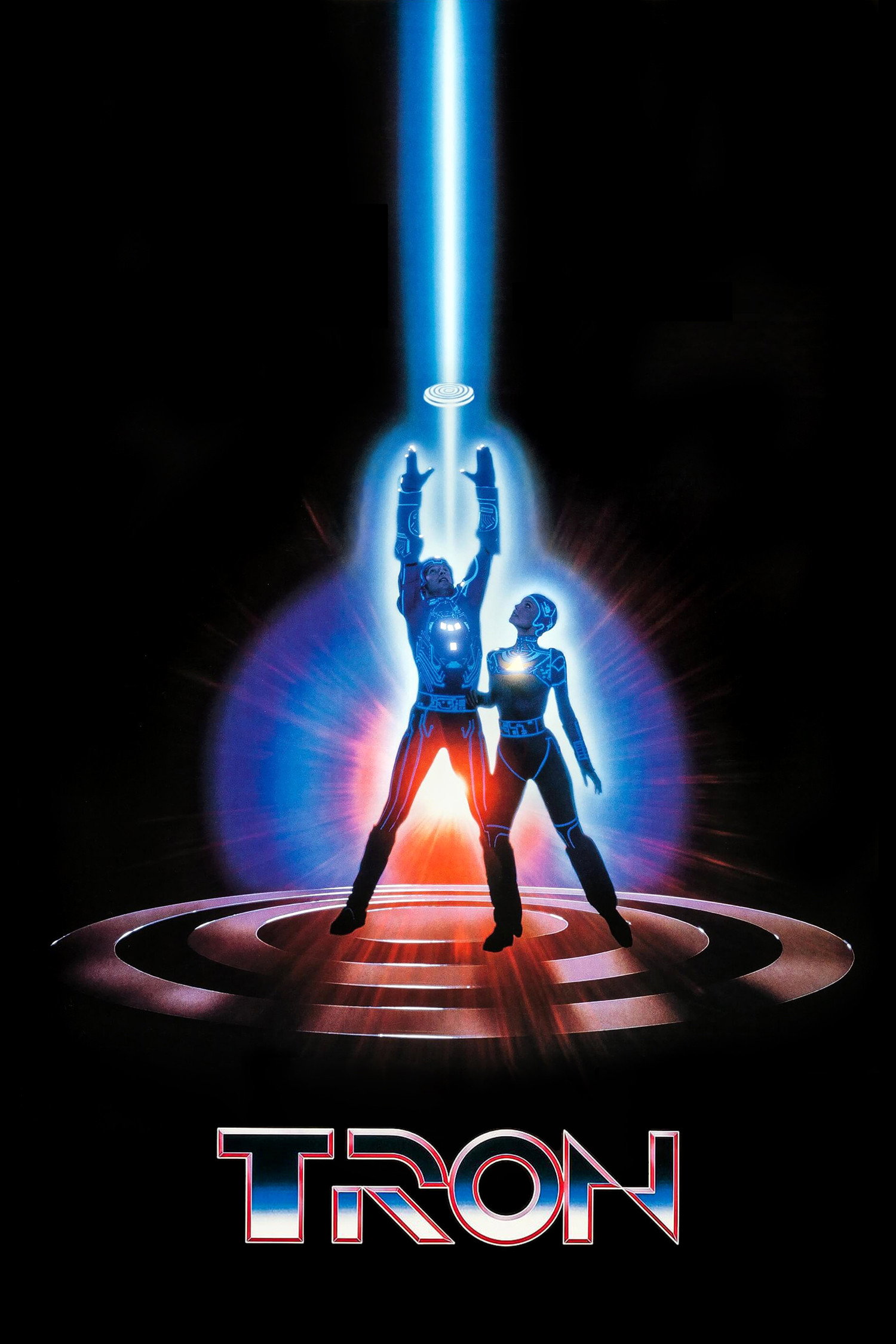
Tron poster

Tron

1982 · Inside the machine thirty years earlier; slower, stranger, and the light cycles still work.

Summer Wars poster

Summer Wars

2009 · A Japanese family and an online world going wrong; warmer than it sounds, and drawn with care.