Film review

Toy Story

1995 · Directed by John Lasseter · 1h 21m · MPA G

In a sentenceThe toys have come to life, and apparently they need a mediator

FamilyComedyAnimationAdventure

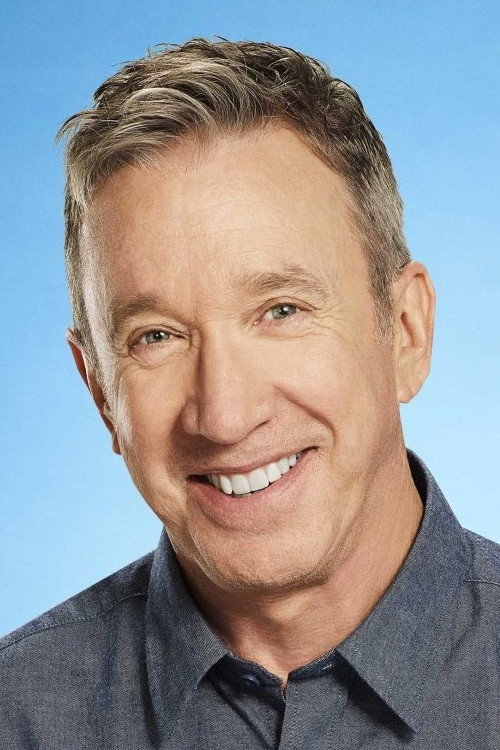
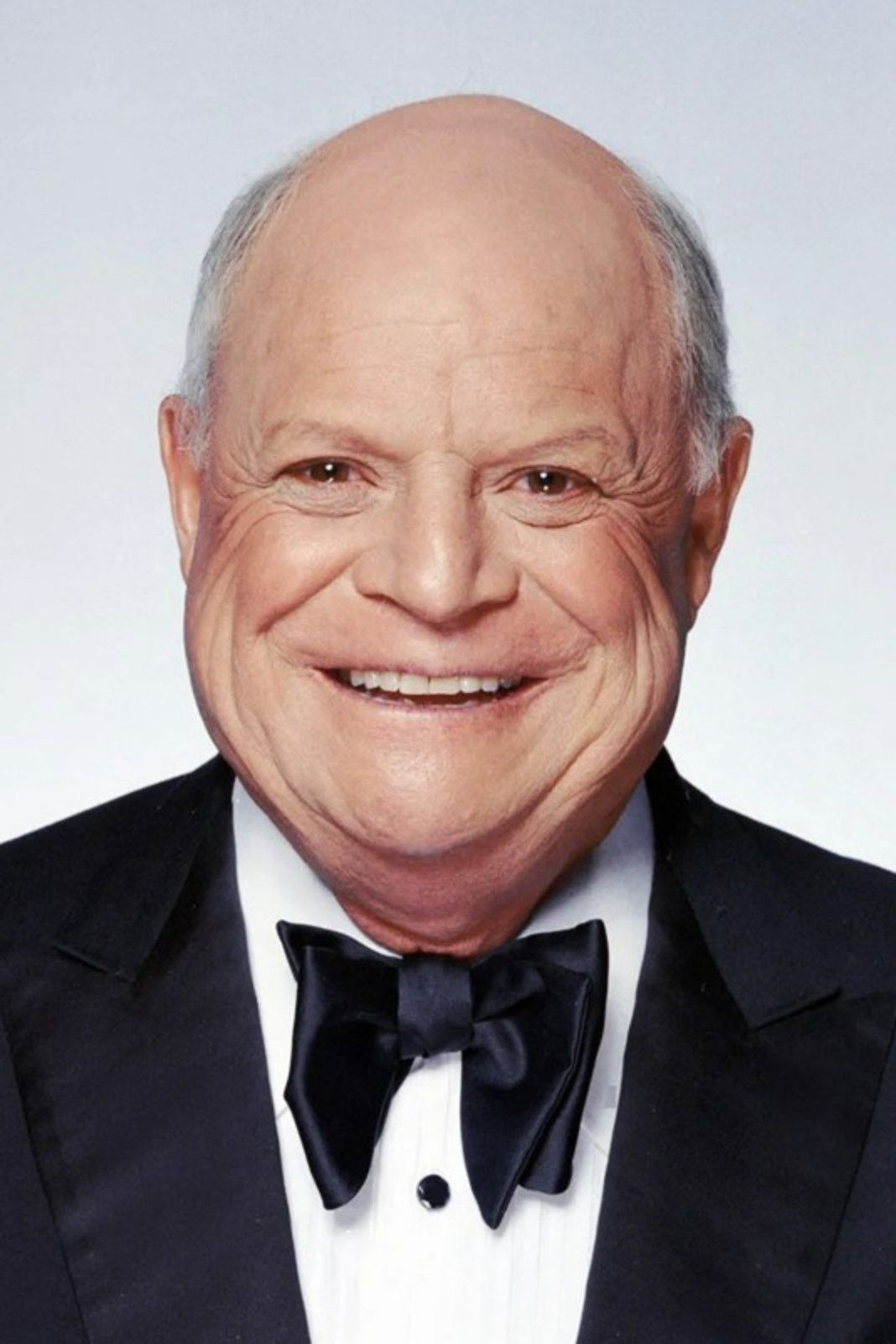
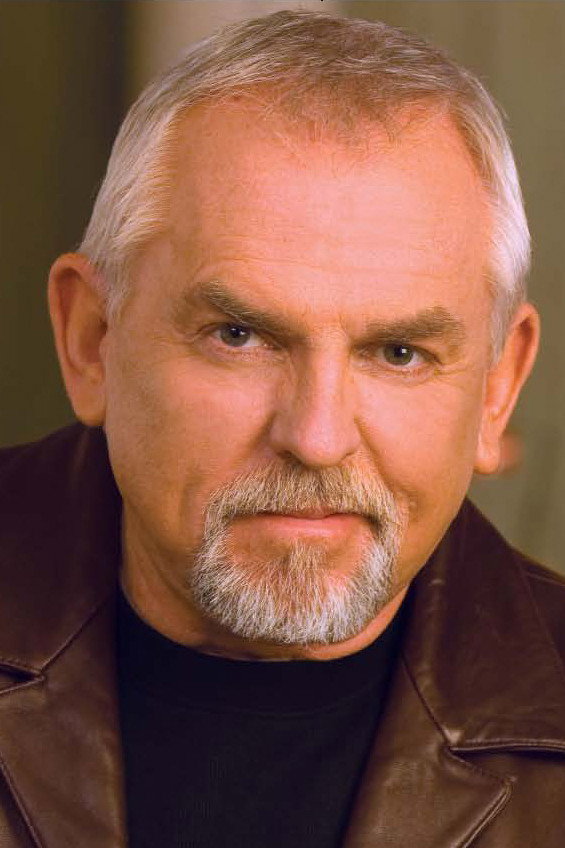
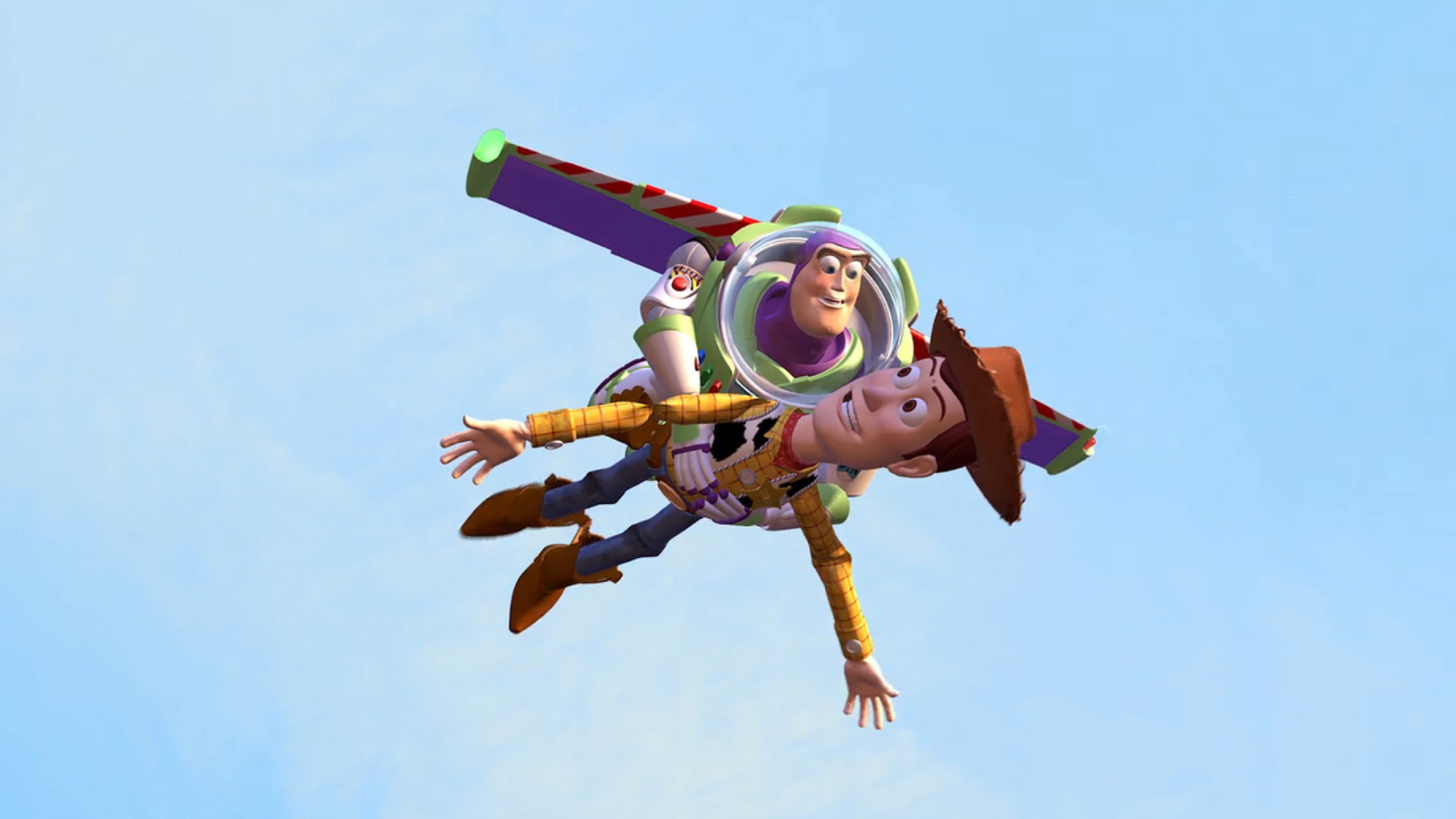
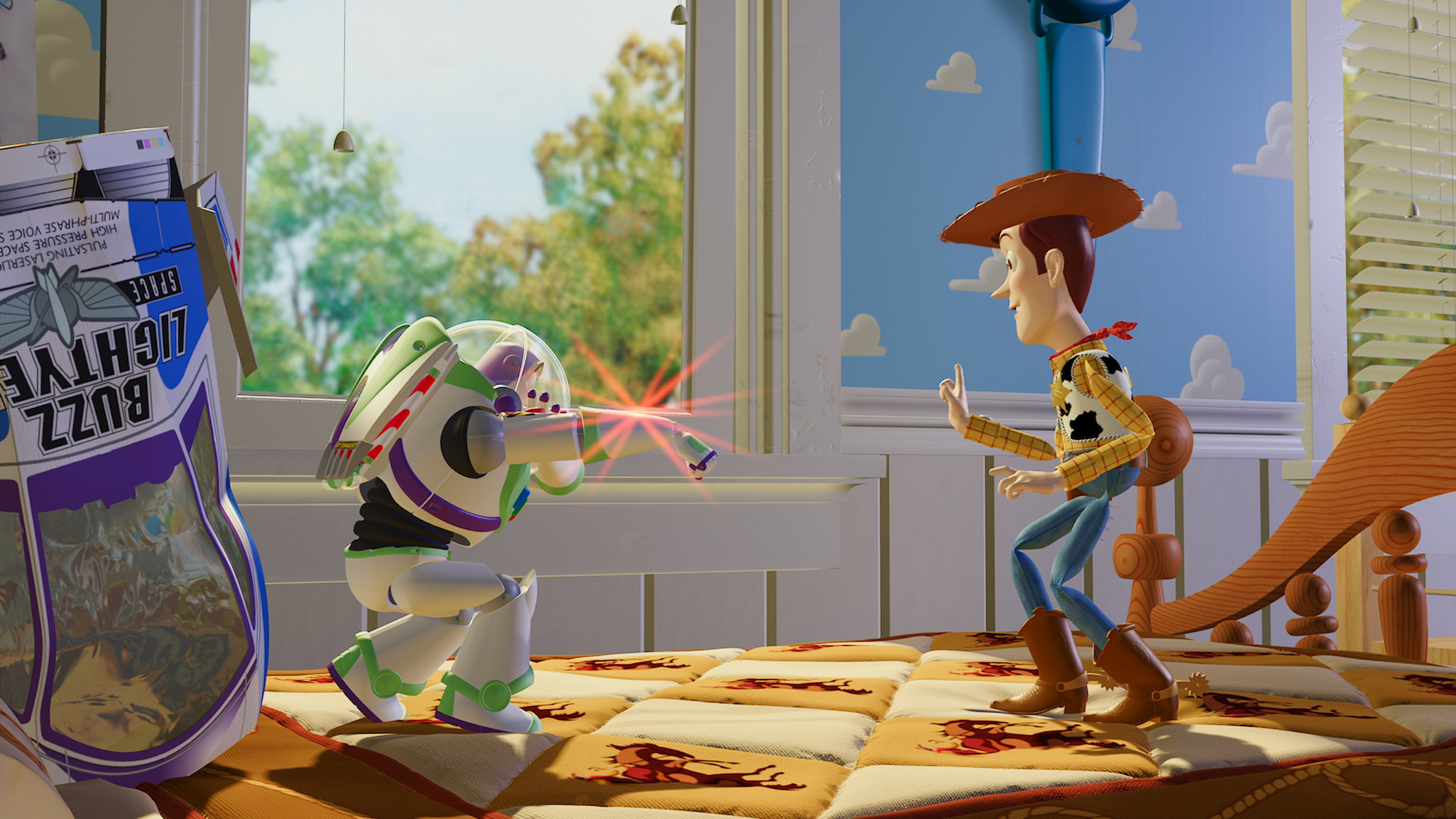
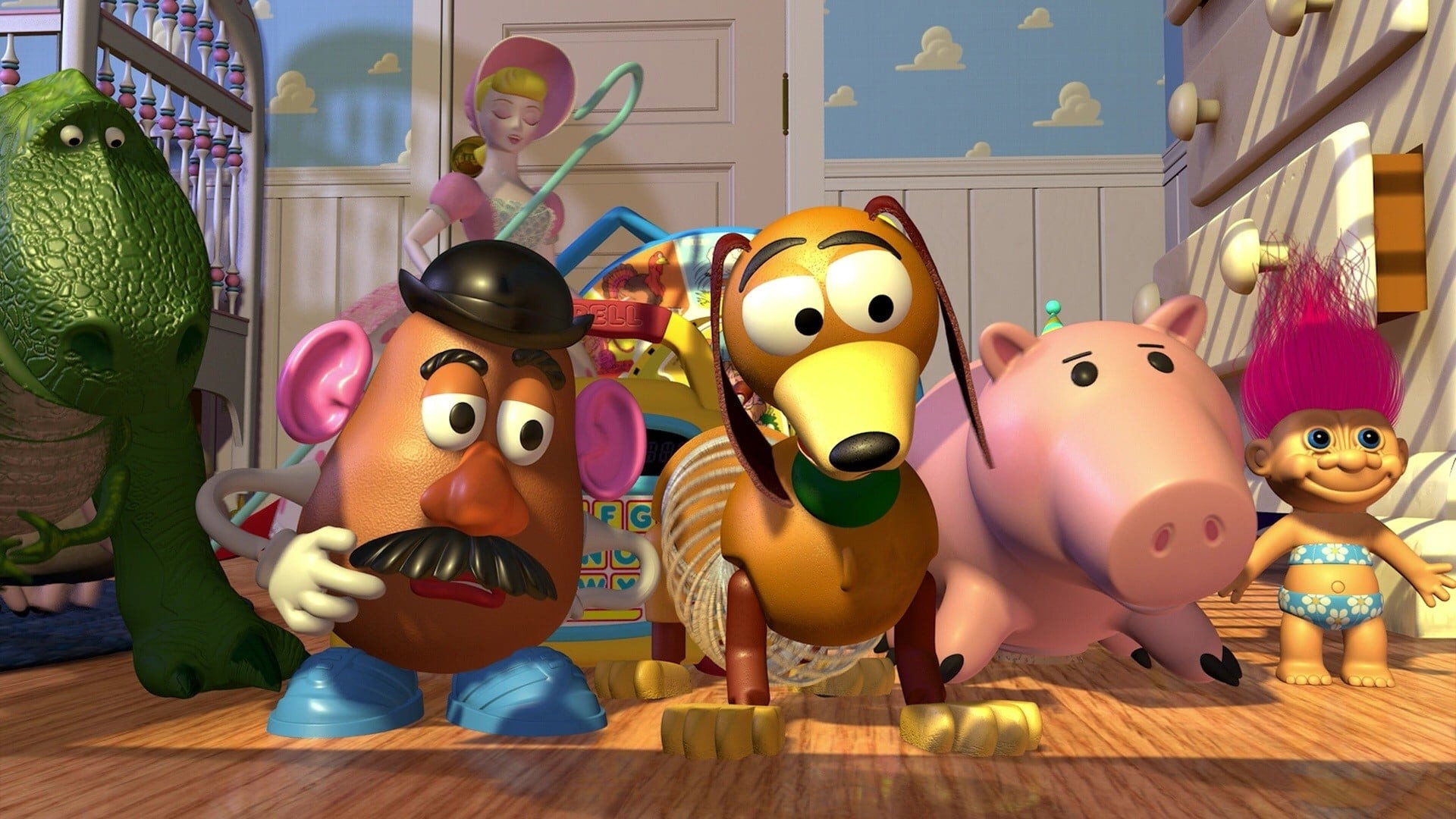
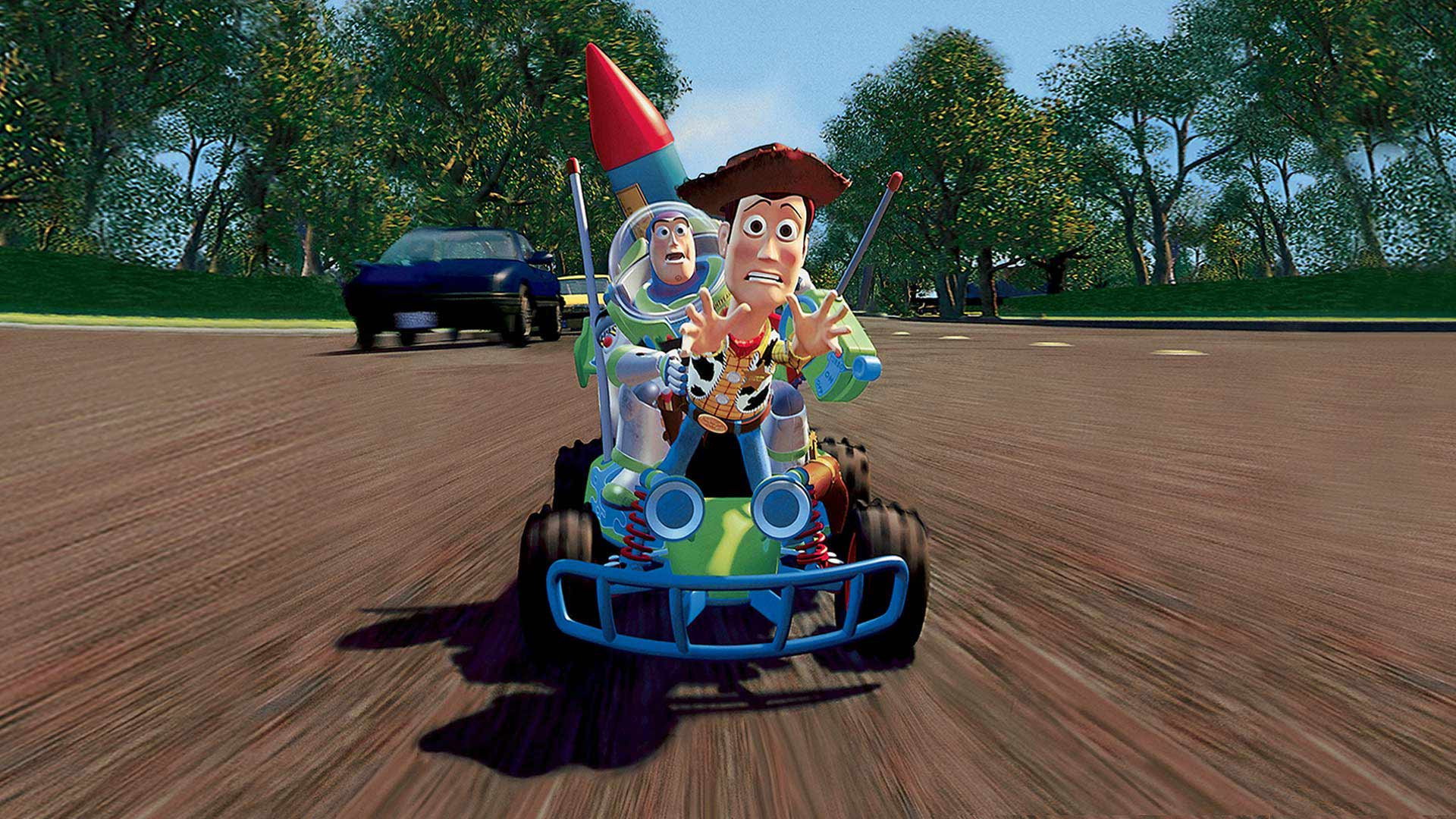
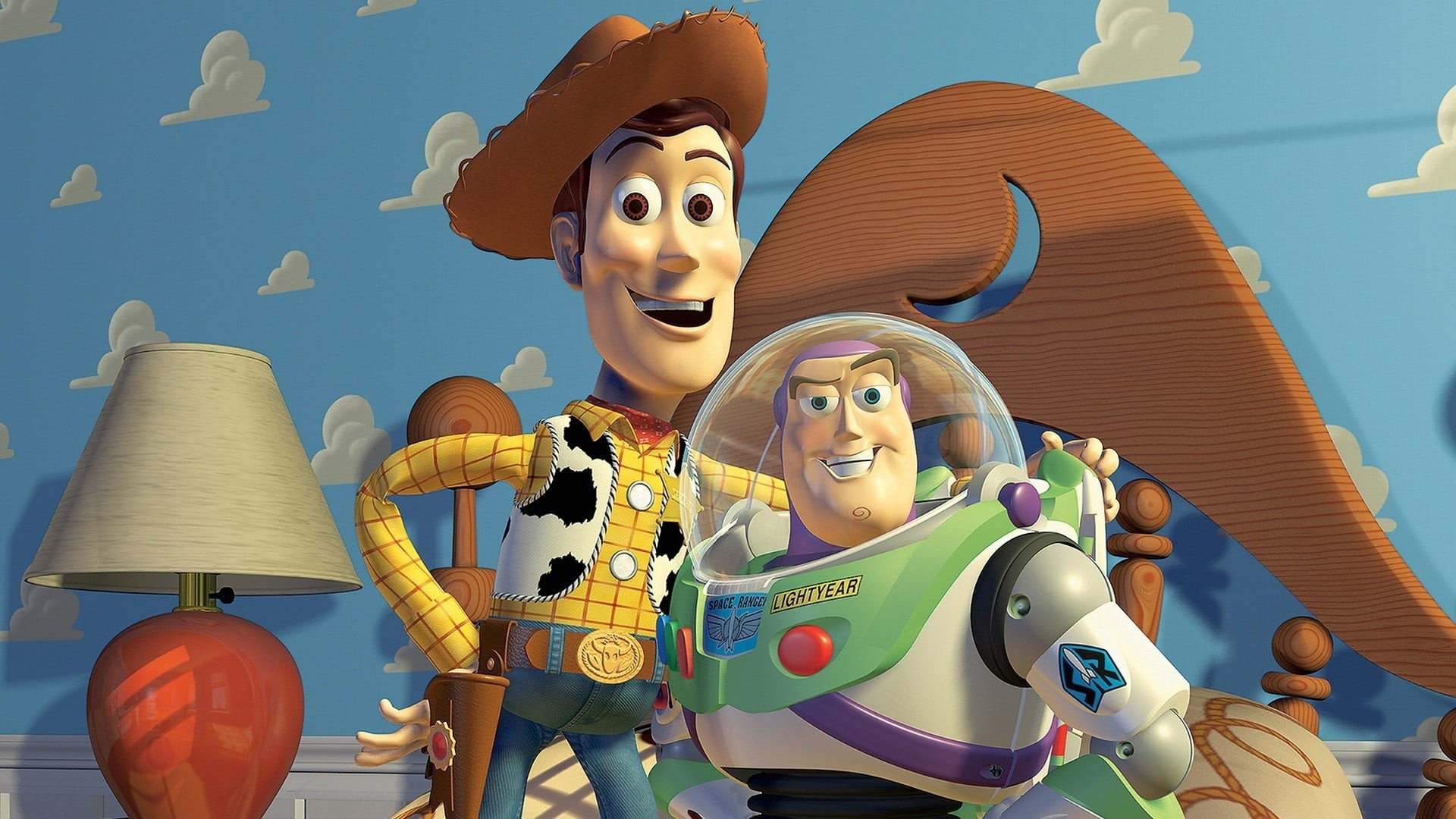
Toys come to life, bringing human habits and disagreements into a suburban adventure. Woody (voiced by Tom Hanks) and Buzz Lightyear (Tim Allen) are rivals, and their struggle to get along sits at the centre of a story about the lives playthings lead. Around them are Mr. Potato Head (Don Rickles), Slinky Dog (Jim Varney), Rex (Wallace Shawn), Hamm (John Ratzenberger) and Bo Peep (Annie Potts). John Lasseter directs this animated family comedy, in which the toys’ quarrels echo the tensions of family life.

Plays from YouTube when you press play; nothing loads from them until then.

Fi1m review

John Lasseter’s Toy Story is funny, tightly made and unusually good at making awkward characters worth caring about. Randy Newman’s music sometimes overstates things; the quarrelling voices of Tom Hanks and Tim Allen need little help.

Toy Story knows how quickly a quarrel can become the most important thing in a household. John Lasseter lets the rivalry between Woody and Buzz Lightyear drive an animated adventure, giving their disagreements the attention usually reserved for a family falling out. It is a funny, economical comedy that takes childish feelings seriously. We would recommend it to people who usually leave animation to the children.

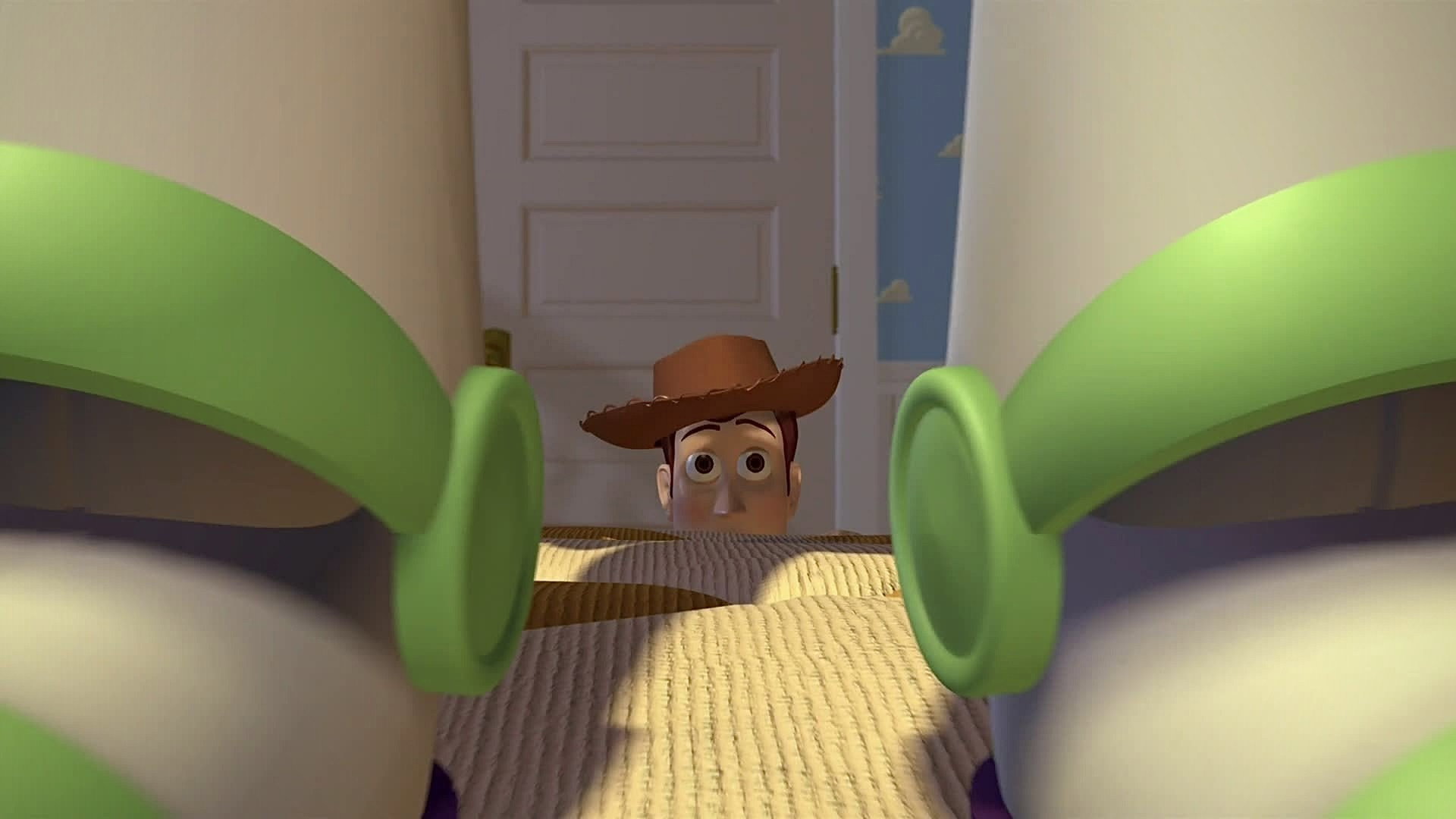
Tom Hanks makes Woody’s irritation sound like something he has spent time justifying to himself. There is warmth in the voice, but Hanks can tighten it until every apparently sensible objection begins to sound personal. Tim Allen’s Buzz is a fine source of further irritation: the delivery is so assured that Woody has almost nothing useful to argue with. We laughed at that mismatch, then felt for Woody, because Hanks lets the effort of sounding reasonable become painfully audible.

Joss Whedon, Joel Cohen, Alec Sokolow and Andrew Stanton’s screenplay trusts a family audience to recognise pettiness without pausing to explain it. The adult jokes sit comfortably inside a story whose central disagreement a child can understand. Don Rickles gives Mr. Potato Head a useful sharpness, while Wallace Shawn’s Rex has the worried sound of someone already regretting joining the conversation. Both make the toys around Woody and Buzz worth listening to, which helps keep the central quarrel from swallowing the comedy.

The computer animation gives the toys a satisfying solidity; we can imagine picking them up. That matters when they start behaving badly, because their feelings become easier to accept once their bodies feel familiar. Lasseter lets us look closely enough to enjoy the objects themselves without making the film stop for admiration. Even with the technical novelty put aside, the characters are expressive enough to keep a conversation interesting.

Editors Robert Gordon and Lee Unkrich keep the exchanges brisk while allowing an awkward reaction to register. At 81 minutes, the film has little room for a joke that merely repeats the last one, and the cutting generally respects that limit. Randy Newman’s music supplies warmth, though it sometimes tells us to soften towards the characters a little sooner than their voices require. We would have preferred less prompting in those passages; Hanks and Allen already give us enough to decide how we feel.

Family animation can become cautious once a character risks seeming unpleasant. Lasseter lets Woody irritate us and allows Buzz’s certainty to be funny without continually stopping to reassure us that both mean well. Their rivalry has the recognisable strain of people who have to share attention, which gives the adventure something at stake before it becomes busy. That makes it easy to care about a quarrel that might otherwise seem small.

Choose it for a shared evening, including the adults who say they do not care for cartoons. Children should be allowed to enjoy the bad behaviour without a running explanation of what it all means. Afterwards, resist the temptation to tell the person beside you which toy they resemble.
Critical consensus AI synthesised

4 of 6
Positive
4
Mixed
0
Negative
0
Empire
1 January 2000 · Caroline Westbrook
90*

The critic calls the film triumphant, hilarious and original, free of sentimentality and a box-office success. They single out the groundbreaking computer animation and the simple, effective story of toys coming to life for particular praise.

Read the full review →
Variety
20 November 1995 · Leonard Klady
90*

In addition to stylistic innovation the film sports a provocative and appealing story that's every bit the equal of this technical achievement. It features a first-rate voice cast and aims high to go where no animator has gone before.

Read the full review →
Los Angeles Times
22 November 1995 · Kenneth Turan
85*

The film's visual dazzle will delight kids while adults will appreciate the wised-up jokes. It is a captivating first step along animation’s most promising new frontier thanks to its clever story and dialogue.

Read the full review →
The Guardian
21 March 1996
75*

The critic praises the technical brilliance of this first full-length computer-animated feature and its witty take on suburban American values and pop-culture references. The rivalry between toys Woody and Buzz is noted as effectively mirroring family dynamics, though the film lacks the sweet magic of traditional animation.

Read the full review →
Slant Magazine
30 September 2009 · Rob Humanick

The critic hails it as Pixar’s greatest creation and an artistic milestone with a purity of essence, praising the raw yet poetic computer animation, tight storytelling, clever characterizations, and sense of cinematic spectacle that makes an 80-minute film feel epic.

Read the full review →
The Hollywood Reporter
22 November 1995 · Michael Rechtshaffen

The critic calls it an instant classic and a visually astounding, wildly inventive winner that marks Disney’s greatest technological advance in years. It singles out the computer-generated animation, buddy-movie story, strong voice performances by Hanks and Allen, and Randy Newman’s score for praise.

Read the full review →

Cast

Stills

Awards

Academy Awards, 1996

Nominated
Best Original Musical or Comedy Score
Nominated
Best Writing, Original Screenplay

Annie Award for Best Animated Feature, 1996

Won
Annie Award for Best Animated Feature

Annie Award for Best Production Design in an Animated Feature Production, 1996

Won
Annie Award for Best Production Design in an Animated Feature Production

Annie Award for Character Animation in a Feature Production, 1996

Won
Annie Award for Character Animation in a Feature Production

Annie Award for Directing in a Feature Production, 1996

Won
Annie Award for Directing in a Feature Production

Annie Award for Music in a Feature Production, 1996

Won
Annie Award for Music in a Feature Production

Annie Award for Writing in a Feature Production, 1996

Won
Annie Award for Writing in a Feature Production

Kids' Choice Award for Favorite Movie, 1996

Nominated
Kids' Choice Award for Favorite Movie

Special Achievement Academy Award, 1995

Won
Special Achievement Academy Award

If you liked this, try…

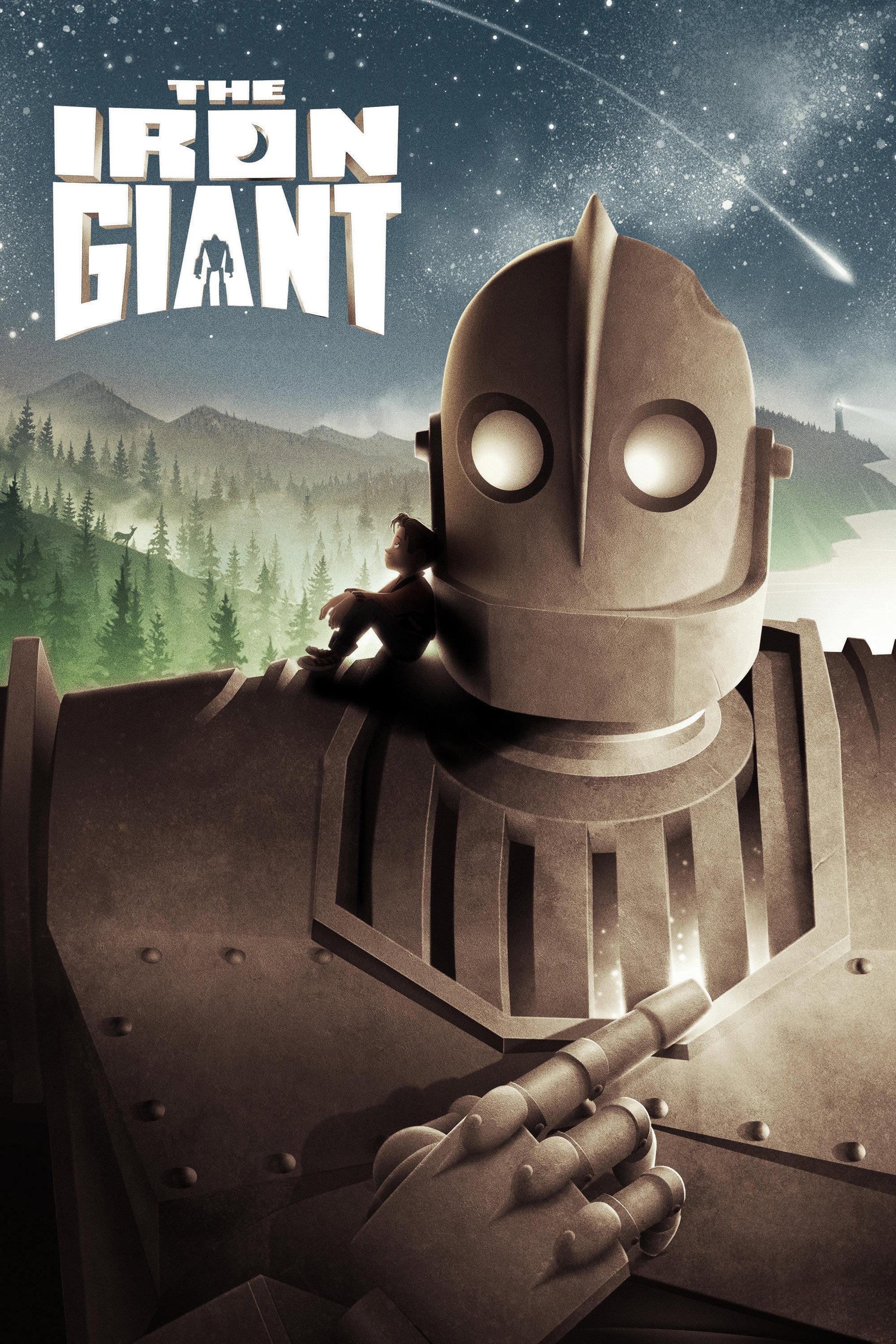
The Iron Giant poster

The Iron Giant

1999 · Another unlikely friendship, with room for jokes and a proper fright.

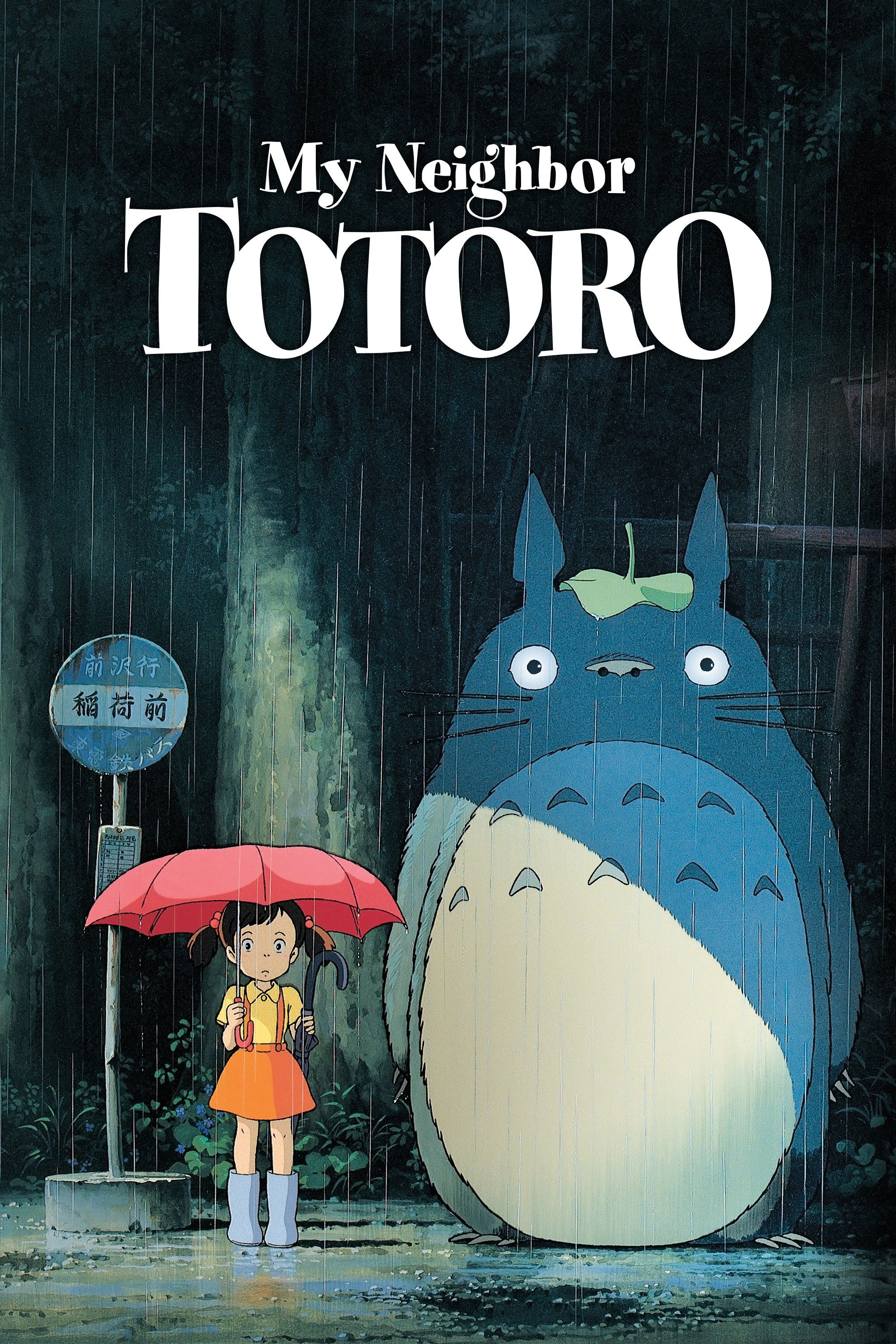
My Neighbour Totoro poster

My Neighbour Totoro

1988 · For the same respect for childhood, at a gentler walking pace.

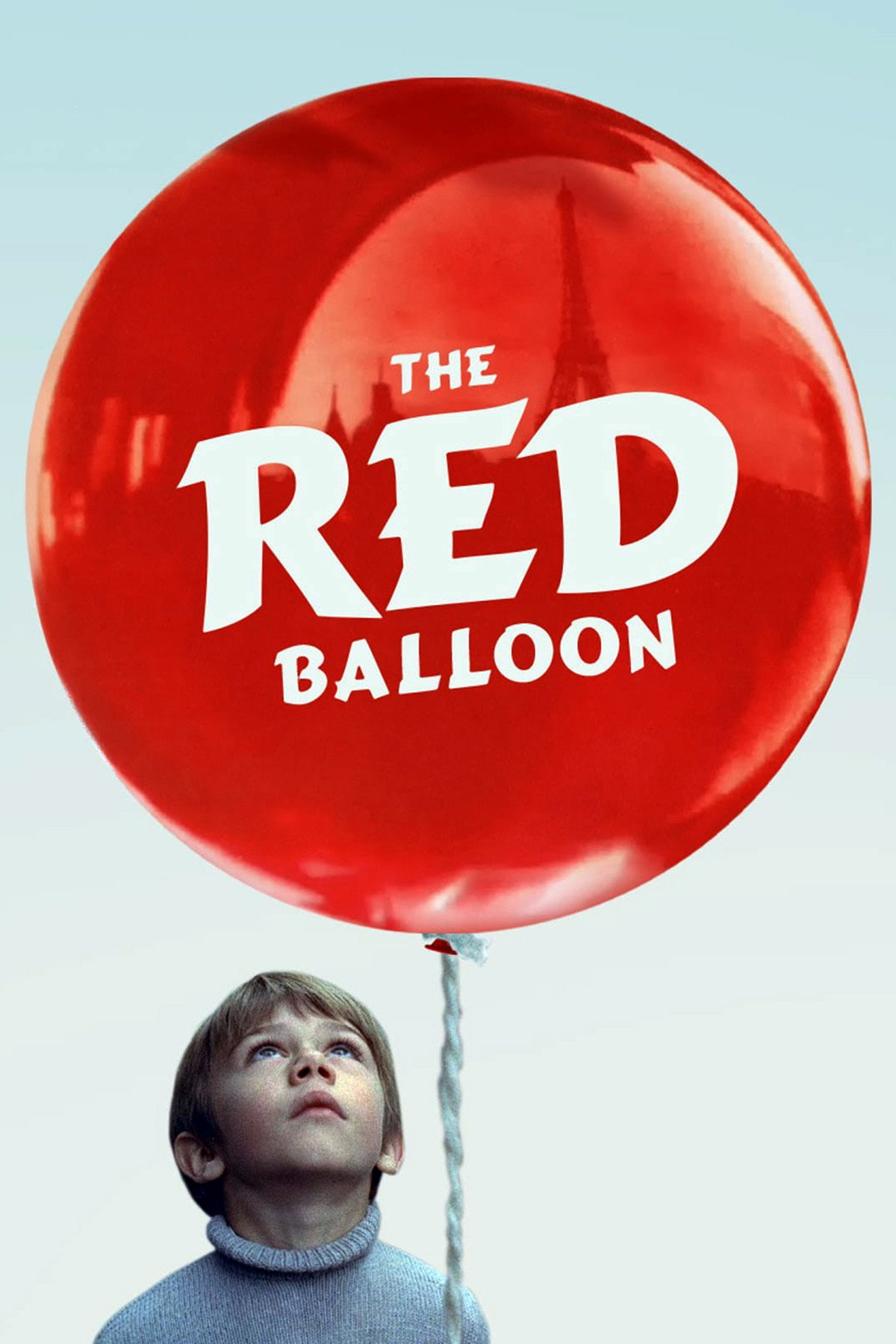
The Red Balloon poster

The Red Balloon

1956 · A child’s attachment to an ordinary object gets all the attention it deserves.

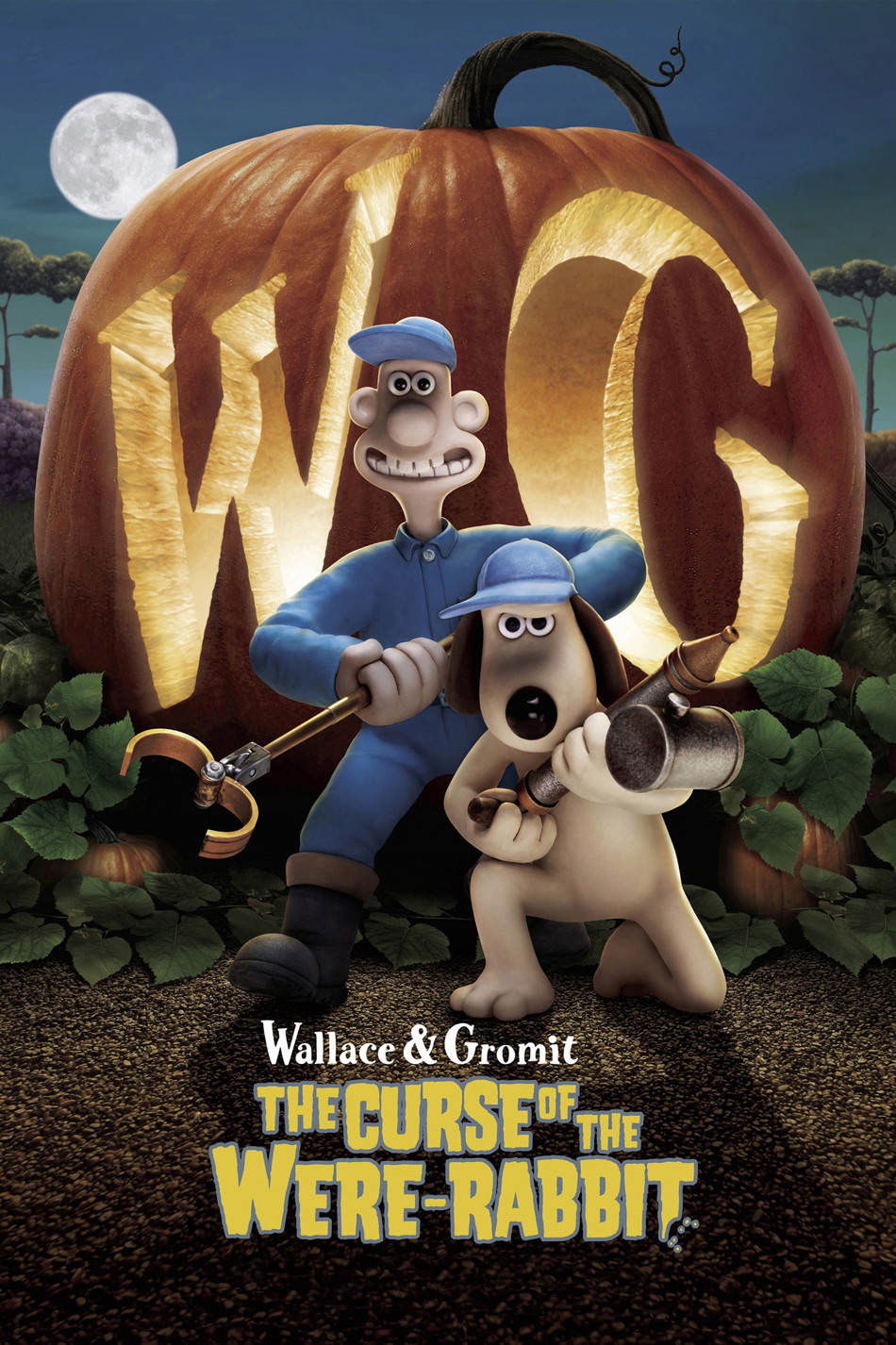
Wallace & Gromit: The Curse of the Were-Rabbit poster

Wallace & Gromit: The Curse of the Were-Rabbit

2005 · For comic timing that makes every small movement worth watching.

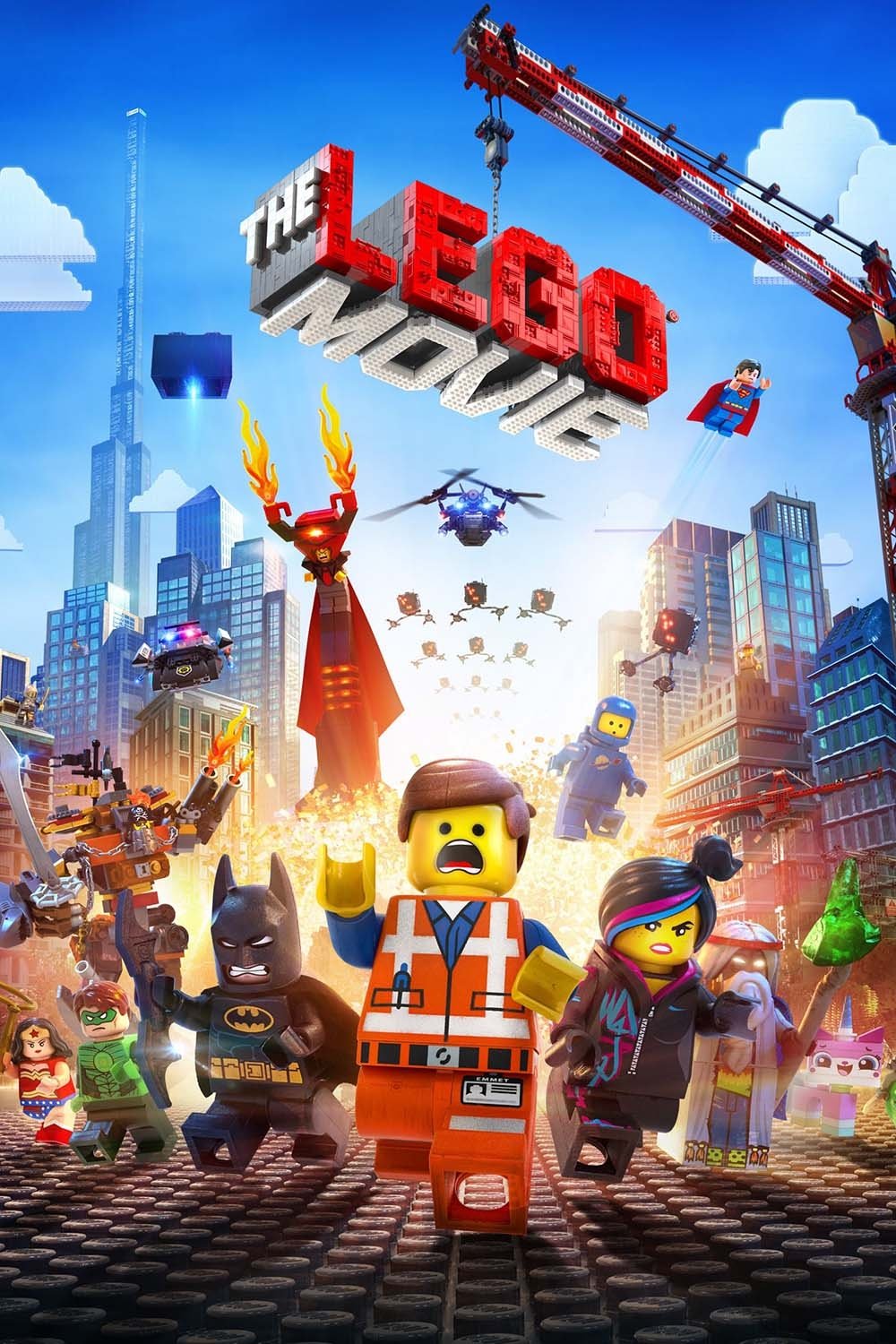
The Lego Movie poster

The Lego Movie

2014 · More toys with troublesome opinions about what they are supposed to do.